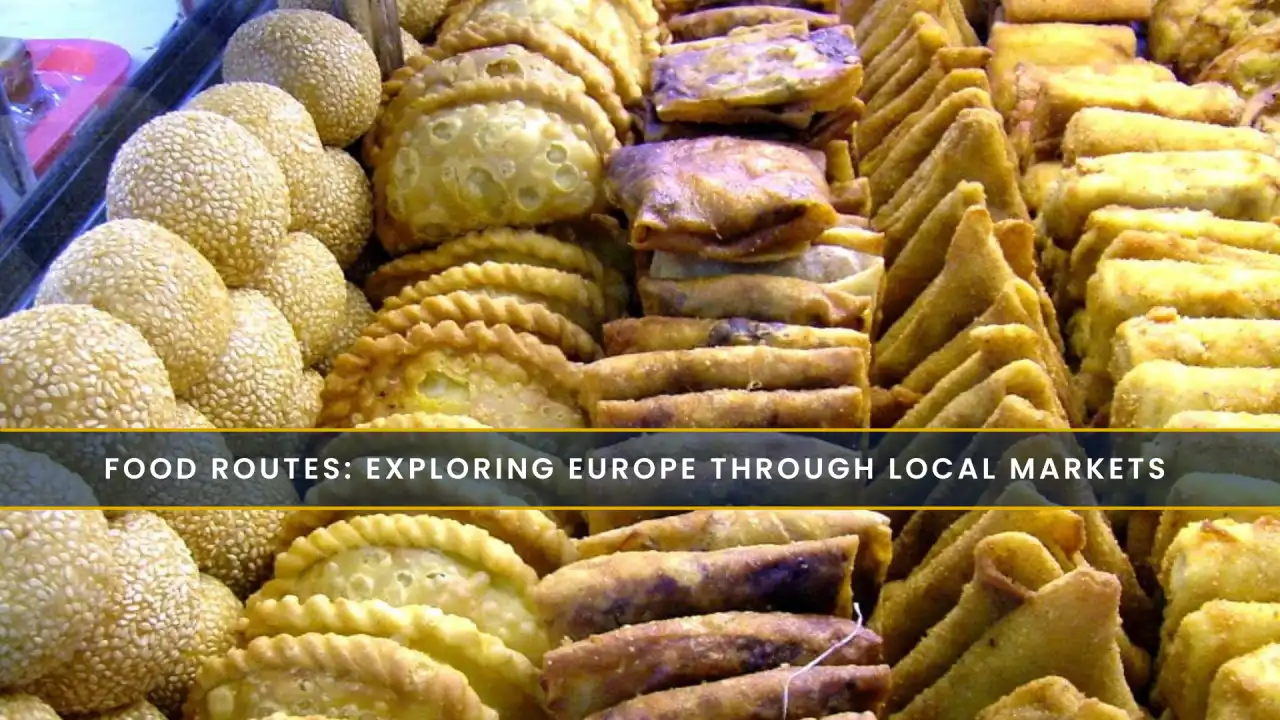
Food Routes: Exploring Europe Through Local Markets
Introduction
Europe isn’t just a place you visit, it’s more like something you stumble into, senses wide open, maybe a bit unprepared. Picture this: sardines sizzling in Lisbon, smoke curling into your nose before you even see the street. Or Istanbul, where spices hit your face like a wink from the city itself. Markets aren’t tidy, they shout, laugh, smell, spill chaos everywhere. And if you’re into europe food, these spots are basically the backstage pass. Kids screaming, lovers sneaking bites, old vendors yelling prices, it all somehow works. Follow us through a few of the best food routes across Europe; there are tips, weird little stories, and enough randomness to make it stick in your memory.
Why Markets Are the Heartbeat of European Food Culture
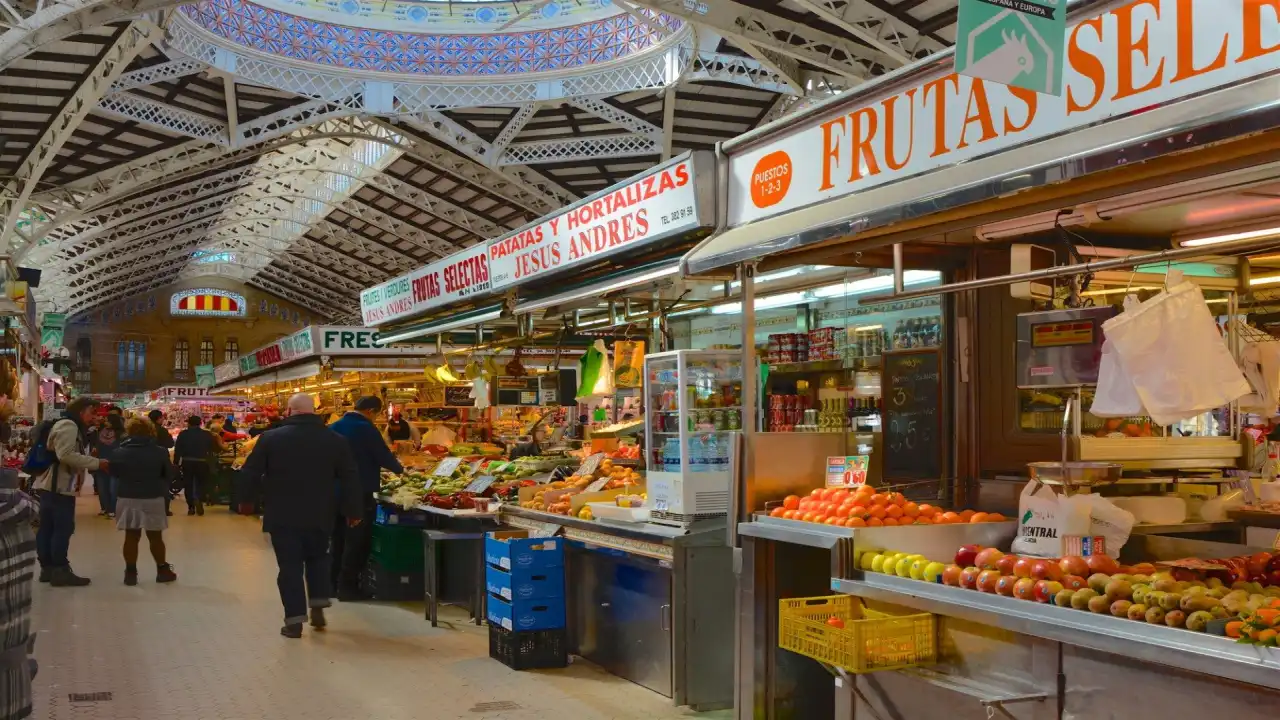
There’s something almost weirdly magical about markets. They don’t try to impress; they just exist. Someone’s arguing over cheese, a kid’s sneaking a candied fruit, and the smell of fresh bread hits, as it should come with a warning. Everything feels alive, messy, loud, and real.
Why do they stick with you?
- Authenticity: You’re eating what locals actually grab, not some plastic “tourist-friendly” plate. Real bites, real flavors. Think of it as a shortcut to genuine European food.
- Variety: Cheese over there, pastries here, maybe a smoked fish that looks terrifying but somehow blows your mind. Random, unexpected, kind of glorious.
- Connection: Vendors aren’t robots. They’ll chat, give tips, tell little stories, or glare if you fumble their display. Mostly, though, they just love what they do.
Markets can turn family trips into tiny adventures. Kids daring each other to try weird things, adults arguing over which cheese is king, and somehow, everyone leaves smiling.
Starting Your Journey: Southern Europe
Lisbon, Portugal – Mercado da Ribeira
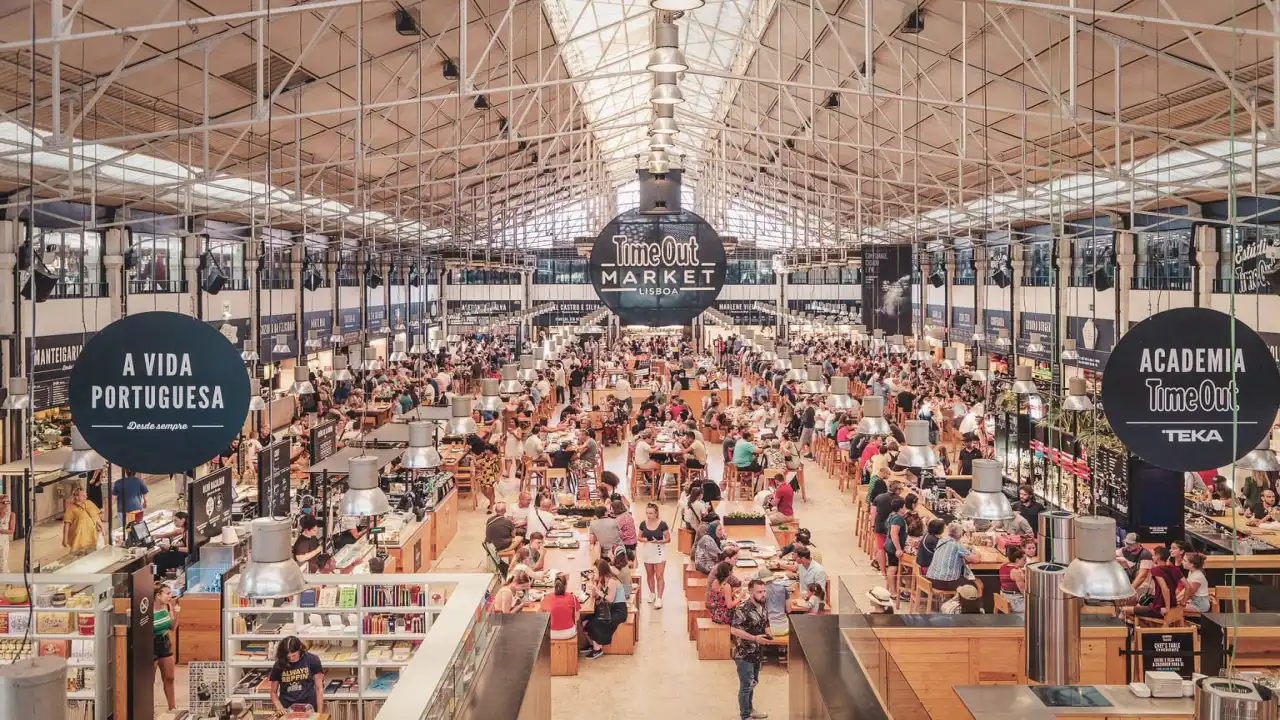
Picture stepping into a hall where grilled sardines fill the air and pastel de nata puff up like little clouds on trays. Mercado da Ribeira mixes traditional stalls with trendy eateries, letting you hop from cured meats to seafood tapas like it’s nobody’s business.
Pro tips:
- Weekends are usually busy; try to arrive early.
- Sample petiscos, tiny Portuguese plates perfect for snacking.
- Wine tasting? Yes, ask nicely. Vendors usually pour small sips.
Barcelona, Spain – La Boquería
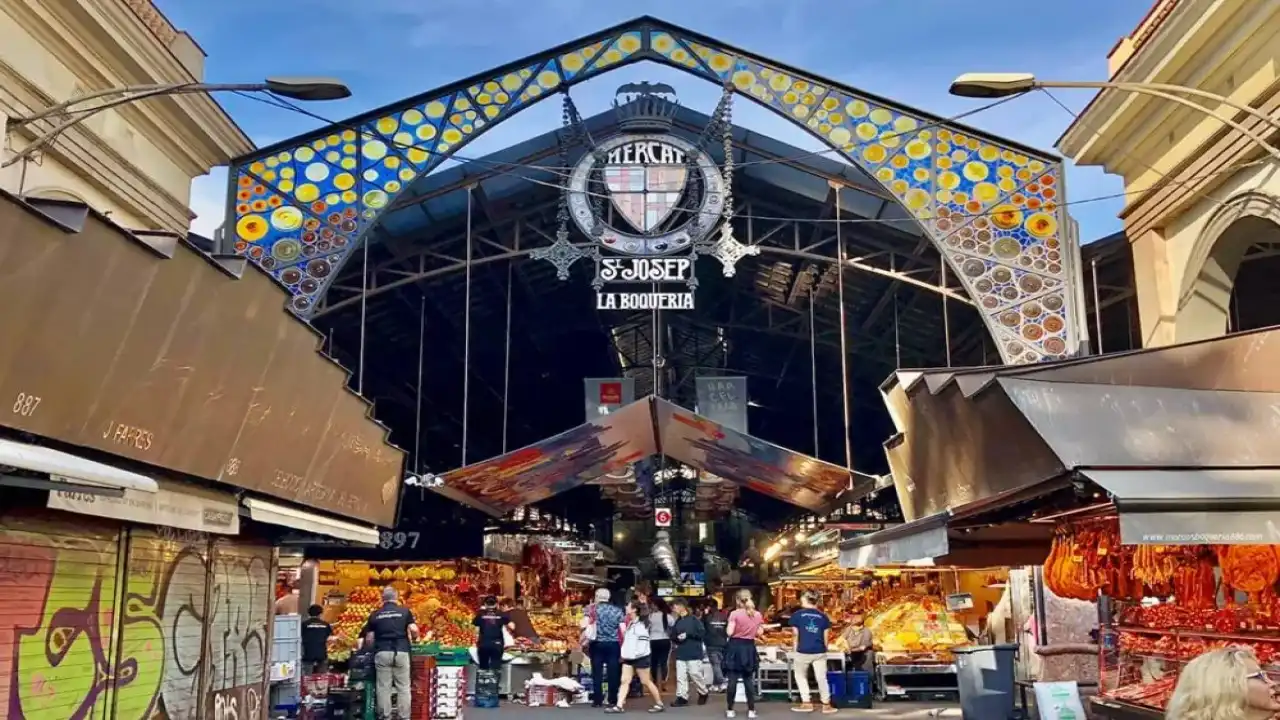
Lisbon has smells. Barcelona has color. Fruits stacked like candy rainbows, seafood piled impossibly high, and jamón ibérico that haunts your dreams. It’s theater and food all in one.
Pro tips:
- A local guide helps you spot the butifarra sausage and other gems.
- Grab fresh produce, and picnic at Parc de la Ciutadella is worth it.
Western Europe’s Market Magic
Paris, France – Marché d’Aligre
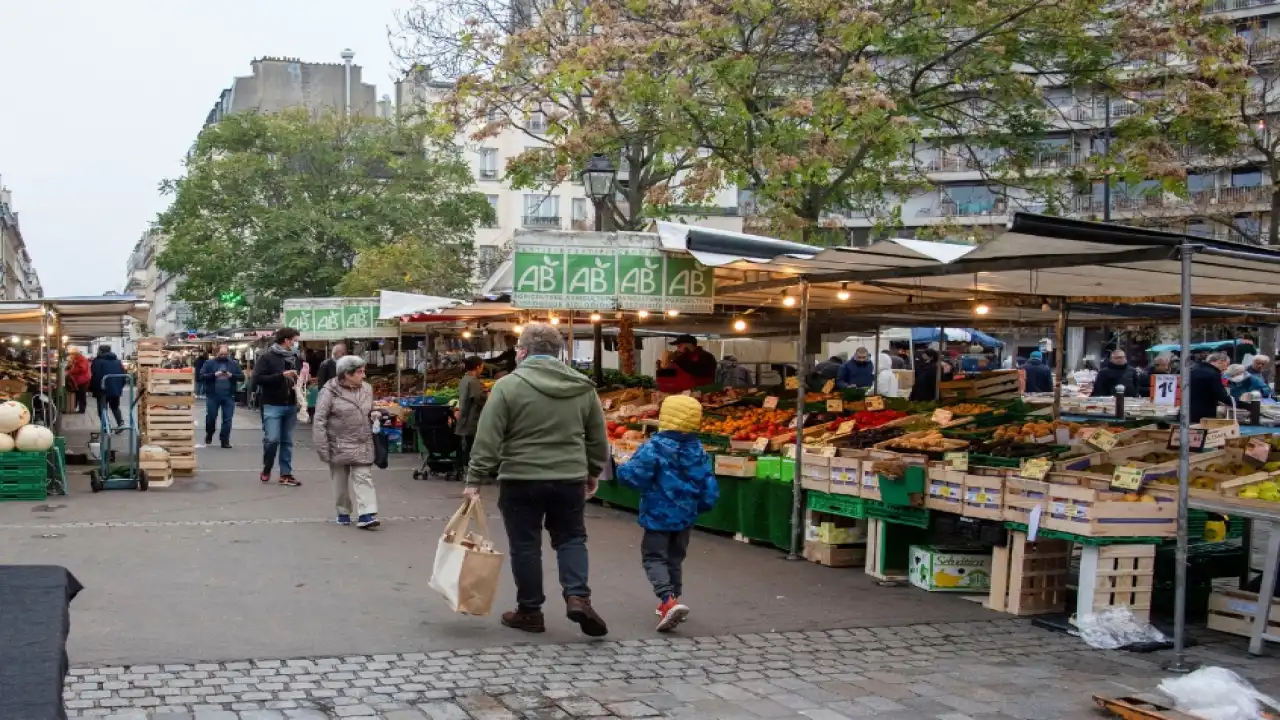
Croissants? Sure, but this market is the real Paris. Fresh oysters, bargain produce, and antique shops spilling into the streets. People-watching alone could take hours.
Pro tips:
- Cash is necessary; some stalls still don’t take cards.
- Visit cheese stalls first; the best things disappear fast.
- Fish auction in the back alley? Total spectacle.
Amsterdam, Netherlands – Albert Cuyp Market
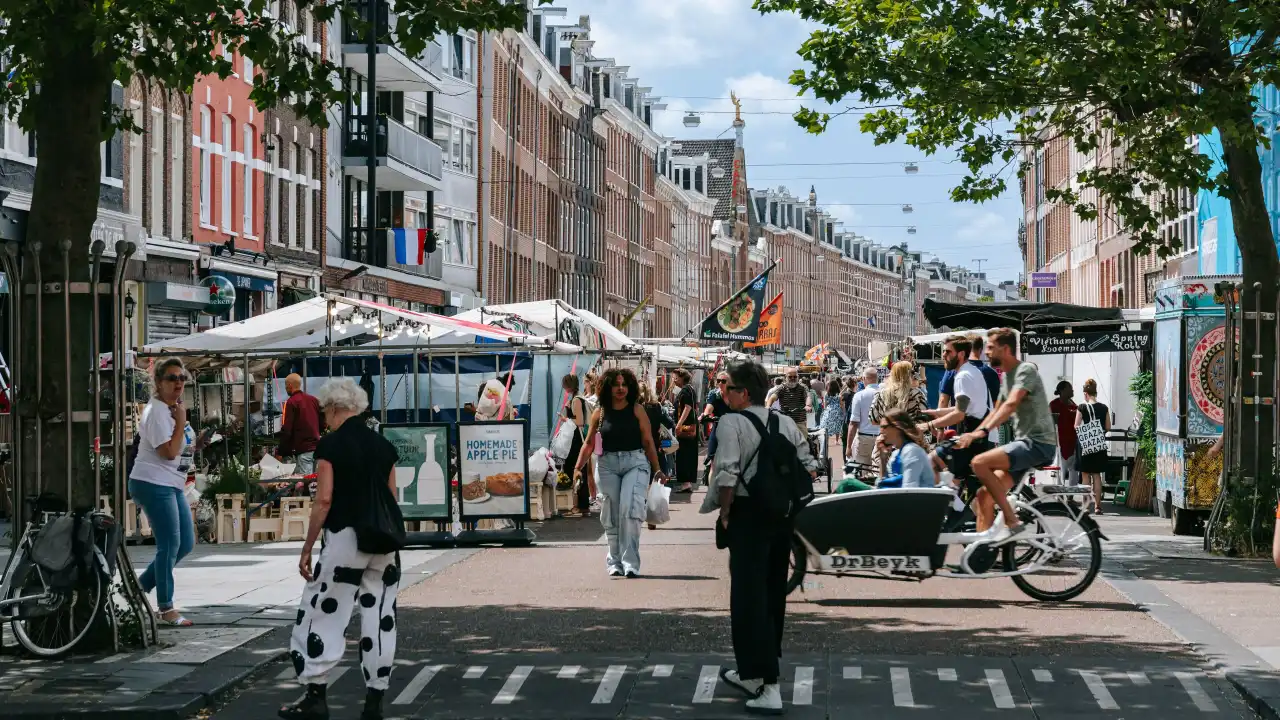
A little chaotic, a little multicultural and 100% delicious. Stroopwafels, raw herring, Indonesian snacks, basically a bite of everything.
Pro tips:
- Raw herring with onions sounds intimidating, but just try it.
- Grab stroopwafels straight off the griddle.
- Early mornings are best; fewer crowds, more chatting with vendors.
Central Europe: Where Flavors Tell Stories
Vienna, Austria – Naschmarkt
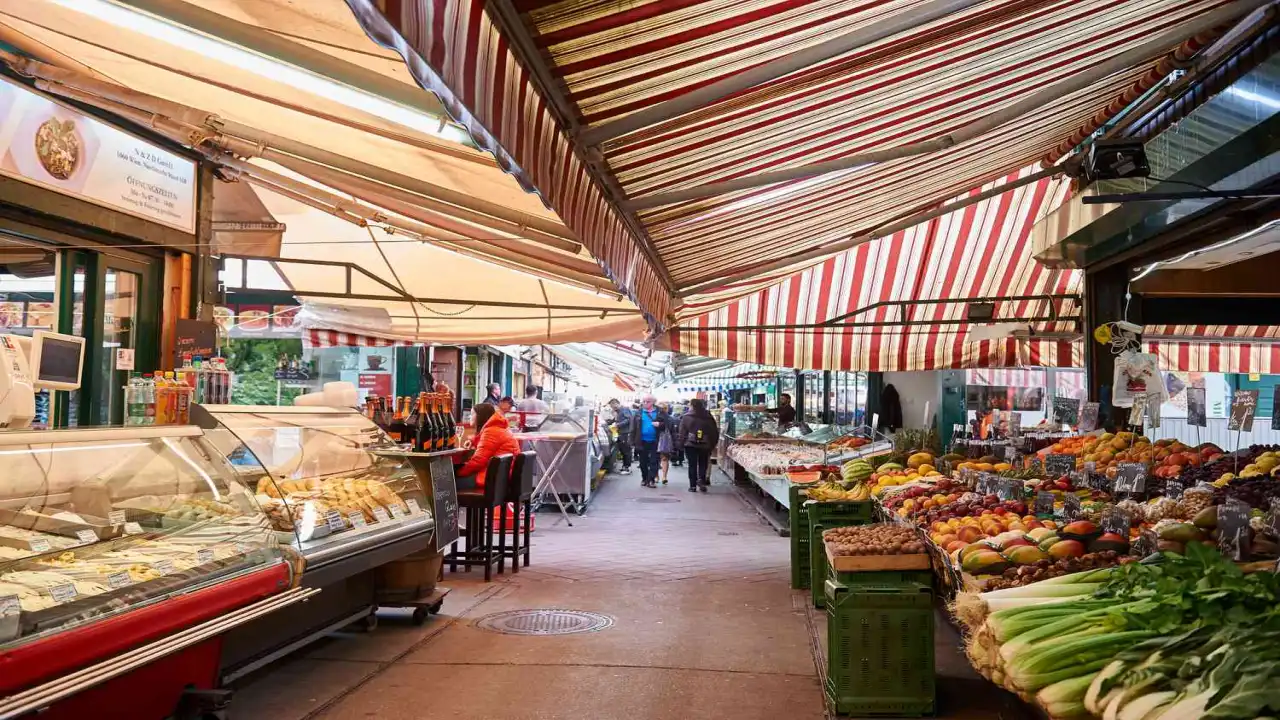
Over a mile of stalls, from spices that make your nose twitch to Wiener Schnitzel that’s basically comfort in a bite. Feels like a festival that never ends.
Pro tips:
- Don’t miss Kaiserschmarrn, a fluffy, shredded pancake that’s borderline addictive.
- Market cafés are casual, cozy spots for lunch.
- Nearby cooking classes? Do it. You’ll remember these flavors forever.
Prague, Czech Republic – Naplavka Farmers’ Market
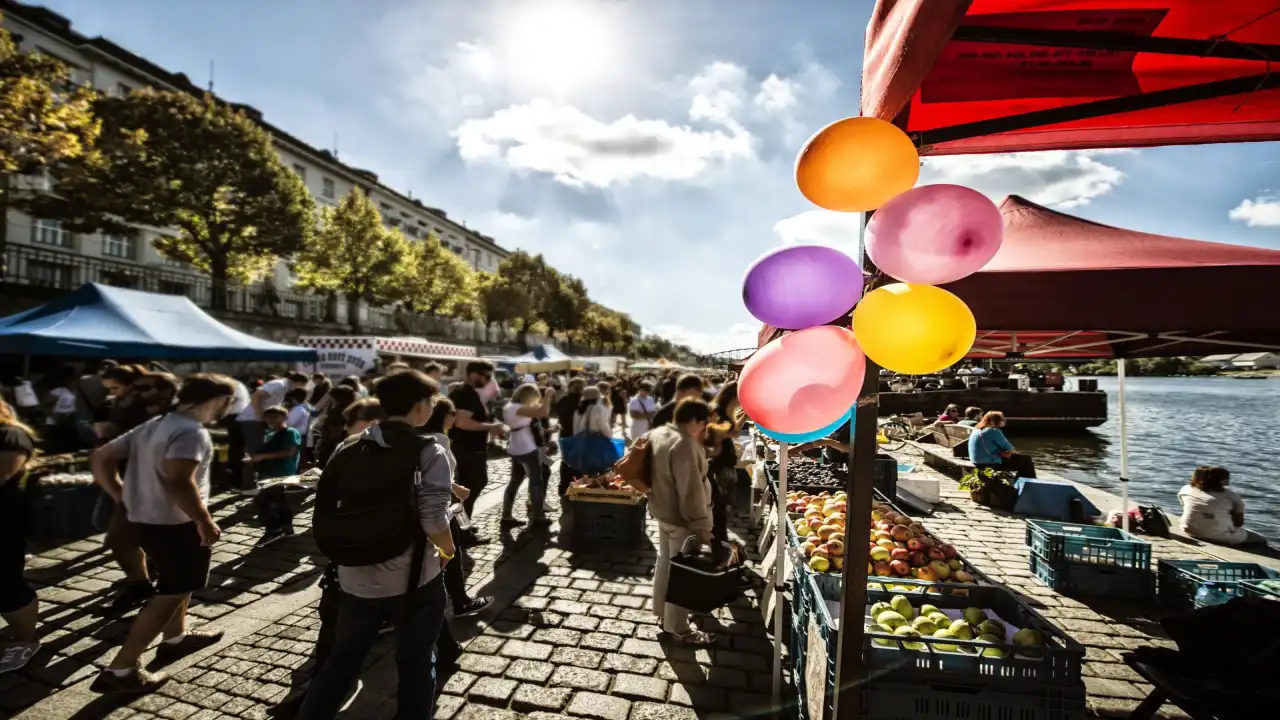
Riverside charm, fresh cheese, bread still warm from the oven, cafés, live music, it’s easy to wait here for hours.
Pro tips:
- Bring a reusable bag.
- Arrive before noon for the freshest baked goods.
- Wine stalls: chat with vendors; locals know better than any guidebook.
Northern Europe: Bold Flavors, Fresh Ingredients
Copenhagen, Denmark – Torvehallerne
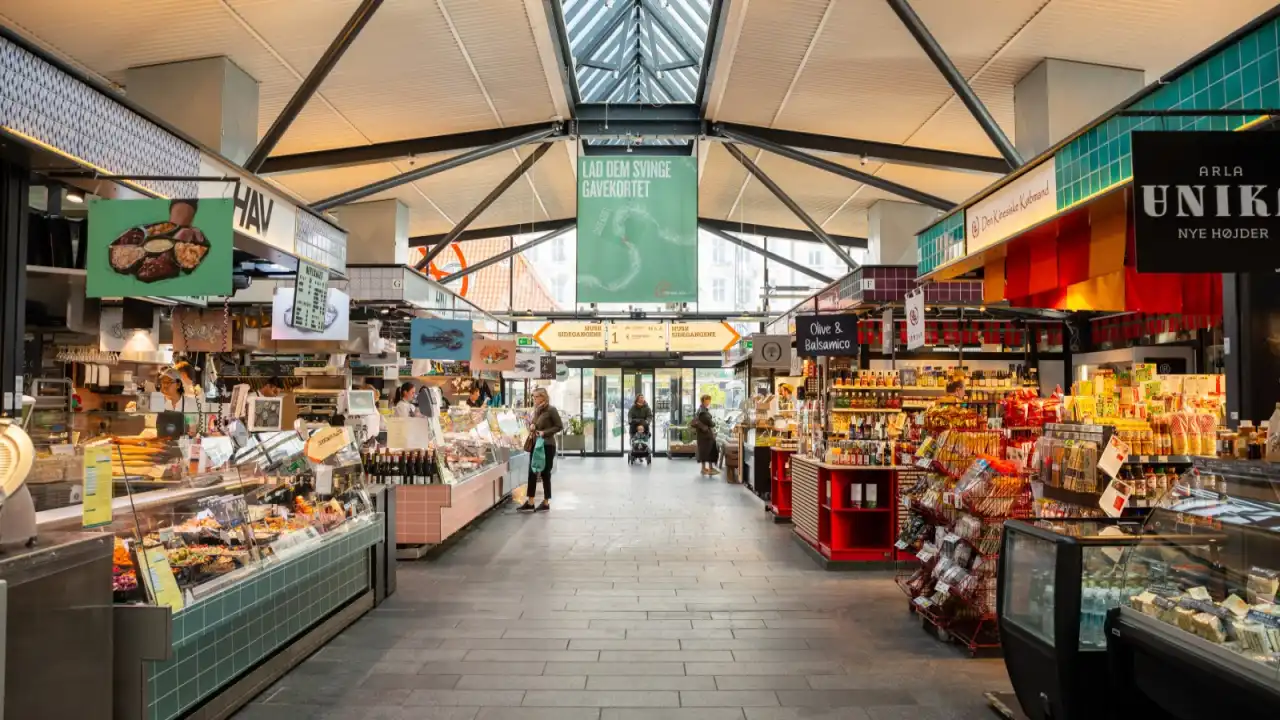
Seafood, smørrebrød, and cheeses are a variety heaven.
Pro tips:
- Danish hot dogs? Weirdly iconic locals swear by them.
- Ask for cheese tasting tips; they’re usually happy to share.
- Combine with a canal boat ride for kids, it’s genius.
Stockholm, Sweden – Östermalms Saluhall
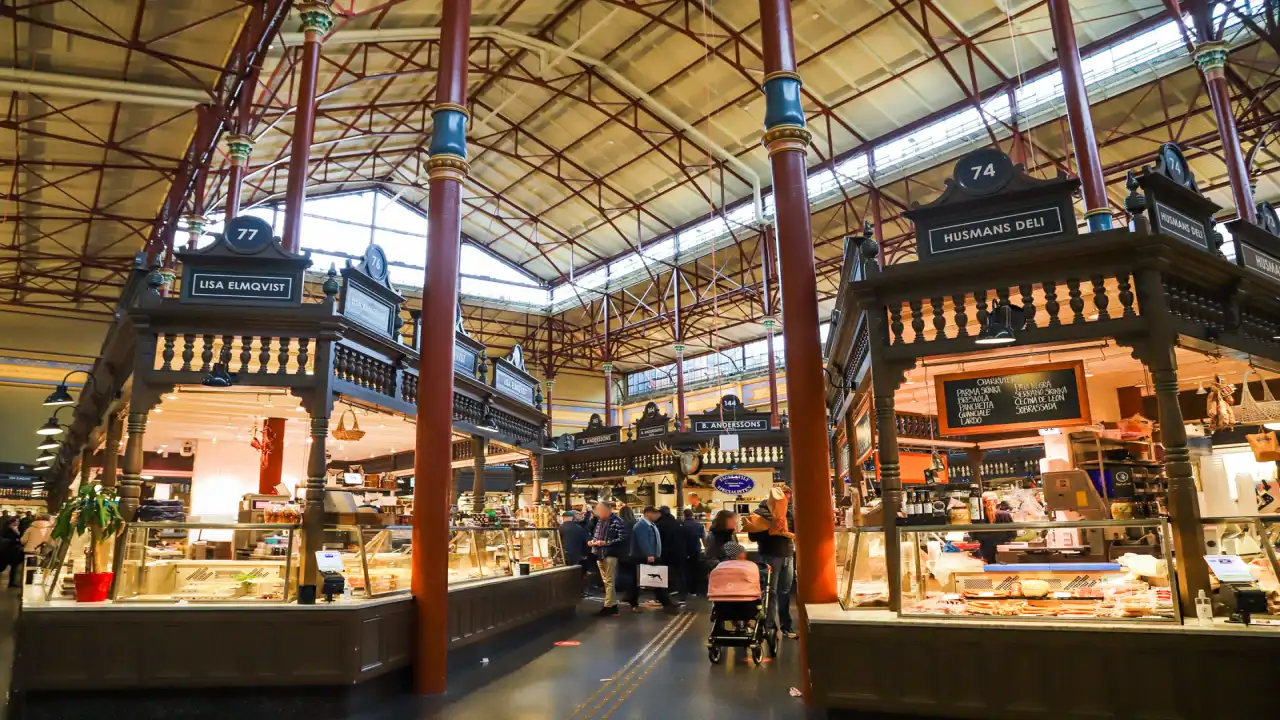
Historic, elegant, century-old vibes, all the Swedish classics: gravlax, pickled herring, kanelbullar.
Pro tips:
- Lunch: ready-to-eat options.
- Cinnamon buns? Don’t skip.
- Cheese plus a crisp apple is a surprisingly perfect snack.
Eastern Europe: Rustic Charm and Surprising Finds
Budapest, Hungary – Great Market Hall
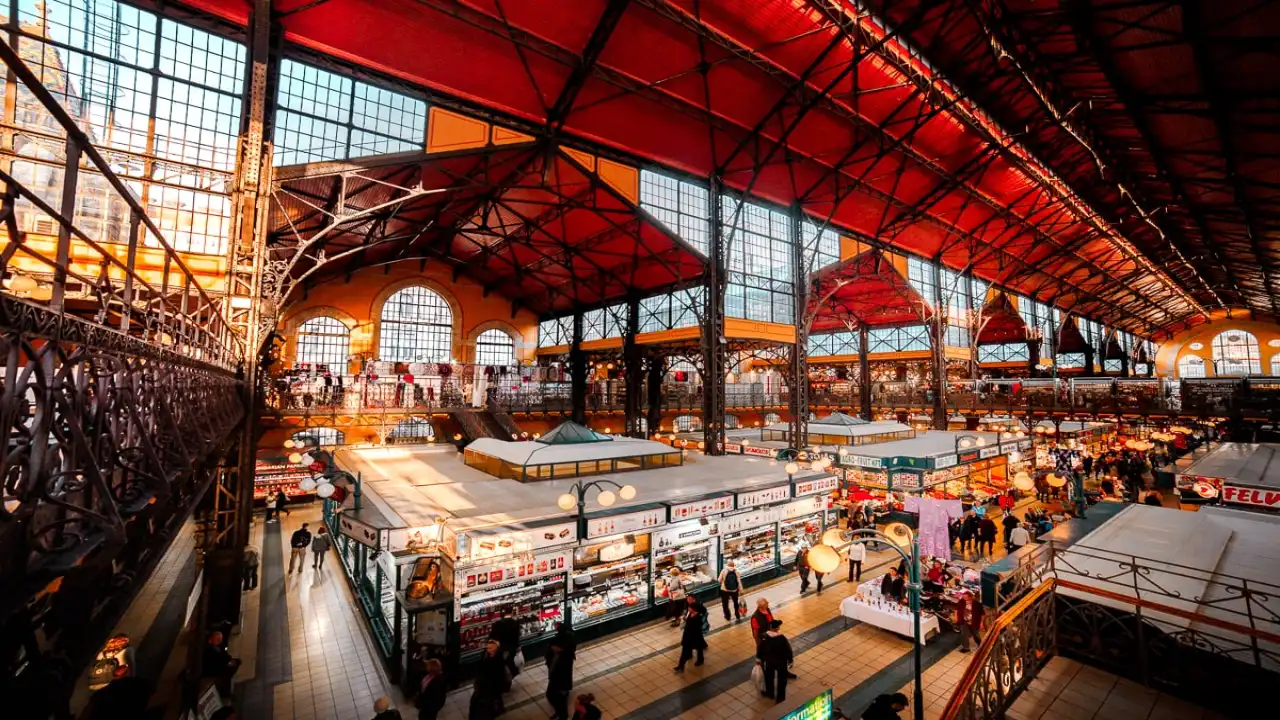
Paprika everywhere, sausages, and pastries are sensory overload in the best way.
Pro tips:
- Go early for fresh bread.
- Try lángos: fried flatbread, cheese, and sour cream.
- Upstairs? Handicrafts and locally made things.
Kraków, Poland – Stary Kleparz
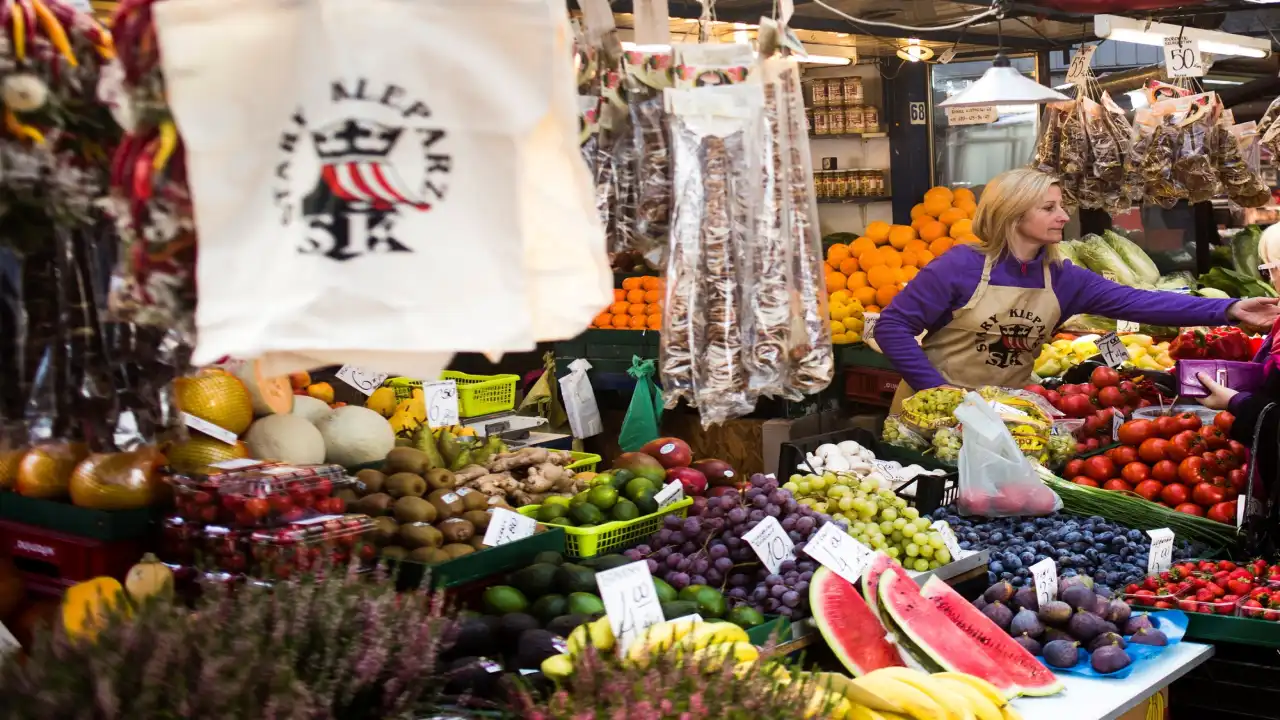
Seasonal fruits, traditional sausages, and fresh dairy make walking in feel like stepping into a local’s kitchen.
Pro tips:
- Coins handy for quick buys.
- Pierogi from local stalls? Yes
- Weekdays are calmer, which is nice if you want a relaxed stroll.
How to Make the Most of Market Visits
Markets aren’t just shopping, they’re experiences.
- Walk slowly. Follow your nose.
- Talk to vendors, sample everything.
- Try something odd each day; it might surprise you.
- Mix cheeses, bread, and fruit; picnic style.
- Public transport helps; parking is usually a nightmare.
Markets for Families
Kids love colors, textures, and chaos. Some markets have live music, demos and tiny rides. Turn visits into:
- Treasure hunts for fruits and veggies.
- Mini cooking lessons.
- Vendor stories and cultural tidbits.
Family-friendly Europe trips often include guided market tours, which keep everyone happy and sane.
International Packages and Market Experiences
Some International trip packages are basically foodie dreams: Lisbon seafood, Paris cheeses, Copenhagen pastries all rolled into one. Insider access, cooking classes and local guides. It’s like someone mapped your perfect culinary adventure.
Conclusion
Markets aren’t just points on a map; they’re living, breathing slices of Europe. Daily life, pride in products, joy in sharing food, it’s all there. From Southern Europe’s chaotic fish stalls to Eastern Europe’s rustic charm, every corner has its own story.Family trips, and honeymoon strolls, whatever your vibe, markets make Europe feel alive. Every bite, every aroma, every little conversation pulls you into the local rhythm. You leave with more than souvenirs; you leave with memories, flavors, and stories that wait far longer than your flight home.
Practical Tips for Market Travelers
- Keeping cash is necessary.
- Reusable bags are lifesavers.
- Comfortable shoes are a must. You’ll walk more than you think.
- Snacks are necessary.
- Know market days and opening hours.
- Keep an open mind. Weird-looking food sometimes tastes incredible.