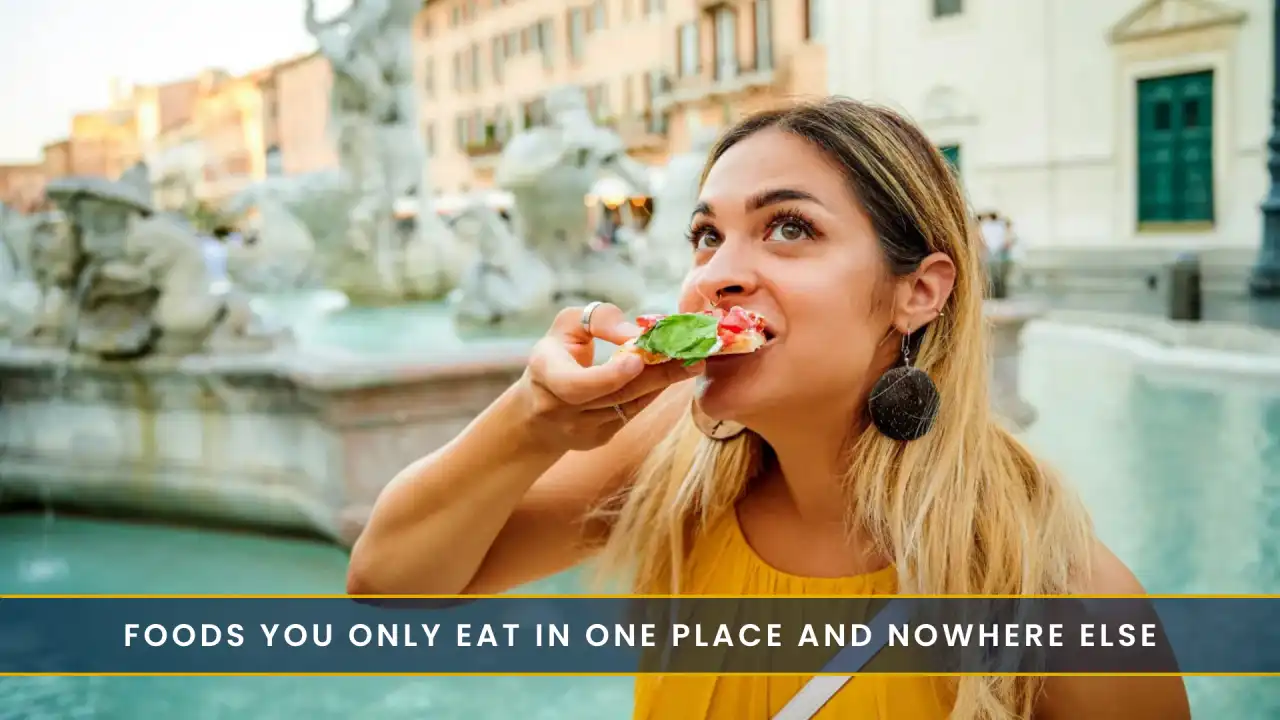
Foods You Only Eat in One Place and Nowhere Else
Introduction
Some foods are born ready to travel. Pizza didn’t even hesitate. Burgers adjusted quickly. Noodles figured things out and now live pretty much everywhere. But then some foods stay put. They don’t adapt well. They don’t want to. You can try copying them. You can change the name, swap ingredients, or even follow the recipe step by step. Still, something feels missing.
That’s because these dishes belong where they are made. To the streets, the weather, and the habits of people who eat them without thinking twice. They make sense only there. These are Exclusive traditional foods, the kind that rely on local ingredients, local timing, and sometimes even the mood of the place that day. Eat them somewhere else and they feel flat. Eat them at home, where they belong, and suddenly it clicks. This isn’t about fancy restaurant food or things plated for Instagram. It’s about everyday food. The meals people don’t bother explaining because, to them, it’s just normal. You find these dishes while wandering, waiting, or sitting on a slightly uncomfortable plastic chair, wondering why something so simple tastes so different.
Why Some Foods Just Don’t Translate
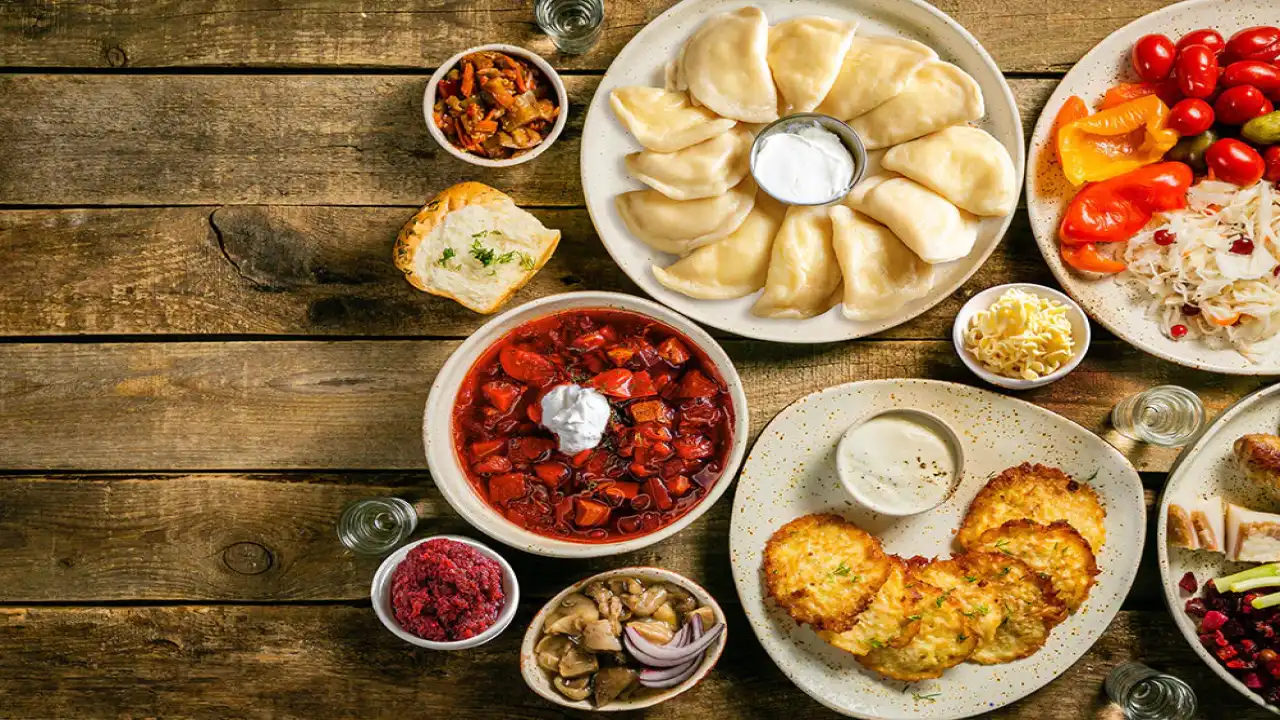
Before getting into specific dishes, it helps to understand why certain foods refuse to leave home.
Usually, it’s not one reason. It’s a mix.
- Ingredients that don’t travel well or aren’t sold elsewhere
- Cooking methods learned by watching, not reading
- Timing some foods are meant for mornings, or certain seasons
- Habits that make sense locally but feel strange outside
But the biggest reason is this: these foods were never meant for visitors. They weren’t designed to impress. They were designed to feed people who live there every day.
That’s why they feel honest. And that’s why they’re hard to copy.
Japan: Hiroshima-Style Okonomiyaki
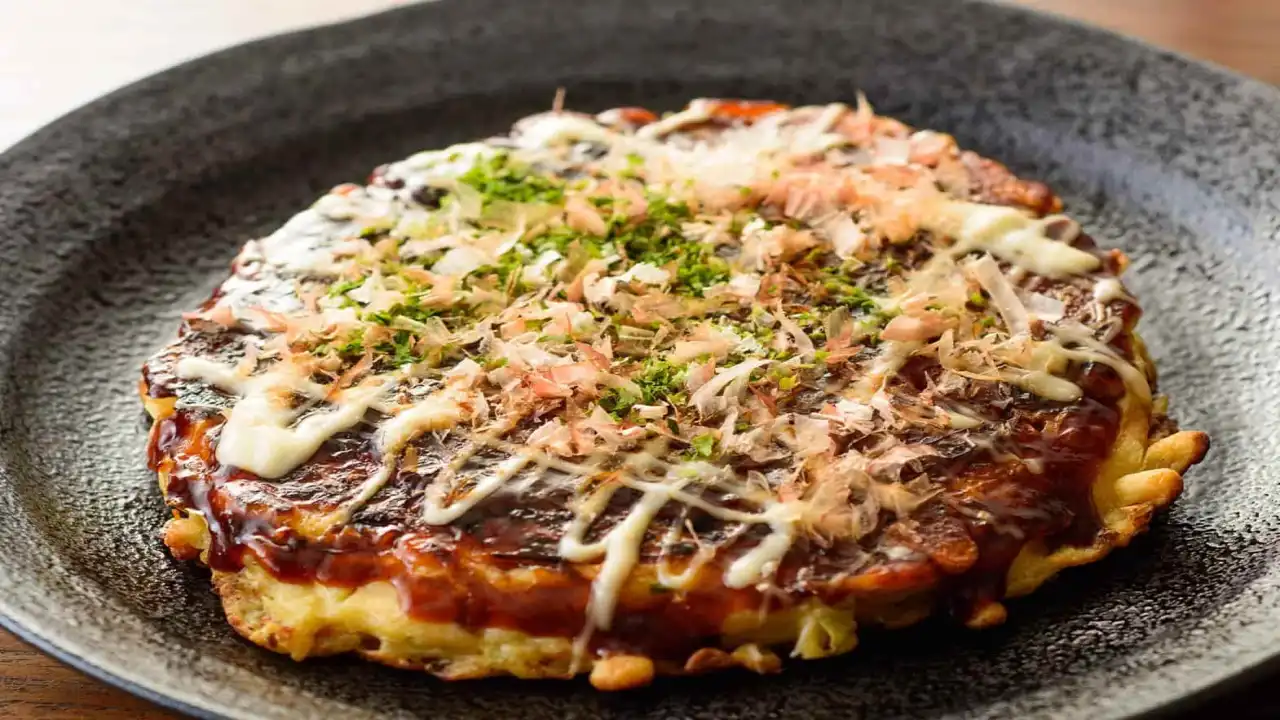
You’ll see okonomiyaki all over Japan. No one denies that. But Hiroshima’s version is different, and locals will make sure you know it. Here, nothing is mixed. Ingredients are stacked. Cabbage first. A lot of it. Then noodles. Then just enough batter to hold everything in place. It cooks slowly on a hot plate, pressed gently, flipped with confidence. Watching someone make it feels less like cooking and more like routine muscle memory.
Why does it really work only here:
- The cabbage is unusually sweet and fresh
- The noodle-to-batter balance is very specific
- People eat it straight from the hot plate, no waiting
Outside Hiroshima, it’s just another variation. In the city itself, it’s lunch, dinner, and comfort food all at once, the kind of dish that quietly becomes the highlight of a Japan trip package without anyone planning it that way.
Pro tip: Sit at the counter. Tables cool it down too fast.
Italy: Lampredotto in Florence
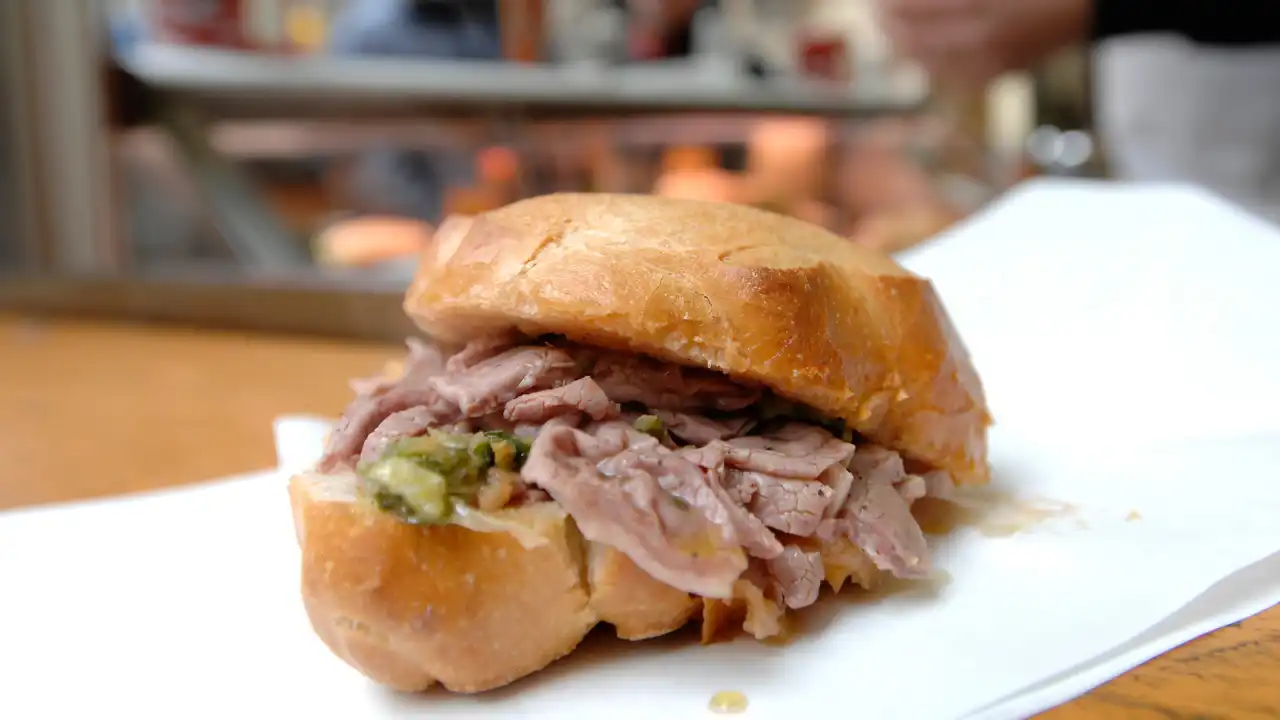
Florence is full of good food. Everyone knows that. Pasta, steak, wine, it’s all there. But lampredotto? That’s what locals actually crave. It’s made from the fourth stomach of a cow, cooked slowly in broth, chopped up, and stuffed into a crusty roll. Sounds risky. It isn’t. It’s rich, soft, and surprisingly comforting. You’ll usually find it at street carts run by the same families year after year. Locals stop, say a few words, eat standing up, and move on.
Why doesn’t it really leave Florence?
- That cut of meat isn’t popular elsewhere
- It needs patience, not shortcuts
- The bread matters more than people expect
Lampredotto isn’t trying to be pretty. It’s messy, hot, and very Florentine.
Thailand: Khanom Jeen Nam Ya (Southern Style)
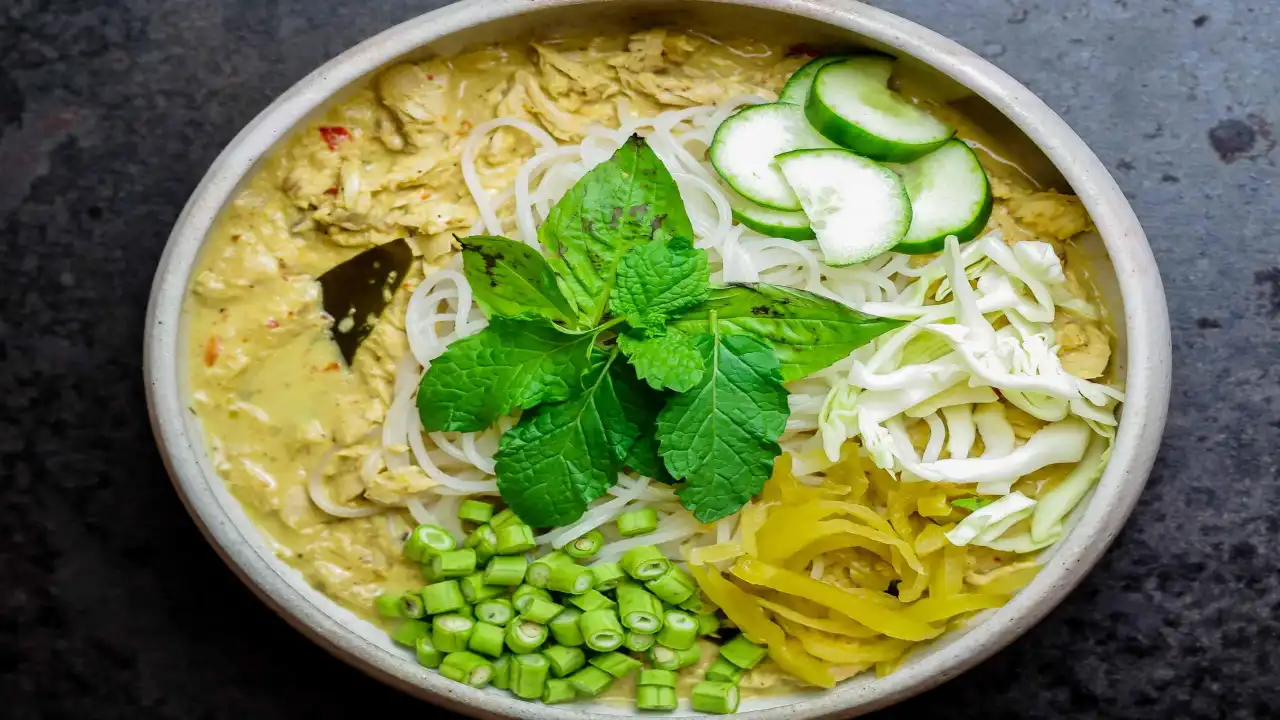
Khanom jeen exists all over Thailand. But the southern version? That’s something else. Fermented rice noodles. Thick fish curry. Fresh herbs. Raw vegetables. It’s spicy, sour, and comforting in a way that sneaks up on you. And yes, locals eat it for breakfast.
Why it works best in the south:
- The noodles are made locally
- The curry depends on regional fish and spices
- It’s assembled fresh, right when you order
This is one of those food experiences only locals know, unless someone actually brings you along and explains things.
Pro tip: Don’t ask for less spice. Use herbs. That’s how locals do it.
México: Cochinita pibil in Yucatán
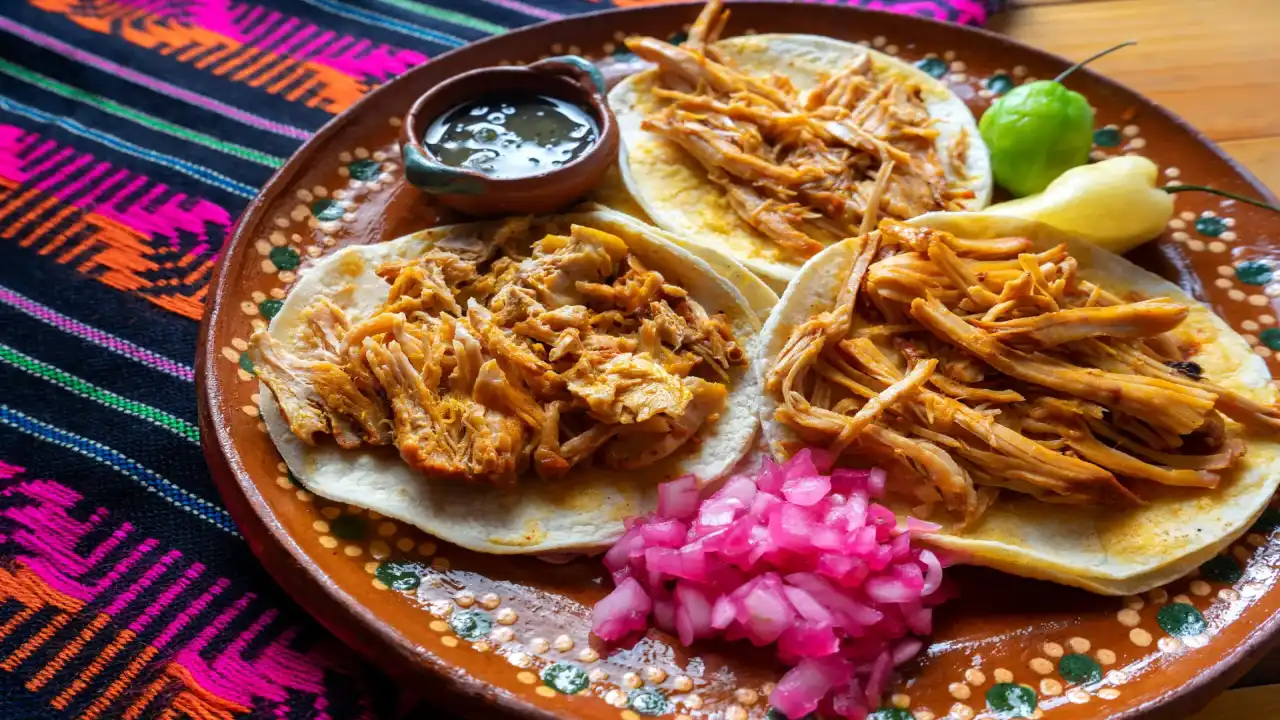
Cochinita pibil isn’t treated like a “special dish” in Yucatán. It’s just food. Weekend food. Morning food. Family food. Pork is marinated in achiote, wrapped in banana leaves, and slow-cooked until it barely holds together. Usually served with pickled onions and tortillas. Nothing extra.
Why it stays rooted here:
- Achiote paste is prepared differently
- Banana-leaf cooking isn’t optional
- Traditionally cooked overnight, sometimes underground
Outside Yucatán, it’s fine. Here, it tastes like something older.
Vietnam: Bun Cha in Hanoi
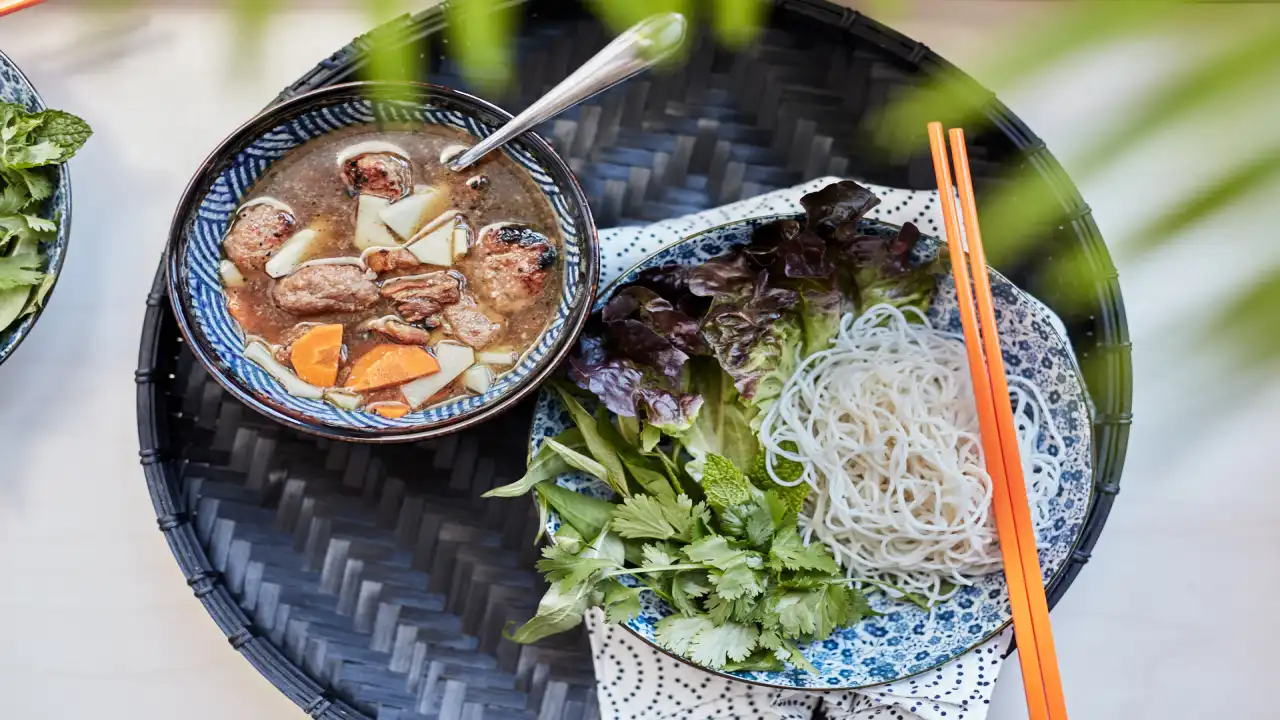
You can find bun cha in other places. But Hanoi’s version feels settled. Confident. Grilled pork patties and slices sit in a light, sweet, and savory broth, just balanced enough. You dip noodles and herbs. Everyone eats it their own way. No rules. No rush.
Why it belongs to Hanoi:
- Street-side charcoal grilling adds depth
- Northern flavors lean lighter and cleaner
- Herbs are fresh, not chilled
This is one of those Travel destinations known for one dish, where the food tells you more about the city than a walking tour.
Pro tip: Lunch only. Locals rarely eat it at night.
Turkey: Iskender Kebab in Bursa
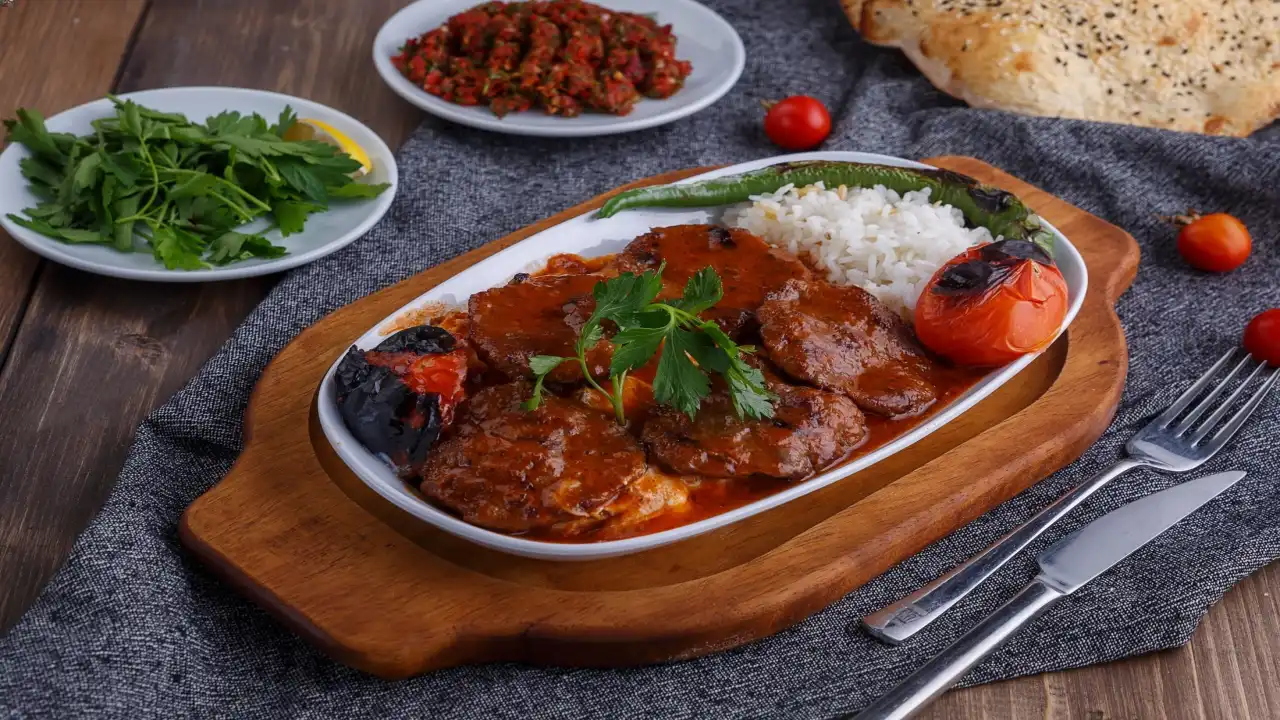
Iskender kebab exists everywhere in Turkey. But in Bursa, it finally makes sense.
Thin meat slices. Bread underneath. Tomato sauce. Hot butter poured right in front of you. Yogurt on the side. Heavy, yes. But balanced.
Why Bursa gets it right:
- The bread is made specifically for this dish
- Butter quality matters more than meat
- Portions are for locals, not visitors
Here, Iskender isn’t flashy. It’s respected.
India: Misal Pav in Kolhapur
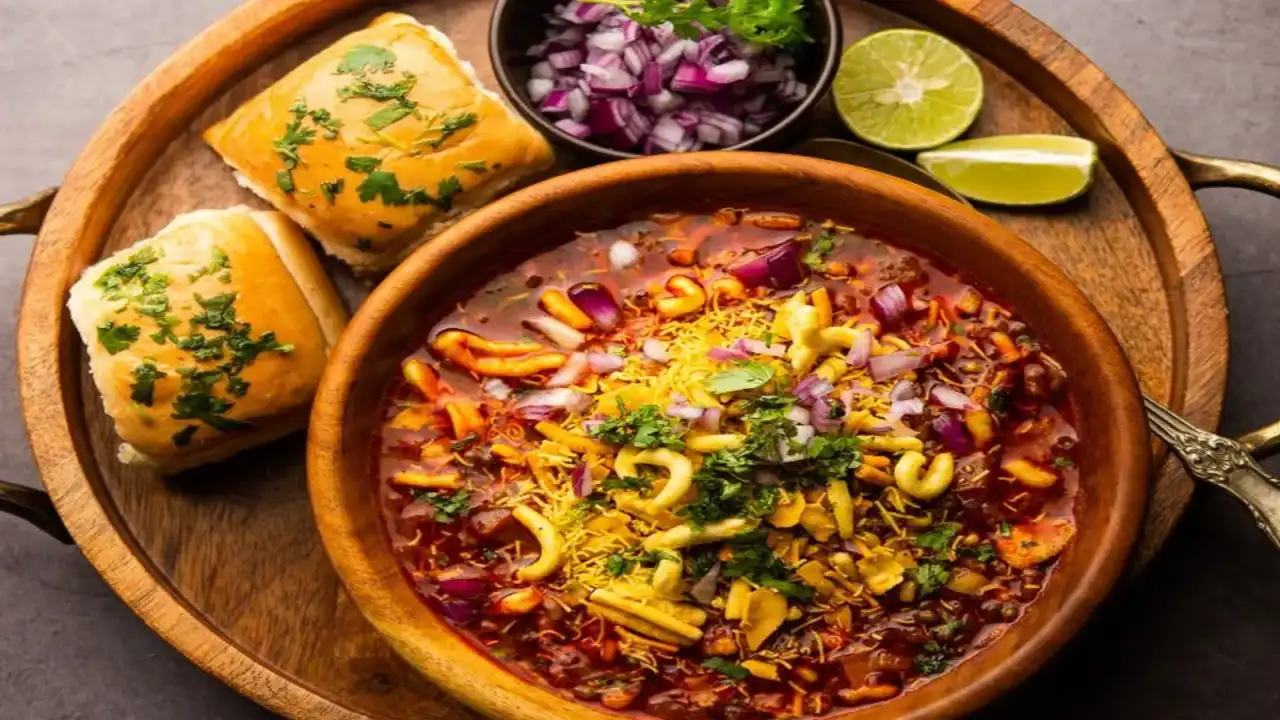
Misal pav shows up all over Maharashtra. Kolhapur’s version, though, doesn’t play around. The curry is deep red. The spice builds slowly, then all at once. Crunchy farsan on top. Soft bread on the side.
Why it stays local:
- Spice blends are guarded closely
- Locals grow up with this heat
- It’s eaten early, not as a gimmick
You don’t casually try Kolhapuri misal. You prepare yourself.
Pro tip: Slow bites. Let the spice settle.
Spain: Calçots in Catalonia
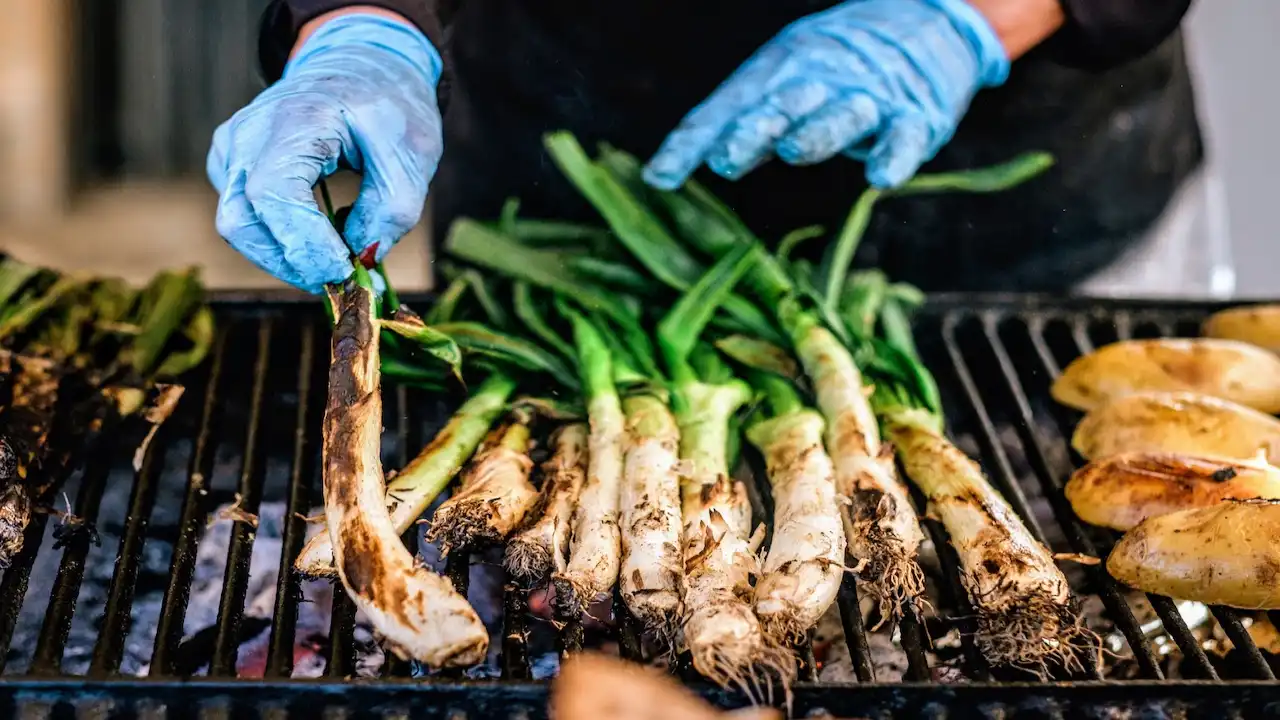
Calçots aren’t just food. They’re an excuse to gather. Spring onions grilled until black. Peeled by hand. Dipped in romesco sauce. Eaten standing up. Bibs required. Mess guaranteed.
Why does it only work here?
- Calçots are grown locally
- The season is short
- The ritual matters as much as the flavor
Recreating it elsewhere misses the point entirely.
Indonesia: Gudeg in Yogyakarta
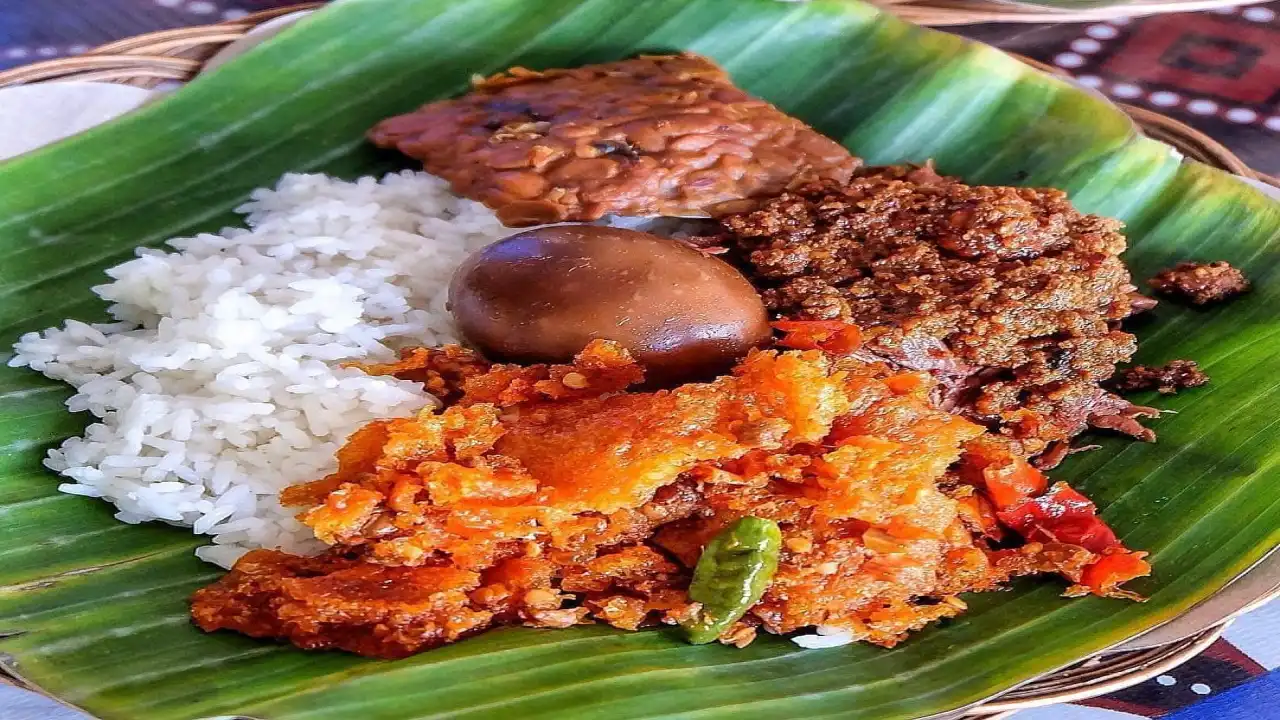
Gudeg is made from young jackfruit cooked slowly with palm sugar and coconut milk. Served with rice, chicken, and egg. It’s sweet. Soft. Quiet. That’s why some visitors don’t get it right away.
Why it belongs in Yogyakarta:
- Jackfruit quality matters
- Sweetness reflects local taste
- It’s tied deeply to Javanese tradition
Gudeg reminds you that comfort food doesn’t need to shout.
Morocco: Tangia in Marrakech
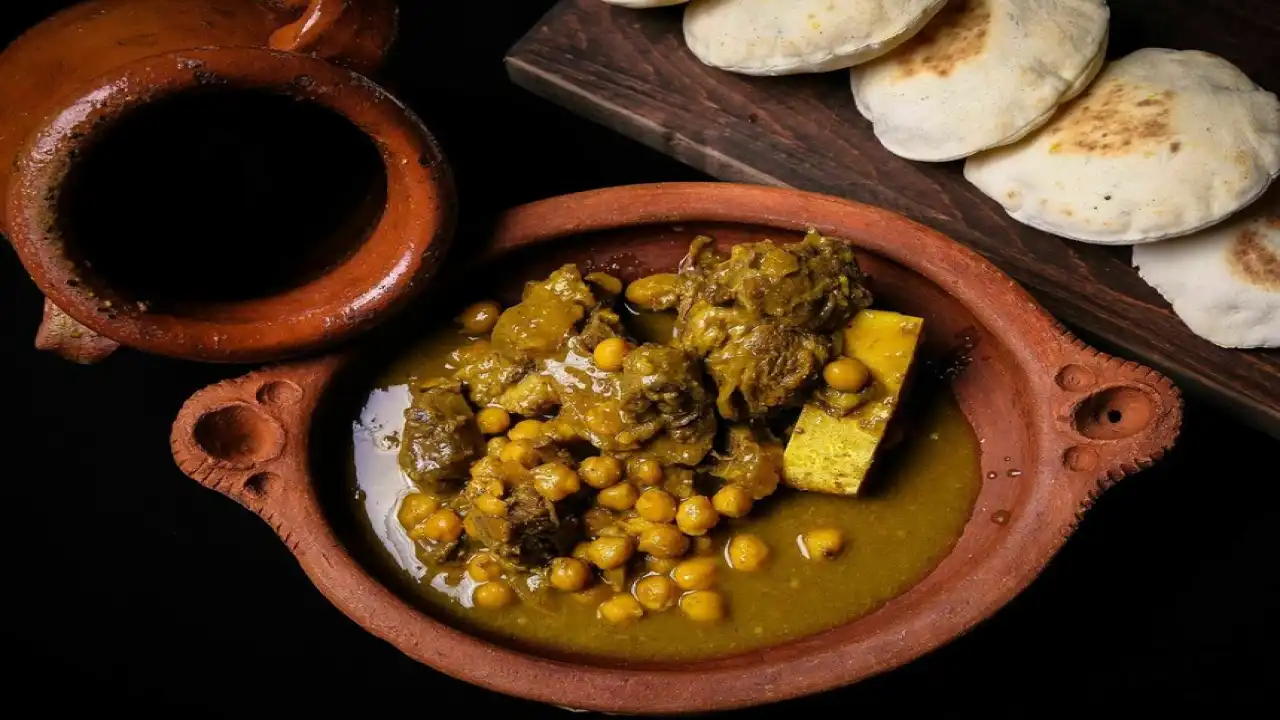
Tangia is not tagine. Say that out loud and remember it. Meat is seasoned lightly, sealed in clay pots, and cooked slowly in communal ovens, often near hammams. Traditionally prepared by men. Meant to be shared.
Why doesn’t travel?
- Cooking depends on local ovens
- Timing is loose
- It’s about waiting, not ordering
You don’t rush tangia. You let it happen.
Where Travel and Food Quietly Connect
People often plan trips around sights. Food comes later. But these dishes tend to become the strongest memories. A small stall. A shared table. A simple meal that sticks longer than a landmark. That’s why some International Packages now include food walks without advertising them too loudly. They know what works.
How to Find These Foods on Your Own
You won’t always see them online. That’s fine.
- Watch where office workers go
- Look for short menus
- Ask drivers what they eat
- Be wary of places with too many photos
Most importantly, stay curious. These foods rarely explain themselves.
Conclusion
Foods that exist only in one place slow you down. They force you to meet a place on its own terms. They aren’t always comfortable. Or neat. Or familiar. But they’re real. And long after the trip is over, these are the flavors that stay, not because they were perfect, but because they made sense exactly where you found them.