Forts of Udaipur: A Journey Through Rajasthan’s Royal Past
Introduction: Where Stories Sit Quietly in Stone
Some cities hit you instantly. Udaipur doesn’t really do that. It takes a minute. Or a few hours, honestly. You arrive thinking about lakes, palaces, the usual postcard things. And yeah, that’s there. But what actually sticks is something harder to pin down. A kind of quiet. Like the city has seen everything already and doesn’t feel the need to prove anything anymore.
And somewhere in all of this, you start noticing the forts. Not in a dramatic, “wow, look at that!” way. More like they slowly enter your awareness. These Udaipur forts don’t just sit there looking pretty; they carry something. You walk through them, and it doesn’t feel like a history lesson. It feels closer than that. Weirdly enough, each one feels different too. Different mood, different pace. Almost like they’ve all aged in their own way.
Why Forts in Udaipur Feel Different
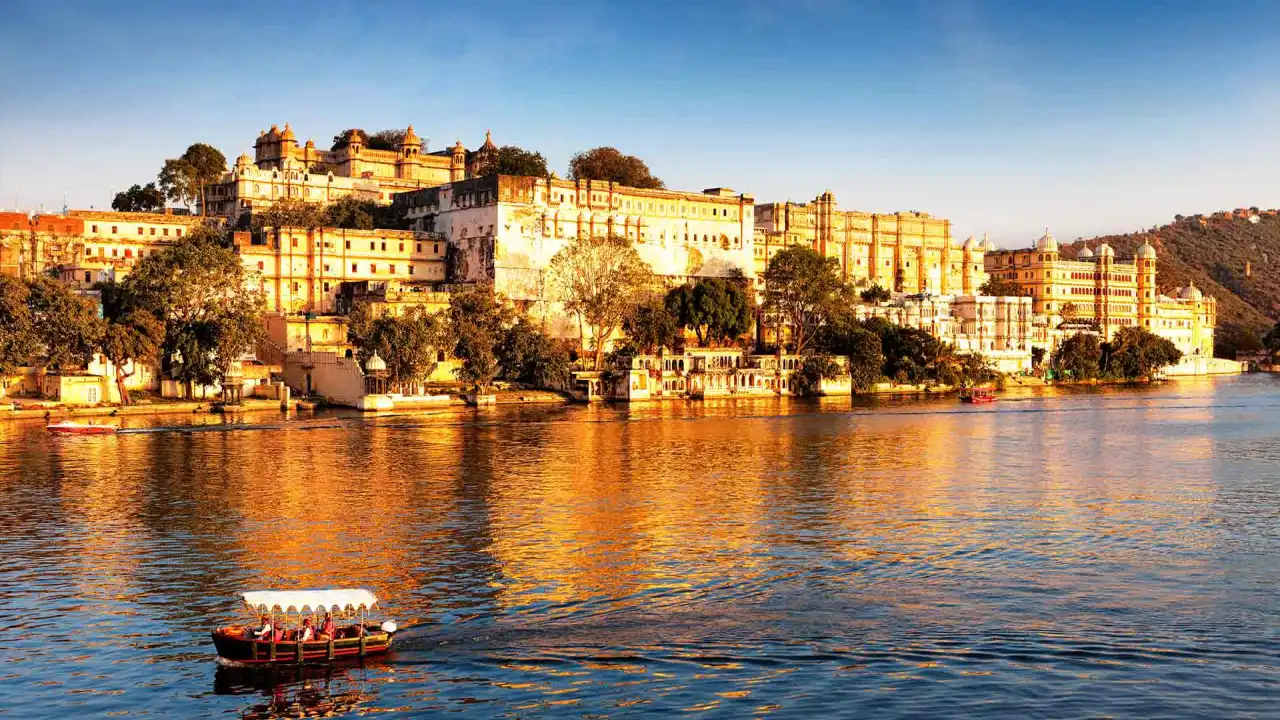
If you’ve been around Rajasthan, you probably expect forts to be massive, intense, and a bit intimidating even. Udaipur changes that vibe completely. Here, nothing feels aggressive. The forts sort of blend in. Hills, water, stone, it all works together instead of trying to stand out.
And you notice random little things:
- Light doesn’t hit harshly; it kind of settles on the walls
- There’s often water nearby, so it never feels too dry or silent
- Spaces feel open, like you’re allowed to just stand there without being rushed
It almost makes you think maybe these weren’t just built for war or power. Maybe people actually lived here in a real, everyday way.
City Palace Fort: Layers You Don’t Notice at First
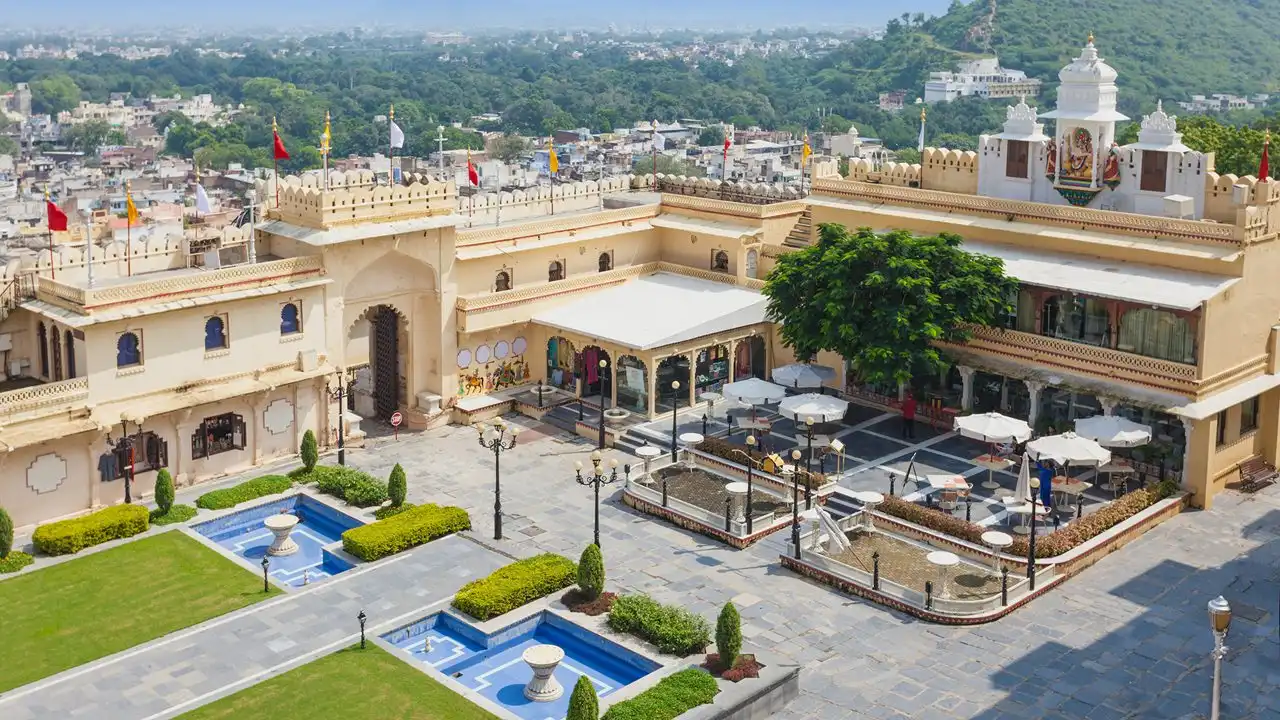
City Palace is not a quick stop. If you treat it like one, you’ll miss the whole point. At first, it looks grand: big gates, impressive structure, all of that. But once you’re inside, it shifts. Suddenly, it’s corridors, small doorways, random courtyards opening up out of nowhere. And those views of Lake Pichola? They kind of sneak up on you. One turn and there it is. What makes this place interesting is that it doesn’t feel like one single idea. It’s like different rulers kept adding their own pieces over time. So you’re not just walking through a palace, you’re walking through decisions, changes, moods.
Things You Might Actually Notice
- Mirror work that catches light in unexpected ways
- Windows are placed more for airflow than just looks
- Corners that feel oddly untouched, like no one bothered to “fix” them
At some point, you’ll probably stop without planning to. Maybe near a window. Maybe in a quieter section. And things just slow down.
Pro Tips:
- Go early. It’s calmer, and honestly, nicer
- Guides help, but only if you’re actually listening
- Give it time, this isn’t a 45-minute place
Monsoon Palace: Less Detail, More Feeling
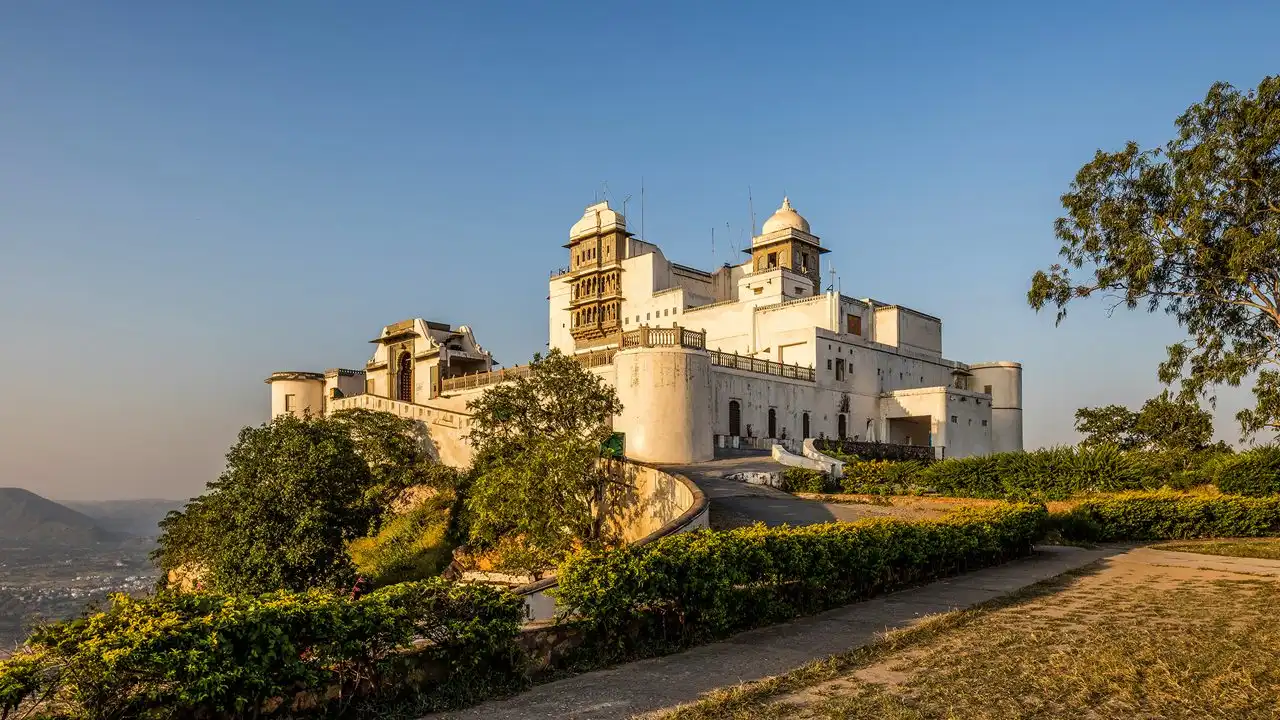
Getting up to Monsoon Palace already feels like a shift. The road climbs, the city starts shrinking behind you, and suddenly everything feels lighter. The palace itself? Pretty simple, actually. Not overly detailed or anything. But that’s not why you’re there. You’re there for the view. And it delivers. Udaipur stretches out in every direction, lakes catching the light, buildings packed together, hills fading into the distance. It’s one of those places where you stop talking mid-sentence because something about the view pulls your attention away.
Why It Works
- It’s more about the atmosphere than the architecture
- The openness feels freeing, in a strange way
- Light changes everything, especially near sunset
Pro Tips:
- Sunset is great, but it gets crowded
- It can get windy, don’t underestimate that
- Take photos, sure, but also just stand there for a bit
Bagore Ki Haveli: Where It Feels More Personal
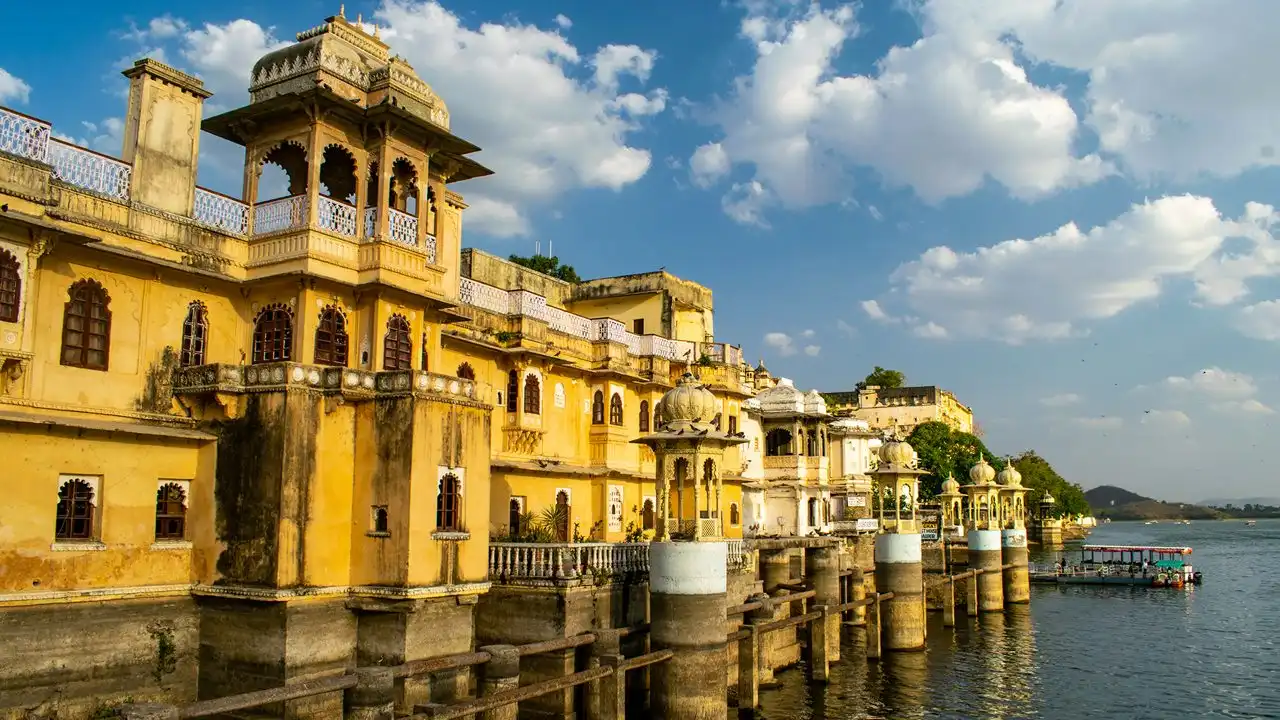
Bagore Ki Haveli is different from the others. Smaller scale, more detail, less grandeur, but somehow more relatable. The rooms feel lived-in. Not staged, not overly polished. Just real. You start noticing everyday things, doors, mirrors, little design choices that make you think about how people actually spent their time here.
What You’ll Experience
- Interiors that feel closer to personal spaces
- Evening performances that add a different layer to the place
- A stronger sense of daily life, not just royal image
It kind of reminds you that history isn’t only about big moments. It’s also about ordinary days.
Gogunda Fort: Where History Feels Undisturbed
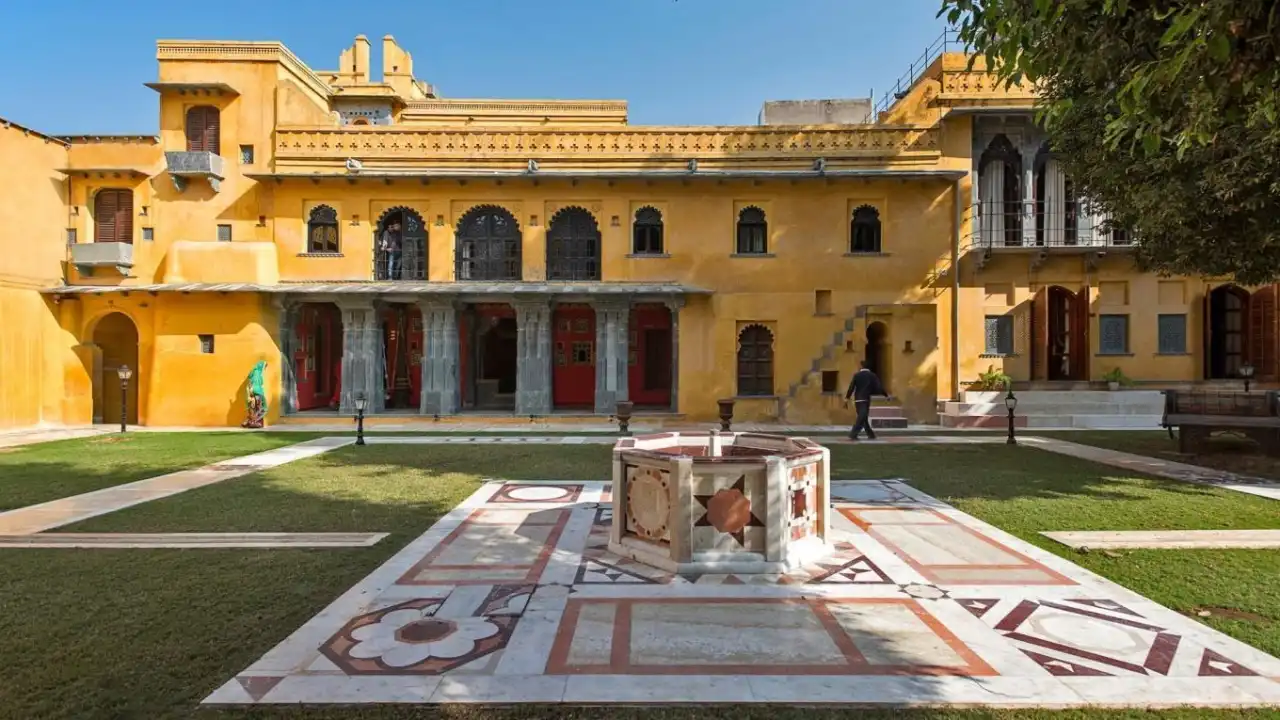
Gogunda Fort feels different the moment you reach it. It’s not as polished or as frequently talked about, and maybe that’s what makes it stand out. Smaller, quieter, and a little rough around the edges, it feels less like a tourist spot and more like a place that’s simply been left as it is. There’s a certain stillness here. No heavy crowds, no constant noise. Just old walls, open spaces, and that faint sense that something important once happened here. You don’t just look at it, you kind of sit with it for a bit.
What You’ll Experience
- A quieter, less crowded environment compared to major forts
- Simple structures that feel raw and authentic
- A deeper connection to history without distractions
It makes you realize that not every place needs to be grand to matter. Sometimes, the quieter ones stay with you longer.
Understanding the Historical Forts of Rajasthan
When you zoom out a bit, Udaipur’s forts are part of something bigger: the historical forts of Rajasthan. Across the state, forts were built for survival, strategy, and power. They had a purpose, and you can feel that in their structure. But Udaipur softens that idea. The forts here still show strength, but they don’t feel harsh. They feel like they’ve adapted over time. Like they’ve learned to exist with the landscape instead of fighting it.
Famous Forts in Udaipur Worth Exploring
If you’re figuring out what to prioritize, these are the famous forts in Udaipur that actually give you a full experience:
- City Palace Fort – layered, detailed, worth the time
- Monsoon Palace – all about the view
- Bagore Ki Haveli – more personal, more grounded
Quick Tips
- Don’t fit everything into one day; you’ll just get tired
- Mix busy places with quieter ones
- Leave space for random moments (they matter more than you think)
The Experience Beyond Sightseeing
Something shifts when you spend enough time in these places. At first, you’re just looking. Taking pictures, moving around, ticking things off. But then, slowly, you start noticing smaller details. The way your footsteps sound. The texture of the walls. How light changes as the day moves. And without really planning it, you slow down. That’s when it starts to feel different.
When It Starts Feeling Personal
There’s no fixed moment when it happens. It just does. Maybe you’re standing somewhere quiet. Maybe you’re watching the city from above. Maybe you’re doing absolutely nothing. And somehow, it feels enough.
Conclusion: What You Actually Take Back
You’ll leave with photos, sure. And maybe a list of places you visited. But that’s not really the main thing. What stays is the feeling. The slower pace. The way history didn’t feel distant, it felt close, almost familiar. And later, randomly, you’ll think about it again. Not because it was loud or dramatic. Just because it felt real. And if you ever feel like going back or experiencing it in a more planned, easy way, there are thoughtfully designed Udaipur trip packages that let you relive all of this without overthinking the details.
Planning Your Trip Without Overthinking It
You don’t need a perfect plan for Udaipur. Actually, overplanning kind of ruins it.
Keep It Simple
- Mornings for forts
- Afternoons for relaxing or wandering
- Evenings for views or cultural spots
Pro Tips:
- Wear good shoes; this isn’t a flip-flop kind of trip
- Carry water (you’ll forget otherwise)
- Talk to locals when you can; they usually know more than guides
If you don’t want to deal with the small logistics, some people go for Domestic Packages, which makes things easier without taking away the experience