Four Temples, One Journey: The Char Dham Yatra Guide 2026
We all hear of Char Dham Yatra as kids, even before actually experiencing it, through elders, television, and we all know it's about visiting four pilgrimage sites. But how and when Char Dham Yatra start? Is it suitable for kids and senior citizens? How much will it cost to actually complete the Yatra? Well, you don’t need to ask ChatGPT to answer these questions one by one because we have the ultimate Char Dham yatra guide ready for you, from history to costs, we have got everything covered, so you don’t have to look for answers anywhere else.
How the Char Dham Yatra Began
The origin of the Char Dham Yatra is a mix of mythology, pilgrimage tradition, and geography shaped over centuries. There is the pan-India “Char Dham” concept linked to four major Hindu pilgrimage sites across India, and then there is the Himalayan “Chota Char Dham” circuit in Uttarakhand that most travellers mean today. They are related, but not identical.
The Older Char Dham Concept
The original Char Dham pilgrimage is traditionally associated with four sacred sites located in the four directions of India:
- Badrinath in the north
- Rameswaram in the south
- Dwarka in the west
- Jagannath Temple in the east
Many historians connect this network to the philosopher-saint Adi Shankaracharya, who is believed to have helped organise pilgrimage traditions across India around the 8th century CE. His goal was partly spiritual, partly cultural: creating a sacred map that linked distant regions of the subcontinent.
Over time, pilgrimage became a way of binding communities, trade routes, monasteries, and local traditions together. Ancient travel was slow and dangerous, so completing such journeys carried enormous religious weight.
How the Himalayan Char Dham Began
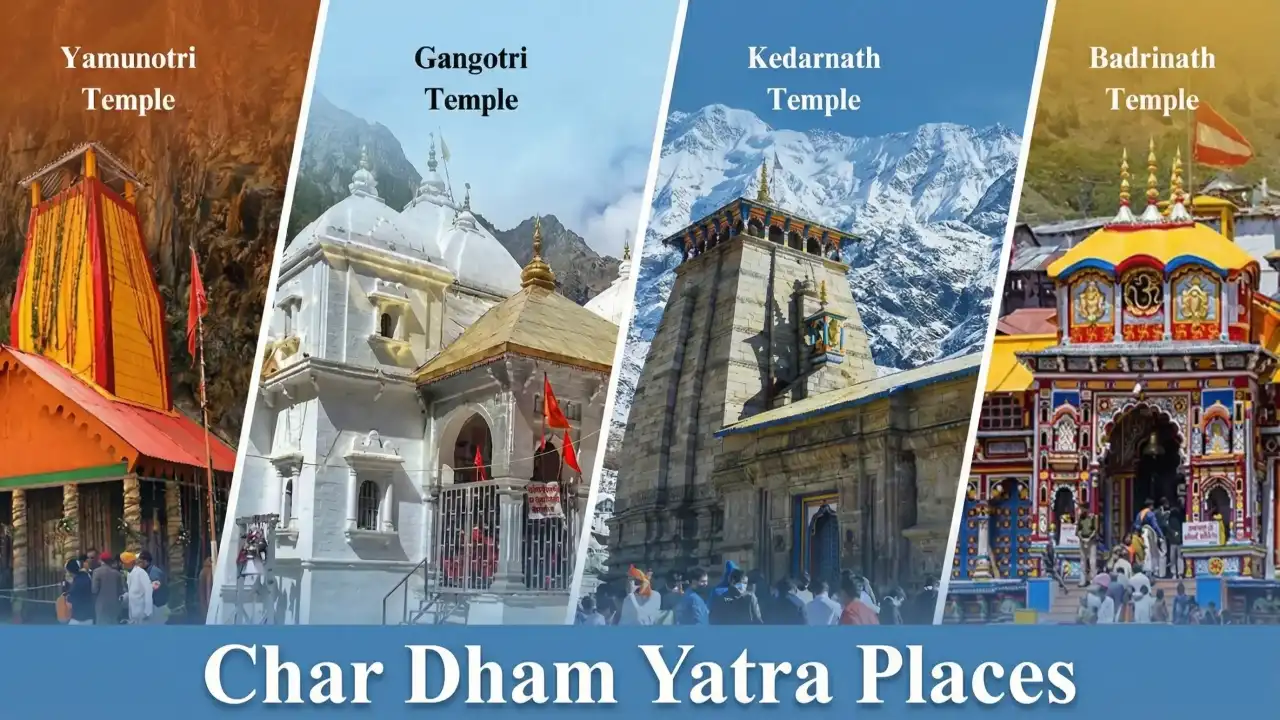
The Uttarakhand circuit, now popularly called the Char Dham Yatra or Chota Char Dham, developed later around four Himalayan shrines:
- Yamunotri
- Gangotri
- Kedarnath
- Badrinath
This route became widely established as a combined pilgrimage tradition over the last few centuries, especially as access routes improved through the Garhwal Himalayas.
The Stories Behind the Stones
Yamunotri
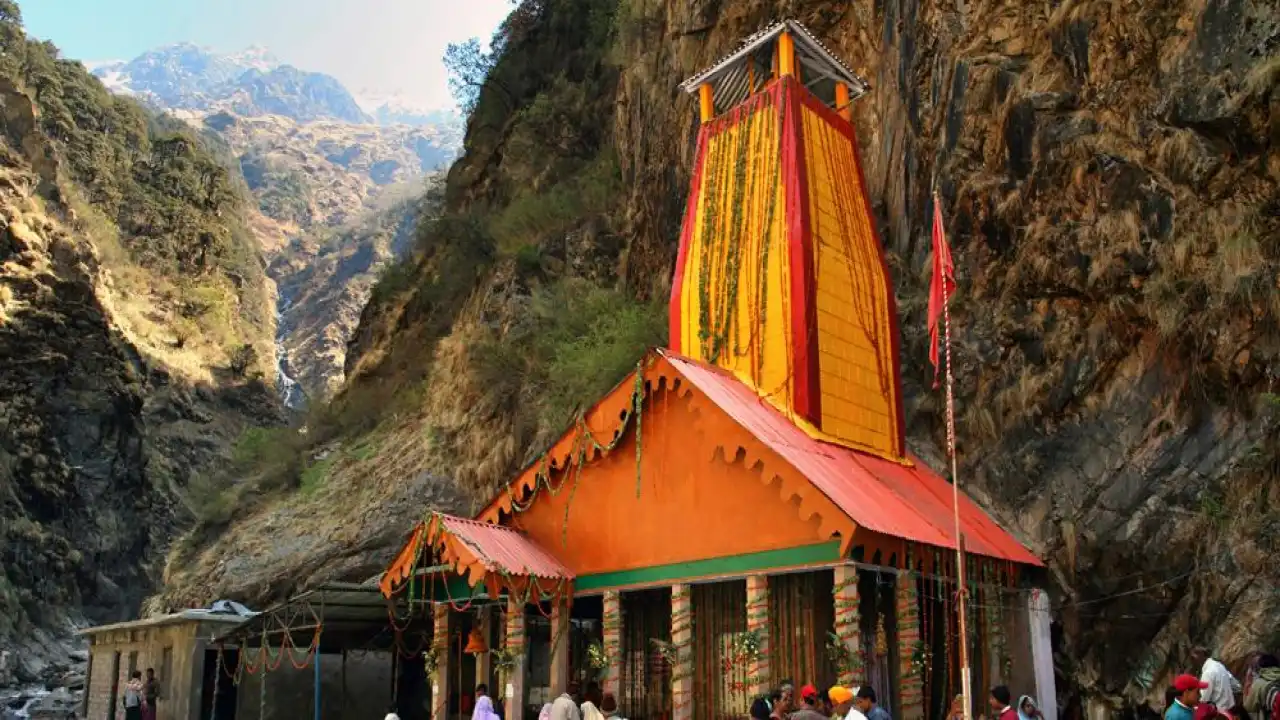
The temple is associated with the Goddess Yamuna, believed to protect devotees from untimely death. The geothermal springs nearby remain central to ritual practice even today. Standing beside the steaming kunds in freezing air makes the mythology feel strangely physical.
Gangotri
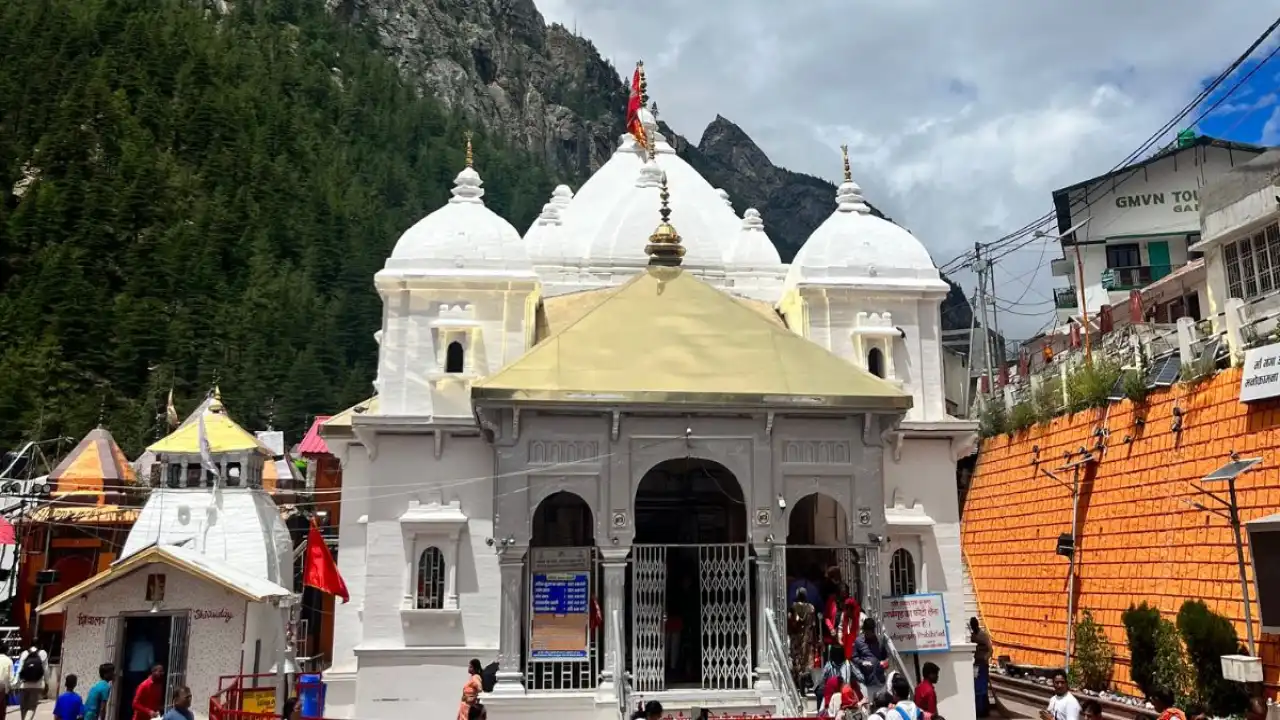
According to Hindu belief, the Ganga descended to Earth after King Bhagirath's penance. The violence of the river current near the temple explains why ancient narratives describe the river as almost impossible to contain.
Kedarnath
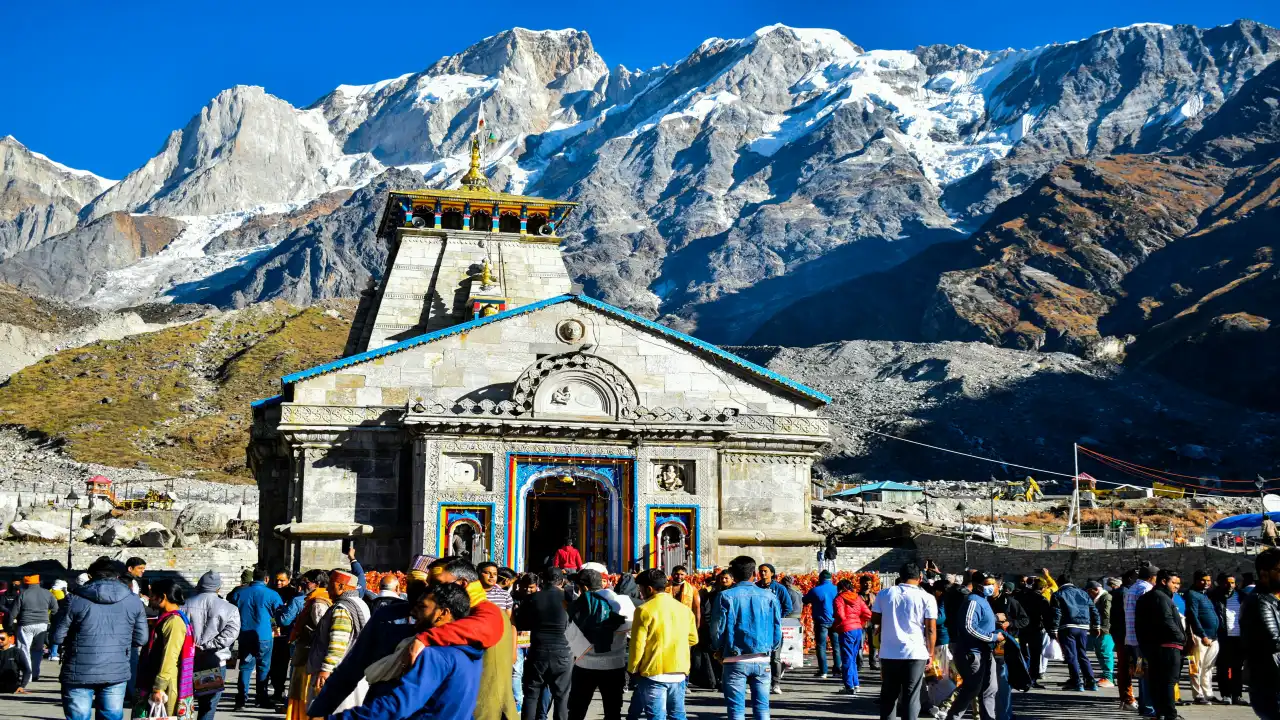
Kedarnath is linked to the Pandavas seeking forgiveness after the Mahabharata war. Shiva is believed to have appeared here in bull form. The rough stone architecture and isolated valley add weight to that story. The place feels deliberately remote.
Badrinath
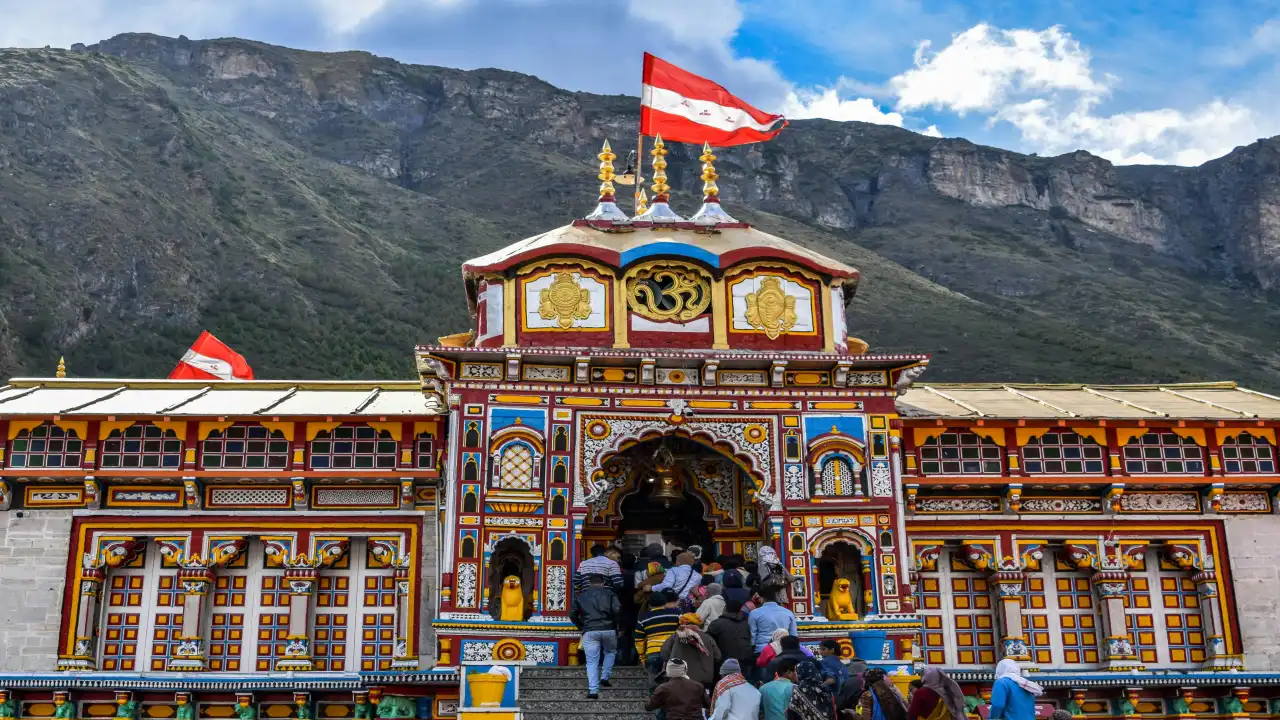
Dedicated to Vishnu, Badrinath is tied to meditation traditions dating back centuries. The surrounding mountains create a quieter atmosphere than the busy market approach initially suggests.
Four Shrines, Four Completely Different Journeys
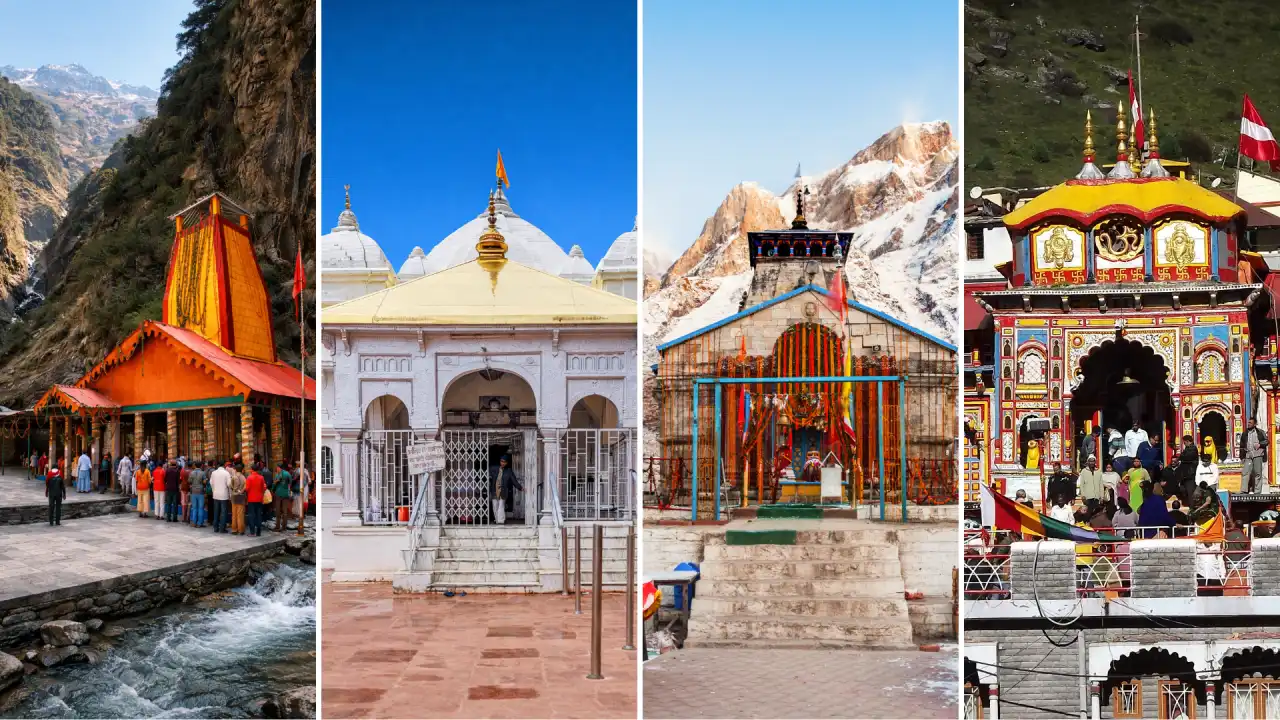
The Himalayan Char Dham circuit in Uttarakhand covers four shrines: Yamunotri, Gangotri, Kedarnath, and Badrinath. Though grouped, they do not feel remotely similar on the ground.
When to Go and When to Think Twice
The Char Dham season usually opens between late April and early May and closes around October or November, depending on weather and temple committee decisions. September works best for many experienced travellers. Roads are still operational, crowds are reduced, and visibility improves after the monsoon dust clears. Think twice about July travel unless your schedule is fixed. Landslides can delay vehicles for hours. Helicopter services become unreliable in poor weather. Winter travel is not possible for the main circuit because temples close and idols are moved to winter seats.
Registration & Rules
Yes, registration is mandatory for the Char Dham Yatra. The Uttarakhand government uses a biometric and digital registration system to track pilgrim movement and manage emergencies. Authorities regularly check registration at entry points.
Basic registration flow
- Register online or at authorised counters
- Upload ID proof
- Receive the Yatra registration number/QR code
- Carry printed or digital confirmation
- Show verification at checkpoints
Common documents:
- Aadhaar card
- Passport
- Voter ID
- Driving licence
Senior travellers sometimes require additional health declarations depending on current regulations.
Opening Dates & Temple Timings
Opening dates are officially announced around Akshaya Tritiya each year. Temple timings shift slightly due to weather, crowd volume, and special rituals. Always verify current schedules before travel.
Which Itinerary Actually Fits Your Trip

For Families
10-Day Comfortable Route
- Day 1: Haridwar arrival
- Day 2: Barkot
- Day 3: Yamunotri visit
- Day 4: Uttarkashi
- Day 5: Gangotri visit
- Day 6: Guptkashi
- Day 7: Kedarnath
- Day 8: Return and transfer
- Day 9: Badrinath
- Day 10: Return to Rishikesh
This pace reduces exhaustion. Families travelling with children usually benefit from extra overnight breaks.
For Senior Citizens
Helicopter-Assisted 5 to 6 Days
This version reduces trekking pressure significantly. Kedarnath helicopter services generally operate from Phata, Sersi, or Guptkashi, depending on weather. Medical fitness still matters. Altitude affects everyone differently.
For Solo Travellers
Flexible Backpack Route
Solo travellers often extend time in Harsil, Guptkashi, or Joshimath instead of rushing temple visits. Shared jeep networks help reduce transport costs. Accommodation quality fluctuates widely, though. Keep buffer days.
For First-Timers
A structured char dham yatra itinerary with pre-booked hotels usually works better than improvised planning. Road closures, registration checks, and seasonal accommodation shortages create problems quickly for unprepared travellers.
What Each Dham Actually Feels Like on the Ground
Yamunotri
The journey begins with a steep trek from Janki Chatti. Ponies move beside pedestrians. Porters weave through narrow sections carrying elderly pilgrims in basket seats. The air smells faintly of wet stone and sulphur from the hot springs near the temple. The first-timer moment usually happens near Surya Kund. Travellers stop because they are surprised by the steam rising against snow patches higher up the slope. The temple itself is compact compared to what many imagine. The surrounding valley leaves a stronger impression than the structure.
Gangotri
Gangotri feels cleaner, sharper, quieter. The Bhagirathi River crashes beside the temple complex with relentless force. Pine forests surround parts of the approach road. Temperatures drop quickly after sunset. The first-timer moment here is usually auditory. Bells ring continuously while the river drowns out almost everything else. Unlike Kedarnath, movement here is easier. You can spend more time walking around the town and riverbanks. Many travellers continue further toward Harsil, which is calmer and less crowded. Morning light changes the valley dramatically. By noon, tourist traffic builds quickly.
Kedarnath
Kedarnath is where the pilgrimage stops feeling symbolic and becomes physical. The 16-kilometre trek from Gaurikund tests stamina even in decent weather. Rain changes the trail completely. Mule traffic creates muddy sections. Oxygen levels feel thinner near the upper stretch. Then suddenly the valley opens. The first-timer moment usually happens when travellers hear helicopter blades echoing against the mountains while temple bells ring below. The setting feels exposed, almost harsh. Snow peaks sit directly behind the shrine. The cold stone floor inside the temple catches many people off guard. Crowds become dense during May and June. Queue management improves each year, but delays still happen. Weather disruptions are common.
Badrinath
Badrinath feels more accessible after Kedarnath. Roads improve slightly. Accommodation options widen. Shops, pharmacies, and restaurants are easier to find. The temple area sits along the Alaknanda River with colourful facades that look unexpectedly bright against the rocky terrain. The first-timer moment often happens at Tapt Kund, where pilgrims move from icy mountain air into naturally heated water before darshan. Nearby Mana village, close to the Indo-Tibet border, adds another layer to the trip. The terrain becomes drier and more dramatic compared to the greener valleys earlier in the route. Many travellers finally slow down here. The pressure eases.
Conclusion
A good Char Dham yatra guide is both about mythology summaries and understanding the rhythm of Himalayan travel. The roads are slow. Weather interrupts plans. Some temples feel crowded beyond expectation. Others surprise you with silence. Most travellers arrive thinking about darshan timings and leave remembering a bend in the mountain road, a cold morning queue, or a paper cup of tea somewhere before sunrise.
If you want to skip the hassle of DIY travelling, let Travel Junky make your life easier while you soak in your spiritual journey to its fullest.
Check out: Chardham Yatra Tour Package
Common Mistakes To Avoid
- Booked a hotel in Gaurikund without checking if it reopened after the seasonal closure
- Assumed helicopter tickets guarantee operation during bad weather
- Started the Kedarnath trek after 10 AM and got caught in the evening rain
- Carried one heavy suitcase instead of compact duffel bags
- Ignored altitude symptoms, thinking it was ordinary fatigue
- Relied entirely on card payments in remote areas
- Underestimated transfer-day exhaustion between shrines
- Planned zero buffer days during the monsoon season
- Wore brand-new trekking shoes without breaking them in first
- Forgot physical copies of registration documents