Goa Beyond Beaches: Hidden Experiences Most Travelers Miss
Introduction
Most people arrive in Goa with a ready-made image already playing in their minds. You’ve probably seen it too. Endless stretches of sand, beach shacks playing retro music, scooters buzzing past coconut trees, and those sunsets that make everyone pause for a second, phones out, cameras up. That’s the Goa everyone talks about.
And to be fair, yes, it’s real. You’ll absolutely find those scenes. But give the place a little time. Maybe a day or two more than the usual rushed trip. Something begins to shift after a while. It’s subtle, almost accidental. Maybe you take a wrong turn on a rented scooter. Or someone at a café casually says, “You should check out this village nearby.” And suddenly the Goa you thought you knew starts looking different.
Drive away from the beach roads and the mood changes quickly. The noise fades out. The roads shrink into narrow lanes. You start seeing old Portuguese houses painted in odd but beautiful colors, mustard yellow, soft blue, sometimes bright red. Rivers move quietly past green fields where life doesn’t seem rushed at all. That’s really where Goa beyond beaches starts revealing itself. Spend some time exploring them and the trip begins to feel less like a beach vacation and more like a collection of small discoveries.
Quiet Villages That Show the Real Goa
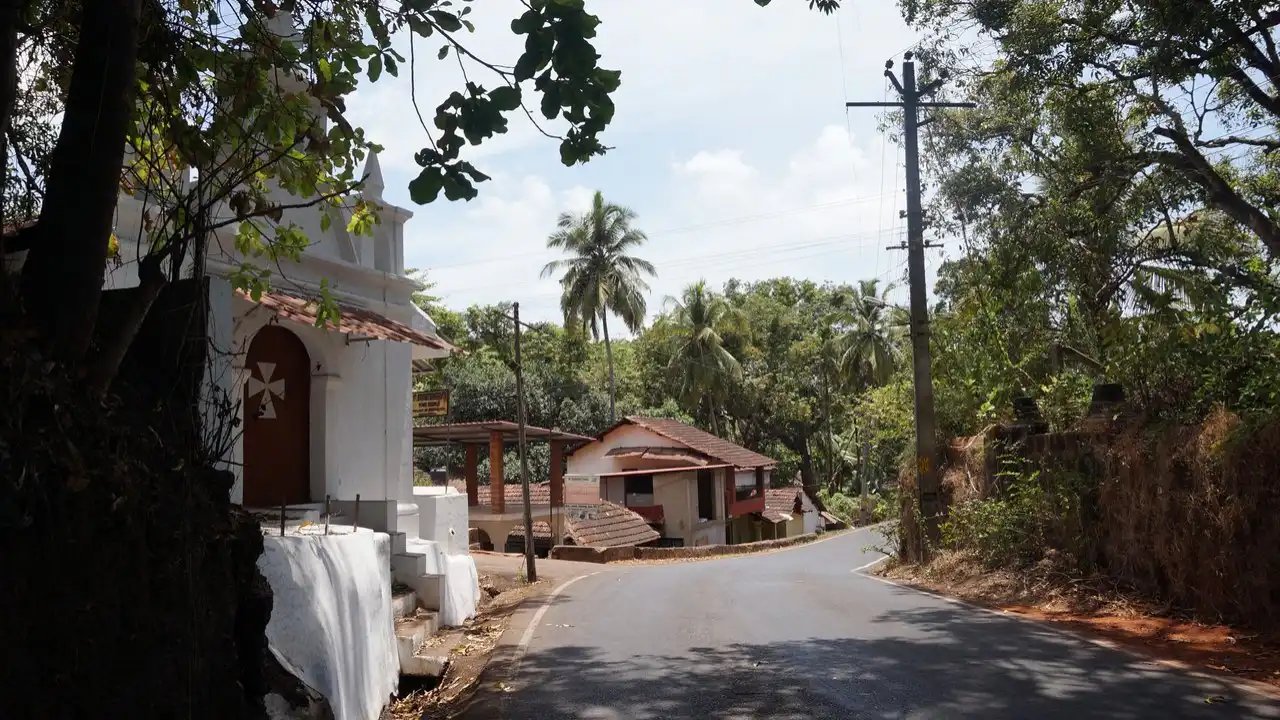
One of the easiest ways to see another side of Goa is to be honest. Just leave the beach area. No complicated itinerary needed. Just ride inland for ten or fifteen minutes. The difference hits almost immediately. Villages like Assagao, Aldona, and Saligao feel surprisingly calm compared to the busy coastal strip. The roads twist around houses painted in cheerful colors, blues, yellows, greens, almost like someone decided the whole neighborhood needed more brightness.
Bougainvillea vines spill over walls like they’ve grown wherever they want. Sometimes you hear church bells in the distance. Sometimes just birds. Walking through these places often leads to some really lovely hidden experiences in Goa, though “experience” might be too big a word. Nothing dramatic happens.
You simply start noticing things.
- A tiny bakery selling warm pão bread early in the morning
- A few older locals are arguing cheerfully under a big tree
- Scooters casually parked against pastel-colored walls
- Kids playing cricket in an empty patch of land
The rhythm here is slow. Nobody seems particularly stressed about anything. Time stretches out a little, which feels nice for a change.
Pro Tip:
Rent a scooter and wander around without a strict plan. GPS works sometimes. But honestly, the wrong turns are often the most interesting ones.
Walking Through Goa’s Spice Plantations
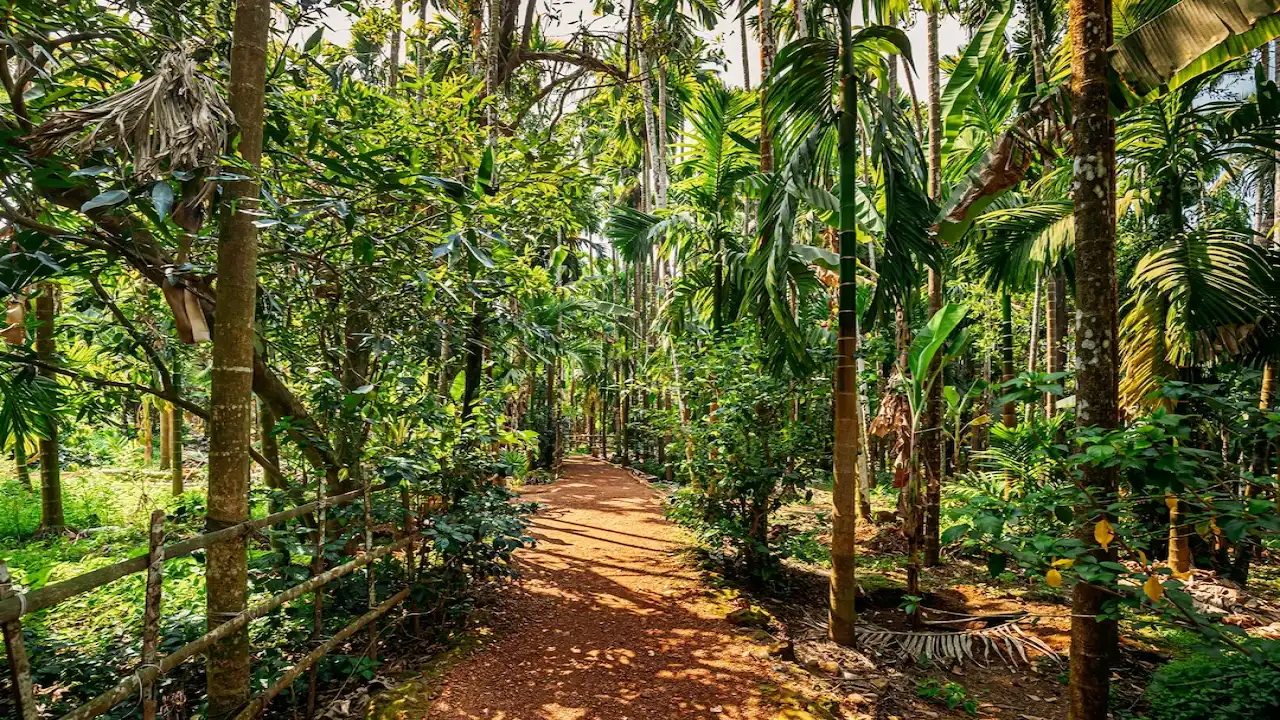
When people picture Goa, spice farms usually don’t enter the conversation. Beaches grab all the attention. But head inland and the scenery changes fast. More greenery. Thicker trees. The air feels heavier and too humid, but in a lush sort of way. That’s where you’ll find a lot of the spice plantations. Walking through one is surprisingly fascinating. The smell alone is enough to keep you curious. Guides usually point out plants you’ve used your whole life in cooking but probably never saw growing naturally.
You’ll notice things like:
- Cardamom plants
- Black pepper vines climbing up trees
- Cinnamon bark peeling from branches
- Nutmeg fruits hang quietly in the shade
It’s strange how familiar these spices feel, yet seeing them like this makes you realize how little you actually knew about them. Most plantation visits end with lunch. Simple Goan food, served on banana leaves. Rice, curries, and vegetables, nothing fancy, but somehow it tastes amazing. Maybe it’s the fresh air. Or maybe you’re just really hungry by then.
Pro Tip:
Go in the morning if possible. By afternoon, the heat gets pretty intense, and the spice aromas feel stronger earlier in the day anyway.
River Islands and Slow Backwater Life
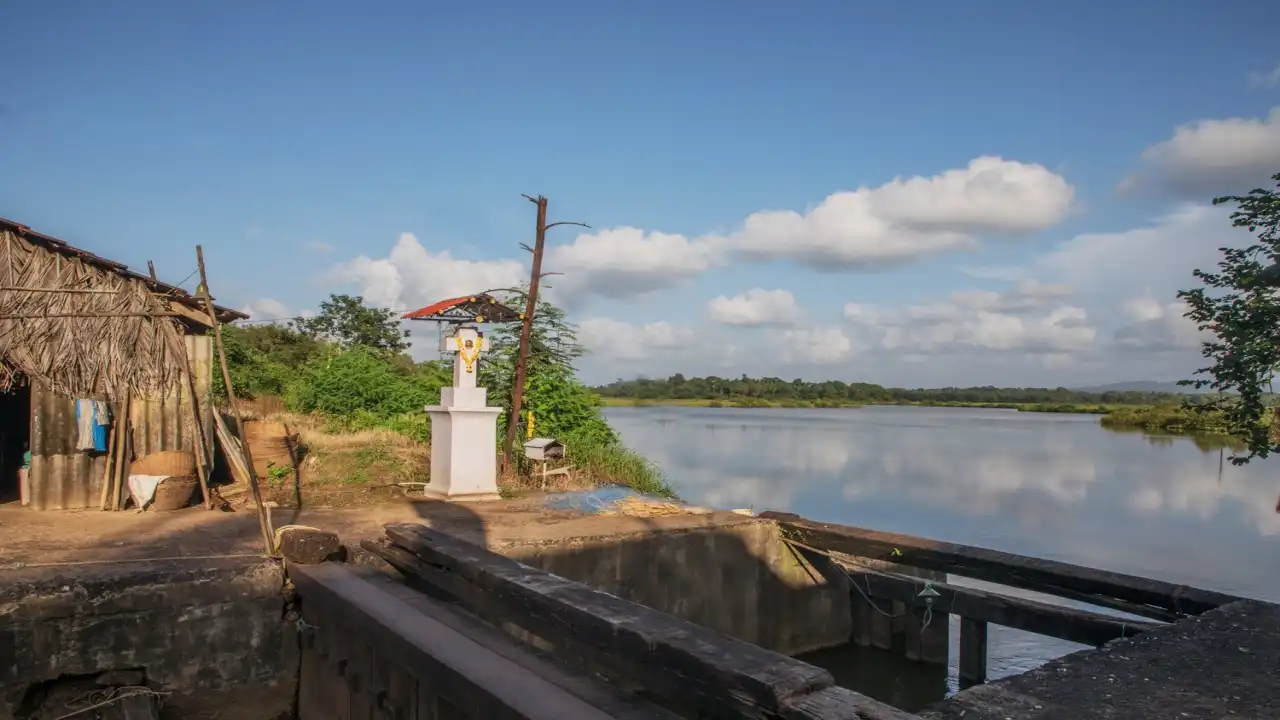
Everyone talks about Goa’s coastline. But the rivers quietly shape just as much of the landscape. They wind through villages, fields, and forests before eventually meeting the sea. Along the way, they create little islands that many visitors don’t even realize exist. Exploring them is honestly one of the most peaceful offbeat things to do in Goa.
Take Divar Island, for instance. Getting there involves a short ferry ride across the Mandovi River. The ride itself is simple: locals, scooters, maybe a few cars, all slowly crossing together. No rush. No chaos. Once you reach the island, the pace slows even more. Roads stretch through green fields and quiet neighborhoods where houses look like they’ve been around forever.
Things to do here aren’t flashy at all:
- Cycling along silent village roads
- Visiting small old churches
- Watching fishermen along the river
- Sitting somewhere random just to catch the sunset
That’s it. Nothing dramatic. But that’s exactly why it’s nice.
Pro Tip:
Try catching the ferry around sunset. The light on the water turns golden and the whole place feels strangely peaceful.
Goa’s Heritage Houses and Architecture
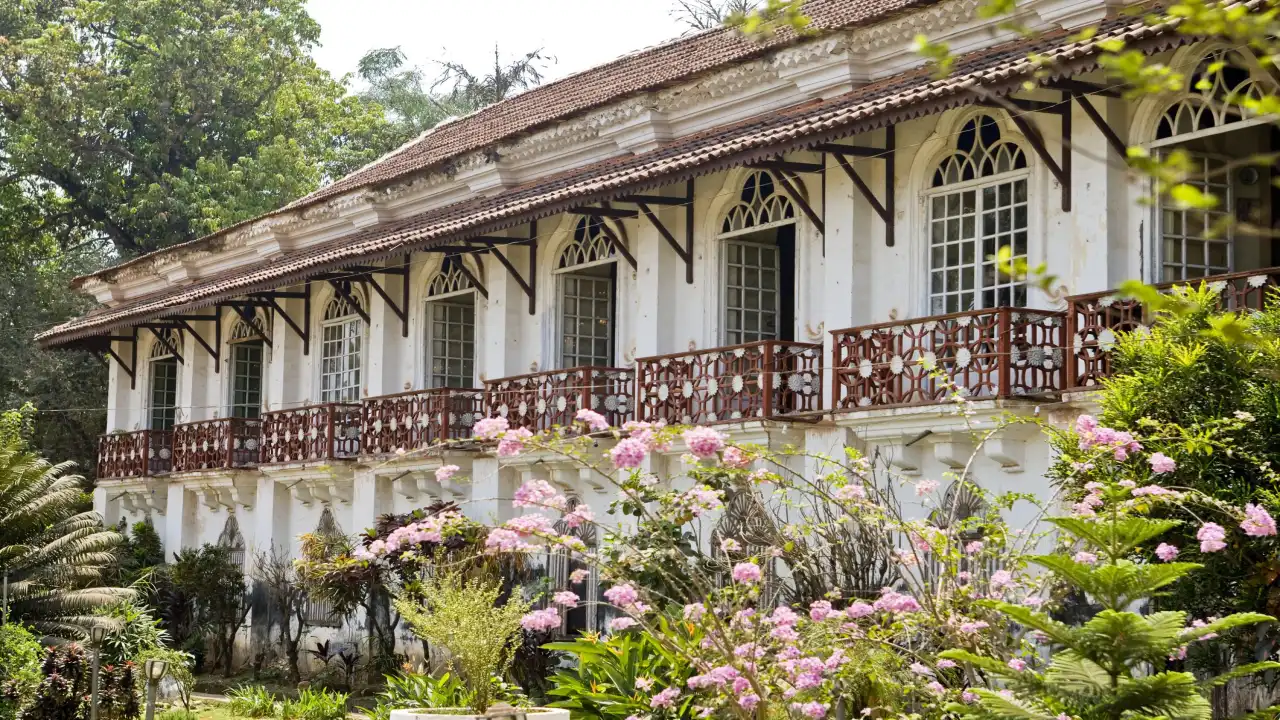
One thing people often overlook in Goa is its architecture. At first, you might not notice it. But once you start paying attention, the houses themselves tell a lot of stories. Many of these homes were built over a hundred years ago during the Portuguese era. And somehow they’ve survived beautifully. Some families open parts of their homes to visitors, which makes the experience feel personal rather than museum-like.
Inside you might see:
- Heavy wooden furniture polished by time
- Colorful ceramic tiles on the walls
- Chandeliers hanging from tall ceilings
- Old black-and-white family photographs
There’s a lived-in charm here that modern buildings rarely have. Wide verandas. Arched windows. Bold colors. These houses feel like they have personalities of their own.
Local Food Beyond Beach Shacks

Beach shacks serve fantastic seafood, no question. But Goa’s food culture runs much deeper than that. Some of the best meals are actually found in tiny family-run places tucked away in quiet streets. Not fancy restaurants. Sometimes just simple rooms with plastic chairs and handwritten menus. But the flavors? Incredible.
Some dishes you should definitely try include:
- Pork Vindaloo – spicy, tangy, and full of flavor
- Chicken Xacuti – thick curry with roasted spices and coconut
- Bebinca – a layered dessert that takes serious patience to make
Goan food blends Indian and Portuguese influences in a way that feels very unique.
Pro Tip:
Ask locals where they eat. Not just the trendy places online. The smaller kitchens usually serve the best food.
Festivals That Show Goa’s Cultural Side

If you happen to visit during a local festival, you’ll see Goa in a completely different mood. The place loves celebrations. Some festivals feel like huge street parties. Others are quieter but deeply traditional.
A few well-known ones include:
- Carnival – colorful parades, music, dancing everywhere
- São João – a monsoon celebration where people jump into wells and rivers
- Christmas in Old Goa – churches beautifully lit and full of midnight gatherings
During these times, the entire atmosphere shifts. Streets feel lively and joyful in a way that’s hard to describe.
Planning Your Trip
Planning your Goa trip helps more than you think. If you leave everything till the last minute, it can get a bit messy finding stays, figuring out transport, all that. You don’t really want to be doing that after you arrive. That’s why some people just book a Goa trip package and keep it simple. It saves time, and you can actually enjoy the place instead of constantly planning the next step.
A few quick things to keep in mind:
- Best time to visit: November to February is usually the most comfortable. Not too hot, not too humid.
- Getting around: Scooters are the easiest. Plus, you can stop anywhere you feel like.
- Ideal trip length: About 4–5 days is enough to explore properly without rushing.
Conclusion
Goa has this funny habit of surprising people. At first, it feels exactly like the beach destination everyone talks about. Sun, sand, maybe a few lively nights. But wander around a bit and you start noticing other layers. A slow ferry is moving across the river. The smell of fresh bread coming out of a small village bakery. A bright house half-covered with bougainvillea flowers.
These are the kind of moments you usually don’t see in travel brochures, but they’re the ones people remember later. The funny thing is, the best travel stories often come from places you never planned to visit. And if someone wants to keep things simple while exploring these quieter sides of Goa, a Domestic trip package can make the journey a lot easier. And in Goa, those moments usually appear somewhere just beyond the beach.