Guidelines for Japan: Everything You Need to Know Before You Go
Introduction
Most people land in Japan expecting neon lights, giant crossings, and that loud, futuristic city chaos you always see online. We thought the same. But the first thing that actually hits you is the quiet. You step out of the airport, waiting for horns and noise, and instead everything feels strangely calm. Trains slide into stations almost silently, and people move past each other without bumping or rushing.
Even busy streets don’t feel loud, which honestly feels a bit unusual at first. But the moment you start noticing the tiny everyday habits, you realize why Japan travel guidelines actually matter, neat lines forming without signs, people just knowing where to stand or when to move. Japan kind of feels like stepping into someone else’s carefully kept home. You watch the rhythm first, follow it slowly, and then somehow everything just clicks.
1. Japan Entry Requirements & Visa Guidelines
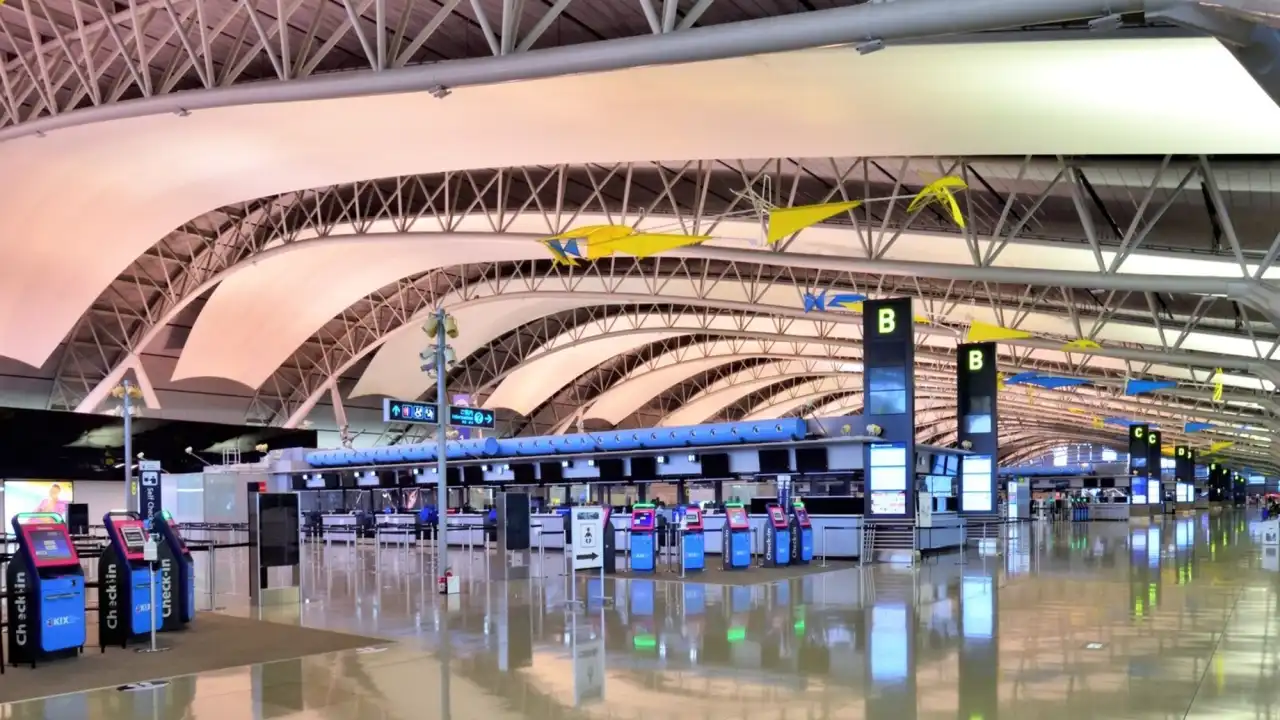
Before sushi counters and ancient temples, there’s the boring thing, Paperwork. Most travelers require a passport with validity for the duration of their stay. Others will depend on your nationality when it comes to visa rules. Many countries do have visa-free arrangements with Japan, so short tourist visits don’t require any advance application.
Most tourists spend between 15 and 90 days in Japan and again, depending on your nationality. If you need a visa, you will usually apply at a Japanese embassy or consulate before you travel. Tourists from the United States, the United Kingdom, Canada and much of Europe usually enter visa-free for short stays. Travelers from nations like India, however, typically must obtain a tourist visa ahead of time.
Most international travelers arrive through a few major airports:
- Narita International Airport (Tokyo)
- Haneda Airport (Tokyo)
- Kansai International Airport (Osaka)
Pro Tip:
Keep printed copies of your hotel bookings and return ticket. Immigration officers don’t always ask for them honestly; many don’t but if they do, you’ll be glad you didn’t have to scroll through emails at the counter.
People booking Japan trip packages often get help with this part from travel junky, which makes things easier.
2. When Japan Feels Its Best
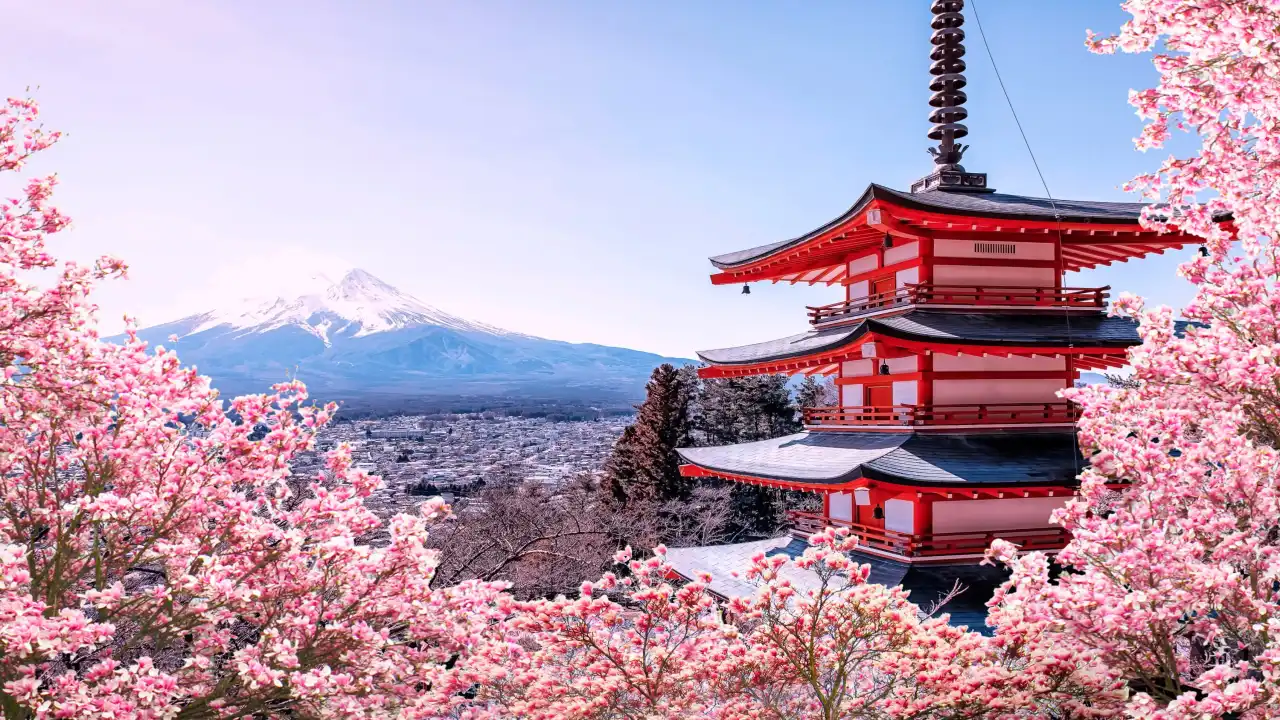
Japan changes mood depending on the season. Spring is famous for cherry blossoms. Parks fill with people sitting under blooming trees, chatting softly and sharing food. It’s beautiful. Also very crowded. Autumn feels different. Maple leaves turn deep red and orange, the air gets cooler, and the crowds thin out a bit. Some travelers quietly say autumn might actually be the best time to visit. Winter slows things down even more.
In northern areas, especially, snow covers towns and mountains. Streets feel calmer. Restaurants somehow feel warmer and cozier, too. Summer can be hot. Really hot. Tokyo and Osaka become humid enough that walking around midday feels heavy. That said, summer festivals bring a lot of energy and color. One thing many Japan travel tips for first-time visitors mention is this: Don’t choose a season only for photos. Think about walking distance, temperatures, and crowds. Japan involves a surprising amount of walking, much more than most people expect.
3. Quiet Rules You Notice Without Anyone Explaining
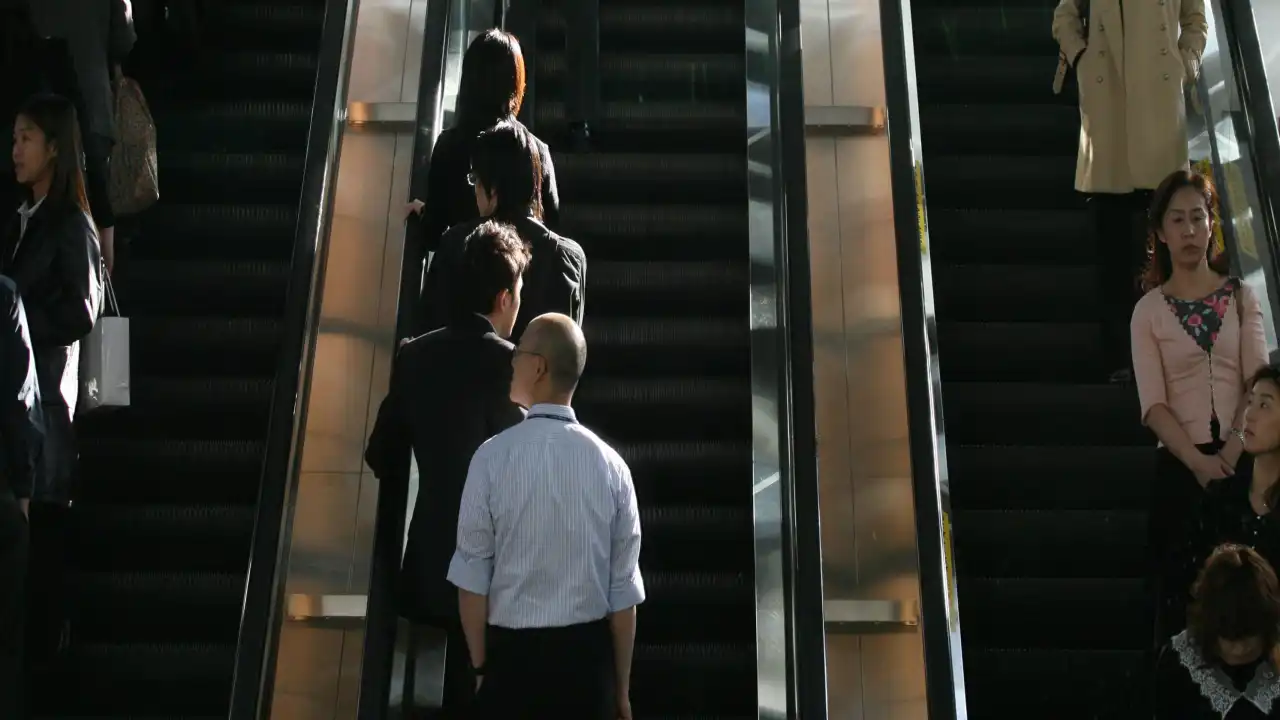
Japan has social rules. The interesting part? Nobody sits you down and explains them. You just notice them slowly. Take trains, for example. Even when packed, they stay quiet. People text, read, and scroll through their phones. Loud conversations are rare. Phone calls rarely happen.
Queues are another thing. People line up everywhere, at escalators, train platforms, and food stalls. And they do it naturally. No signs needed. Personal space matters too. Even in crowds, people try not to bump into each other.
Some small behaviors travelers start noticing:
- Standing on one side of the escalators
- Keeping voices low in public transport
- Carrying trash because public bins are surprisingly rare
At first, these habits might feel unfamiliar. But after a few days, you catch yourself doing them automatically.
4. Staying in Japan: It’s More About Experience Than Price
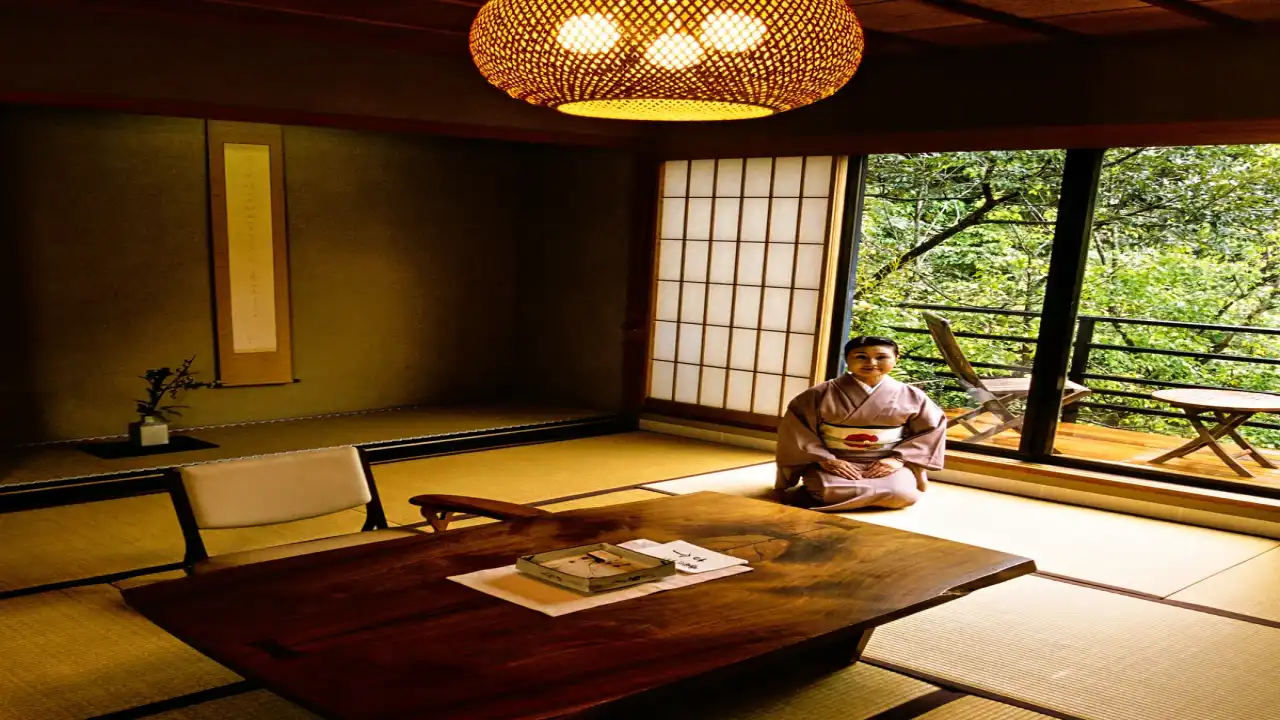
Accommodation in Japan isn’t only about a bed for the night. It’s also about the experience. Traditional inns called ryokan feel very different from typical hotels. Rooms often have tatami mat floors, sliding paper doors, and futon bedding that staff lay out in the evening. Staying in one feels less like booking a hotel and more like briefly stepping into traditional Japanese life. City hotels, on the other hand, are compact and efficient.
Rooms can be smaller than what travelers from other countries expect. But the design is thoughtful; every bit of space gets used. Then there are capsule hotels. At first, they sound strange. Sleeping pods stacked side by side. But they’re surprisingly comfortable for short stays. Location matters a lot too. Being near a major train station can save time every single day. Many travelers only realize halfway through their trip that choosing a better neighborhood would have made everything easier.
5. Getting Around Japan Without Feeling Lost
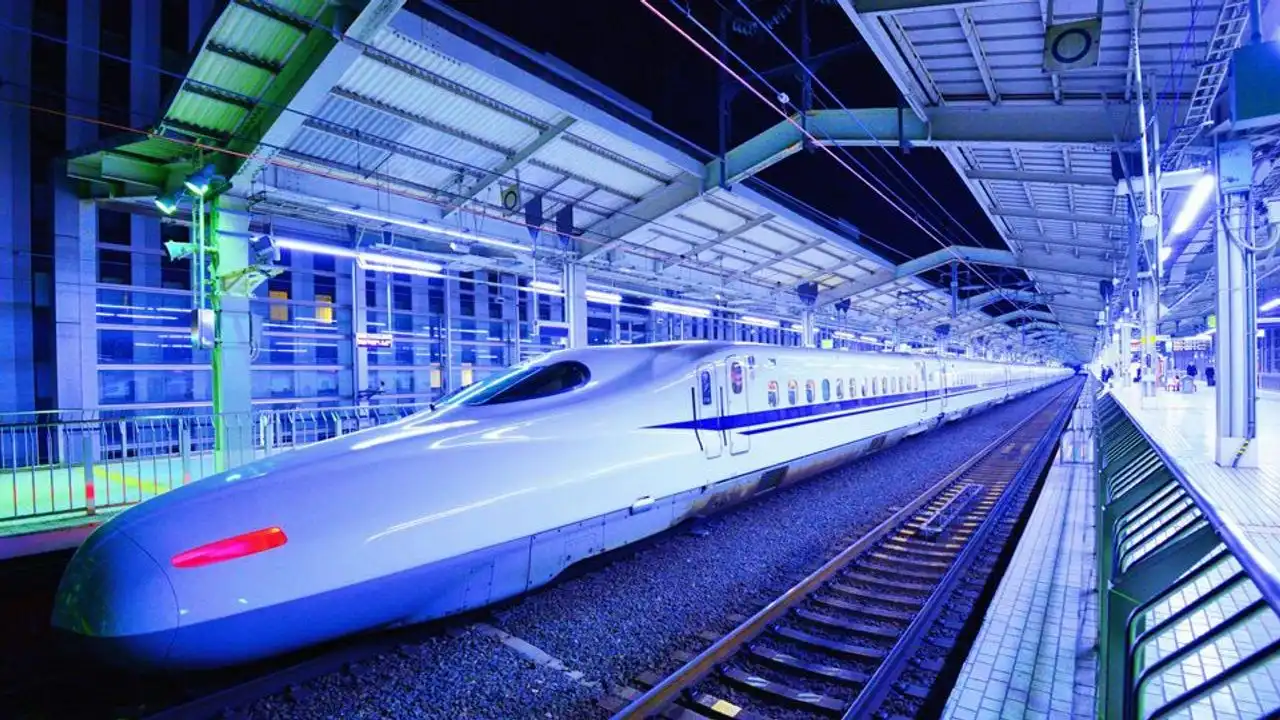
Japan’s train system has a reputation. Fast. Reliable. Almost perfectly on time. Still, first-time visitors sometimes stare at station maps like they’re puzzles. Some stations are huge, with multiple floors, dozens of exits, and signs pointing everywhere. Once you learn a couple of basics, though, it starts making sense.
Two things help the most:
- IC cards for tap-and-go travel
- The Shinkansen bullet train
IC cards like Suica or Pasmo mean you don’t have to keep buying individual tickets. The Shinkansen connects major cities quickly. Tokyo to Kyoto takes around two hours, which honestly feels a little unreal the first time you ride it. Yes, the first station might feel confusing. But after that, you figure things out surprisingly quickly.
6. Famous and Hidden Places Worth Exploring in Japan
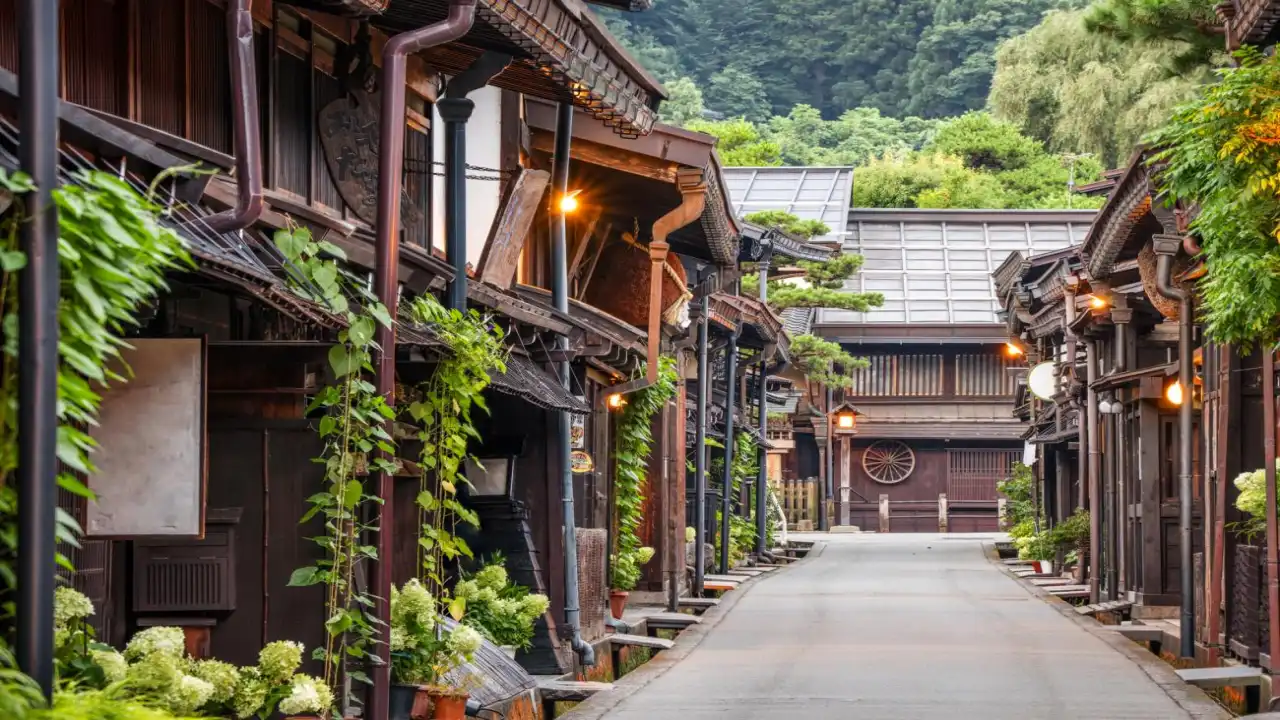
Japan has plenty of places people already know before they even arrive. Big cities, famous landmarks, and the usual spots that show up in every travel photo. They are worth seeing, no doubt about that. But once you start moving around the country a bit, you realize the quieter places can be just as interesting. Sometimes even more. Instead of listing long descriptions, here are a few well-known places and a few that travelers often discover along the way.
Famous Places
• Tokyo
• Kyoto
• Osaka
• Mount Fuji
• Hiroshima
Hidden or Less Crowded Places
• Takayama
• Kanazawa
• Naoshima Island
• Shirakawa go
• Kamakura
Most travelers usually visit a mix of both. The famous spots give you the big picture of Japan, while the smaller places often show the slower, everyday side of the country. And honestly, those quieter stops are sometimes the ones people remember the most
7. Cash, Cards & The Reality of Payments
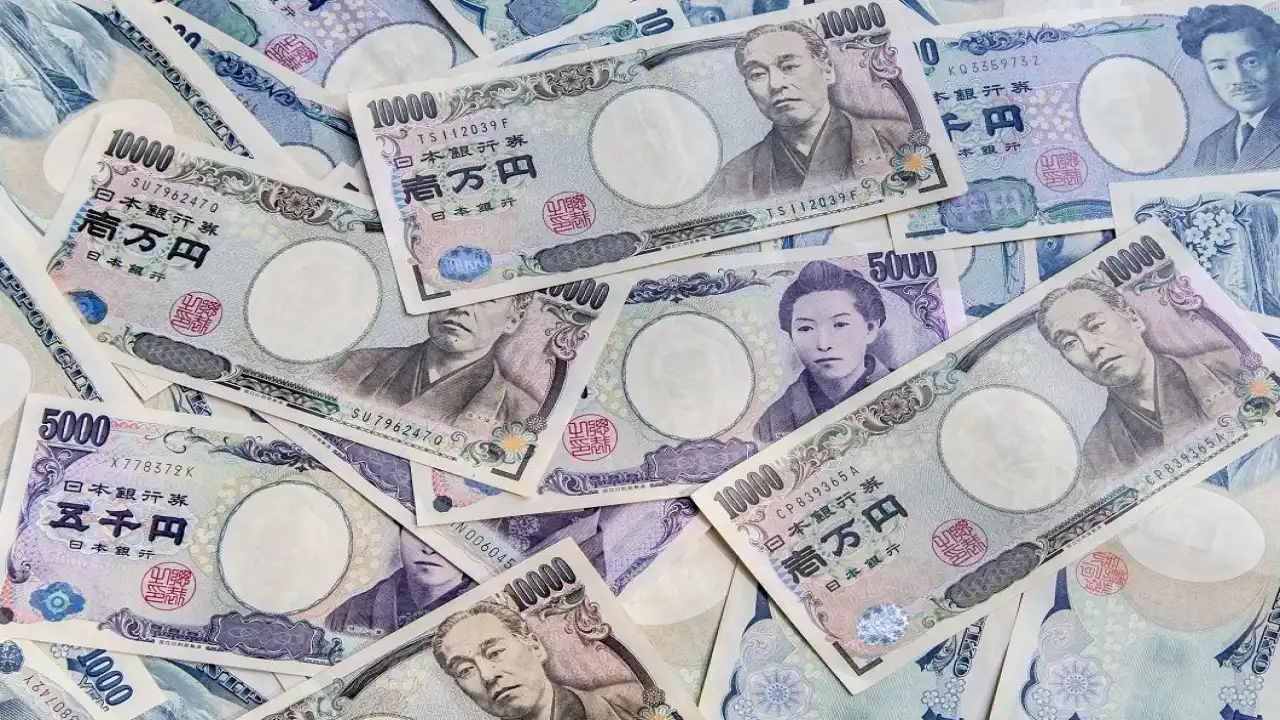
Japan is extremely modern in many ways. But payment habits sometimes surprise people. Cash is still widely used. Small restaurants, vending machines, and local markets often prefer cash over cards. Convenience stores help a lot here. Chains like 7-Eleven have ATMs that accept foreign cards and are easy to find almost everywhere.
A few simple habits help:
- Carry some yen each day
- Use convenience store ATMs if needed
- Expect cards mainly in larger stores and hotels
Knowing this early is one of the most practical things to know before going to Japan, especially if you usually rely on contactless payments.
8. Tattoo Rules in Japan

Tattoos have a different cultural history in Japan. Historically, they were associated with organized crime groups, which is why some public baths and hot springs still restrict visible tattoos. That doesn’t mean travelers with tattoos are completely excluded, though.
Options include:
- Covering tattoos with patches
- Visiting tattoo-friendly onsens
- Booking private hot spring baths
Tourist areas have become more flexible in recent years.
9. Health & Safety Guidelines
Japan consistently ranks among the safest countries for travelers. Walking at night usually feels comfortable even in big cities. Still, basic travel awareness is always smart. Keep valuables secure and stay aware in crowded areas.
Japan also experiences earthquakes occasionally. Buildings are designed with strong safety standards, and locals usually remain calm during small tremors. Travel insurance is worth considering. Medical care, canceled flights, and surprises- those things can happen anywhere.
Pro Tip:
Save your hotel address and emergency numbers on your phone. If you ever need directions or help, it’s useful.
10. Timing Changes Everything in Japan
Japan can feel like two different places depending on the time of day. Visit a temple early in the morning and it might feel peaceful enough to hear the wind moving through the trees. Return around noon and suddenly, people fill the area. Neighborhoods change too. Quiet streets in the morning often turn into lively dining areas by evening. Temple hours are another detail travelers forget. Many close earlier than expected.
Starting your day early helps:
- Fewer crowds
- Cooler weather
- Better photos
- A slower pace
Experienced travelers often aim to reach major attractions before 10 AM.
11. The Last Train Rule That Can Ruin Your Night
Here’s something travelers often discover the hard way. City trains usually stop running around midnight. Miss the last one and your options shrink fast. Taxis exist, but they can be expensive, especially across long distances. In cities like Tokyo and Osaka, the final trains usually leave between 11:30 PM and midnight, depending on the line. Checking the last train time before heading out for dinner or nightlife can save a lot of trouble later.
12. Speaking a Little Japanese Goes a Long Way
You don’t need to be fluent to travel here. But learning a few basic phrases can create surprisingly warm interactions.
Simple ones include:
- Arigato — Thank you
- Sumimasen — Excuse me
- Konnichiwa — Hello
Even imperfect pronunciation is appreciated. Sometimes just saying thank you in Japanese leads to a small smile from a shop owner or server. And those small moments tend to stay with you longer than expected.
Note
At Travel Junky, we always suggest double-checking the latest updates from official sources before your trip. Rules can change without much warning, and it’s just easier to sort that out beforehand than deal with surprises later.
Conclusion
Japan can feel unfamiliar at first. The quiet trains. The orderly streets. The subtle social habits. It takes a moment to adjust. But after a couple of days, something shifts. Stations start making sense. Ordering food becomes easier. The quietness of public spaces starts to feel comfortable. That’s when the country really opens up. Traveling here isn’t only about famous landmarks. It’s also about the small everyday details shaping daily life. Once those details begin to make sense, Japan stops feeling mysterious. And starts feeling welcoming.
Things Tourists Should Avoid in Japan
Travelers usually have the best experiences when they simply observe how locals behave. Some mistakes stand out quickly.
Try to avoid things like:
- Speaking loudly on trains
- Ignoring queue lines
- Blocking walkways for photos
- Eating while walking through crowded streets
Another common issue is overplanning. Japan actually rewards slower travel. Some of the nicest moments happen when you wander into random side streets or step inside a small café you never planned to visit.