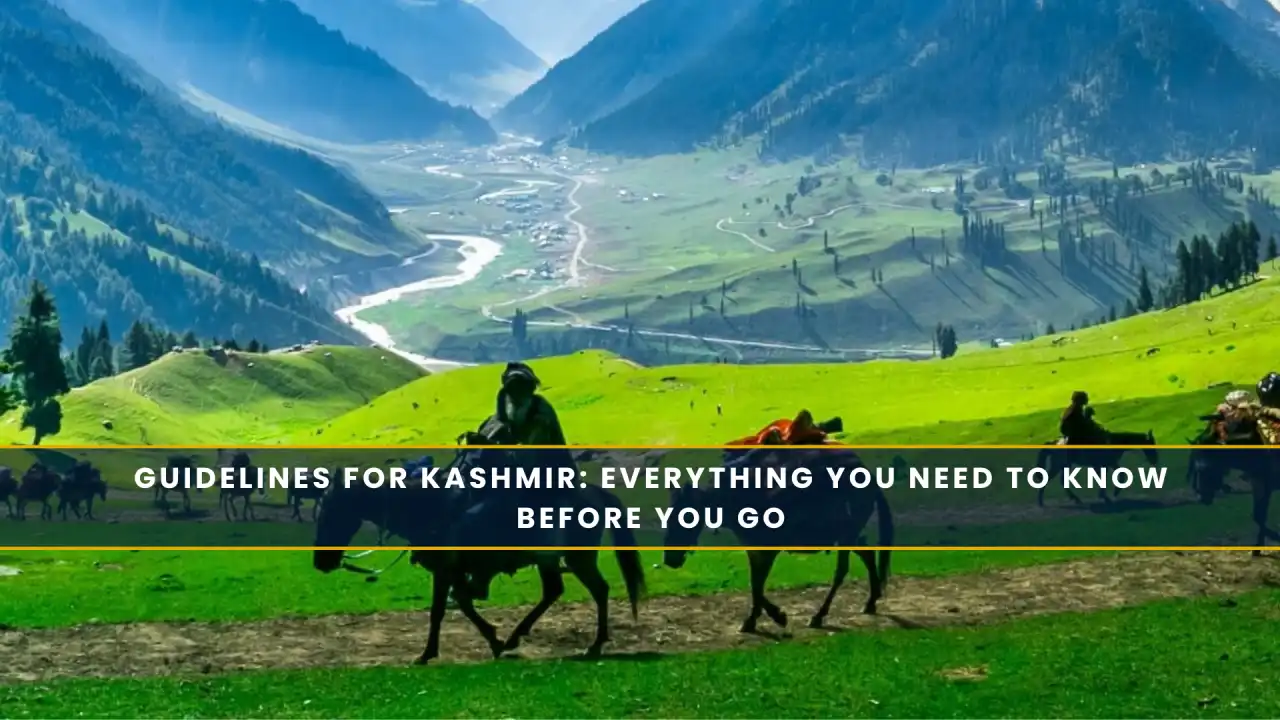
Guidelines for Kashmir: Everything You Need to Know Before You Go
Introduction
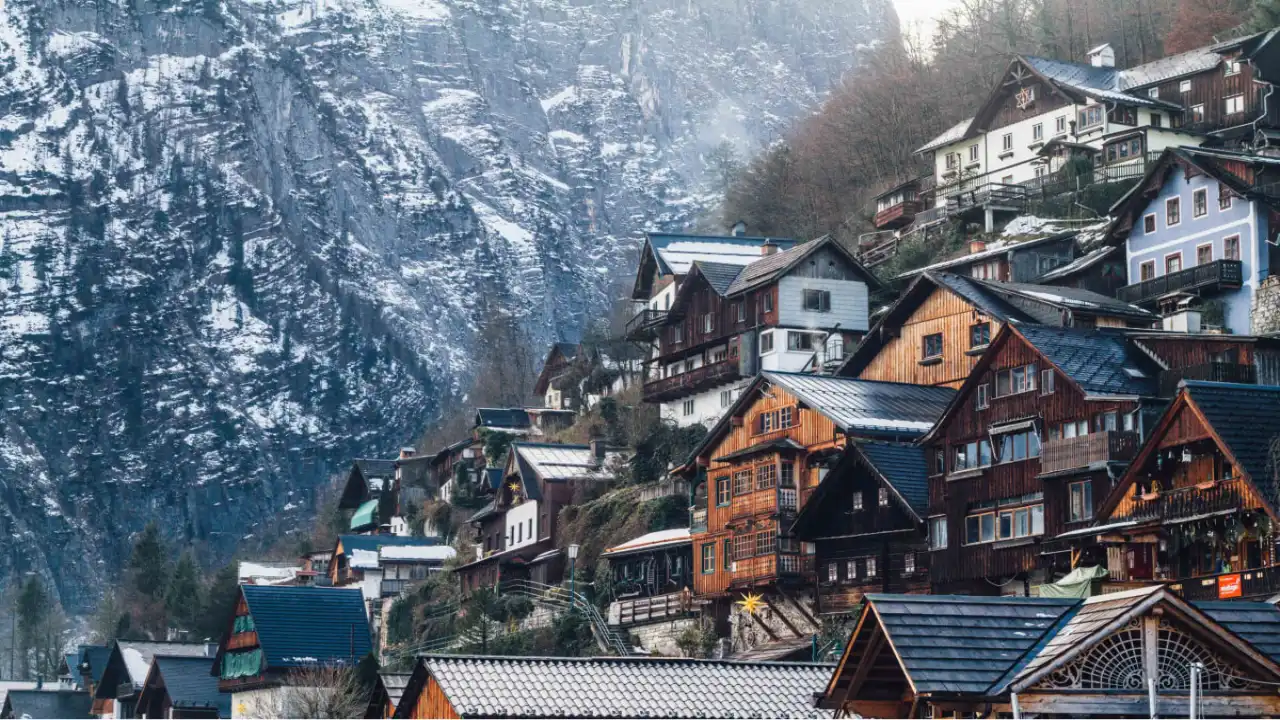
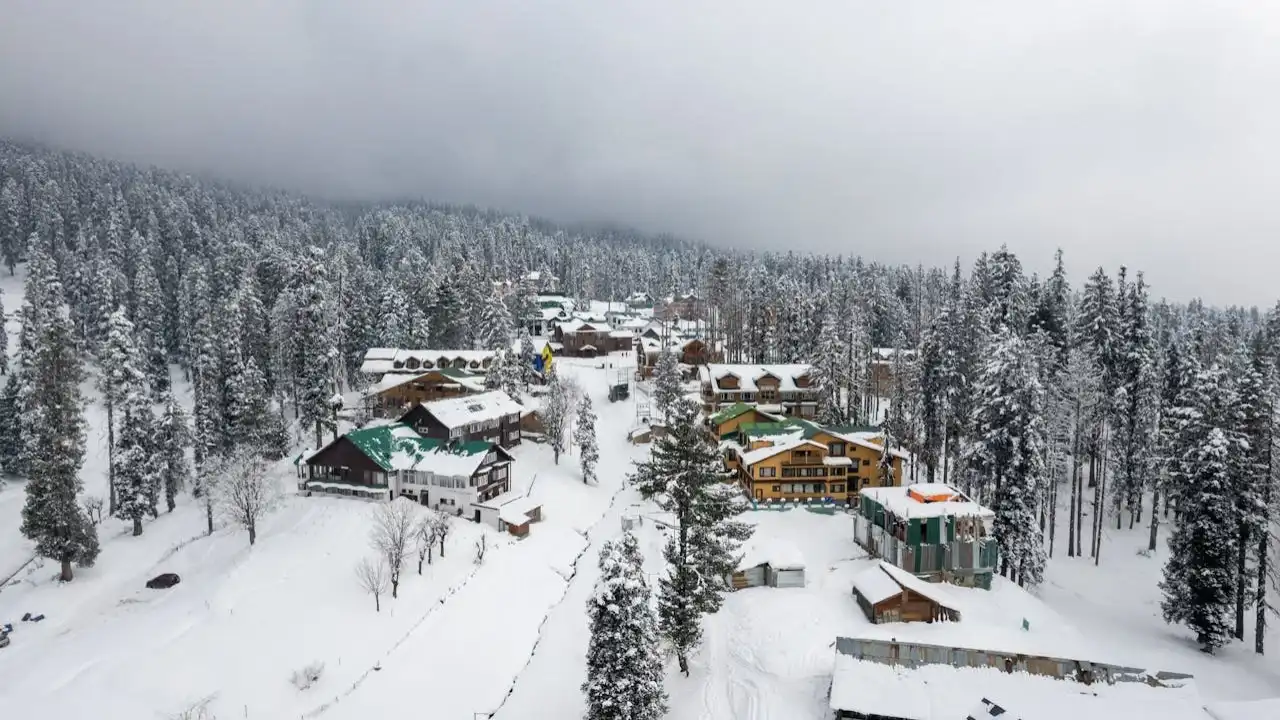
Kashmir looks unreal in photos. Almost too perfect, honestly. Snow sitting quietly on rooftops, Dal Lake looking like a mirror, mountains just there, doing nothing dramatic. It gives you the idea that everything will be calm and easy. But once you’re actually there, it doesn’t play out exactly like that. The weather changes without much warning. Plans stretch longer than expected. A 20-minute drive turns into an hour because of winding roads or traffic you didn’t see coming.
And weirdly, those are the parts you remember later. Not the “perfect” ones. That’s why a little bit of understanding helps. Not overplanning just enough to not feel completely lost when things go slightly off. These Guidelines for Kashmir aren’t about controlling your trip. They’re just there to make it smoother.
1. Kashmir Entry Requirements & Permit Guidelines

Getting into Kashmir isn’t complicated, but it’s not completely casual either. There are a few small things that can slow you down if you’re not prepared.
For Indian travelers:
- Carry a valid government ID (Aadhaar, PAN, driving license)
- Keep both digital and physical copies
For international travelers:
- You’ll need a valid Indian visa
- Your passport should be with you, not packed deep in luggage
Restricted areas:
- Srinagar, Gulmarg, Pahalgam, no special permits needed
- Some remote or border areas? Different story. Permissions may be required
At Srinagar Airport:
This part surprises people.
- Security checks happen multiple times
- Bags are screened even before you enter
- It’s slower than most airports
Pro Tip:
Don’t pack your ID at the bottom of your bag. You’ll regret it within the first hour.
2. Best Time to Visit Kashmir
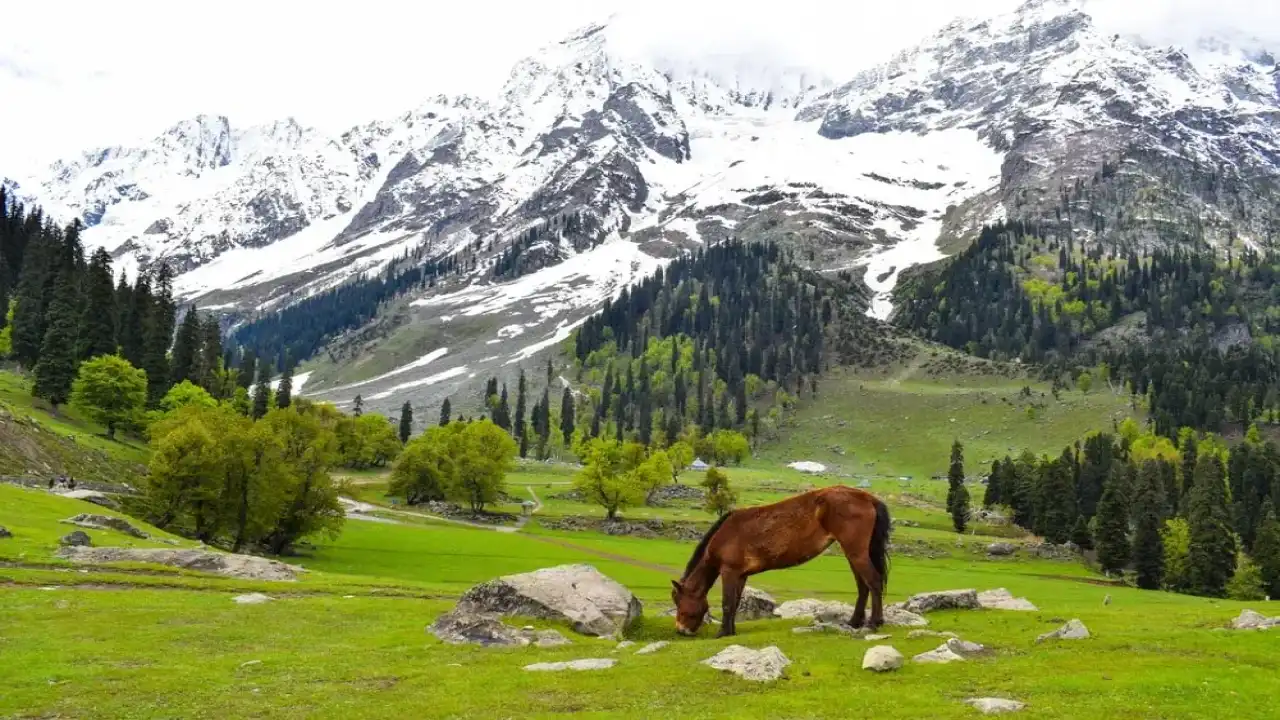
There’s no single “right” time to visit Kashmir. It really depends on what version of it you want to see.
Spring (March to May)
Everything starts waking up. Flowers, trees, gardens, it’s fresh, not crowded yet.
Summer (June to August)
Pleasant weather. Not too cold, not too hot. This is when most people visit, especially families.
Autumn (September to November)
This one feels different. Leaves turn orange and gold. Fewer crowds. Slower vibe.
Winter (December to February)
Snow. Proper snow. The kind people actually travel for.
One of those things to know before visiting Kashmir is that the place almost feels like four different destinations depending on the season.
Pro Tip:
If you’re going for snow, don’t gamble on early December. January gives you the best chances of snowfall, but it’s still not guaranteed.
3. Temple & Cultural Site Guidelines
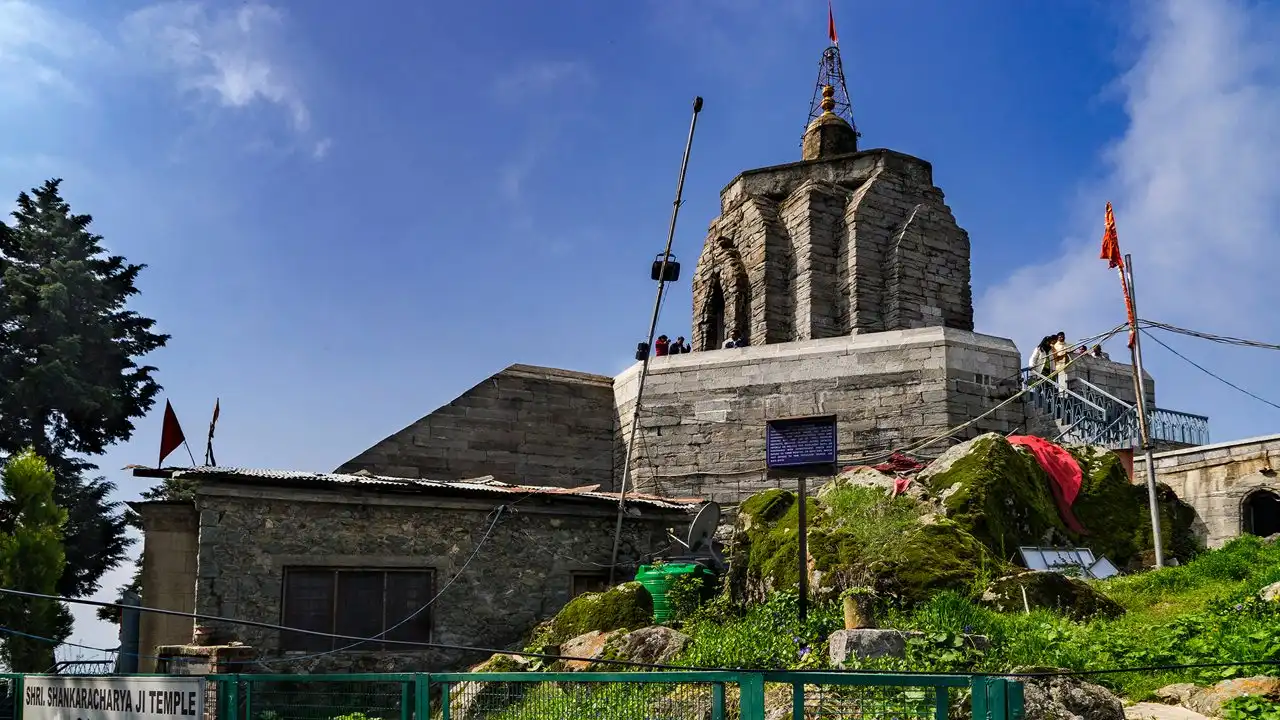
Kashmir isn’t just about landscapes. Its religious and cultural spaces carry deep significance, especially at places like Shankaracharya Temple, Kheer Bhawani Temple, and Martand Sun Temple. Even if you’re not religious, the atmosphere in these places feels different, quieter, more respectful.
Basic things to follow:
- Dress modestly (nothing too revealing)
- Keep your voice low
- Shoes off where required
- Don’t treat it like a tourist photo stop
Photography:
- Sometimes allowed, sometimes not
- Always better to check instead of assuming
General behavior:
You don’t need to understand everything. Just be respectful.
This is where most people forget basic Kashmir travel guidelines, not intentionally, just out of habit.
Pro Tip:
If you’re unsure, pause for a second and observe others. That usually tells you enough.
4. Hotel and Accommodation Guidelines
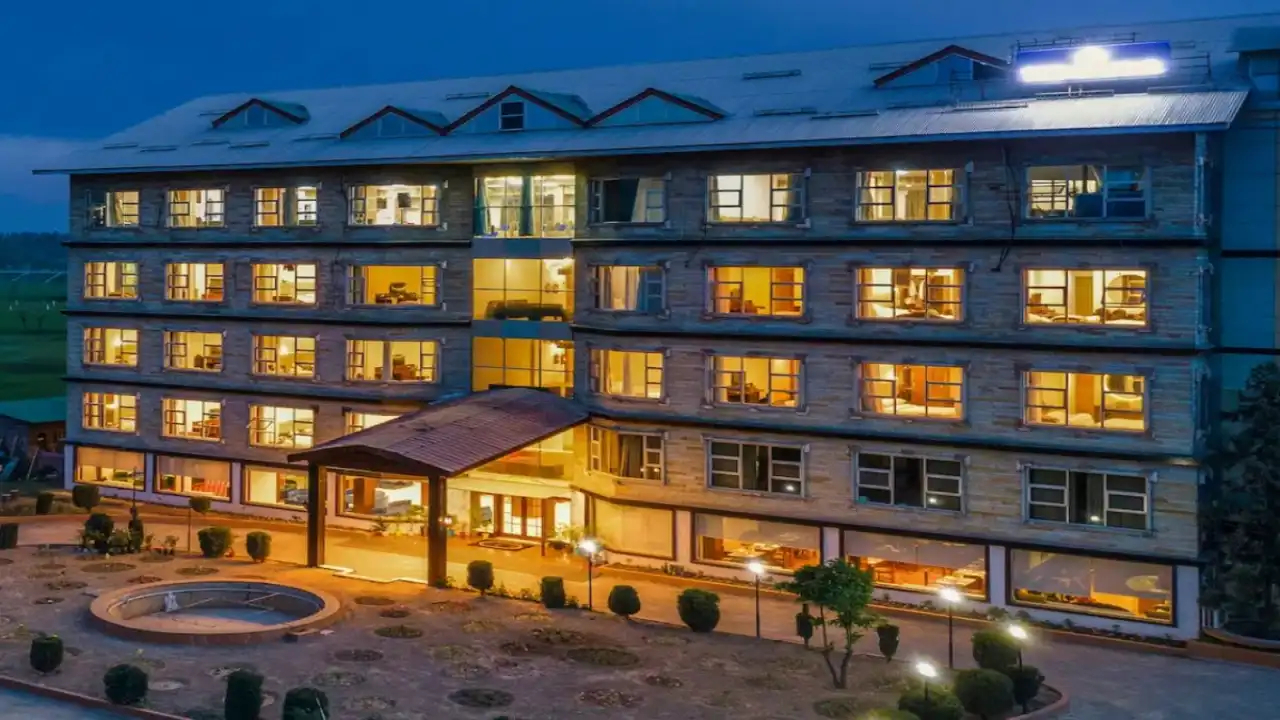
Where you stay in Kashmir actually affects your experience more than you’d think.
Options you’ll find:
- Hotels (simple to luxury)
- Guesthouses (more local, less formal)
- Houseboats (something different altogether)
Before booking, check:
- Location (too remote can become inconvenient)
- Heating (very important in winter)
- Recent reviews, not old ones
- Road access (some places look close but aren’t easy to reach)
Common stay areas:
- Srinagar – central, practical
- Gulmarg – snow and skiing
- Pahalgam – quieter, more scenic
Some people skip all this planning stress and go for Domestic Packages, which handle most of these decisions for you.
Pro Tip:
Cheap stays feel expensive when you’re cold and uncomfortable. Don’t cut corners here.
5. Houseboat Stay Guidelines
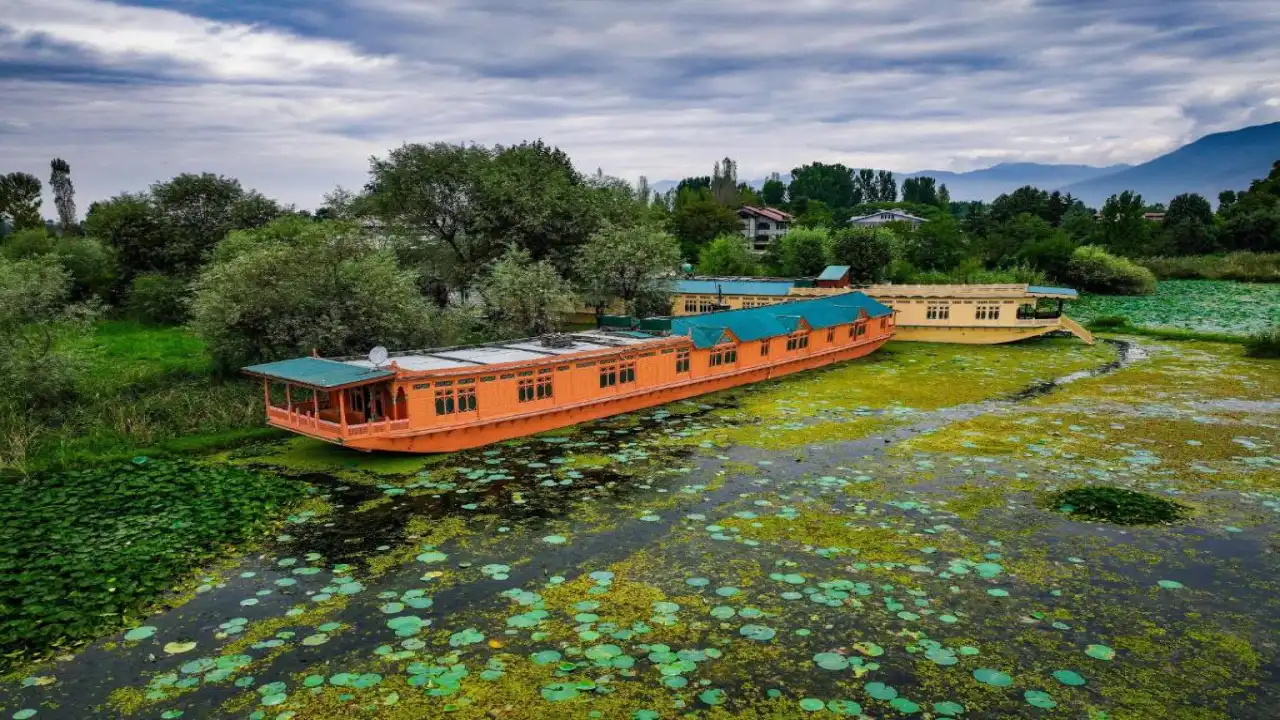
Houseboats sound like a dream. And yes, they can be. But not always in the way people expect.
What they are:
Wooden boats are floating on Dal Lake. Old-school, detailed interiors.
What it actually feels like:
- Slower pace
- You’re mostly in one place
- Quiet, sometimes too quiet
Pros:
- Unique experience
- Peaceful mornings (this part is real)
- Feels different from regular hotels
Cons:
- Not super modern
- Wi-Fi and the network can be weak
- Not great if you like constant movement
Pricing:
All over the place. Depends on the category and season.
Who should try it:
- Couples
- First-time visitors
- People who don’t mind slowing down
Most Kashmir trip planning guides suggest trying it, but not for your entire stay.
Pro Tip:
Stay 1–2 nights on a houseboat. Then move to a hotel. Balance works better.
6. Attraction Timings Travelers Should Know
Timings in Kashmir exist, but don’t expect them to behave like city schedules. It’s not that organized. Some places open a little late, and sometimes they shut earlier than you’d expect. Weather plays a role, and crowds do too. You kind of just adjust as you go. So instead of memorizing exact timings, it’s better to have a rough idea. That works better here.
Here’s what it usually looks like:
Gulmarg Gondola:
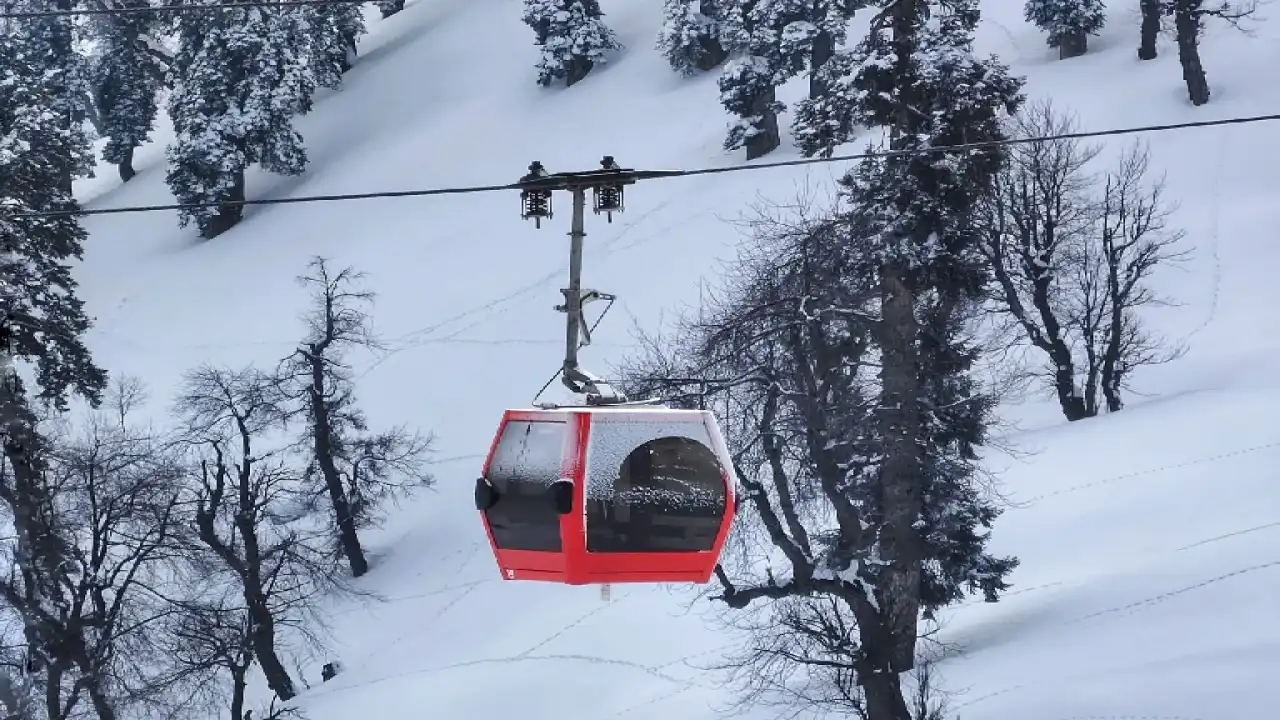
Starts around 9:00 AM and runs till about 5:00 PM, though timings can vary slightly depending on the weather and season. But honestly, don’t push it till the last minute. The final rides usually wrap up by 4:00–4:30 PM, especially if there’s a rush or weather turns weird. And it does, sometimes out of nowhere.
Mughal Gardens (Shalimar Bagh, Nishat Bagh, etc.):
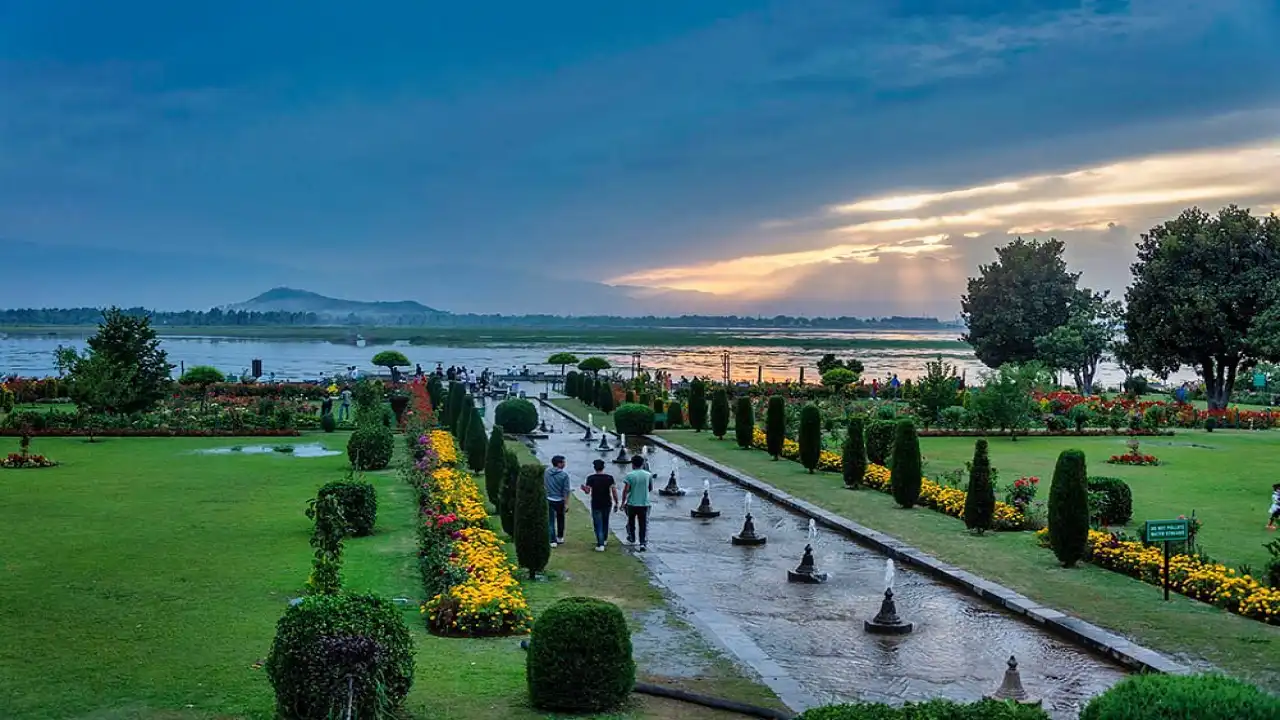
Open around 10:00 AM, close somewhere between 6:00 and 7:00 PM. It’s not super strict, though. In the summer, it might stretch a bit. In colder months, things slow down earlier.
Tulip Garden (only during season):
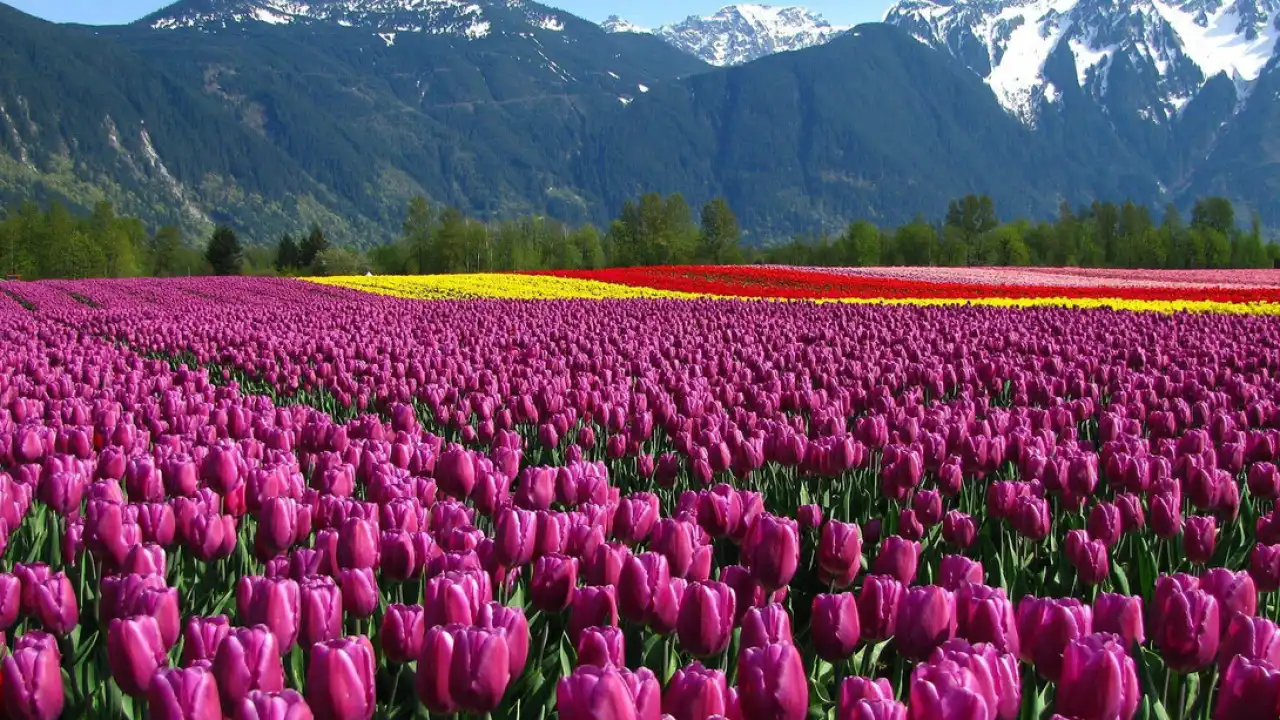
Open during a short bloom period (usually late March to early April), typically from 9:00 AM to 7:00 PM. Go early. By afternoon, it gets crowded, and the whole calm vibe kind of disappears.
Pahalgam, Sonmarg, and other valleys:
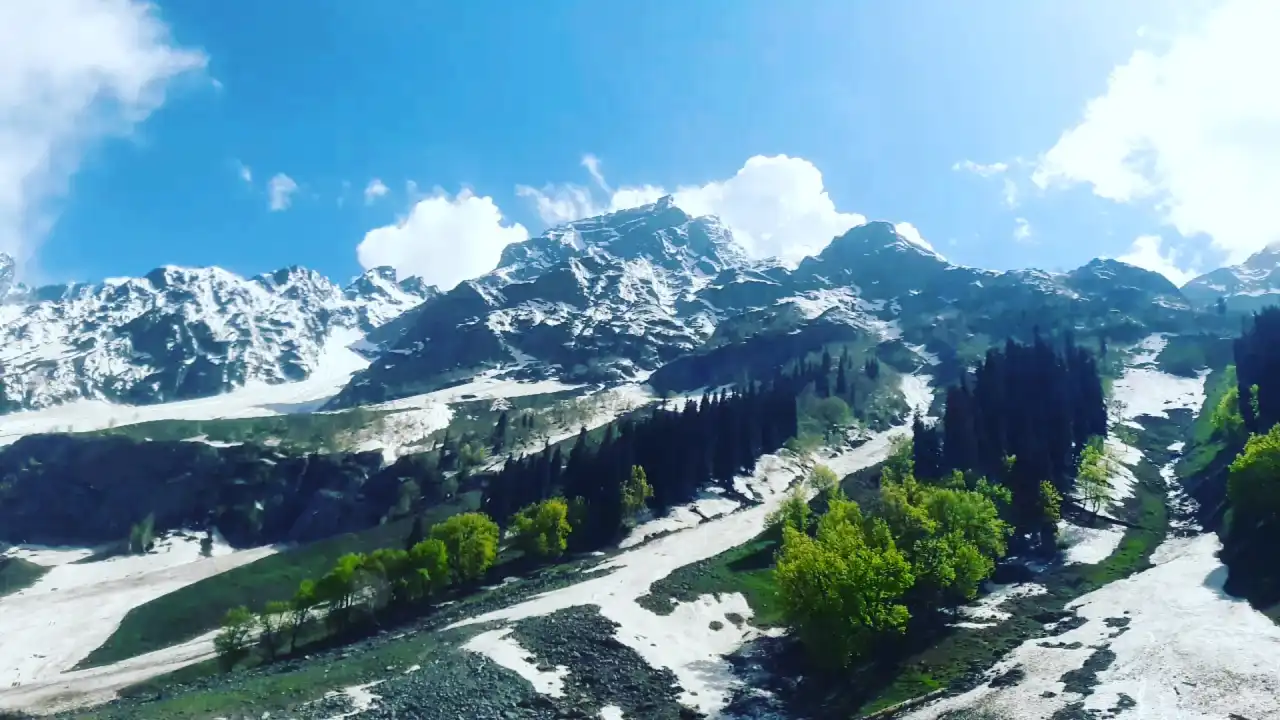
Best visited between 8:00 AM and 2:00 PM for clearer views and better weather. Later in the day, clouds can roll in and visibility may drop. After that, clouds roll in, light changes, and sometimes it just feels off. Visibility drops, and the whole place looks different.
Local markets (Srinagar side):
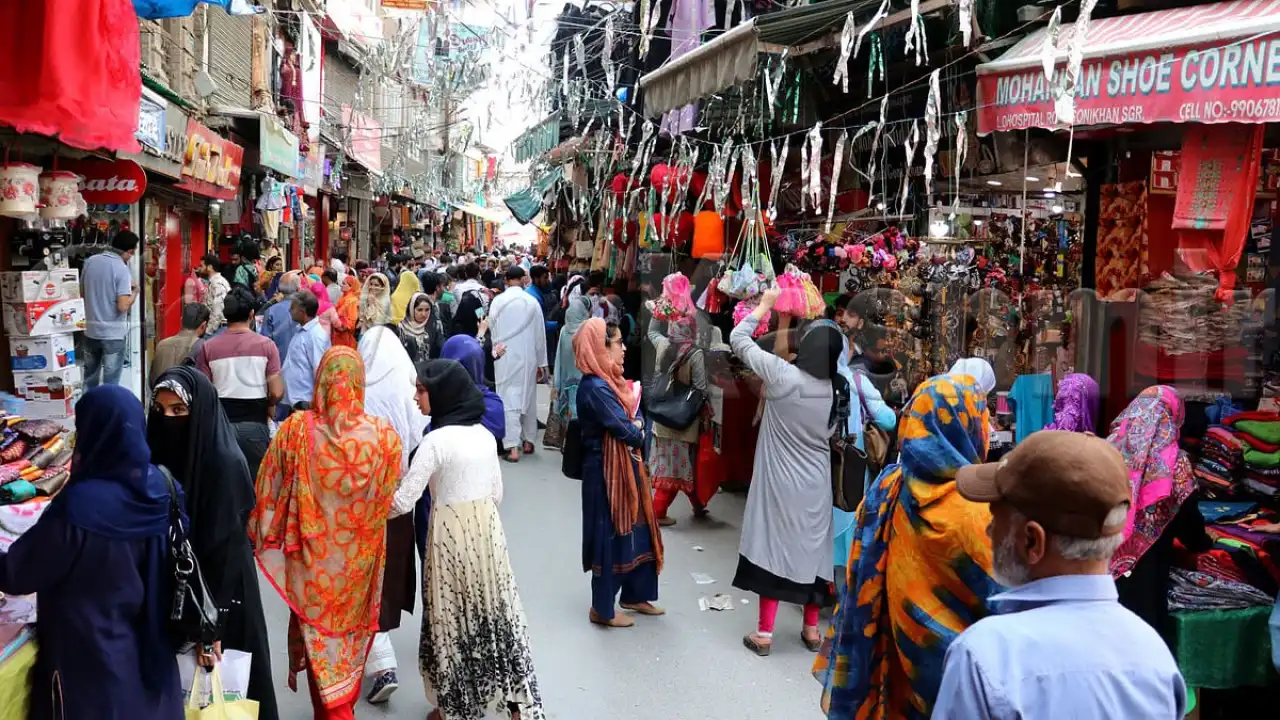
They wake up slowly. Around 10:00 AM, things start opening. Stay active till 7:00–8:00 PM, depending on the area.
Now, about mornings vs evenings, mornings feel quieter. Cleaner air, fewer people, less chaos. You actually get to enjoy the place. Evenings? Not bad, but more crowded, a bit colder, and sometimes rushed.
Pro Tip:
Start early. It sounds basic, but it changes your whole experience here. Better views, less waiting, fewer small problems piling up. And in Kashmir, that matters more than you think.
7. Currency & Payment Guidelines
You can’t rely completely on digital payments here. Not yet.
Keep in mind:
- Carry cash, especially outside Srinagar
- ATMs are available in cities like Srinagar, but can be unreliable in smaller towns.
- Cards are accepted, but not everywhere
Possible hiccups:
- Network issues
- Payment delays
These are small but important Kashmir travel tips that people usually learn the hard way.
Pro Tip:
Withdraw enough cash before heading to smaller towns. Saves a lot of hassle.
8. Internet & Connectivity Guidelines
The Internet in Kashmir is inconsistent. That’s the easiest way to put it.
What works better:
- Postpaid SIMs
- Hotel Wi-Fi (but don’t expect speed)
What doesn’t always work:
- Prepaid SIMs from other states usually don’t work in Kashmir. Postpaid SIMs work more reliably.
- Stable high-speed internet
Expect interruptions. It happens.
Pro Tip:
Download maps, bookings, and tickets offline. You’ll thank yourself later.
9. Health & Safety Guidelines
Kashmir is generally safe, but basic care goes a long way.
Health basics:
- Carry your medicines
- Stay hydrated
- Avoid untreated water
Weather prep:
- Always carry layers
- Winters need proper gear, not just jackets
General awareness:
- Stay alert
- Let someone know your plans
Pro Tip:
Travel insurance might feel optional, but it’s useful, especially in winter.
10. Security & Local Situation Guidelines
This is something people worry about before visiting. On the ground, it feels different.
You’ll notice:
- Security presence in certain areas
- Regular checks
Tourist zones:
- Srinagar, Gulmarg, and Pahalgam are generally safe
Avoid:
- Sensitive areas
- Political discussions
Important:
Listen to locals. They know what’s better to avoid.
Pro Tip:
If someone advises against something, don’t overthink it. Just follow it.
11. Transportation Guidelines in Kashmir
Getting around isn’t as simple as booking a quick cab and moving on.
Your options:
- Private taxis (most reliable)
- Local cabs
- Public transport (limited and not very tourist-friendly)
Reality check:
- Distances look small, feel long
- Roads are winding
- The weather can delay things
Also, something people don’t expect, taxi unions operate in places like Gulmarg, Pahalgam, and Sonmarg. Outside, taxis are often not allowed, so you may need to switch to a local taxi there.
Pro Tip:
Leave gaps in your schedule. Tight plans don’t work well here.
12. Kashmir Cultural Guidelines
The culture here is simple but respectful.
Things to remember:
- Dress modestly
- Be polite
- Don’t act too casual in sensitive spaces
Interaction:
People are warm, but not overly expressive.
Pro Tip:
Respect gets returned. Always.
13. Things Tourists Should Avoid in Kashmir
A few things are better avoided altogether.
Don’t do this:
- Travel late at night unnecessarily
- Ignore weather updates
- Wander into isolated areas alone
- Carrying too many valuables
Be careful about:
- Sudden weather shifts
- Slippery roads in winter
Pro Tip:
If something feels off, don’t push it.
Note
At Travel Junky, we always suggest double-checking the latest updates from official sources before your trip. Rules can change without much warning, and it’s just easier to sort that out beforehand than deal with surprises later.
Conclusion
Kashmir isn’t complicated. It just feels unfamiliar at first. Once you adjust to the pace, the roads, the way things move, it starts making sense. You stop rushing. You stop expecting everything to go perfectly. And somehow, the trip becomes better because of that. Some people plan everything themselves. Others go for Kashmir trip packages to keep it simple. Both ways work. It really depends on how much control you want over your trip. In the end, it’s not about ticking off places. It’s the quiet moments that stay. A slow morning, a random conversation, a view you didn’t expect. That’s Kashmir. And honestly, you don’t fully get it until you’re there.
Common Kashmiri Words Travelers Should Know
You don’t need the language, but a few words help.
Simple ones:
- “As-salamu Alaikum”- Hello
- “Shukriya” – Thank you
- “Ji” – Yes (respectfully)
Even a small effort makes interactions nicer.
Pro Tip:
People appreciate the attempt more than accuracy.