Guidelines for North East India: Everything You Need to Know Before You Go
Introduction
The first thing many visitors to India’s northeastern corner notice is the silence, not an awkward silence, but the hush of everyday life in regions that do not subscribe to mass tourism. The mornings stretch long, mist curling in the valleys and the smell of tea bubbling over brassy kettles hanging heavy. The markets open slowly, fresh vegetables lie in front of you with bamboo handicrafts surrounding them, as well as stalls with carts on the street preparing for what is to come. Somewhere in the distance, a rooster crows, scooters whiz by and bells ring from street-corner temples.
There’s something about being in this land that feels apart from regular sightseeing, where Roads curve through forests, small villages appear between hills, and people always seem to have time. Often it’s easy to start up a conversation; a straightforward question can lead to an affable debate about where you are going next. It is in this gentle pace that North East India Travel finds a wilderness, and it is often a film reel of the memory of moments that remains more imbibed in your heart than even iconic glances.
1. Entry Requirements & Travel Documents

Traveling here sometimes involves a few extra steps. Nothing dramatic. Just the kind of things you’d rather sort out in advance instead of discovering halfway through your journey.
For international travelers, the usual documents apply:
- A valid passport
- Tourist visa or Indian e-visa
- Occasionally, proof of accommodation bookings
But some parts of the Northeast also require something called an Inner Line Permit (ILP). It’s basically a travel permit used to protect tribal communities and regulate visitor entry in certain states.
Places where permits are commonly required include:
- Arunachal Pradesh
- Nagaland
- Mizoram
- Manipur (in some situations)
The good news is that the system has become much easier in recent years. Many permits can now be applied for online or arranged in larger cities like Guwahati.
Major entry points into the region
Most travelers begin their journey through one of these airports:
- Guwahati Airport in Assam is the main gateway
- Imphal Airport in Manipur
- Dibrugarh Airport in Assam
- Bagdogra Airport in West Bengal (often used for travelers heading toward Sikkim)
Pro tip:
Always carry both digital and printed copies of permits. Mobile signals can disappear quickly once you move deeper into the hills.
2. Best Time to Visit & Seasonal Tips
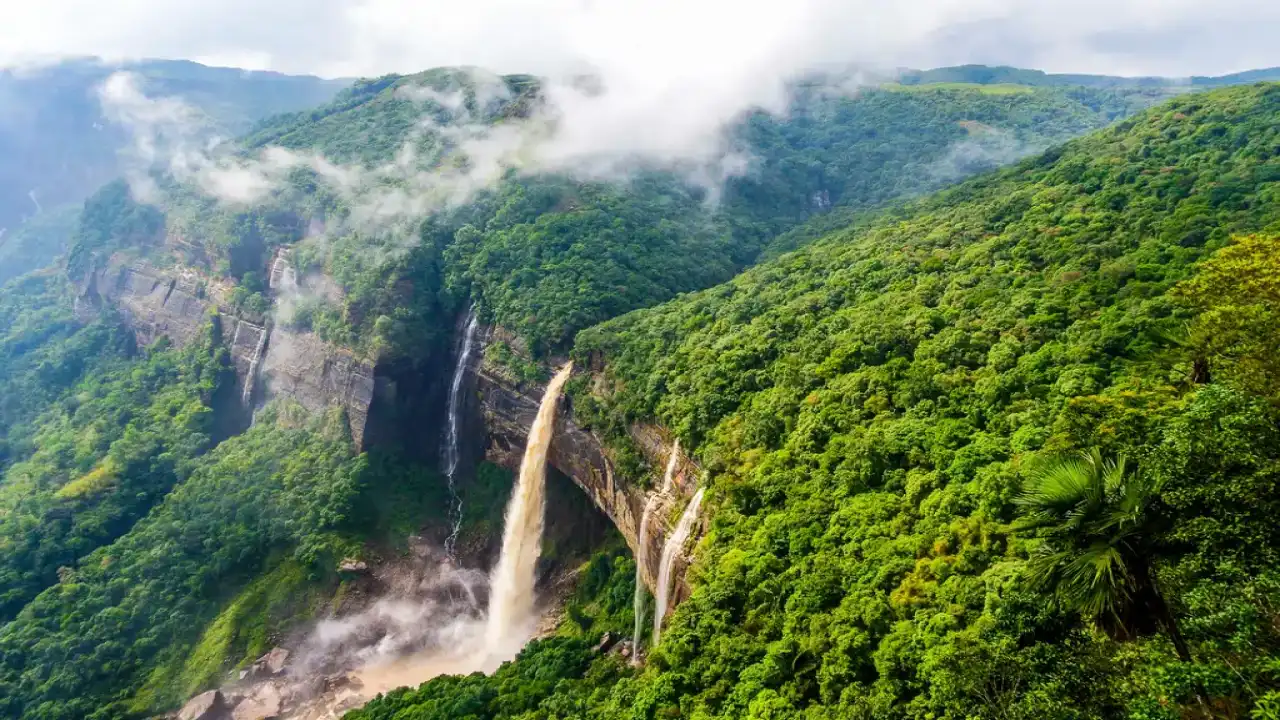
One thing about the Northeast: the landscape changes a lot across seasons. The same destination can look almost like a different place depending on the month you visit.
Winter (November – February)
Winter is usually comfortable for traveling.
- Clear skies most days
- Pleasant daytime temperatures
- Excellent conditions for wildlife spotting
Spring (March – April)
Spring quietly brings color back into the region. Hillsides bloom again. Forests look fresh and green. The weather stays mild enough for wandering through places like Shillong or Gangtok without feeling overheated.
Monsoon (May – September)
Monsoon is beautiful. There’s no other way to describe it. But also unpredictable. Rainfall can be intense in places like Cherrapunji or Mawsynram. Waterfalls suddenly appear everywhere. Rivers swell. Forests turn incredibly green. The downside is that landslides sometimes affect roads, which can delay travel plans.
Autumn (October)
Many experienced travelers quietly say October might actually be the best month to visit. The monsoon has washed everything clean. The skies begin clearing. The hills almost look freshly painted.
If planning starts to feel confusing, many travelers simply choose curated Domestic Packages designed around seasonal weather patterns.
3. Hidden Gems & Must-See Places
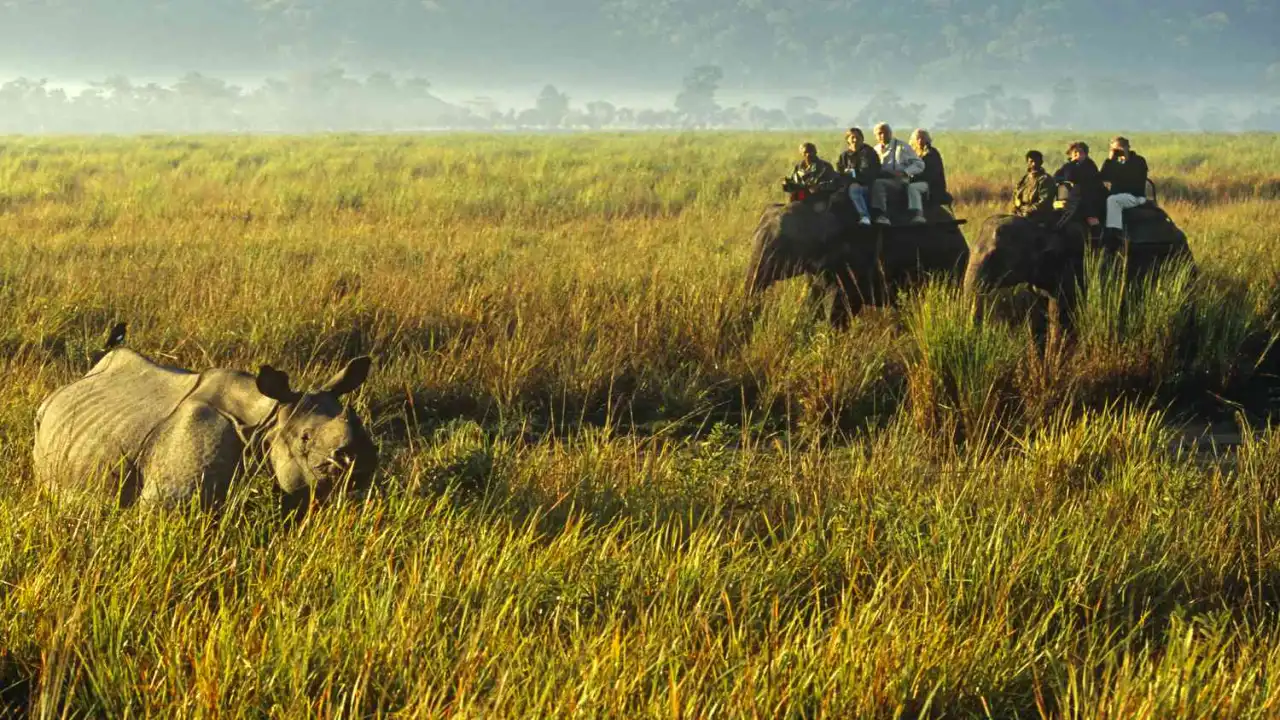
One fascinating thing about the Northeast is how many places still feel relatively untouched.
Well-known destinations
- Kaziranga National Park: famous for the one-horned rhinoceros
- Shillong: known for waterfalls and music culture
- Tawang Monastery: offering dramatic Himalayan views
Lesser-known experiences
- Living root bridges hidden in Meghalaya villages
- Remote monasteries in Arunachal Pradesh
- Colorful tribal markets in Nagaland
- Quiet tea gardens across Assam
4. Accommodation Guidelines
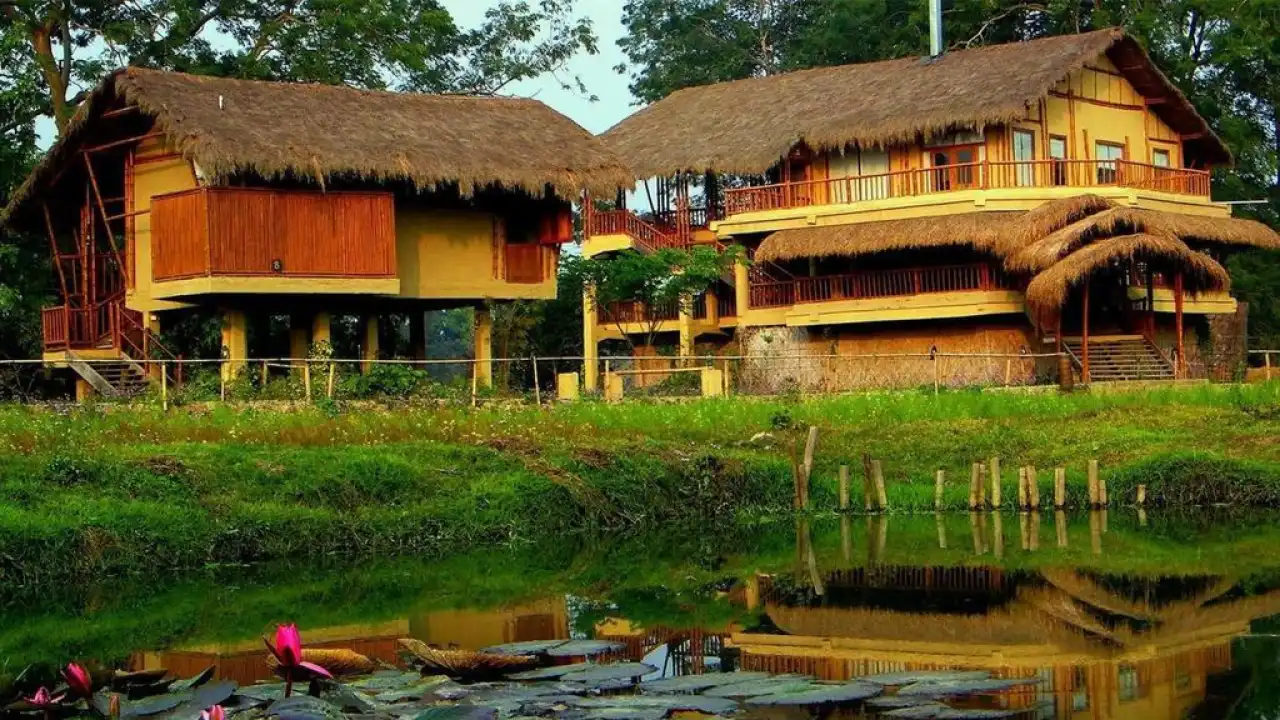
Accommodation in the Northeast ranges from city hotels to simple village stays. Many travelers eventually realize that homestays provide the most memorable experiences.
Common options include:
- Homestays run by local families
- Eco-lodges near forests
- Small guesthouses in hill towns
- Standard hotels in larger cities
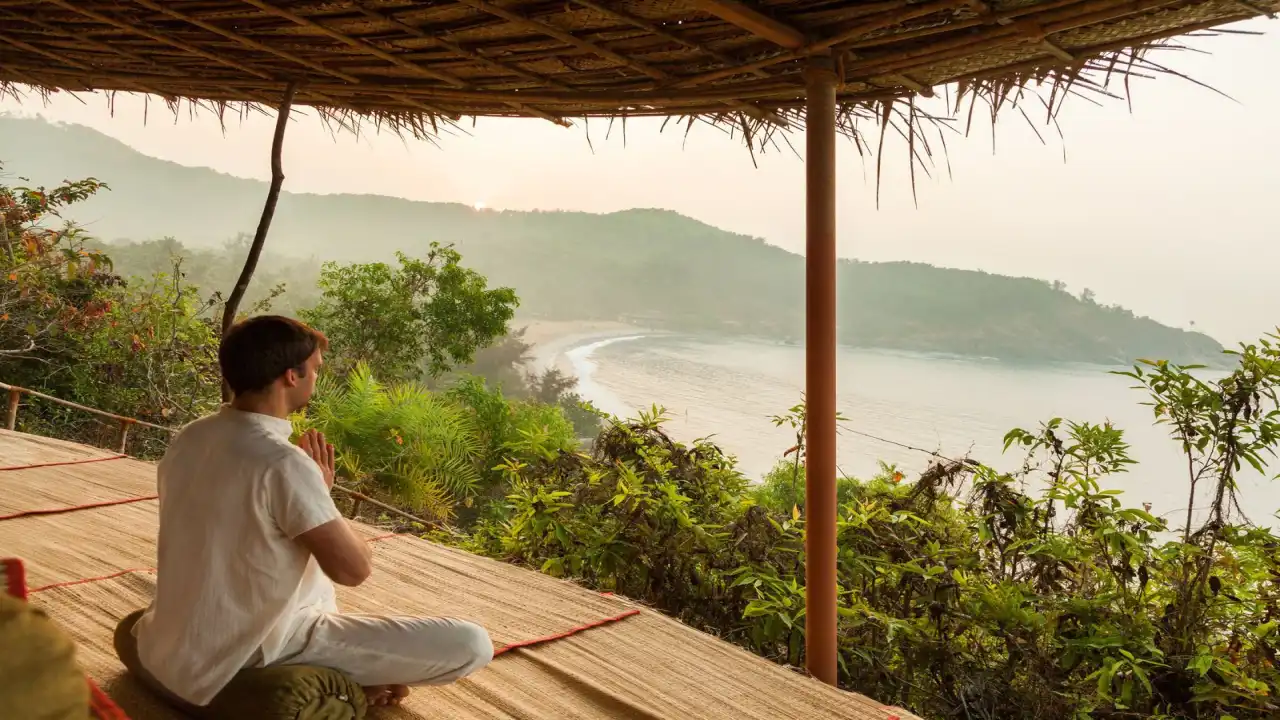
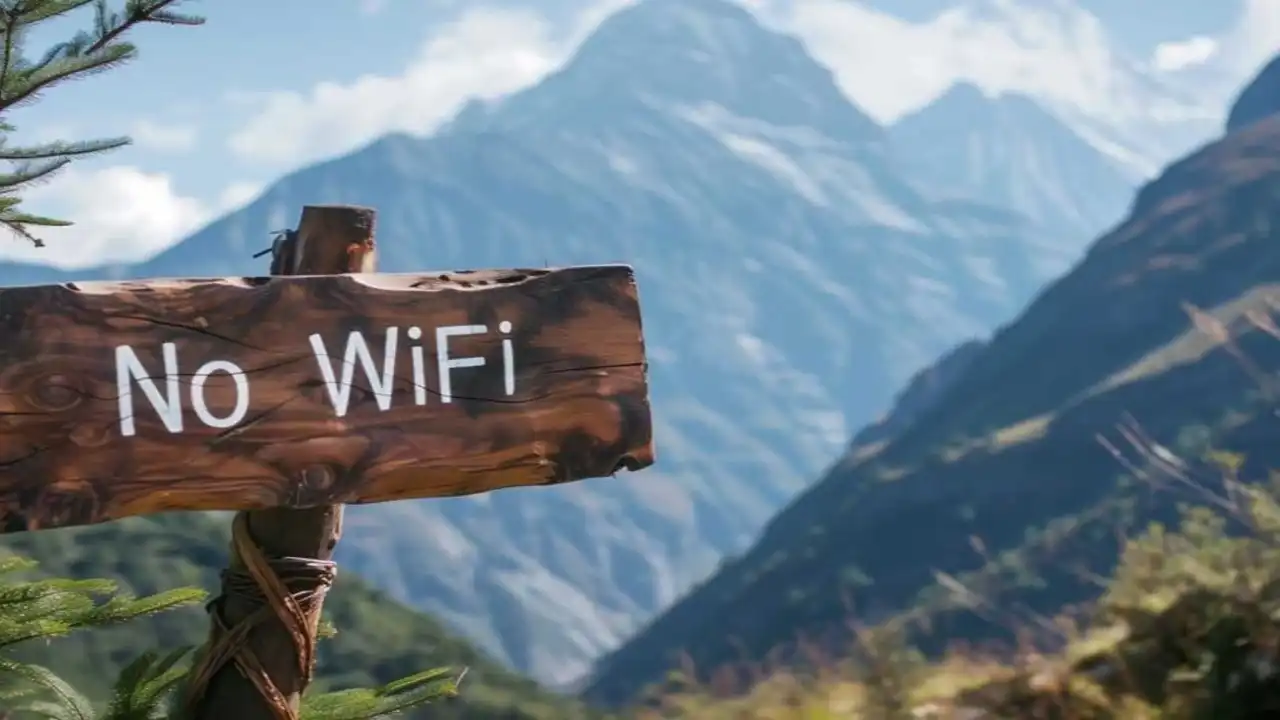
Homestays feel more personal. Breakfast might be homemade. Your host might casually mention a nearby trail or viewpoint that doesn’t appear in guidebooks. Of course, rural stays can be basic. Power cuts happen occasionally. Wi-Fi sometimes disappears completely. Oddly enough, though, those small inconveniences often become part of the experience.
Pro tip:
Carry some cash when staying in villages since digital payments aren’t always reliable.
5. Food & Dining Etiquette

Food in the Northeast often surprises first-time visitors. It’s quite different from the Indian cuisine many travelers expect. Flavors are lighter. Ingredients feel fresh. Fermentation plays a big role in certain dishes.
Common ingredients include:
- Bamboo shoots
- Fermented soybeans or vegetables
- Local herbs
- Rice is the base of most meals
Popular regional dishes include:
- Smoked pork in Nagaland
- Thukpa and momos in Arunachal Pradesh
- Fish curries in Assam
- Fermented dishes and rice cakes in Manipur
Meals are usually shared and eaten slowly.
Simple dining etiquette
- Try at least a small portion of the dishes offered
- Follow local eating habits
- Appreciate homemade food, as it often carries cultural meaning
6. Getting Around North East India
Maps can be slightly misleading in this region. Distances may look short, but mountain roads have their own pace. A route that appears three hours long on paper might take longer if fog rolls in or roads become rough.
Common transport options include:
- Shared taxis between towns
- State-run buses
- Private taxis for longer journeys
- Domestic flights between major cities
Typical travel times:
- Guwahati to Shillong: around 3 hours
- Shillong to Cherrapunji: roughly 2 hours
- Tezpur to Tawang: about 10–12 hours by road
Because of longer travel times, many visitors keep their itineraries flexible. Some travelers choose guided trips like a North East India tour package, mainly because transportation logistics become easier to manage.
7. Health & Safety Guidelines
Traveling in remote areas simply requires some preparation. Nothing alarming. Just basic awareness.
Health precautions
- Carry a small first-aid kit
- Pack insect repellent if visiting forest areas
- Drink bottled or filtered water
Vaccinations usually aren’t mandatory, although routine travel vaccines are recommended.
Outdoor safety tips
- Hire local guides for trekking routes
- Avoid wandering alone in forest reserves
- Follow park regulations carefully
Cities generally have medical facilities, though smaller towns may have limited services.
8. Environmental & Responsible Tourism Guidelines
Nature is really the highlight of the Northeast. Dense forests. Wildlife reserves. Waterfalls. Wide valleys. Because of this, many communities take conservation seriously.
Visitors are encouraged to follow simple eco-friendly habits:
- Avoid plastic waste
- Carry reusable water bottles
- Stay on designated trekking trails
Places like Kaziranga National Park rely heavily on responsible tourism.
Pro tip:
Even small actions, such as refusing plastic bottles or picking up litter, genuinely make a difference.
9. Money & Payments
Modern payment systems exist in cities, but rural areas still rely heavily on cash.
A few useful things to remember:
- Cash works almost everywhere
- ATMs are mostly available in larger towns
- Mobile payment apps may not function reliably in remote areas
Before traveling deeper into the hills, withdrawing enough money is usually a smart idea.
10. Special Local Rules & Quirks
Each state in the Northeast has its own quirks.
Examples include:
- Permit checks in border districts
- Photography restrictions near military areas
- Alcohol regulations vary between states
In some villages, traditional councils maintain their own community guidelines. If you visit during festivals or ceremonies, visitors may be asked to observe quietly or follow certain customs. Usually, it’s simply a matter of courtesy.
11. Cultural Etiquette & Social Norms
One thing people often underestimate about the Northeast is just how culturally diverse it really is. There are dozens of tribal communities across the region. Different languages. Different traditions. Different customs. Because of this, small gestures of respect matter.
A few simple things to keep in mind:
- Always ask before photographing people
- Dress modestly when visiting villages or monasteries
- Keep noise levels low in small towns
- Be respectful in shared community spaces
Locals are usually warm and welcoming. But interactions tend to be calm and relaxed rather than loud or overly energetic.
Everyday etiquette tips
- Remove shoes before entering homes
- Accept tea if it’s offered (which happens often)
- Avoid sensitive political discussions unless locals bring them up first
Pro tip:
Even attempting a simple greeting can break the ice quickly.
Note
At Travel Junky, we always suggest double-checking the latest updates from official sources before your trip. Rules can change without much warning, and it’s just easier to sort that out beforehand than deal with surprises later.
Conclusion
Traveling through the Northeast is not so much about checking famous destinations off a list. It’s about small moments. A foggy morning at a roadside tea stall. Children playing outside bamboo homes. A peaceful monastery on a mountainside above a valley and clouds that drift slowly past. These Travel Guidelines for North East India are simply to help visitors navigate respectfully through a region that respects tradition, landscapes and also a slower pace of life. And then, after a while, something lets go. The journey ceases to be sightseeing and begins to resemble a postcard collage. That subtle charm, the kind you pick up on the very first morning, sticks with people forever after they leave.
Useful Travel Tips & Pro Advice
After spending a few days here, many travelers notice something important. Patience helps. Things move more slowly in this region: roads, schedules, conversations, almost everything.
Helpful habits include:
- Starting road journeys early in the morning
- Keeping buffer days in your itinerary
- Carrying warm clothing even when the weather seems mild
- Downloading offline maps in advance
Internet connectivity can become unpredictable once you leave major cities. Over time, these small habits become valuable North East India Travel Tips that make journeys much smoother.