Guidelines for Singapore: Everything You Need to Know Before You Go
Introduction
Singapore has this odd habit of catching people off guard. You arrive expecting the usual big-city chaos, honking cars, messy traffic, crowds pushing past each other but then things feel strangely calm. At Singapore Changi Airport, everything glides a little too easily: hushed immigration lines, polished floors, faster than you’d expect. Go outside, and it’s pretty much the same: clean roads; trains that arrive on time, even in the rain; local people hardly checking the schedule. What really stands out, though: glass towers shining in the heat and parks nearby sitting quietly under dense trees, and a little food stall somewhere sending aromas that make you hungry instantly.
The funny part? Those humble stalls usually trump expensive restaurants without effort. It’s likely why so many travelers begin their Southeast Asia journey there; it’s safe and accessible, English is everywhere, and strolling around seems comfortable much sooner than you’d think. People talk a lot about the rules of Singapore, but once you get there, they feel less intimidating and more like a small, habitual way to keep everything running smoothly (what these Singapore Travel Guidelines for Tourists help explain).
1. Entry Requirements for Singapore
Planning a Singapore trip is usually pretty simple. Nothing too complicated. But there are still a couple of things worth checking before you head to the airport.
Passport Validity
First thing, your passport. Singapore requires that passports stay valid for at least six months beyond your arrival date. Immigration officers do check this carefully. It’s one of those small details that can cause big problems if overlooked. And yes, people forget this surprisingly often.
Visa Requirements
The good news is that many travelers can enter Singapore without a visa for short visits. Depending on nationality, visitors can stay somewhere between 30 and 90 days. It varies a bit from country to country.
Some travelers do need a visa in advance though. The easiest way to confirm is by checking the official website of the Immigration and Checkpoints Authority or simply asking a travel agent. It only takes a few minutes. Much easier than sorting things out at the airport.
SG Arrival Card
Before landing in Singapore, visitors also need to complete the SG Arrival Card online. Don’t worry, it’s not complicated. Just a short digital form asking for travel details and some basic health information. Most people finish it in a couple of minutes. You can submit the form within three days before arrival, which gives travelers plenty of flexibility.
Customs Rules
Singapore keeps a close eye on certain items entering the country. Not in an intimidating way… but they definitely pay attention.
A few things travelers should remember:
- Tobacco products might need to be declared
- Prescription medicines should ideally come with documentation
- Certain food items may be restricted
Pro Tip:
If you're standing at customs wondering whether something should be declared… just declare it.
Seriously. It’s much easier than explaining things later.
2. Singapore Laws Tourists Should Know
Singapore sometimes gets labeled online as “the city with too many rules.” But honestly, when you visit, most of those laws feel pretty logical. They mainly exist to keep the city clean and organized, which, to be fair, they do extremely well. Still, it helps to know a few Singapore travel rules before exploring.
Chewing Gum Restrictions
This is probably the most famous one. Chewing gum isn’t widely sold in normal stores across Singapore. Certain medical gums are available in pharmacies, but you won’t see gum casually sitting near supermarket checkout counters. Tourists carrying a small amount usually don’t face issues. Importing large quantities though? Not allowed.
Littering Fines
One thing hits you pretty fast in Singapore: the streets are really clean. Not just “oh nice” clean, but almost suspiciously spotless. You walk around for a while and start wondering where all the trash went. Turns out it’s not magic. Littering can bring some pretty serious fines, and if someone keeps doing it, they might even be assigned public cleaning duties. Sounds strict when you first hear it, but after spending a day walking around those tidy streets, it starts to make sense why they’re so serious about it.
Smoking Regulations
Smoking is not prohibited, but it is restricted to specific designated zones. Generally, you’ll find signs marking them, and sometimes painted areas on the ground as well. Locals generally avoid hopping around those places, with little fanfare. Smoking in front of building entrances, bus stops or busy shopping areas has become punishable. So yes, it’s worth looking around at the smoking signs first.
Drug Laws
Singapore doesn’t joke around when it comes to drugs. The laws are very strict here and the consequences could be very serious.” Even at small levels, it can spell big trouble. That advice was further underscored by a new statement of concern saying travelers should never carry anything unfamiliar, and definitely not agree to transport packages for a stranger. Even if the request seems innocent. It’s one of those circumstances in which caution is simply smart.
Jaywalking Rules
Even crossing the street outside of designated pedestrian crossings, what people colloquially refer to as jaywalking, can also result in fines. Some visitors rush across the road at first, as they might in other cities. But local people simply wait at the crossing for the sign.
Feeding Pigeons is Illegal
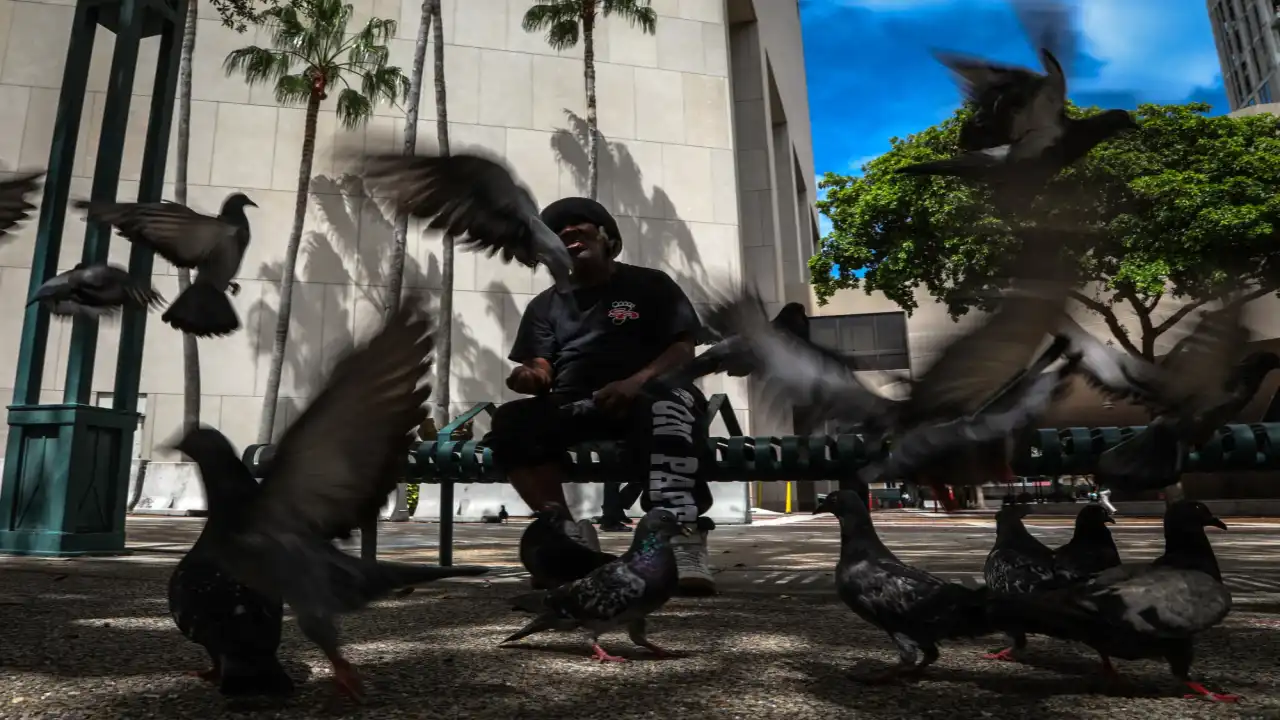
This one catches a lot of people by surprise. In a lot of cities, feeding birds in a park seems like a little activity. In Singapore, however, it is actually illegal to feed pigeons. Fines can be as high as SGD 500. The why part is mostly practical: If you feed birds, they will flock in large numbers to busy places, which can lead to hygiene issues. That’s why the rule has things in check.
3. Hidden Places in Singapore Most Tourists Miss
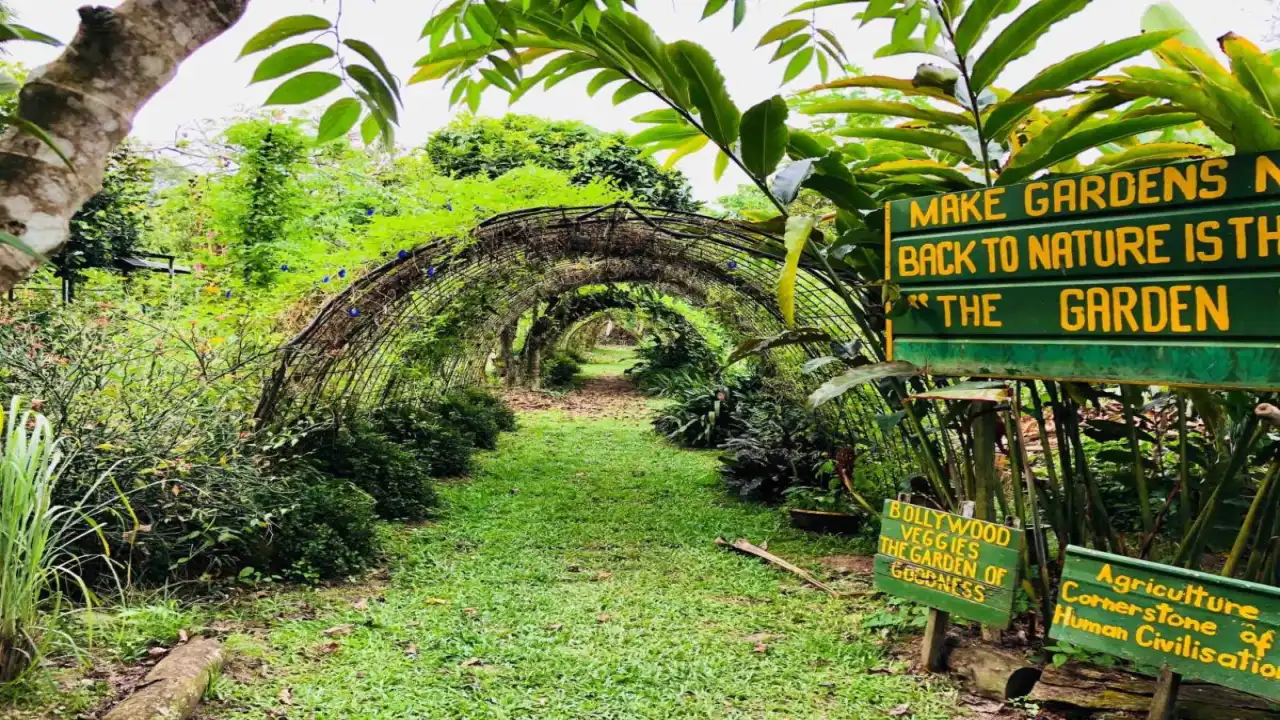
Beyond the skyline and shopping districts, Singapore hides some wonderful corners that many travelers overlook.
A few worth exploring:
- Lazarus Island — quiet beaches and soft sand
- Coney Island Park — cycling trails and wooden paths
- Kampong Lorong Buangkok — traditional wooden homes
- Haw Par Villa — statues from Chinese mythology
- Pulau Ubin — rural landscapes and cycling routes
- The Southern Ridges — scenic elevated walks
- Gillman Barracks — contemporary art galleries
- Bukit Brown Cemetery — quiet historical site
- Kranji Countryside — farms and greenery
- MacRitchie Treetop Walk — rainforest canopy views
4. Public Transport Guidelines
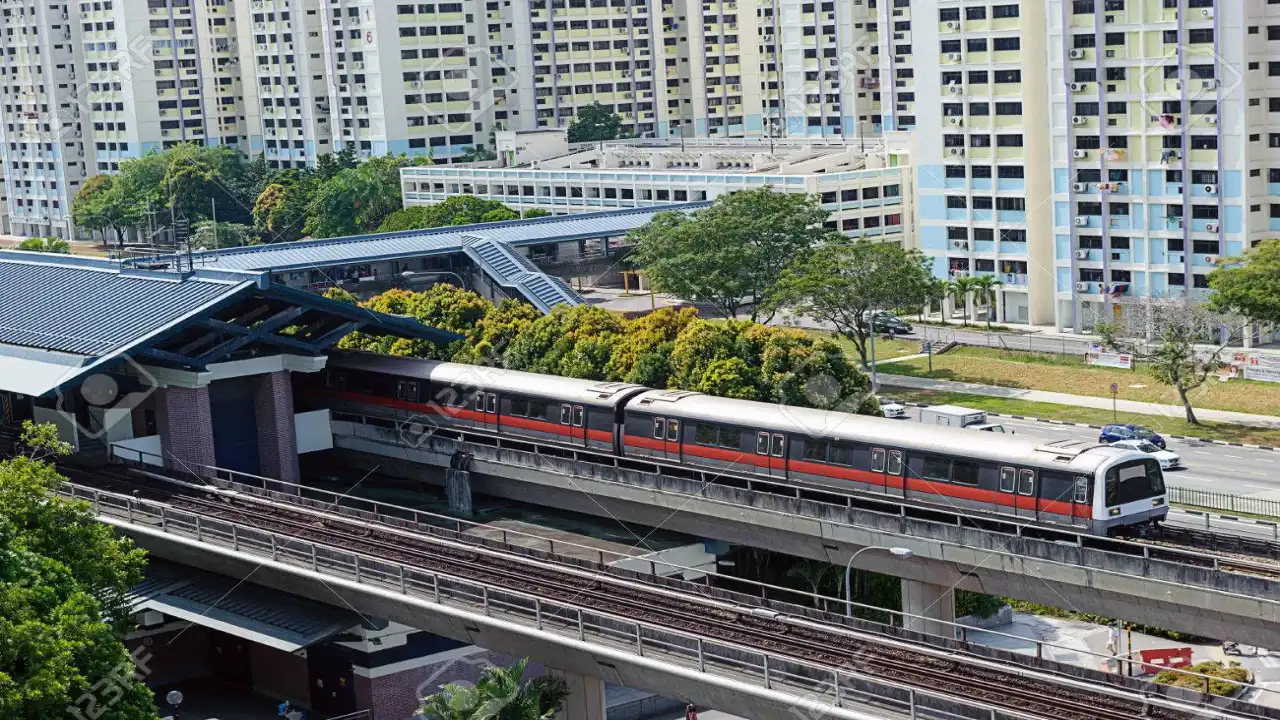
One of the easiest parts of visiting Singapore is getting around the city. Public transport is clean, efficient, and surprisingly simple even for first-time visitors.
MRT System
The Mass Rapid Transit (Singapore) network connects most major parts of the city. From the airport to shopping districts, residential neighborhoods, and business areas, trains cover a large portion of the island.
EZ-Link or Contactless Payment
Travelers can pay using:
- EZ-Link cards
- Contactless debit or credit cards
No complicated ticket systems. Just tap and go.
No Eating or Drinking Rule
Eating or drinking on trains and buses is not allowed. At first, this rule surprises some visitors. But it’s also one of the reasons the transport system stays so clean.
Pro Tip:
Carry water if needed, just wait until you exit the station before taking a sip.
5. Food and Dining Etiquette
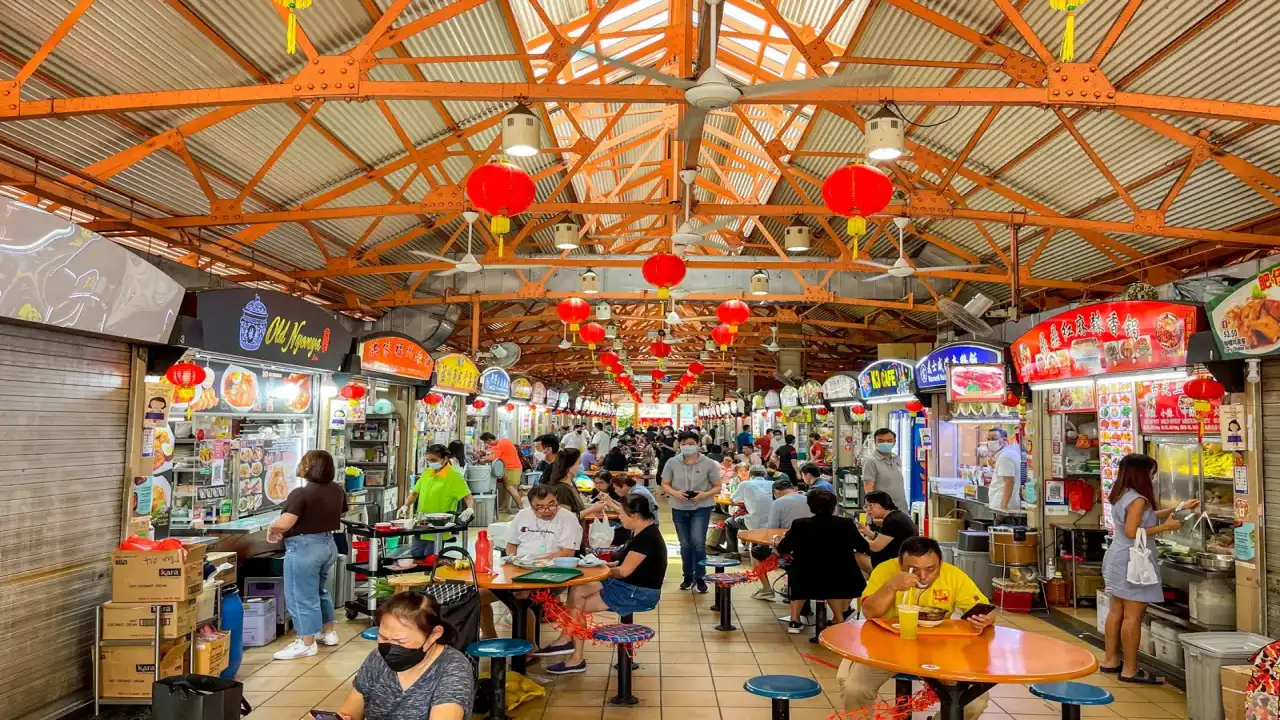
Ask a local what they love most about Singapore and chances are food comes up almost immediately. Not after a long think, just straight away. Eating here isn’t just a routine thing. It’s part of daily life, almost a small obsession.
Hawker Centre Culture
Places like Maxwell Food Centre show exactly what that means. Walk in and it’s a bit of sensory overload at first: steam from noodle pots, grills crackling, the smell of garlic and chili floating around. One stall might be doing noodle soup, the next grilling seafood, and another serving spicy curry with rice. And it’s all packed into the same space. Office workers, tourists, families, everyone sitting close together at shared tables. Busy, yes. But comfortable in a messy, everyday way.
Tray Return Policy
You’ll also notice tray return stations around the place. After finishing, people usually carry their trays back themselves. It’s not a strict rule people stress about, more like a habit that keeps things tidy.
Sharing Tables
During lunch or dinner rush, sharing tables just happens. Someone might ask, “Seat taken?” and sit down if it’s free. No awkward small talk required. People eat, maybe exchange a quick smile, and get on with their day. Trying food in these hawker centres often turns into one of those Singapore travel tips visitors keep mentioning later. The meals are simple, cheap, and surprisingly good.
6. Safety Tips for Travelers
Singapore is widely considered one of the safest cities in the world. Basic travel awareness still applies, of course. But visitors generally feel comfortable exploring even late at night.
Low Crime Rate
Violent crime is extremely rare. Many neighborhoods feel calm and relaxed even after dark.
Emergency Numbers
If something unexpected happens:
Police — 999
Ambulance — 995
7. Best Time to Visit Singapore
Singapore sits almost exactly on the equator. That means the weather stays warm throughout the year. Temperatures usually hover between 25°C and 32°C, with occasional tropical rain showers passing through quickly.
Ideal Travel Months
Many travelers prefer visiting between February and April, when rainfall is slightly lower.
Festival Season
Festivals bring a completely different energy to the city.
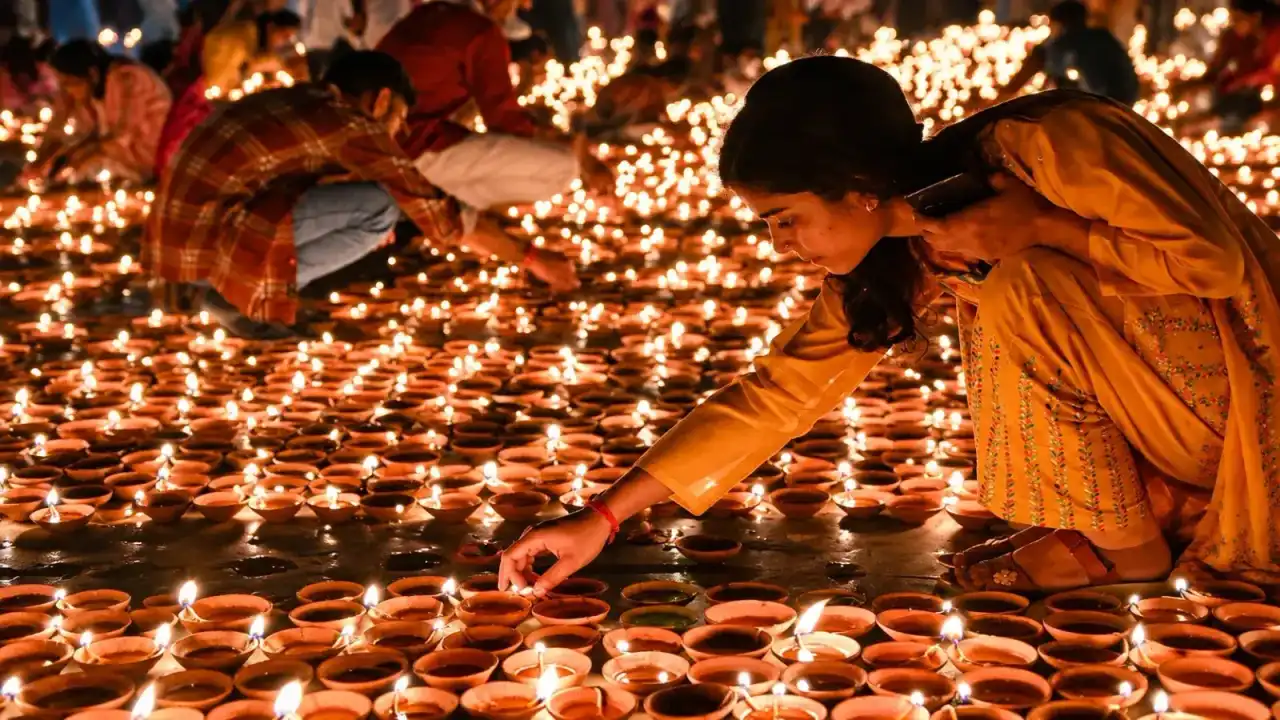
Events like Chinese New Year and Deepavali fill neighborhoods with decorations, lights, music, and street food.
8. Public Behavior and Cultural Etiquette
Singapore is incredibly multicultural. Chinese, Malay, Indian, and Western influences mix in everyday life. You notice it everywhere in the languages people speak, the architecture across neighborhoods, and especially the food. Despite that diversity, there’s a strong shared respect for public spaces.
Queue Culture
Queues matter here. Whether it’s a taxi stand, MRT station, or a busy food stall, people line up patiently. Cutting ahead even accidentally tends to earn a few quiet but very noticeable looks.
Noise Levels in Public
Public transport in Singapore feels surprisingly calm. People scroll through their phones, chat quietly, or simply sit in silence during rides. Loud phone calls or music without headphones definitely stand out. Not in a good way.
Dress Respectfully
Singapore is modern and fairly relaxed about clothing. But when visiting religious sites like temples or mosques, modest clothing is appreciated. Also, the weather is hot and humid most of the year. Lightweight clothing quickly becomes the most comfortable option anyway.
Note
At Travel Junky, we always suggest double-checking the latest updates from official sources before your trip. Rules can change without much warning, and it’s just easier to sort that out beforehand than deal with surprises later.
Conclusion
Sometimes Singapore is criticized as being a rules-laden city. But those same rules are also the reason things go so well. Streets stay clean. Public transport works reliably. Parks feel safe and welcoming. When travelers can wrap their heads around the basic behavioral expectations for waiting in queues, respecting shared spaces and following some simple rules, then navigating the city becomes super easy. And that’s when Singapore’s charm begins to reveal itself in surprising ways. Great food on nearly every corner. Sensible green parks tucked between skyscrapers. Quirky little attractions you wouldn’t think of. Wander the city a bit and one thing becomes clear. Singapore isn’t just efficient.
Useful Travel Tips for Singapore
A few simple habits can make exploring the city easier.
- Tap water is safe to drink, so carrying a reusable bottle helps
- Wear light clothing, as humidity can be strong
- Public transport is often faster than taxis during rush hours
- Download navigation apps before exploring unfamiliar areas
Travel junky often bundle many of these experiences into an international package covering several Asian destinations.