Guidelines for Thailand: Your Essential Thailand Travel Guide
Introduction
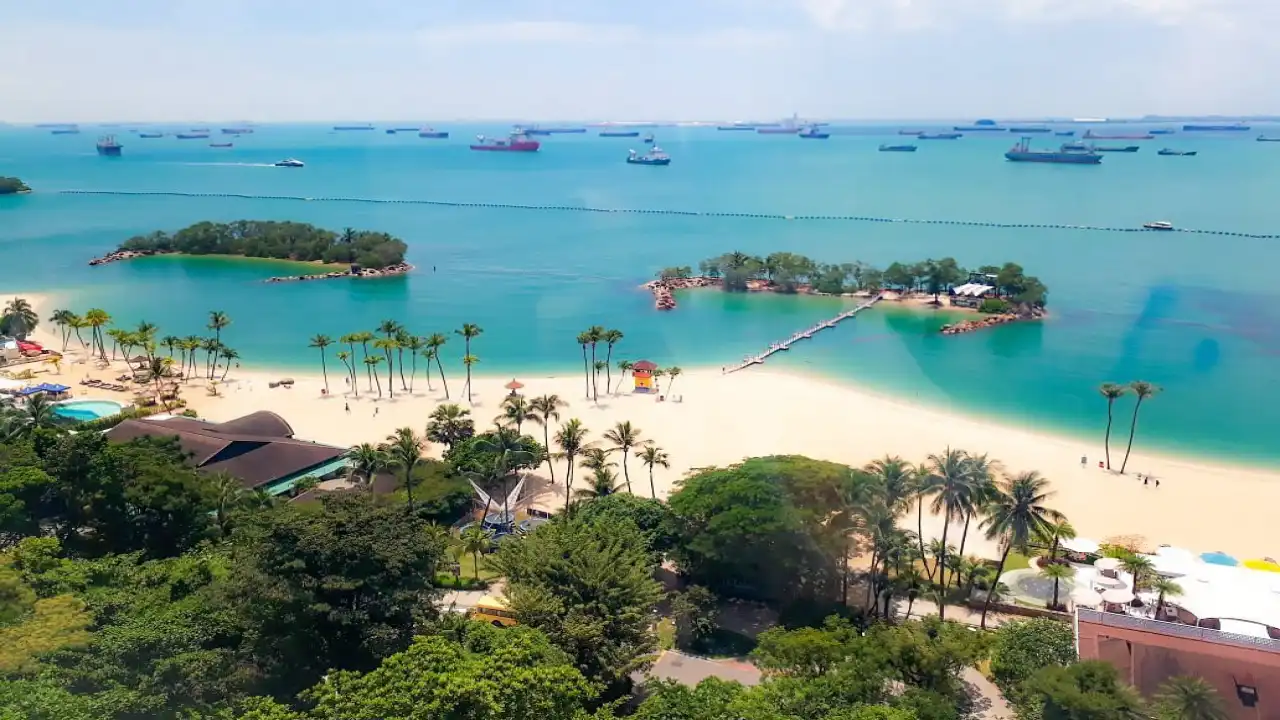
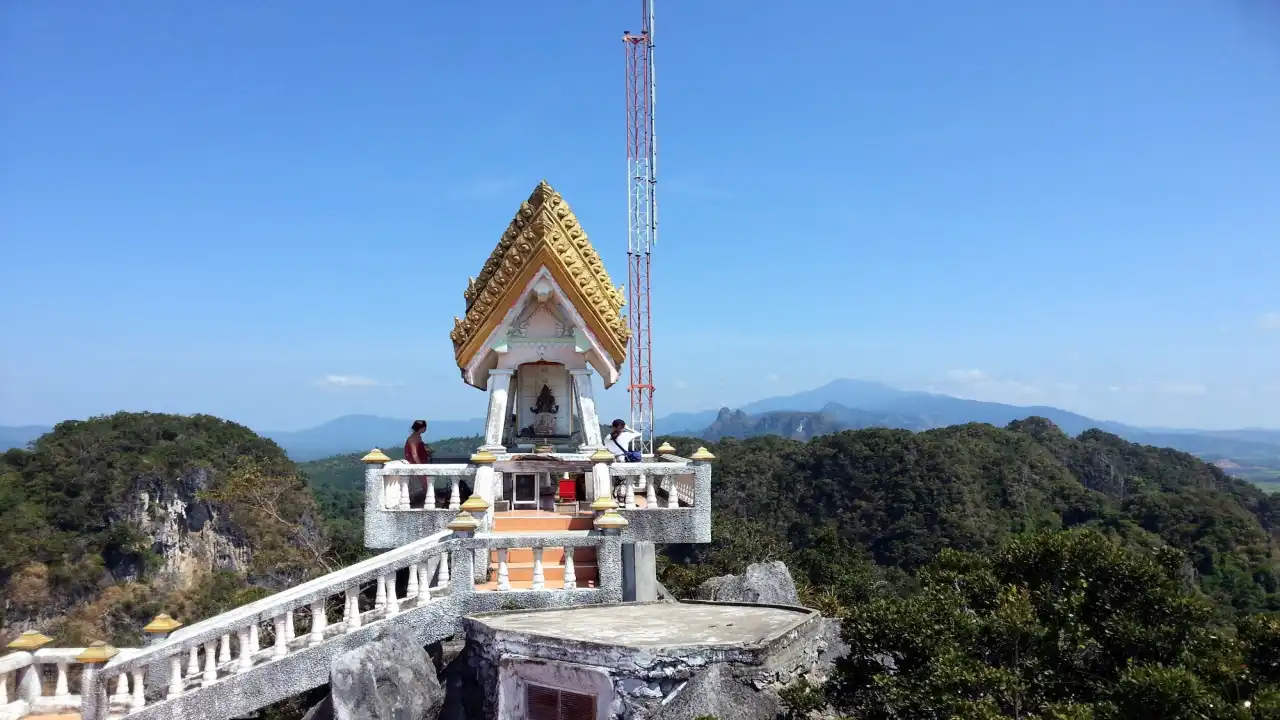
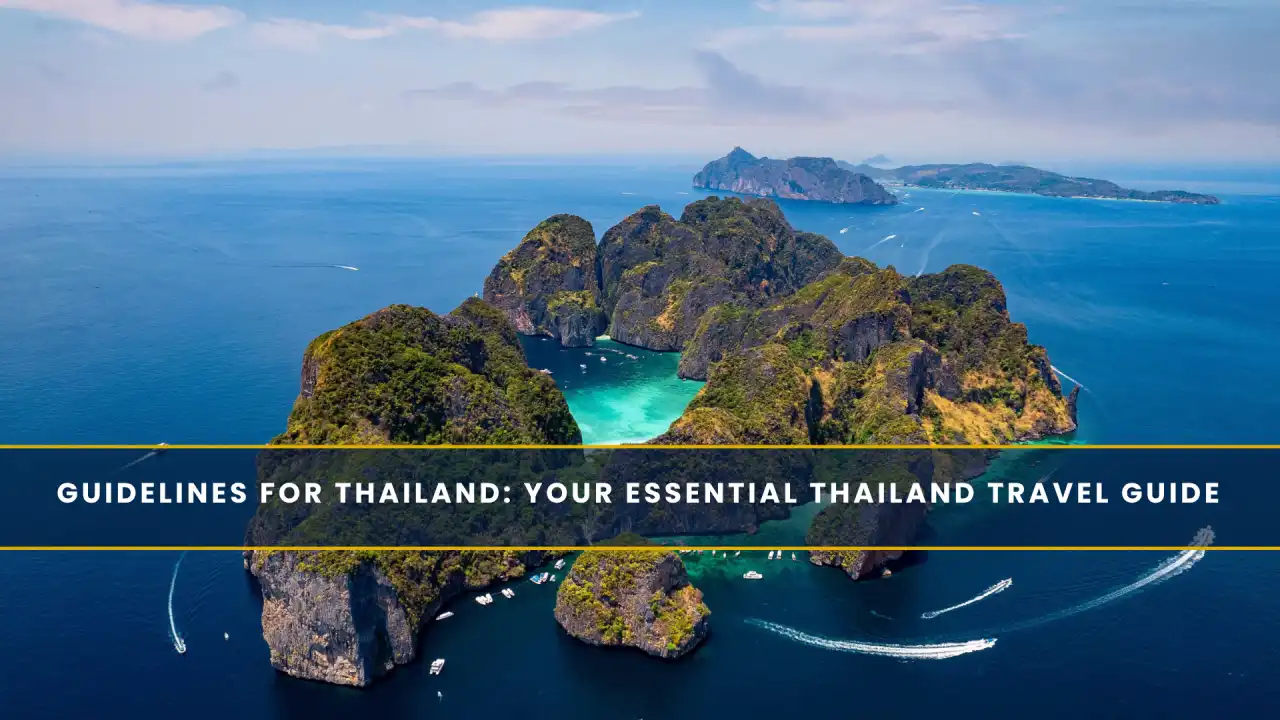
For a Thailand trip, you don’t really plan it at first. It starts with a random photo, maybe a golden temple glowing in the sun or one of those unreal blue beaches with longtail boats floating around. You scroll past it. Then later, somehow, you’re back looking at it again. And then suddenly you’re checking flights like, wait, why not now? That’s just how it works. Thailand doesn’t shout for attention. It just sits there quietly until you start thinking about it more than you expected.
Before you jump straight into Bangkok’s noise or head up to Chiang Mai thinking it’s all calm and easy, it helps to know a few things early. Nothing complicated. Just the kind of things people usually figure out after a bit of trial and error. These guidelines for Thailand are basically there so you don’t have to learn everything the hard way.
Thailand Entry Requirements & Visa Guidelines
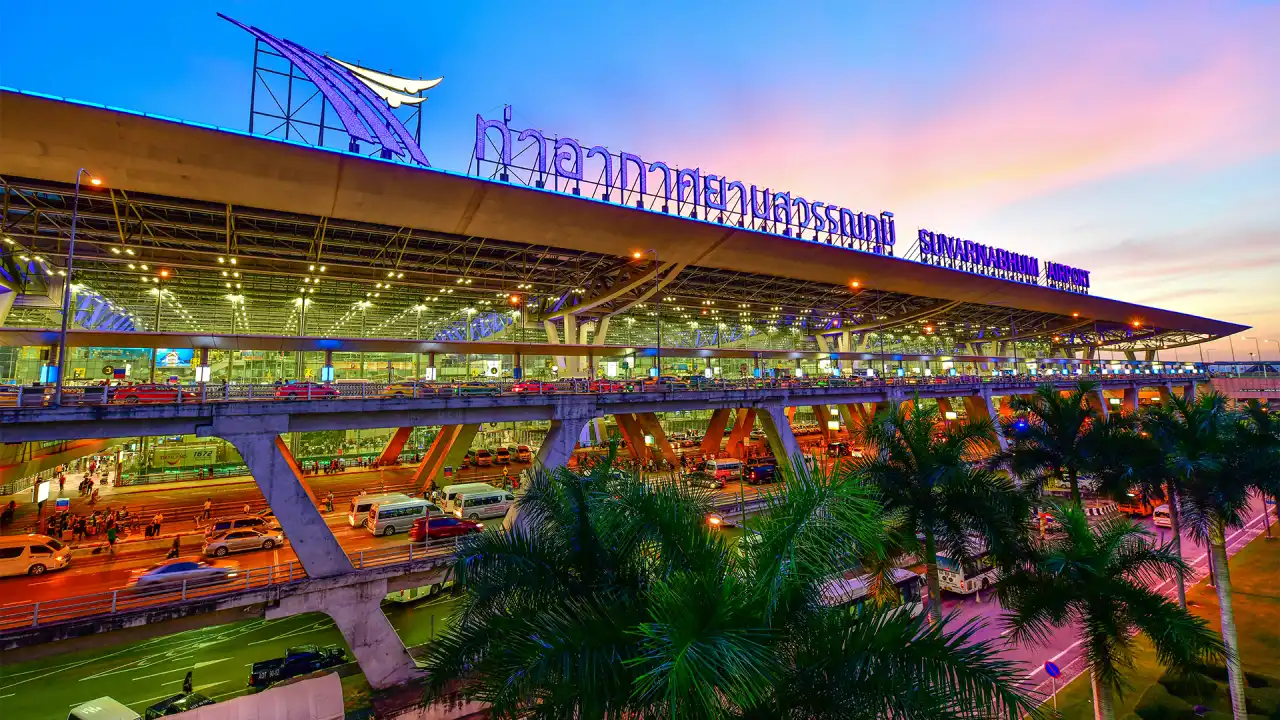
Most people land in Bangkok at Suvarnabhumi Airport or sometimes in Phuket. On paper, everything looks close to the main areas. In reality, traffic can mess with your plans pretty quickly. A short ride doesn’t always stay short.
Basic Entry Requirements
Here’s what you’ll need, more or less:
- Passport valid for at least six months
- The visa situation depends on your nationality
- Return ticket just in case they ask
- Stay usually around 30 days
The Visa on Arrival process isn’t hard, but it can feel messy when you’re tired. You’ve just gotten off a long flight, people are standing in lines, someone’s looking for a pen, and someone else filled the wrong form. It’s not confusing exactly, just a bit chaotic.
Pro Tips
- Keep a printed hotel booking, phones die sometimes
- Have your return ticket easily accessible
- Carry cash or a card ready for the visa fee
Honestly, anything that saves you even five minutes in that arrival line feels like a win.
Best Time to Visit Thailand

Thailand doesn’t really have an “off” season. People go all year. But the weather does change how your day feels, and sometimes that matters more than anything else.
Cool Season (November – February)
- Comfortable weather
- Less humidity
- Clear skies most days
This is when everything gets busy. Streets feel fuller, prices go up a bit, but it’s also when Thailand feels the easiest to explore.
Hot Season (March – May)
- Very hot, especially midday
- Beaches become the main escape
- Mornings are your best friend
You step outside in the afternoon and immediately feel it. Plans slow down. You start looking for shade without even realizing it.
Rainy Season (June – October)
- Sudden heavy rain, but not always all day
- Fewer crowds
- Cheaper stays
- Everything looks greener, almost too green sometimes
It’s quieter during this time. Not empty, just calmer. Some people actually like it more this way.
Pro Tips
- Mornings are usually the safest bet for clear weather
- Book early if you’re going in peak season
- Rain doesn’t ruin everything, just plan around it a bit
Temple Visiting Guidelines
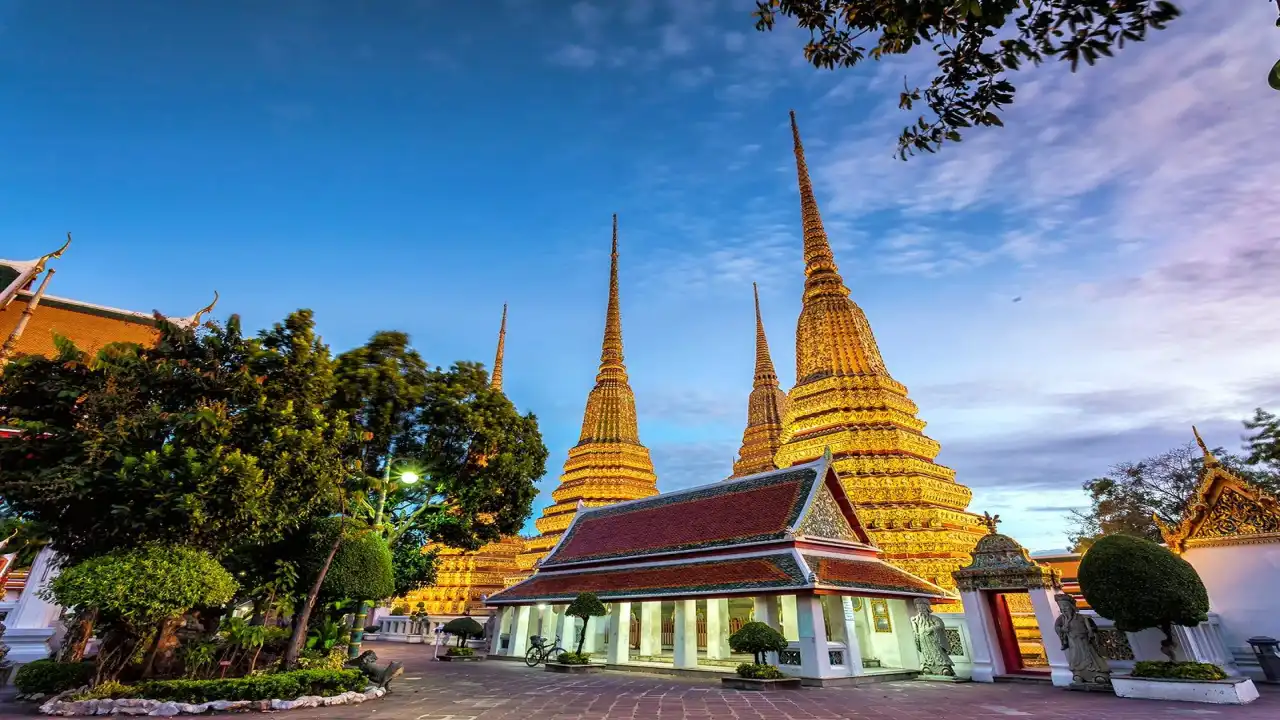
Temples are everywhere. Big ones, small ones, ones you notice and ones you almost walk past without realizing. But they’re not just there for photos. People actually come to pray every day.
Popular Temples
- Wat Pho
- Wat Arun
- Wat Phra Kaew
Each one feels a little different, but the rules stay pretty much the same.
Temple Etiquette
- Shoulders and knees covered
- Shoes off before entering
- Keep your voice low
- Don’t touch offerings
Temple Timings
- Usually open from morning till late afternoon
- Can change if there’s something happening
Pro Tips
- Carry a scarf, it saves time
- Walk slowly, don’t rush through
- If someone’s praying, just stand back and watch quietly
It’s not strict in an uncomfortable way. Just respectful. And once you get used to it, it feels natural.
Hotel and Accommodation Guidelines
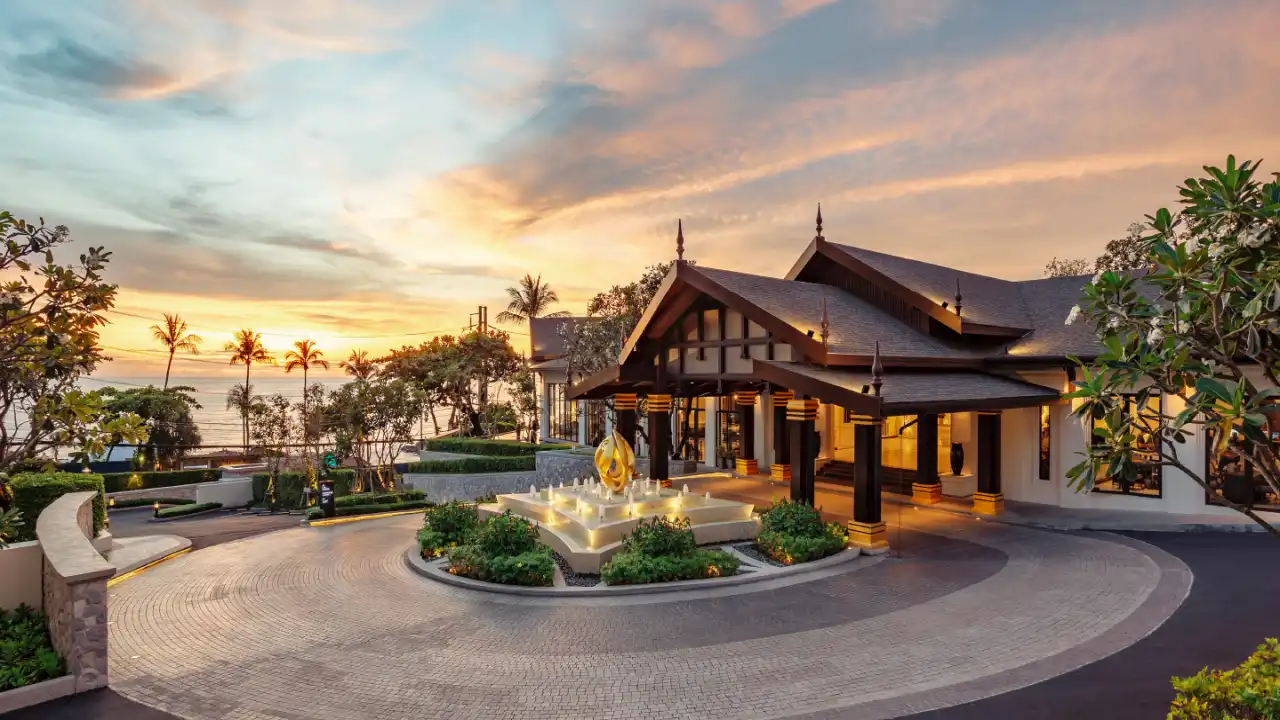
Thailand has way too many places to stay. That sounds like a good thing, but it can get overwhelming fast. One minute you’re checking a simple hotel, next thing you know, you’re looking at villas with private pools, wondering if you should just go for it.
Things to Check Before Booking
- Airport pickup options
- Distance from places you actually want to visit
- Whether taxes are included in the price
Popular Areas to Stay
- Bangkok for city life and food
- Chiang Mai for a slower, cultural feel
- Phuket and Krabi for beaches
- Koh Samui, if you want something more relaxed
Many people split their stay. A few days in the city, then somewhere quieter. It works well.
Pro Tips
- Read recent reviews, not just ratings
- Check if breakfast is included
- Stay close to your main plans if possible
Some travelers go for Thailand trip packages just to avoid overthinking all of this. It makes things easier, especially the first time.
Attraction Timings Travelers Should Know

Timing matters here more than you’d expect. It’s one of those things people don’t think about until they’re already standing somewhere sweaty, surrounded by crowds, wondering why they didn’t just come earlier. The same place can feel completely different depending on when you show up.
Mornings are usually slower. Cooler too, which honestly makes a bigger difference than you think. Evenings feel more alive, especially in cities. Lights turn on, people come out, food stalls start buzzing. Midday… yeah, that’s the tricky part. Heat, crowds, noise. Sometimes fine, sometimes not.
Here are a few examples that might help:
- Grand Palace (Bangkok) – around 8:30 AM to 3:30 PM
- Wat Pho (Bangkok) – roughly 8:00 AM to 6:30 PM
- Wat Arun (Bangkok) – about 8:00 AM to 6:00 PM
- Doi Suthep (Chiang Mai) – around 6:00 AM to 6:00 PM
- Phi Phi Islands (Krabi or Phuket) – technically open all day
- Chatuchak Market (Bangkok) – 9:00 AM to 6:00 PM, weekends only
- Night Markets (Bangkok, Chiang Mai, Phuket) – usually from 5:00 PM onwards
Transportation Guidelines in Thailand
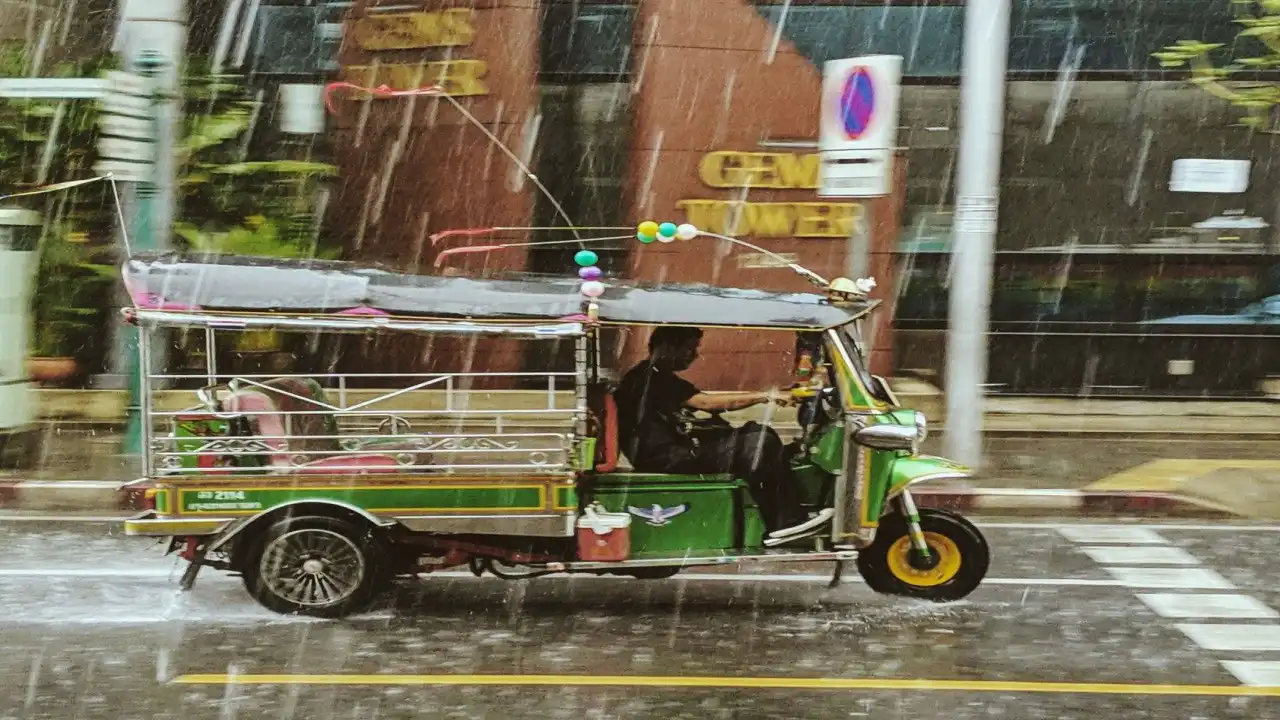
Distances can be misleading. Something that looks close on the map doesn’t always feel close when you’re actually in traffic.
Common Transportation Options
- Scooters, if you’re confident riding
- Private drivers for comfort
- Ride apps like Grab or Bolt for short trips
Traffic Realities
Bangkok gets crowded. Phuket too. Chiang Mai is calmer, but even there you’ll hit busy spots sometimes.
Pro Tips
- Start early in the day
- Agree on prices before the ride
- Always wear a helmet if you’re on a scooter
Currency & Payment Guidelines
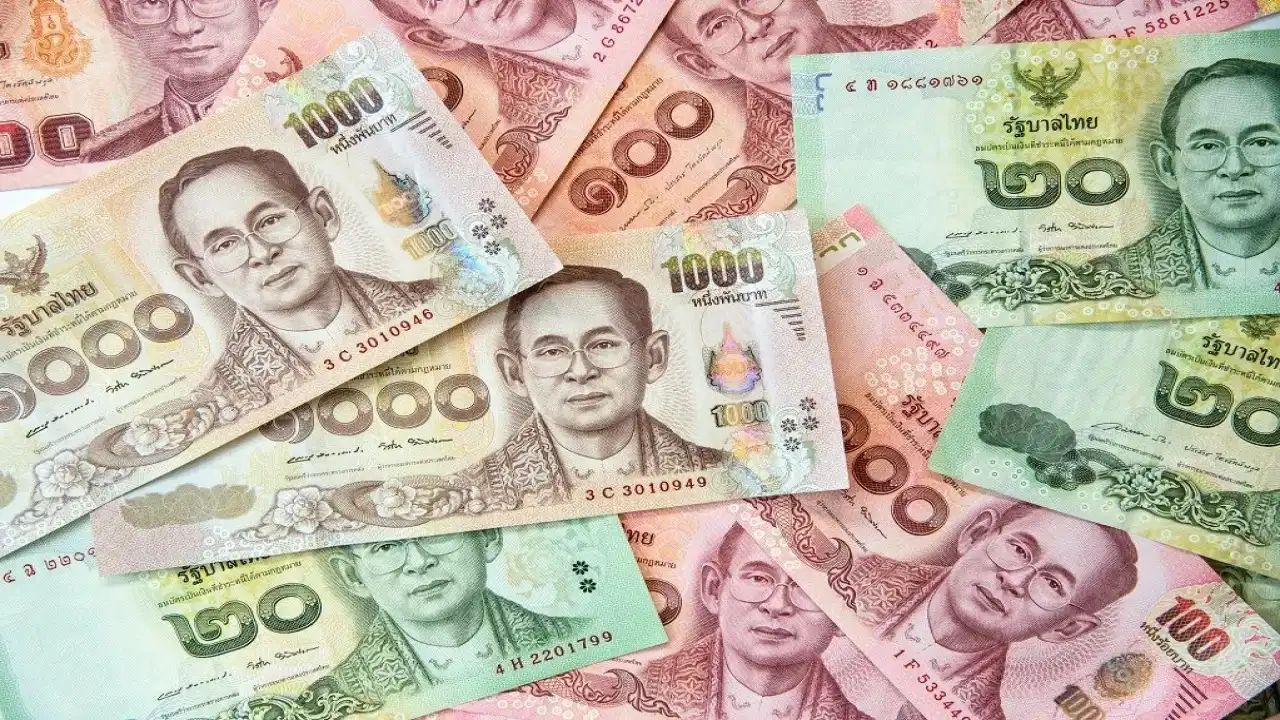
Thailand uses the Thai Baht. At first, the numbers look big. Then you realize it’s not as expensive as it sounds.
Money Tips
- Keep small cash for markets
- Use proper exchange counters
- Avoid random street exchanges
- ATMs are easy to find
Pro Tips
- Count your money after exchanging
- Cards work in most places, but not everywhere
- Small bills come in handy more than you expect
Health & Safety Guidelines
Thailand is generally safe, but you still need to be a bit careful. Nothing extreme, just basic awareness.
Important Tips
- Stick to bottled water
- Use mosquito repellent
- Travel insurance is worth considering
- Start with busy stalls where locals are eating, food turnover is high so it’s usually fresh
Pro Tips
- Carry a small medical kit
- Wear light full sleeves at night
- Eat where you see crowds, food is usually fresher
Note
At Travel Junky, we always suggest double-checking the latest updates from official sources before your trip. Rules can change without much warning, and it’s just easier to sort that out beforehand than deal with surprises later.
Conclusion
One evening, you’re just sitting by the beach, sand sticking a bit to your feet, wind slightly salty, not thinking much. Next day, a completely different scene, maybe hills, maybe a quiet street with temples, and you’re like, " This feels new again. There’s always some background noise too, scooters passing, birds, random chatter and weirdly it all just fits.
If you loosely follow a Thailand travel guide and pick up a few tips for Thailand trip planning, things don’t feel confusing anymore. You don’t end up wasting time on small things, which honestly makes a big difference once you’re actually there. Whether you go with International trip packages or figure it out step by step yourself, the trip just feels more sorted in your head. Thailand isn’t difficult, just better when you’re a little prepared, and you’ll probably think about going back without even planning to.
Common Thai Words & Phrases Travelers Should Know
You don’t need to learn the language, but a few words help. People notice the effort.
- Sawadee Kha / Khrap for hello
- Sabai Dee Mai for how are you
- Mai Pen Rai for it’s okay
- Rao Rak Khun for I love you
Pro Tip
Even a simple “Sawadee” in the morning gets a smile most of the time. It’s small, but it changes the interaction.