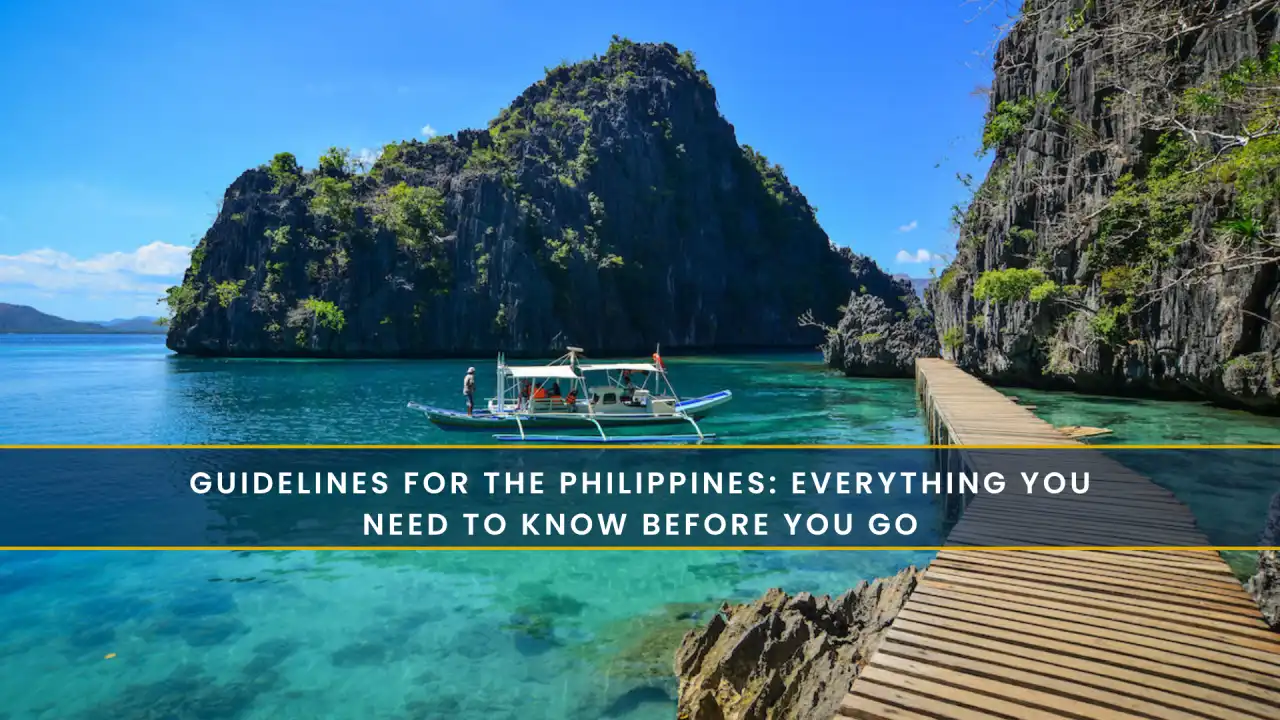
Guidelines for the Philippines: Everything You Need to Know Before You Go
Introduction
Planning a trip to the Philippines often starts in a pretty ordinary way. You type in a Google search and somehow wind up daydreaming about beaches when you should be working. You imagine it before you even touch down. Long strips of white sand. So clear that it hardly even seems real. Small boats hovering on the horizon. Markets that smell both of grilled seafood and ripe mango. And the people. That’s something travelers never fail to mention. Locals smile easily. Not that forced tourist smile, but the one that tells you you’re welcome here. Southeast Asia, The Philippines is made up of over 7,000 islands. Yes… thousands. On a map it even looks as if someone tipped over a box of green marbles into an ultra-blue ocean.
Every island has its own personality. Some travelers pursue beaches and dive sites. Some come for the food and culture; others out of mere curiosity to visit a place that still feels somewhat less commercial than many other tropical destinations. There’s also a mix of cultures that spice up daily life. Asian traditions mix with Spanish influence and a bit of American culture too. So sometimes things feel familiar… and other times they surprise you in small ways.
This Philippines Travel Guide walks through the basics you should know before arriving, visas, seasons, transportation, customs, and a few random rules that might catch visitors off guard. Nothing complicated. Just the kind of small preparation that makes travel smoother once you get there. Because honestly, the Philippines isn’t just one destination. It feels more like a giant tropical playground where every island is another chapter of the trip.
Basic Information About the Philippines
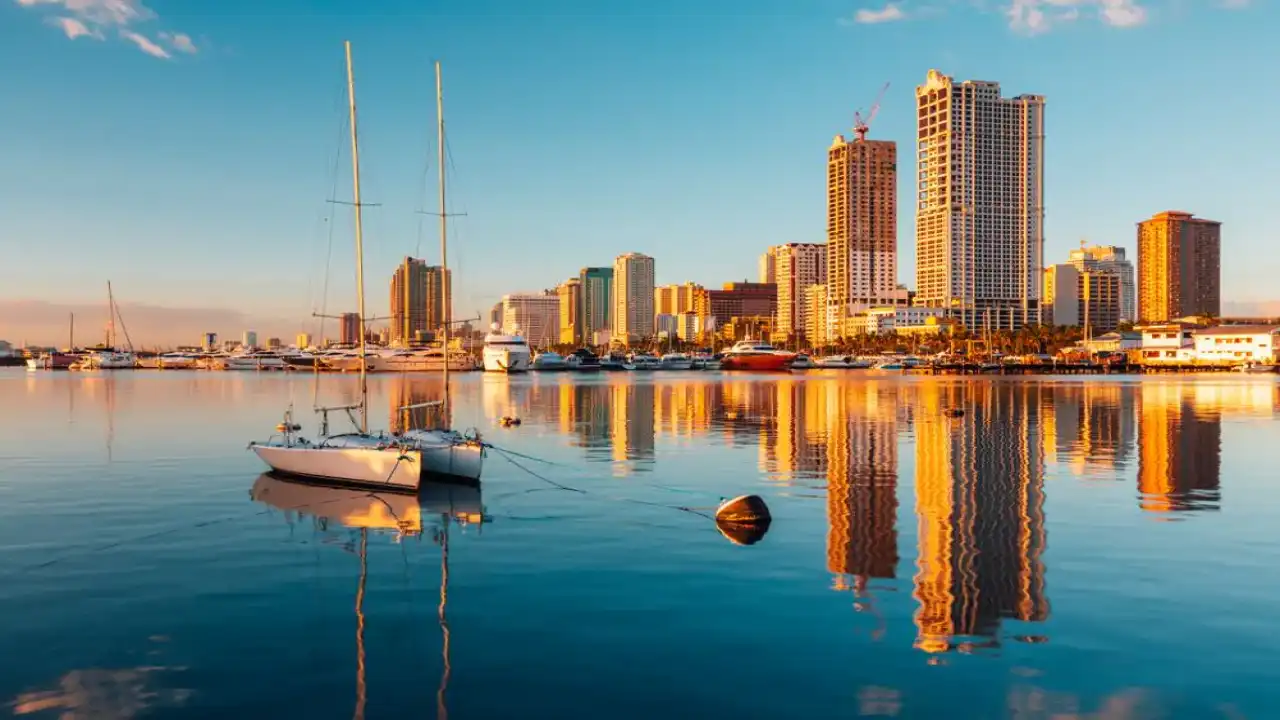
Before you start packing swimsuits and flip-flops (which, let’s be honest, you’ll probably live in), it helps to know a few basics about the country. Nothing too serious. Just practical stuff that makes daily travel easier.
Capital city: Manila
Most flights from abroad first arrive in Manila. There’s an energy the city hits you with right away. Traffic, street food stalls, giant malls, and colonial buildings, sometimes all on the same street. It’s noisy, colorful and sometimes chaotic in that big-Asian-city way. But it’s interesting chaos.
Official languages
The country’s two national languages are Filipino and English. The upside for travelers is that English is essentially spoken everywhere. Generally, ordering food, requesting directions or conversing with locals is no problem. Some taxi drivers joke with tourists as if they were old friends.
Currency
The Philippine Peso is the currency of the Philippines. Cards are working at large hotels, restaurants, and shopping malls. But smaller shops, markets and transport services typically favor cash.
Population
The Philippines has more than 110 million people. That sounds crowded and Manila definitely can feel that way. But once you leave major cities and head toward the islands, things suddenly feel calm. Wide beaches, quiet towns, slower pace.
Climate and seasons
The climate is tropical. That means warm weather most of the year. Humidity is part of the deal too. Some days feel like standing inside a warm ocean breeze. Other days, it’s closer to walking into a sauna.
Pro tip
Pack light clothes. Breathable fabrics. Sandals. You’ll probably spend more time outdoors than you expected.
Visa and Entry Requirements
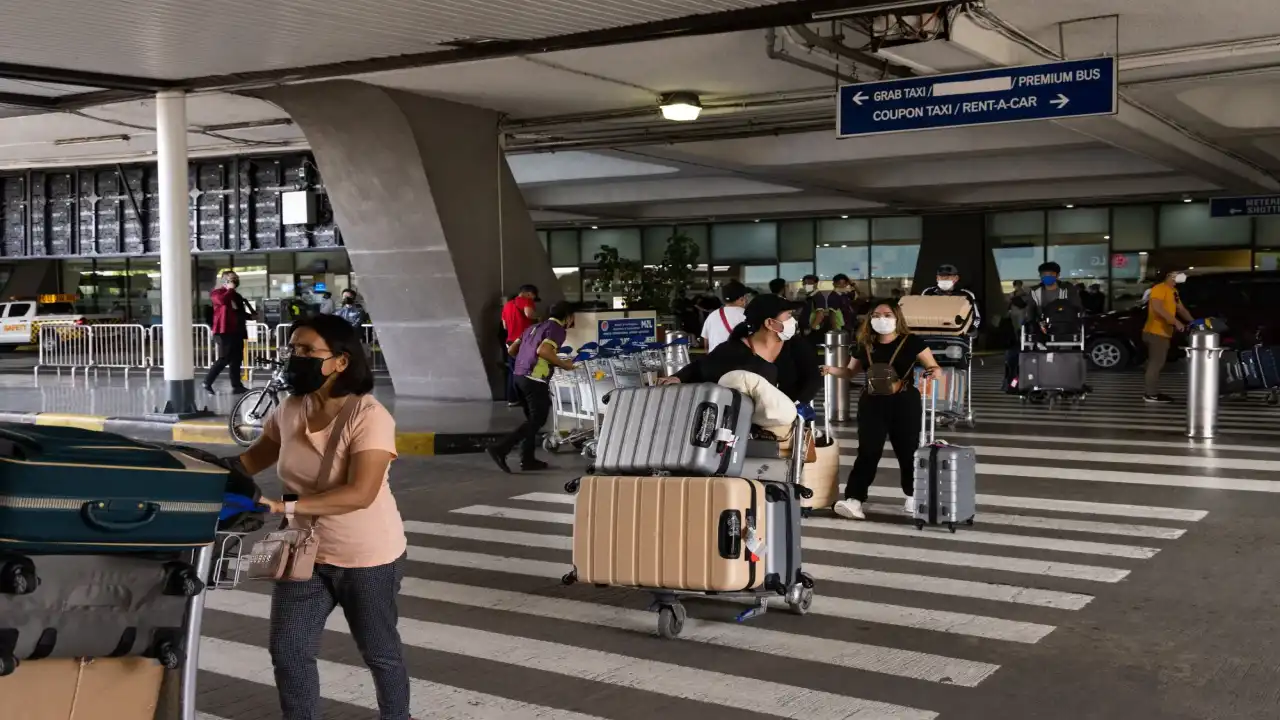
Entering the Philippines is relatively easy for most travelers. Tourists are welcome to the country, and immigration procedures are generally easy. People from many nationalities can enter without a visa in advance. Visitors are granted visa-free entry for up to 30 days on arrival in most cases. But of course, rules depend on your passport.
Typical Travel Requirements for the Philippines include:
- A passport valid for at least six months
- A return or onward flight ticket
- Sometimes proof of accommodation
Immigration officers may ask a few simple questions about where you’re staying, how long you’re visiting, that sort of thing. Usually it’s quick. Especially if you already have everything ready.
Pro tip
Keep printed copies of your return ticket and hotel booking. Phones have a strange habit of dying exactly when you need them most. Airports are notorious for that.
Transportation in the Philippines
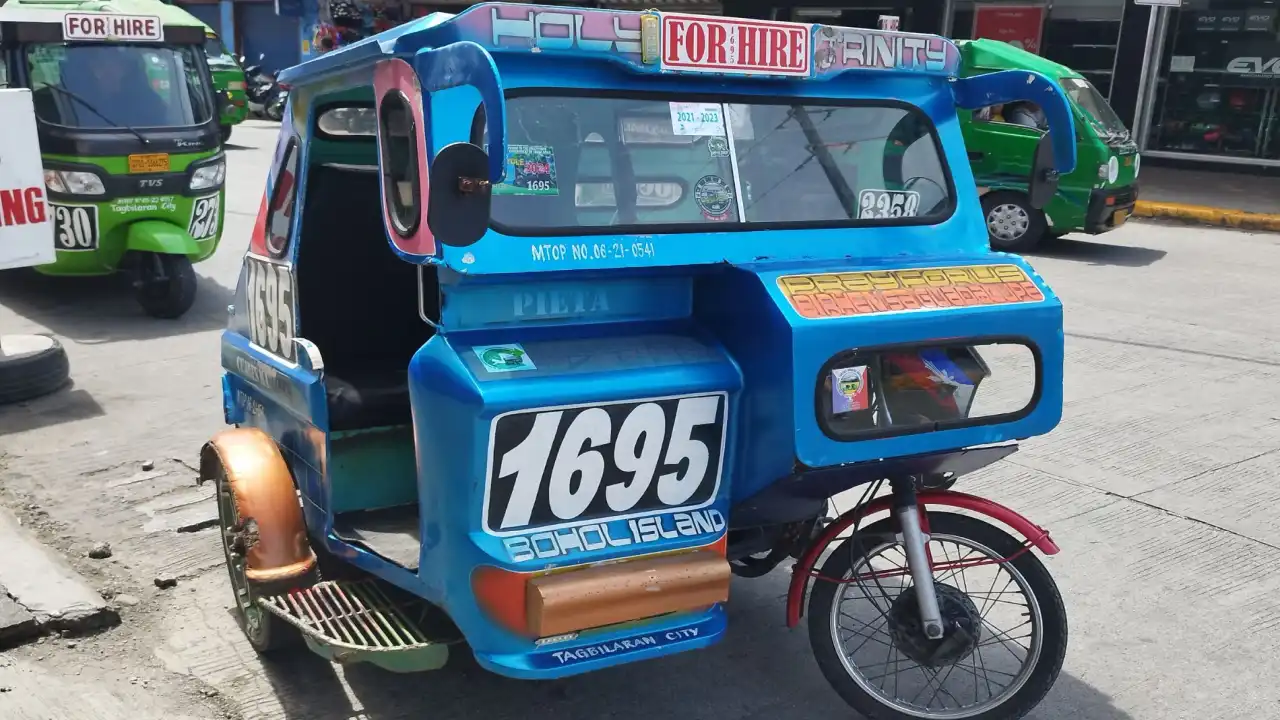
It’s an adventure in itself, getting around the Philippines. With thousands of islands, travel isn’t always straightforward. But that’s part of the charm.
Domestic flights
If you want to travel between major islands quickly, flying is your best bet. Budget carriers, which operate on many routes, charge surprisingly low fares if booked well in advance.
Local transportation
The jeepney is the most recognizable means of transport in the country. Modified military jeeps from the Second World War, they eventually evolved into an elaborate mode of public transport. Bright paint. Chrome decorations. Loud engines. Crowded seats. There a bit chaotic sometimes but also kind of fun.
Other transportation options include:
- Long-distance buses
- Ride-sharing apps in cities
- Motorbike taxis in certain areas
Ferry travel
These islands are connected by ferries that are used by both locals and tourists. And sometimes, to be honest, the ferry ride is the highlight of the day. You sit on the deck as the boat glides slowly through open water. Small islands rise and vanish in the distance. The air smells of salt and warm wind.
Pro tip
Always leave extra time when traveling between islands. Weather and schedules occasionally change. Island time is real.
Top Places to Visit
With so many islands, deciding where to go can feel overwhelming. But a few destinations almost always appear on travelers’ lists.
Boracay
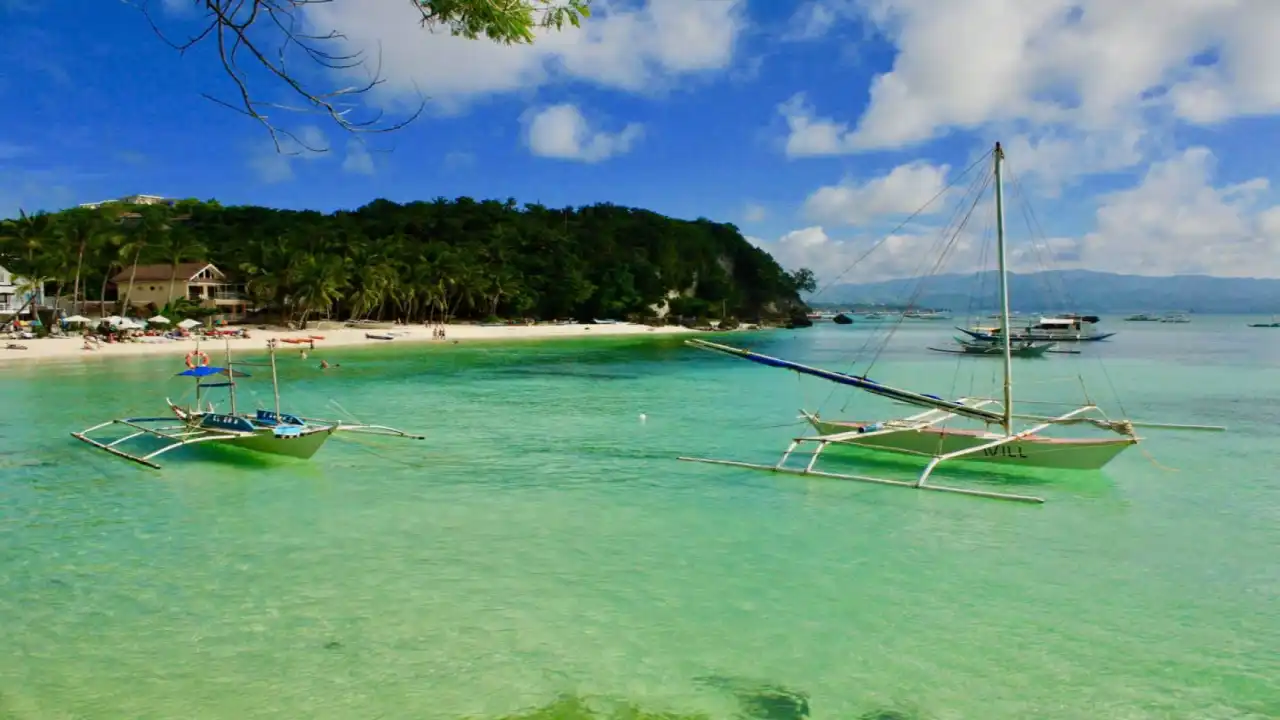
Probably the most famous beach destination in the country. White sand is so soft it almost squeaks under your feet. Turquoise water that stays calm and shallow. Sunsets here… well… people actually clap when the sun goes down.
Palawan
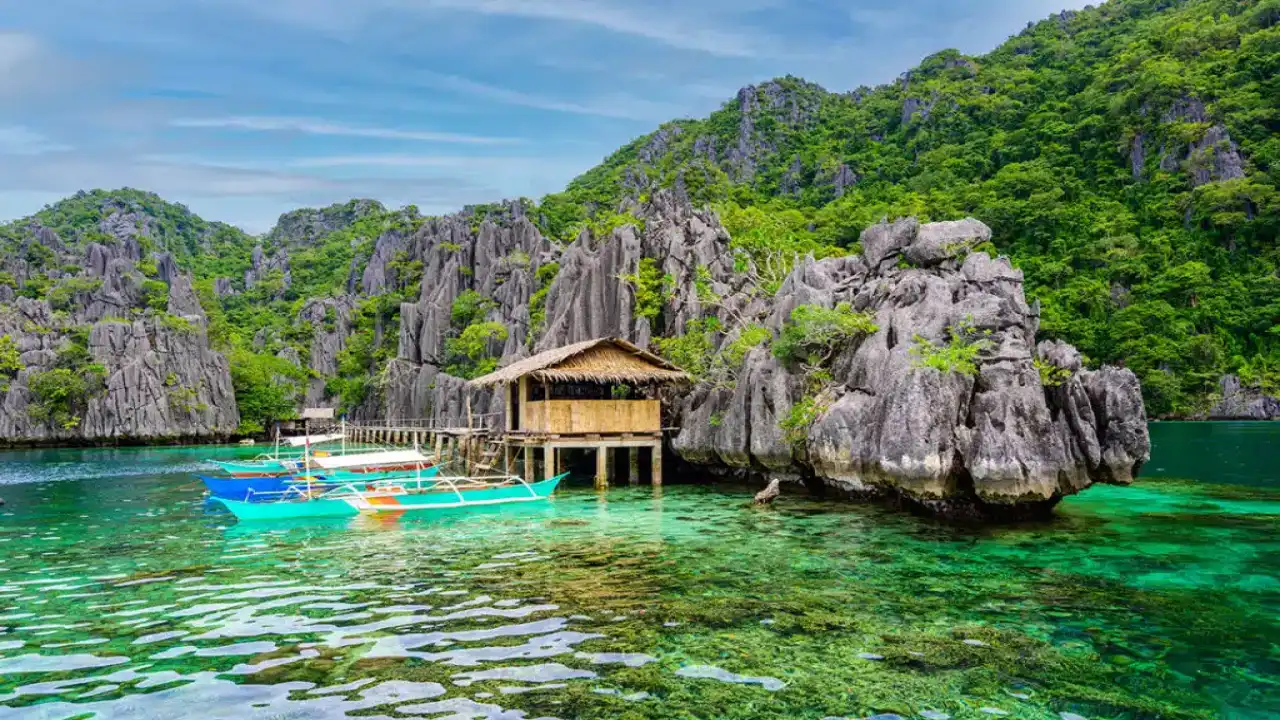
Often called one of the most beautiful islands in the world. Limestone cliffs rise dramatically from bright blue lagoons. Hidden beaches appear between rock formations. Some places honestly look like movie sets.
Cebu City
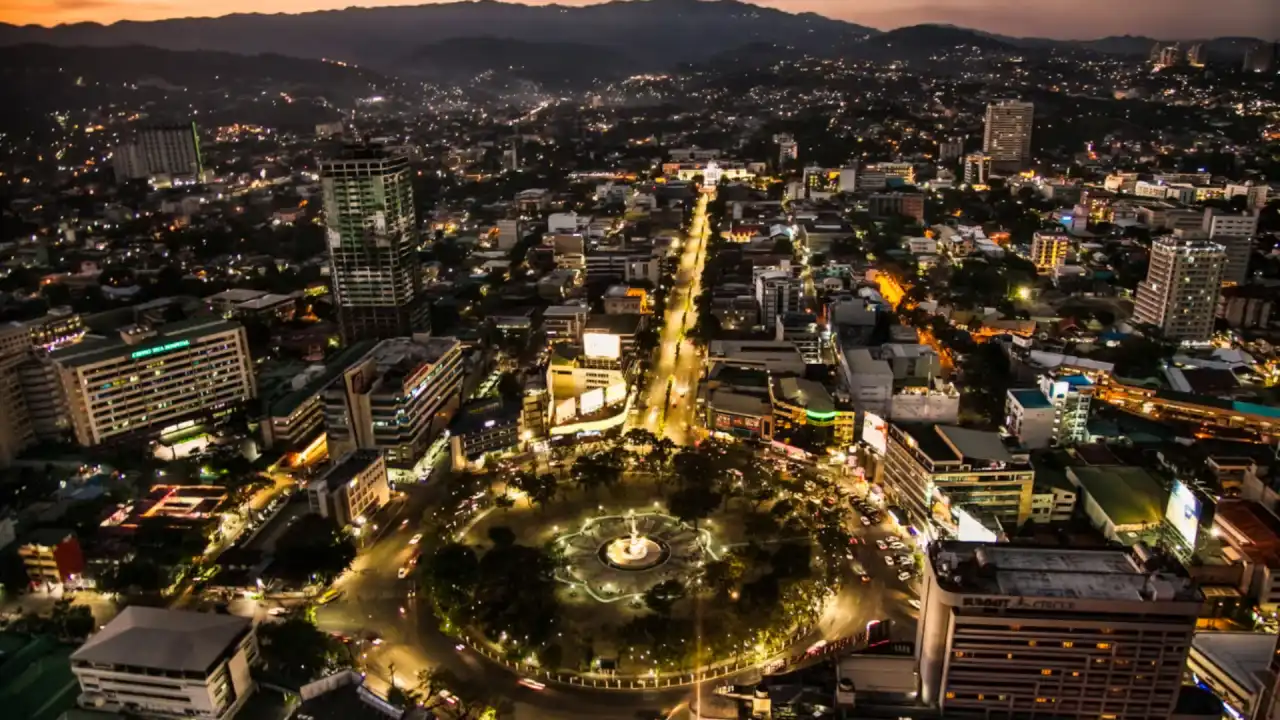
A lively destination mixing history with adventure. Old churches, diving spots nearby, waterfalls hidden in the jungle… it’s a good balance of culture and nature.
Chocolate Hills in Bohol
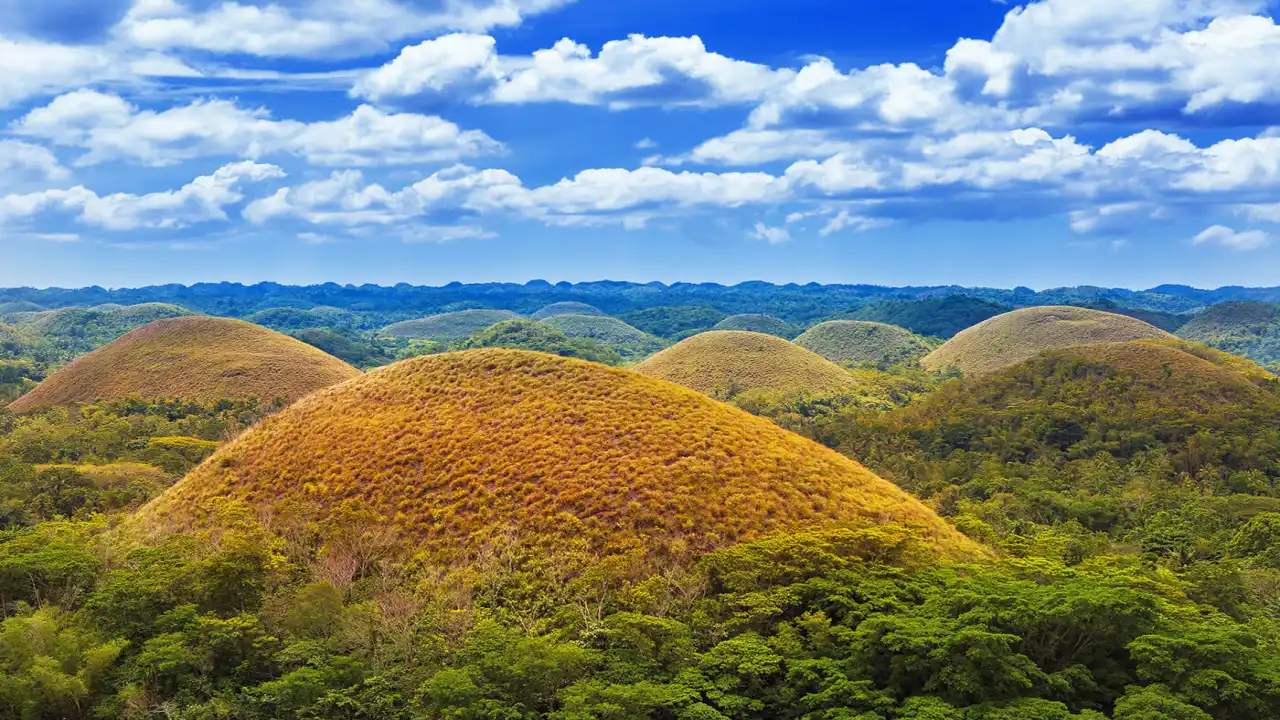
Hundreds of rounded hills stretch across the landscape. During the dry season, they turn brown, creating a view that feels almost unreal, like someone carefully arranged giant chocolate drops across the countryside.
Many travelers combine several islands in one trip. A well-planned Philippines trip package often mixes beaches, nature, and cultural experiences so visitors get a little bit of everything.
Pro tip
Island hopping tours are one of the best ways to discover hidden lagoons, snorkeling spots, and quiet beaches you’d never find alone.
Food to Try
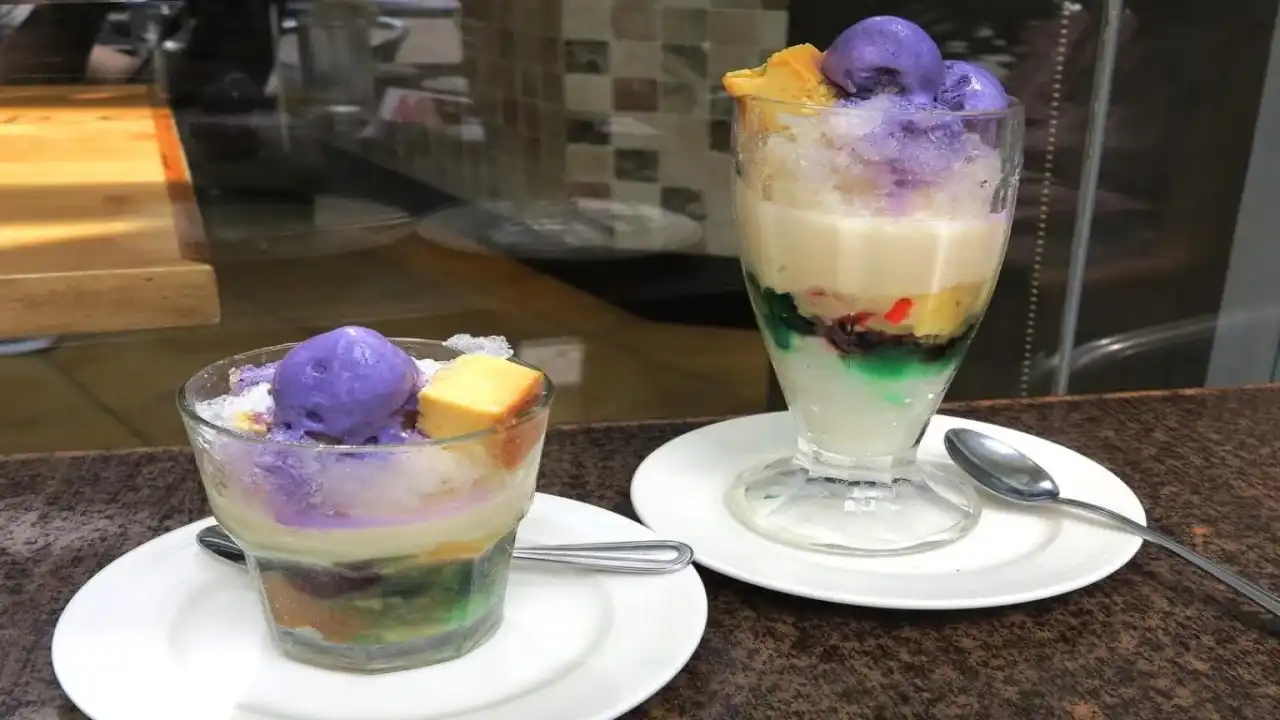
The food of the Philippines is a reflection of its mixed history and cultures. Meals are often simple… but comforting.
Adobo
Often called the national dish. The meat is simmered in soy sauce, vinegar, garlic and spices until it’s rich and full of flavor. It’s the kind of dish that is even more delicious served with rice.
Sinigang
A sour soup, typically seasoned with tamarind. Tart, refreshing and somehow addictive once you taste it.
Lechon
Roasted pig with crispy skin. It’s generally a dish for celebrations or large gatherings.
Halo halo
A colorful dessert consisting of shaved ice, beans, fruit, jelly and milk, or sometimes ice cream. Perfect on hot afternoons. Say you’re at a small restaurant near the beach after a swim. A grilled fish comes to the table. Fresh mango slices. Waves roll in nearby. Someone at a neighboring table laughs heartily. Eating in the Philippines often seems like a continuation of your travel narrative.
Pro tip: Try the tropical fruit. Mango, pineapple, and coconut are definitely sweeter here.
Best Time to Visit
Timing can change the entire mood of your trip. The Philippines mostly has two main seasons.
Dry season
November to May.
This is considered the best time for beach trips, snorkeling, diving, and island hopping. Sunny days are common and the ocean is usually calmer.
In other words, perfect beach weather.
Rainy season
June to October.
Rain happens more often during these months. Though tropical rain can be strange. Sometimes it pours heavily for fifteen minutes… then suddenly the sun comes out like nothing happened.
Peak tourist months
December to April sees the biggest crowds. Holidays, winter escapes, and school breaks bring travelers from around the world. Some islands get busy during this time.
Pro tip
If you want good weather without the biggest crowds, November can be a sweet spot just as the dry season begins.
Important Local Laws Tourists Should Know
The Philippines is friendly and relaxed, but there are still rules visitors should respect.
Jaywalking
In major cities like Manila, crossing roads randomly can lead to warnings or small fines. Pedestrians are expected to use designated crossings or bridges.
Pro tip
If locals are standing and waiting at a crossing, it’s usually smart to wait with them.
Smoking laws
Some cities enforce strict anti-smoking rules. Davao City is especially known for this. Smoking is only allowed in designated areas, and breaking the rule can lead to penalties.
Pro tip
Look for designated smoking zones near malls, airports, or restaurants.
Cultural Etiquette
Being polite and respectful is part of Filipino culture. Those who give kindness are often welcomed with open arms.
Common cultural habits include:
- Greeting people politely
- Showing respect to elders
- Dressing modestly when visiting churches
- Strong family connections
They sometimes get invited to share a meal or join in a local celebration. It occurs more than people think it does. You could just be talking to someone… and the next thing you know, you’re sitting at their table eating grilled fish and rice with the entire family. International Package travelers around Asia frequently say there's one simple reason the Philippines is unforgettable. The friendliness of its people.
Pro tip
A smile goes a long way here.
Conclusion
The Philippines is more than simply a tropical dot on a map. It’s a space where nature, culture and everyday life are interconnected in ways that feel intimate. One day you could be tearing through hidden lagoons on speedboats. The next day, you’re simply watching the sunset from an empty stretch of sand, not really doing anything and somehow that seems just right.
It helps to learn the ground rules before arriving. Familiarity with the seasons, types of transportation, local customs and a few simple rules allows you to explore confidently. For those seeking dramatic landscapes, welcoming communities, and vibrant traditions, the Philippines will deliver something special. And once people come, they generally don’t stop thinking about when they’ll return.
Safety and Travel Tips
Traveling in the Philippines is generally safe, especially in well-known tourist areas.
Still, a few practical habits help.
Health tips
- Drink bottled water
- Use sunscreen (the tropical sun is stronger than it feels)
- Carry insect repellent if exploring nature areas
Money tips
ATMs are common in cities. But smaller shops and street vendors usually prefer cash.
Internet and connectivity
Local SIM cards are cheap and easy to buy. Many hotels and cafés offer WiFi. Understanding basic Philippines Travel Guidelines helps visitors adjust quickly. Most of these guidelines simply encourage respect, awareness, and common sense.
Pro tip
Carry small bills for taxis, food stalls, and transportation.