Guidelines for Vietnam: Everything You Need to Know Before You Go
Introduction
Vietnam looks simple on a map. Almost too simple. You draw a line from north to south, drop a few pins, maybe save a couple of Instagram posts and it feels like you’ve got a plan. Then you actually get there. First thing that hits you? Not a landmark. It’s the air. Warm, a little heavy. Then the sound of honking, engines, and people talking all at once. And somewhere in between, the smell of grilled food from a street corner you didn’t even notice. It’s not overwhelming exactly, just a lot, all at once.
Planning helps. Just not the kind where every hour is booked. More like knowing the basics so you don’t end up figuring out visa rules at the airport or standing confused in the middle of a busy street. If you’re sorting out the visa process and everything around it, here’s a straightforward breakdown of the Guidelines for Vietnam. Nothing fancy. Just what actually matters.
1. Vietnam Entry Requirements & Visa Guidelines
Let’s start with the boring but important part. The Vietnam e visa process isn’t difficult when it comes to entry, but it’s also not the place where you want to take chances. Immigration queues aren’t fun anywhere, and definitely not when you’re missing a document.
Here’s what you need to keep in mind:
- Passport validity should be at least 6 months from your entry date
- Many nationalities can use the e-visa system
- Tourist visas usually give you around 30 to 90 days, depending on what you apply for
- You might be asked for a return or onward ticket (sometimes they ask, sometimes they don’t, it depends)
Most people land at:
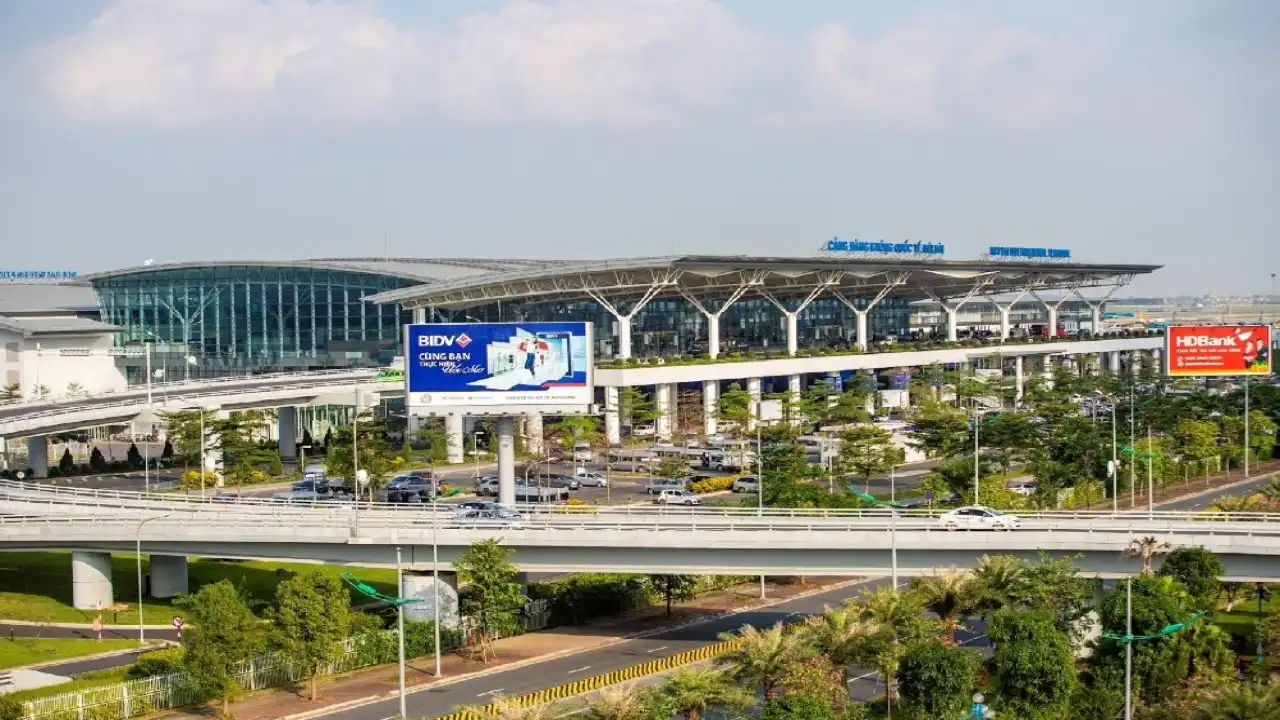
- Noi Bai International Airport (Hanoi)
- Tan Son Nhat International Airport (Ho Chi Minh City)
Honestly, the process is smooth if your documents are sorted. If not, it gets awkward quickly.
Pro Tip: Keep a printed visa copy. We know, no one prints anything anymore. But the one time your phone freezes, that’s when you’ll wish you had it.
2. Best Time to Visit Vietnam
This part confuses a lot of people. Vietnam doesn’t really have one “perfect” season. It changes depending on where you are, which can feel a bit annoying when you’re planning.
North Vietnam (Hanoi, Sapa)
- October to April: Cooler, more comfortable
- May to September: Hot, humid, slightly exhausting
Hanoi in winter is actually nice. Not freezing, just easier to exist in.
Central Vietnam (Da Nang, Hoi An)
- February to August: Sunny, beach days, clear skies
- September to November: Rain can get heavy
If you’re focusing on the coast, the best time for Hoi An Da Nang is somewhere between March and July. The sea looks calmer, the skies are clearer, and there are fewer weather surprises.
South Vietnam (Ho Chi Minh City)
- December to April: Dry season, easiest time to travel
- May to November: Rainy, but manageable
Rain here isn’t constant. It shows up suddenly, rains properly for a bit, then disappears as if nothing happened.
Pro Tip: If crowds annoy you, avoid peak months. Hoi An can feel a little too full in high season.
3. Temple & Cultural Site Guidelines
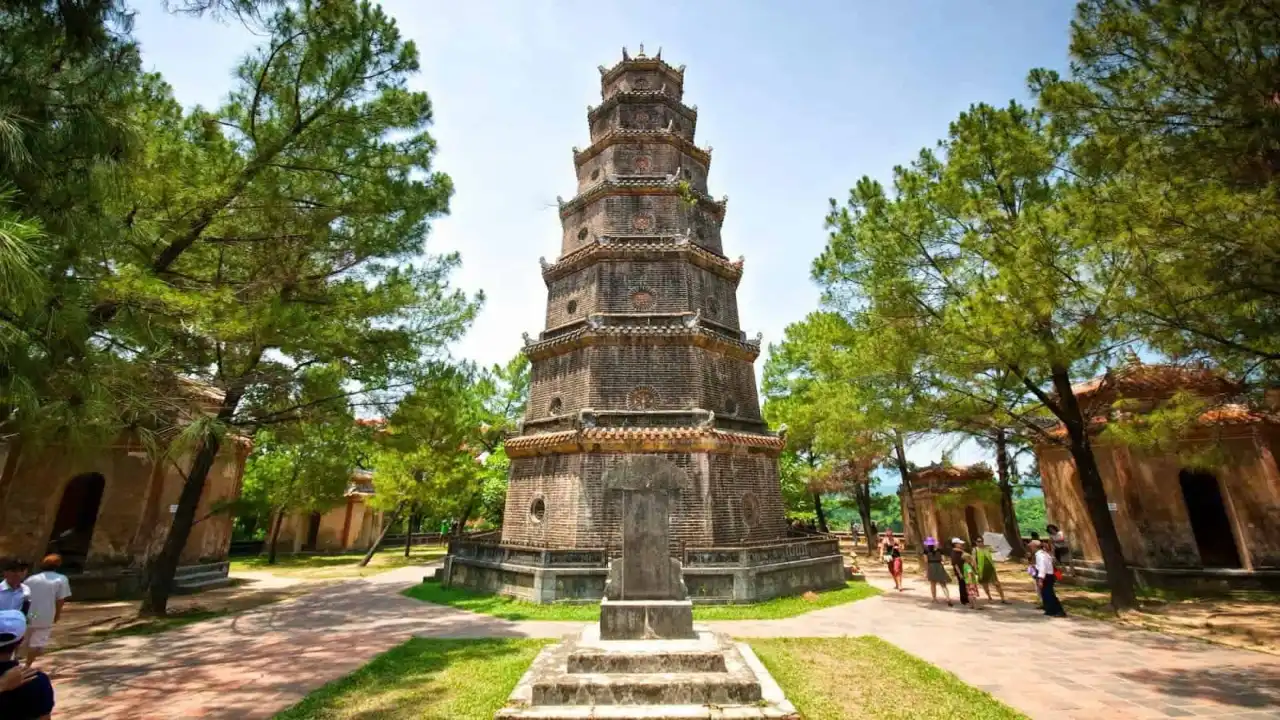
Temples in Vietnam aren’t built for tourists. That’s probably the easiest way to understand them. People go there to pray, sit quietly, light incense, not to rush through with a camera.
So just keep it respectful:
- Cover shoulders and knees
- Remove shoes where needed
- Keep your voice low
- Don’t touch things randomly
If you’re wondering what to wear in Vietnam temples, just keep it simple. Light clothes, nothing too short or revealing. You don’t need anything fancy.
Temples you’ll likely visit:
- Temple of Literature
- Perfume Pagoda
- Thien Mu Pagoda
Most temples open between 7 AM and 8 AM and close around 5 PM, though some may open later or stay open into the evening
Pro Tip: Early morning visits feel completely different. Quieter, cooler, less rushed.
4. Hotel and Accommodation Guidelines
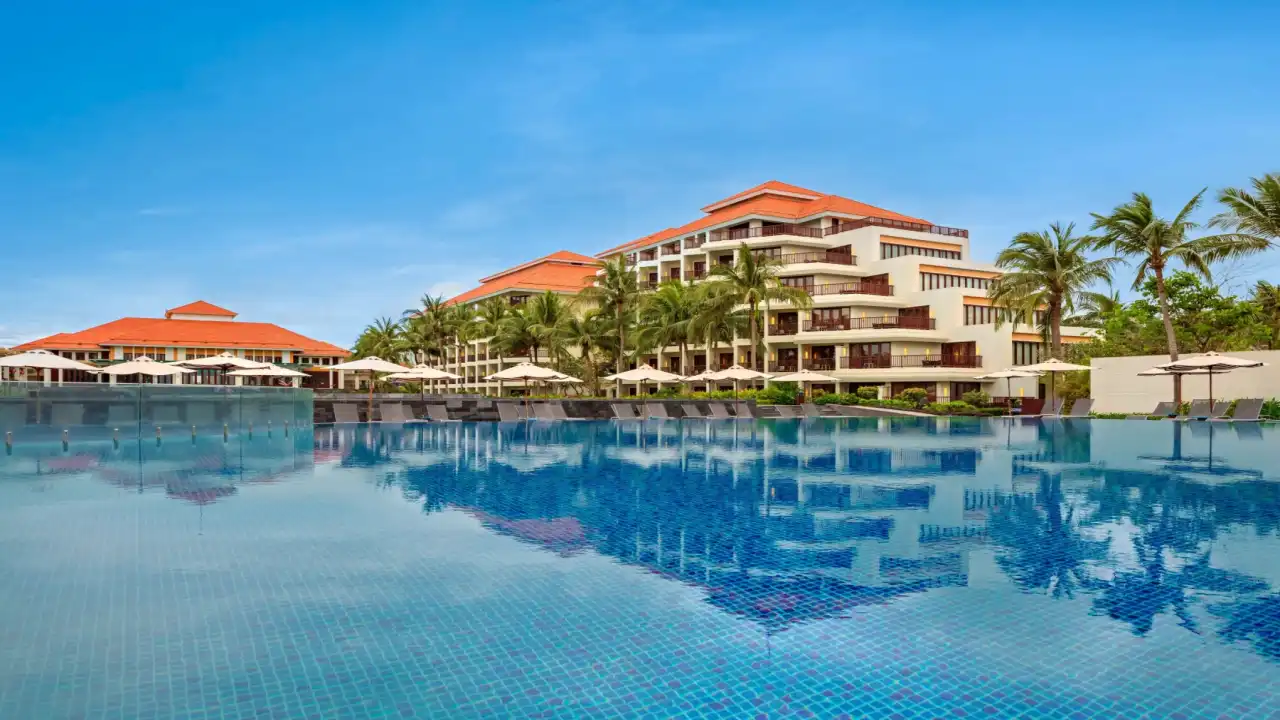
Vietnam has everything: cheap hostels, nice boutique hotels, and big resorts. You won’t struggle to find a place. But here’s something people realize a bit late: location matters more than the hotel itself.
Before booking, check:
- Distance from main attractions
- Airport transfer availability
- Whether taxes are included
- Recent reviews (older ones don’t always reflect reality)
Popular areas:
- Hanoi Old Quarter – busy, slightly chaotic, but fun
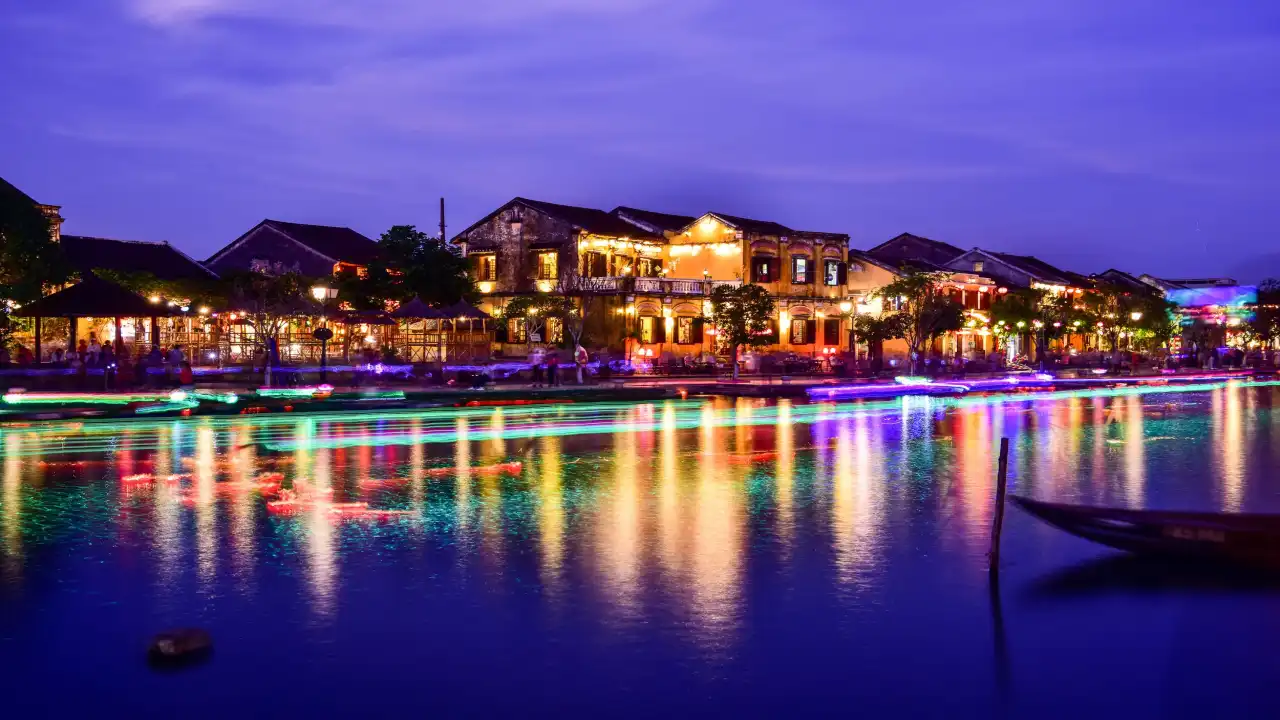
- Hoi An – calmer, more aesthetic, good for slow evenings
- Da Nang – modern, cleaner, beach nearby
If you’re booking through Vietnam trip packages, this is usually sorted already, which honestly removes a lot of small stress.
Pro Tip: Saving money on a hotel far from everything sounds smart until you spend that money on taxis every day.
5. Transportation Guidelines in Vietnam
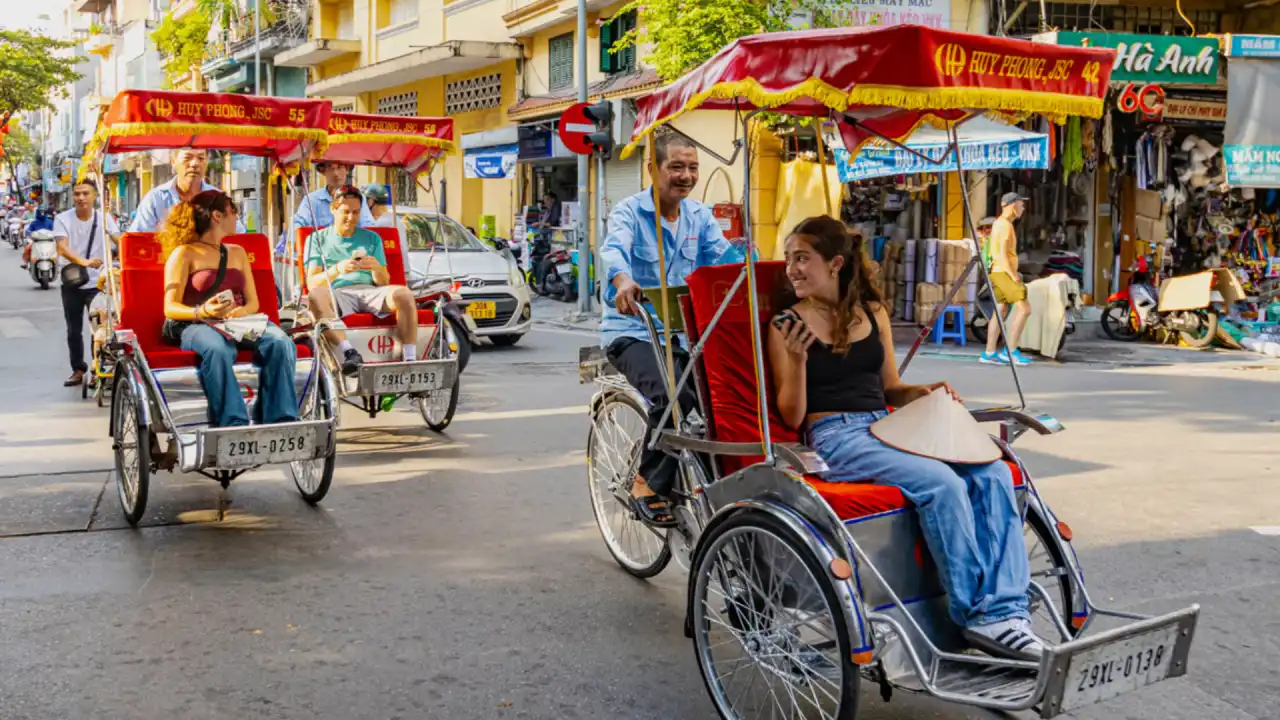
Getting around Vietnam is part of the experience. Not always smooth, but definitely memorable.
You’ll see:
- Motorbike rentals (only if you’re confident… seriously)
- Domestic flights for longer distances
- Trains, especially scenic ones like Hanoi to Da Nang
- Grab for quick and easy rides
Now, traffic. It looks chaotic. No clear lanes, no obvious rules. But weirdly, it flows. Crossing the road feels like you’re doing something wrong at first. You hesitate, take a step, and the bikes just move around you.
Pro Tip: Don’t run. Don’t freeze. Just walk at a steady pace. It feels risky, but it works.
6. Currency & Payment Guidelines
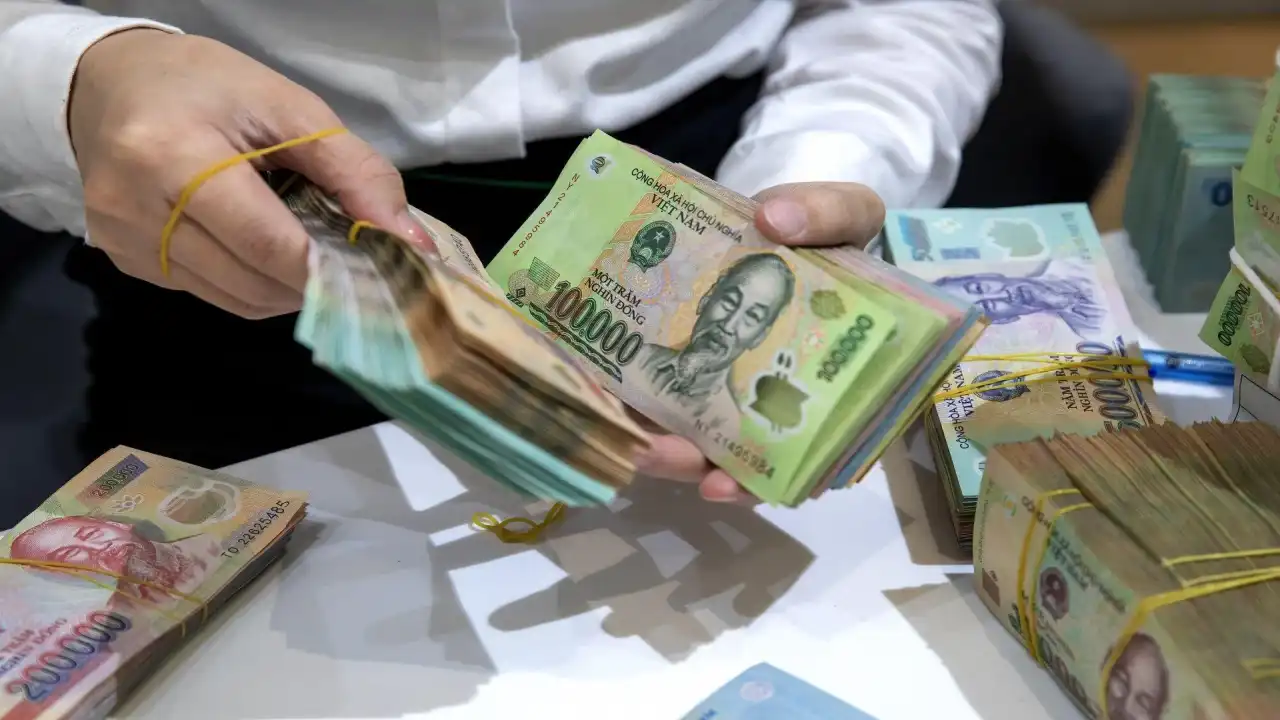
Vietnamese Dong can be confusing at first. Too many zeros, and everything looks expensive until you realize it’s not.
- Carry small cash for local places
- Use proper exchange counters or banks
- ATMs are easy to find
- Cards work in bigger places, not everywhere
You’ll mess up once or twice while paying. Everyone does.
Pro Tip: Take a second before handing over cash. It helps avoid those “wait, was that too much?” moments.
7. Attraction Timings Travelers Should Know
Timing matters more than you think here.
A few examples:
- Ha Long Bay – best early morning or overnight
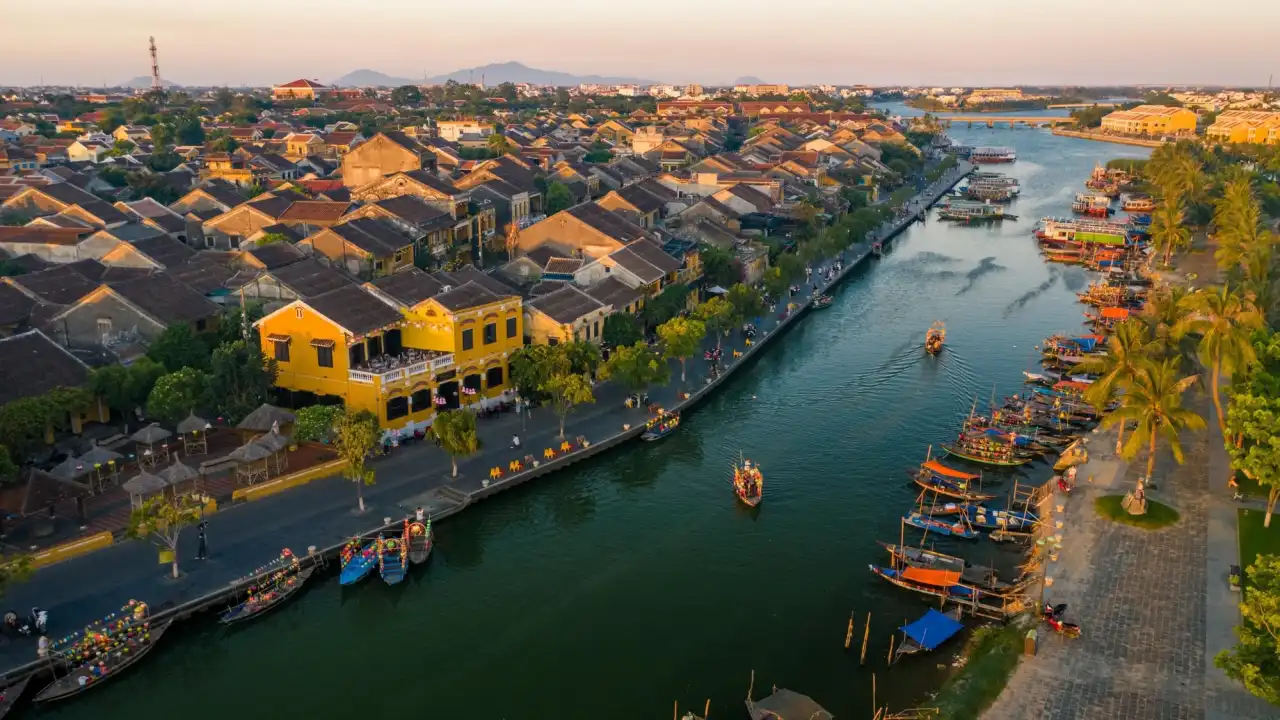
- Hoi An – evenings are where it really shines
- Cu Chi Tunnels – around 7 AM to 5 PM
Mornings feel calmer. Evenings feel more atmospheric. Midday depends on your patience.
Pro Tip: Start early when possible. It just makes the day easier.
8. Health & Safety Guidelines
Vietnam is pretty safe overall. You don’t need to be overly cautious, just a little aware.
- Stick to bottled or filtered water
- Use mosquito repellent
- Get travel insurance
- Be careful with street food if your stomach isn’t used to it
Dengue Fever gets mentioned a lot. It’s not something to panic about just be mindful, especially in humid areas.
Pro Tip: If a food stall is busy, that’s usually a good sign. Fresh food, quicker turnover.
9. Vietnam Cultural Guidelines
The culture in Vietnam isn’t loud about its rules. It’s subtle. You notice it more over time.
A few basics:
- Don’t touch someone’s head
- Stay polite in conversations
- Respect elders
- Dress appropriately in temples
A lot of this comes from Confucian values: respect, order, that kind of structure.
Pro Tip: You don’t need perfect behavior. Just basic awareness and a little politeness go a long way.
10. Things Tourists Should Avoid in Vietnam
Nothing too strict. Just small things that make your trip smoother.
- Don’t cross roads carelessly
- Avoid showing valuables in crowded places
- Skip tap water
- Don’t ignore local customs
It’s not about being perfect. Just being a little aware of your surroundings.
Pro Tip: Keep your belongings close in busy areas. Not overthinking, just practical.
Note: At Travel Junky, we always suggest double-checking the latest updates from official sources before your trip. Rules can change without much warning, and it’s just easier to sort that out beforehand than deal with surprises later.
Conclusion
Vietnam isn’t difficult. It just feels unfamiliar at first. You’ll have small moments where things don’t go as planned. Maybe you take a wrong turn, maybe you hesitate too long at a crossing, maybe you order something and realize you’re not entirely sure what it is. That’s part of it. Whether you’re booking through International Packages or planning everything yourself, things eventually settle. You get used to the rhythm of the traffic, the pace, even the noise. And somewhere in between all that, it starts to feel less like a trip and more like something you understand. Not perfectly. But enough.
Common Vietnamese Words & Slangs Travelers Should Know
You don’t need Vietnamese to get around. In places like Hanoi or Ho Chi Minh City, people usually know enough English to help you out. Menus have pictures, Google Translate exists, and you’ll manage. But still learning a few words? It changes things a bit. Even if you completely mess up the pronunciation (which, let’s be honest, you probably will at first), people notice the effort. And they usually smile. That part sticks.
Here are a few you’ll hear almost immediately:
- Xin chào – Hello
- Cảm ơn – Thank you
- Xin lỗi – Sorry / Excuse me
- Bao nhiêu tiền? – How much?
- Ngon – Delicious
- Không sao – No problem / It’s okay
- Đắt quá – Too expensive
- Rẻ – Cheap / Affordable
You’ll hear these everywhere, little food stalls with plastic stools, night markets, random corner shops where you’re not even sure what’s being sold at first. It’s a bit chaotic, a bit fun. And somehow, just saying a quick “Cảm ơn” after buying something, it lands differently. Not in a big dramatic way. Just a small nod, a smile back, sometimes a slightly friendlier tone. You notice it.
Pro Tip: Try saying “Xin chào” when you walk into a shop. It might feel awkward the first couple of times. That’s fine. By day two or three, it starts feeling normal and the responses you get are noticeably warmer.