Haunted Forts of Rajasthan That Locals Still Talk About
Introduction
When people talk about Rajasthan, they often paint a tidy picture of bright turbans, grand palaces, camel rides, and postcard-perfect sunsets. And yes, all of that is real. But stay a little longer, not just on a rushed sightseeing plan, and a different side slowly reveals itself. These stories don’t come out all at once. They slip in during small moments over tea near a fort gate or in quiet chats with guides who’ve been around for years. Voices lower. There’s a pause. Someone shrugs and says, “After sunset, it feels different.” This isn’t about loud scares or dramatic horror. Rajasthan doesn’t do that. Instead, it has places where history feels unfinished and silence feels heavier than normal. The haunted forts in Rajasthan sit somewhere between history, folklore, and personal experiences, and people struggle to explain. Believe in ghosts or not, these forts stay with you.
Why Rajasthan’s Forts Feel So Different After Dark
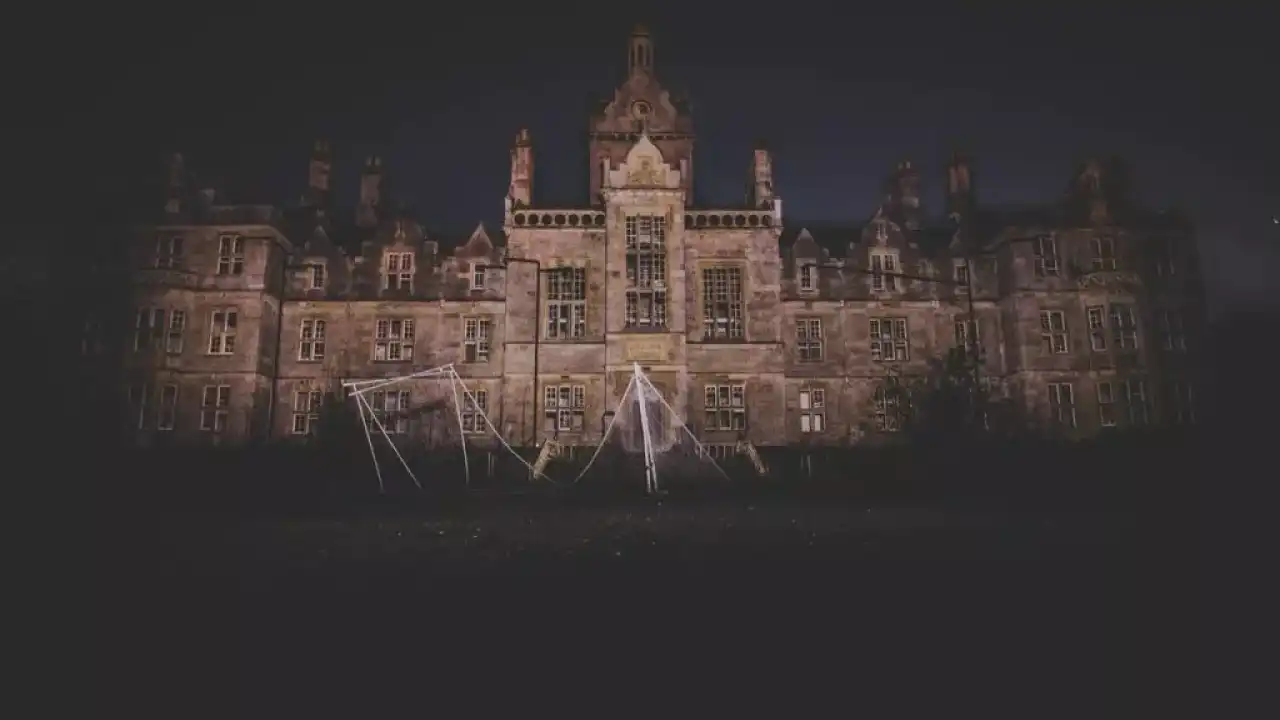
Before naming specific forts, it helps to understand why these places feel unsettling to so many people, even those who don’t believe in anything paranormal. Rajasthan’s forts weren’t just buildings with walls and towers. They were like small cities. People lived, fought, celebrated, plotted, and died inside them. Wars were not distant events; they happened right there, in courtyards and corridors. Some forts changed hands suddenly. Others were abandoned almost overnight due to political shifts, invasions, or internal conflict. What remains now are spaces that feel paused mid-sentence.
A few things add to that feeling:
- Many forts sit far from busy towns, surrounded by hills, forests, or empty land
- Thick stone walls trap sound, making even a cough echo strangely
- Long passageways stretch on longer than expected, especially when you’re alone
None of this screams “haunted” outright. But together, they let your mind wander very easily.
Bhangarh Fort: The Mystery Everyone Has Heard About
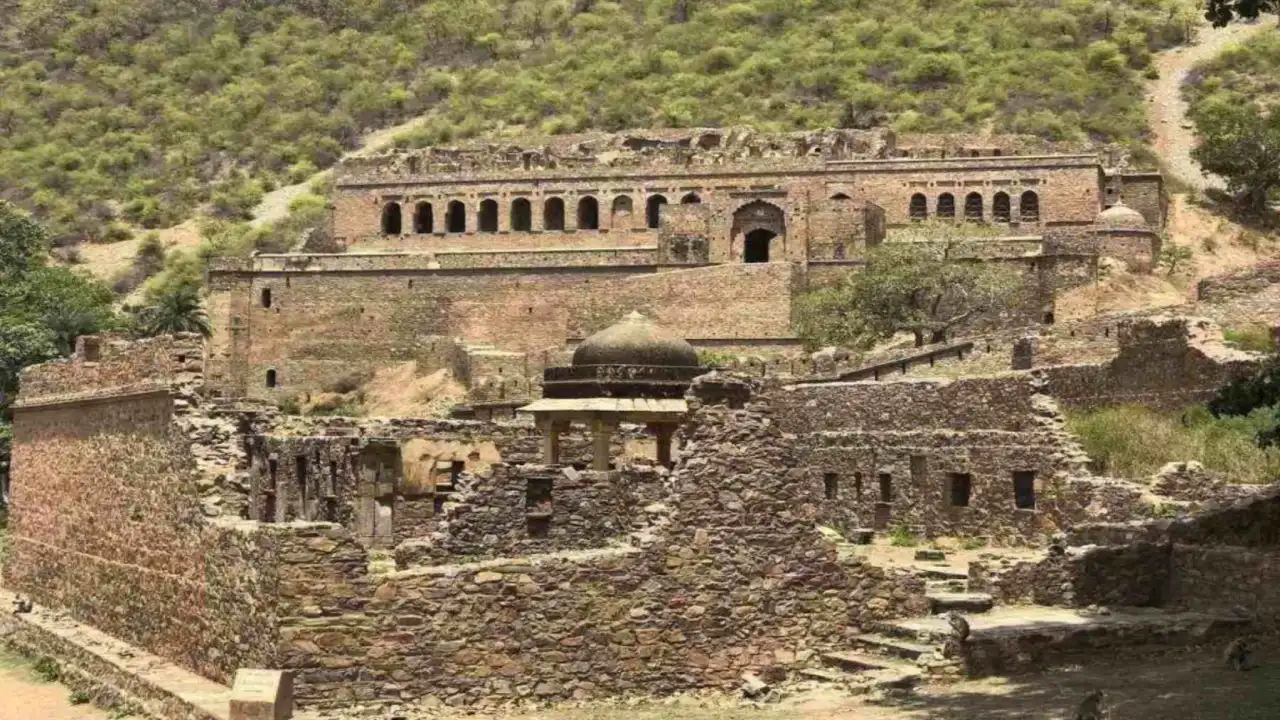
You can’t really talk about Rajasthan’s mysterious places without mentioning the Bhangarh Fort mystery. Even people who don’t care much for history know the name. Bhangarh lies between Jaipur and Alwar, and during the day, it honestly doesn’t look frightening at all. There are temples, broken palaces, stone gateways, and even remains of what used to be a marketplace. Tourists walk around freely, phones out, clicking pictures, reading signboards. But locals will tell you daytime Bhangarh is only half the story.
What People Around the Fort Say
The most common belief is that the fort was cursed centuries ago, which led to its sudden downfall. People living nearby still say:
- No one stays inside after sunset
- Sounds like footsteps or whispers are heard at night
- Houses built too close to the fort don’t last
Whether one believes these stories or not, there’s one fact that unsettles everyone. Entry into Bhangarh after sunset is officially prohibited. That rule alone makes visitors uneasy.
Why It Feels So Strange Inside
- Doorways stand empty, almost staring back at you
- Sunlight cuts sharply through broken roofs
- The silence feels complete, not peaceful
Most people don’t see anything unusual here. But many leave earlier than planned, without really knowing why.
Nahargarh Fort: Beautiful, But Not Entirely Calm
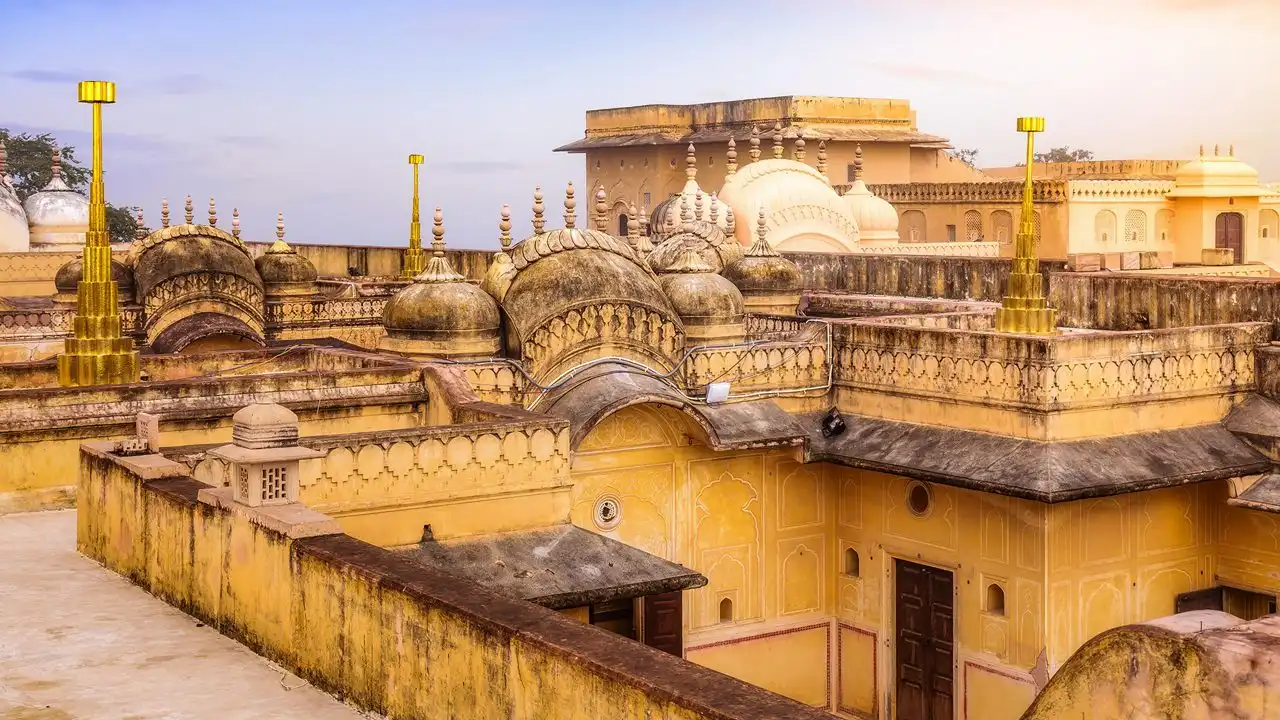
Nahargarh Fort sits above Jaipur, and it’s known for its views. On most days, the place is busy. Tourists, families, café chatter, people waiting for sunset photos. Yet once the crowd thins and evening settles in, the mood shifts.
The Story That Never Goes Away
Locals often talk about Nahar Singh Bhomia, a prince believed to be linked to the fort’s restless energy. According to popular belief, construction problems stopped only after the fort was named after him and a temple was built to appease his spirit.
Even now:
- Guards avoid certain areas when alone
- Some talk about doors shutting on their own
- Others mention a strange feeling, like someone standing just behind them
Nothing dramatic. Just enough to make you uneasy.
Why Visitors Keep Coming Back
Despite all this, Nahargarh remains popular:
- The architecture is impressive
- The city views are unbeatable
- During visiting hours, it feels safe
Here, the discomfort creeps in quietly. No loud signs. Just a subtle tension.
Ranthambore Fort: Ruins Surrounded by Wilderness
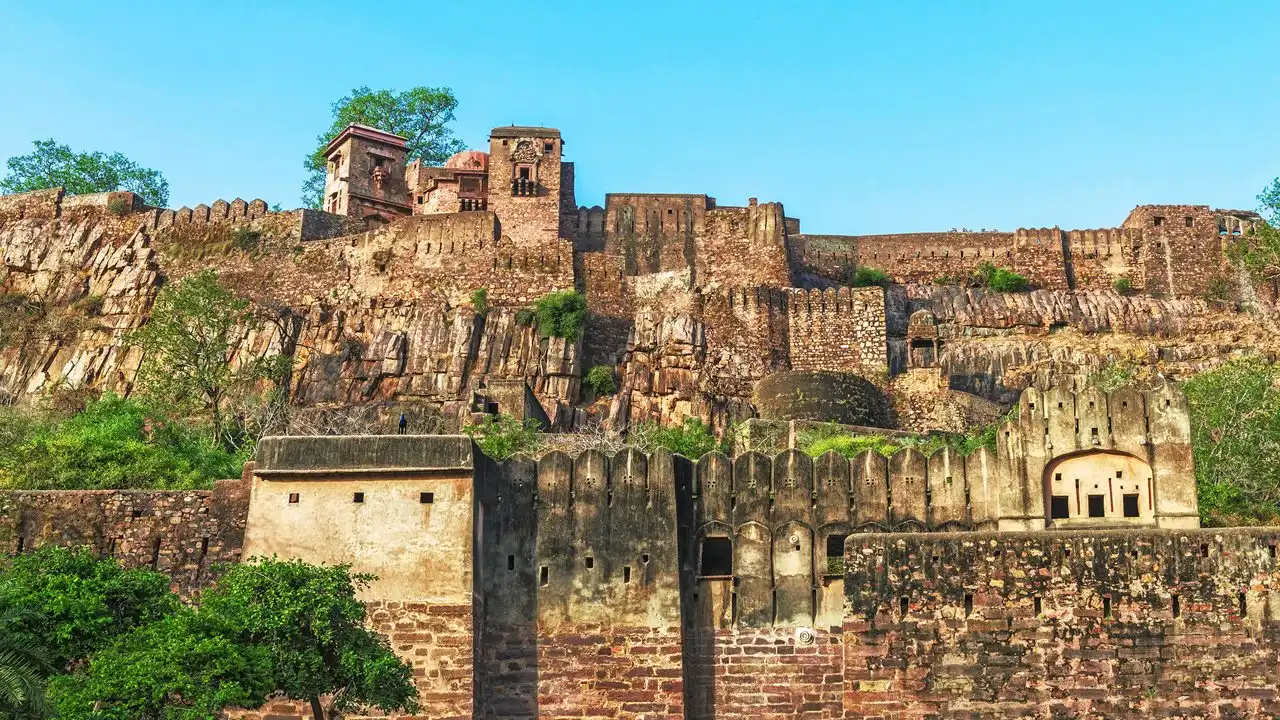
Ranthambore Fort sits inside a national park, which already changes how it feels. Tigers roam nearby. Trees grow through old stone walls. Silence dominates most of the space.
What Guides Quietly Mention
Some forest staff and guides share stories like:
- Hearing footsteps with no one around
- Seeing brief lights in abandoned sections
- Hearing voices echo in rooms that are locked
The fort has seen wars, executions, and power struggles. Add the surrounding forest, and it creates a heavy, watchful atmosphere.
A Different Kind of Unease
Here, the discomfort comes from isolation. You feel small. History and nature both seem larger than you.
Gagron Fort: Calm, Quiet, and Slightly Unsettling
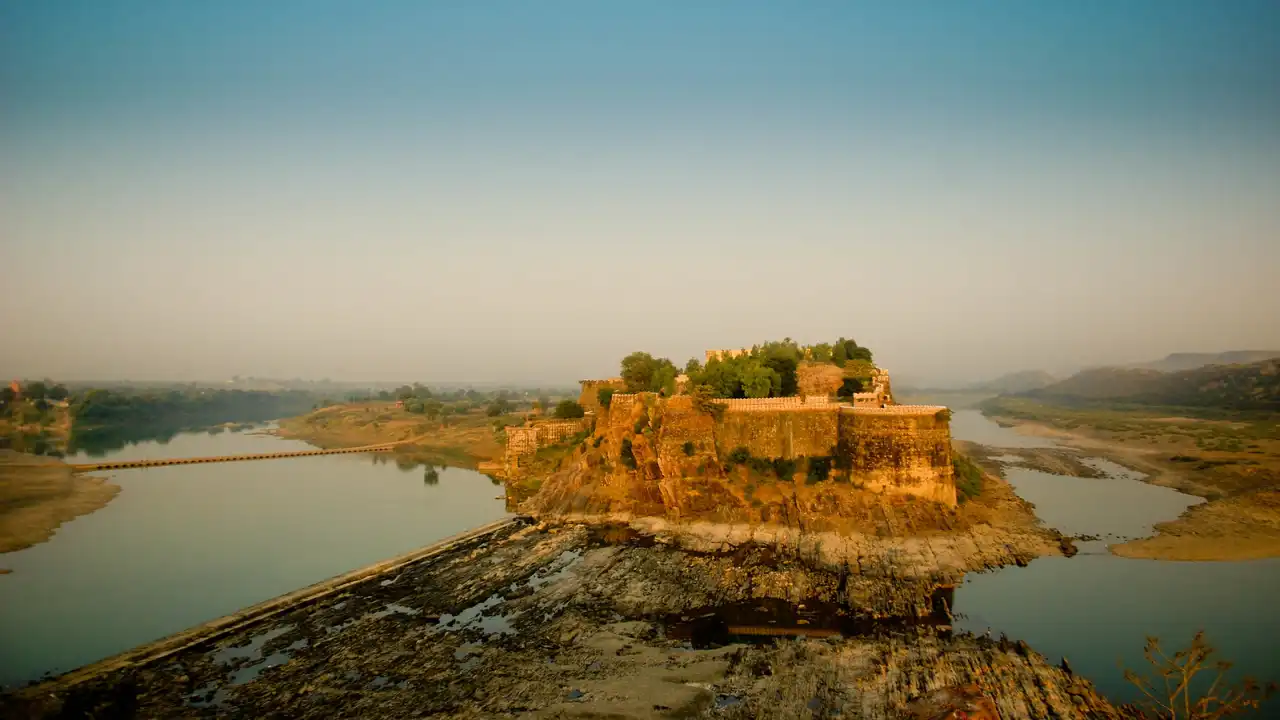
Gagron Fort in Jhalawar doesn’t get huge crowds. Surrounded by rivers on three sides, it’s peaceful in a way that feels almost too quiet.
What Locals Believe
- The fort saw mass sacrifices during invasions
- Certain areas are said to be guarded by spirits
- People avoid visiting alone late in the day
Flowing water mixed with empty courtyards creates a calm that somehow doesn’t fully relax you.
Why Locals Don’t Brush These Stories Aside
Visitors often label these stories as folklore. Locals don’t argue. They simply don’t break the rules.
That’s because:
- Stories are passed down through families
- Similar experiences are shared by unrelated people
- Customs like leaving before sunset are followed without question
For locals, these forts are not just attractions. They are reminders.
Who Will Enjoy These Places Most?
These forts are best for:
- Travelers who enjoy stories behind stones
- History lovers who want more than photos
- Families with older children curious about the past
Many visitors choose Rajasthan trip packages to manage travel, timing, and access better, especially for remote locations.
Conclusion
These forts are not about ghosts leaping out of shadows. They’re more about presence. Memory. The kind of silence that hangs around longer than you expect. You might walk away with nothing more than a few photos on your phone. Or you might leave with a strange, unsettled feeling you can’t quite put into words.
Either way, these places leave something behind with you. That’s why many travelers choose to explore them as part of a well-planned domestic package, where the journey is slower, more thoughtful, and not rushed from one stop to the next. It gives you time to absorb the mood instead of just ticking places off a list. And that, more than fear, is why locals still talk about these forts. Quietly. Without drama. Without trying to convince anyone at all.
Visiting With Sense and Respect
If you plan to explore the haunted places Rajasthan is known for, a little awareness goes a long way.
Pro Tips for Travelers
- Visit only during official hours
- Go with a local guide when possible
- Don’t mock beliefs, even casually
- Avoid staying back after sunset
- Carry water and wear good walking shoes
Respect often makes the experience richer, not duller.