Hidden Gems in Baku Most Tourists Miss
Introduction
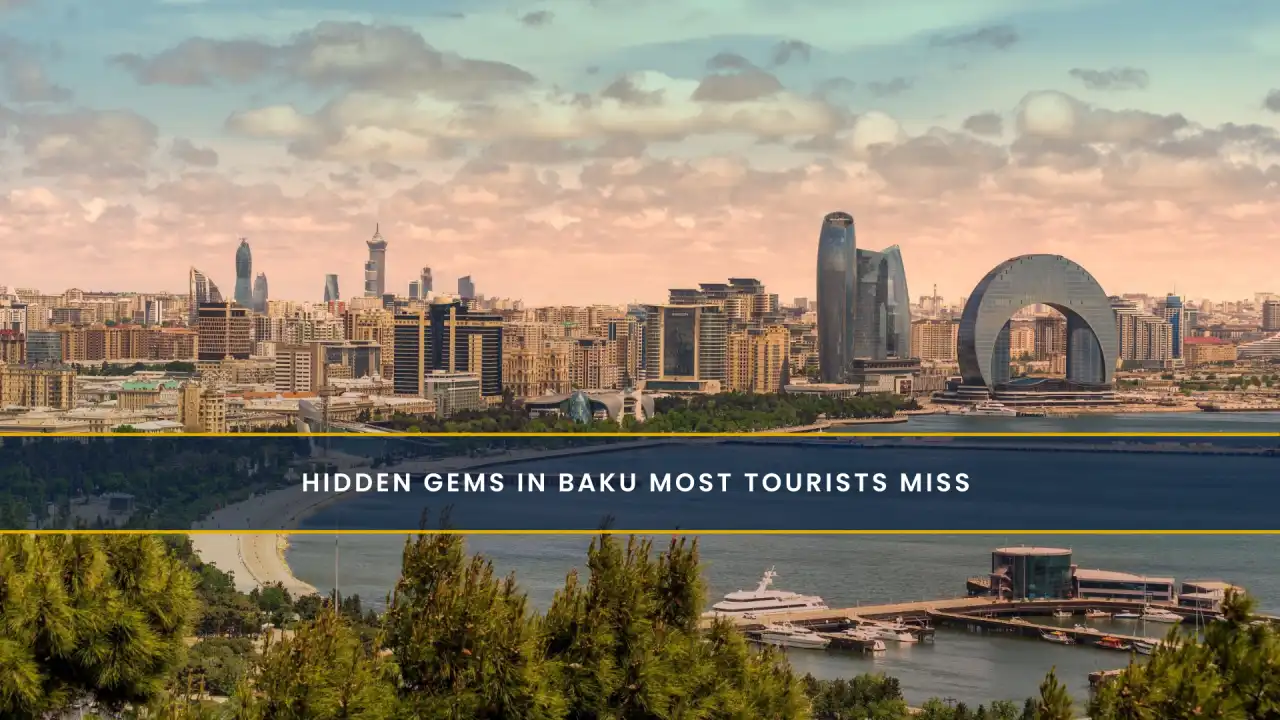
Most people land in Baku with the same mental checklist. Old City. Flame Towers. Caspian Sea Boulevard. Click photos. Upload. Move on. Nothing wrong with that, it's how most trips begin. But honestly, that version of the city only tells half the story. There’s another Baku that doesn’t really advertise itself. It doesn’t chase attention. You find it when you’re tired of rushing. When you take a wrong turn. When you sit somewhere just because your feet hurt and end up staying longer than planned. This guide is about hidden places in Baku that don’t usually show up in neat itineraries. Not “secret” in a dramatic sense, just places people skip because they’re not loud about their importance. If you like travel that feels a bit unplanned and a little personal, this is where Baku starts to stick with you.
Why Baku’s Hidden Side Is Worth Exploring
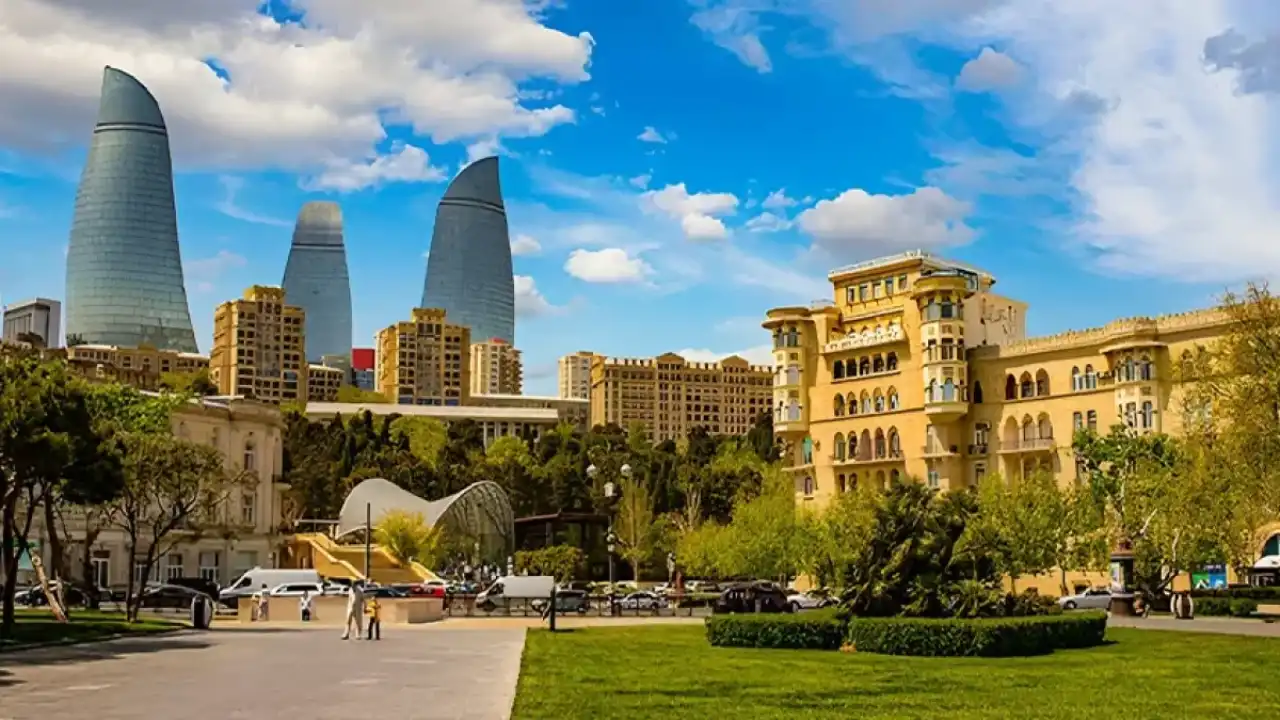
Baku lives in contrast. One moment you’re staring at glass towers, the next you’re walking past stone walls that look older than memory. Fancy cafés exist a few steps away from courtyards where nothing seems to have changed in years. Most tourists circle the same areas. Locals don’t. Once you wander out of that loop, things slow down. People actually look at you. Shopkeepers talk, even if it’s half gestures, half smiles. Streets feel lived-in, not designed for photos. That’s when the city feels real. You don’t need to be brave or adventurous. Just a little curious. That’s enough
1. Bibi-Heybat Village (Beyond the Famous Mosque)
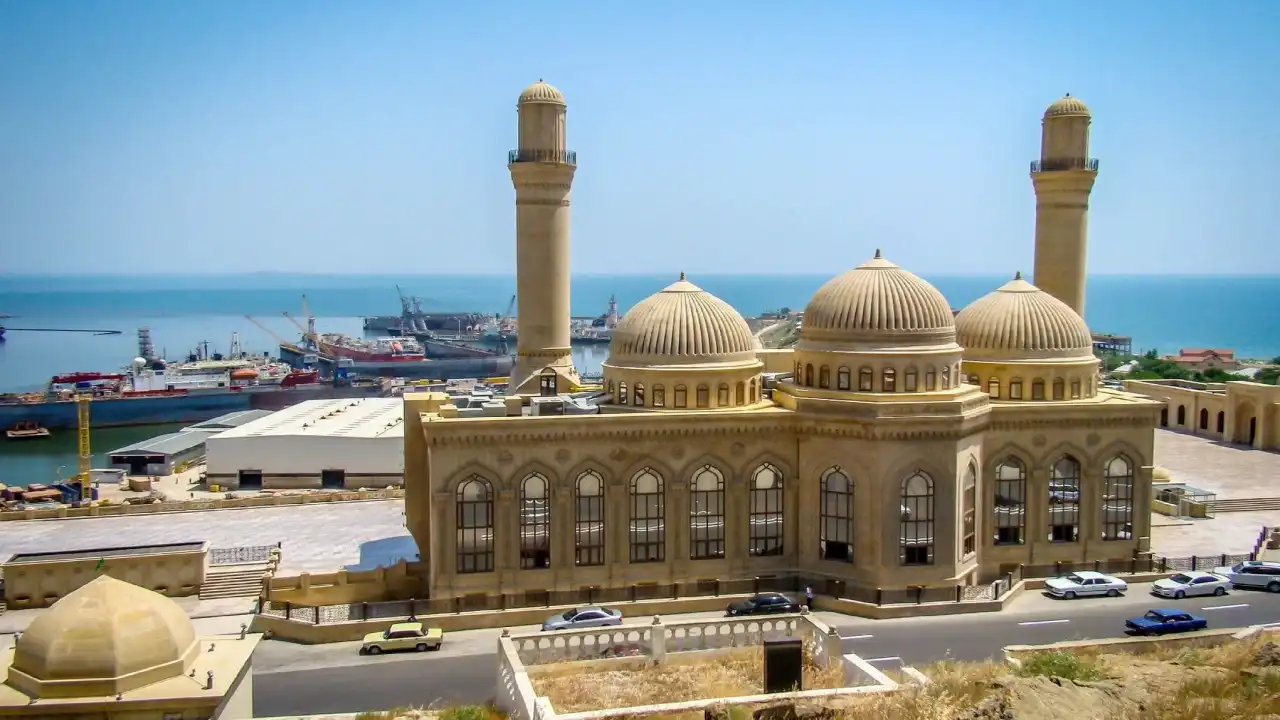
Almost everyone visits the Bibi-Heybat Mosque. Very few walk past it. Behind the mosque, the mood changes fast. The road drops toward the Caspian. Old houses sit close together. The paint is faded. Walls lean slightly, like they’ve given up trying to stand perfectly straight.
You’ll notice small things:
- Older men quietly fix fishing nets
- Cats stretched out on warm stone steps
- Kids kicking a football wherever there’s space
No one is performing for visitors. That’s what makes it feel honest.
Pro tip: Go later in the day. Around sunset, the light softens everything and the sea air cools the walk.
2. Bayil Settlement – Where the City Feels Local
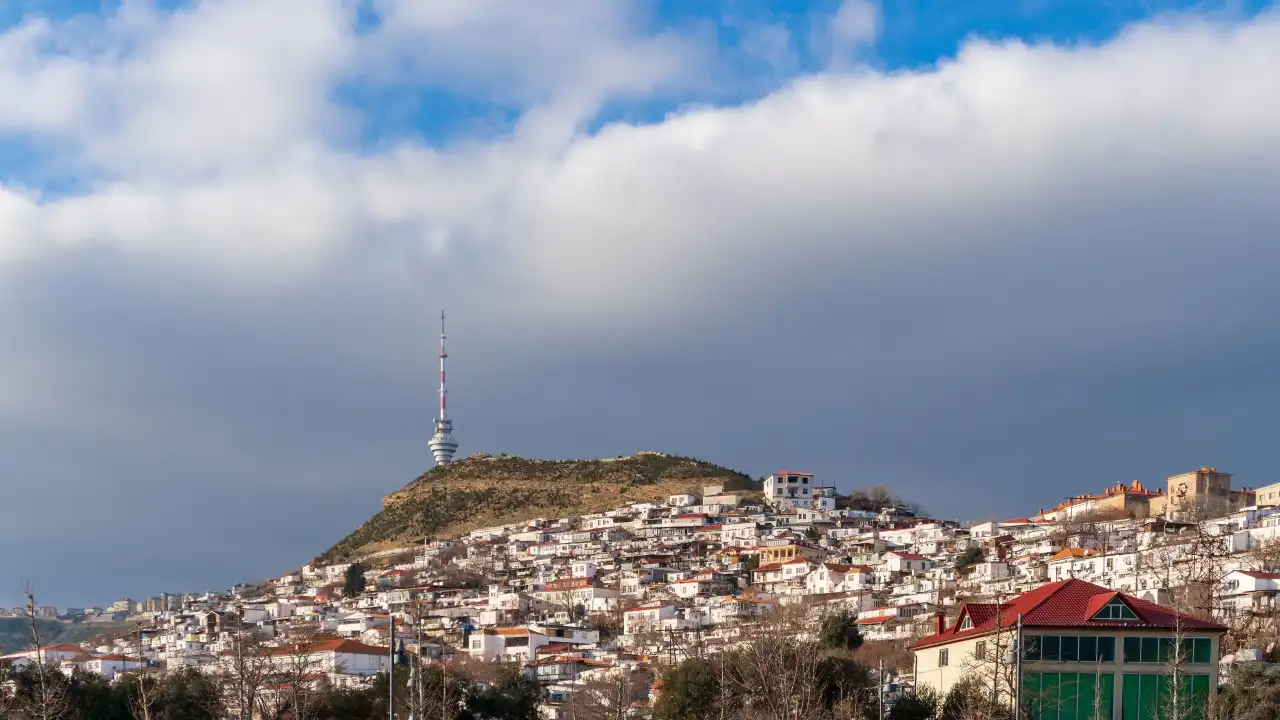
Bayil isn’t trying to impress anyone. And it doesn’t need to. This is every day in Baku. Small food shops. Bakeries with steamed-up windows. Someone is calling out to a neighbor from a balcony. Life is just happening. Walk without a destination. Sit down for tea even if you weren’t planning to. Watch the street for a while. If you’re searching for Secret spots in Baku, Bayil doesn't fit because it’s hidden, but because tourists usually don’t think to come here.
Pro tip: Come without a plan, walk wherever feels natural, and sit for tea even if you weren’t hungry.
3. Gala Village – History Without the Crowd
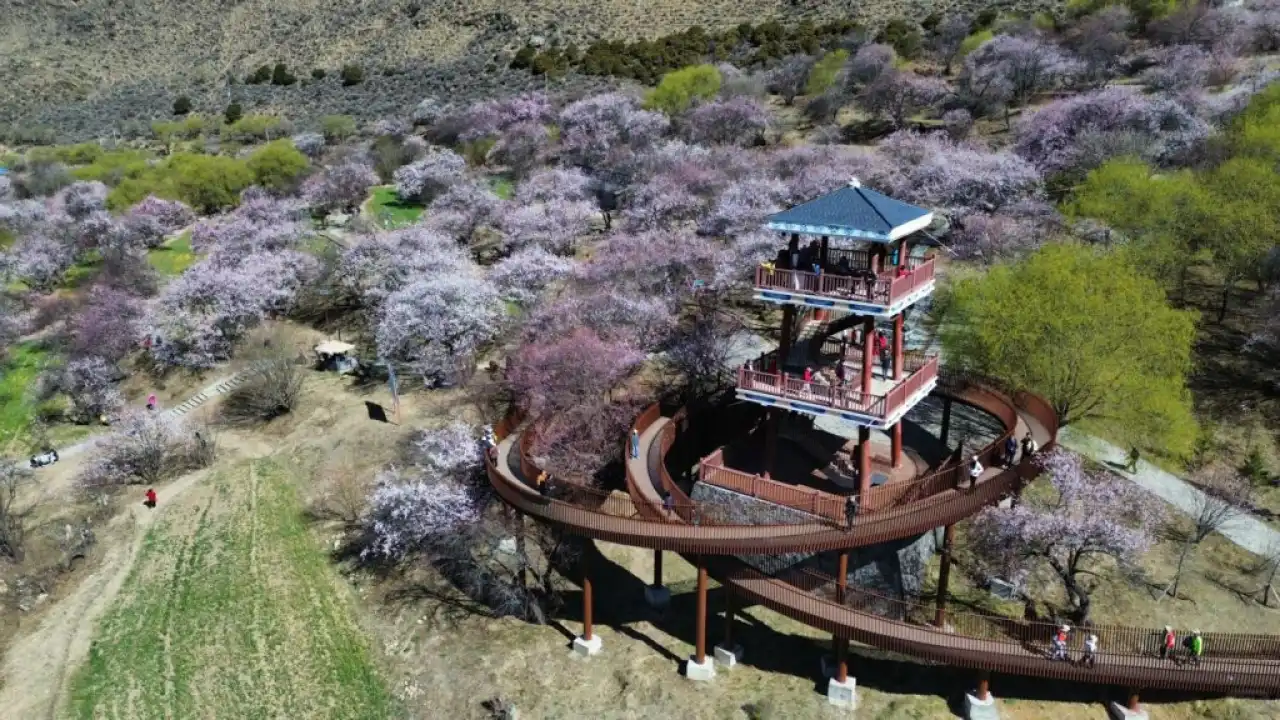
Gala sits about 45 minutes from the city, and somehow feels much farther. Stone houses. Quiet courtyards. Open-air museums that don’t overwhelm you with signs or speeches. People still live here, and you feel that right away. It doesn’t feel frozen in time. It feels lived in. What works about Gala is the balance. History is present, but not overdone.
Pro tip: Pair it with a relaxed Absheron Peninsula drive. It’s a good break from city noise.
4. Zira Eco Park – A Different Side of Nature
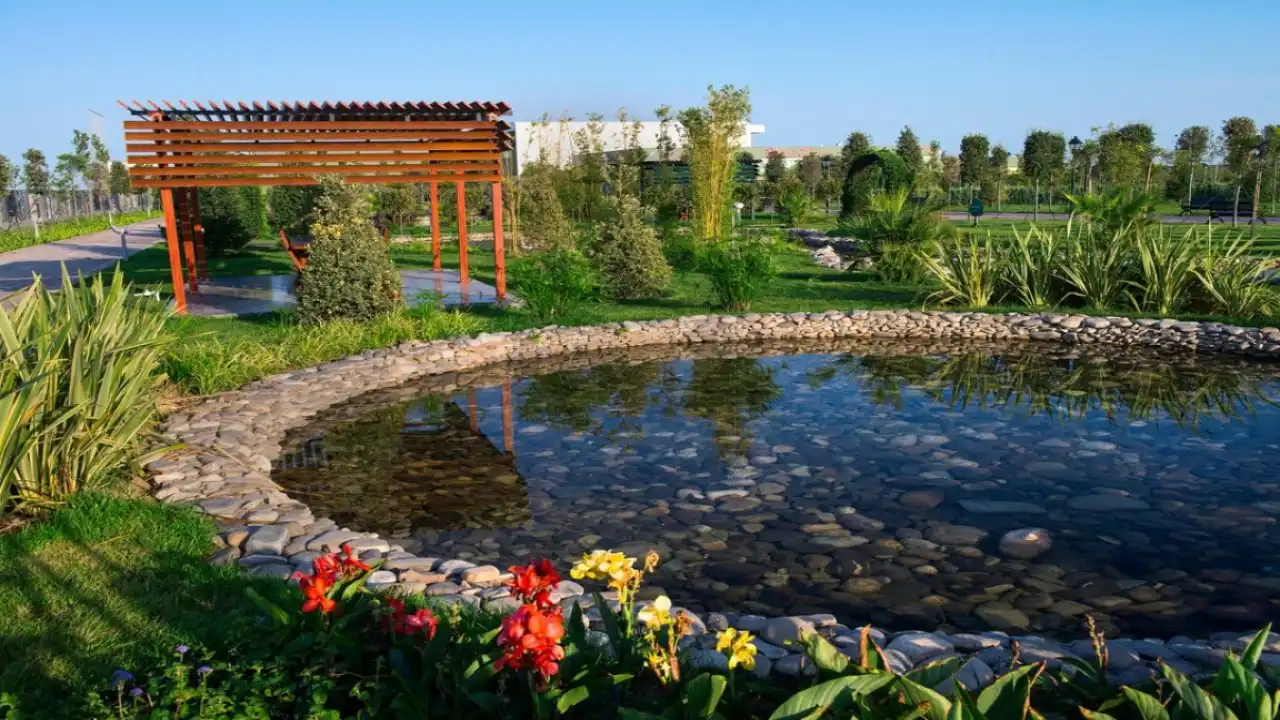
Zira Eco Park isn’t the kind of place you rush through. It’s simple. Thoughtful. Built around local plants and sustainability rather than big attractions. You walk. You pause. You breathe. That’s pretty much it. For travelers looking for Unique things to do in Baku without crowds or chaos, this place quietly delivers. Families enjoy the open space. Couples like the calm. Solo wanderers appreciate the silence.
Pro tip: Visit in the morning or late afternoon, take your time walking the trails, and don’t expect entertainment. This place works best when you slow down.
5. Baku Courtyard Houses – Life Behind the Doors
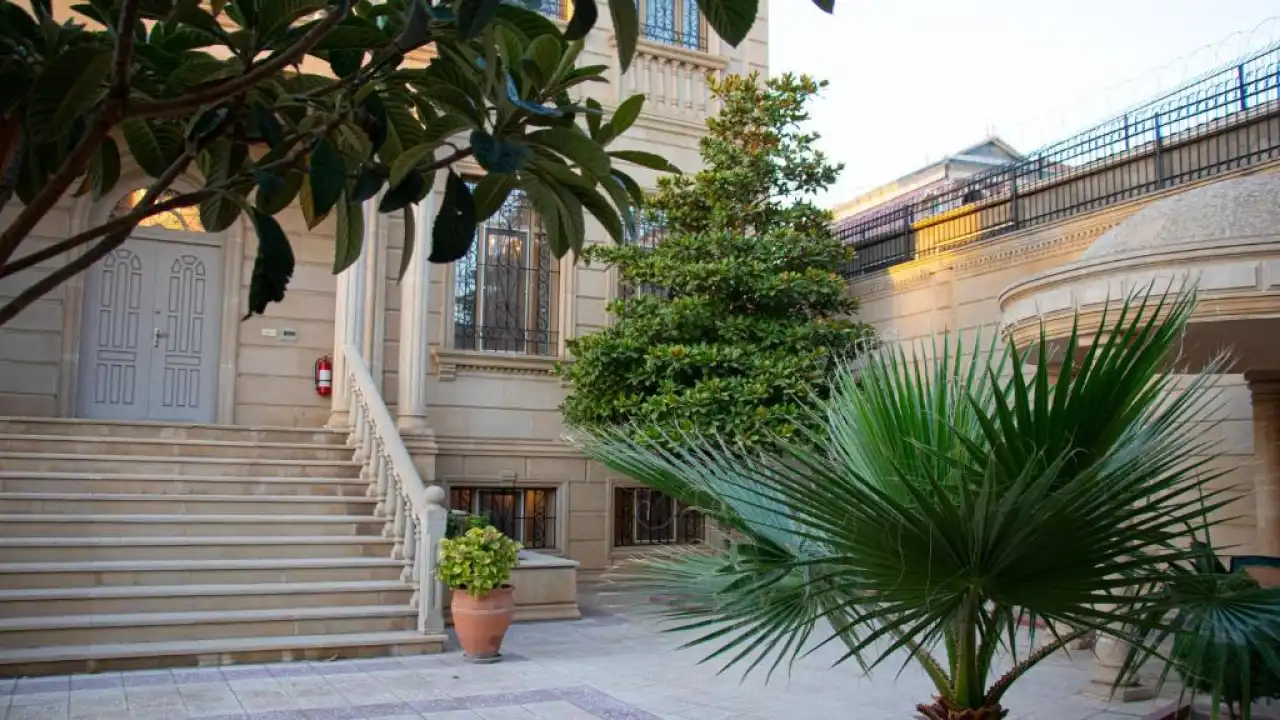
From the outside, these buildings don’t look special. Step inside a courtyard and everything changes. Multiple families share the same space. Laundry lines cross overhead. Someone is always cooking. Kids move freely, as the whole place belongs to them. You might be invited in. Or you might just observe from a corner. Either way, it’s a glimpse into daily life that feels genuine.
Pro tip: Always ask before taking photos. A simple smile and nod can go a long way here.
6. Lokbatan Mud Volcano – Nature’s Quiet Drama
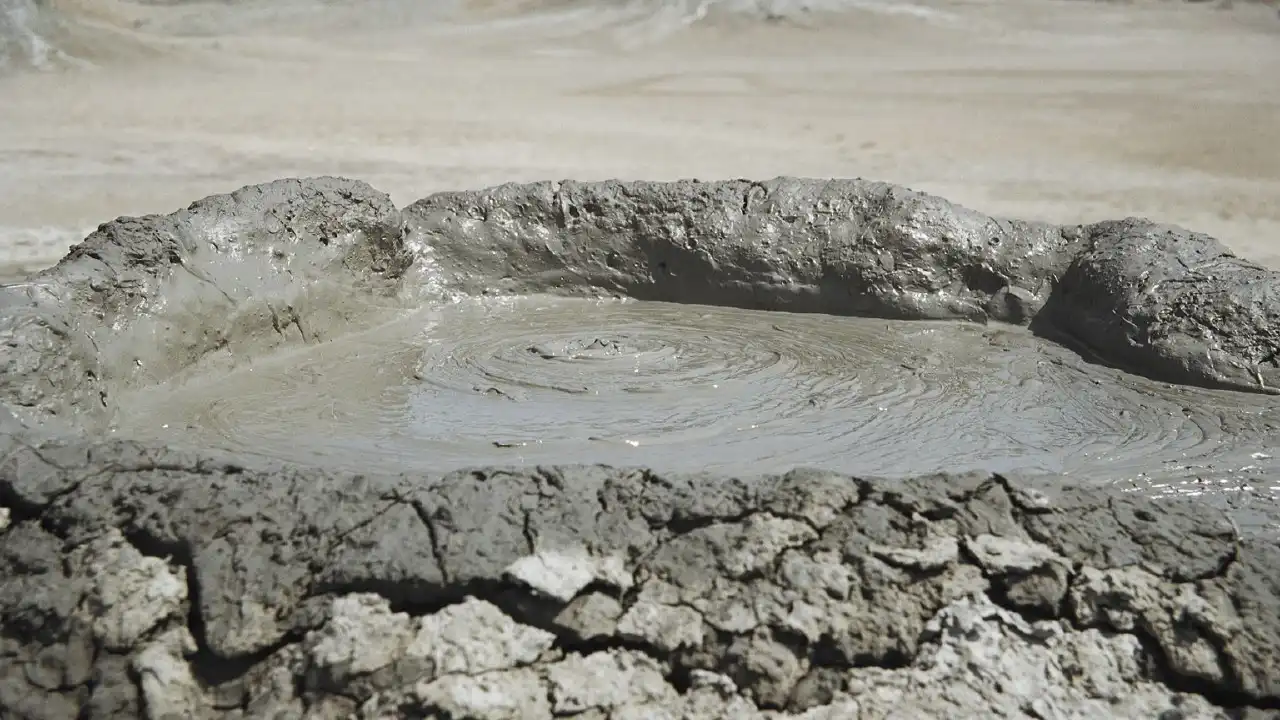
Azerbaijan has more mud volcanoes than anywhere else. Lokbatan is one of the easiest to reach and still oddly empty. The land looks strange. Small craters bubble slowly. The ground feels painted in dull greys and browns. No fences. No guides shouting facts. Just space and silence.
Pro tip: Come in the early evening when shops are open and people are outside, it’s when the neighborhood feels most alive.
7. Sovetsky Neighborhood – Fading, But Still Alive
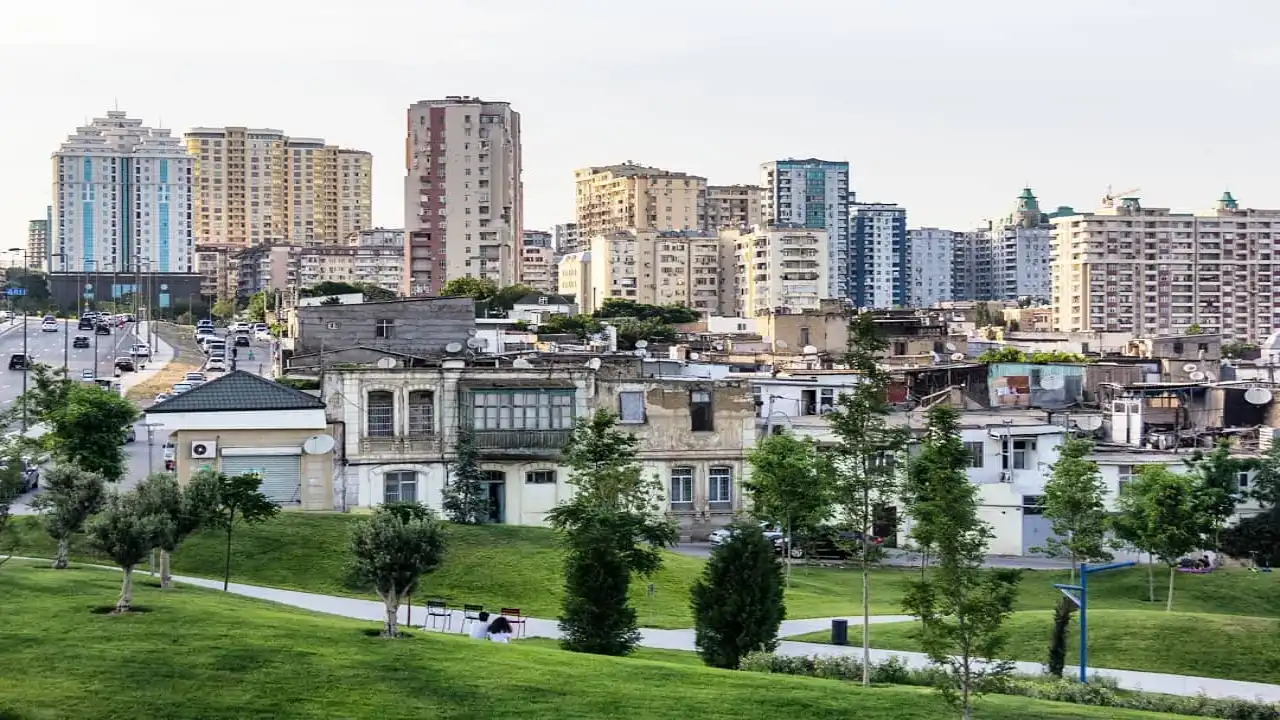
Sovetsky is slowly disappearing. Development is changing it piece by piece. But what remains tells stories. Narrow streets. Soft-colored walls. Old signs hanging on longer than expected. This isn’t a place to rush through. Walk slowly. Look closely. Notice the details. It feels unfinished. That’s part of the point.
Pro tip: Walk slowly, avoid peak hours, and don’t treat it like a sightseeing stop; it’s about observing, not exploring fast.
8. Binagadi Quarry Lake – An Unexpected View
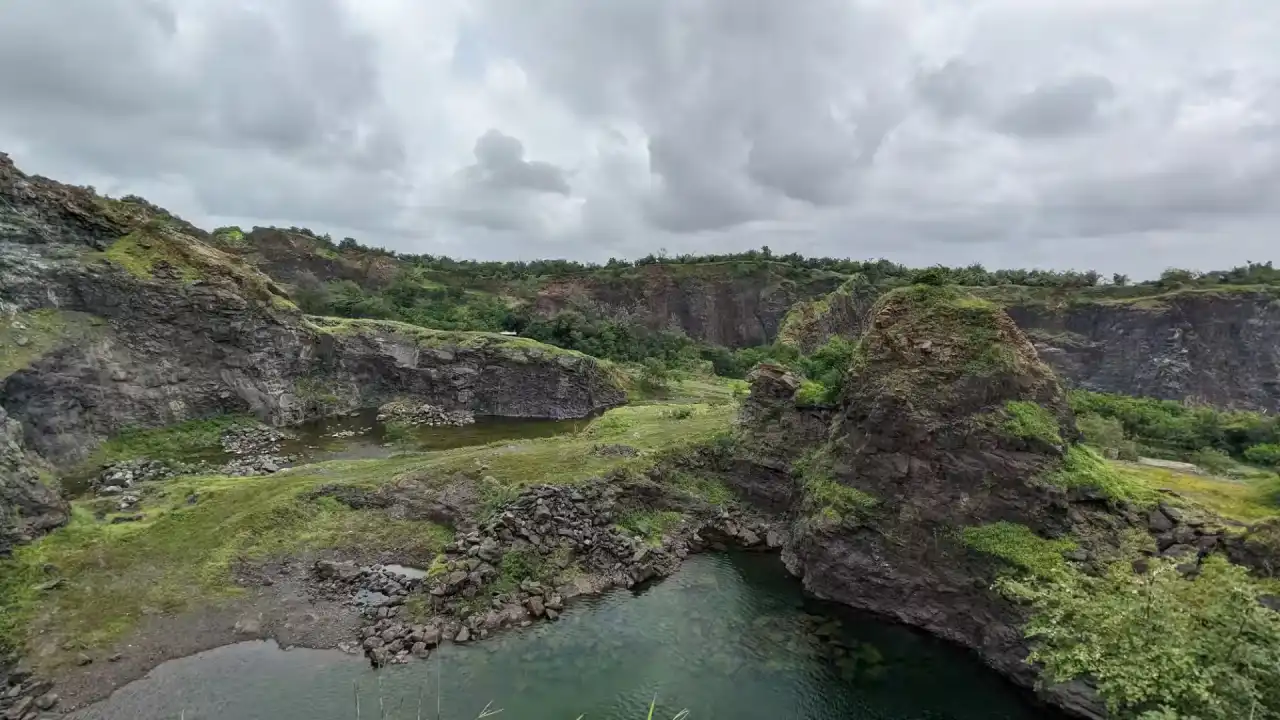
Most people don’t expect a colorful lake near Baku. Binagadi Quarry Lake was formed by accident, but it ended up strangely beautiful. The colors shift depending on light and minerals. It’s not for swimming but it’s hard to look away. Photographers know about it. Most visitors don’t.
Pro tip: Go only for the view, not a long stay, and check the light because the colors depend entirely on it.
9. Pirallahi Island – For Slower Days
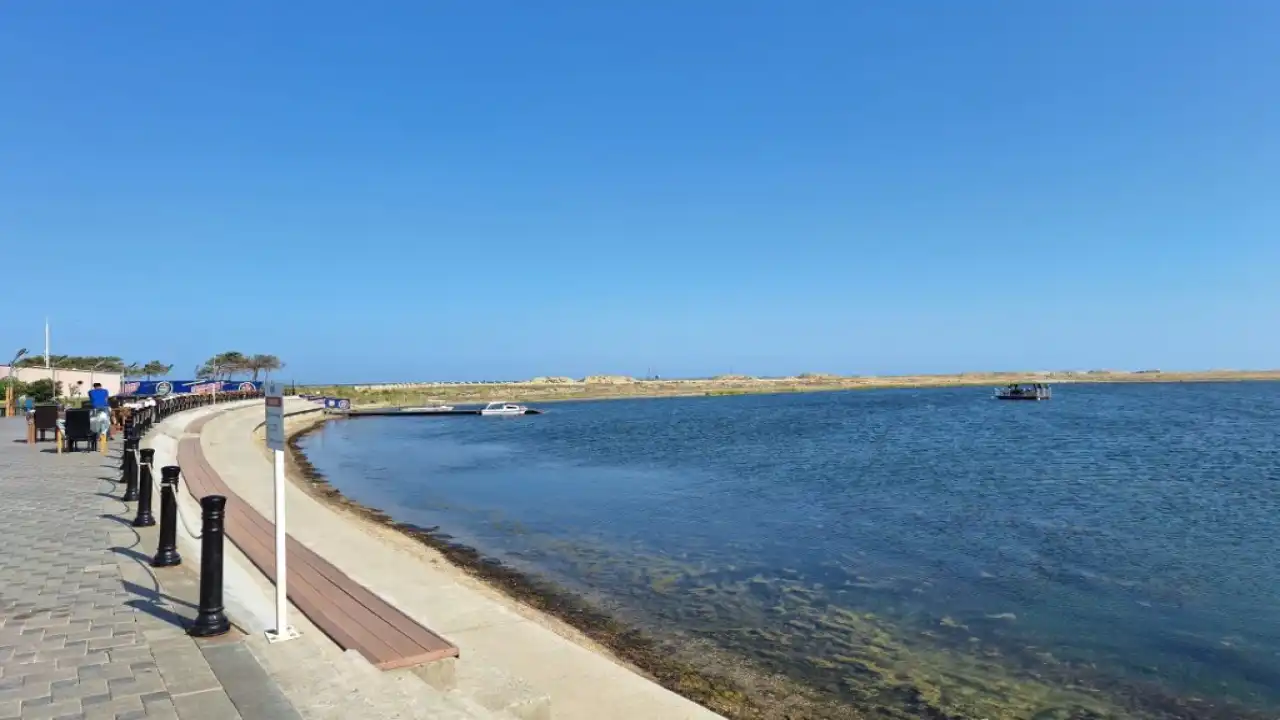
Pirallahi Island feels detached from the city, even though it’s technically part of it. Life moves more slowly. Fishermen work quietly. Streets feel empty in a good way. The sea is always nearby. If you want to unplug without leaving Baku completely, this place makes sense.
Pro tip: Visit on a quiet weekday and plan nothing specific. The slower pace is the reason to be there.
Planning These Experiences Without Stress
Hidden places don’t need complicated plans.
A few basics help:
- Comfortable shoes (you’ll walk more than expected)
- Local taxi apps instead of rigid tours
- Flexible timing
- A respectful, open mindset
Some travelers prefer grouping these experiences into one relaxed International trip package, especially when local insight matters more than speed.
Conclusion
Baku doesn’t open up all at once. It kind of waits to see how you move through it. Rush it, and you’ll tick boxes, take photos, and forget half of it by the flight back. Slow down, though, and small moments start showing up: sounds from a side street, the smell of bread, a random pause that wasn’t planned. Most of these places won’t ever make it to glossy brochures, and honestly, that’s why they stay in your head. This is the version of the city you get when a Baku trip package leaves space for wandering, not just landmarks and timings.
Because travel isn’t really about seeing more, it’s about noticing more, long after the pictures stop mattering.
Pro Tips for Exploring Baku Beyond the Obvious
- Talk to people: Even broken conversations lead to good advice.
- Go early: Mornings feel calmer and more honest.
- Eat local: Busy, simple places are usually the best.
- Don’t rush: One or two places a day is plenty.