Hidden Gems in Leh Ladakh You Must Visit in 2026
Introduction
Most people going to Ladakh already know the usual names before the trip even starts. Pangong. Nubra. Magnetic Hill. A couple of monasteries they saw in reels at 2 AM while pretending they were “just checking one video.” And honestly, those places are beautiful. No argument there. But after spending time in Ladakh, you realize the places that stay in your head are often the ones nobody talked about much. Not the crowded photo points. The random village where you stopped for tea because your driver wanted a break. The silent road where not a single vehicle passed for maybe twenty minutes straight. The tiny guesthouse where the owner kept insisting you eat one more roti even though you were already full. That’s the side of the Ladakh people miss when they rush too much.
For travelers planning a Leh Ladakh Travel experience in 2026, maybe this is the year to slow it down a little. The mountains already move slowly anyway. Trying to “cover everything” there feels weird after a point. You stop enjoying it properly. And somewhere beyond the famous routes, there are still villages where life feels untouched. Prayer flags fluttering in freezing wind. Old men sitting outside mud houses doing absolutely nothing. Rivers so loud at night they almost sound like distant traffic. Those places? They stay with you longer.
1. Turtuk – Feels Less Like Ladakh, More Like a Different Country
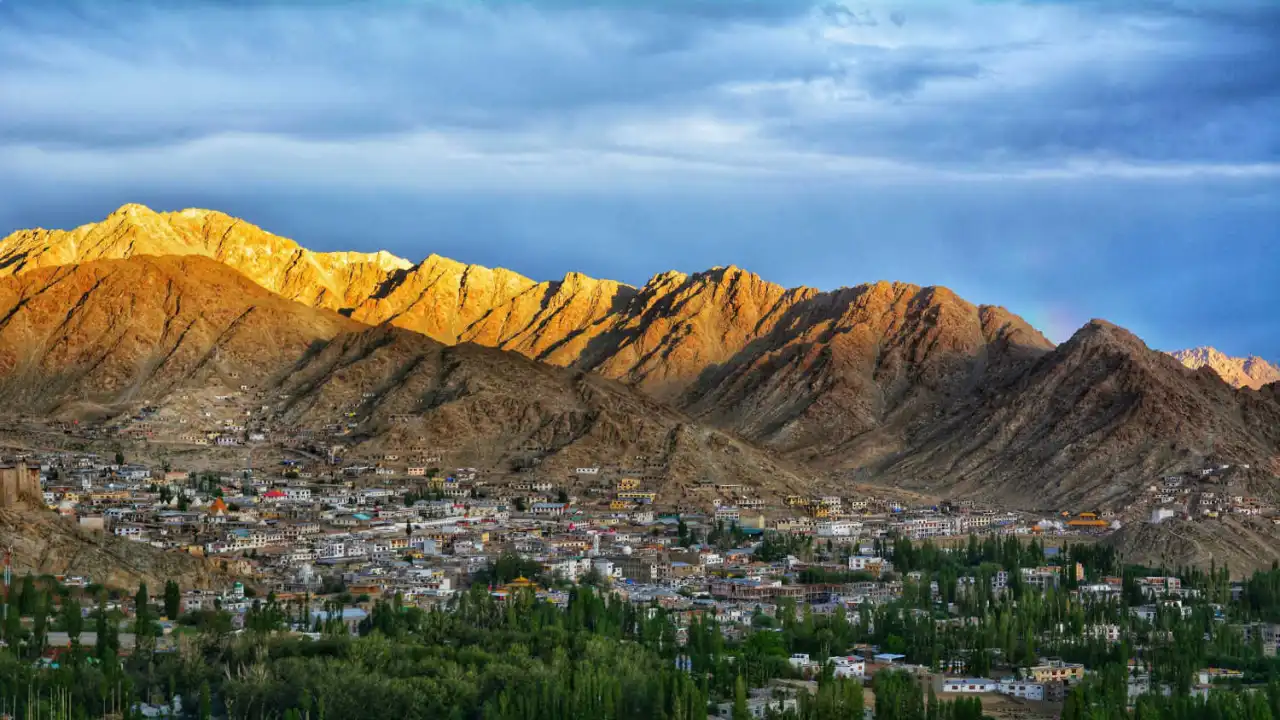
Turtuk is strange in the best way possible. You reach there expecting another mountain village and suddenly everything changes a little. The landscape softens. There are trees everywhere. Apricots hanging from branches. Small wooden bridges crossing streams that run through the middle of the village like they’ve always been there and don’t care about tourists at all. Even the air feels different somehow.
People move more slowly here. Nobody looks rushed. Kids run around narrow lanes while old women sit outside homes peeling vegetables or talking to neighbors. You’ll probably hear chickens somewhere in the background too. Very random detail, but it sticks. And honestly? Turtuk isn’t really about “activities.” You just walk. That’s it. You walk through tiny lanes. You stop for tea. You stare at mountains for no reason. You sit near the stream longer than planned because the sound is weirdly calming. Then suddenly it’s evening. The Balti culture here also makes the village feel very different from the rest of Ladakh. Food, language, faces, architecture everything shifts subtly.
Why Turtuk Feels Worth Visiting
- Far less chaotic than famous tourist spots
- Beautiful during apricot season
- Local culture still feels genuine
- Incredible scenery without too many cafés and camps everywhere
- Peaceful in a way that’s difficult to explain properly
Small Pro Tip
Don’t rush back the same day if possible. After sunset, when most tourists leave, the village becomes unbelievably quiet. You can literally hear the stream from far away at night.
2. Uleytokpo – The Kind of Place You Accidentally Fall in Love With
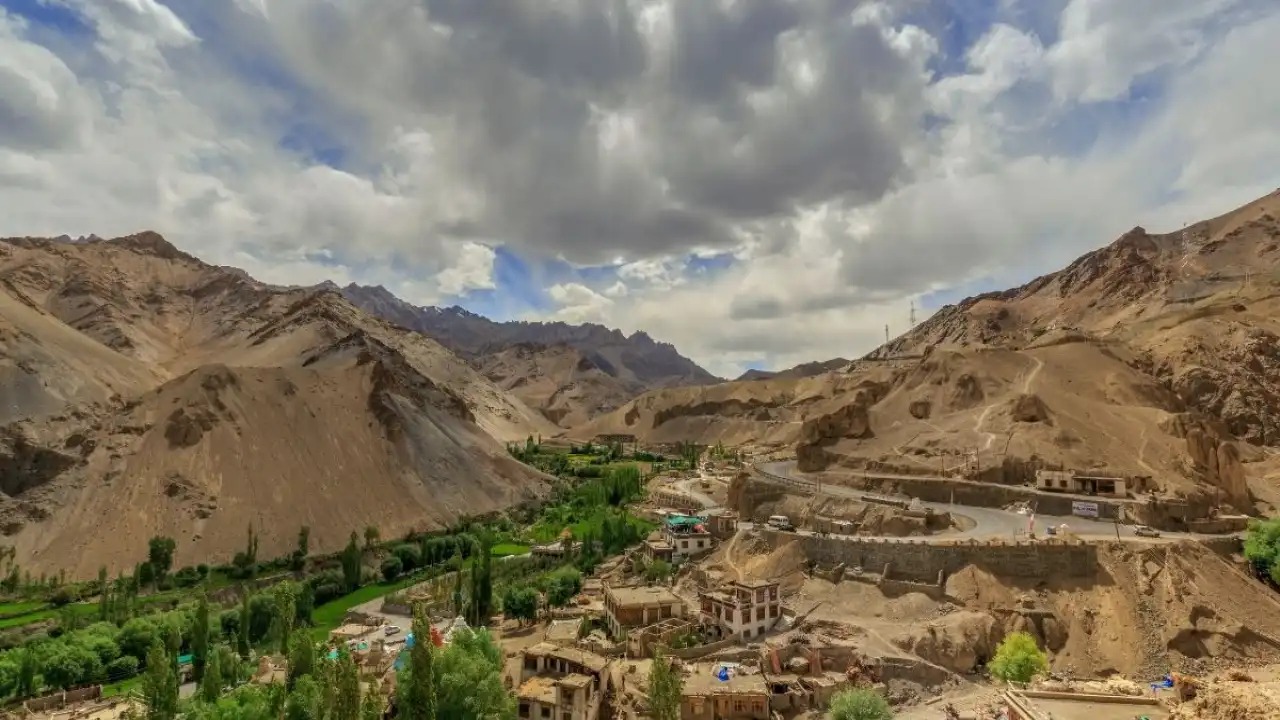
Some destinations impress instantly. Uleytokpo doesn’t really do that. At first, it almost feels too quiet. Too simple. Then slowly it starts growing on you. The place sits along the Srinagar-Leh route, and a lot of travelers just pass through without thinking much about it. Big mistake, honestly.
There’s something oddly calming about waking up here. Cold morning air. The Indus River flowing nearby. Mountains slowly turning golden when sunlight hits them. No loud tourist crowd trying to take drone shots every two seconds. Just stillness. And maybe that’s why people remember it. This is one of those Hidden places in Ladakh where nothing dramatic happens, but somehow you still don’t want to leave.
Things That Actually Feel Nice Here
- Early morning riverside walks
- Sitting outside camps with tea, doing nothing literally
- Stargazing when the sky clears completely
- Tiny monastery visits nearby
- Photography without fifty people entering the frame
Best Time to Visit
Around May to September works best. Roads stay open and the weather is manageable. Nights still get cold though. Ladakh never fully lets you forget where you are.
3. Sumur – Nubra Valley Without the Noise
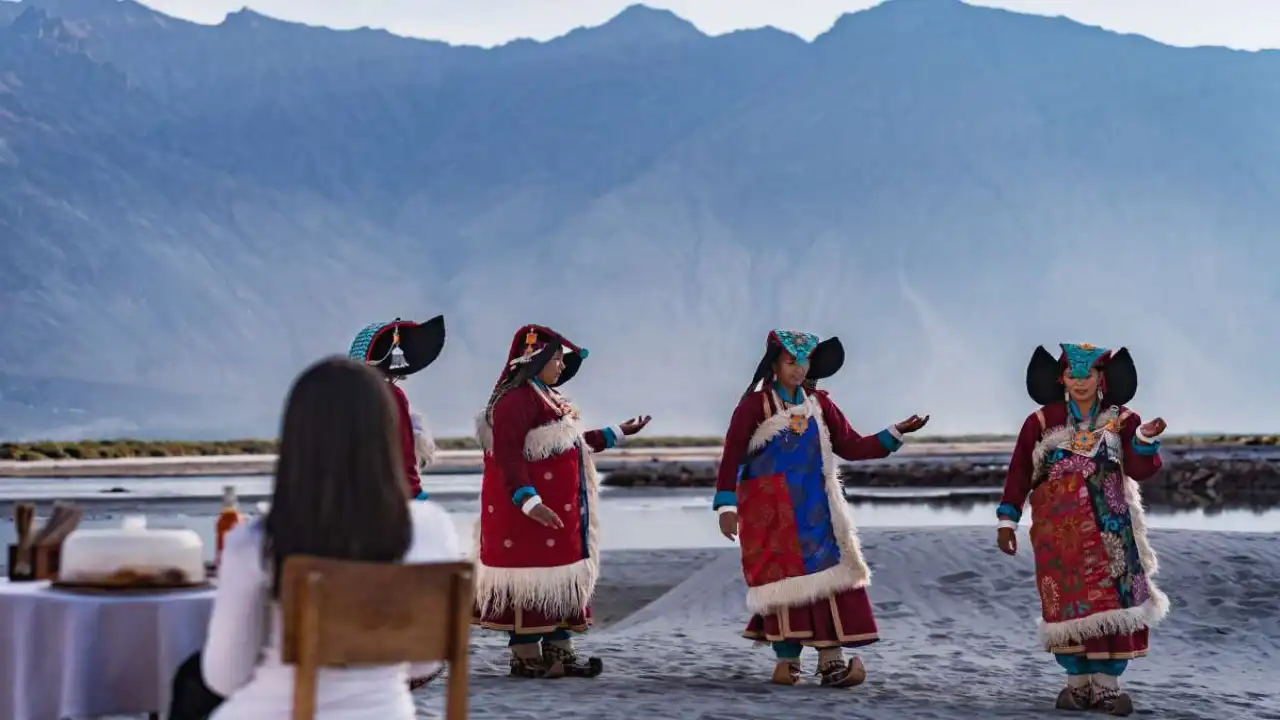
Most people stay around Hunder in Nubra because of the dunes and camel rides. Fair enough. But Sumur feels calmer. More lived-in. The roads passing through the village cut across green fields with huge mountains standing behind them like giant walls. And the contrast looks unreal sometimes. Dry brown mountains. Bright green farmland. White houses scattered in between. What’s nice about Sumur is that tourism hasn’t completely swallowed it yet. Locals still go about their normal routines without everything feeling staged for visitors. You can spend hours just wandering around. No plan. No checklist.
Why People Are Slowly Noticing Sumur
- Much quieter than the crowded Nubra areas
- Great homestays with local food
- Beautiful monastery nearby
- Nice, slow village atmosphere
- Better for relaxed travelers than rushed tourists
Pro Tip
Try eating at local homestays instead of tourist cafés. The food feels more comforting and less “made for Instagram.”
4. Chumathang – Steam Rising in the Middle of Cold Mountains
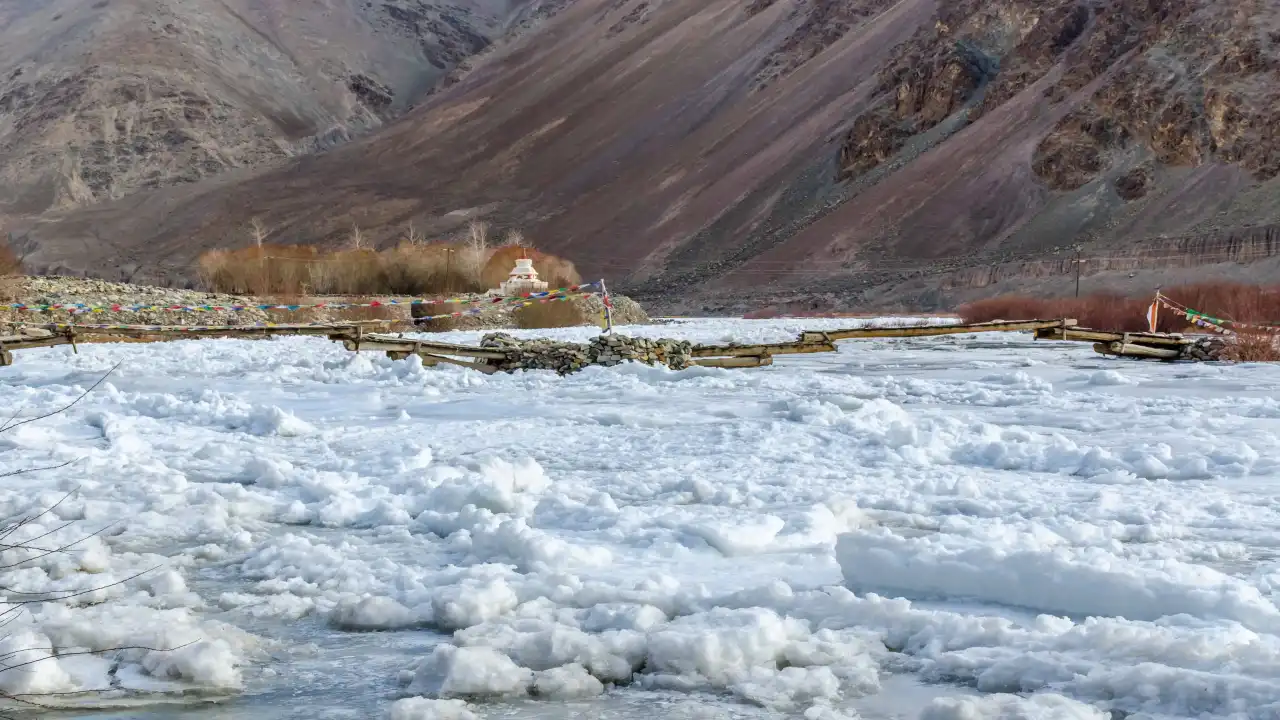
The drive to Chumathang feels endless at times. Then suddenly you notice steam near the river. And for a second your brain kind of struggles to process it because everything around you looks cold. This tiny village is known for its natural hot springs, and honestly, it feels surreal seeing warm geothermal water in the middle of harsh mountain terrain. Especially if the weather’s cold. The village itself isn’t polished or fancy. No luxury vibe. No curated mountain cafés with fairy lights. Thankfully. Because that rawness is exactly what makes it memorable. You stop here, stretch your legs, maybe sip tea somewhere small and basic, and suddenly the place starts feeling oddly comforting.
Why Chumathang Stands Out
- Natural hot springs
- Quiet riverside surroundings
- Hardly any tourist rush
- Nice stop during long drives
- Feels authentic instead of commercial
People searching for Offbeat Ladakh destinations usually end up loving Chumathang because it still feels rough around the edges in a good way.
5. Hanle – The Sky Looks Fake Here
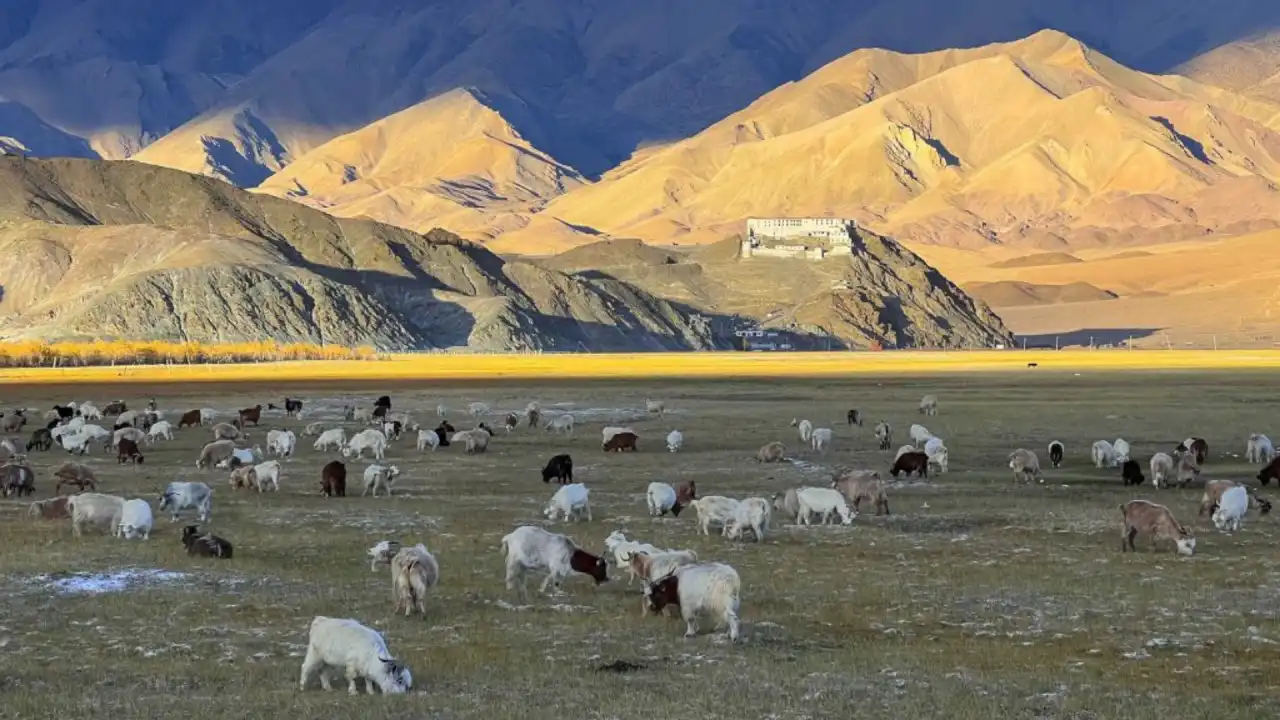
Hanle honestly messes with your sense of scale a little. Everything feels huge. Empty. Silent. And then night comes. That’s when the place becomes unforgettable. The sky here doesn’t even look normal anymore. There are so many stars visible that it almost feels edited, like someone increased brightness settings on reality itself. You step outside at night and just stare upward. No traffic sounds. No city glow. Barely any noise at all. Just cold air and stars everywhere. The observatory made Hanle famous, but the silence is what people really remember after visiting. Real silence too. The kind where even zipping your jacket suddenly sounds loud.
Why Hanle Deserves More Attention
- Probably one of the best stargazing spots in India
- Extremely peaceful landscapes
- Long scenic drives that feel cinematic sometimes
- Beautiful remote village life
- Perfect for travelers who enjoy slow experiences
Quick Advice
Carry extra warm clothes. Seriously. Even summer nights can feel brutally cold here once the wind picks up.
6. Dah and Hanu – Places That Feel Stuck Between Centuries
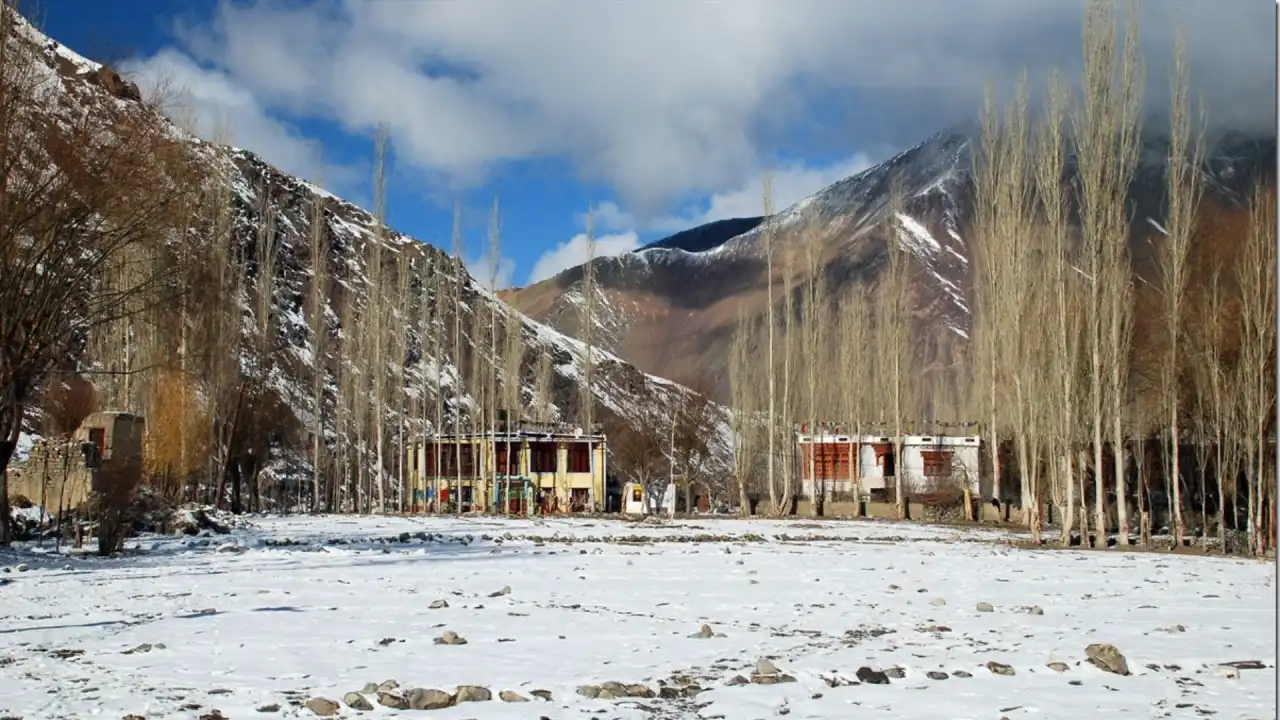
Dah and Hanu don’t feel like regular tourist villages. They feel older somehow. The Brokpa community living here has preserved traditions that make the whole experience feel culturally very different from other parts of Ladakh. Traditional outfits, flower-covered headgear, old-style homes everything has a distinct identity. Walking through these villages feels oddly personal because life still appears untouched by heavy tourism. At one point, you’ll probably notice how quiet everything is except occasional conversations drifting from nearby homes or goats making random noises somewhere uphill. Not glamorous. Just real.
Highlights of Visiting
- Unique cultural atmosphere
- Beautiful traditional clothing and customs
- Lesser-known photography spots
- Peaceful village life
- The different side of Ladakh that most travelers miss
Important Thing
Always ask before taking photos of locals. People here are warm, but respectful behavior matters a lot in smaller communities.
7. Zanskar Valley – Difficult Roads, Worth Every Second
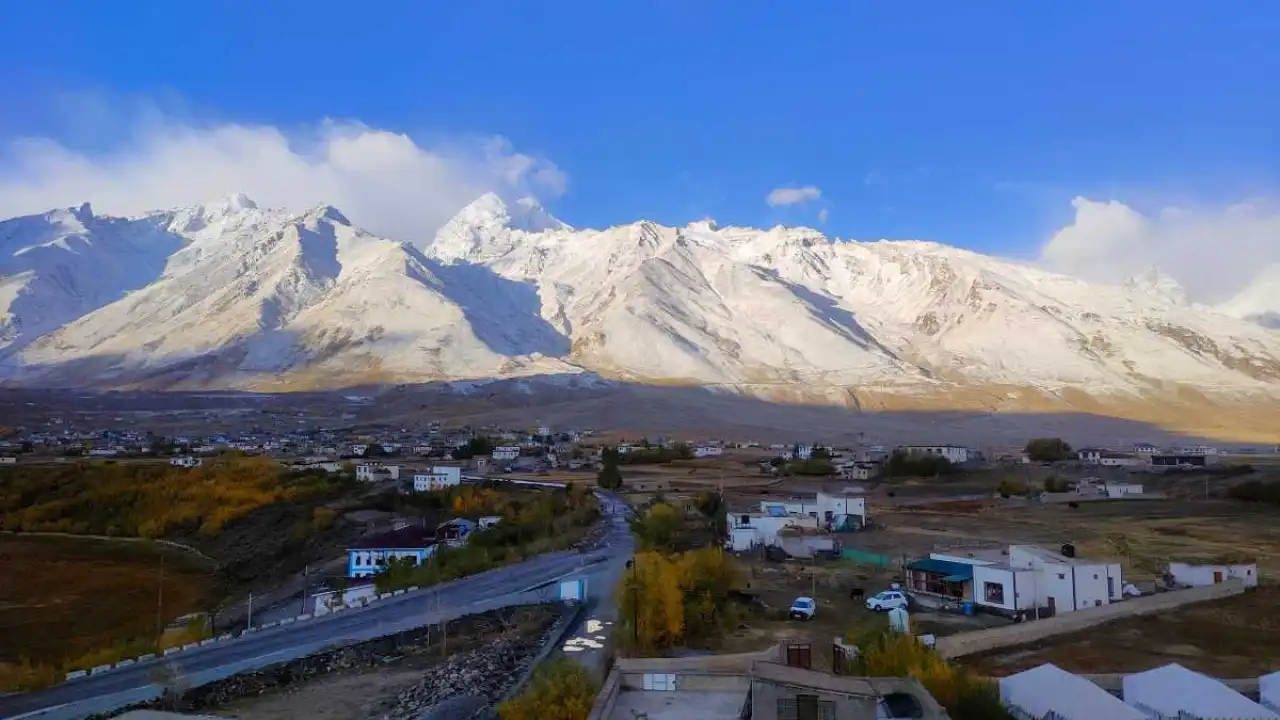
Zanskar isn’t easy. The roads test your patience. Sometimes your back too. There are stretches where you genuinely wonder whether the destination can be worth this much bouncing around inside a vehicle. Then suddenly the landscape opens up and you stop complaining immediately. Massive cliffs. Rivers cutting through valleys. Tiny monasteries sitting impossibly high on mountainsides. The place feels wild in a way many tourist destinations no longer do. And maybe that’s exactly why travelers fall in love with it. You feel far away from everything there. Not just cities. Even normal routines start feeling distant.
Best Experiences Around Zanskar
- Long mountain road trips
- Visiting remote monasteries
- Trekking routes with insane views
- River rafting adventures
- Camping beneath ridiculously clear skies
For travelers looking into curated Domestic Packages focused more on nature and adventure, Zanskar fits beautifully because the experience feels raw instead of overly polished.
Why Hidden Places Matter More Now
Social media changed the way people travel. Sometimes it feels like travelers are collecting proof instead of experiences. Photo. Reel. Drone shot. Leave. But honestly, the moments you remember later usually aren’t planned at all. They’re random. A local uncle insists you drink tea before leaving. An empty road at sunset. A freezing evening where everyone in the guesthouse sits near the kitchen because it’s warmer there. Those are the moments that stay, and these lesser-known corners of Ladakh still offer that feeling before mass tourism fully arrives, especially when explored through a slow-paced Ladakh trip package instead of a rushed itinerary.
Conclusion
Ladakh has always been much bigger than its famous attractions. The real beauty often hides in quiet villages, rough mountain roads, forgotten valleys, and places where silence itself becomes part of the journey. Not every memorable place comes with crowds and cafés and giant signboards.
Sometimes it’s just a small village with a stream running through it and mountains standing quietly in the background. And weirdly, those places end up meaning the most. So if 2026 finally becomes your Ladakh year, maybe leave some space in the itinerary for places nobody talks about enough. The unplanned stops. The slower roads. The quiet corners. Because those are usually the ones you remember long after the trip ends.
Essential Travel Tips for 2026
Things You’ll Actually Need
- Layered warm clothes
- Good sunglasses because sunlight hits hard at high altitude
- Offline maps
- Medicines for altitude sickness
- Proper shoes, not fashionable sneakers that give up after one walk
Important Things People Ignore
- Don’t rush acclimatization after reaching Leh
- Drink more water than you think you need
- Keep fuel backup during long routes
- Respect monastery rules
- Avoid littering, especially in remote valleys
Pro Tip
The slower you travel in Ladakh, the better it gets.