Hidden Places in Europe for Unexplored Europe Destinations
Introduction
Europe has been talked about endlessly. Blogs, reels, guidebooks, bucket lists. Sometimes it feels like every street has already been walked and rated. Paris, Rome, and Barcelona are great places, honestly. But after a point, something changes. You stop wanting highlights. You start wanting space. Quiet. A place where the day isn’t planned down to the minute.
That’s where Hidden Places in Europe start to matter. Not places that are secret or impossible to reach, just places that don’t try too hard. Places where life keeps moving at its own speed. You hear people talking to each other, not narrating into phones. You sit longer. You walk more slowly. And nothing feels staged. This blog isn’t about discovering something no one has ever seen. It’s about choosing places most people rush past without thinking twice. Towns that don’t advertise themselves, but quietly reward anyone patient enough to stay.
Why Look Beyond the Usual European Map?
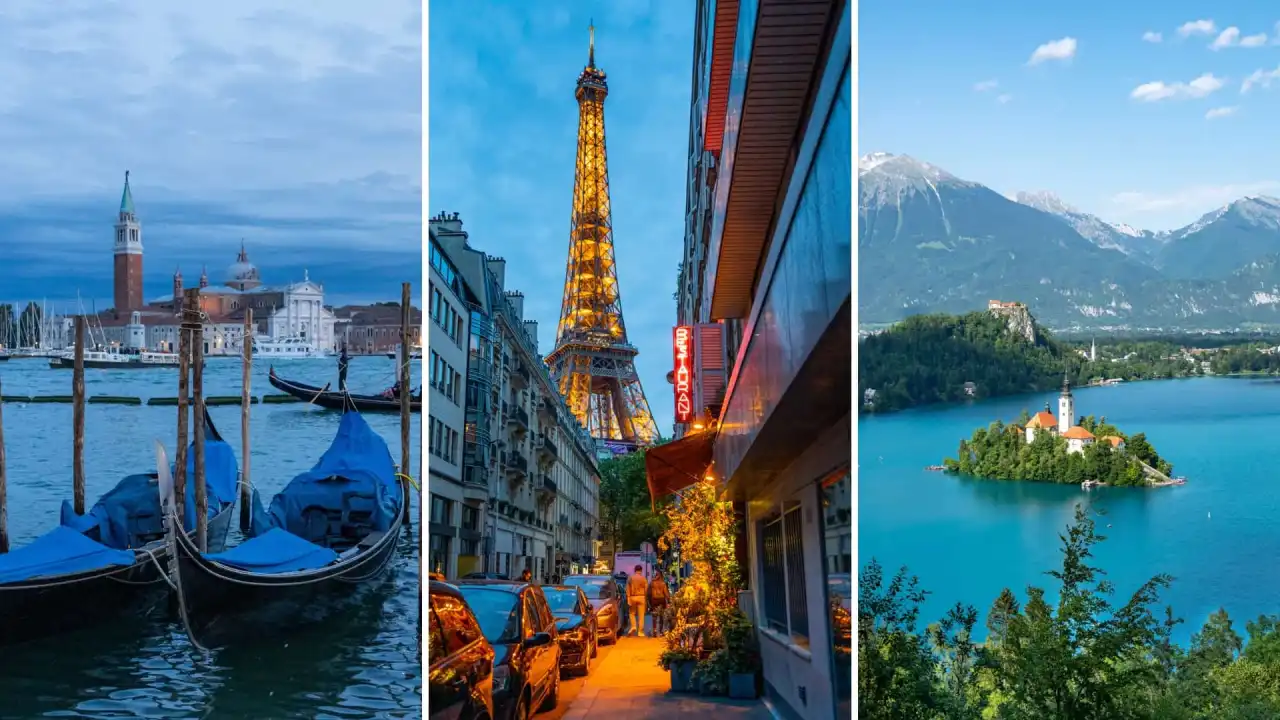
Popular destinations are popular for a reason. They’re beautiful. They’re historic. They’re exciting. But they’re also crowded, noisy, and often exhausting. After a few trips like that, memories start blending. Same photos. Same angles. Same long queues.
When you choose less obvious places, the trip shifts in small but important ways.
- You talk to locals who aren’t tired of tourists
- Meals cost less and feel more personal
- Days don’t feel rushed or overplanned
- Little moments stick more than big attractions
It’s like choosing a smaller road instead of the highway. You might not get there faster, but you’ll remember more of the drive.
Pro tip: If a town doesn’t come with a long checklist of “must-see” spots, that’s usually a good thing.
Albarracín, Spain – A Town That Refuses to Hurry
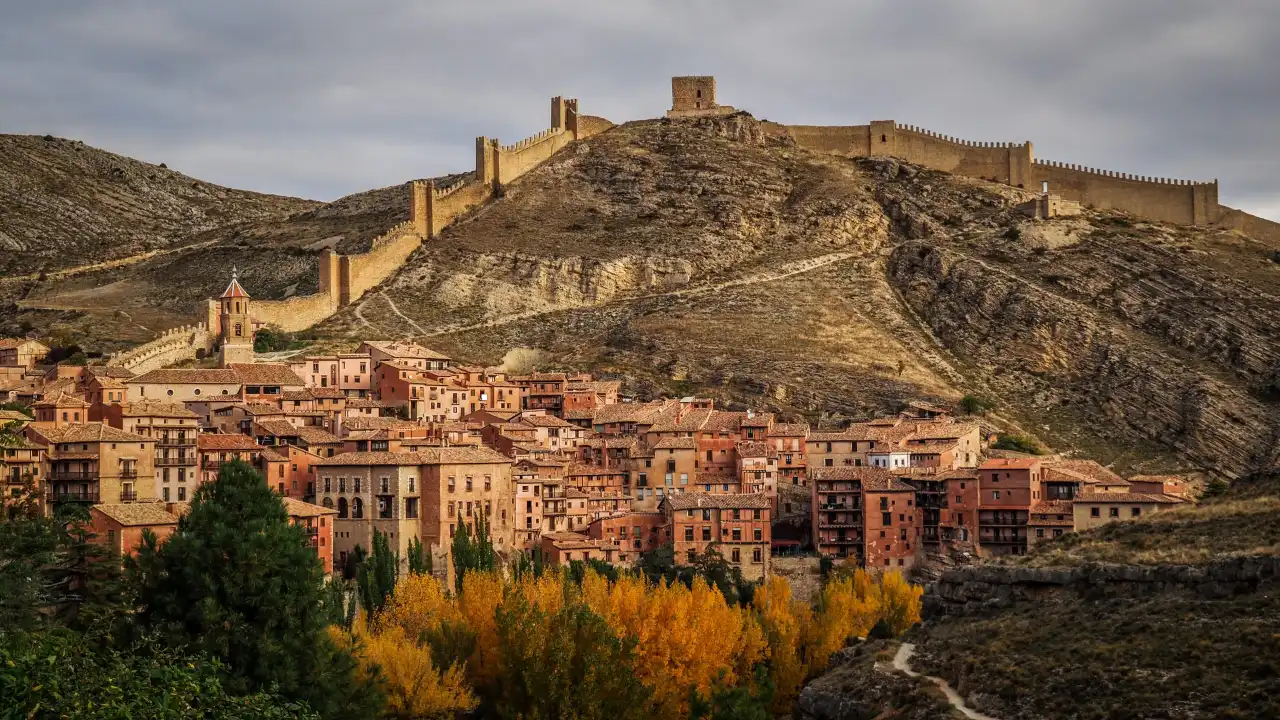
Albarracín sits quietly in eastern Spain, wrapped in soft pink stone and streets that bend instead of going straight. Nothing here feels designed for visitors. And that’s exactly why it works. You don’t arrive with a plan. You just walk. Past wooden balconies that lean a little too far out. Past laundry hanging where it’s always been hung. Your footsteps echo. Then disappear. There’s no main attraction pulling you forward. The town itself is the experience.
Why slow travelers love it:
- Small enough to explore without thinking
- Cafes where no one rushes you out
- Views that show up when you least expect them
It’s one of those unexplored europe destinations where daily life is the draw, not a monument or museum.
Pro tip: Stay the night. When day visitors leave, the town feels like it exhales.
Piran, Slovenia – Coastal Calm Without the Crowd
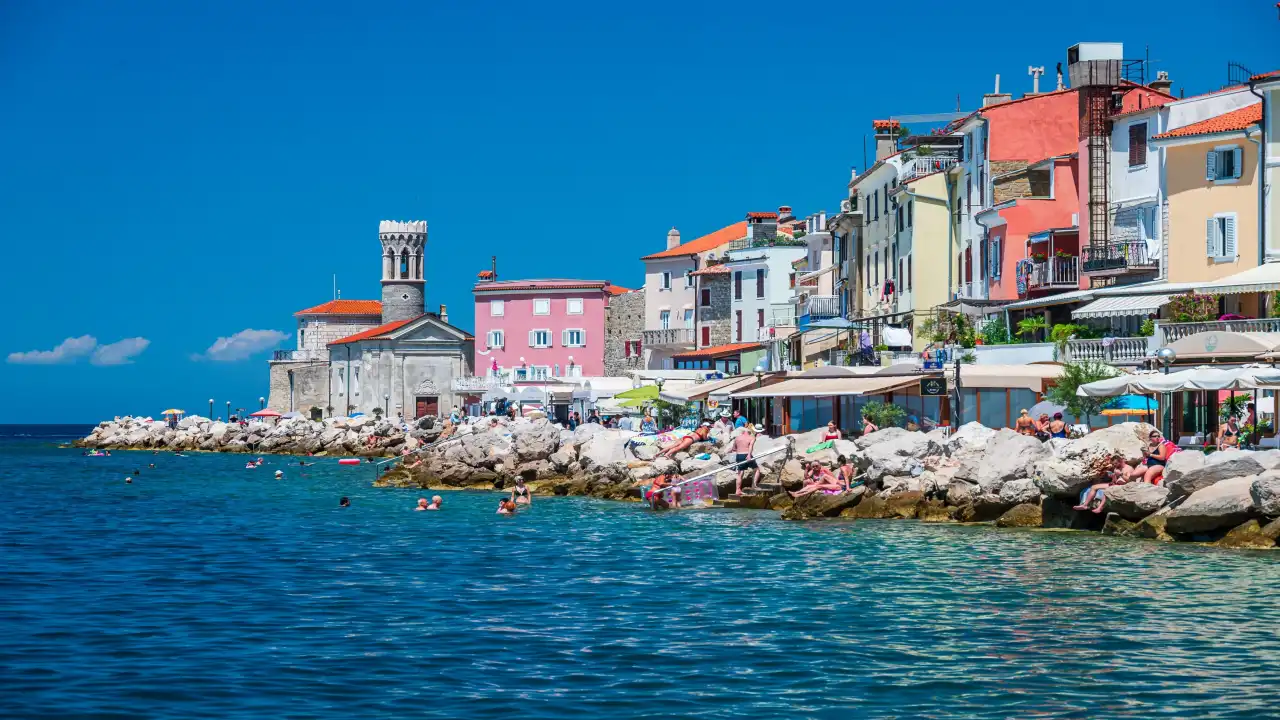
Slovenia’s coastline is short. Maybe that’s why Piran feels so untouched. Tucked between Italy and Croatia, this small seaside town has old Venetian buildings, open sea views, and a pace that never feels forced. There are no sandy beaches packed with umbrellas. Instead, locals sit on stone platforms and jump straight into the water. No drama. No rush. Evenings are quiet. A walk by the harbor. Dinner that takes longer than planned.
What makes Piran stand out:
- An old town you can cross on foot
- Seafood that tastes honest, not tourist-made
- Sunsets that don’t need an audience
This is offbeat Europe travel in its simplest form. Nothing flashy. Just steady, comfortable, calm.
Perast, Montenegro – A Quieter View of the Bay
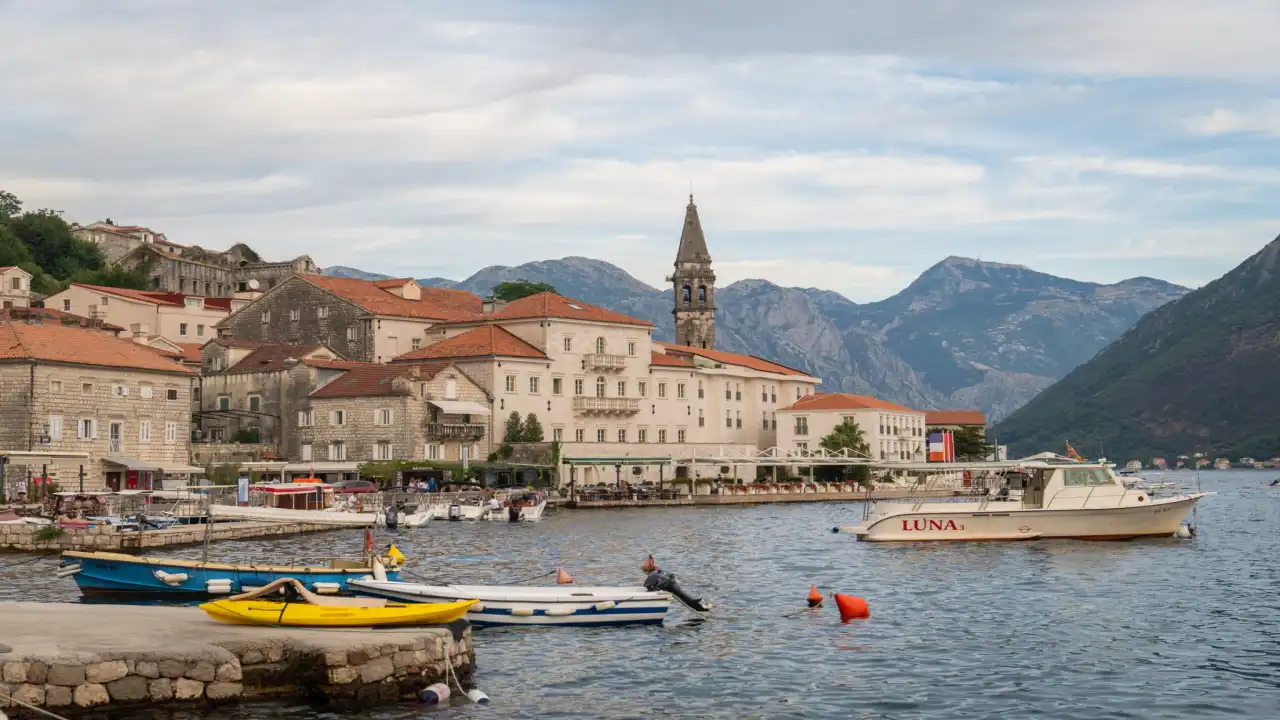
Most people visit Kotor, take photos, then move on. A short drive away is Perast, and it feels like the version of Kotor that stayed behind when everyone else left. Perast doesn’t show off. A few churches. A long waterfront. Boats are moving slowly all day. Mountains reflecting off the bay like they’ve been doing forever. You sit longer here. You notice the light change.
Why Perast stays with you:
- Very few crowds, even in busy months
- Waterfront meals that don’t feel timed
- Easy access to quiet boat rides
Pro tip: Go early in the morning. The town feels almost private then.
Dinant, Belgium – More Than a Day Stop
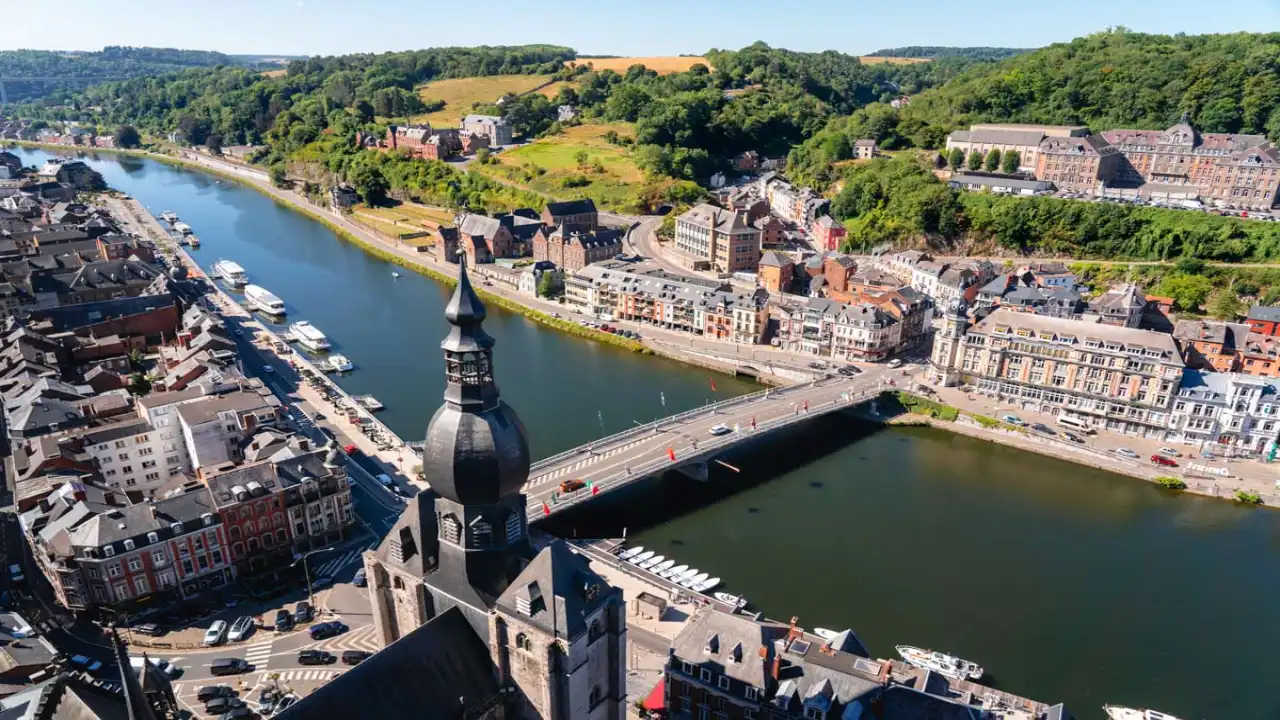
Dinant often gets treated as a quick stop between bigger Belgian cities. That’s unfortunate. It deserves more than a few hours. Set along the Meuse River, Dinant feels gentle. Colorful houses. A dramatic cliff behind them. A pace that feels lived-in, not planned. Mornings drift by. Afternoons are for walking. Evenings stay quiet.
Why staying longer matters:
- Scenic riverside walks without crowds
- Friendly locals who actually have time
- Food that feels homemade, not commercial
Dinant proves that smaller towns often leave bigger impressions.
Berat, Albania – The City of a Thousand Windows
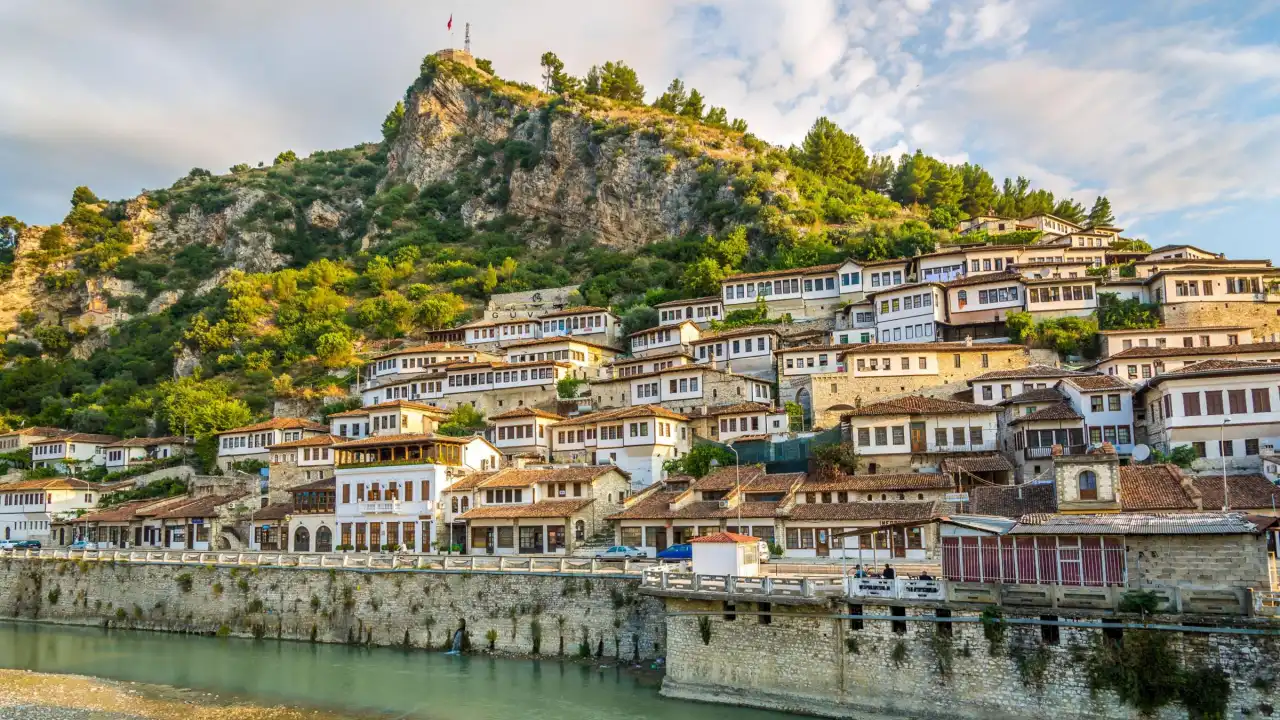
Albania is still overlooked by many travelers, and Berat shows exactly why that’s a mistake. Built along a hillside, its houses stack upward, windows facing outward like they’re watching the day pass. This isn’t a place frozen in time. It’s alive. Kids play outside. Neighbors talk across balconies. Cafes fill with locals, not tour groups.
What makes Berat special:
- A strong local character
- Affordable places to eat and stay
- History mixed naturally into daily life
You stop feeling like a visitor pretty quickly here. You just blend in.
Vík í Mýrdal, Iceland – Quiet Moments on the Black Sand Coast
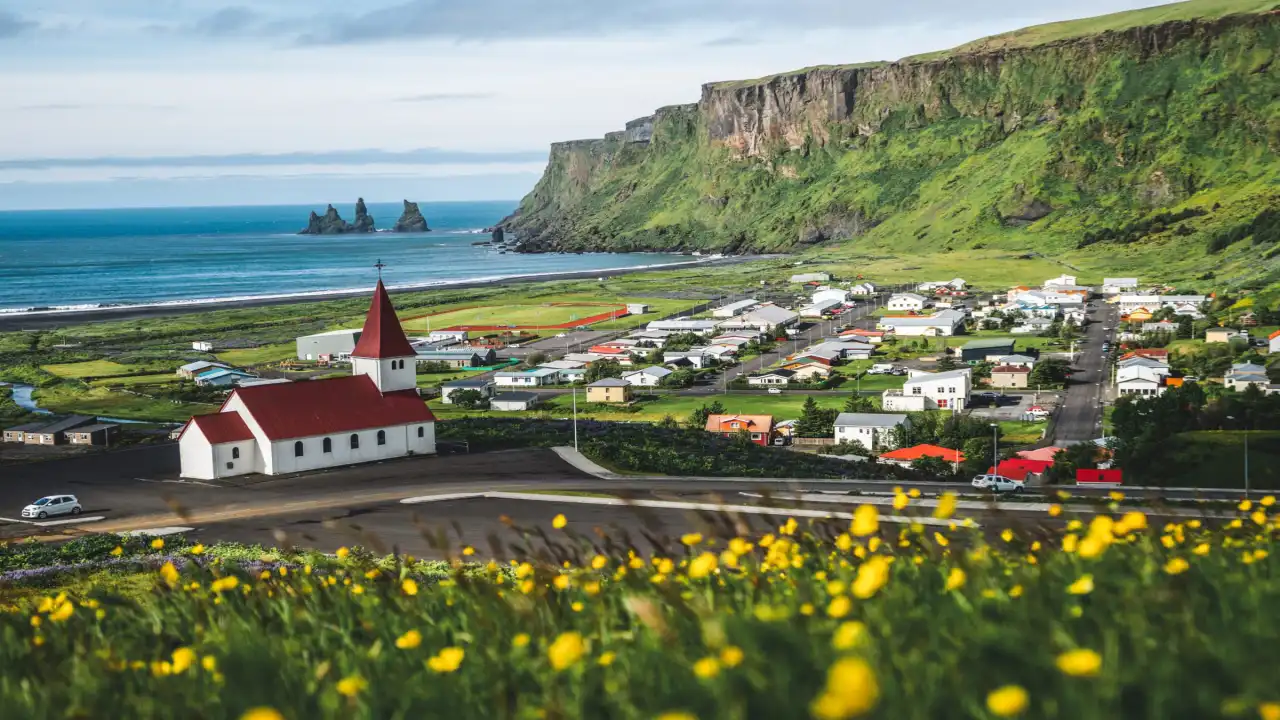
Iceland often feels like a race. Waterfalls, viewpoints, photo stops. Near Vík, if you slow down, things change. Instead of chasing landmarks, you walk black sand beaches in silence. You watch the weather roll in. Sometimes nothing happens for hours and that’s the point.
Why slowing down here works:
- Fewer people leave the main route
- Nature feels raw and untouched
- Time stretches instead of disappearing
Pro tip: Don’t overbook Iceland. Leave space to do nothing.
What Makes These Places Truly Special?
It’s not just about being less famous. It’s about how they make you feel.
- Less pressure to see everything
- More space for small, personal moments
- A stronger connection to everyday life
These places don’t perform. They don’t try to impress. They just exist, and that’s enough.
Planning a Trip Around Hidden Destinations
This kind of travel needs a different approach.
- Fewer stops, longer stays
- More walking, less scheduling
- Asking locals instead of following lists
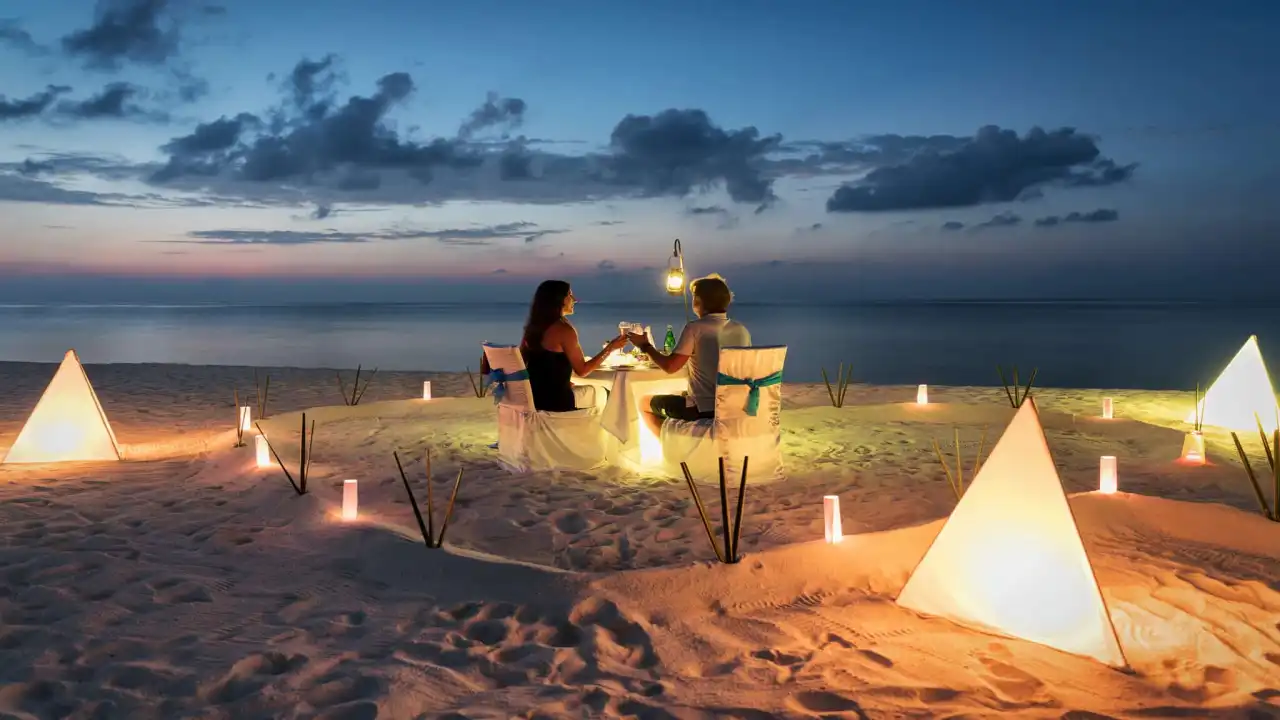
Whether you’re building your own route or choosing Europe trip packages, flexibility matters. Quiet destinations also work well for honeymoon tours where time together matters more than ticking boxes. Families benefit too. Less chaos. Less rushing.
Conclusion
Europe hasn’t run out of beauty. It’s just easier to find it when you stop chasing it. These quieter places don’t replace famous cities. They balance them. If you’ve ever come home from a trip and realized your favorite memory was an unplanned walk, a long coffee, or a random conversation, then you already understand this kind of travel. It’s the sort of feeling no fixed itinerary or neatly bundled international trip package can really promise in advance. The best stories often come from places you didn’t expect to love but somehow did.
Practical Tips for Exploring Lesser-Known Europe
- Travel during shoulder season
- Learn a few local words helps
- Respect daily routines
- Spend money at local places
Pro tip: Menus without English translations are often a good sign.