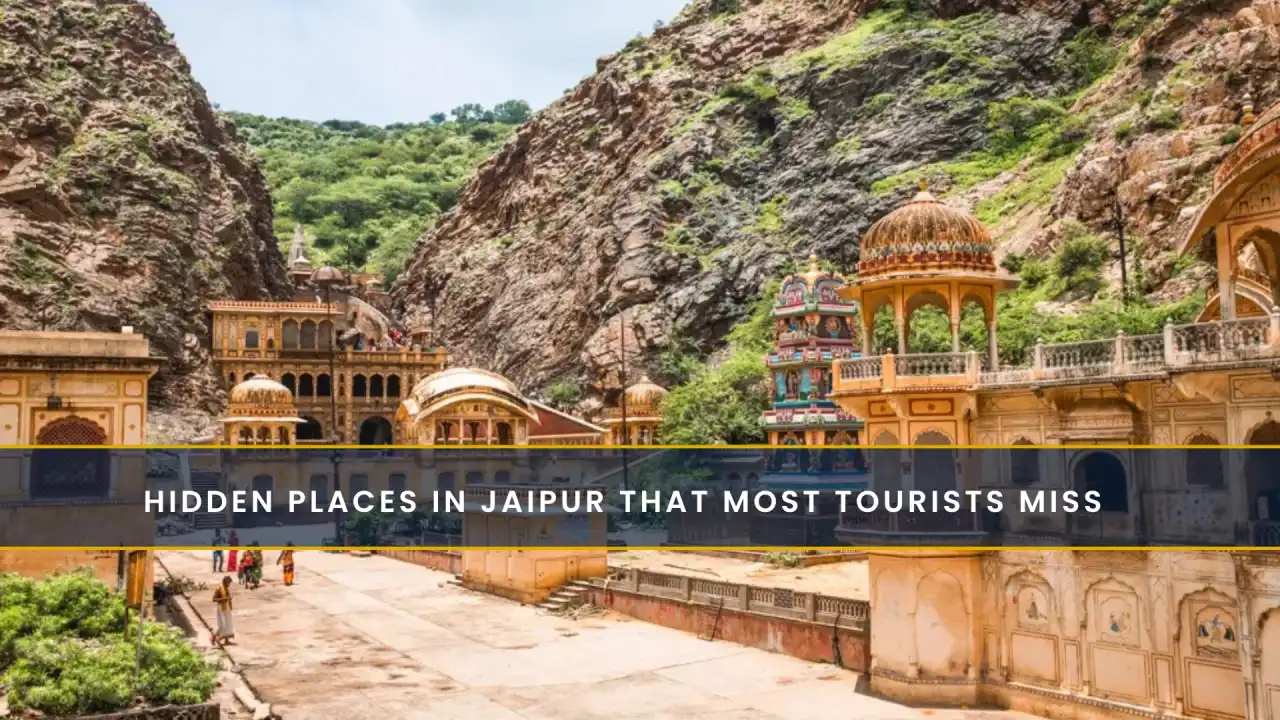
Hidden Places in Jaipur That Most Tourists Miss
Introduction
Most people land in Jaipur with a plan. A proper one. Forts, palaces, markets, maybe a few “famous photo spots” they’ve already saved on their phone. And honestly, that’s fine. Those places are worth seeing. But that’s not the whole city. Not even close. There’s another side of Jaipur that doesn’t really show up on those lists. You don’t find it by searching too hard either. It kind of appears when you stop trying so much, when you take a random turn, or skip something “important” just because you don’t feel like it. That’s when things get interesting. The hidden places in Jaipur aren’t loud about themselves. No big boards, no rush, no “stand here for photo” energy. They just exist. And if you give them time, they start to grow on you in a way the crowded spots sometimes don’t.
1. Panna Meena Ka Kund: Geometry, Silence, and Stillness
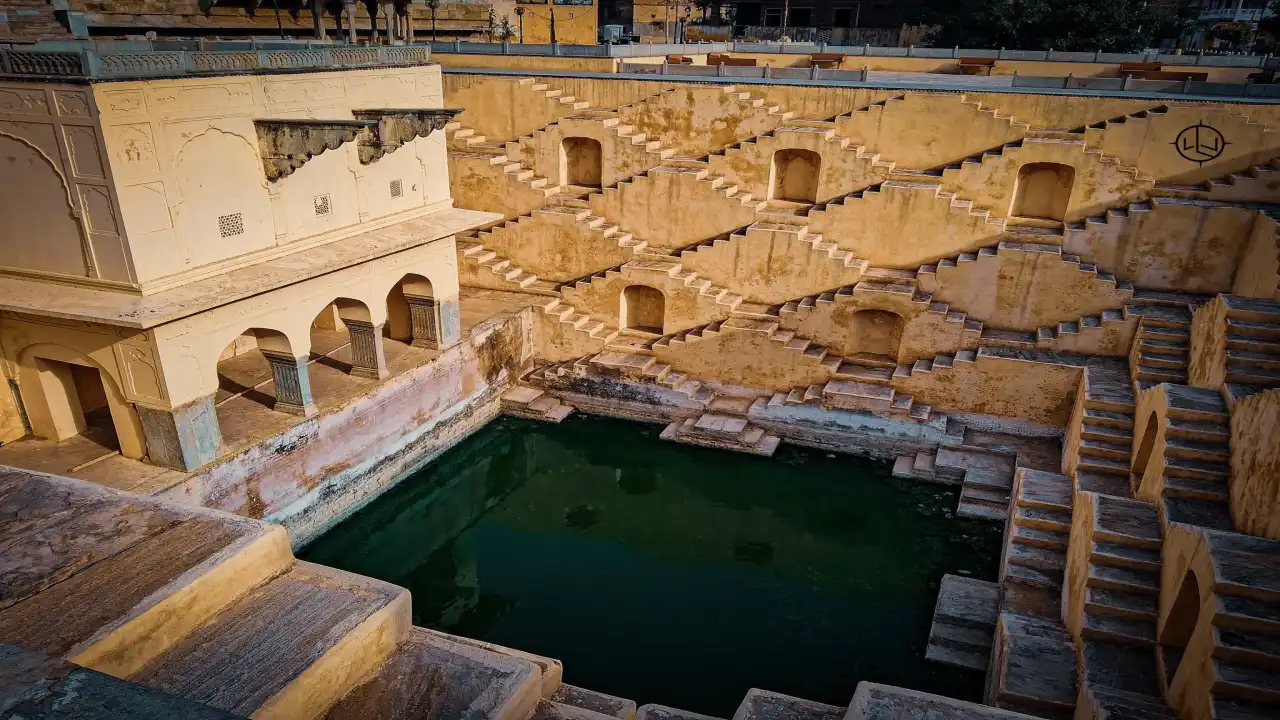
At first, you might think it’s just a stepwell. Nothing dramatic. Then you stand there for a minute. And something shifts. The steps go down in this almost hypnotic pattern. Perfect lines, sharp angles, shadows falling in ways that look intentional, even if they weren’t meant to be admired like this. You don’t just look at it, you kind of get pulled in. People behave differently here, too. No rushing. No loud talking. Some just sit quietly, staring at the patterns like they’re trying to figure something out.
What makes it special:
- Those perfectly repeating stair patterns (hard to stop looking at them)
- A calm that feels unexpected
- Surprisingly good for photos without people everywhere
Pro Tip: Go early. The morning light hits differently, softer, less harsh, and the place feels almost empty.
2. Galtaji Temple (Monkey Temple): A Different Kind of Spiritual Experience
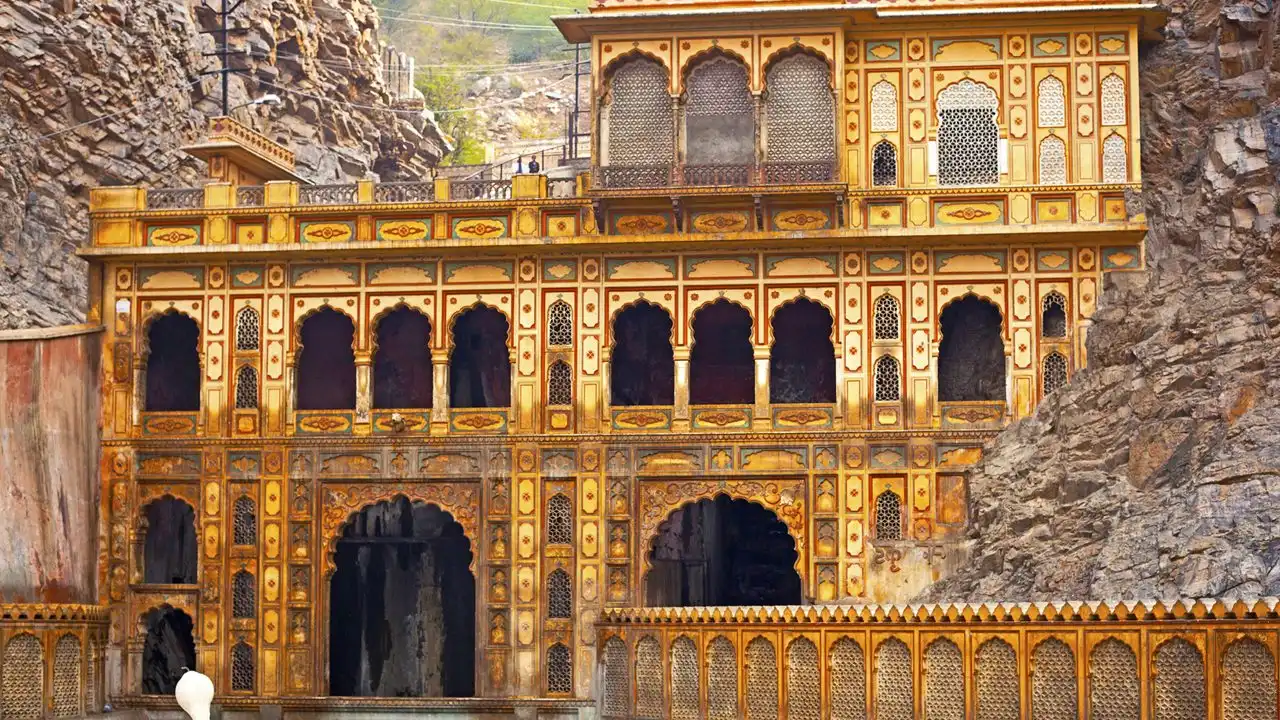
Getting here is half the experience, honestly. The road slowly starts feeling less like a city road. Hills come in from both sides. Monkeys show up out of nowhere (and yes, they will stare at you like you’re the tourist, which you are). By the time you reach the temple, you already feel a bit removed from Jaipur, as if you stepped out without realizing it. The water tanks, those natural kunds, are what stay with you. Still water, old structures, a quietness that doesn’t feel forced. It just exists.
Why it stands out:
- Natural spring-fed water tanks
- A peaceful, slightly surreal setting
- That mix of chaos (monkeys) and calm (temple)
Pro Tip: Wear proper shoes. The walk isn’t too hard, but it’s not casual either.
3. Chandlai Lake: Where the City Doesn’t Follow You
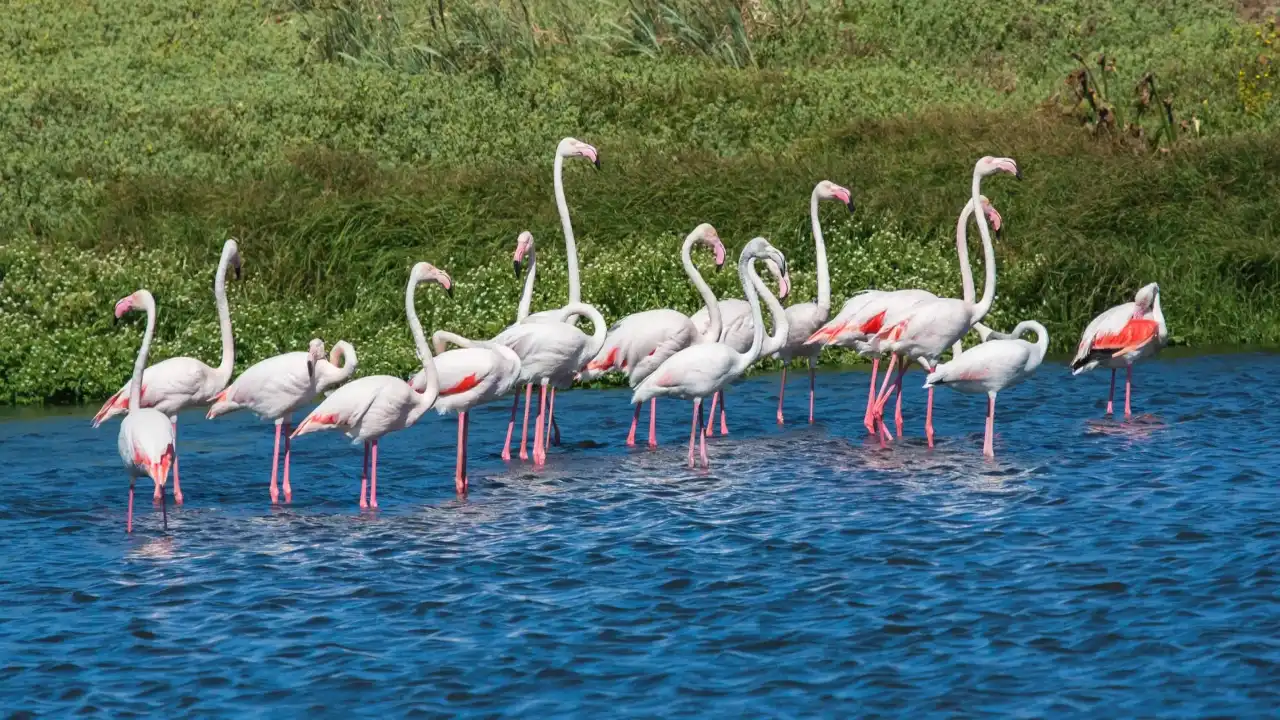
This one’s a bit outside Jaipur, and you’ll feel that distance in a good way. No overdevelopment. No cafés trying to “capture the vibe.” Just open space, water, and birds doing their thing. If you sit here long enough, you should start noticing small things. Ripples in the water. A bird landing, then taking off again. The kind of silence that isn’t empty, just slow.
Best for:
- Birdwatching (especially if you’re into that)
- Sunsets that don’t feel staged
- Doing nothing without feeling guilty about it
Pro Tip: Bring your own snacks and water. There’s not much around.
4. Abhaneri Step Well (Chand Baori): Depth That Feels Endless
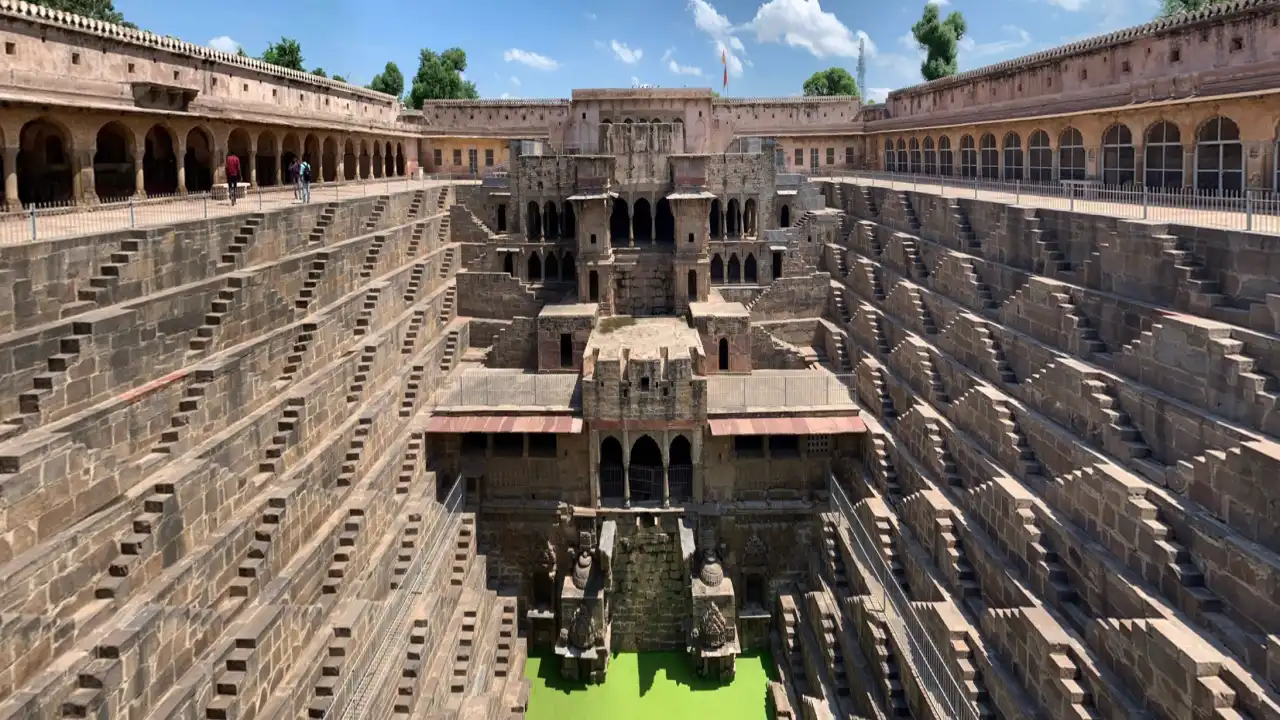
This one isn’t exactly in Jaipur, but skipping it would feel wrong. The first time you see Chand Baori, it doesn’t fully register. Like your brain needs a second to catch up. The depth is intense. The steps just keep going and going. Photos don’t really prepare you for it. They flatten everything. In real life, it feels bigger. Heavier somehow.
What you’ll notice:
- Thousands of steps (over 3,500, apparently)
- Patterns that look almost too precise
- A strange mix of beauty and overwhelm
Pro Tip: Walk around it. Don’t just stand in one spot; each angle feels like a different place.
5. Sisodia Rani Garden: A Break from the Usual Royal Grandeur
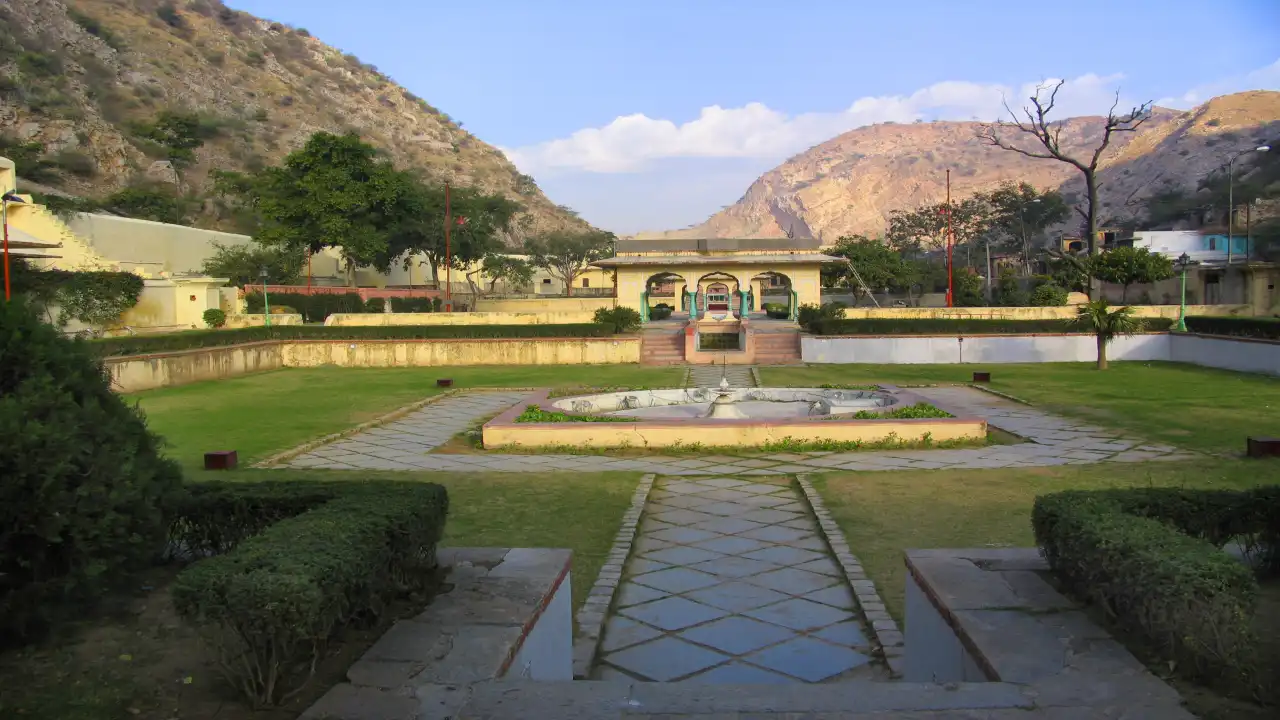
Jaipur can feel a bit grand all the time. Big forts, big stories, big everything. This place is different. Softer. Quieter. You’ll notice small details here, paintings on walls, pathways that don’t lead anywhere important, little corners where you can just sit. It doesn’t try to impress you. And that’s exactly why it works.
Why visit:
- Beautiful murals if you look closely
- Less crowded than you’d expect
- A calm, almost personal vibe
Pro Tip: Don’t rush through it. It’s not that kind of place.
6. Nahargarh Step Farm: The Unexpected Side of Jaipur
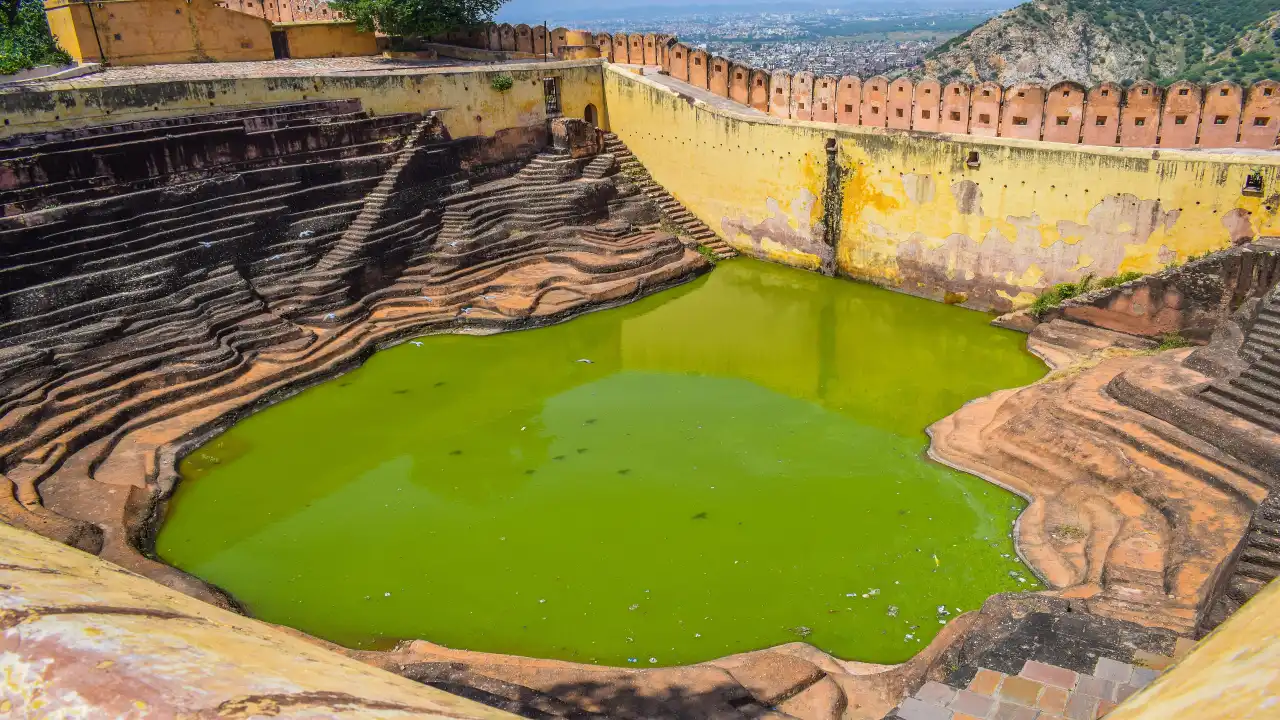
This one feels slightly random, and maybe that’s why it’s interesting. Near Nahargarh Fort, but not something most people even know exists. The step farm looks raw, not polished, not maintained in a “tourist-ready” way. But that’s the charm. It feels real.
What to expect:
- Terraced farming structures
- Quiet views without crowds
- A side of Jaipur that feels less curated
Pro Tip: Pair it with Nahargarh, but don’t rush. This place needs a bit of wandering.
7. Kanota Dam: Still Water, Open Sky
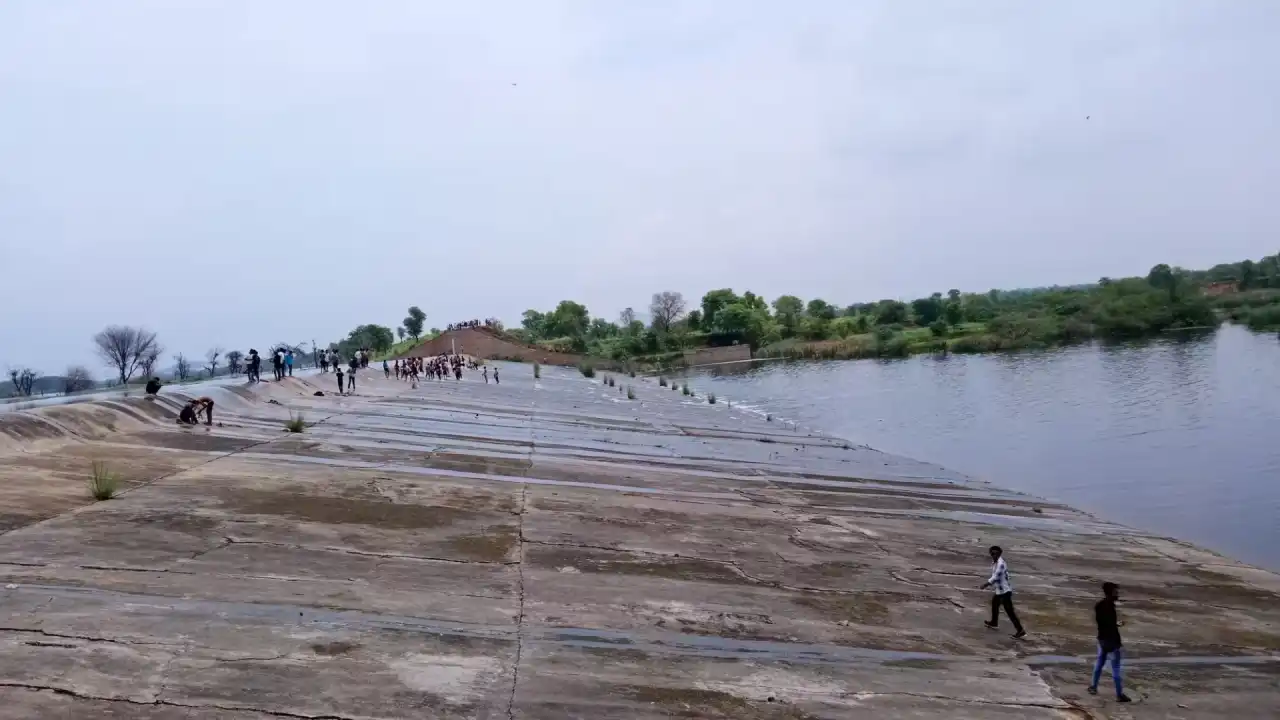
Some places don’t need a description. This is one of them. Kanota Dam is simple. Water. Sky. Silence. That’s it. And weirdly, that’s enough. You sit there, maybe for longer than you planned, watching reflections that don’t change much. Time feels slower here. Or maybe you just notice it more.
Perfect for:
- Quiet picnics
- Photography (especially reflections)
- Taking a break from everything
Pro Tip: Sunset is the best time. The light softens, and everything looks calmer.
8. Jawahar Kala Kendra: Where Culture Feels Alive, Not Displayed
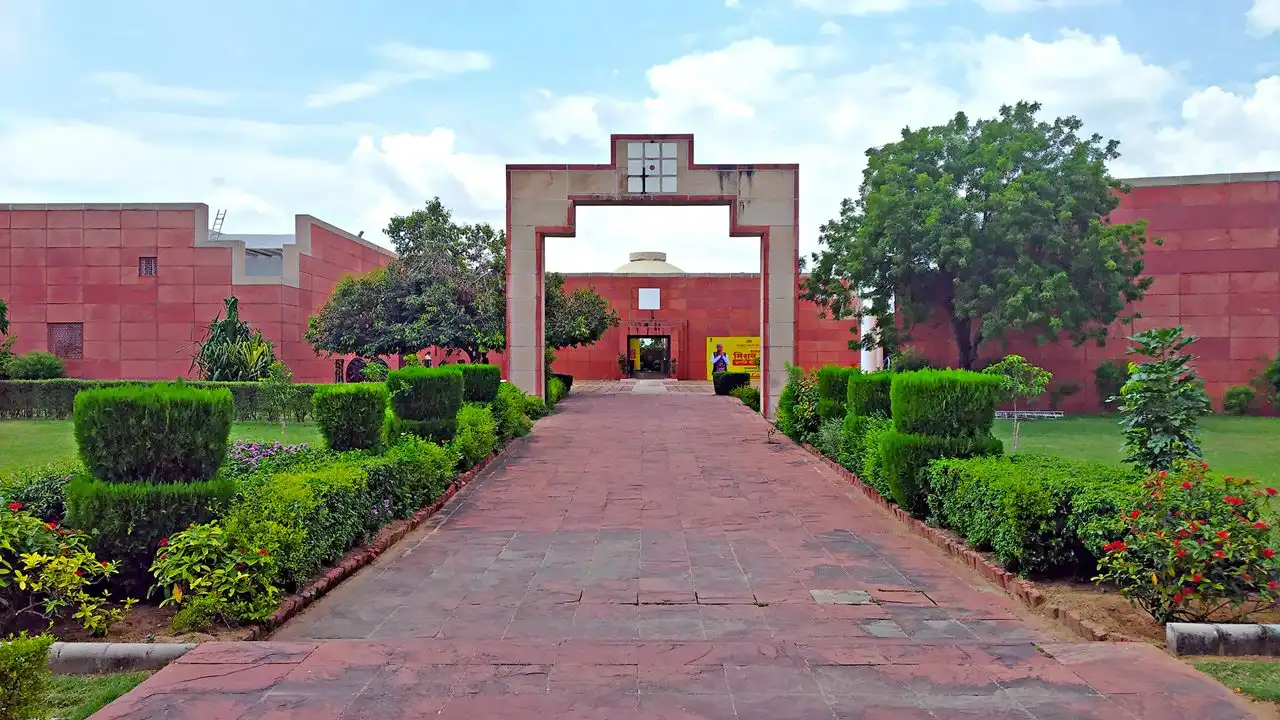
This place feels different from the usual Jaipur vibe. More modern, but still connected to the city somehow. It’s not just about looking at art. It’s about being around people, performances, and random exhibitions you didn’t plan for. Sometimes you walk in without expectations and end up staying longer than you thought.
Why it’s worth your time:
- A mix of art, theatre, and open spaces
- Interesting architecture
- Always something happening (usually)
Pro Tip: Check what’s on before you go. You might catch something unexpected.
9. Sargasuli Tower: A Viewpoint Few Think Of
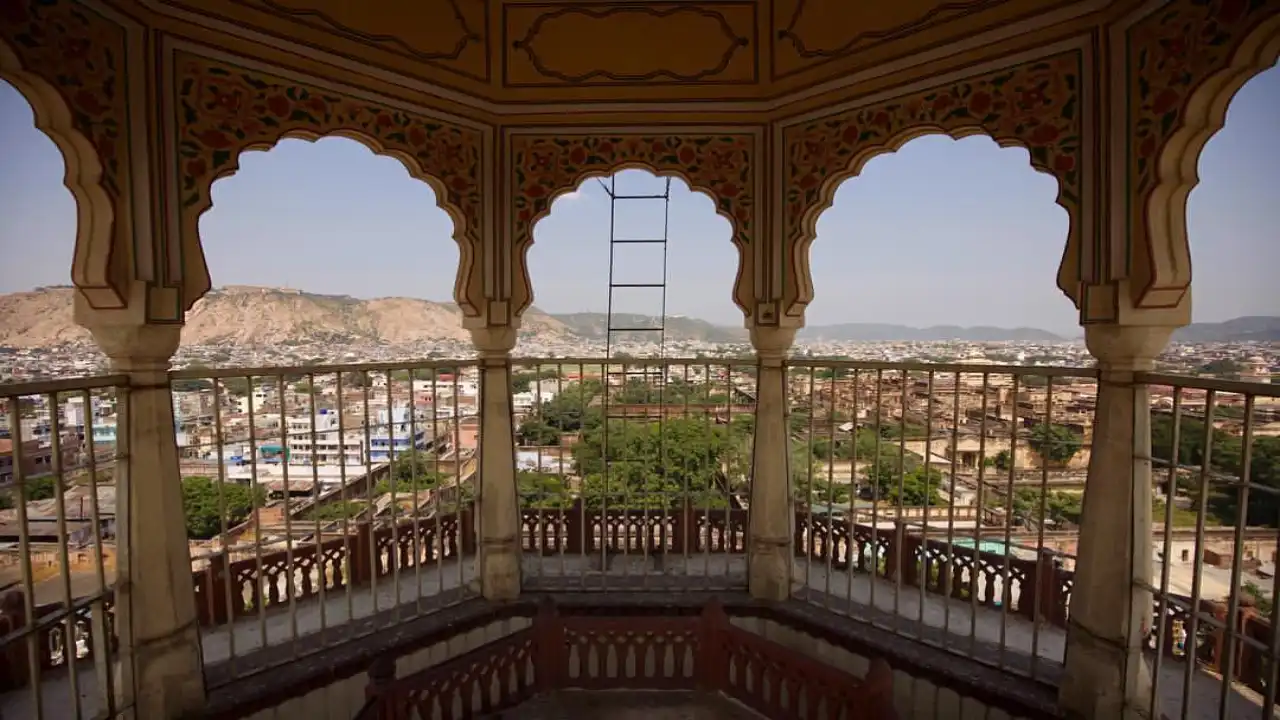
Most people go to Nahargarh for the views, which is great, but also crowded. Sargasuli Tower is quieter. Less obvious. The climb is a bit tight, slightly old-school, nothing fancy. But when you reach the top, Jaipur spreads out in front of you without the usual noise.
Highlights:
- Wide city views
- Fewer people around
- Feels like you found it yourself
Pro Tip: Evening works best. The light’s softer, and it’s less busy.
10. Anokhi Museum of Hand Printing: Stories in Fabric
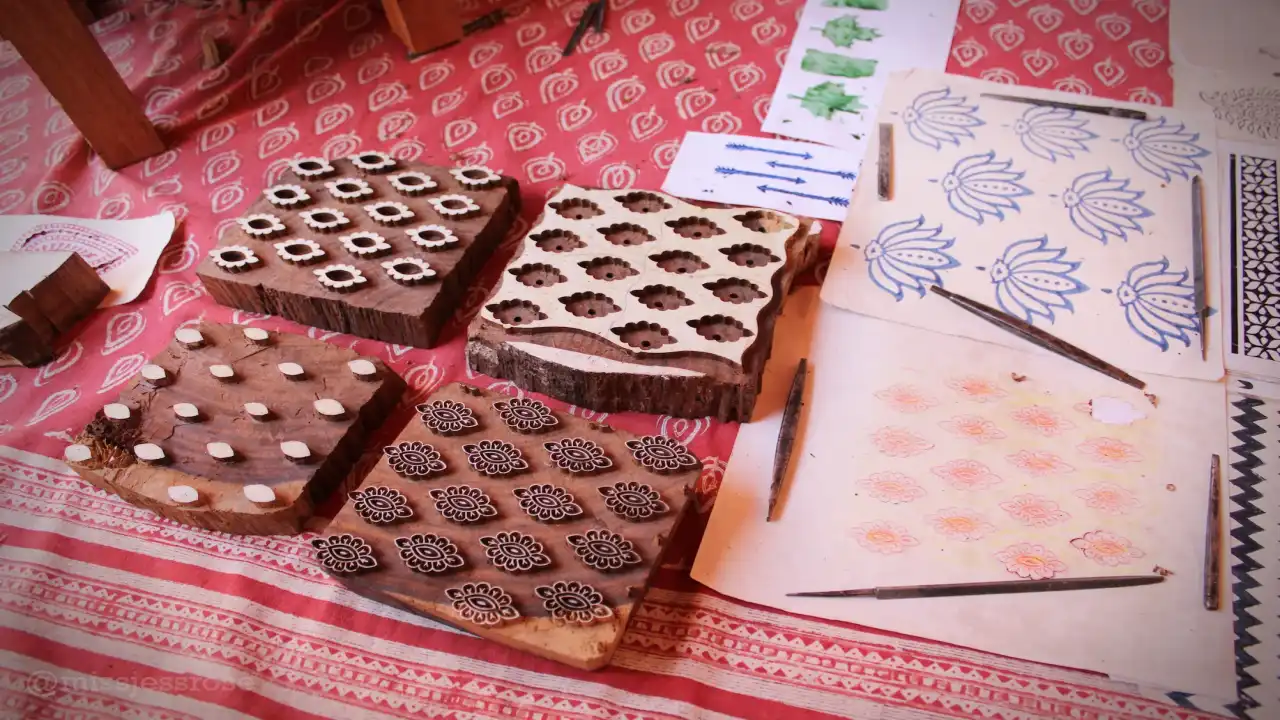
You might think it’s just another museum. It’s not. This place slows you down in a different way. You start noticing patterns, textures, techniques, things you’d normally ignore. There’s history in those fabrics. Not in a heavy, boring way. More like quiet stories stitched into designs.
Why it stands out:
- Traditional block printing is explained well
- Interactive, not just “look and leave.”
- A beautifully restored space
Pro Tip: Read the details. That’s where the real value is.
Exploring Beyond the Obvious
Jaipur isn’t just what you see on postcards. It’s layered. Messy in places. Surprisingly calm in others. These offbeat places in Jaipur don’t try to compete with the big attractions. They offer something else, something slower, more personal. And if you keep exploring, you’ll probably find your own spots too. That random street, a quiet café, a view you didn’t expect. That’s where it gets real.
How to Plan Your Trip Smartly
You don’t need a strict plan for this kind of trip. In fact, that might ruin it a bit.
Just keep a few things in mind:
- Mix the popular spots with quieter ones
- Leave some time unplanned (seriously, it helps)
- Start early; it makes everything easier
A flexible Rajasthan trip package can also help if you don’t want to handle everything yourself but still want some freedom.
Conclusion
The thing about Jaipur is that it doesn’t reveal itself all at once. The famous places? You’ll remember them, sure. But the quieter ones, the ones you almost skipped, stay longer. They don’t try to impress you. They just feel real. And somehow, that’s what you end up thinking about later, those quiet corners, unexpected views, and slow moments that didn’t feel planned. The kind you don’t usually find in a fixed itinerary, even when you’re browsing through different Domestic Packages, because they tend to appear only when you leave a little room for the unplanned.
Pro Travel Tips for a Better Experience
- Go slow: These places don’t work if you rush
- Talk to locals: They often know better than Google
- Carry basics: Water, snacks, comfortable shoes, simple but important
- Respect the place: Not everything needs to be turned into a “spot.”