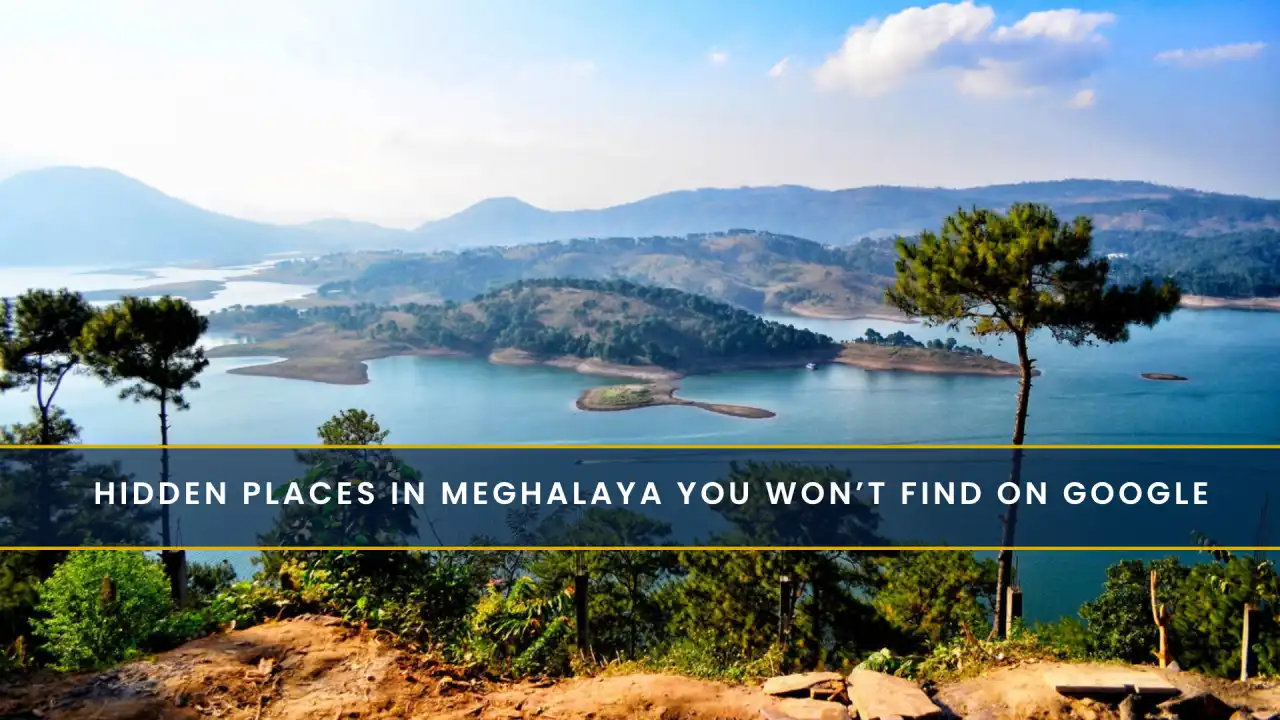
Hidden Places in Meghalaya You Won’t Find on Google
Introduction
On some trips, you plan everything. Like, properly plan. Bookings done weeks in advance, screenshots saved, Google Maps starred like you’re preparing for an exam. And then there’s Meghalaya. You land there thinking you’ve got a plan, and within a day or two, it quietly falls apart. Not in a bad way. Just gently. Like the place is nudging you to loosen up a bit.
When people look up Hidden places in Meghalaya, they usually want a neat list: names, routes, maybe a few Instagram angles. But honestly, that’s not how this place works. The best bits? They don’t show up like that. You kind of stumble into them. Or someone mentions something casually. Or you take a turn because the road looked interesting, and suddenly you’re somewhere you didn’t expect. This isn’t really a checklist. It’s more like a bunch of moments. Places that don’t announce themselves loudly but somehow stay with you longer than the “must-visit " ones.
1. Kongthong’s Whispering Paths: Where Names Are Songs
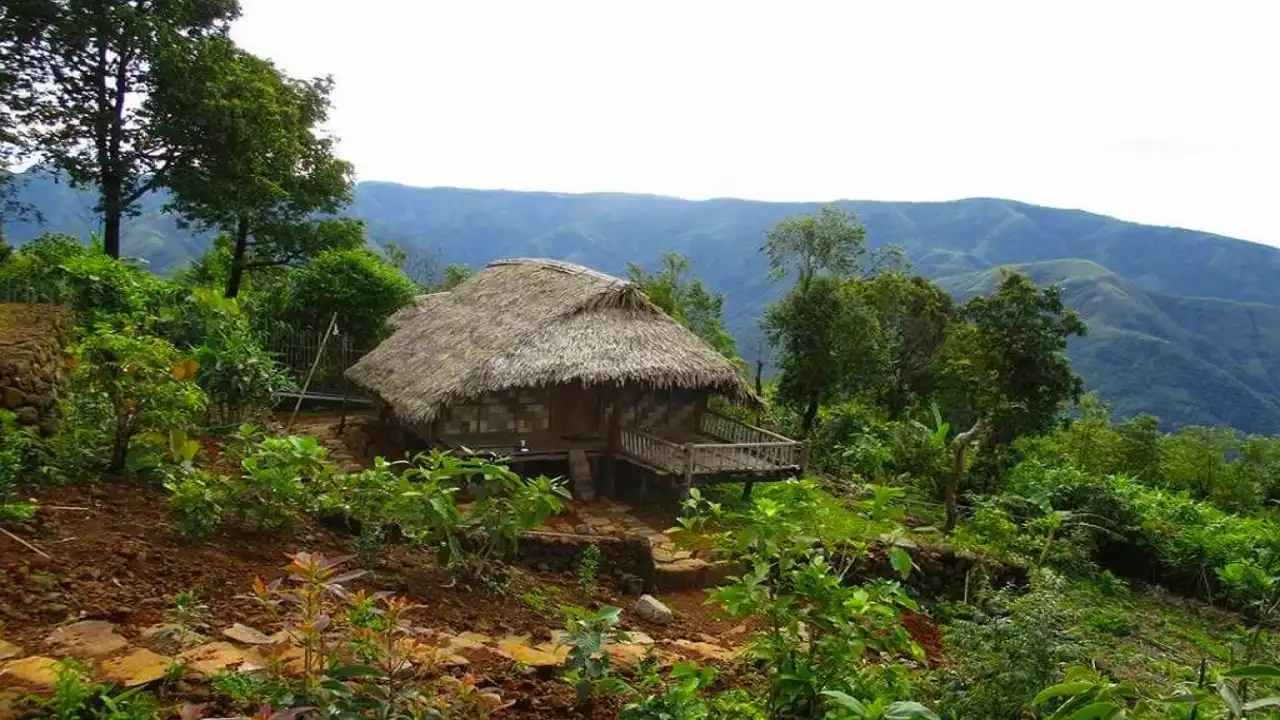
Kongthong is known as the “Whistling Village,” but that’s not the only part of the story. But when you’re actually there, it’s quieter than you’d imagine. Not silent, just soft. What you will not expect is how nice it feels just to walk. No destination, no rush. Just those narrow paths leading out of the village, slipping into patches of forest that feel almost untouched. You don’t really see signboards. Or crowds.
Just:
- Little wooden bridges that creak slightly when you step on them
- Sunlight shows up randomly in open patches, like it found a gap and decided to stay
- People humming or whistling in the distance, not for you, just because
And weirdly, that’s enough.
Pro Tip: Sit somewhere. Seriously. Do nothing for 10–15 minutes. It feels awkward at first, then suddenly it doesn’t. That’s when the place starts making sense.
2. Mawphlang’s Forgotten Corners Beyond the Sacred Grove
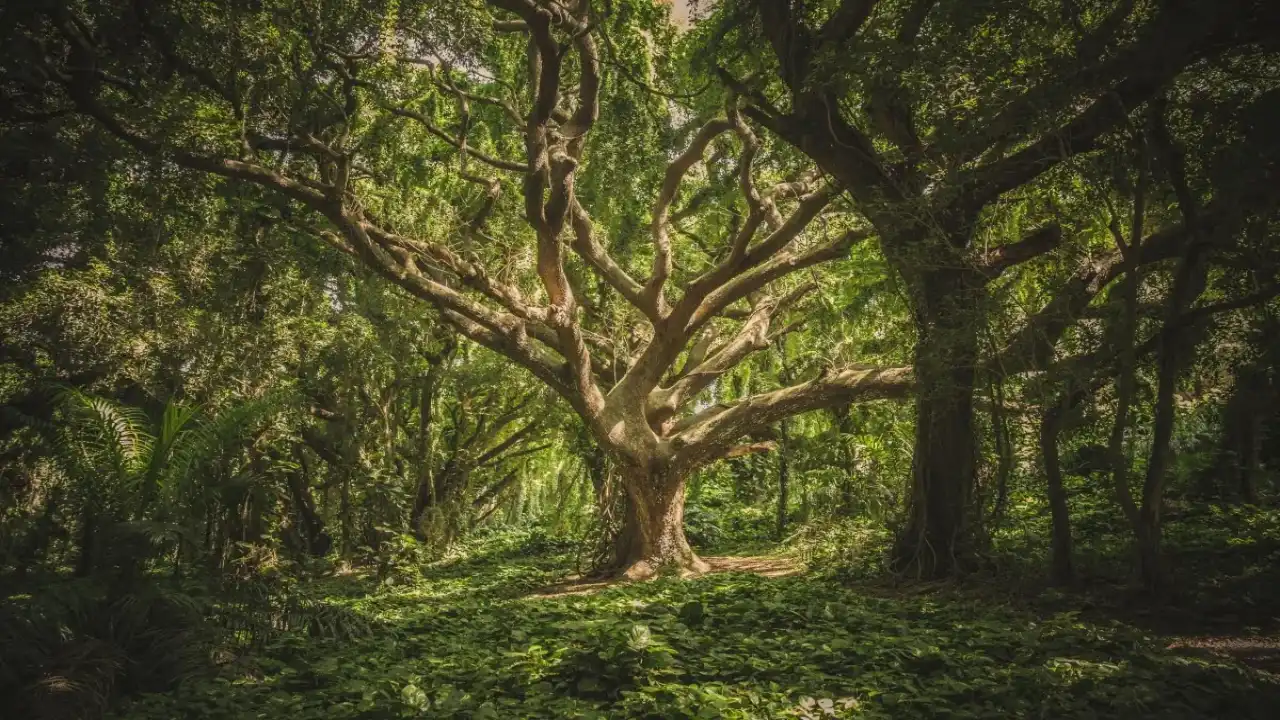
Everyone talks about the Sacred Grove in Mawphlang, and yes, it’s beautiful. But if you walk a little further out, away from guided paths, you’ll find something even more interesting. There are stretches of forest where the silence feels different. Not empty, just undisturbed. Moss grows thicker, trees look older, and the air feels cooler for no clear reason.
You’ll notice:
- Moss is getting denser under your feet
- Trees that don’t look planted or managed in any way
- Air that suddenly feels cooler, and you’re not sure why
This side of offbeat Meghalaya doesn’t try to impress you. It just exists. And if you stay long enough, it kind of pulls you in without trying. Also, don’t expect directions here. Or clarity. That’s part of it.
3. The Hidden Waterfalls Near Tyrshi: Not the Famous One
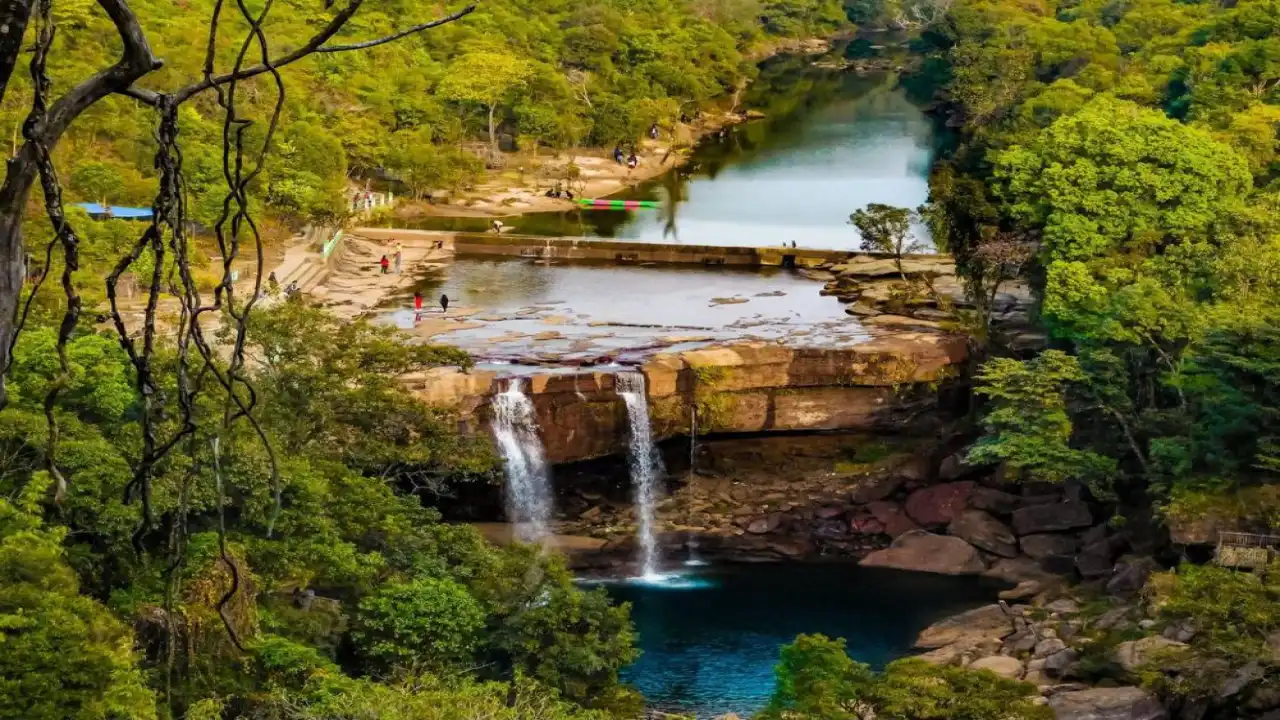
Tyrshi Falls is nice, sure. Easy to find, good views, all that. But the smaller waterfalls around it, like Krang Suri Falls and Tyrshi Falls, those are the ones you remember. And they’re not exactly marked. You sort of hear them first. A faint sound. Water is hitting rock somewhere nearby. And then you follow it, half unsure if you’re even going the right way. And then suddenly there it is.
Not big, not dramatic. Just quiet.
- Water sliding over rocks without making a scene
- No fences, no platforms, no one telling you where to stand
- Just you and that steady, calming sound
It feels a bit like you weren’t supposed to find it, which somehow makes it even better, like a quiet reward for taking that extra step off the usual path, the kind of moment that fits naturally into relaxed Domestic trip packages where not everything is planned.
Pro Tip: Ask someone local. Not in a formal way, just casually. They’ll usually point you somewhere, sometimes with very vague directions. Trust it.
4. Nongjrong at Sunrise: Before the World Wakes Up
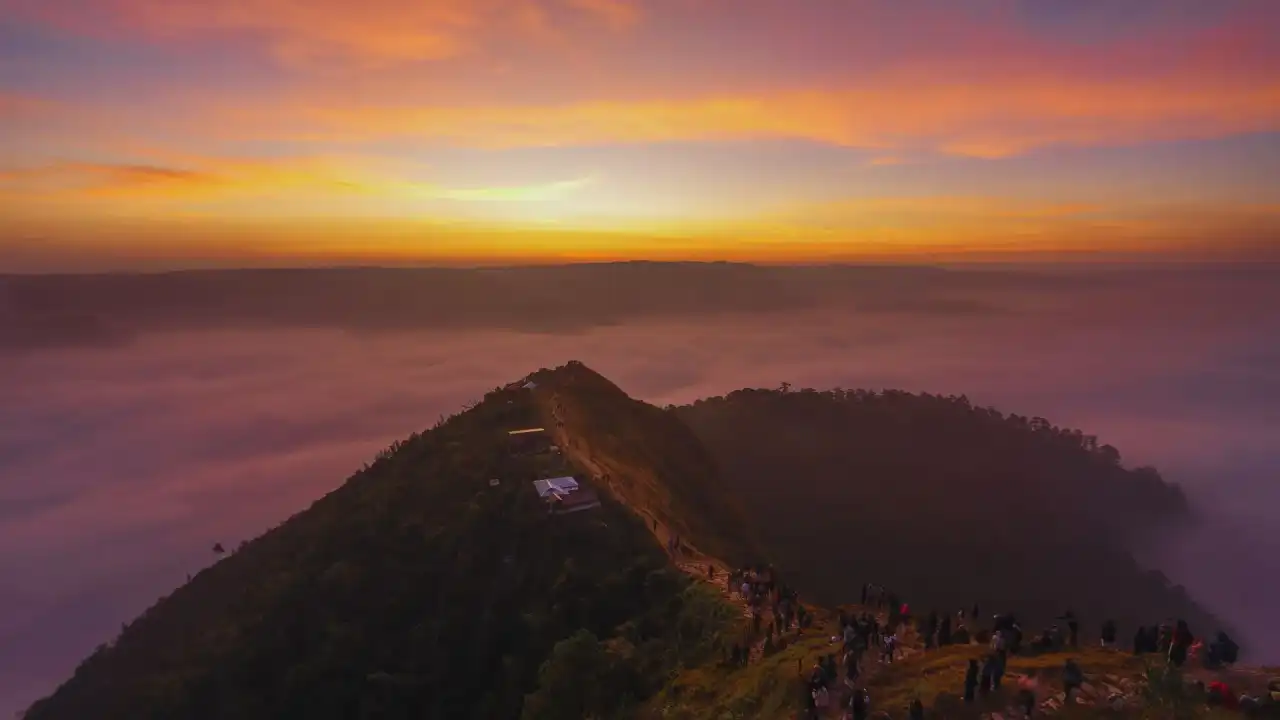
Nongjrong is slowly getting noticed, but still, most people don’t see it at the right time. You have to go early. Like, properly early. The kind where you question your life choices as you wake up. But once you’re there, it’s worth it completely. Clouds sit low in the valley, almost like they’ve settled in for the night and forgot to leave. Hills peek out of them, floating in a way that doesn’t feel real. For a few minutes, everything just pauses. This is what unexplored Meghalaya feels like when it shows off a little. Quietly, though, not dramatically.
Pro Tip: Carry a jacket. It gets colder than you expect, especially when you’re just standing there waiting for the light to change.
5. Laitlum’s Quiet Edges: Where Fewer People Go
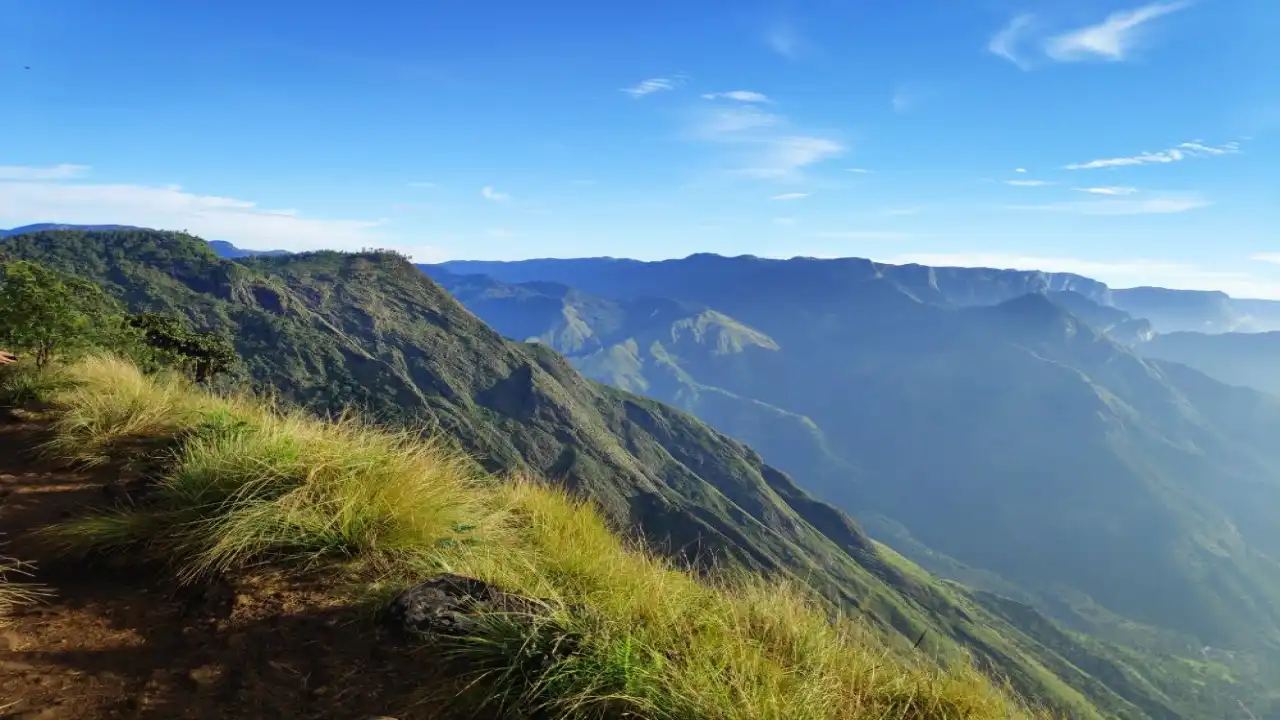
Laitlum Canyon isn’t exactly a secret anymore. But here’s the thing: most people don’t walk beyond the main viewpoint. And that’s where it changes. If you keep walking along the edges, you’ll find spots where there’s barely anyone. Just open space and that massive valley stretching out in front of you. You might sit down without planning to. Happens a lot here.
Things you start noticing:
- Tiny villages way below, almost blending into the land
- Wind that feels stronger, like it has more room to move
- That strange calm where your thoughts just slow down
It’s not dramatic. It’s just steady. And it stays with you.
6. Shnongpdeng’s Riverside Corners: Beyond Adventure
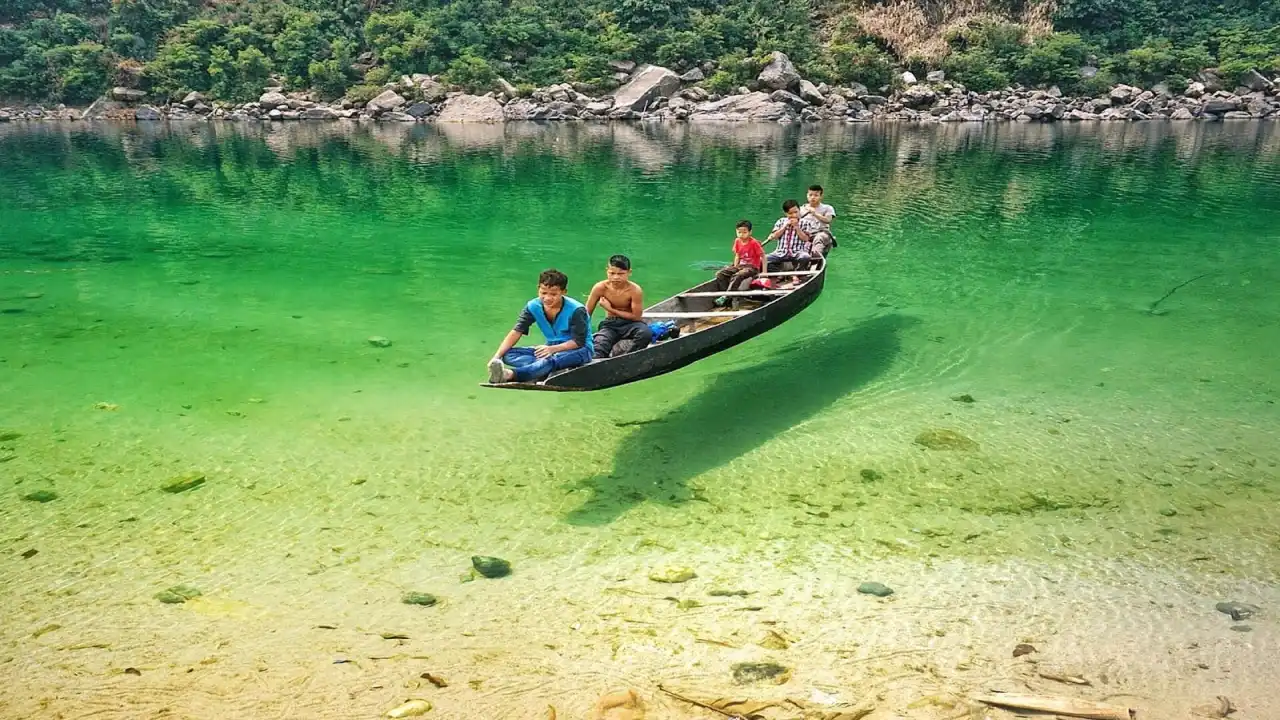
Shnongpdeng is usually about kayaking, boating, camping, and all the fun things. But if you walk away from the main activity areas, the vibe shifts completely. Along the Umngot River, there are quieter spots. No noise, no rush. Just clear water and a kind of stillness that’s hard to explain.
You’ll find:
- Water so clear it almost doesn’t look real
- Spots where you can just sit, feet in the river, doing absolutely nothing
- That slow feeling, like time isn’t in a hurry anymore
It’s simple. But in a good way.
Pro Tip: Early morning or late afternoon works best. The light changes everything; it softens the whole place.
7. The Unnamed Villages Between Cherrapunji and Dawki
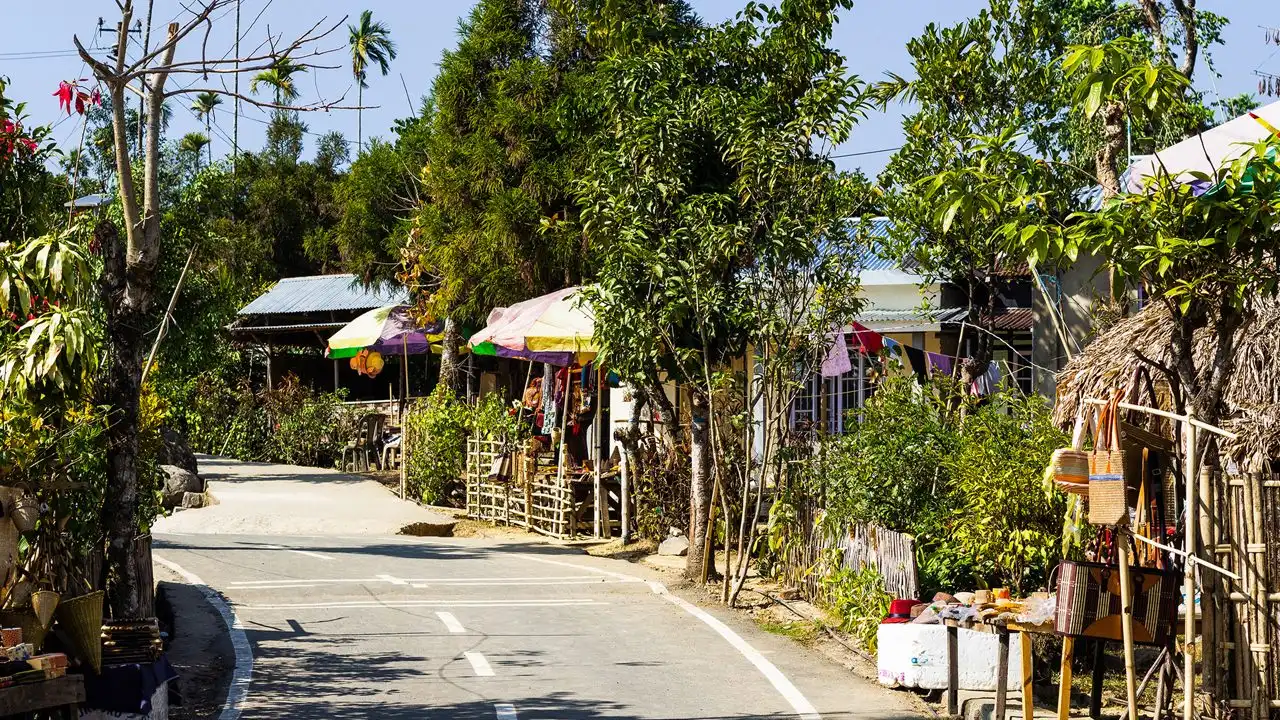
The road from Cherrapunji to Dawki isn’t just a drive through it. That’s the mistake. Stop. Randomly. There are small villages along the way, like Mawlynnong Village (often called the cleanest in Asia) and Rewai Village, known for its living root bridge, that don’t always show up on guides or reels. Nothing “special” in the usual sense. But somehow, they feel real in a way big spots don’t.
You’ll see:
- Kids playing near streams like it’s the most normal thing
- People are going about their day, not paying attention to passing tourists
- Tiny tea stalls where conversations just happen, no effort needed
And weirdly, these moments stick more than big attractions.
Planning Your Trip Without Overplanning
This sounds contradictory, but you can’t fully plan hidden places. You can, however, leave space for them.
Try this:
- Keep at least one day loose, no strict plans
- Talk to people, drivers, shop owners, anyone really
- If a road looks interesting, take it (within reason, obviously)
- Don’t fit everything into one trip
If you’re looking at a North East trip package, pick one that isn’t too tight. Flexibility matters more than covering “everything.”
Why These Places Matter More Than Famous Spots
Famous places are famous for a reason. No denying that. But these quieter spots? They hit differently.
They give you:
- Space. Actual space, not just physical
- Moments that don’t feel shared with a hundred other people
- That small sense of discovery, like you found something on your own
It’s not about skipping popular places. Just balancing them out.
Conclusion
Here’s the thing about Meghalaya: you don’t really finish it. Even after you leave, it feels like you missed something in a good way. Like, there’s a reason to come back. So maybe don’t try to do everything. That pressure kind of ruins it anyway. Leave gaps in your plan. Take random turns. Stop when something feels interesting, even if it wasn’t “on the list.” Because more often than not, the places you never planned for end up being the ones you remember the most.