Hidden Villages in Goa Worth Exploring
Introduction
If people picture Goa, it’s likely the same beach shacks with playlists blaring away, scooters whizzing past in twos or threes and someone holding a plate of grilled seafood while the orange sky over the sea metamorphoses slowly. Honestly, that image is completely accurate. The beaches do have that vibrant, slightly disheveled energy that draws travelers time and time again. But if you drive away from the bustling shoreline for a while, perhaps down some random winding road, things shift. Traffic falls away, air is redolent of salt and coconut trees, lanes are quiet where palms arch over the road like curious spectators.
That’s where real Goa begins to present itself. These hidden villages in Goa beat a slower pace, fishermen mending nets, someone pedaling home with fresh bread, church bells ringing somewhere far away. Pause for a cup of roadside tea, and you may find yourself talking to the stall owner longer than you'd intended. And with the villages quieting things down, this guide doubles as a Goa beach travel guide, showing you which are the best beaches in Goa to visit on vacation, alongside some of those calmer countryside moments.
Why Explore Goa Beyond the Beaches

When you first arrive in Goa, it’s very easy to fall into a routine. Wake up. Go to the beach. Eat seafood. Watch the sunset. Repeat. Not a bad routine, honestly. But Goa has layers. And if you only stay along the coastline, you miss quite a bit of the story. Drive inland for twenty minutes, sometimes even less, and things start shifting quietly. Coconut trees stretch across fields.
Old Portuguese houses sit behind gates tangled with bougainvillea flowers. Roads curve through villages where barely any tourists wander. These places are often described as offbeat places in Goa, though if you ask locals, they’ll probably just shrug and say, “It’s just our village.” And that’s kind of the charm. Instead of beach parties, you’ll find little everyday scenes that somehow stick in your memory:
- A tiny bakery selling warm poi bread in the morning
- Local markets with piles of fish, chilies, and vegetables
- Bright houses with big balconies and faded paint
- Roads so quiet that cycling feels oddly peaceful
Exploring these villages isn’t really about “seeing attractions.” It’s more like drifting around and noticing things. And weirdly enough, those slow wandering hours often become the best part of the trip.
Pro Tip:
Rent a scooter if you can. Villages aren’t always well connected by buses, and having your own ride means you can randomly stop anywhere, a café, a small chapel, a roadside fruit stall. Sometimes those random stops end up being the highlight.
Aldona – A Village Full of Quiet Charm
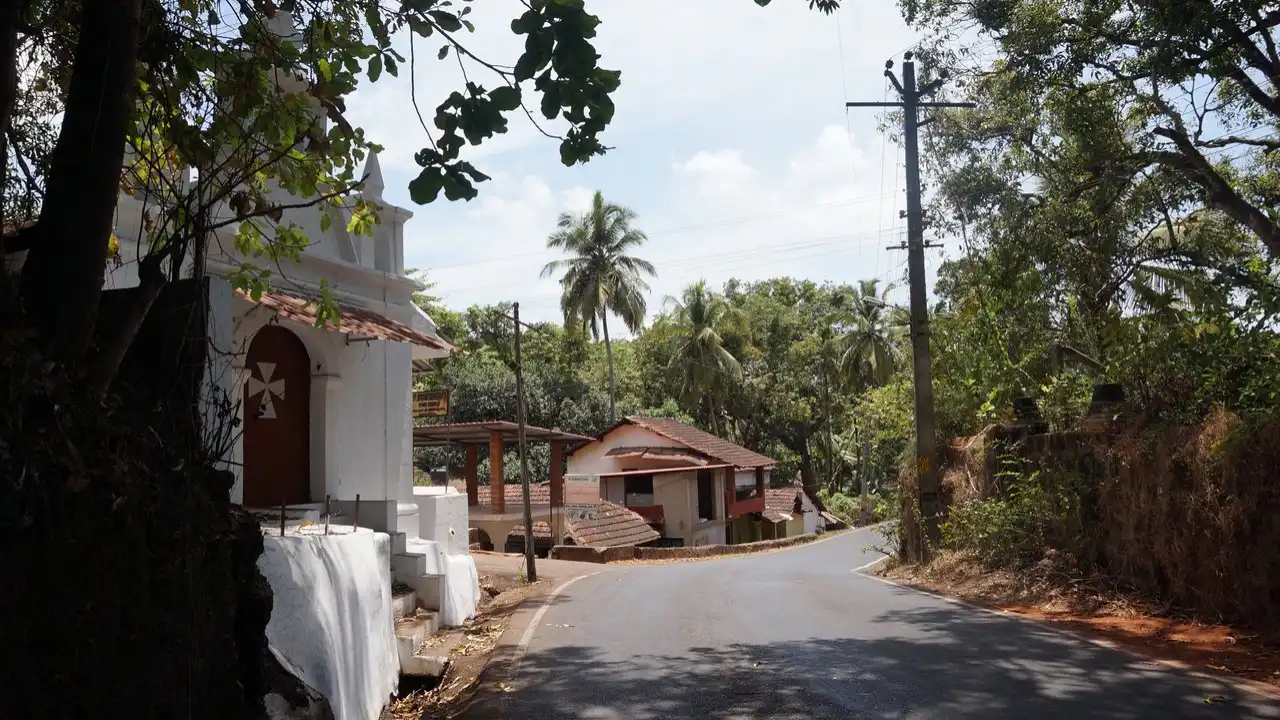
Aldona sits beside the Mapusa River, and the first thing you notice is how calm it feels. Not silent exactly. Just peaceful. A scooter hums past now and then. A dog naps in the middle of the road like it owns the place. Someone waves casually as they pass by. The village is known for its beautiful Portuguese-style houses. Some of them are more than a hundred years old. They have red tiled roofs, long verandas, and wooden windows painted in soft pastel colors.
Walking here feels oddly nostalgic. Not in a dramatic “ancient history” kind of way. More like stepping into a slower version of modern life. One of the best spots in Aldona is Corjuem Bridge. It’s an old iron bridge crossing the river, and standing there around sunset is surprisingly nice. The water turns golden, a few boats float quietly, and birds cut across the sky. Simple moment. But somehow memorable.
Things you can do in Aldona include:
- Walking slowly along the riverbanks
- Visiting St. Thomas Church
- Cycling through quiet green roads
- Stopping at a small café for tea and snacks
There’s no rush here. Aldona works best when you just wander without a plan.
Chandor – A Glimpse into Goa’s History
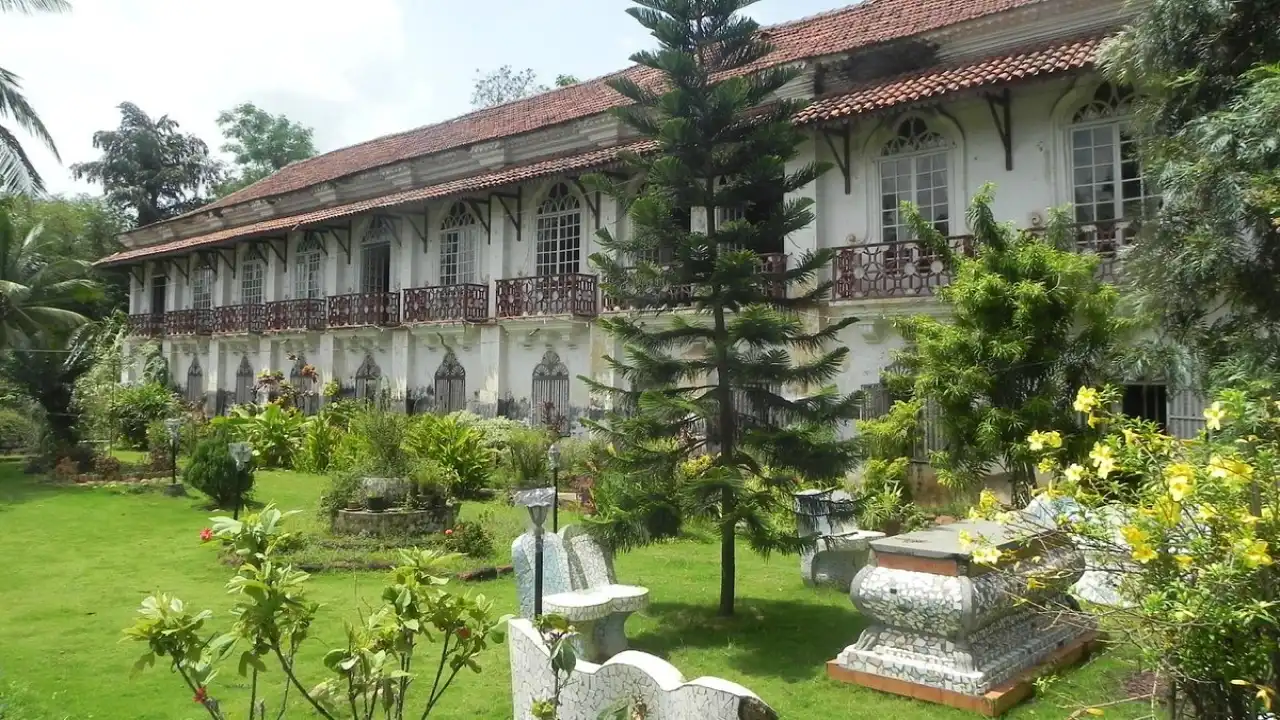
Chandor feels slightly different from the other villages. Older, maybe. A little grander. Once, it was even the capital of Goa. And some of that history hangs in the air. On some blocks, grand mansions have established a legacy for generations of families who lived there. Some houses have grumbling, soaring windows and carved wooden doors and staircases that feel almost regal. The most famous of these houses is the Braganza House. It’s huge. Really huge.
Part of it now functions as a museum, filled with period furniture and chandeliers, and old portraits looking down from the walls. You walk through those rooms, and it’s as if you were in a different century. Outside, though, life stays simple. Kids cycle past.: An intriguing premise at the least. Someone zips by on a scooter with groceries. Chandor is one of the unexplored villages in Goa, where history still quietly lives on without tour buses and crowds.
Pro Tip:
Bring a camera. The old mansions, colorful doors, and narrow streets make great photos without even trying.
Saligao – Beauty Just Beyond the Tourist Trail

Saligao sits surprisingly close to North Goa’s busy beach areas. But once you enter the village, it feels completely different. Calm. Slightly sleepy. The most famous spot here is the Church of Mae De Deus. Tall, white, and slightly gothic-looking. When it lights up at night, the church almost looks unreal, like something from an old storybook.
But the rest of the village is just as charming. Palm trees line quiet streets. Traditional homes sit behind garden walls. Sometimes you see someone watering plants outside their gate or sweeping their front yard. Nothing dramatic. Just peaceful everyday scenes. It’s a lovely place for evening walks when the air cools down.
Pro Tip:
Try visiting early morning or sunset. The light softens everything and makes the village look even more beautiful.
Divar Island – Peaceful Life by the River
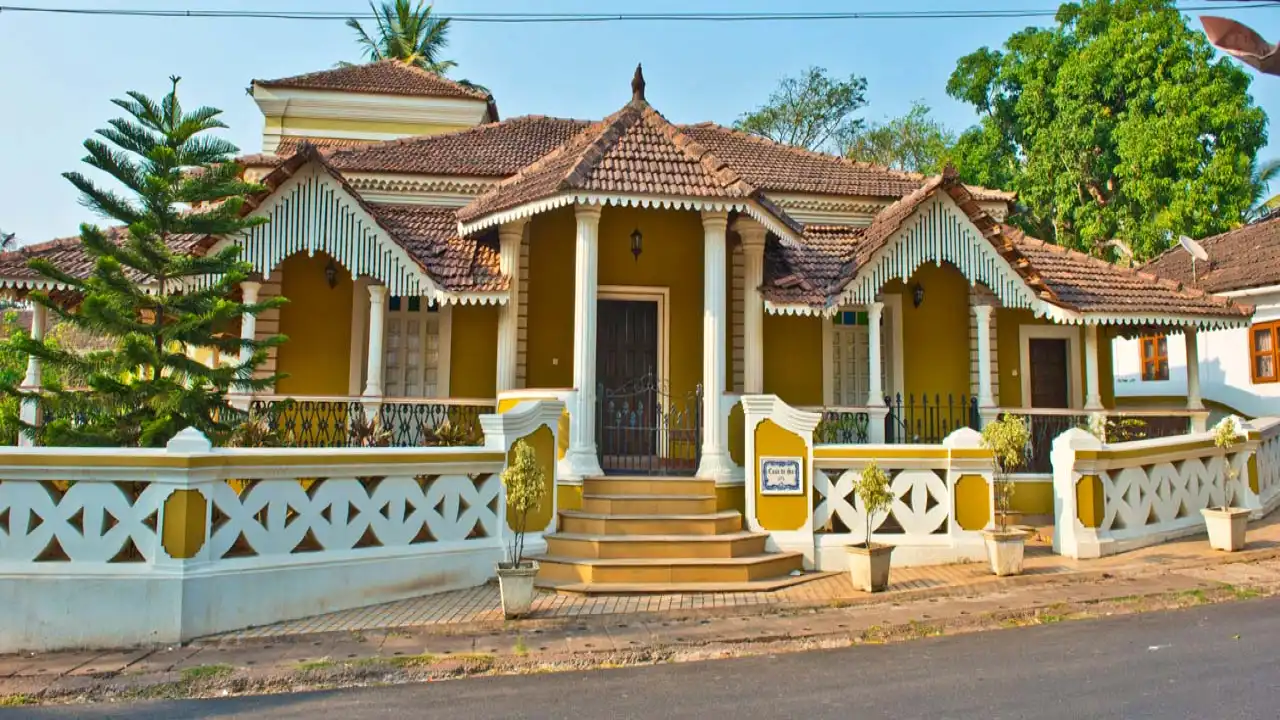
Divar Island surprises many people. It’s actually very close to Panaji, Goa’s capital. But reaching it requires a small ferry ride across the Mandovi River and somehow that short ride feels like traveling much farther. The ferry itself is pretty simple. Cars, scooters, locals with grocery bags, everyone squeezes in together.
Then slowly the boat drifts across the river. Within minutes, the city noise fades away. On the island, life feels slower. Roads twist through green fields. White churches peek through trees. Bougainvillea flowers spill over old walls in messy bursts of pink. Divar is perfect for slow exploration.
Things worth doing here:
- Cycling through quiet countryside roads
- Visiting the Church of Our Lady of Compassion
- Watching the sunset along the riverbanks
- Eating homemade Goan food at small family cafés
There aren’t huge attractions here. And honestly, that’s the whole point.
Goa Beach Travel Guide – Top Beaches in Goa for Vacation
After a few quiet village days, most travelers eventually feel drawn back toward the sea. And Goa’s beaches bring the energy right back. Music, crowds, water sports, sunset photos, it’s a completely different vibe compared to the calm countryside. Here are some of the offbeat places in Goa worth visiting.
Baga Beach

Baga is lively. Always buzzing with activity. Beach shacks line the sand. Music drifts through the air. And people are constantly trying different water sports.
Popular things to do here:
- Jet skiing
- Parasailing
- Banana boat rides
- Sunset dinners at beach shacks
If you like nightlife and crowds, Baga delivers.
Calangute Beach

Calangute is one of Goa’s largest beaches and probably one of the most famous.
The long shoreline is great for:
- Walking along the sand
- Shopping in nearby markets
- Trying fresh seafood
Yes, it gets crowded. But sunsets here still feel magical.
Palolem Beach
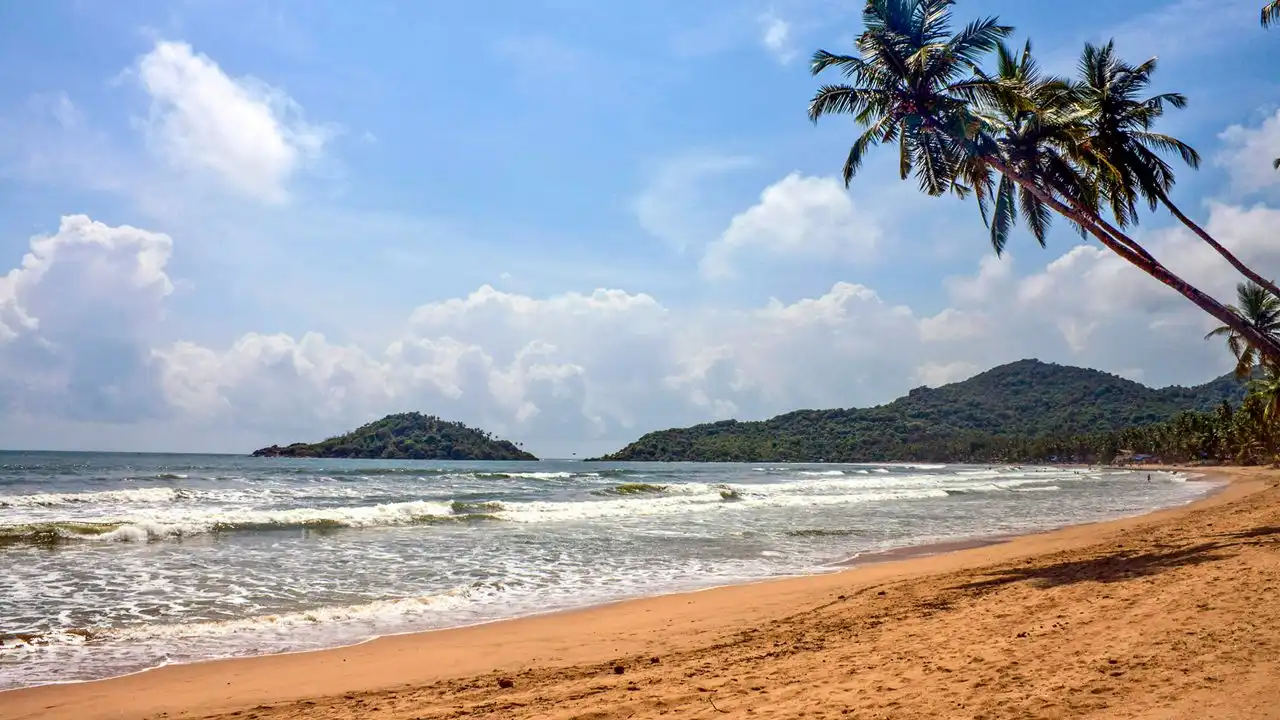
Palolem feels very different from the northern beaches. Located in South Goa, it’s calmer and more relaxed. The beach curves gently in a crescent shape, with palm trees leaning toward the water.
Visitors often spend time:
- Kayaking in the calm sea
- Taking dolphin watching boat rides
- Relaxing quietly on the sand
It’s the kind of place where you naturally slow down again.
Anjuna Beach

Anjuna has its own personality. Rocky cliffs, dramatic waves, and a slightly bohemian atmosphere make it popular with backpackers and artists. The famous flea market nearby is full of handmade jewelry, clothes, and random souvenirs. You can easily spend hours wandering there.
How to Plan a Balanced Goa Trip
The best Goa trips usually mix different experiences.
A few beach days. A few slow village explorations.
Something like this works nicely:
Day 1–2
Explore North Goa beaches like Baga and Calangute.
Day 3
Visit villages such as Aldona and Saligao.
Day 4
Take a ferry to Divar Island and explore slowly.
Day 5
Travel south and relax at Palolem Beach.
Many travelers choose a Goa trip package to organize transport, hotels, and sightseeing in a simpler way.
Conclusion
Goa’s beaches deserve their reputation. The sunsets, the waves, the kick-back energy it fosters that classic vacation vibe people adore. But a lot of the real magic of the state is just a little inland. Small villages with their colorful houses, quiet streets and hospitable residents present a gentler side of Goa that many visitors never see. You’re on a crowded beach watching the sun dip below the horizon one day.
The following morning, you’re walking through a sleepy village where time flows more leisurely, and the air is fragrant with wood smoke and coconut palms. That difference is what sets Goa apart. And after you’ve done both sides, you start to figure out that the state is more than beaches. It’s about conversations you wouldn’t expect, small moments, and the places that float quietly in your memory long after a trip has ended, the kind of experiences many travelers now look for when browsing Domestic trip packages across India
Pro Travel Tips for Exploring Goa
A few small tips can make your Goa trip smoother.
1. Rent a scooter
Probably the easiest way to explore.
2. Start early
Villages feel most peaceful in the morning.
3. Respect local culture
Remember, these are residential communities.
4. Try local food
Goan fish curry, bebinca dessert, and fresh poi bread are must-tries.
5. Talk to locals
Some of the best recommendations come from casual conversations.