Hidden Villages in Switzerland You’ve Never Heard Of (Beyond Interlaken)
Introduction: The Switzerland That Whispers, Not Shouts
Most people land in Switzerland with a plan already sitting in their head, Interlaken, Lucerne, Zermatt. You know the usual names. The ones you’ve seen on Instagram so many times that when you finally get there, it almost feels familiar in a strange way. And they’re stunning. No denying that. But after a point, you start noticing something else. A different kind of Switzerland. Not loud, not trying to impress, not packed with people holding up phones every few seconds. It’s quieter. Almost like it doesn’t care if you notice it or not. That’s where things get interesting in the hidden villages in Switzerland, where mornings feel a bit slower, the air smells sharper (almost like pine and cold stone), and time doesn’t feel like it’s chasing you. You don’t rush here. You just exist for a while. And somehow, those are the places that stay with you longer.
1. Guarda: A Village That Feels Like a Storybook
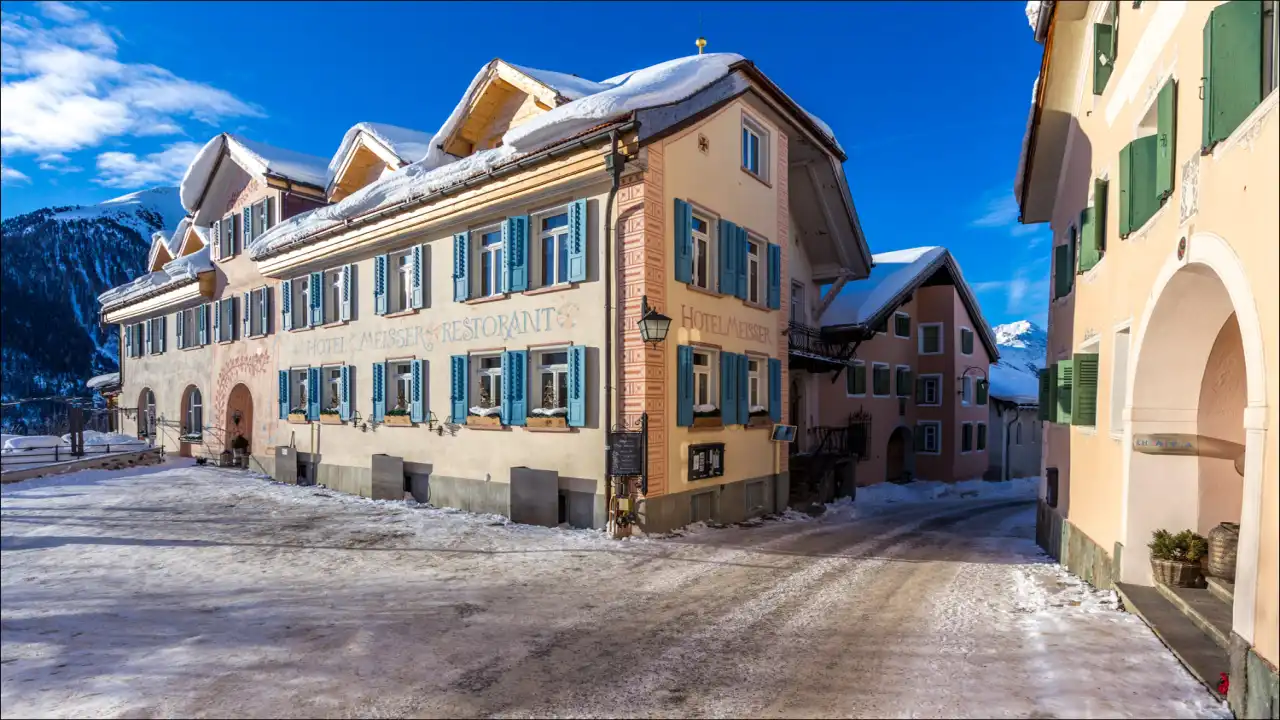
Guarda doesn’t feel real at first. Like, genuinely. You walk in, and it’s almost too perfect, but not in a fake way. More like it’s been quietly looked after for years without anyone making a big deal about it. The houses have these soft, painted designs, nothing flashy, just delicate patterns that you notice more the longer you stand there. Doors are heavy, wooden, and slightly worn. You can tell people actually live here.
If you just wander (which you should), you’ll probably notice:
- Windows with faded pastel shutters that don’t match perfectly
- Cats just sitting around like they own the place
- Corners so quiet you can literally hear your own footsteps
There’s no checklist here. No “must-see” spot. And honestly, that’s the whole point.
Pro Tip: Go early. Not “travel early,” but properly early. When it’s a bit cold, barely anyone is around. That’s when Guarda feels most like itself.
2. Mürren (If You Stay Longer Than Everyone Else)
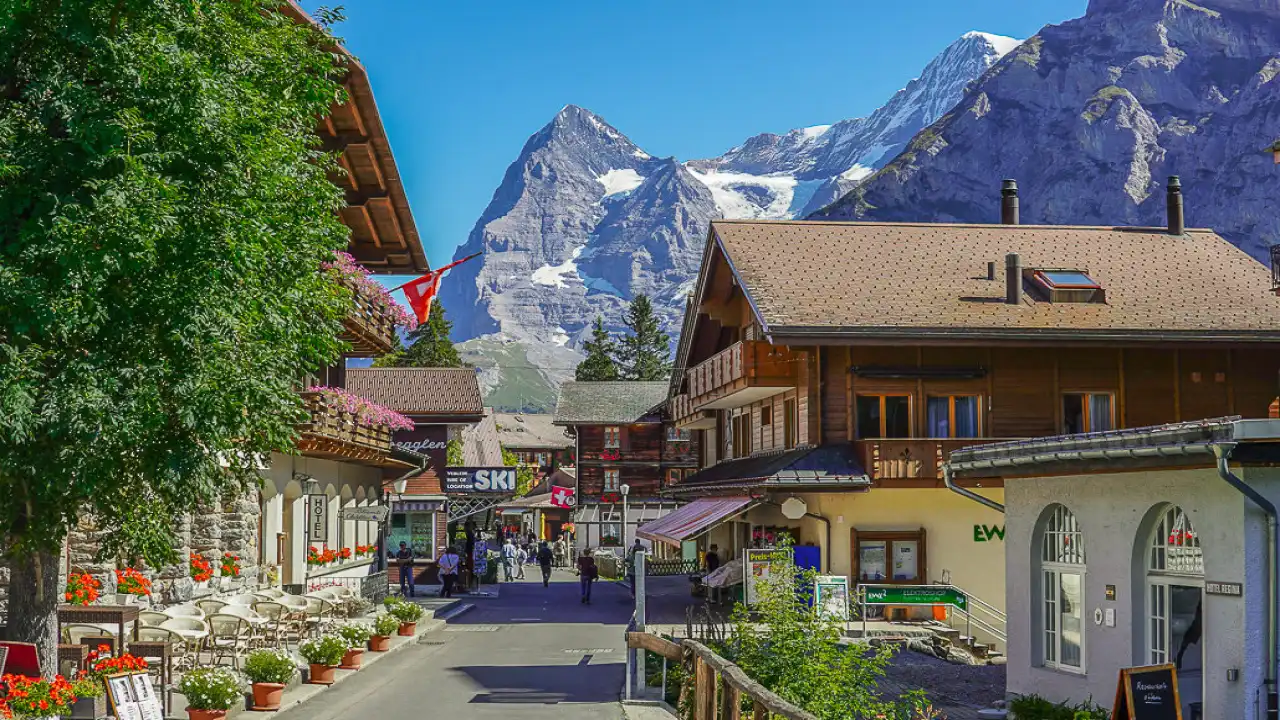
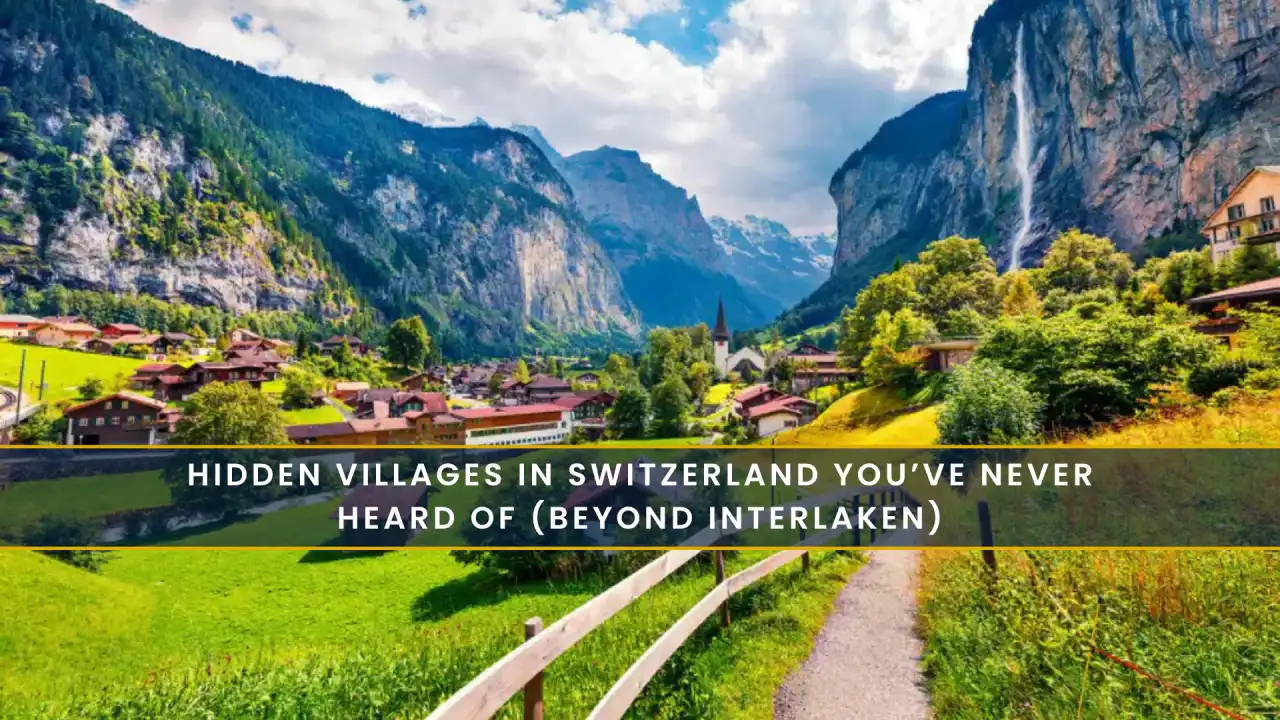
Mürren is not exactly unknown. But most people treat it like a quick stop. Cable car, photos, maybe coffee, then gone. If you stay even just a few extra hours, it changes. It’s sitting above the Lauterbrunnen Valley, and the views are ridiculous. But after a while, you stop staring at the mountains and start noticing smaller things. The sound of cowbells echoes weirdly across the valley. Clouds drifting below you (which still feels wrong, honestly). This is one of those offbeat villages in Switzerland where slowing down isn’t something you plan; it just kind of happens without asking.
Pro Tip: Don’t go in the middle of the day. Late evening is better. The light gets softer, and everything feels less crowded, more real.
3. Soglio: Where Everything Just Softens
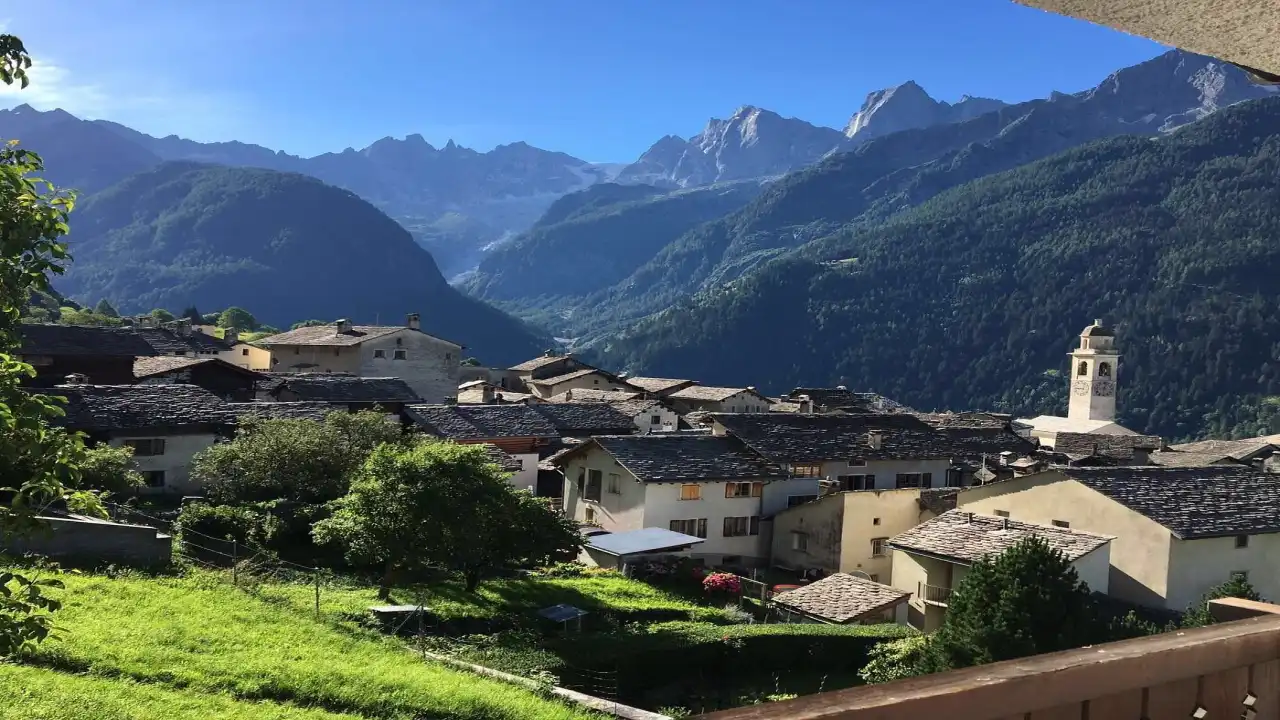
Soglio is hard to explain properly. You arrive, and nothing dramatic happens. No big “wow” moment. But something shifts a little. Things feel quieter. Softer around the edges. It’s sitting right on the edge of a cliff with mountains stretched out in front of it. Not the dramatic, sharp kind, more like layered, fading into each other. The village itself? Stone houses, narrow paths, a faint smell of herbs in the air (not sure what exactly, but it’s there). You don’t really explore it with a plan. You just walk, stop randomly, maybe sit somewhere without checking the time. And you’ll probably forget your phone exists for a bit.
Pro Tip: Come around late afternoon and stay till evening. The light changes slowly over the mountains, and for a few minutes, everything looks slightly unreal, like the village is just sitting between two different times of day.
4. Wengen: The Quiet Alternative You Didn’t Expect
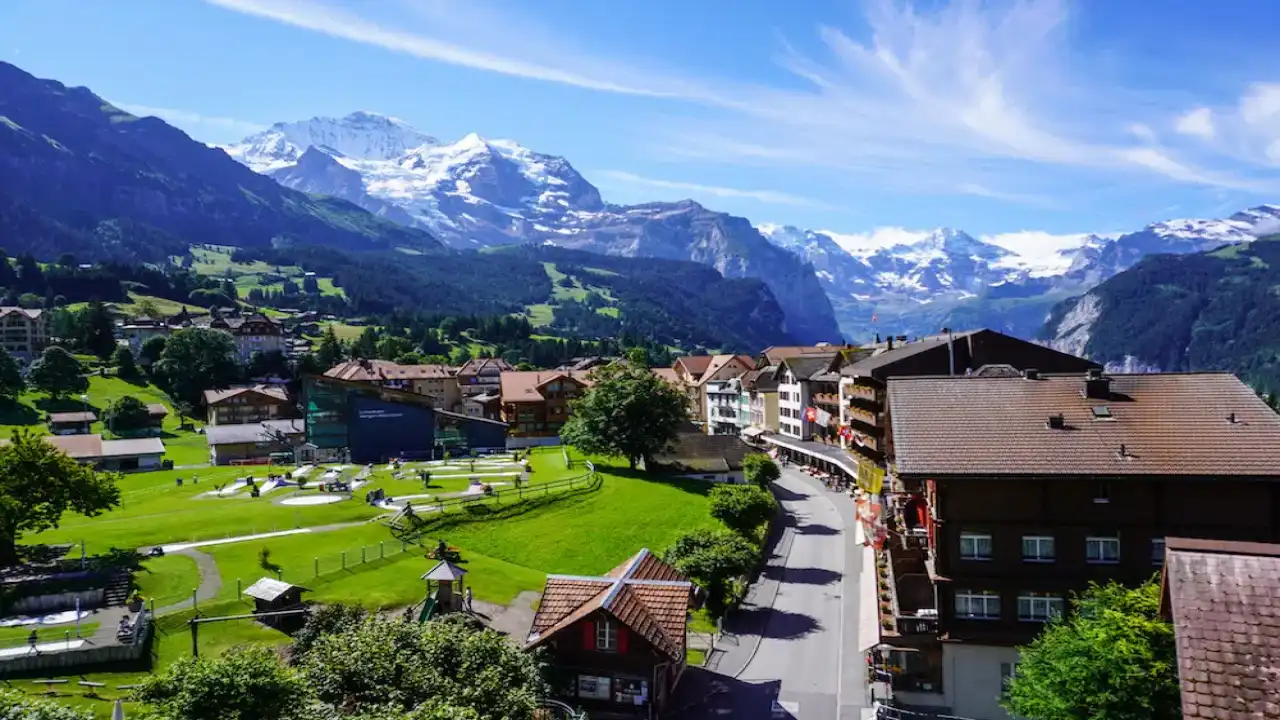
Close to Interlaken, but it feels like a completely different world. Wengen is car-free, which sounds like a small thing until you’re actually there. No traffic noise. No random honking. Just…quiet, broken occasionally by a train or footsteps on a path. It’s one of those lesser-known places in Switzerland where nothing stands out individually, but together, everything works. You walk more slowly here without thinking about it. Conversations stretch out. Even waiting doesn’t feel annoying.
Pro Tip: Take the early train up. Not because it’s efficient, but because the ride itself feels like part of the whole experience, something you’ll notice even more when it’s part of a well-planned International Packages itinerary where the journey matters just as much as the destination.
5. Vals: Quiet, But in a Different Way
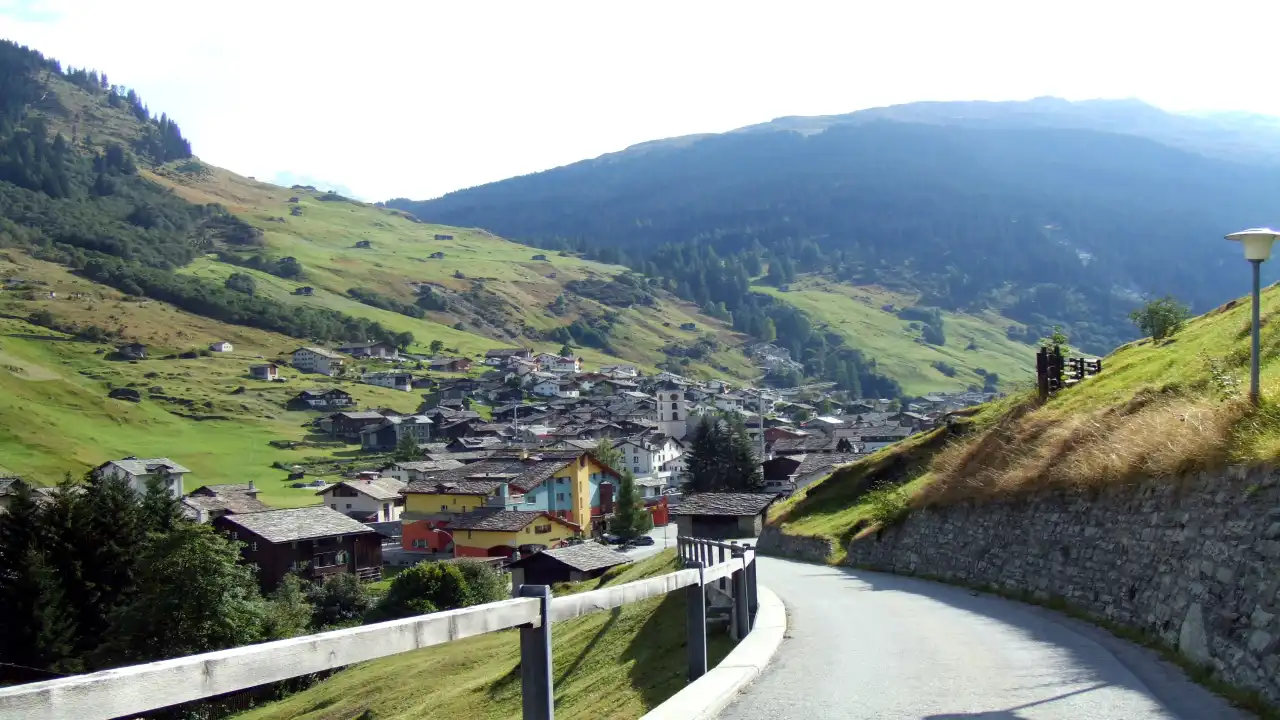
Vals isn’t charming in the usual “cute village” sense. It’s quieter. Cleaner. Almost minimal. People mostly come for the thermal baths (and yeah, they’re worth it), but the whole place has this calm, stripped-down feel. Stone buildings, open space, cold air that actually feels cold, not just “nice weather” cold.
You won’t find busy markets or packed cafés here. Instead:
- Air that feels ridiculously fresh
- Buildings that don’t try to stand out
- A kind of silence that sticks with you
It’s less about seeing things and more about feeling.
6. Appenzell: A Bit More Lively, But Still Real
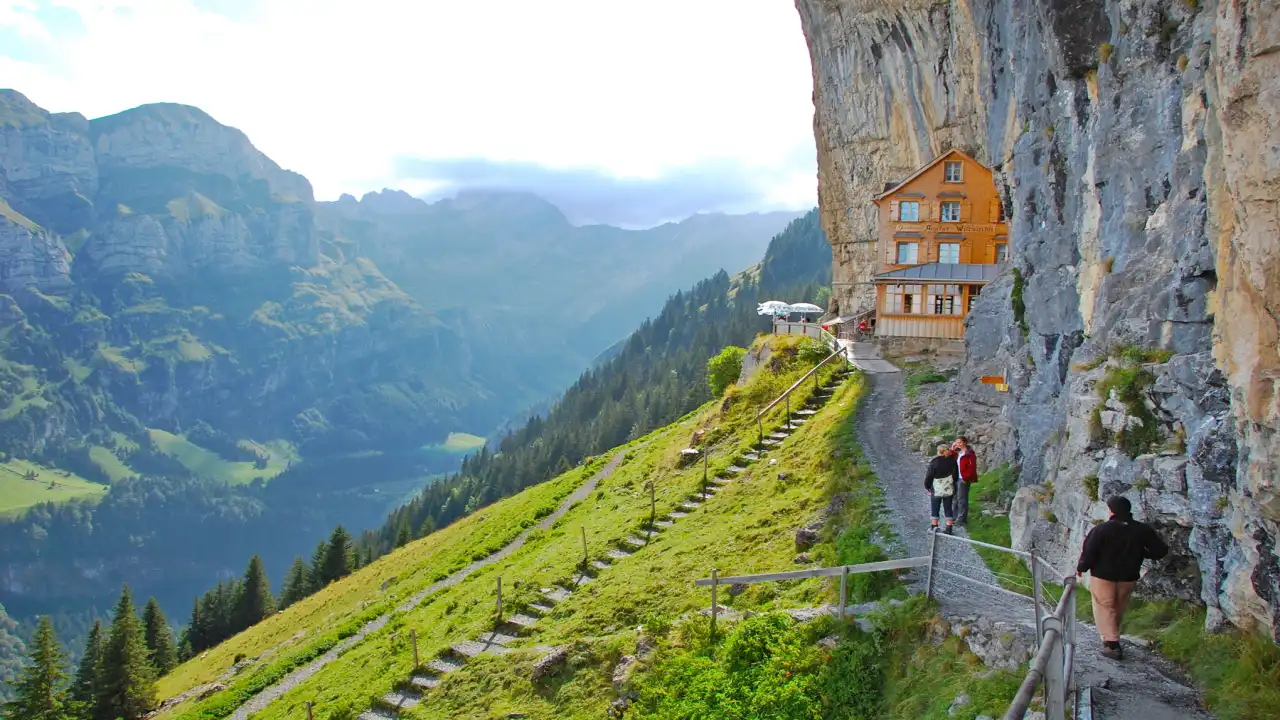
Appenzell has more color literally and otherwise. Bright houses, small streets, people actually talking to each other (not just passing by). It feels lived-in, not staged.
You might randomly come across:
- A local event you didn’t plan for
- Shops where people explain what they’re selling instead of just billing you
- Moments that feel genuine, not curated
This is one of those hidden gems in Switzerland where culture isn’t something you go looking for; it just happens around you.
Pro Tip: Try the cheese. Seriously. Don’t overthink it.
7. Bergün: Easy to Miss, Hard to Forget
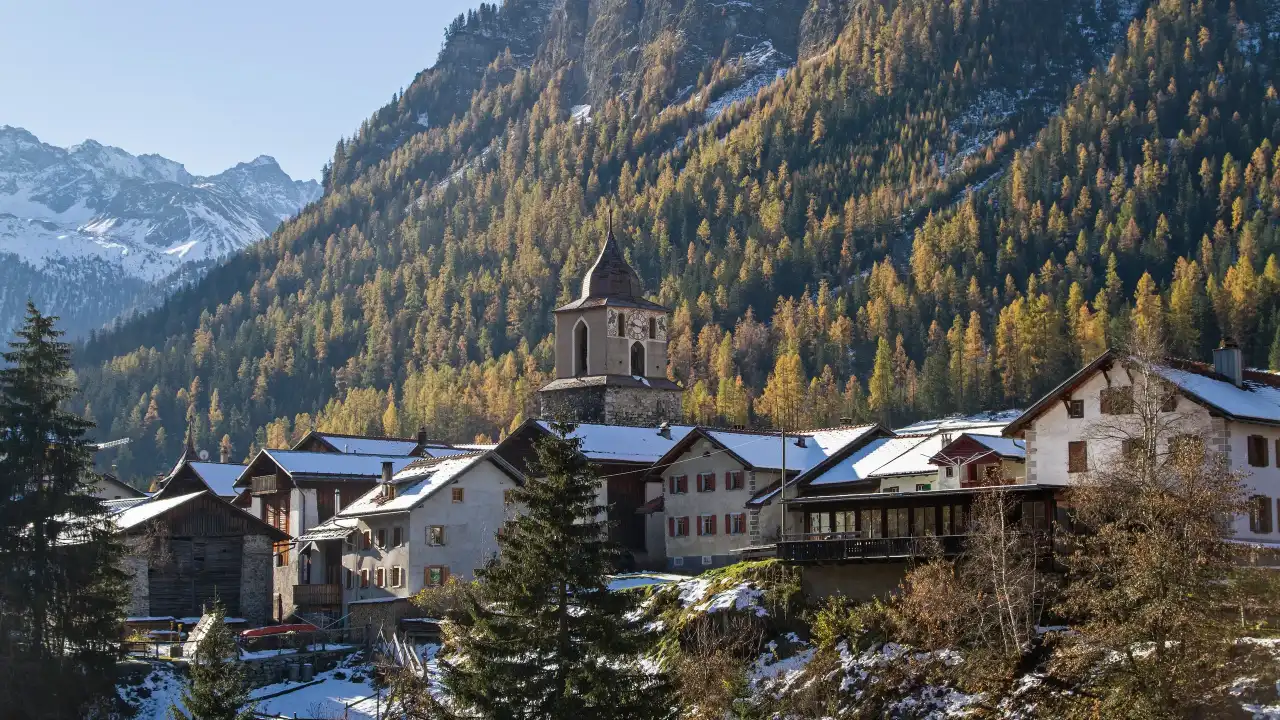
Bergün gets overlooked a lot, which doesn’t really make sense once you’re there. It’s known for its train route (which is beautiful, no surprise), but the village itself is just calm. Traditional houses, open views, nothing trying too hard. Winter makes it feel like a snow globe. Summer is more like a quiet retreat. Either way, it doesn’t ask for attention. It just kind of earns it.
If you’re wondering what to actually do here, it’s simple but oddly satisfying:
- Take the famous Albula train ride and just sit by the window without rushing it
- Walk through the village without a fixed route (you’ll find small details you’d miss otherwise)
- Try the Preda–Bergün toboggan run in winter, it’s fun in a very non-touristy way
- Sit at a quiet café and do nothing for a bit (sounds basic, but it works here
8. Morcote: Feels Like It Belongs Somewhere Else
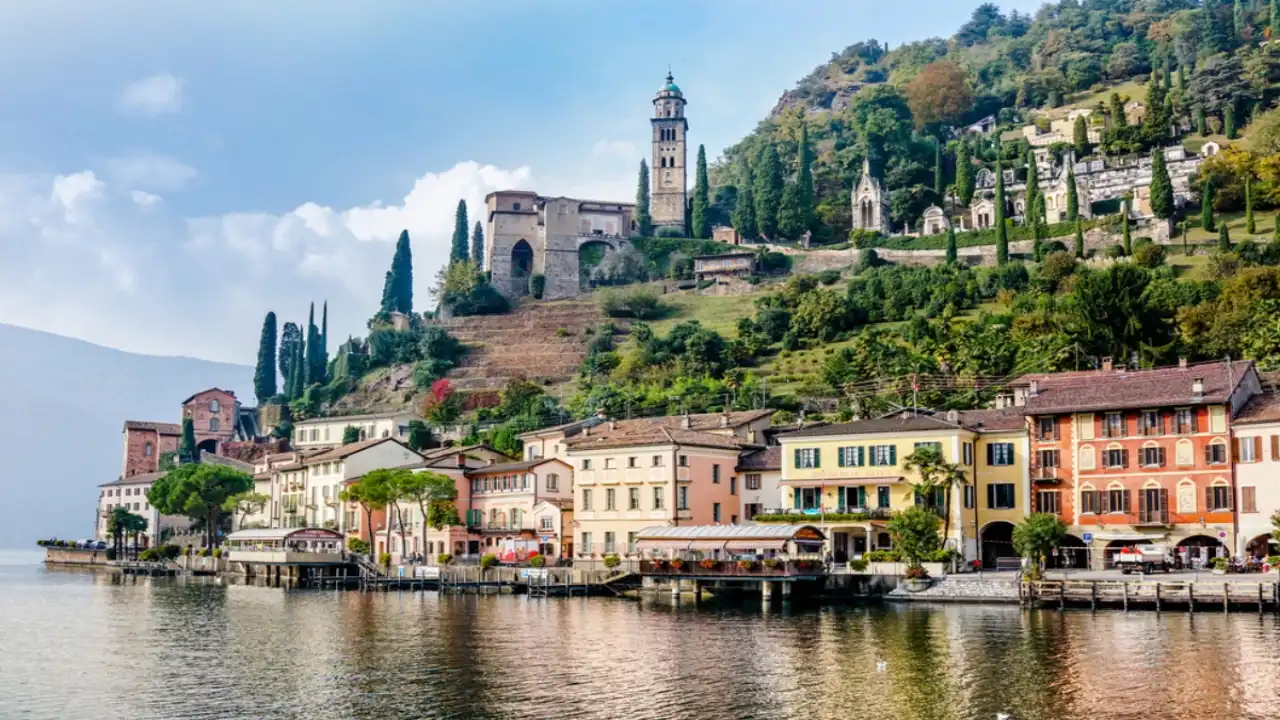
Morcote almost feels out of place in a good way. Palm trees, lakeside views, and narrow alleys, it doesn’t scream “Switzerland” the way you expect. But it works. Sit near the water for a bit. Don’t do anything specific. Just watch how the light changes on the lake. It’s slow, a bit lazy even. And that’s what makes it stick.
Pro Tip: Walk up to the church area above the village just before sunset. The view opens up quietly, and you get this wide, peaceful look over the lake without too many people around it, which feels more personal that way.
How to Experience These Villages
Trying to “cover” these places like a checklist doesn’t really work.
Better approach:
- Stay overnight if you can; evenings feel completely different
- Walk without Google Maps for a while, seriously
- Talk to locals, but casually, not like an interview
- Leave gaps in your plan; you’ll need them
Some of the best moments here won’t look impressive on paper. But they’ll stay in your head longer than the big sights.
Planning Your Trip
If you’re heading this way, don’t over-plan it. A simple Switzerland trip package can handle the boring parts, transport, stays, and all that, so you don’t have to stress over details. But leave room for detours. That’s kind of the whole point.
Conclusion
Here’s the strange part: these villages are easy to miss. They’re not trending. They’re not constantly coming on your feed. No one’s aggressively telling you to go there. But if you do, they stay with you. Not in a loud, “best trip ever” kind of way. More like something you remember randomly later. Maybe on a busy day, or when things feel a bit too much. So, if you’re planning a trip to Switzerland, don’t try to do everything. Pick a few places. Leave some gaps. Let things happen without forcing them. Because sometimes, the best part of a trip isn’t what you planned. It’s what you almost skipped and didn’t.