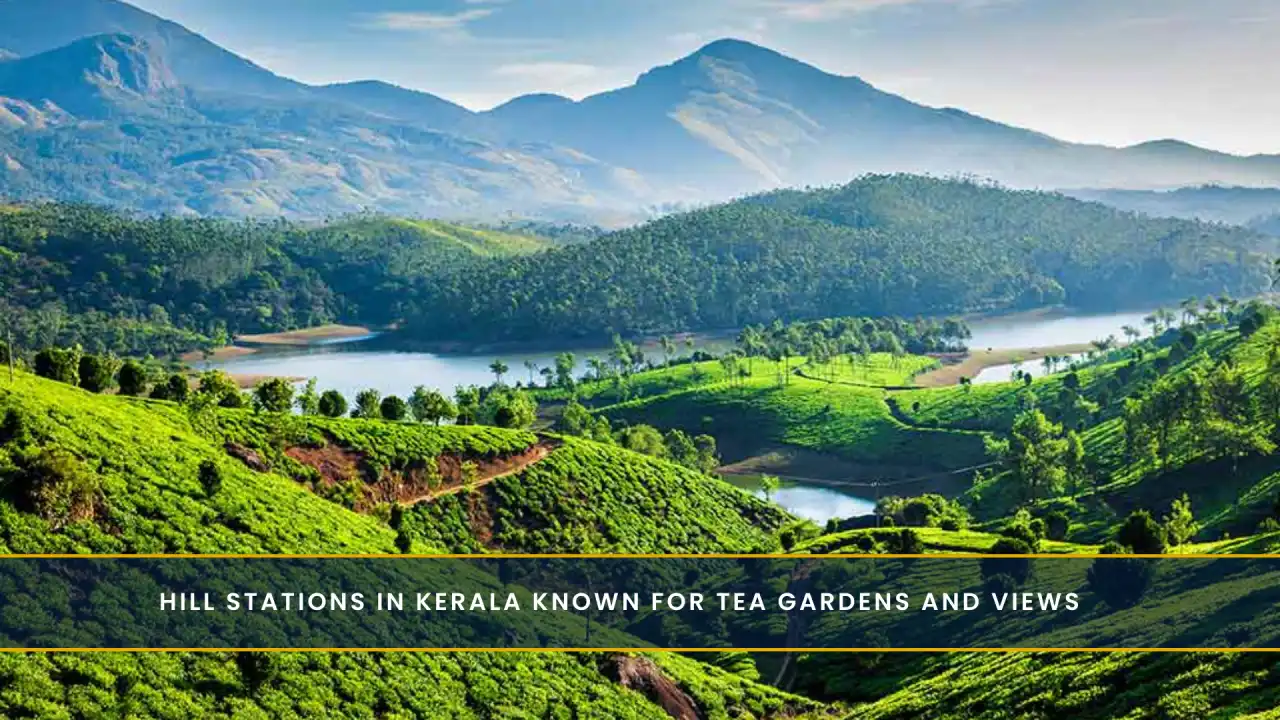
Hill Stations in Kerala Known for Tea Gardens and Views
Introduction
Waking up in the hills always feels a little strange in a good way. Not dramatic. Just different. The air feels lighter somehow. Sounds don’t rush at you. Even your phone, usually the first thing you reach for, can wait a few minutes longer while mist hangs outside the window doing its own thing. That feeling shows up clearly when you explore Hill Stations in Kerala. Tea gardens spread out over slopes without trying too hard to impress. Viewpoints don’t scream for attention. They just sit there, quietly reminding you to slow down and look around.
Kerala’s hills don’t feel loud or showy. They don’t push themselves at you. Instead, they pull you in slowly through winding roads, small tea factories that smell faintly bitter and sweet, basic homestays, and views that somehow stay with you even after you’ve left. If you like nature without crowds, conversations without background noise, and places that don’t need filters to look good, these hills tend to stick. This guide looks at some of Kerala’s most loved hill destinations, why they matter, when to visit them, and how to enjoy them without turning the trip into a checklist.
Why Kerala’s Hill Stations Feel So Special
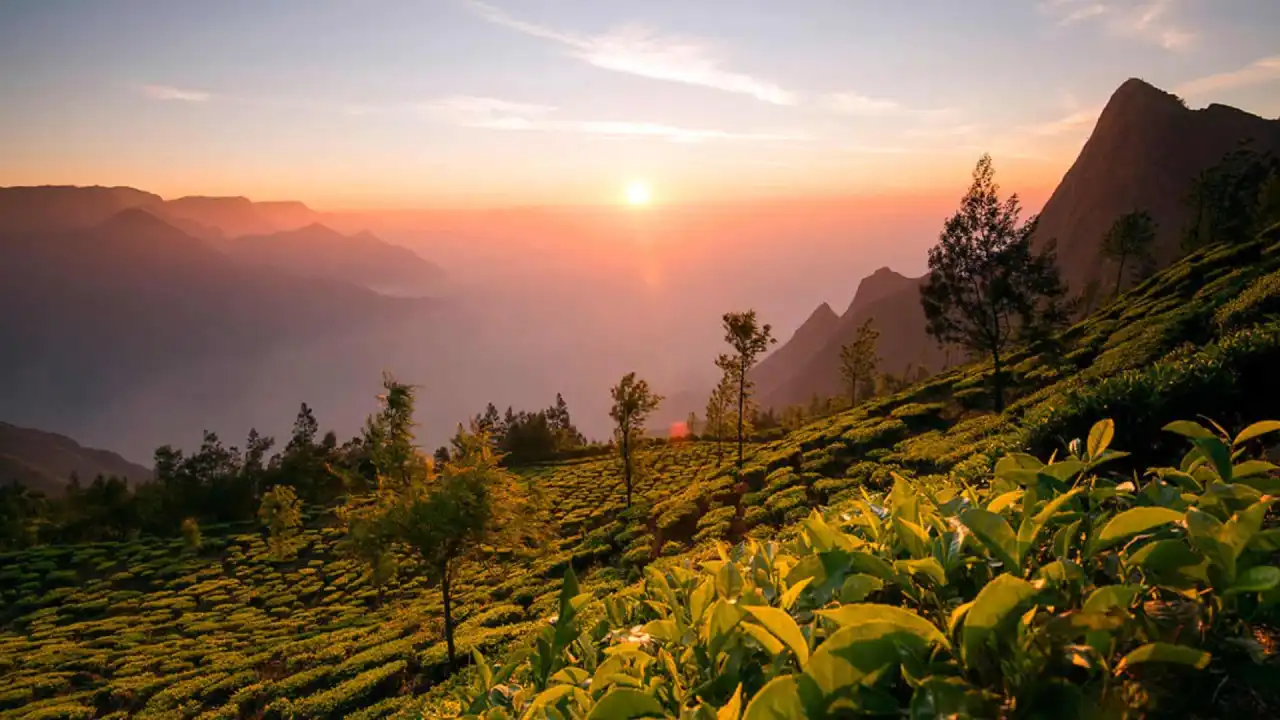
The Western Ghats shape most of Kerala’s hill regions, and you feel that immediately. The landscape keeps changing. One moment, you’re surrounded by thick forest. Next, the road opens up to tea plantations stretching farther than you expected. Clouds drift low enough to block your view and then clear again, almost teasing you.
What stands out most is the balance.
- Nature that feels close, but not isolating
- Comfort without too much construction
- Views that feel real, not staged
You don’t really come here to rush through sights. These places work best when you don’t over-plan. Slow mornings. Walks without destinations. Evenings where you sit quietly because the view is already doing enough.
Munnar – Where Tea Gardens Define the Landscape
If tea had a hometown, it would probably look like Munnar Tea Gardens. The shift happens quickly. One moment you’re driving through regular hill roads, the next you’re surrounded by neat green rows covering entire hills, rolling away like waves that froze mid-motion. Munnar isn’t just about how it looks. It’s about how it feels. Mornings stay cool even when the rest of Kerala feels sticky. Mist hangs around longer than expected. You’ll see workers moving through the estates quietly, baskets on their backs, following routines that haven’t changed much over the years.
What Makes Munnar Stand Out
- Long stretches of tea plantations with walkable paths
- Pleasant weather most of the year
- Viewpoints that are easy to reach
- A mix of nature, light adventure, and local culture
Must-Visit Spots in Munnar
- Tea Museum – Gives context to how tea shaped the region
- Top Station – Wide valley views when the clouds cooperate
- Mattupetty Dam – Calm, simple, and surrounded by hills
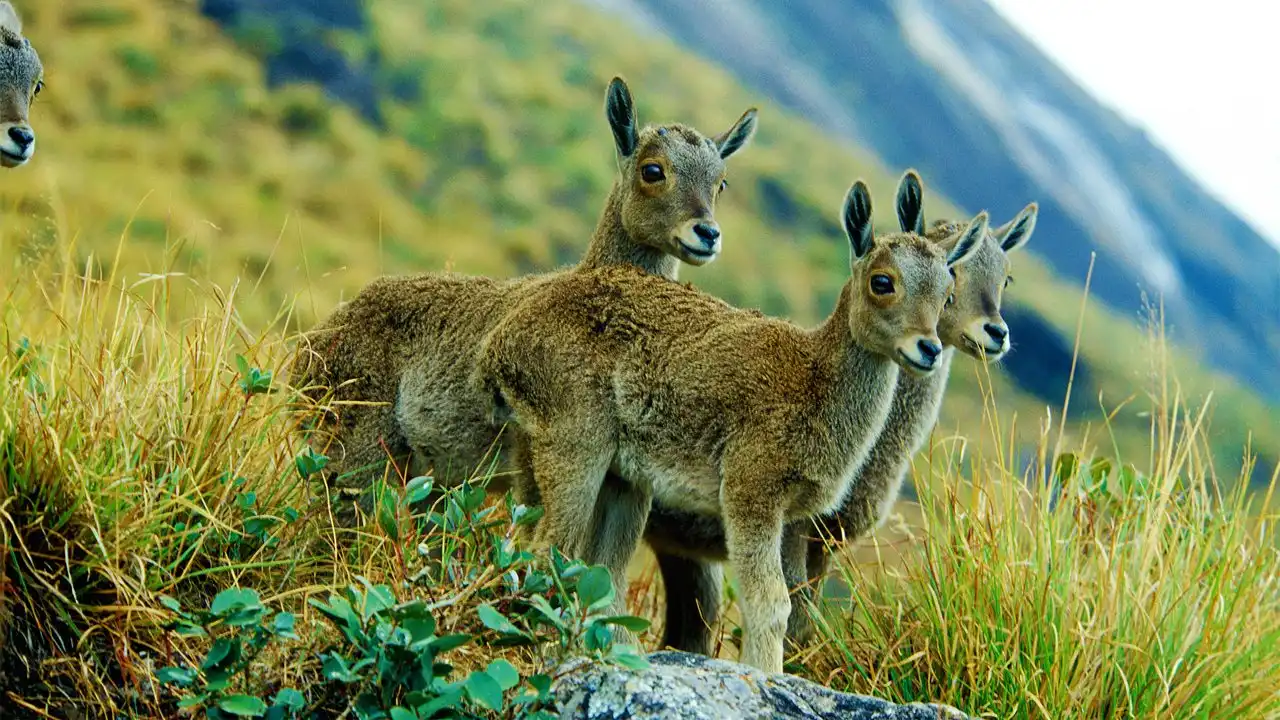
- Eravikulam National Park – Known for the Nilgiri tahr
Pro Tip
Go early. Really early. There’s usually a short window when the clouds clear before rolling back in.
Wayanad – Forests, Hills, and Quiet Spaces
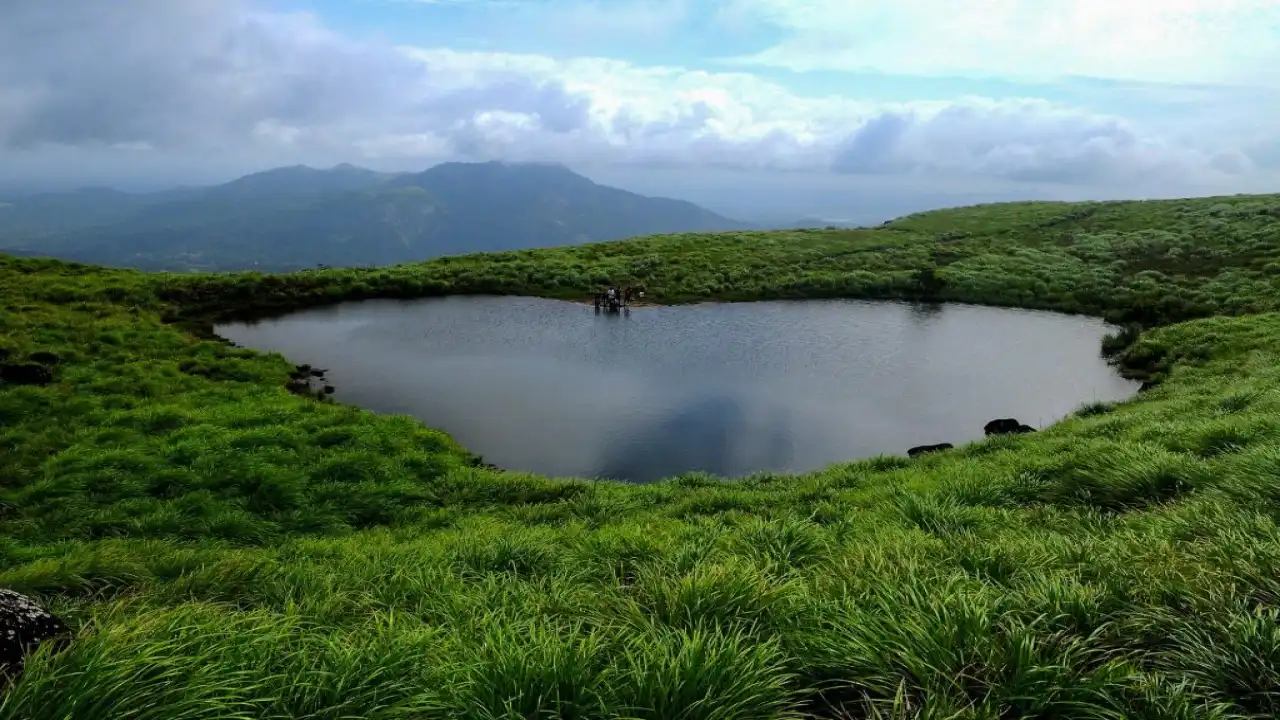
Wayanad feels rougher around the edges, and that’s not a bad thing. Compared to Munnar, it’s less polished and more natural. Hills blend into forests, and the landscape feels closer somehow. You don’t just look at it. You move through it. This place works best for people who don’t mind silence. Coffee plantations sit next to spice gardens. Waterfalls hide behind short trails. Roads feel like they’re leading somewhere unknown, even when they’re not.
Why Wayanad Appeals to Nature Lovers
- Dense forests and protected wildlife zones
- Trekking paths and cave sites
- Fewer crowds than most hill towns
Places Worth Exploring
- Edakkal Caves – Old carvings carved into rock walls
- Banasura Sagar Dam – Wide views with hills all around
- Chembra Peak – Known for the heart-shaped lake
- Soochipara Falls – Best seen after the rains
Pro Tip
Don’t pack your schedule too tightly. Wayanad has a way of slowing plans down.
Thekkady – Where Hills Meet Wildlife
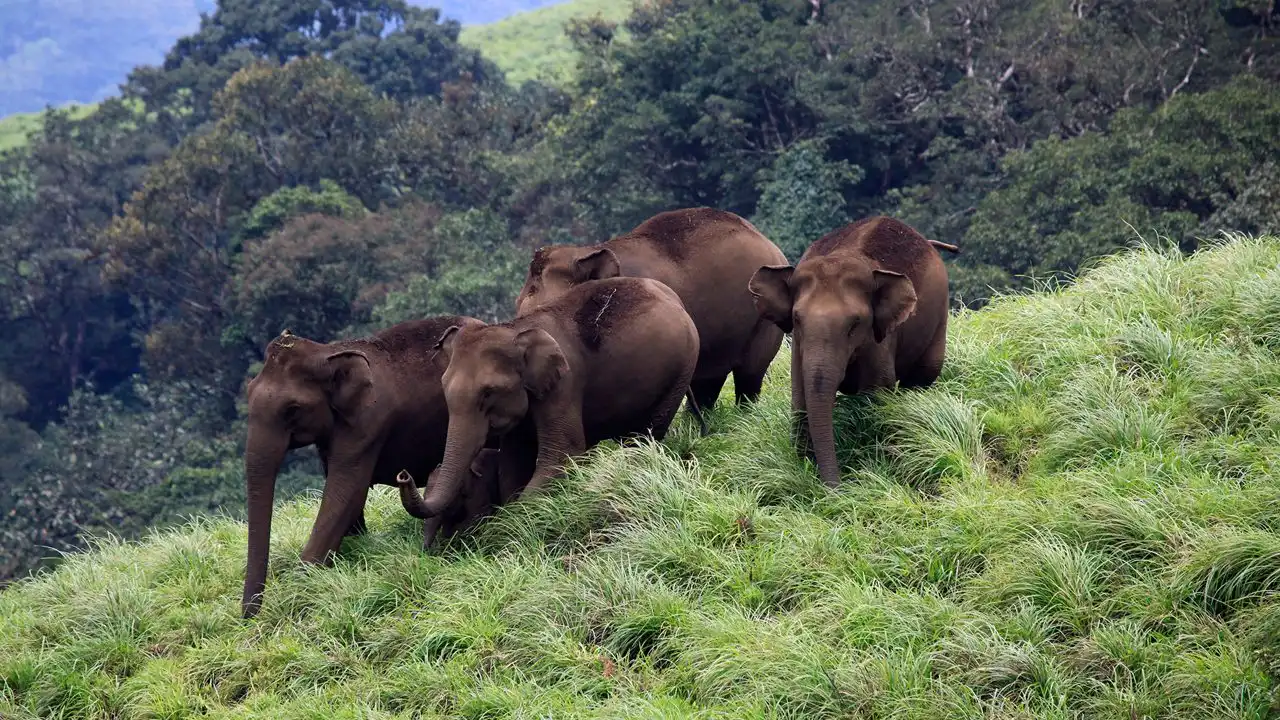
Thekkady sits at the point where hill scenery meets thick forest. It’s mostly known for the Periyar Wildlife Sanctuary, but there’s more to it than that. Instead of wide tea gardens, you get dense greenery, shaded trails, and a large lake cutting through the forest. Boat rides on Periyar Lake are quiet in a way that feels almost unreal. Even if animals don’t show up, the stillness alone makes the ride worth it.
Highlights of Thekkady
- Forest-covered hills and lake views
- Wildlife safaris and guided walks
- Nearby spice plantations
Pro Tip
Morning safaris are usually better. The forest feels more active before the day heats up.
Vagamon – Open Meadows and Gentle Hills
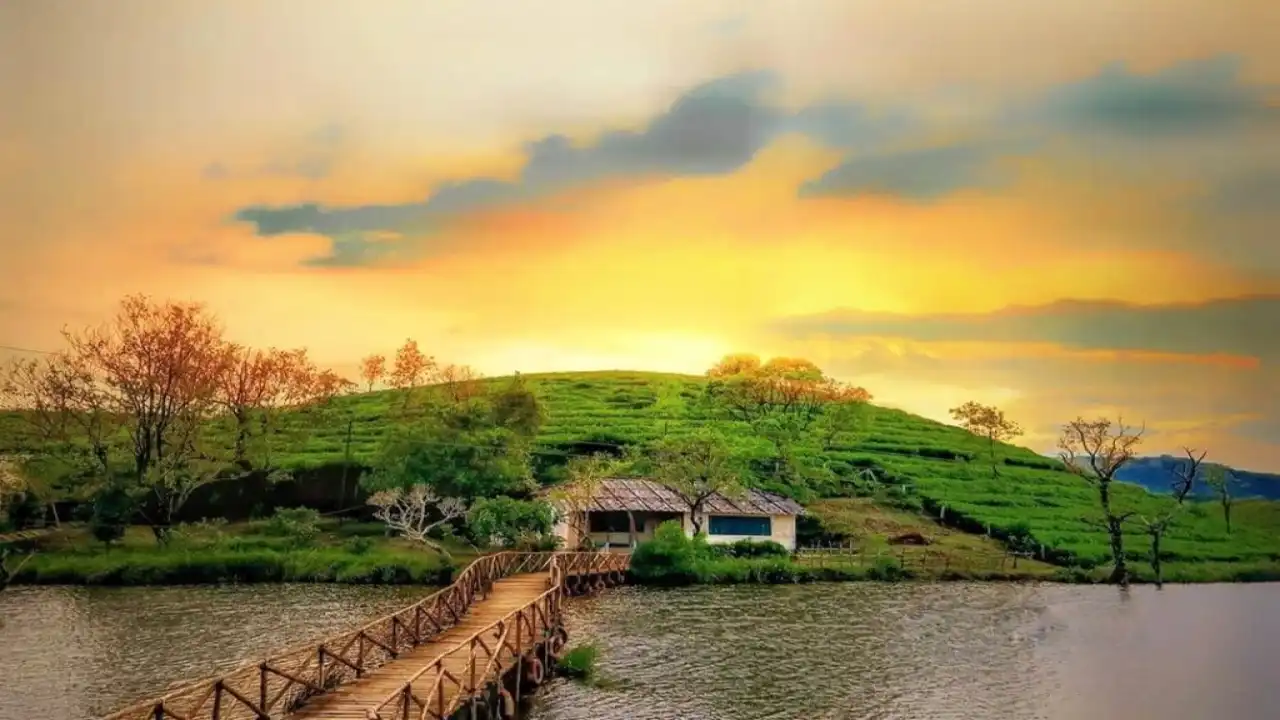
Vagamon doesn’t try to be famous. That’s part of the appeal. Open meadows stretch across hilltops with pine trees scattered around like they were placed casually. There’s no rush here. No loud tourist zones either. Even the popular spots feel calm. Vagamon suits travelers who enjoy slow walks, quiet picnics, and time that doesn’t feel scheduled.
Why Vagamon Feels Refreshing
- Open landscapes instead of dense forests
- Cool breeze through most of the day
- Minimal traffic and noise
Pro Tip
Carry a light jacket. Evenings can turn cool faster than expected.
Ponmudi – A Hill Escape Close to the City
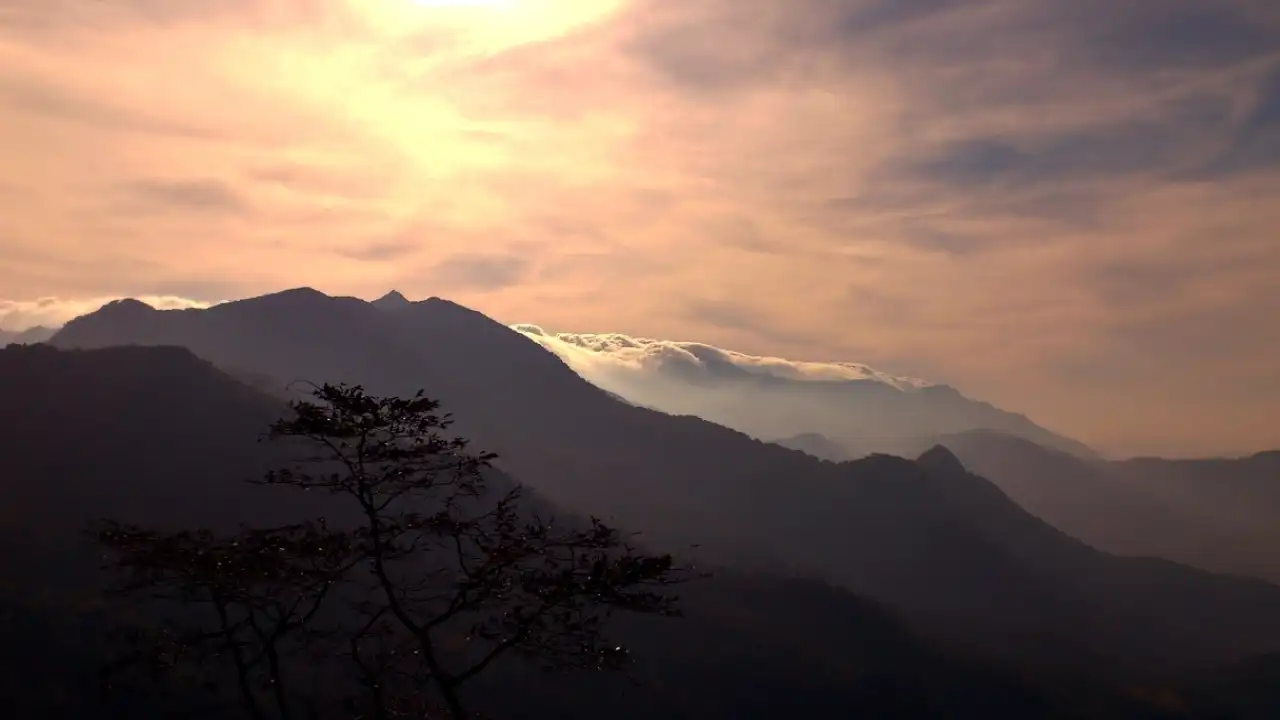
Ponmudi often gets overlooked, mostly because it’s close to Thiruvananthapuram. But that’s exactly what makes it useful. In a short drive, city roads turn into winding hill routes with mist, forests, and sharp curves. It’s small and manageable, which makes it good for weekend trips or families who don’t want long travel days.
What You’ll Enjoy in Ponmudi
- Scenic drives with multiple hairpin bends
- Short trails that don’t need full-day planning
- Simple viewpoints without heavy crowds
Pro Tip
Weekdays are quieter. Weekends can feel packed for such a small area.
Best Time to Visit Kerala’s Hill Regions
Timing matters more than people expect.
- October to March: Comfortable weather and clearer views
- April to May: Warm days but still cooler than the plains
- June to September: Lush scenery, but travel can be slower
Pro Tip
Monsoon trips look beautiful but plan with flexibility. Fog and road issues are common.
Where to Stay – Choosing the Right Base
Stays range from basic homestays to high-end resorts. Often, places slightly away from town centres offer the best views and quiet.
Stay Options Include
- Tea estate homestays
- Eco-resorts near forest zones
- Small family-run guesthouses
For travelers using Kerala trip packages, stays are usually bundled with transport and local experiences, which can make things easier if it’s your first visit.
Planning Your Trip Without Stress
Not everyone enjoys planning every detail. For trips covering multiple hill areas, organised options can help. A Kerala tour package usually includes transport, accommodation, and basic sightseeing, which reduces last-minute confusion. Different travelers look for different setups. Some want slow travel. Others prefer seeing highlights comfortably. Families often focus on convenience, while couples lean towards scenic stays. You’ll often see options listed under Domestic Packages, which suit travelers who want a simple, reliable structure.
Why These Hills Stay With You
Kerala’s hill regions don’t just look good. They stay for a while. You remember the smell of wet tea leaves. The quiet that feels natural, not forced. Time stretches a little, and somehow that feels right. Across different Kerala tea garden destinations, the common thread is calm. They don’t push themselves on you. They don’t try too hard. They just exist, and that’s enough.
Conclusion
Kerala’s hill stations aren’t about ticking off places. They’re about small moments watching clouds drift, drinking tea slowly, sitting quietly because there’s no need to talk. Whether you choose well-known towns or quieter corners, the experience feels personal. If you’re looking for views that relax instead of overwhelm, and places that let you breathe without asking for attention, Kerala’s hills do exactly that.
Tips for First-Time Visitors
- Start early to avoid fog blocking views
- Carry motion sickness tablets for hill roads
- Respect plantation areas and local rules
- Don’t rush these places, don’t reward speed