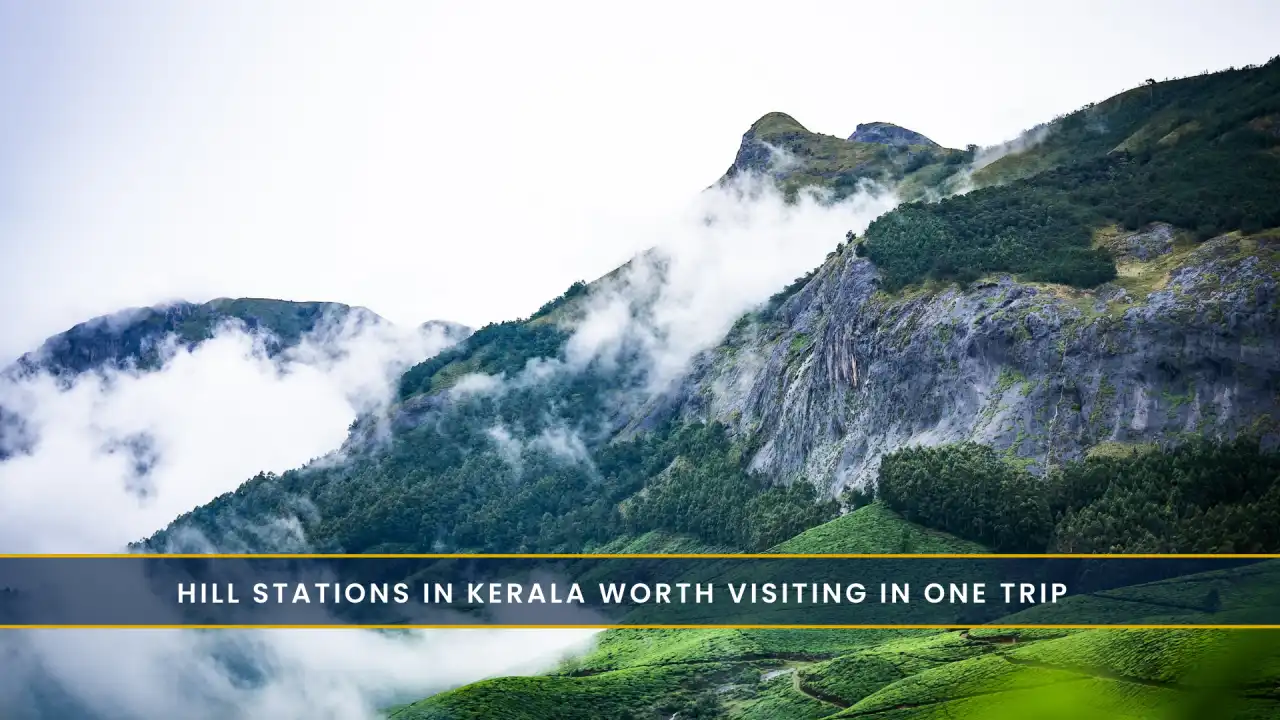
Jan 2026
Author: Taranpreet Kaur
Hill Stations in Kerala Worth Visiting in One Trip
Introduction
Kerala doesn’t rush you. You notice that almost immediately. The rivers move at their own pace, forests seem to breathe slowly, and the mountains, especially the hill regions, feel like they’ve been waiting a long time for visitors who won’t hurry through them. If you enjoy cooler air, quieter roads, and landscapes that don’t demand attention but still stay with you, doing the Hill Stations in Kerala in one thoughtful trip can feel surprisingly fulfilling.
This kind of journey isn’t about squeezing in every viewpoint or ticking off names from a list. It’s more about moving steadily from one highland area to another and noticing small changes along the way, how the air feels lighter, how tea estates slowly replace palm trees, and how mornings start feeling calmer the higher you go. This guide is written for travelers who want something realistic and manageable. No dramatic claims. No overpromising. Just honest travel insight, the kind that comes from actually being on these roads.
Why Combine Kerala’s Hill Stations in One Trip?
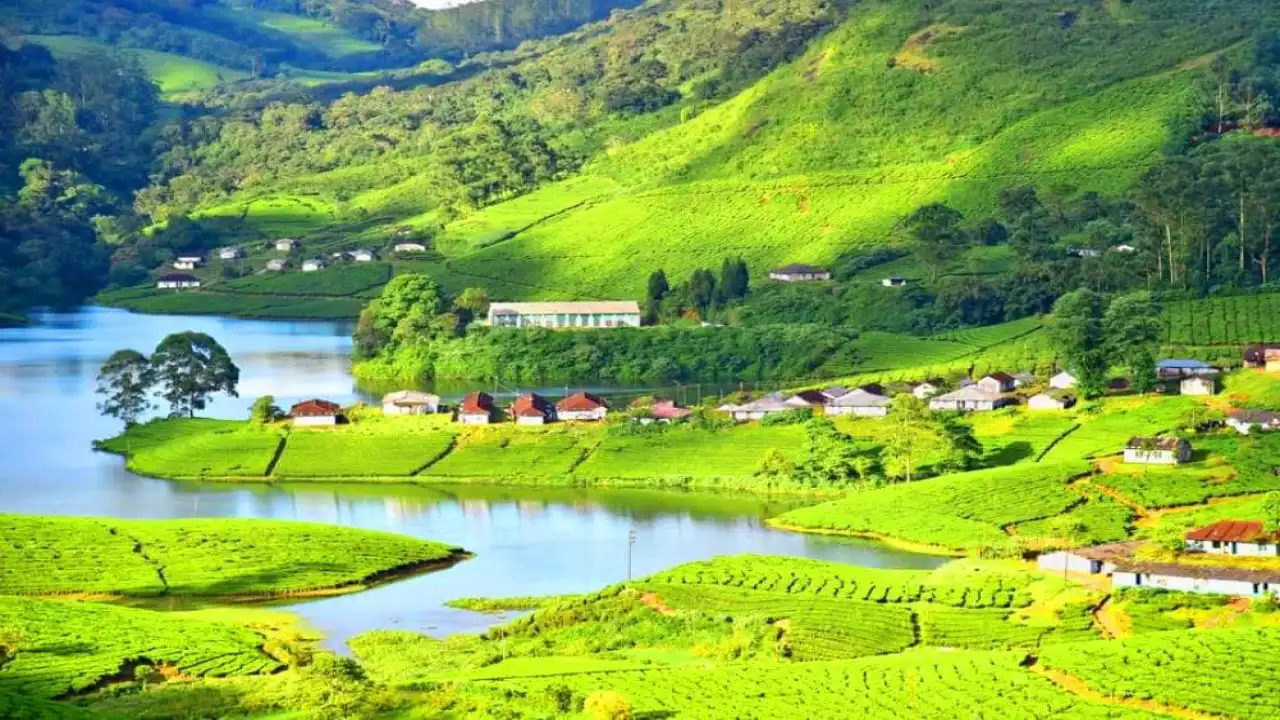
A lot of people pick one hill town, spend a couple of nights, and head back. That works, sure, but it barely shows what Kerala’s high ranges are really about. The hill stations here are close enough to connect easily, yet different enough that none of them feels like a repeat. That’s also why this route suits couples so well as a honeymoon trip package; you get changing scenery and quiet moments together, without the stress of constant packing or rushing from place to place.
There are a few practical reasons this combination works well:
- Most major hill destinations are easy to reach by road, and the drives are generally comfortable.
- Each place has its own personality; some feel active, others very still
- The climate stays comfortable for most of the year
- The scenery changes gradually, so the journey never feels tiring
Pro Tip: Try planning the route in a loop instead of going back the same way. It saves time and makes the drive feel less repetitive.
Munnar – The Starting Point Most Travelers Love
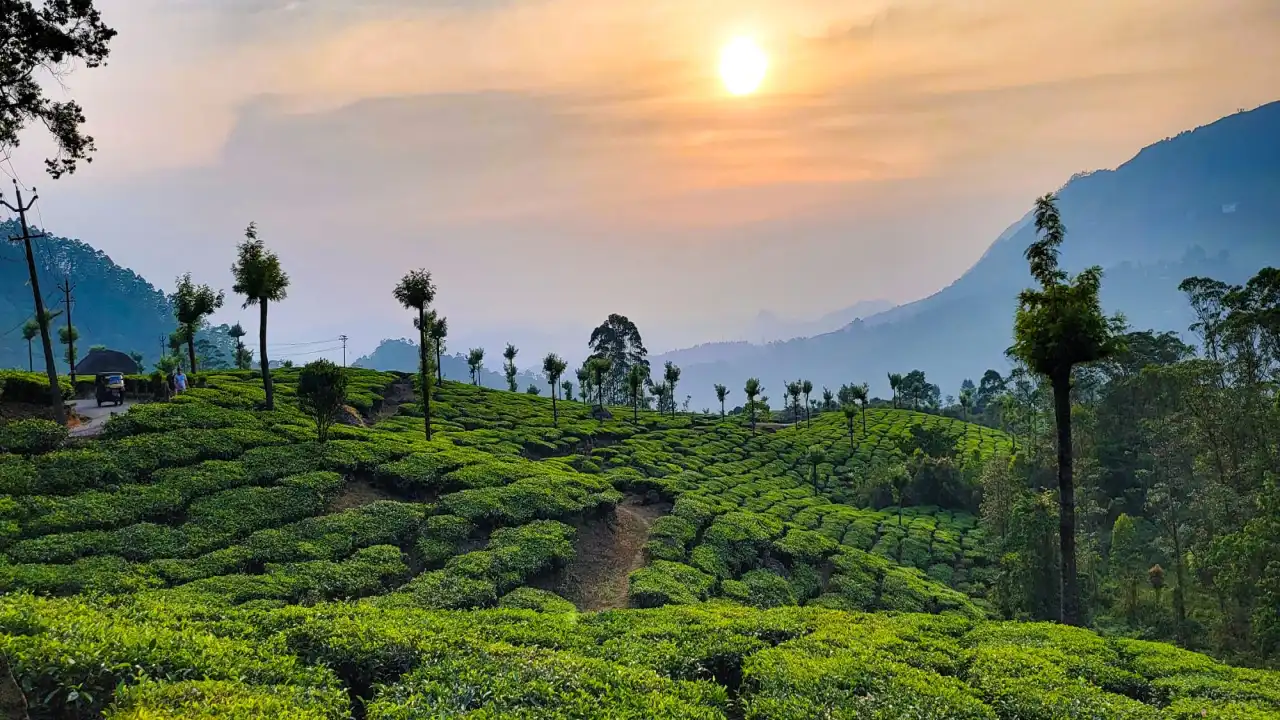
Nearly every hill journey in Kerala starts here, and honestly, that makes sense. Munnar hill station eases you into the mountains without overwhelming you. You don’t feel thrown into unfamiliar terrain. Instead, there are rolling tea gardens, clean stretches of road, and viewpoints that just appear when you’re not expecting them.
It works well as the first stop because:
- Kochi connects easily to Munnar by road
- There’s a wide range of places to stay
- Attractions are spread out, so crowds don’t pile up in one spot
What to Do in Munnar
- Walk through tea estates early in the morning when it’s quiet
- Visit a tea factory to understand how the process actually works
- Sit at a viewpoint without constantly checking your phone
- Choose short nature walks instead of ambitious treks
Pro Tip: Try avoiding popular viewpoints between late morning and mid-afternoon. Early or late visits feel far more peaceful.
Thekkady – Where Hills Meet the Wild
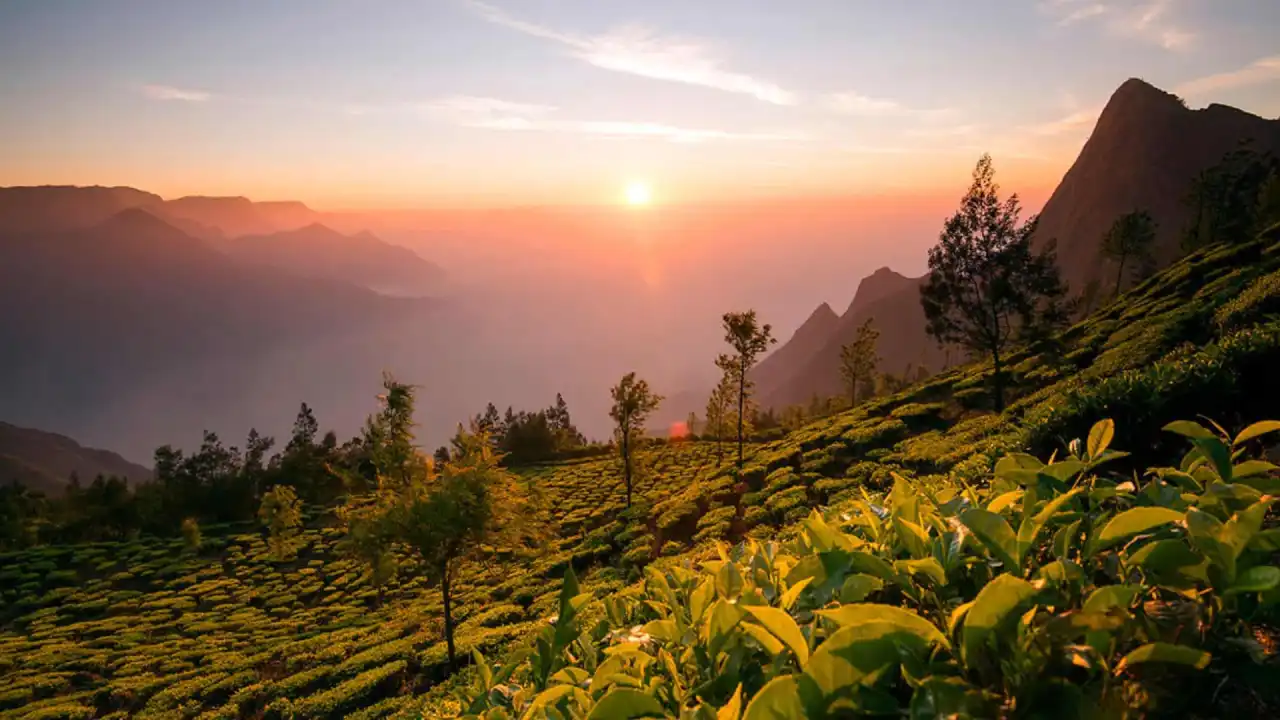
After Munnar, Thekkady feels different in a good way. This is where forests start taking over from plantations. The surroundings feel denser. Quieter. Less arranged.
What makes Thekkady worth adding:
- Thick greenery rather than open landscapes
- Experiences focused on nature and wildlife
- Calm evenings once the day visitors leave
Experiences That Actually Feel Worth It
- Early morning walks along forest edges
- Boat rides are meant for observation, not rushing
- Spice plantation visits that explain real farming methods
Pro Tip: Wildlife sightings can’t be predicted. Go in curious, not hopeful. You’ll enjoy it more.
Vagamon – The Hill Station That Feels Left Alone
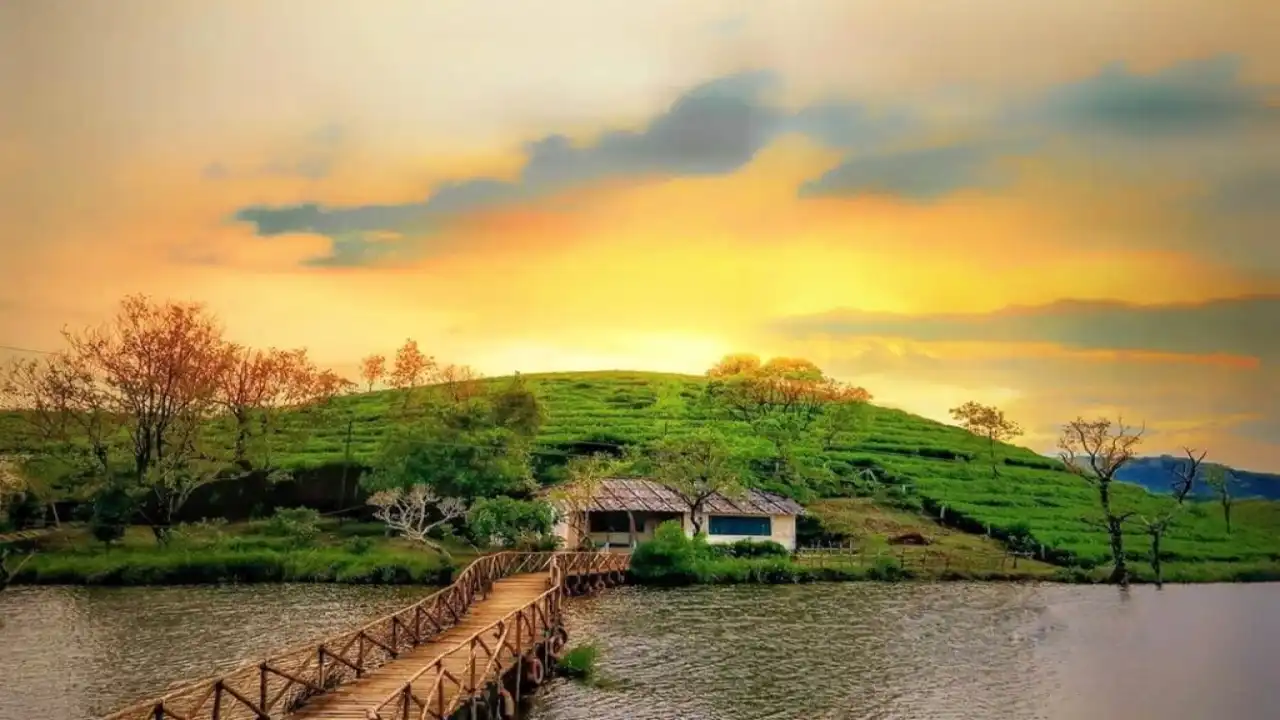
Vagamon is often overlooked, and that’s exactly why it works. It doesn’t try too hard. There’s no pressure to do anything special.
This place suits travelers who enjoy:
- Wide open grasslands
- Quiet nights with little noise
- No pressure to “cover” attractions
Why Vagamon Fits Perfectly in the Middle
After busier places, Vagamon feels like a pause. You walk more slowly. Sleep deeper. Think less.
Things to do here are intentionally simple:
- Short walks across open slopes
- Sitting with a book or some music
- Watching clouds drift without checking the time
Pro Tip: Don’t over-plan Vagamon. It’s better when left open.
Ponmudi – A Short but Satisfying Ending
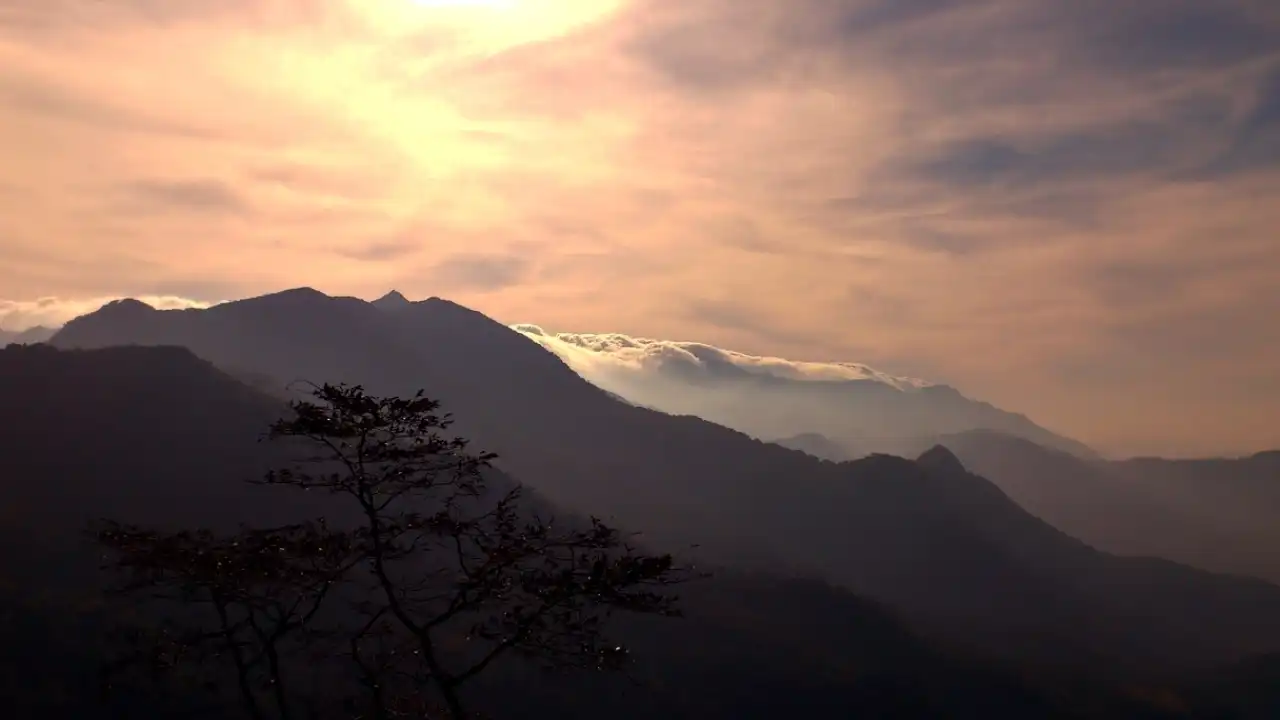
Closer to Thiruvananthapuram, Ponmudi makes for a gentle finish. It’s small, scenic, and doesn’t demand long travel hours.
What stands out here:
- Curving roads with frequent hairpin bends
- Viewpoints that are close together
- A calm, end-of-journey feel
How to Spend Time in Ponmudi
- Drive slowly and stop when you feel like it
- Explore short forest paths
- Spend evenings indoors with tea and conversation
Pro Tip: Ponmudi works best if you don’t expect too much from it.
The Drive Matters as Much as the Destination
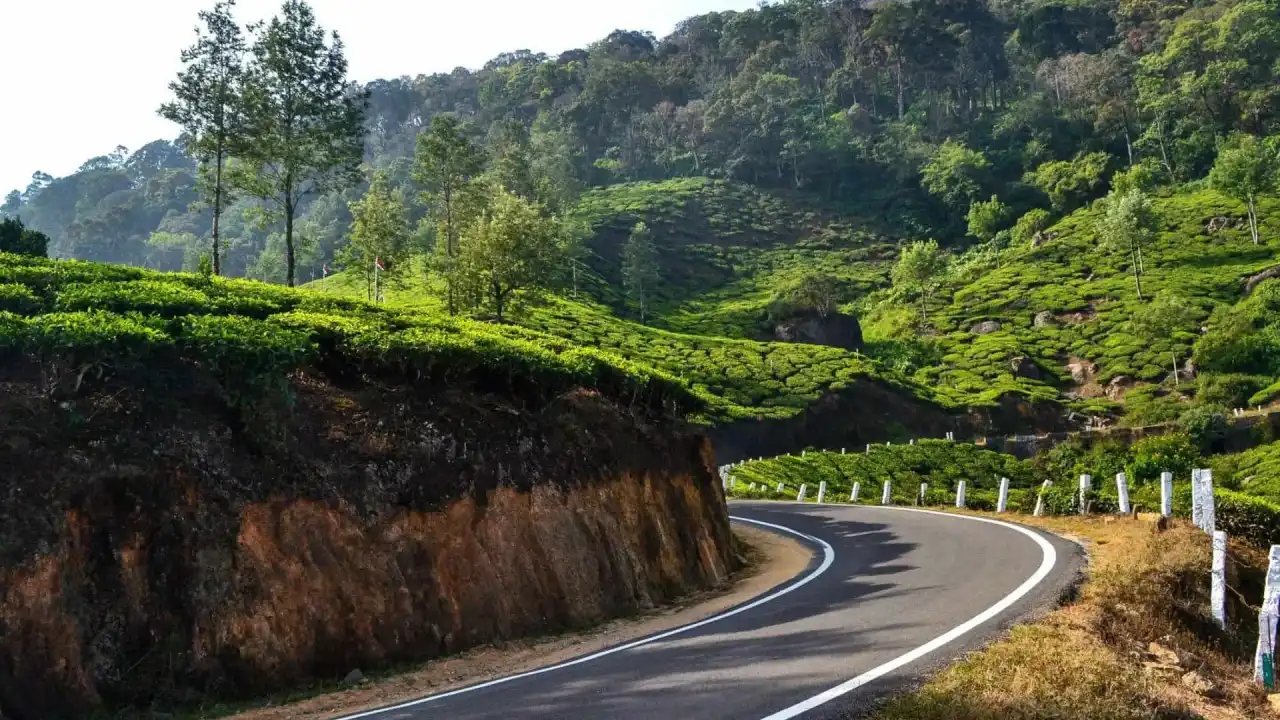
Something many travelers don’t expect is how memorable the drives turn out to be. In Kerala’s hill regions, the road journey is part of the experience. It’s not just about getting from point A to point B.
Along the way, you’ll notice:
- Forest stretches covered in light mist
- Small spice villages that feel lived-in, not touristy
- Roadside stalls selling bananas, tea, and snacks you didn’t plan on eating
Instead of squeezing in long drives, aim for shorter ones. Two or three hours on the road in a day is more than enough.
Pro Tip: Keep at least one buffer day. Weather in the hills changes quickly, and having flexibility makes everything easier.
Food and Dining in the Hills
Food in Kerala’s hill regions is simple and filling.
You’ll mostly find:
- Rice-based meals
- Mild spice levels
- Plenty of tea and snacks
Stick to places where locals eat. Flashy cafés don’t always mean good food.
Pro Tip: Lighter dinners work better in cooler weather.
How These Hill Stations Fit Together Naturally
This route works because it feels balanced. Nothing feels forced.
- Munnar introduces altitude
- Thekkady brings you closer to forests
- Vagamon clears the mind
- Ponmudi gently wraps things up
Together, they give a full picture of Kerala hill destinations without repetition or fatigue.
Best Time to Do This Trip
Timing changes the experience more than most people realize.
Ideal Months
- October to March offers the best overall balance
- June to September is beautiful but needs flexibility
Months to Watch Out For
- April and May can feel warm during the day
- Holiday seasons attract crowds
Pro Tip: Shoulder seasons often give better value and fewer people.
Accommodation Strategy That Works
Instead of switching hotels constantly:
- Stay at least two nights per location
- Choose places slightly away from town centers
- Focus on cleanliness and views, not luxury
Pro Tip: Local hotel staff often give better road advice than online reviews.
Why This Trip Feels Honest
This journey doesn’t promise big transformations. What it gives instead is steadiness. Better sleep. Fresh air. Time that doesn’t feel rushed. That’s why people who travel this way usually come back rested, not drained.
Conclusion
Seeing Kerala’s hill stations in one trip isn’t about covering more ground. It’s about moving thoughtfully, without rushing from one stop to the next. When planned well, the journey feels natural and unforced, almost like it’s unfolding on its own. Each place brings something different to the table, without repeating what you’ve already seen. For travelers who care about calm routes, sensible planning, and real time in nature, this is the kind of experience a well-designed Kerala trip package quietly delivers, and one that tends to stay with you long after the trip is over.
Common Mistakes to Avoid
Many travelers miss the charm by:
- Packing too much into each day
- Spending hours driving daily
- Treating hill stations like photo stops
Slowing down almost always improves the experience.

