Holi Through Food: What India Eats on Its Most Colourful Day
Introduction
Holi mornings never start quietly. Before the sun settles in, the kitchen is already awake, utensils clinking, oil heating, something sweet frying, and a familiar question floating around: “Is it ready now?” Even before the first color hits the street, food makes it clear that Holi has arrived, often with someone humming “rang barse bheege chunar wali…” in the background.
In India, Holi isn’t only about colors or laughter; it’s about open doors and full plates. Anyone who walks in is expected to eat, because the food of the day carries memory, habit, and emotion. Many dishes appear just once a year, which is why people wait so long for them. That’s exactly why Holi festival food in India deserves more than a quick mention. Not every Holi dish plays the same role, and ranking them helps explain why some feel impossible to replace.
How These Holi Dishes Earned Their Place
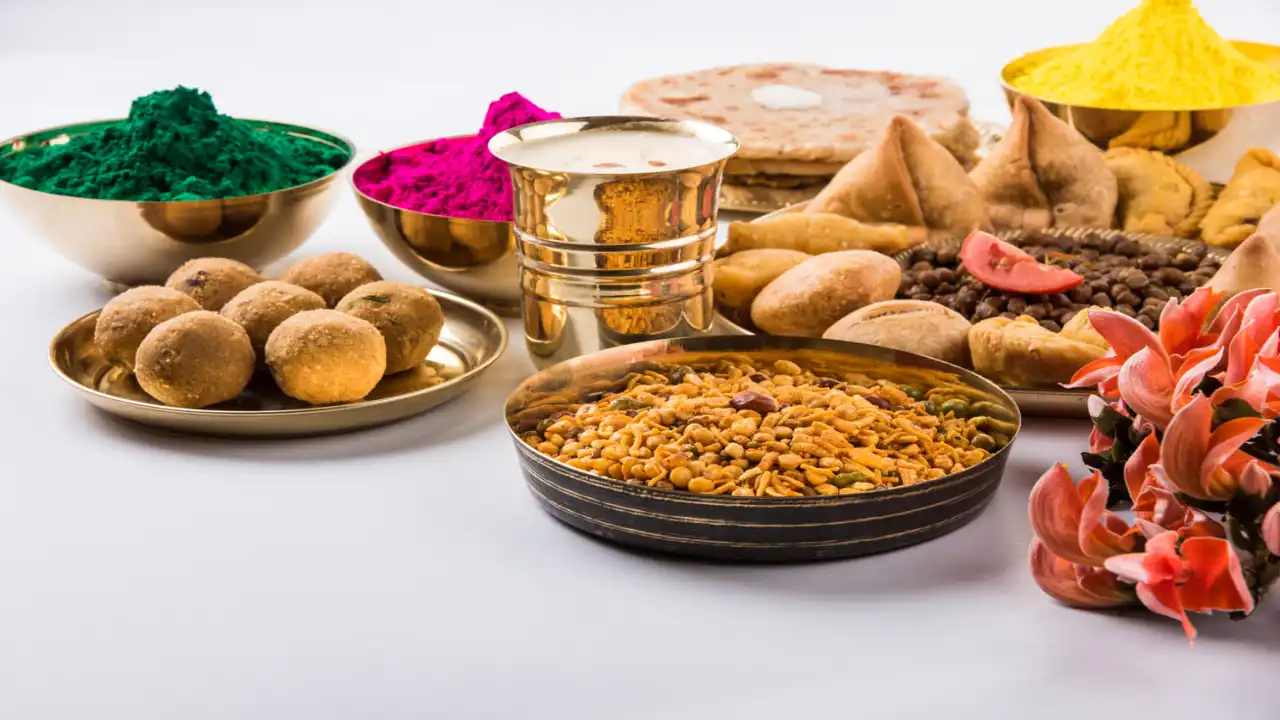
This ranking isn’t about what tastes best on paper. It’s about how food actually behaves on Holi.
Four things shaped this list:
- Popularity across India – how often a dish shows up, no matter the region
- Emotional value – childhood habits, family routines, shared moments
- Seasonal relevance – food that makes sense in early summer heat
- Holi-specific presence – dishes saved especially for this festival
Together, these explain why some foods feel missing if they’re not on the table, even if everything else is.
The Role of Homemade Food in Holi Memories
For a lot of people, Holi doesn’t just look colorful. It tastes like childhood. As kids, we didn’t really know what went into the food. Ingredients didn’t matter. What mattered was excitement. The kitchen felt louder than usual. Adults were busy, slightly stressed, and oddly patient at the same time. We were told not to enter. Naturally, we entered anyway. Standing near the kitchen was part of the experience. Watching sweets take shape. Watching snacks go into hot oil. Listening to elders debate whether something tasted better “last year.”
Sneaking food wasn’t encouraged, but it wasn’t truly punished either. A stolen gujiya, eaten too hot, usually ended with a warning that nobody meant seriously. Homemade Holi food felt special because it was rare. It came once a year. It involved effort. Everyone had a role. Grandparents supervised. Parents cooked. Children hovered, hoping to be noticed. That crowded, noisy space created memories stronger than any recipe ever could.
Pro Tip:
When you try making Holi food now, don’t chase perfection. Chase the feeling. That’s the part people actually remember.
Holi Dishes India Waits For
Gujiya: The Face of Holi
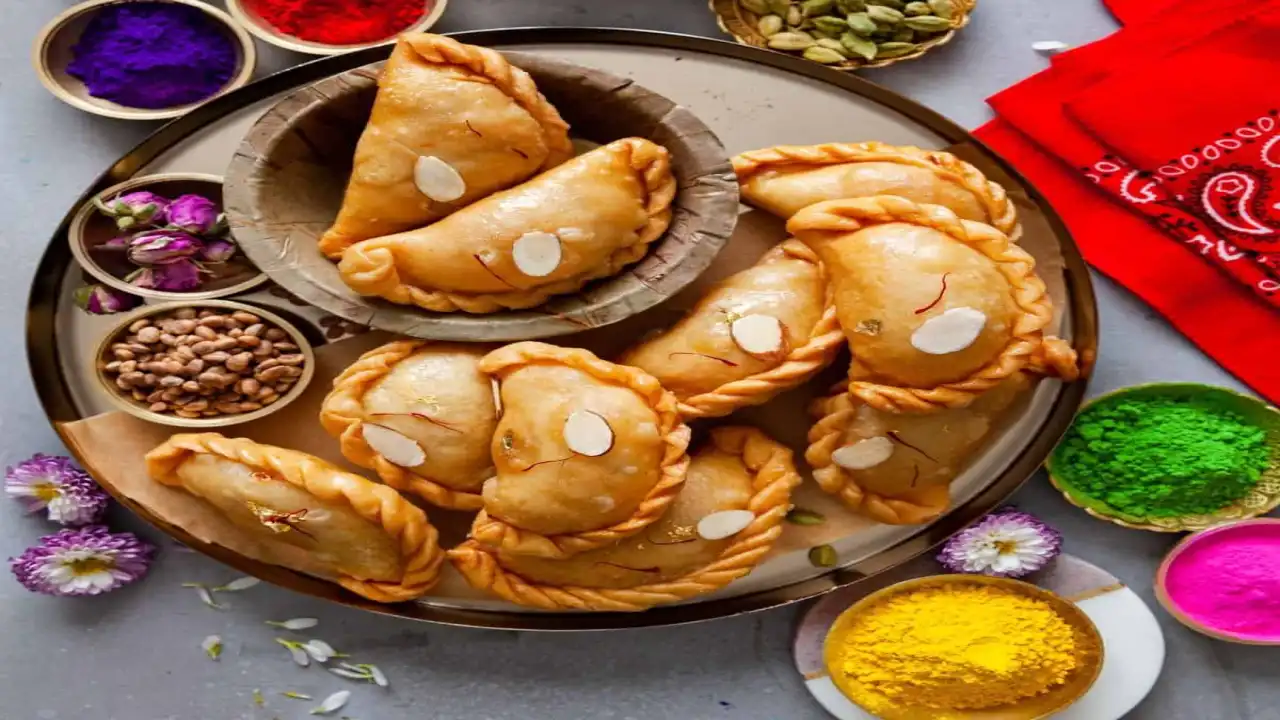
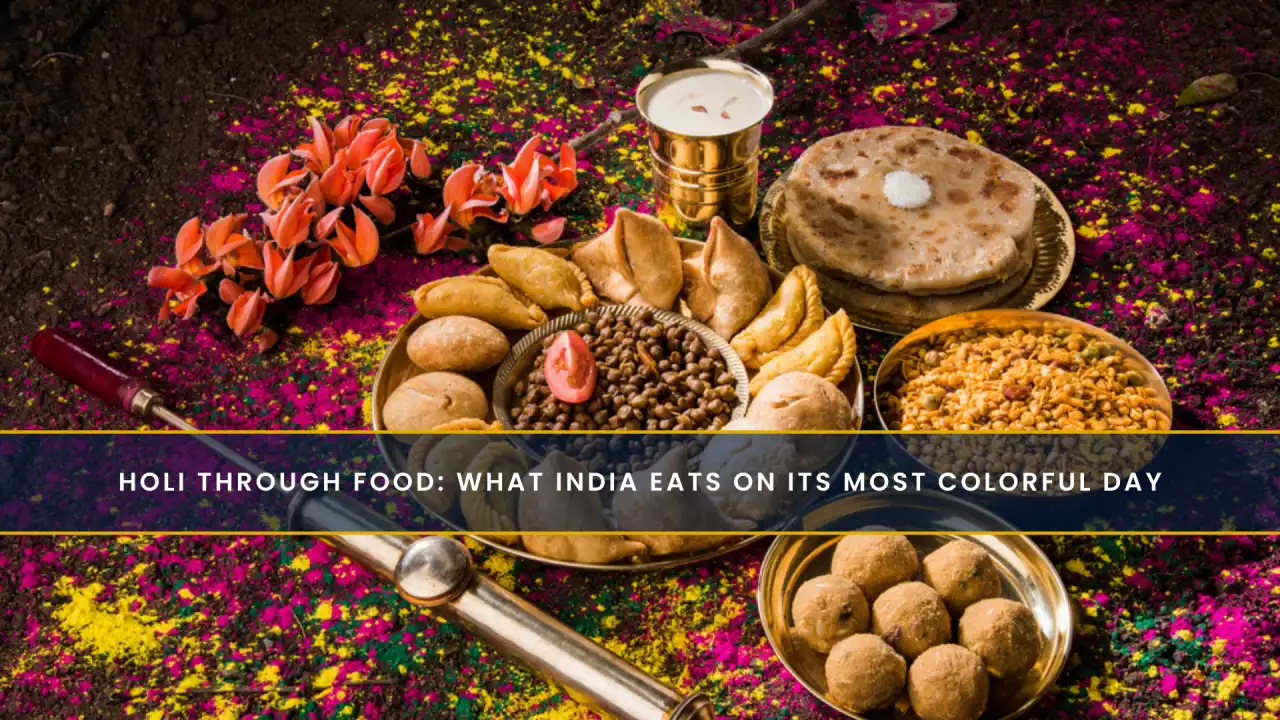
Gujiya sits at the top because Holi without it feels incomplete. In many homes, the day doesn’t truly begin until the first batch hits the oil. Every family has its own version. Some prefer more khoya. Others add coconut or extra nuts. Some make them small and crisp. Others go big and soft. The shape stays familiar, but the taste quietly changes from house to house. Gujiya carries a strange importance. It’s offered to guests before anything else. It’s packed carefully for relatives. And it’s watched closely, so children don’t steal too many before they cool. That smell of frying gujiyas? That’s often the real start of Holi.
Thandai: Holi in a Glass
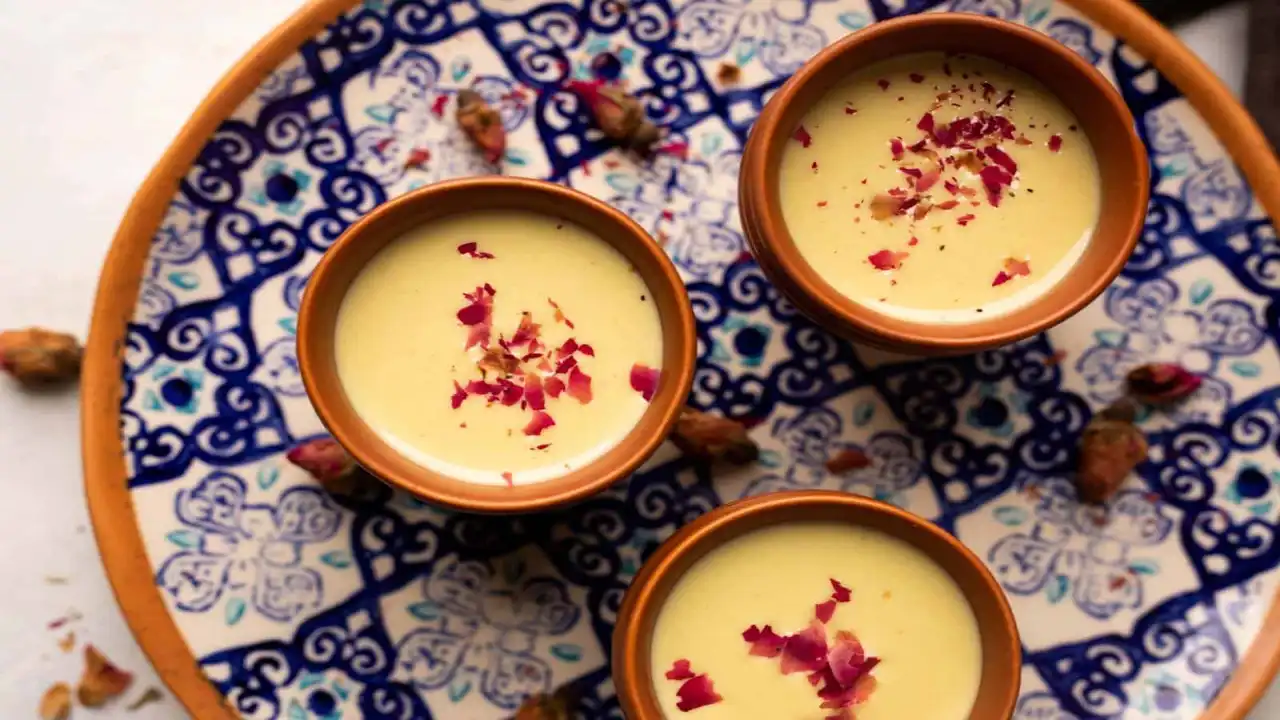
Holi can get loud and tiring fast. Thandai exists to slow things down. It’s made in large quantities for a reason. People drink it all day. Recipes differ widely. Some families make it thick and heavy. Others keep it lighter and easier to drink. What doesn’t change is the effort behind it. Soaking. Grinding. Straining. Mixing. All done patiently. After hours of sweets and fried snacks, thandai cools the body and settles things. It also brings people together, because glasses keep getting refilled without anyone counting. That’s why it comfortably earns its place among Famous Holi sweets and drinks.
Malpua: Soft, Sweet, and Forgotten Too Soon
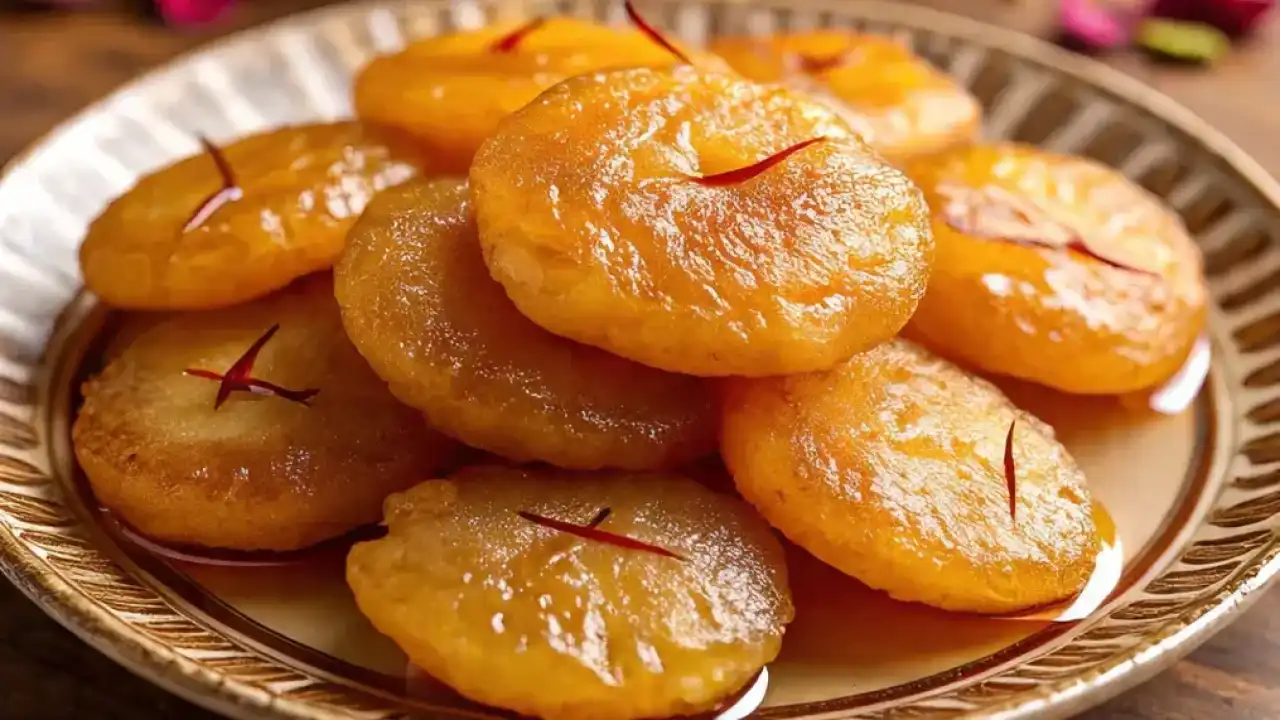
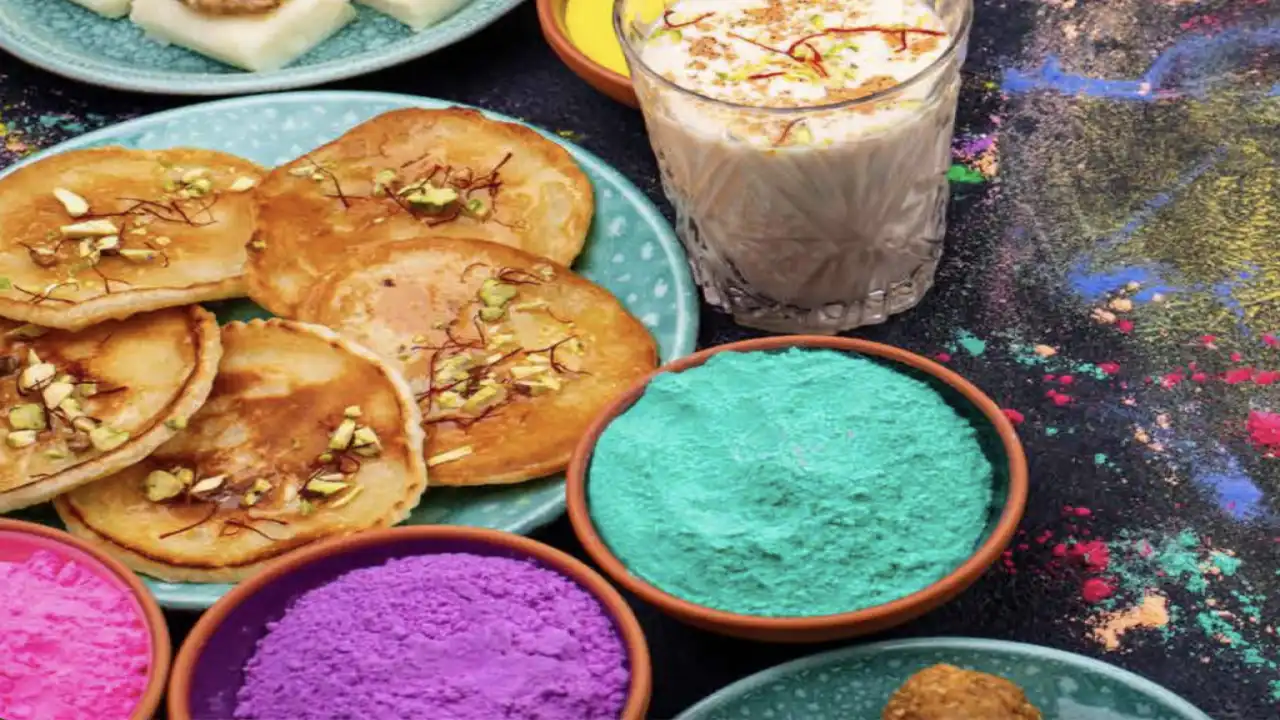
Malpua doesn’t demand attention, but it leaves a mark. Popular in certain regions, it’s soft, soaked, and comforting. It’s usually eaten fresh, which explains why it disappears so quickly. Nobody really plans seconds. Someone always reaches for the last piece before you do. Malpua doesn’t try to last all day. It shows up, does its job, and is remembered later with a quiet kind of fondness.
Dahi Bhalla: The Balance Dish
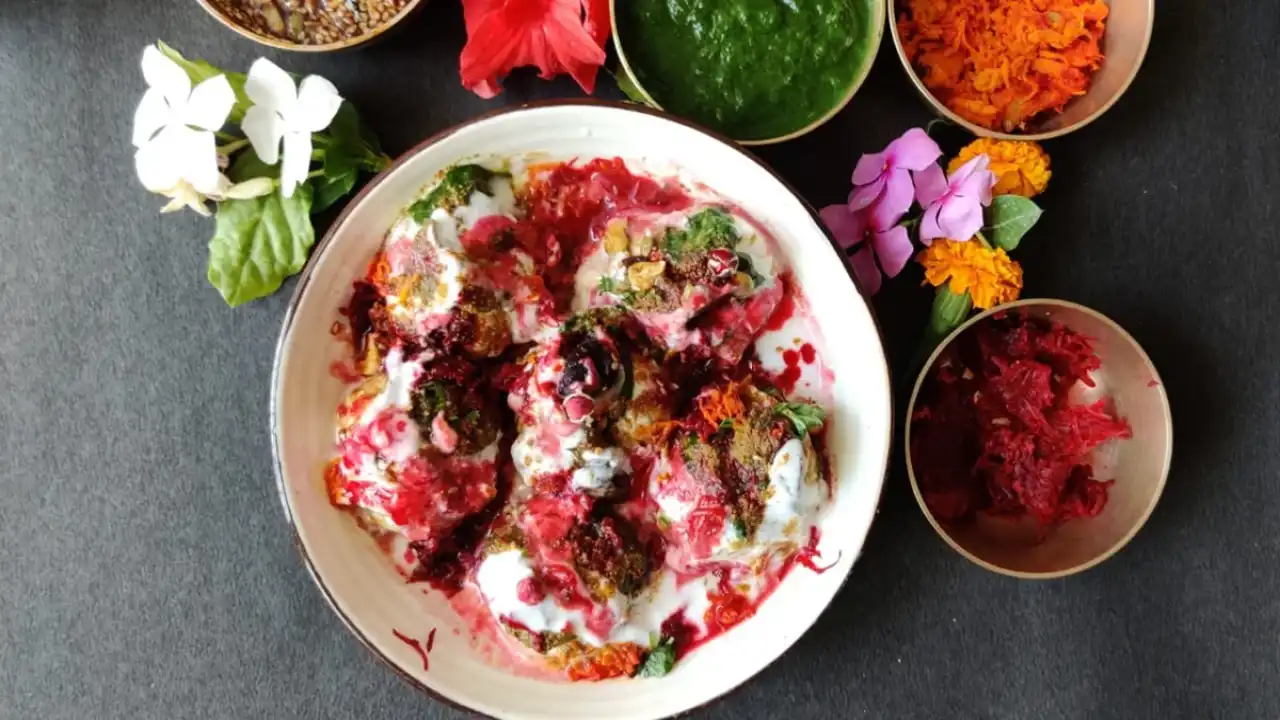
With so many sweets around, Holi food can feel overwhelming. Dahi bhalla fixes that. Cool, soft, and lightly spiced, it gives the body a break. Elders almost always insist on it being served. They know what they’re doing. Dahi bhalla also forces people to slow down. You can’t really eat it while running around. It makes you sit, even if only for a few minutes.
Kachori & Mathri: The Unsung Heroes
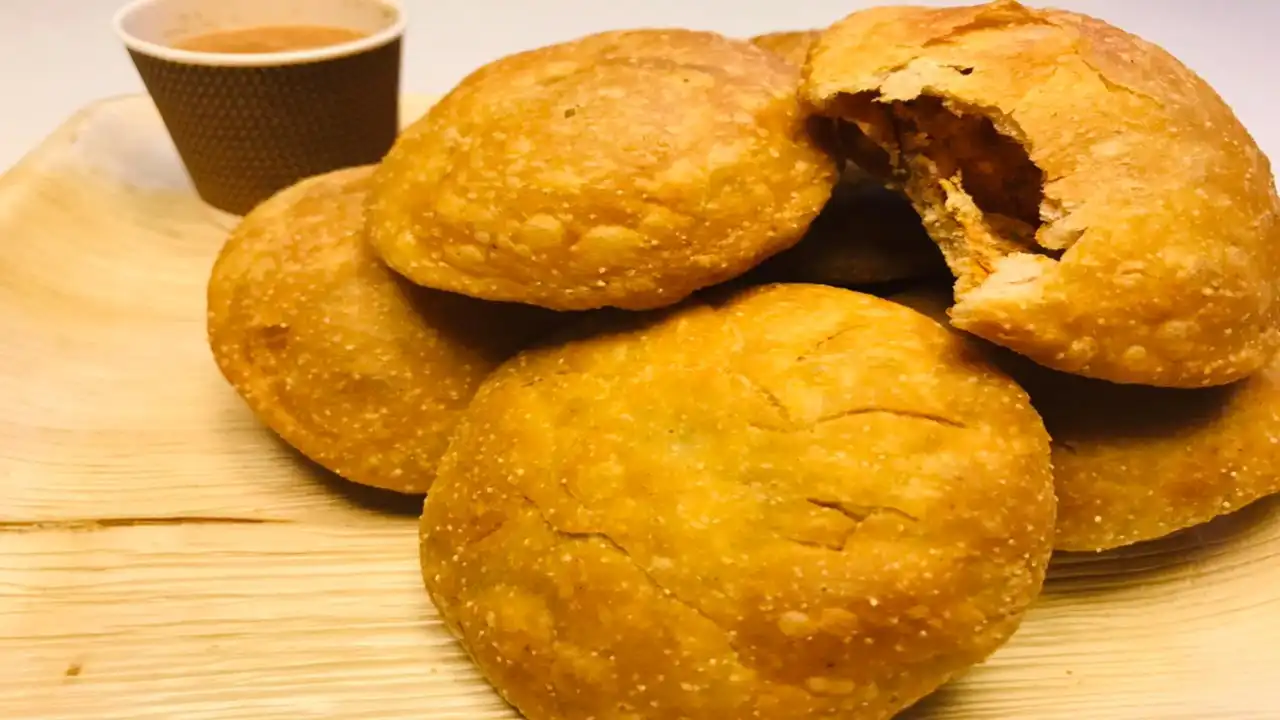
These snacks rarely get praised, but they are everywhere. Kachori and mathri are easy to make in bulk and easy to eat without thinking. People grab them while playing with colors, during conversations, or while standing near the door. They don’t get discussed much, but they quietly keep everyone going. That alone makes them important.
Puran Poli & Regional Specials
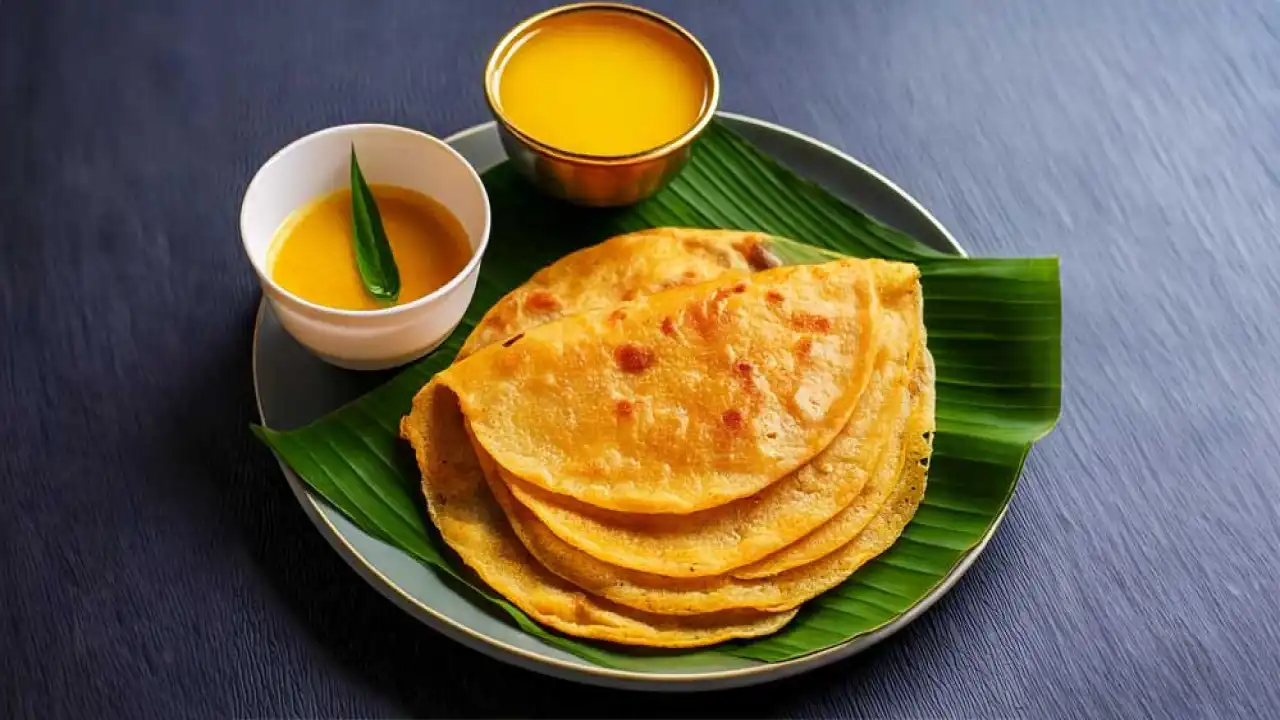
Holi food changes as you move across India. In some places, puran poli is essential. In others, local sweets or savory dishes define the day. These foods reflect climate, ingredients, and local habits. Together, they show the range found in Traditional Holi dishes in India. The festival stays the same, but the flavors don’t.
Honorable Mentions
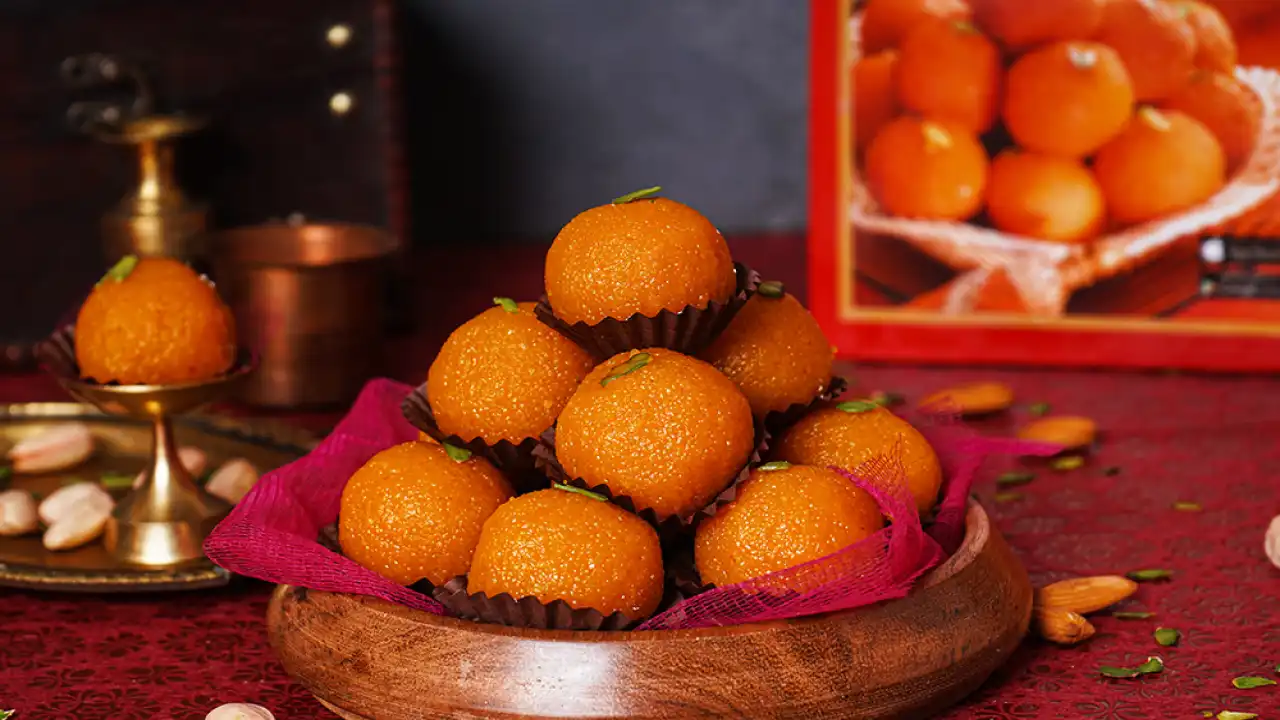
Some dishes don’t make the top ranks but still belong on the table:
- Laddoos
- Peda
- Namak pare
- Savory gujiyas
They fill the gaps and keep everyone satisfied.
Experiencing Holi Through Food
Many people now plan short trips around Holi just to experience local food traditions. Families often opt for Family Packages so they can enjoy celebrations in places known for festive food without worrying about logistics. Eating together in a new setting often becomes the memory that lasts the longest.
Conclusion
Holi food does more than fill plates. It brings people closer, softens conversations, and creates shared moments that stay long after the day ends. Recipes often outlive the festival itself, passed down with small changes but the same emotion, much like the experiences people seek while exploring celebrations across the country, as seen in Holi in Different Shades: Unique Holi Getaways in India. By evening, the colors fade and the mess gets cleaned up. What remains is the taste and the memory of sharing it. Holi, in the end, almost always tastes better when it’s shared.
Pro Tips for Eating Well on Holi
- Start with savory food before sweets
- Drink water often
- Don’t ignore homemade dishes for packaged ones
- Ask elders about old recipes and serving habits
Small things, but they make the day easier.