How to Build a Japan Trip Around Sumo, Baseball & Local Sports Culture
Introduction
Some trips are just ticking boxes. You go, you see, you leave. Japan doesn’t really work like that. If you give it a bit of space, it starts showing you a different side of it that isn’t always in the guidebooks. Not quieter exactly, just more real. And a big part of that comes through its sports scene. That’s where Japan Sports Travel starts to make sense. Not as a trend, but as a way to actually feel how people gather, react, and celebrate.
You don’t need to be into sports, by the way. That’s the funny part. We’ve seen people walk into a stadium not knowing anything and still walk out smiling like they understood everything. One day, you’re sitting in a sumo arena, barely speaking, just watching rituals unfold. The next day, you’re in a baseball stadium with songs, chants, and noise everywhere. It shouldn’t feel connected but somehow it does. Anyway, here’s how you can actually plan a trip like this without turning it into a spreadsheet nightmare.
Start with Timing: Pick the Right Season
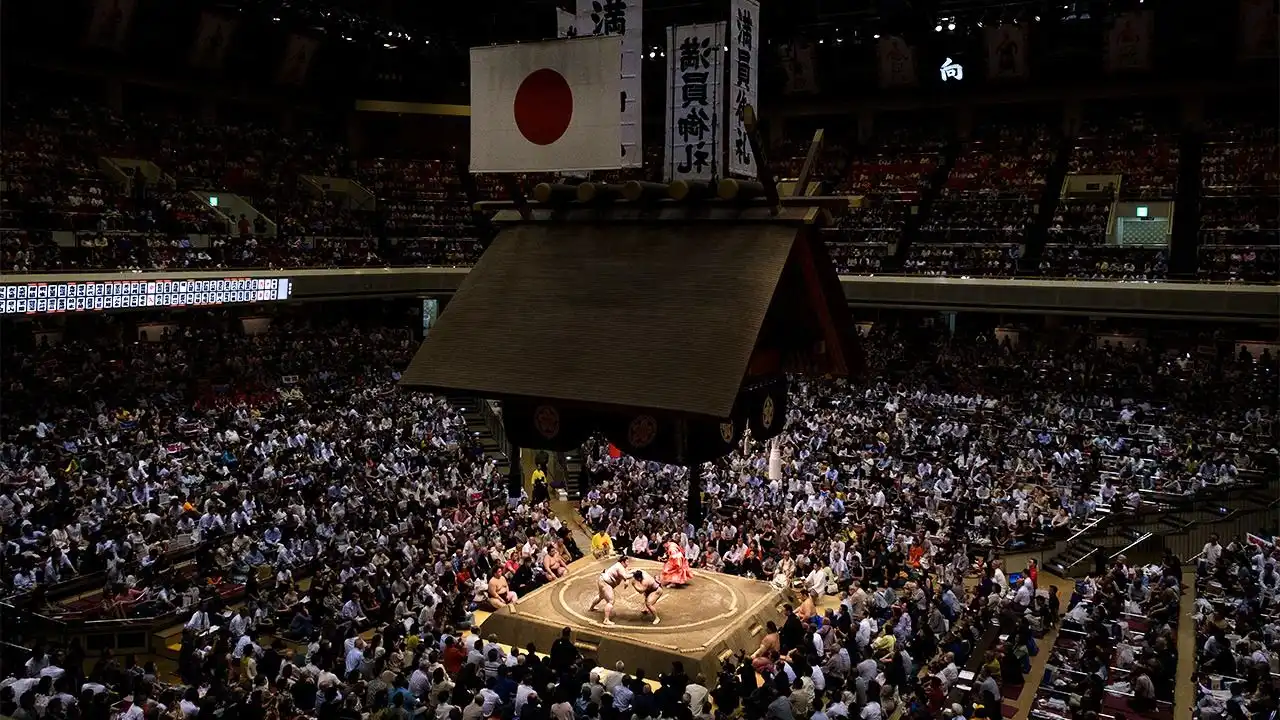
This part matters more than people think. Japan’s sports calendar isn’t flexible. It’s very fixed. Especially sumo. The main tournaments, honbasho, happen only six times a year. Not more. Not less. Cities like Tokyo, Osaka, and Fukuoka host them, and each one runs for about 15 days. Miss that window, and that’s it. You’re not “catching the next one next week.” Baseball is easier. The season usually runs from March to October, so you’ve got more room to play around with dates.
Pro Tip:
Try aiming for May or September if you can. It’s a bit of a sweet spot. Sumo is on, baseball is active, and you’re not drowning in peak-season crowds.
Understanding Japan Sports Culture
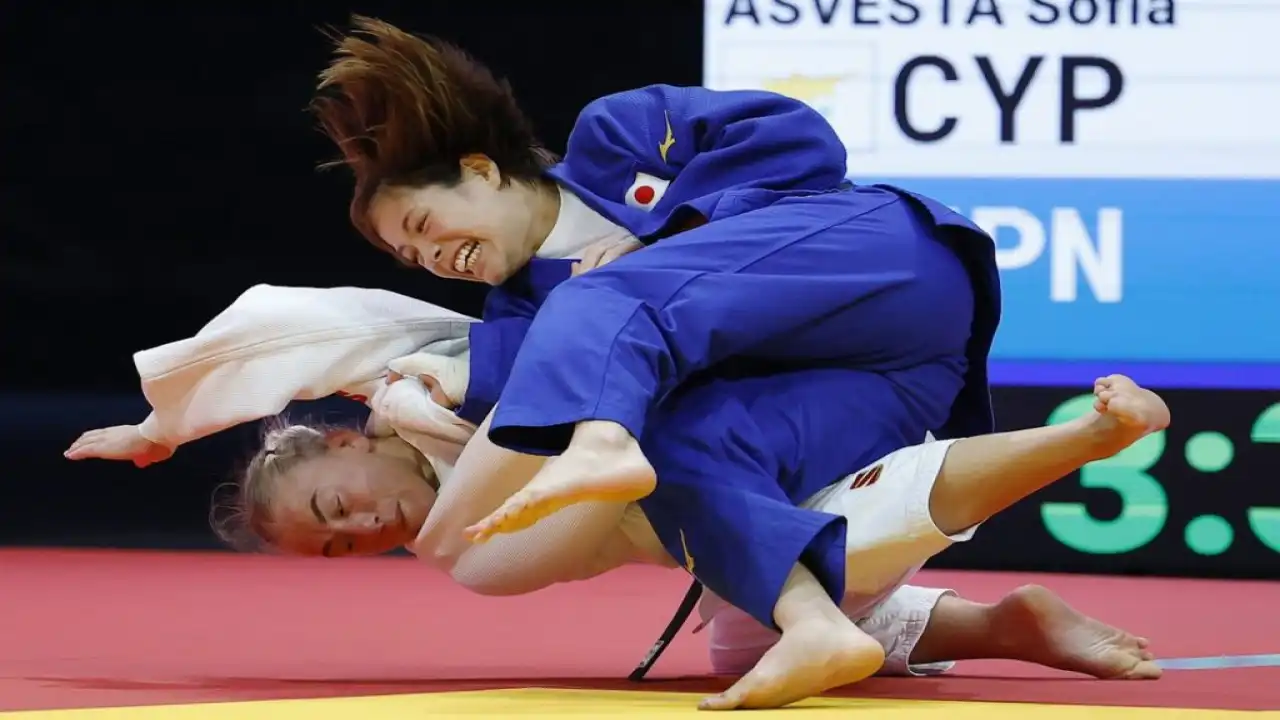
Before you go to any game or match, it helps to know what you’re walking into. Japan Sports Culture isn’t loud in the way you might expect. It’s not random shouting or chaos. It’s organized energy. That’s the best way to put it. In baseball stadiums, fans don’t just cheer whenever they feel like it. They have chants. Rhythms. Entire sections are moving together. It almost feels rehearsed but not in a bad way. Sumo is the opposite. Quiet, almost tense. You hear footsteps, fabric, and the small movements. And then suddenly the crowd reacts. It’s quick, sharp, and then calm again.
Some small things you’ll notice (and remember later):
- People show up early. Like, really early.
- Food isn’t an afterthought; bento boxes, snacks, and drinks are part of the whole thing
- There’s this underlying respect everywhere. For the sport, the players, and even other spectators
It’s not chaotic at all. But it’s definitely not boring either.
Build Your Itinerary Around Sumo
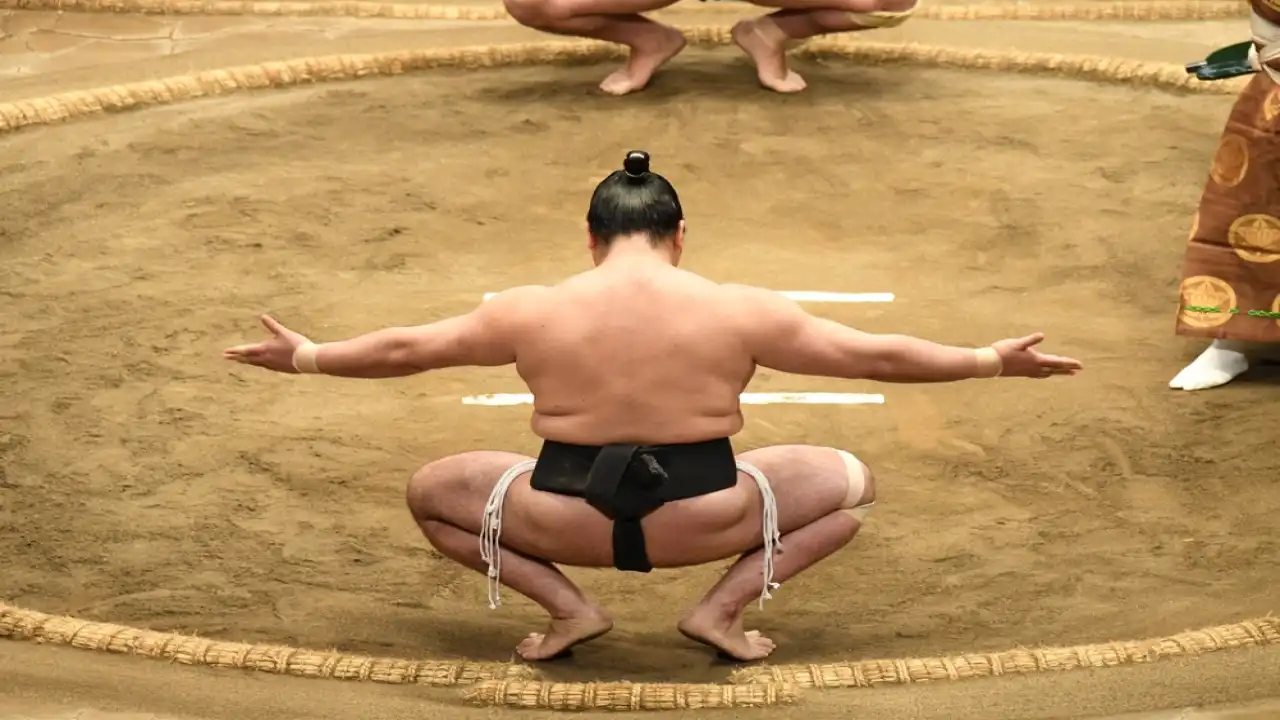
If you’re picking just one thing, make it sumo. The Sumo Wrestling Experience is hard to explain properly. It’s slow and intense at the same time. Matches themselves can end in seconds, which feels almost anticlimactic until you realize the buildup is the whole point. Wrestlers step in, go through rituals, throw salt, stare each other down. There’s a rhythm to it. You kind of fall into it without noticing.
Where to Watch Sumo
- Tokyo (Ryogoku Kokugikan)
- Osaka (Edion Arena)
- Nagoya and Fukuoka
If you’re in Tokyo, Ryogoku is where you want to be. The area feels tied to sumo; you’ll notice it even while walking around.
How to Get Tickets
- Book online in advance (safest option)
- Or try same-day tickets if you don’t mind a bit of uncertainty
Pro Tips:
- Go early. The lower-ranked matches are actually more relaxed and easier to enjoy
- Those traditional box seats? Not as comfortable as they look, consider a cushion
- Get a bento box inside. It sounds simple, but it adds to the whole experience
It doesn’t feel like a “show.” It feels older than that.
Add a Baseball Game for a Completely Different Vibe
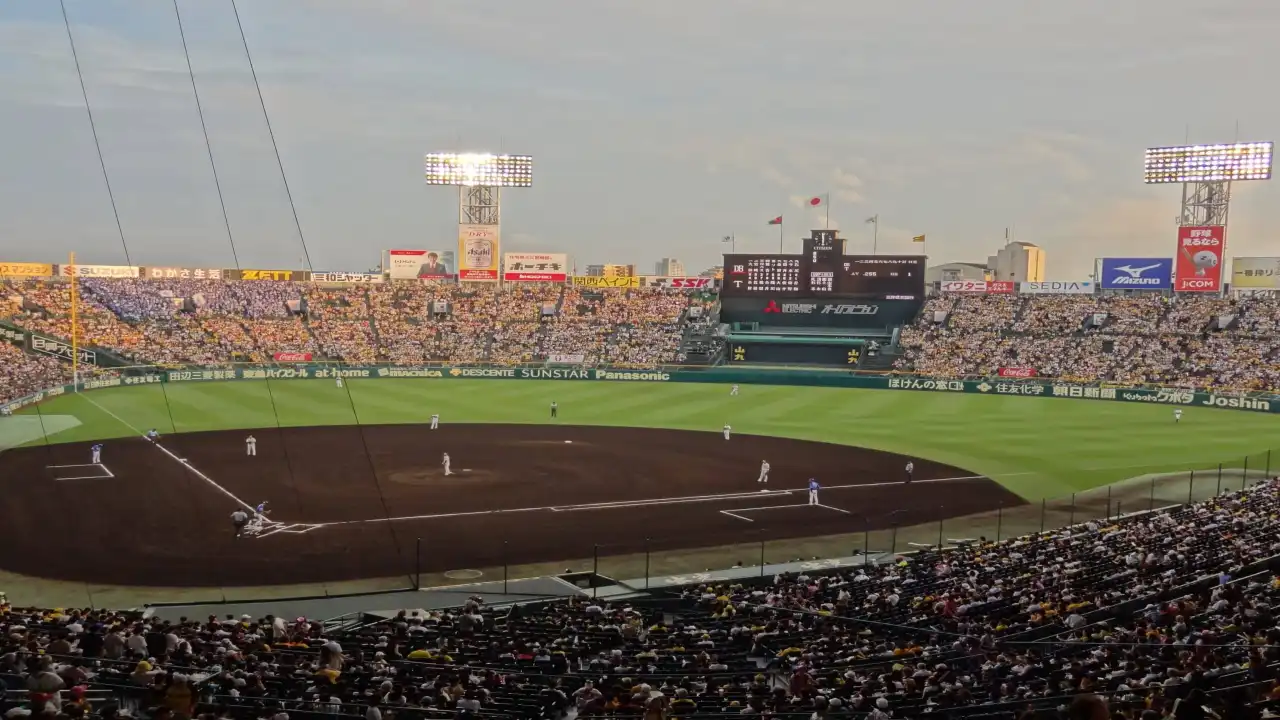
Now switch gears. After sumo, baseball feels almost loud in comparison. Not in an overwhelming way, more like walking into a festival you didn’t expect. Japanese baseball games are surprisingly fun, even if you don’t follow the sport.
Where to Watch Baseball
- Tokyo Dome (Yomiuri Giants)
- Meiji Jingu Stadium (Yakult Swallows)
- Koshien Stadium in Osaka (Hanshin Tigers)
Each stadium has its own vibe, but the energy is consistent.
What Makes It Special
- Fans sing through most of the game
- Beer vendors walk around with those portable kegs (you’ll see what we mean)
- Everyone seems involved
It’s not passive watching. You kind of get pulled into it.
Pro Tips:
- Sit with the home team fans if you can; it’s more fun
- Learn one chant. Even if you mess it up, no one really cares
- Try the snacks. Stadium food here is actually decent
Honestly, even if nothing big happens in the game, you won’t feel bored.
Explore Local Sports Beyond the Big Names
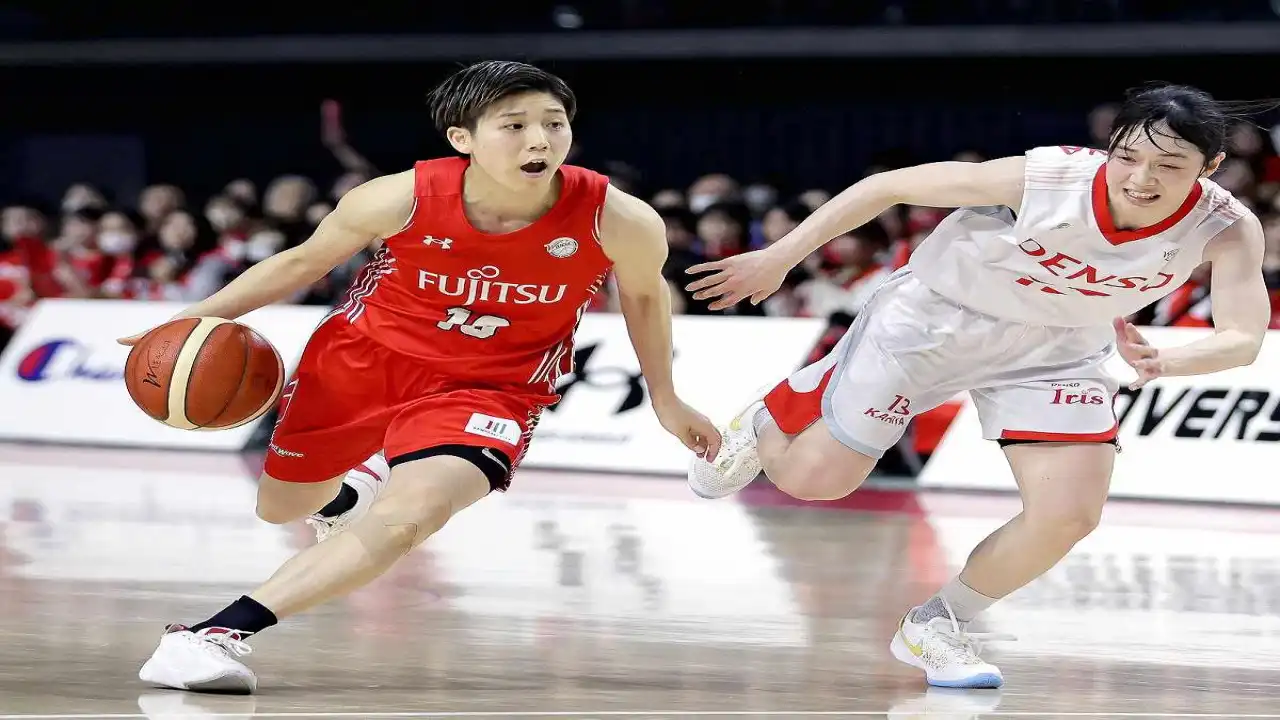
If you’ve got time, go a bit off-track.
There’s more happening than just sumo and baseball:
- Football (J-League)
- Basketball (B.League)
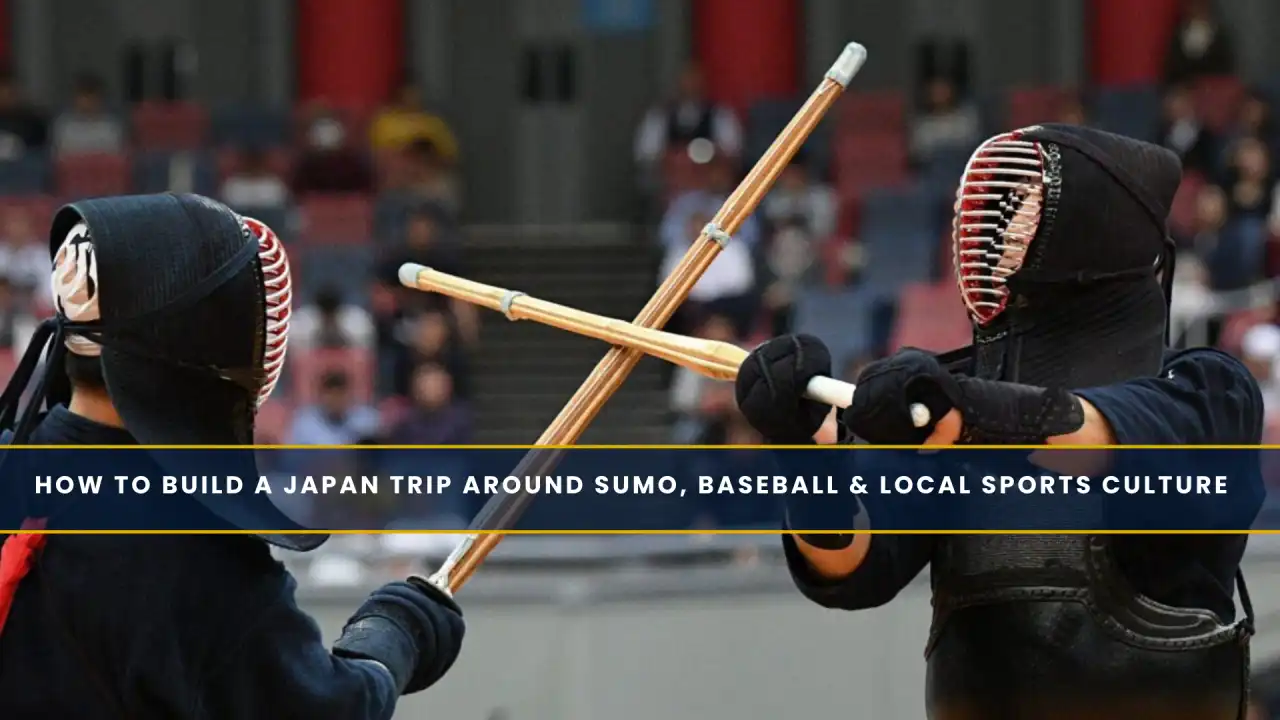
- Smaller martial arts events
These are usually easier to attend and less crowded. And sometimes, weirdly, they feel more personal. You’re closer to the action, less distracted, more present.
Choose Cities That Fit Your Plan
You don’t need to go everywhere. Seriously. Pick cities based on what you actually want to see.
Tokyo
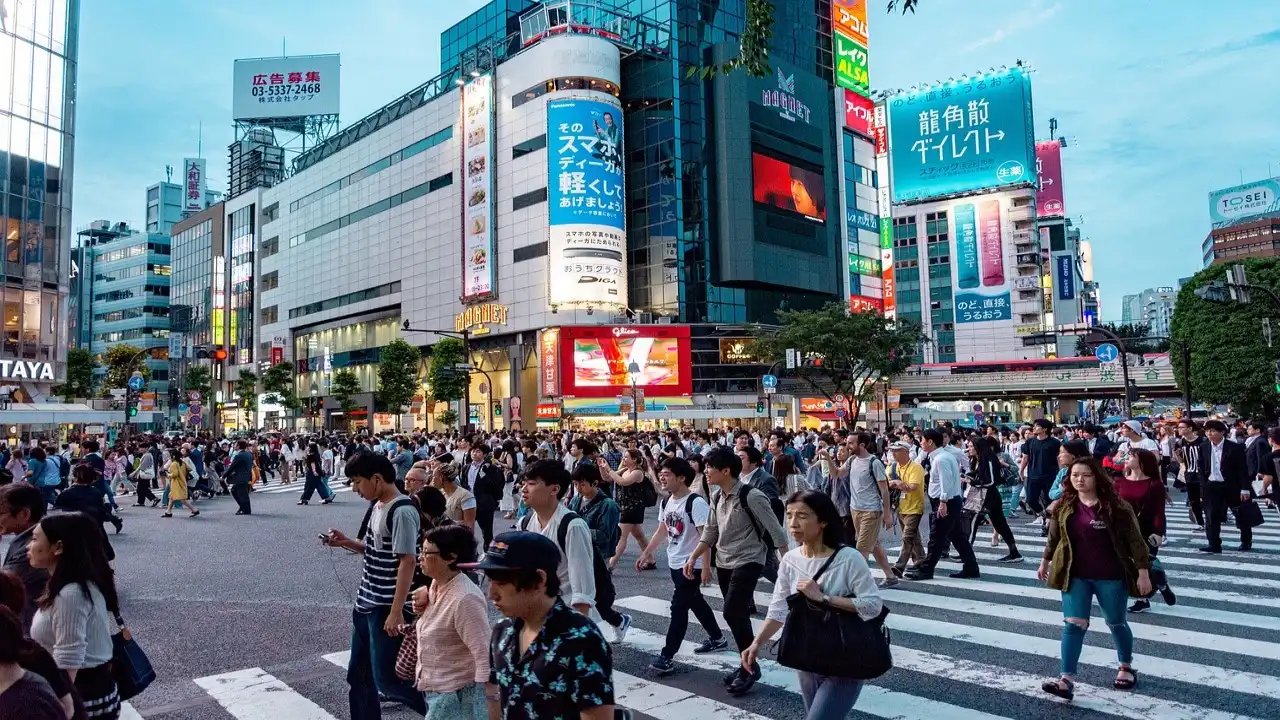
Good for everything. You’ll find multiple sports options without trying too hard.
Osaka
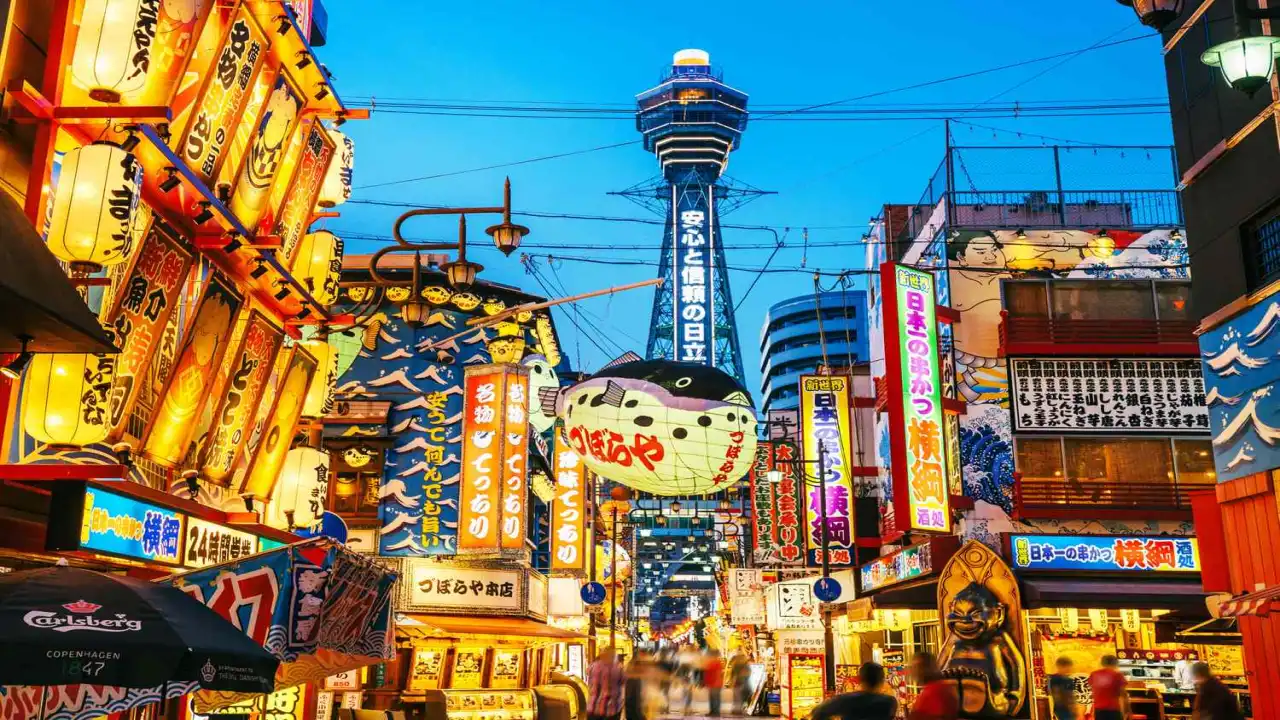
The crowds here are louder and more expressive, especially for baseball.
Fukuoka
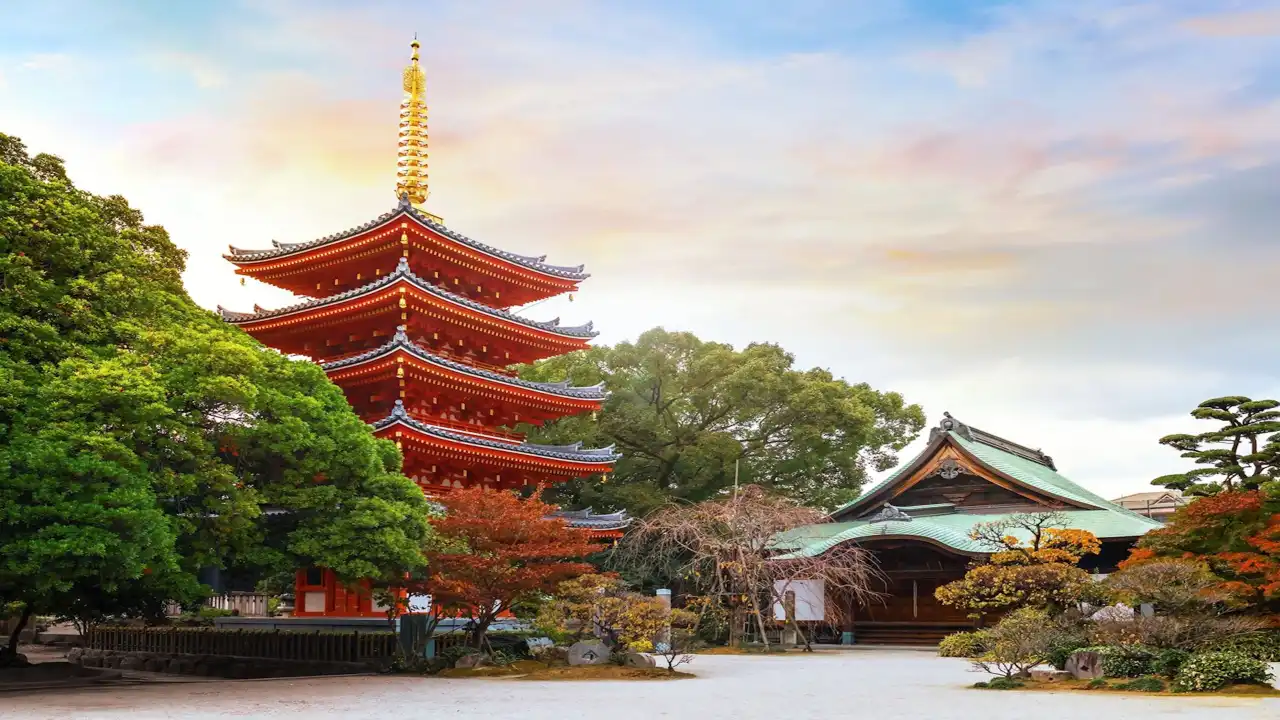
A bit calmer. Still strong sports culture, just less hectic.
Pro Tip:
Trying to cover too many cities sounds exciting on paper. In reality, it just makes you tired.
Balance Sports with Regular Travel
Don’t turn your trip into a schedule. It’s tempting, especially when events are date-specific but leave some breathing room. Between matches, just walk around. Sit somewhere. Explore without a plan.
- Wander through neighborhoods
- Stop at random cafes
- Visit local markets
These small breaks actually make the sports experiences better. You don’t feel rushed.
Booking and Planning Made Simple
Planning this kind of trip can get messy. Tickets, timings, and locations add up.
That’s where Japan trip packages can help a bit. They take care of the complicated parts like:
- Event tickets
- Seat selection
- Basic itinerary flow
But if you’re planning it yourself, just keep a few things in mind:
- Book important events early
- Leave some flexibility
- Don’t overfill your days
Budgeting for a Sports-Focused Trip
Costs aren’t extreme, but they can creep up.
Typical Expenses
- Sumo tickets: mid to high range
- Baseball tickets: usually affordable
- Food/drinks: moderate
Ways to Save
- Book early
- Go for weekday games
- Skip premium seating unless you really want it
Pro Tip:
Spend more on one experience you care about. Don’t try to upgrade everything.
Conclusion
A trip like this changes how you see Japan a little. You’re not just visiting places, you’re sitting among people, reacting with them, picking up on small things you wouldn’t notice otherwise. It’s the quiet before a sumo match. The sudden noise of a baseball chant starts somewhere behind you.
The way everyone just knows what to do. Those are the things that stay. And honestly, you can’t really plan those moments. You just have to put yourself in the right place and let them happen. So what are you waiting for? Go enjoy your game night and maybe start looking at some International Trip Packages while you’re at it.
Cultural Etiquette You Should Know
This part matters more than you think.
At Sumo Matches
- Stay quiet during bouts
- Don’t block someone’s view
- Follow seating rules
At Baseball Games
- Cheer, but follow the crowd
- Stick to one side (switching is… frowned upon)
- Clean your space before leaving
Nothing complicated. Just basic awareness.