Iconic Monuments of Baku: Must-See Landmarks for Travelers
Introduction
Baku doesn’t introduce itself loudly. It lets you figure it out as you go. At first, it feels like sleek glass buildings, wide roads, cafés buzzing late. Slow down, though, and another side appears. Old stone walls. Narrow lanes. Quiet corners. For many Indian travelers planning their first trip to Azerbaijan, Baku landmarks often come up in late-night searches, and the curiosity is understandable. Baku doesn’t fit one label. It’s not only historic, but also fully modern, and never dull. That mix is what turns sightseeing into real discovery. Think of this guide as friendly advice, not a brochure of real places, no rush.
Why Baku’s Monuments Feel Unreal
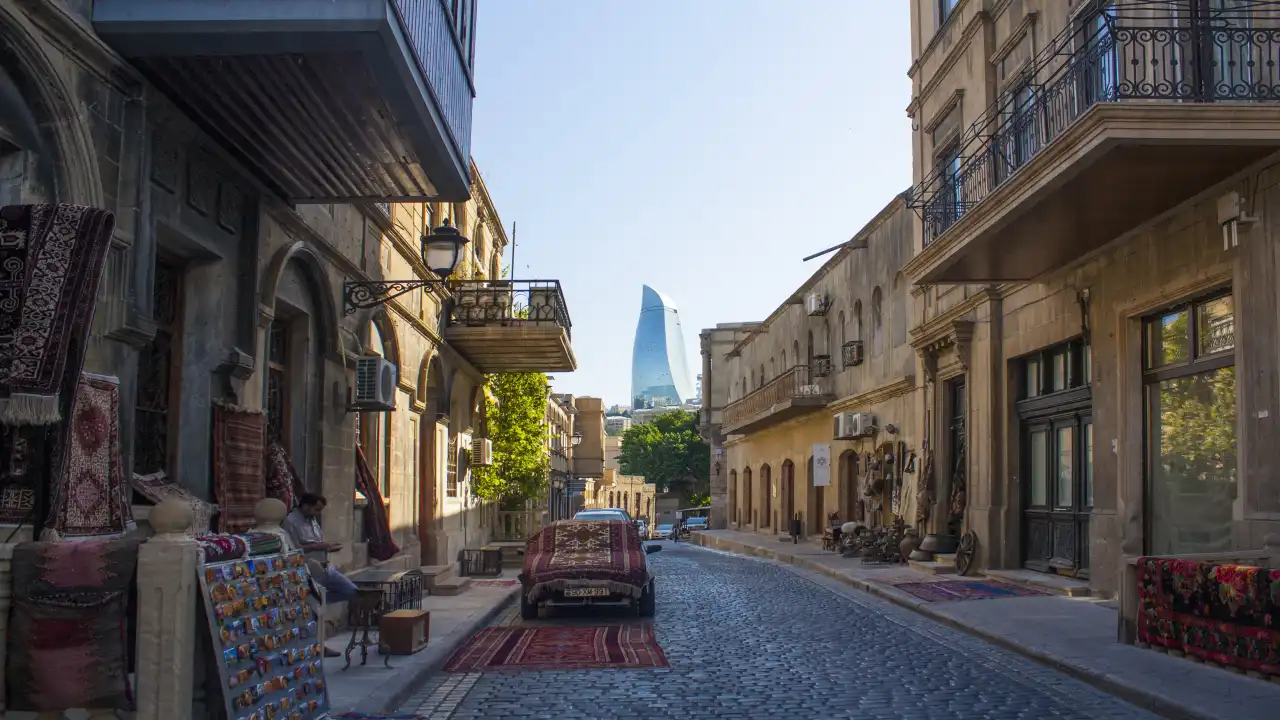
Plenty of cities have monuments that look impressive but feel distant. Baku is different. Here, landmarks feel used. Lived in. Someone might be meeting a friend near a centuries-old wall or scrolling on their phone beside a historic gate. Life doesn’t stop around these places; it flows through them.
What really stands out is how casually old and new exist together. You’ll see medieval stone structures with modern hotels rising behind them. Fire temples linked to ancient beliefs sit not too far from shiny museums. Somehow, it works. And because of that balance, sightseeing never feels exhausting.
Baku Old City (Icherisheher): Where It All Started
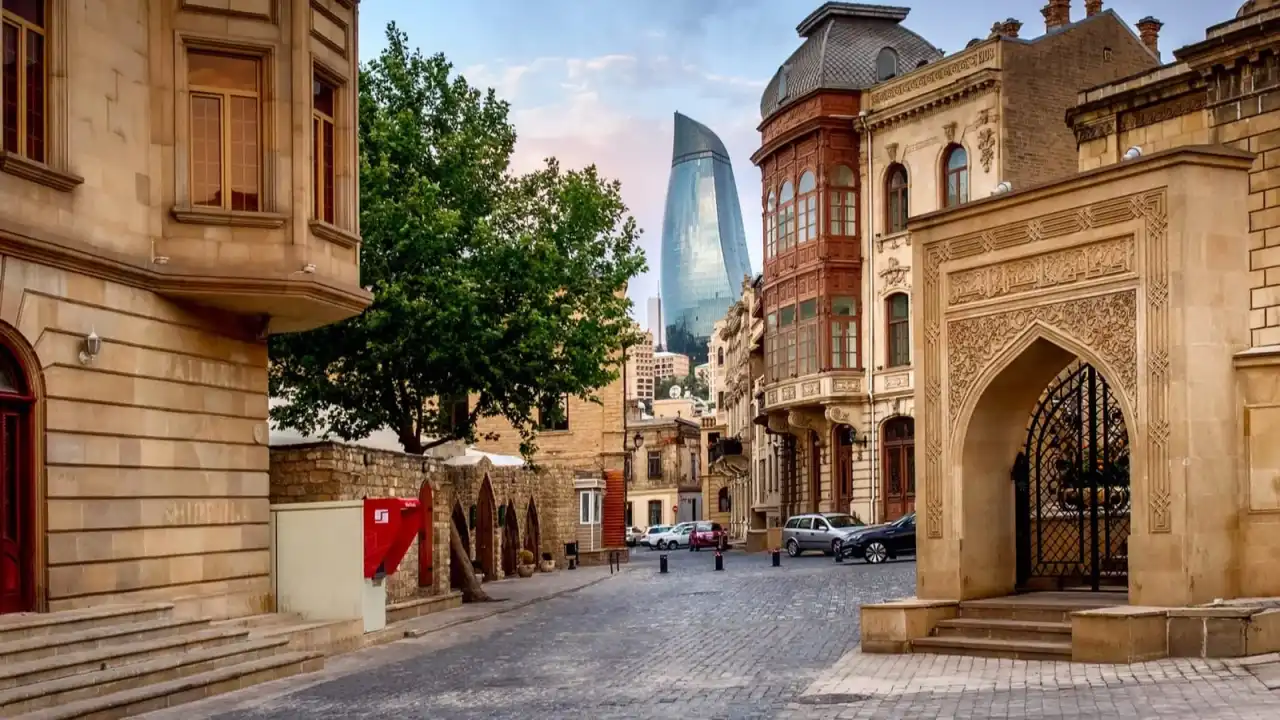
Every city has a core. In Baku, it’s the Old City, locally called Icherisheher. The moment you walk through its gates, things change. Traffic noise fades. Streets get tighter. You slow down without even meaning to. This UNESCO-listed area isn’t huge, but it’s packed with history. Houses lean slightly toward each other. Wooden balconies hang over stone paths. And what’s interesting is that people still live here. This isn’t a frozen museum space; it’s very much alive.
Why Icherisheher stands out:
- People actually live here, not just tourists
- Streets twist and turn on purpose (defense mattered back then)
- Cafés and small shops don’t feel forced into the space
Pro tip: Go early in the morning or closer to sunset. Midday gets busy, and the charm gets a little lost in the crowd.
Maiden Tower: Still Keeping Its Secrets
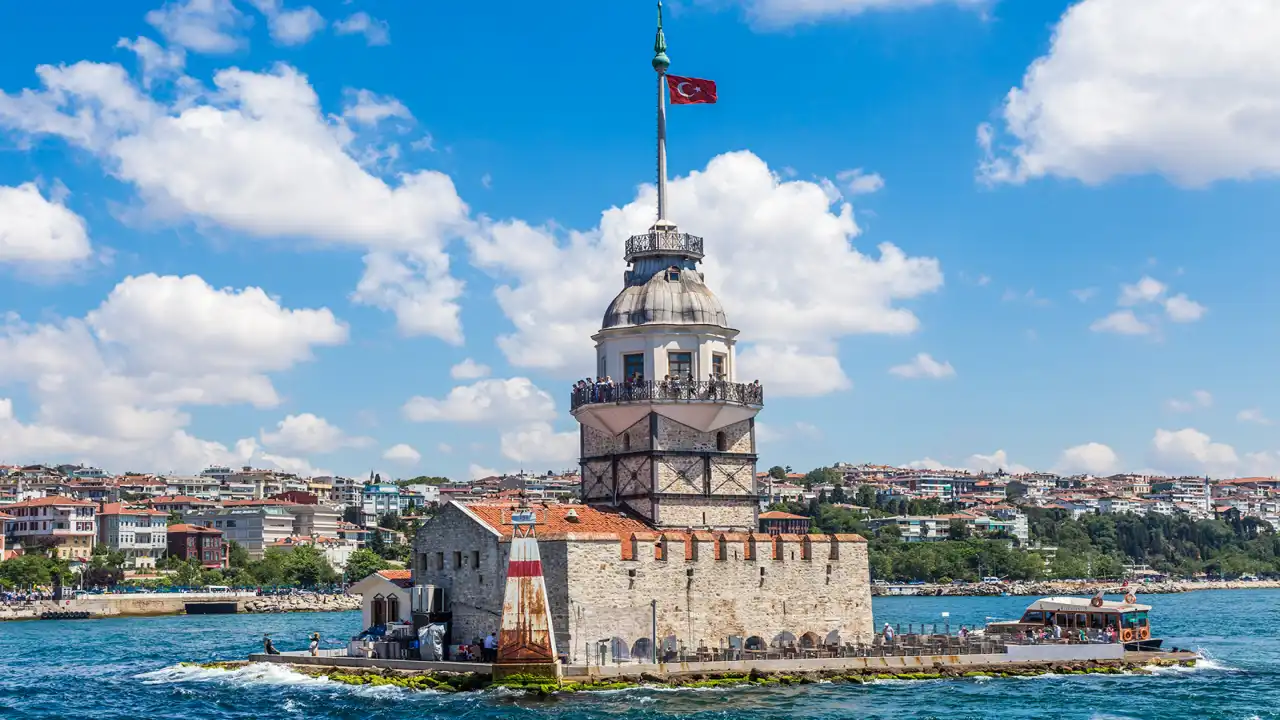
Right inside the Old City, the Maiden Tower rises quietly. It doesn’t try to impress you. It just exists. Thick stone walls, no clear explanation, and a long list of unanswered questions. Even historians aren’t fully sure why it was built. Watchtower? Temple? Something related to astronomy? No solid answer. And honestly, that mystery is part of the appeal. Climbing to the top takes a bit of effort, but the view makes it worth it. Old Baku on one side. Modern Baku, on the other hand. One glance, two timelines.
Why it matters:
- One of the oldest structures in the city
- Deeply tied to Baku’s identity
- Great views without feeling overly commercial
Shirvanshahs’ Palace: Not Flashy, Just Smart
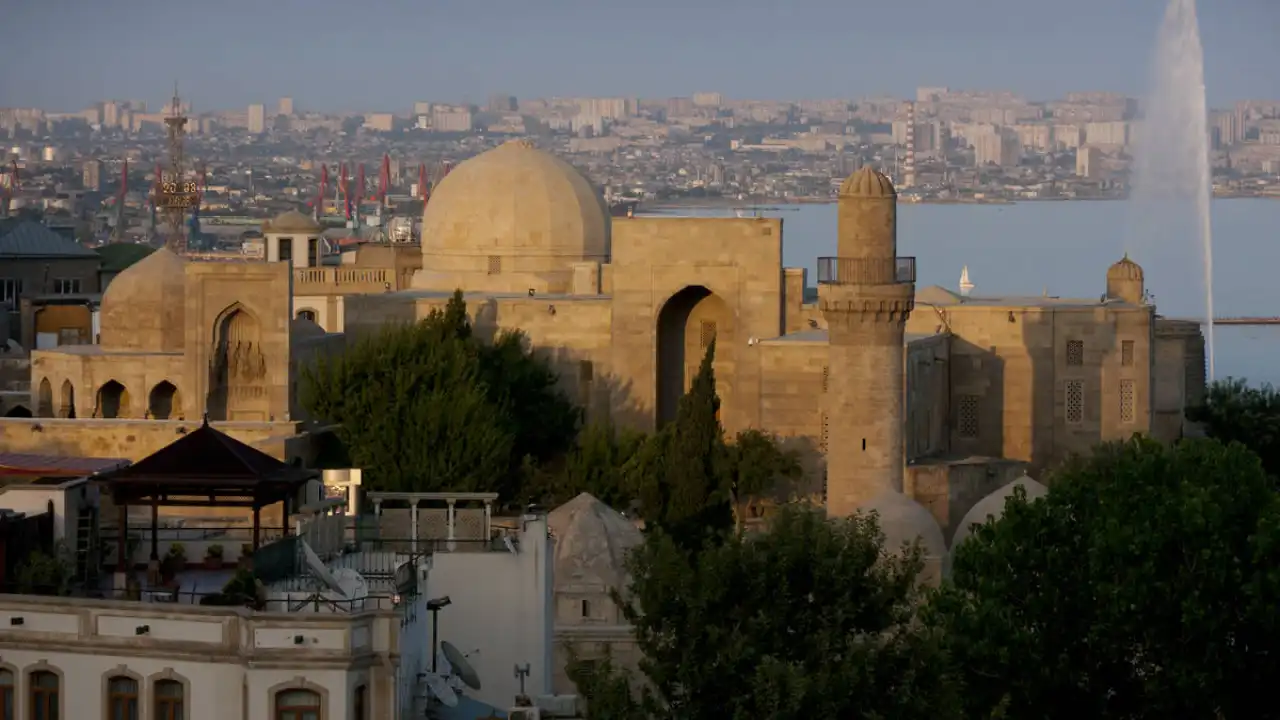
A short walk from the Maiden Tower brings you to the Shirvanshahs’ Palace complex. This wasn’t built to show off wealth. It was designed to work practically, privately, and suited to the climate. It’s not one building but several spaces grouped: courtyards, halls, and tombs. The stonework feels solid and intentional. Light enters rooms carefully. Sound behaves differently in enclosed areas. You notice these things if you slow down.
Take your time here:
- Actually read the signs; they help
- Pause and notice how sound travels
- Don’t skip the smaller corners
Flame Towers: You Can’t Miss Them
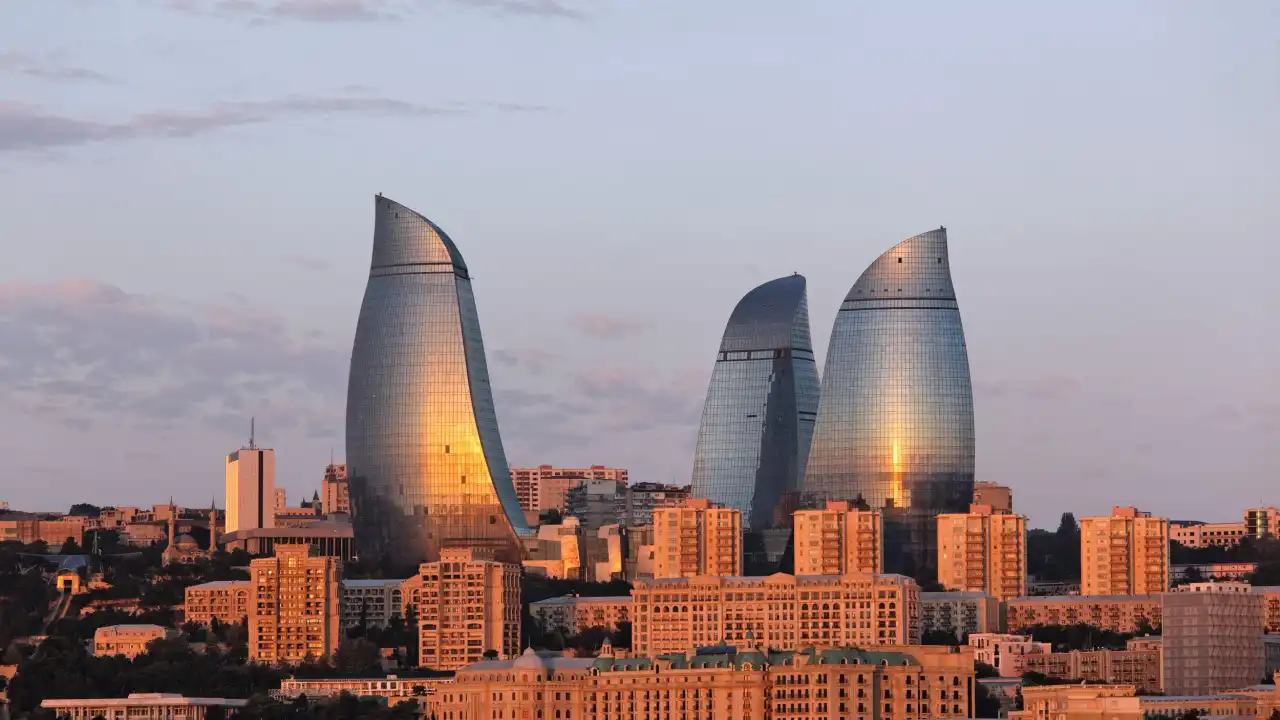
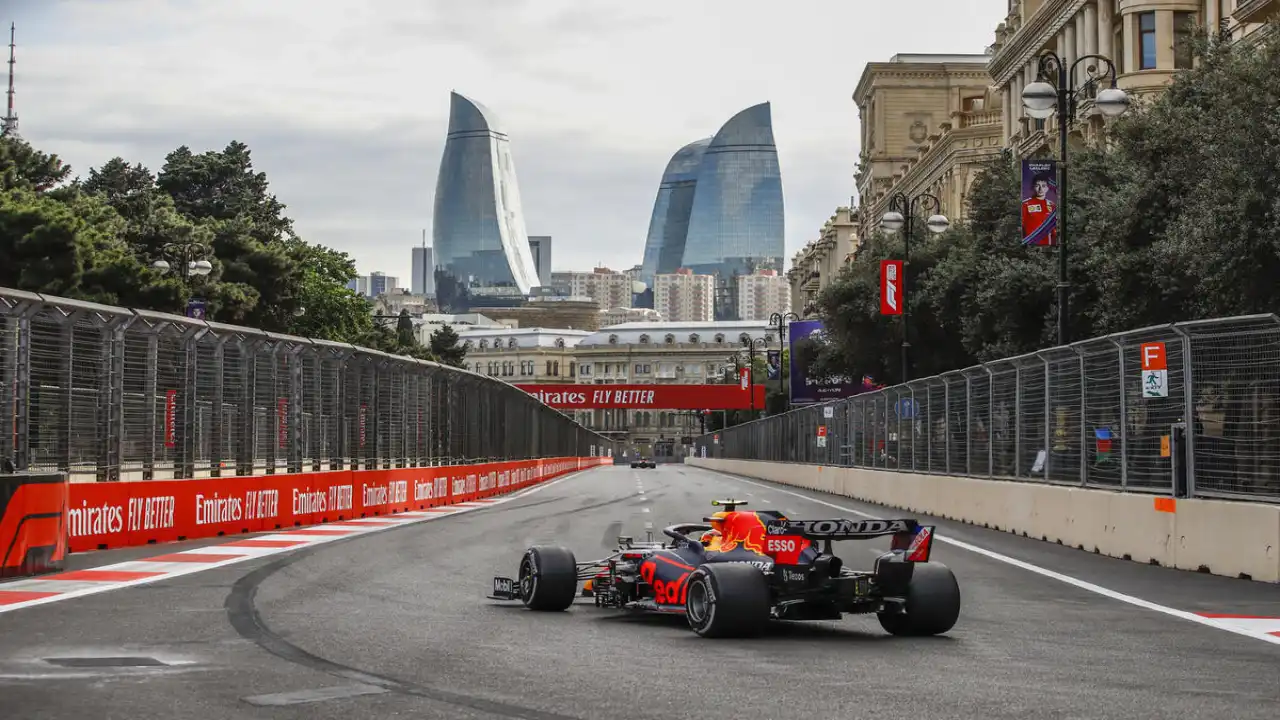
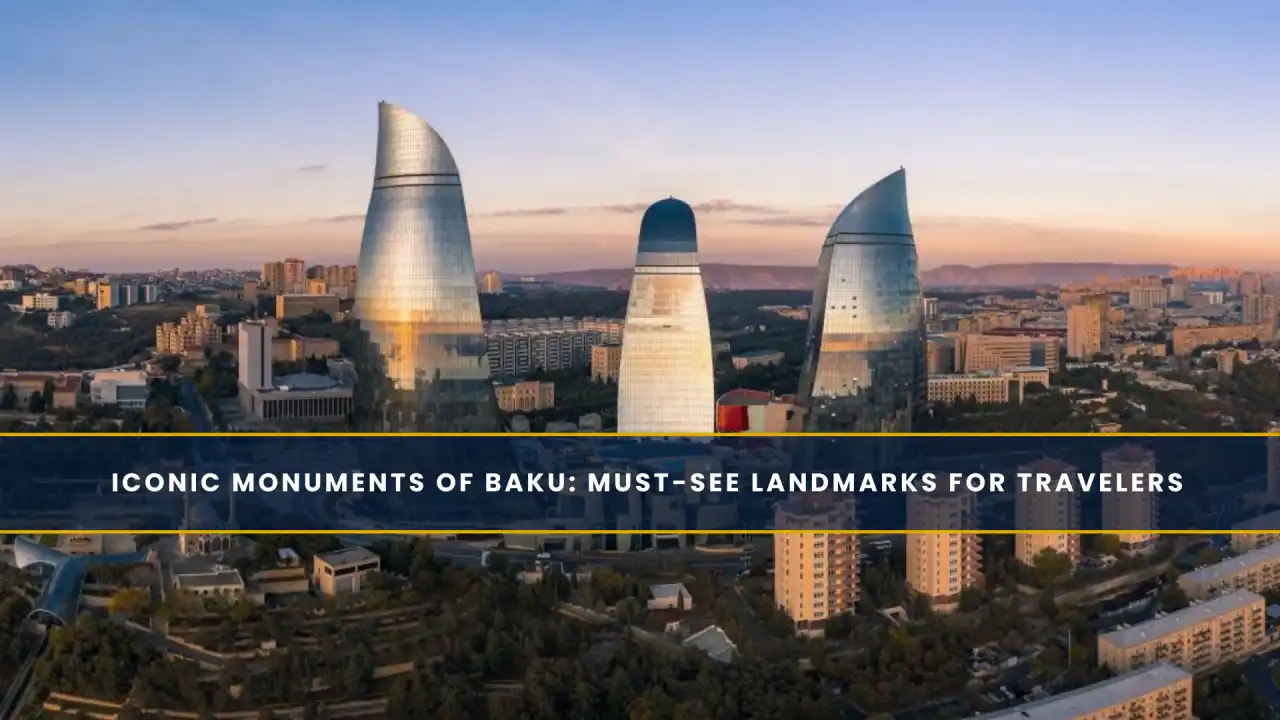
Whether you’re looking for them or not, you’ll see the Flame Towers. They dominate Baku’s skyline. Three tall structures shaped like flames, visible from almost everywhere. Fire has deep meaning in Azerbaijan’s history, and these towers reinterpret that idea in a modern way. At night, they light up with moving patterns of flames, flags, and waves. It sounds flashy, but it’s done surprisingly well.
Best ways to see them:
- From Baku Boulevard after dark
- From nearby viewpoints looking down
- At dusk, when the lights slowly come on
Heydar Aliyev Center: Nothing Straight About It
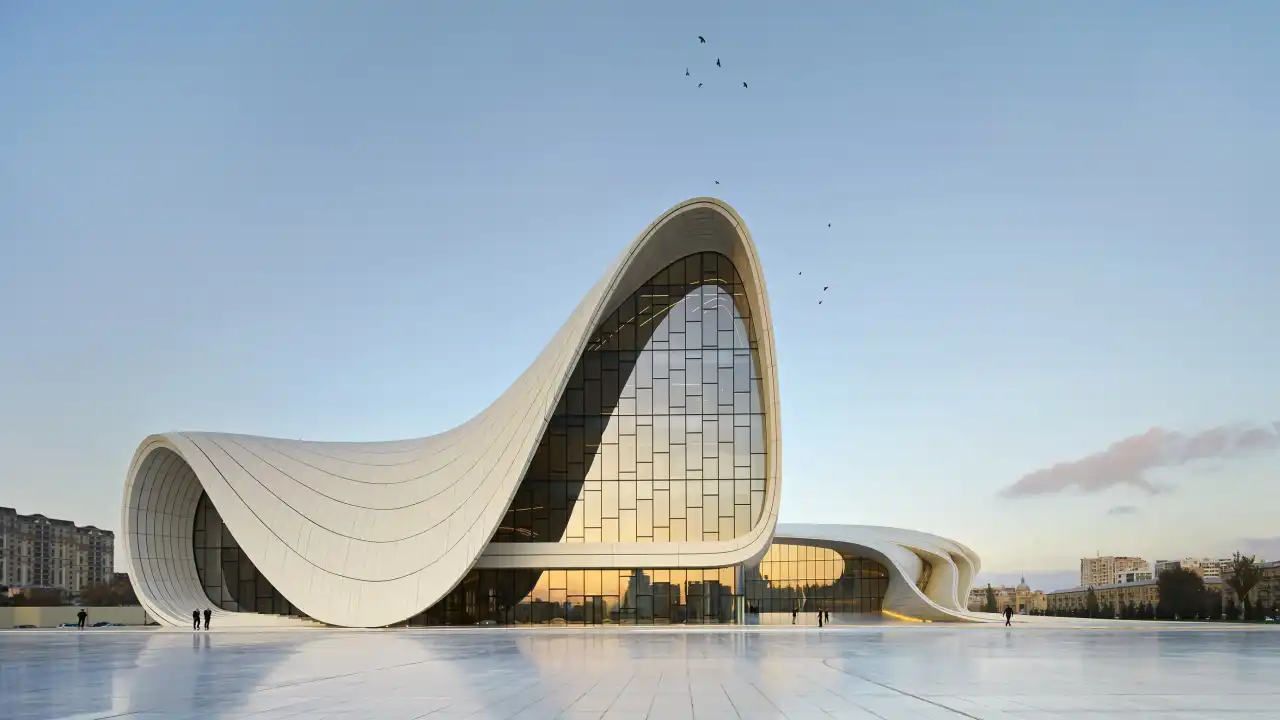
This building catches people off guard. Designed by Zaha Hadid, the Heydar Aliyev Center doesn’t believe in straight lines. It curves. It flows. It almost looks like it’s moving, even when it’s not. Inside, you’ll find exhibitions and cultural displays. Some people stay for hours. Others just wander around and leave. Both are fine. Even if museums aren’t your thing, the building itself is the main attraction.
Why people remember it:
- Not a single sharp angle
- Calm, open interior spaces
- Complete contrast to Baku’s older architecture
Baku Boulevard: Where the City Breathes
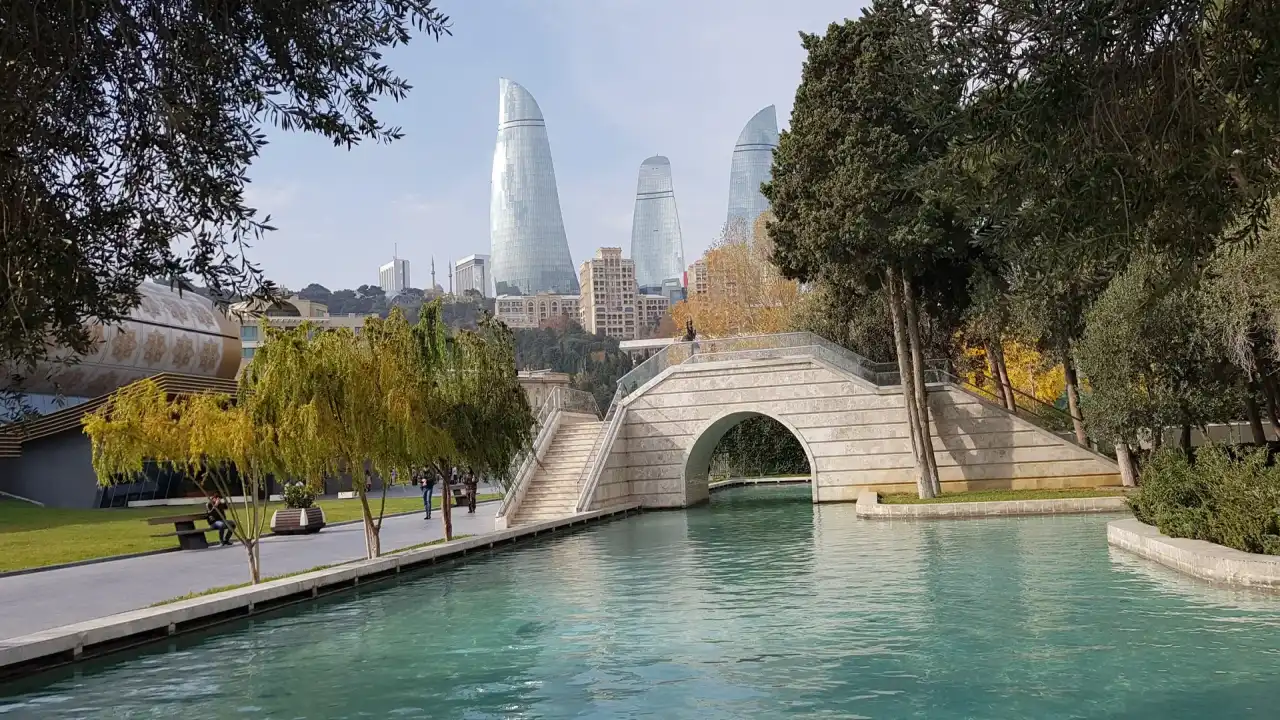
Baku Boulevard runs along the Caspian Sea and feels less like an attraction and more like a shared living space. Families walk here in the evening. Couples sit quietly. Street performers show up randomly. Nothing about it feels rushed. And that’s the point.
What you’ll find here:
- Small cafés and tea stalls
- Open views of the skyline
- Easy access to nearby museums
It’s also a great connector. Many major sights are linked by this long, relaxed stretch.
Azerbaijan Carpet Museum: More Than Just Carpets
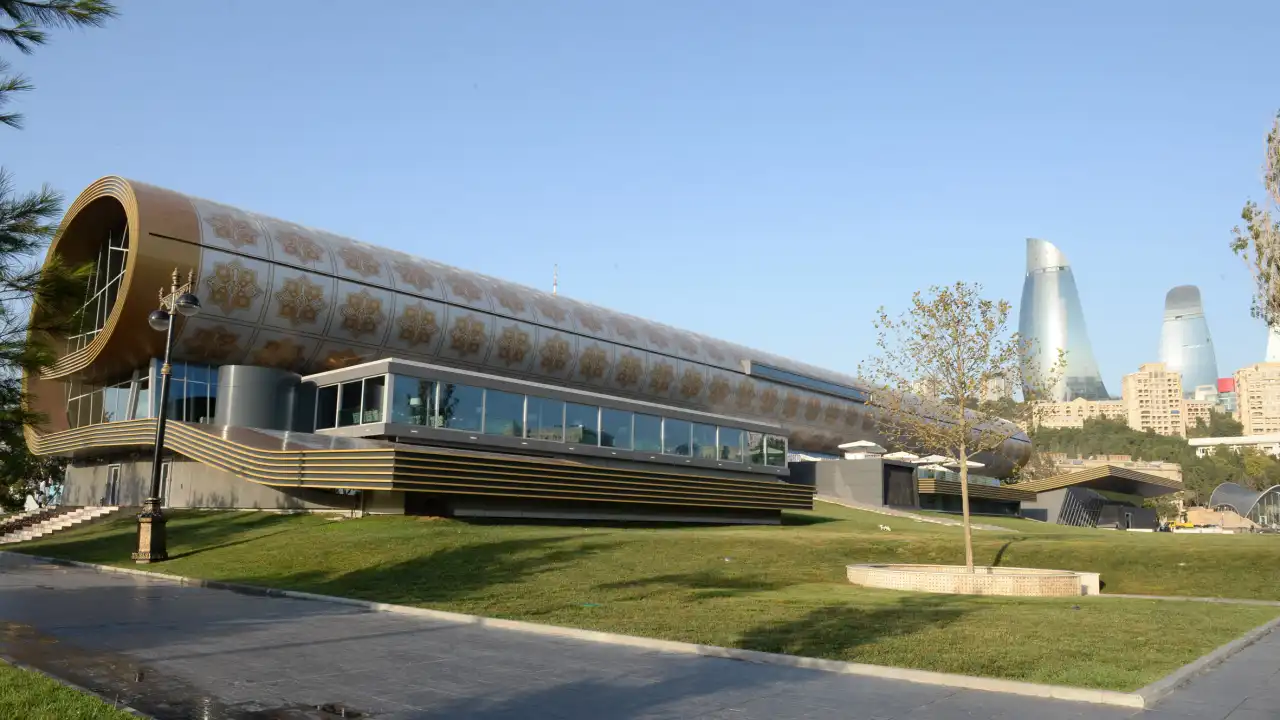
The building grabs your attention first; it looks like a rolled-up carpet. Inside, the museum explains why carpets matter so much in Azerbaijani culture. Different regions. Different patterns. Different meanings. What could’ve been boring is actually laid out in a way that makes sense, even if you know nothing about carpets.
Don’t skip:
- Regional differences in designs
- Symbol meanings woven into patterns
- Live or visual weaving displays
Ateshgah Fire Temple: A Look Into Ancient Belief
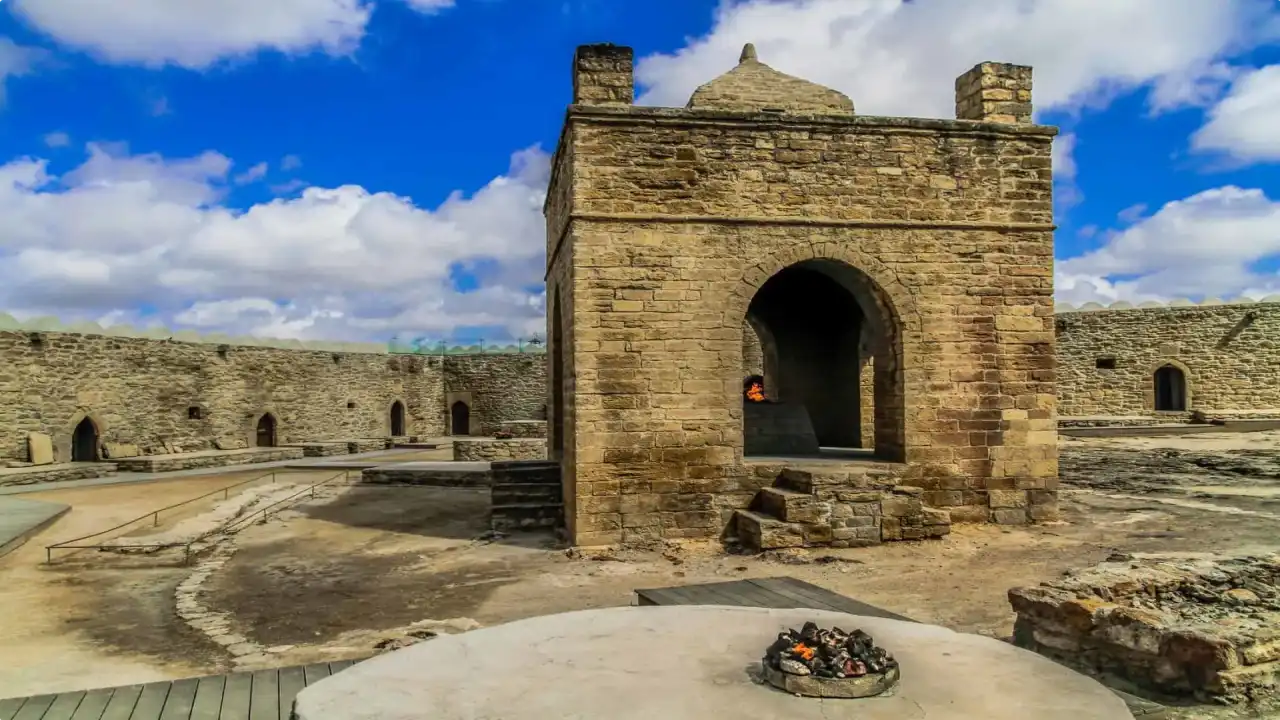
A bit outside the city, the Ateshgah Fire Temple offers a glimpse into Azerbaijan’s spiritual past. Built by fire-worshippers, this site once drew pilgrims from far-off regions. The natural gas flames are constantly here. Today, it’s preserved as a museum. Quiet, informative, and surprisingly grounding.
Visiting tips:
- Pair it with nearby sites
- Read the displays; it adds depth
- Visit during the day for clarity
Yanar Dag: Fire That Never Goes Out
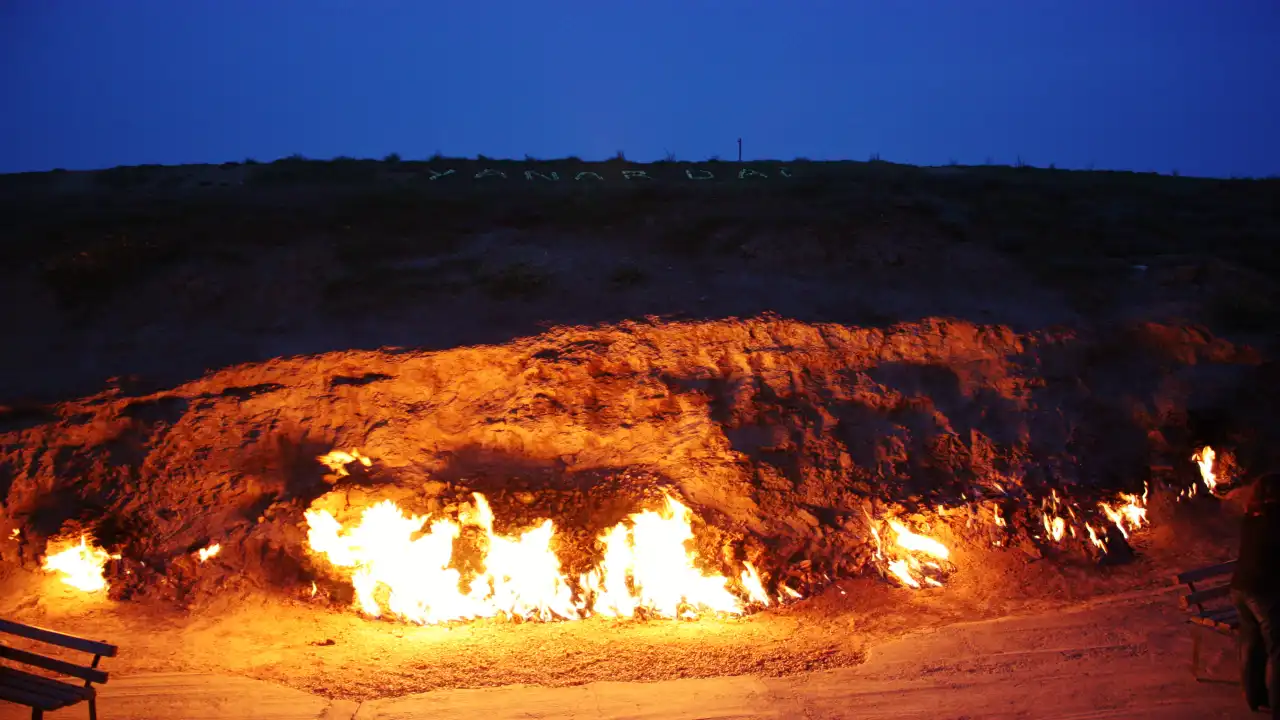
Yanar Dag is simple. A hillside. Flames coming out of the ground. No buildings. No drama. And yet, it sticks with you. The fire burns because of natural gas seeping through the earth. It’s been happening for decades. You just stand there, watching it, wondering how something so basic can feel so strange.
Best experience:
- Go in the evening
- Combine with Ateshgah
- Bring a jacket, it gets windy
Famous Monuments in Baku That Feel Part of Daily Life
What makes these places memorable isn’t just history or design. It’s how normal life continues around them. Locals walk past ancient walls like it’s nothing special. Kids play nearby. That everyday connection makes everything feel authentic.
Planning the Trip Without Stress
Many Indian travelers now explore Baku through an International trip package, which helps with logistics and timing. You get structure without losing flexibility, guided history when you want it, free time when you don’t.
Conclusion
Baku doesn’t try to impress you every second. It lets things unfold in its own time. Its landmarks don’t shout their importance; they just exist confidently. And that’s probably why the city stays with you. Long after the trip ends, small details, stone streets, quiet fires, unplanned evening walks come back in pieces. Not dramatic memories, just real ones. It’s the kind of place that makes a Baku trip package feel less like a fixed itinerary and more like a collection of moments you slowly carry home.
Things to see in Baku Without Rushing Yourself
Baku isn’t meant to be rushed. Trying to “cover everything” misses the point. Sit somewhere. Watch. Take breaks. The city opens up when you stop forcing it.
Pro travel tips:
- Comfortable shoes matter more than style
- Plan indoor visits during hot afternoons
- Save outdoor spots for evenings