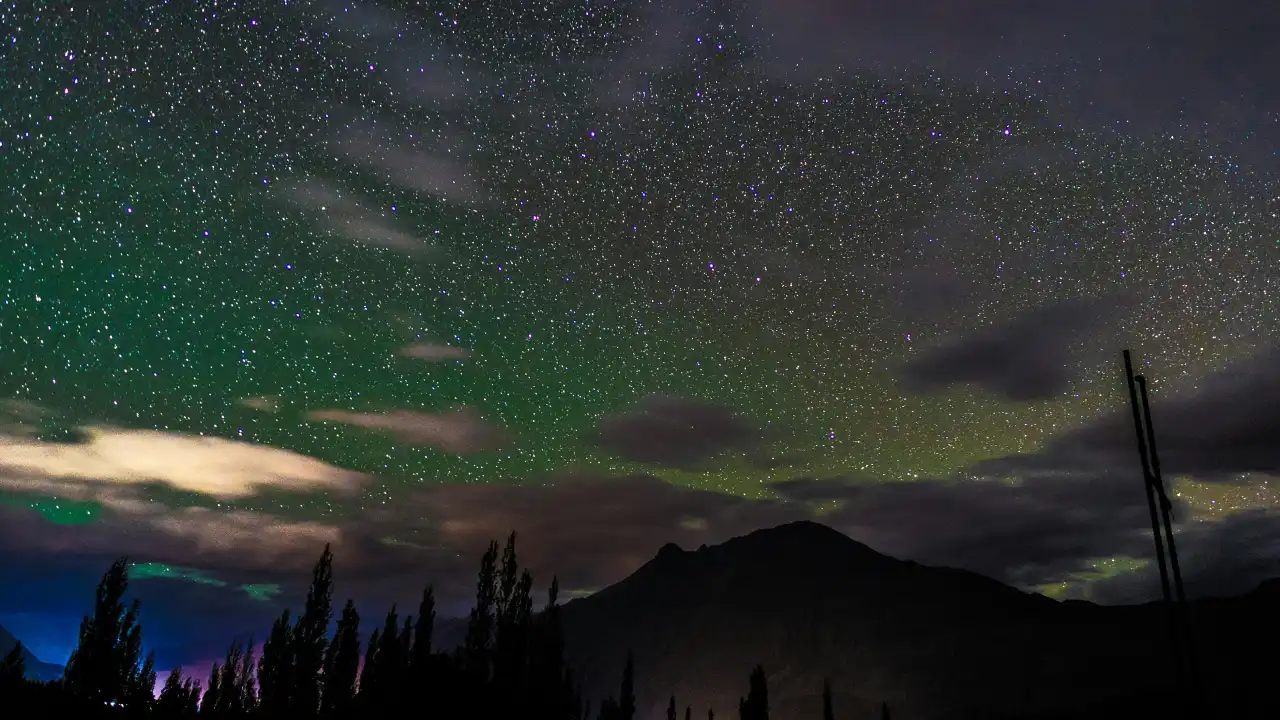
India’s Best Stargazing Spots: Where to Experience the Clearest Night Skies
Stargazing is an experience that is as dreamy for an adult as it is for a kid. It is romantic, fascinating and a learning experience, all at once. But city skies in India rarely become fully dark anymore. Sodium street lights, resort clusters, highway traffic, and winter haze flatten the night into a dull orange sheet.
But what if we tell you that for travellers interested in astronomy, landscape photography, camping, or simply silence after the dark, Stargazing in India has become more accessible in the last decade. Improved roads, local homestays, astro-tour operators, and a growing awareness around light pollution have opened up regions that were once difficult to reach. Some locations are officially protected dark-sky zones. Others remain naturally isolated enough that the night still behaves the way it should.
This guide covers remote Himalayan villages, desert regions, island coastlines, and forested valleys where night skies remain unusually clear for much of the year. Many of these places also overlap with strong local cultures, old trade routes, migratory landscapes, and fragile ecosystems, so timing matters, and that’s why we have covered it all for you.
Hanle, Ladakh
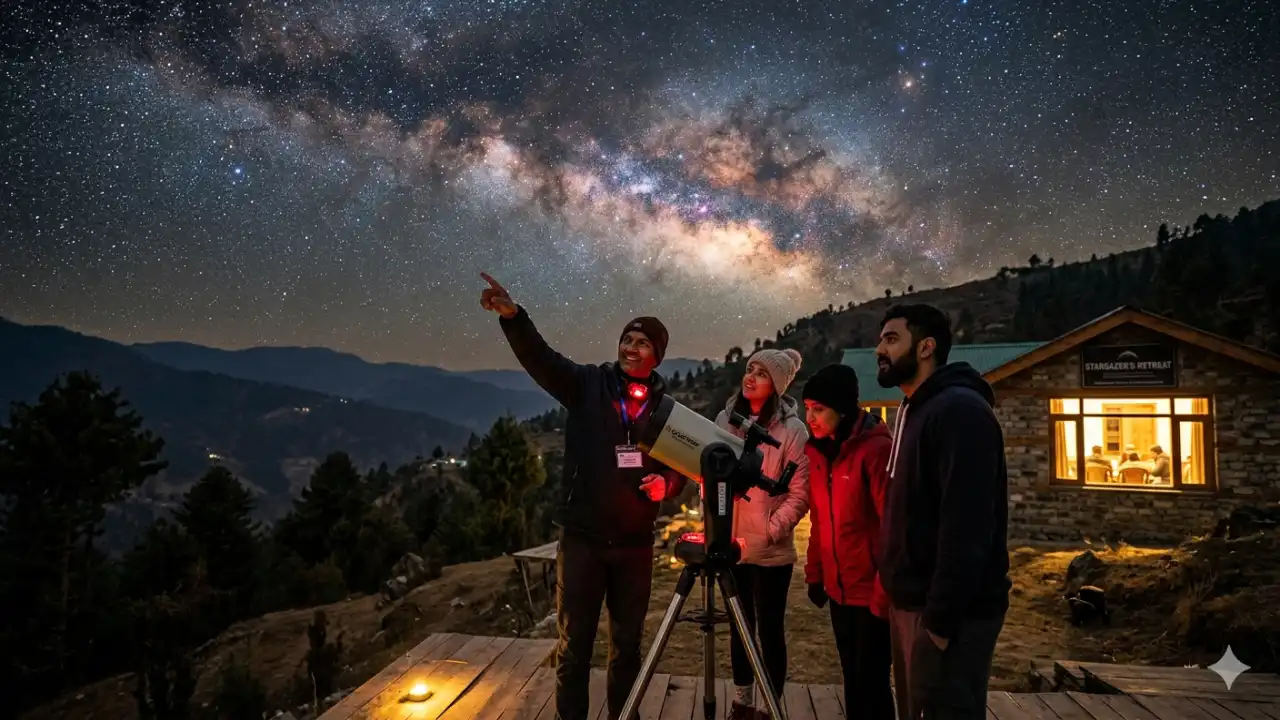
If one place dominates conversations around astronomy tourism in India, it is Hanle. The village sits inside eastern Ladakh near the Changthang plateau, at roughly 4,500 metres above sea level. Dry air, thin atmosphere, almost no artificial lighting, and long stretches of cloudless weather make this region exceptional for night-sky observation.
Hanle is also home to the Indian Astronomical Observatory operated by the Indian Institute of Astrophysics. In recent years, the Ladakh administration has pushed the area as one of the country’s formal dark-sky reserves. The landscape itself feels stripped down. Brown mountains. Open plains. Wind. Very little vegetation. After sunset, temperatures drop fast even in summer.
- Best time to visit: May to September
- How to reach: Drive from Leh via Upshi, Chumathang, and Nyoma; usually a 9 to 10-hour road journey
- Permits required: Inner Line Permit for Indian travellers; foreign nationals need Protected Area Permits
- What is special about it: High-altitude desert skies with minimal light pollution and visibility of the Milky Way on moonless nights
For serious astrophotographers, new moon periods are worth planning around. Avoid full moon weeks unless you specifically want moonlit landscape shots.
Spiti Valley, Himachal Pradesh
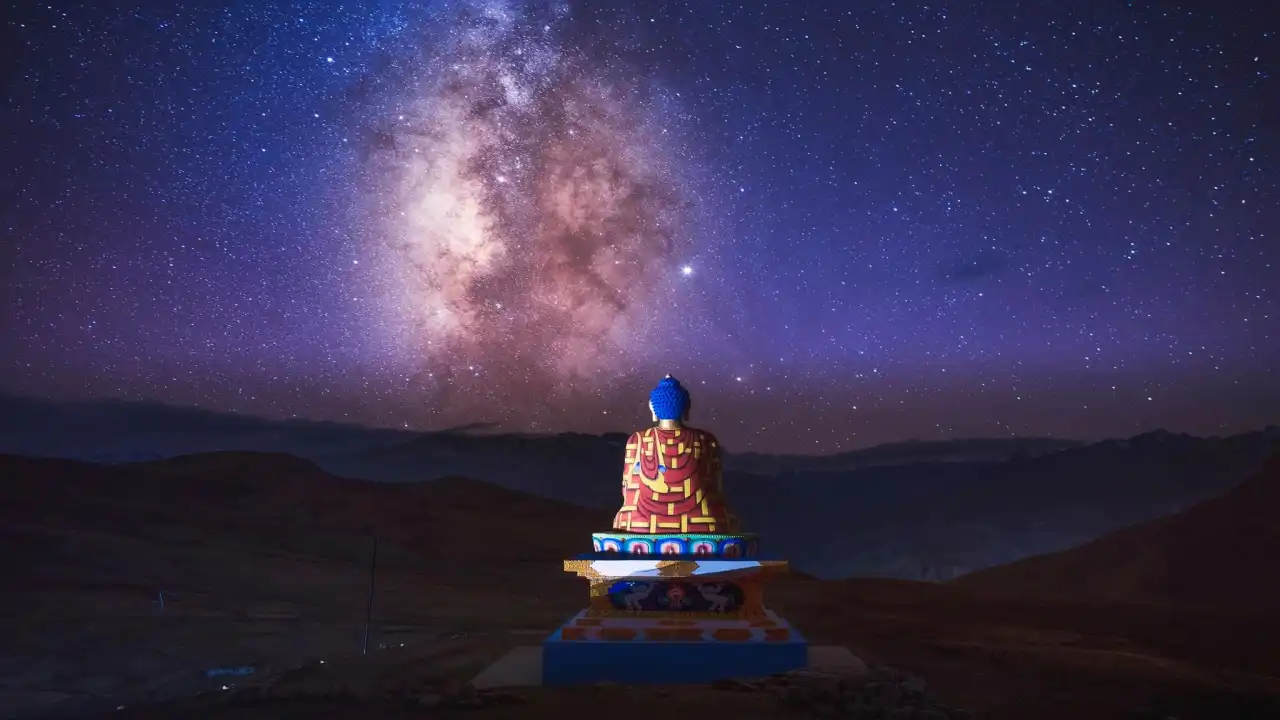
Spiti’s villages sit on exposed mountain slopes where the atmosphere stays dry for long periods. Langza, Kibber, and Komic have become particularly popular among travellers carrying telescopes, star trackers, and wide-angle lenses. The terrain here changes subtly after dark. Fossil-rich hills turn silver-grey under moonlight, and the cold becomes sharper than most first-time visitors expect. Wind is constant. Nights are quiet enough that even distant vehicles become noticeable. Among the Best stargazing places in India, Spiti works well because several villages sit above 4,000 metres while still offering decent homestay infrastructure.
Langza
Langza is known for its giant Buddha statue overlooking the valley. It also has relatively open horizons, which helps with sky photography.
- Best time to visit: June to October
- How to reach: Drive from Kaza, roughly 15 km away
- Permits required: No special permit for Indian citizens
- What is special about it: Broad valley views and low settlement density
Kibber
Kibber lies inside snow leopard territory and has darker skies than Kaza town itself.
- Best time to visit: June to September
- How to reach: Accessible by road from Kaza
- Permits required: Usually none for domestic travellers
- What is special about it: High elevation combined with isolated terrain
Komic
Often described as one of the world’s highest motorable villages, Komic experiences very little nighttime disturbance.
- Best time to visit: Summer and early autumn
- How to reach: Connected by mountain road from Kaza circuit
- Permits required: No permit generally needed
- What is special about it: Thin atmosphere and extremely low light pollution
Altitude sickness is a real issue across Spiti. Many travellers try squeezing the valley into short itineraries and end up exhausted before even attempting night photography.
Nubra Valley, Ladakh
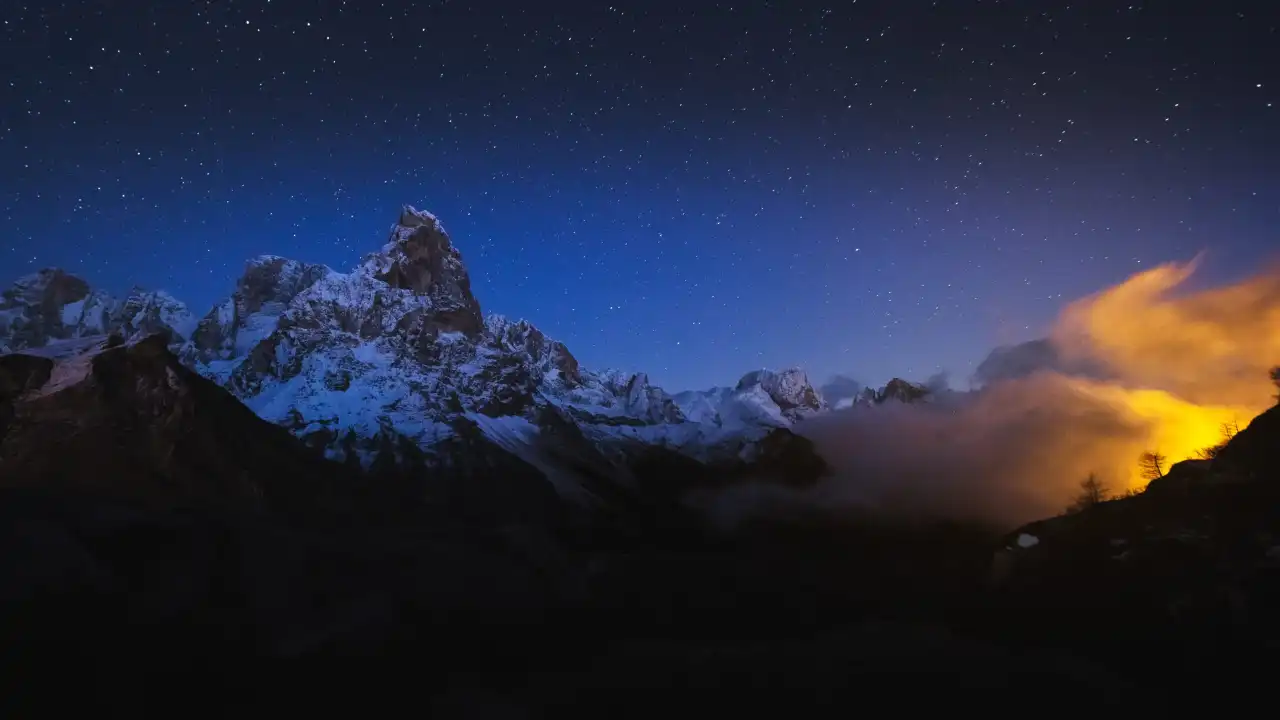
Nubra’s reputation mostly comes from dunes and double-humped Bactrian camels, but the valley also produces very clean night skies once tourist movement settles after evening. Different parts of Nubra offer different sky conditions. Hunder has easier access and more accommodation. Diskit combines monastery views with open valley landscapes. Turtuk, close to the Pakistan border, feels quieter and less commercial.
Hunder
- Best time to visit: June to September
- How to reach: Cross Khardung La from Leh
- Permits required: Inner Line Permit required
- What is special about it: Desert foregrounds under star-filled skies
Diskit
- Best time to visit: Summer months
- How to reach: Same Nubra road circuit from Leh
- Permits required: Inner Line Permit needed
- What is special about it: Monastery viewpoints and broad valley visibility
Turtuk
Turtuk has a different cultural identity from central Ladakh, with Balti influences visible in architecture and food.
- Best time to visit: May to September
- How to reach: Around 90 km beyond Diskit
- Permits required: Permit mandatory due to border sensitivity
- What is special about it: Remote positioning with limited artificial lighting
Cloud cover remains lower here compared to many Himalayan regions during peak summer.
Rann of Kutch, Gujarat
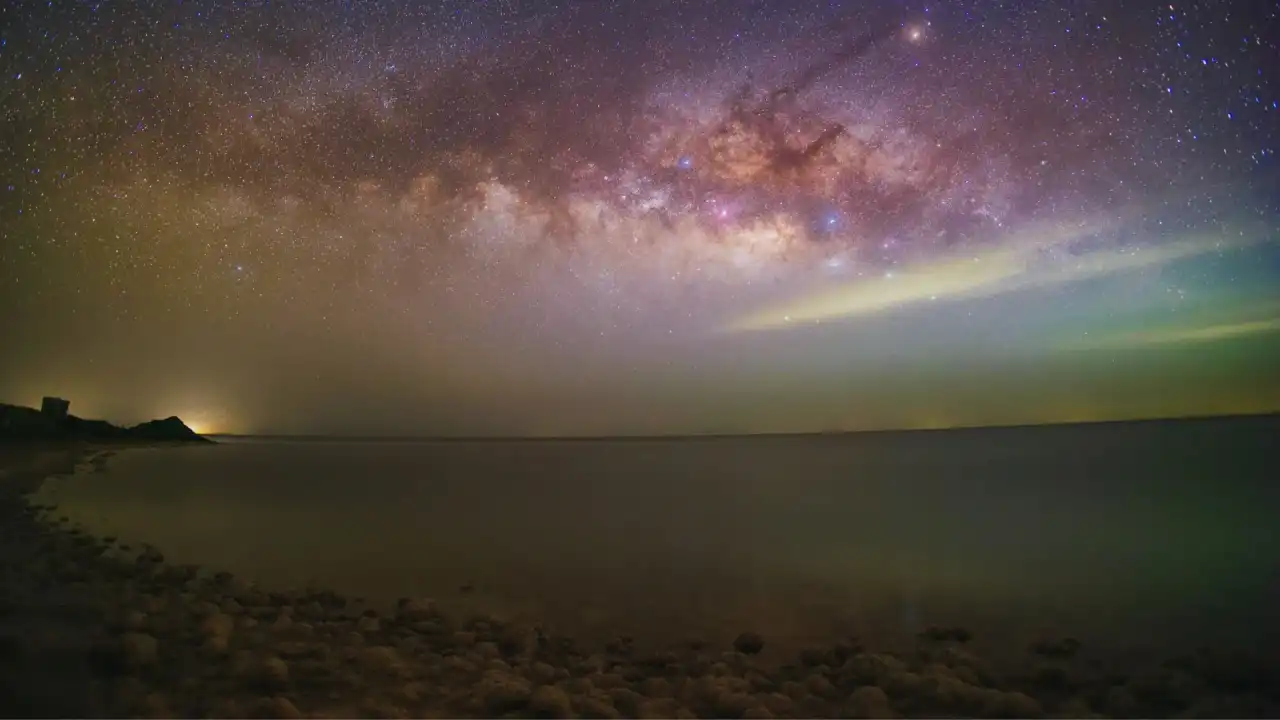
The white salt flats of Kutch create an unusual stargazing environment. The horizon stays almost completely unobstructed, and during dry months, the reflective ground changes the quality of moonlight dramatically. On moonless nights, the sky feels wider than expected because there are few visual reference points around you. Distances become difficult to judge. Sound also carries strangely across the flats. This is one of the more accessible Dark sky destinations in India, especially for travellers who do not want high-altitude conditions.
- Best time to visit: November to February
- How to reach: Bhuj is the nearest major town and airport
- Permits required: Permit required for entering parts of the White Rann near the border
- What is special about it: Flat reflective landscapes and uninterrupted sky visibility
Winter temperatures remain manageable compared to Himalayan locations, which makes long observation sessions easier.
Thar Desert, Rajasthan
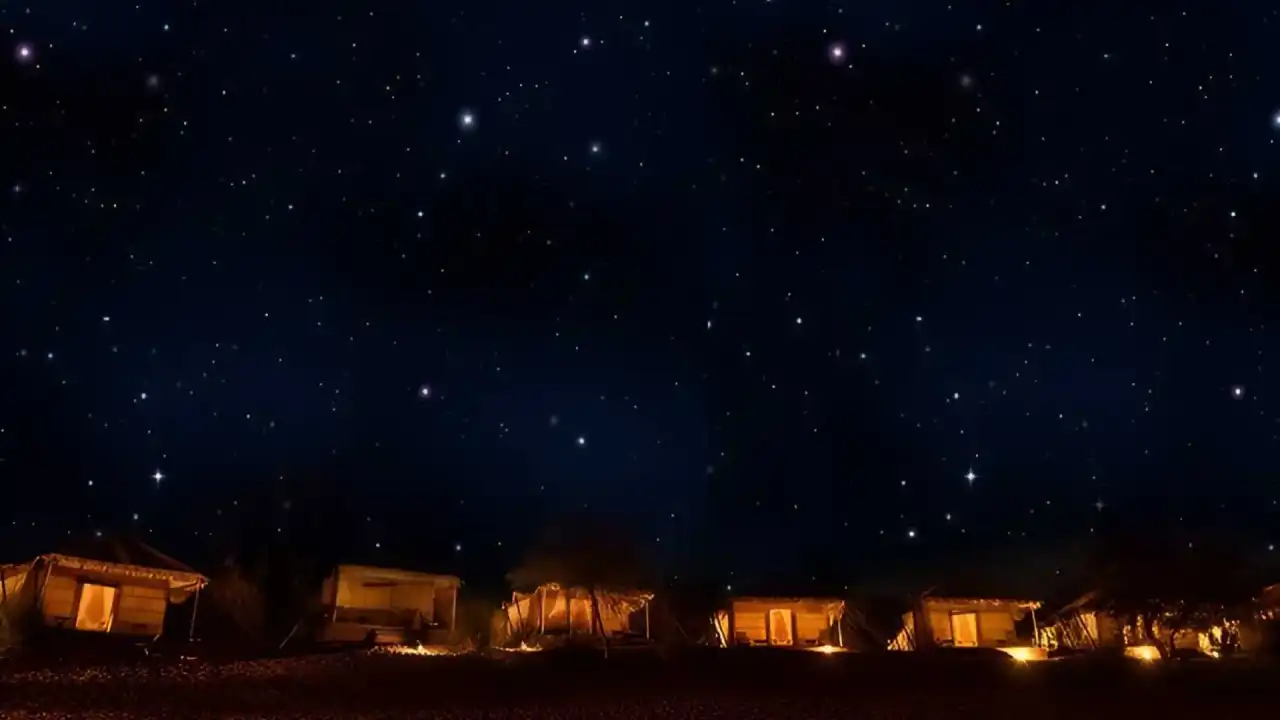
Deserts naturally support good night-sky visibility because of low humidity and sparse population density. Around Jaisalmer, once the tourist jeep traffic slows down after dinner, the sky often clears surprisingly well. Sam Sand Dunes is the better-known tourist area, though quieter dune sections farther away from the main camps provide darker conditions. Some local operators now organise overnight astronomy camps during the winter months.
Jaisalmer
- Best time to visit: October to February
- How to reach: Connected by rail, road, and flights from Jaipur and Delhi
- Permits required: Usually none unless entering border-restricted sectors
- What is special about it: Desert skies combined with historic fort landscapes
Sam Sand Dunes
- Best time to visit: Winter season
- How to reach: About 40 km from Jaisalmer town
- Permits required: No permit normally needed
- What is special about it: Open dunes with minimal visual obstruction
Wind can become a problem for long-exposure photography because fine sand settles on equipment quickly.
Coorg (Kodagu), Karnataka
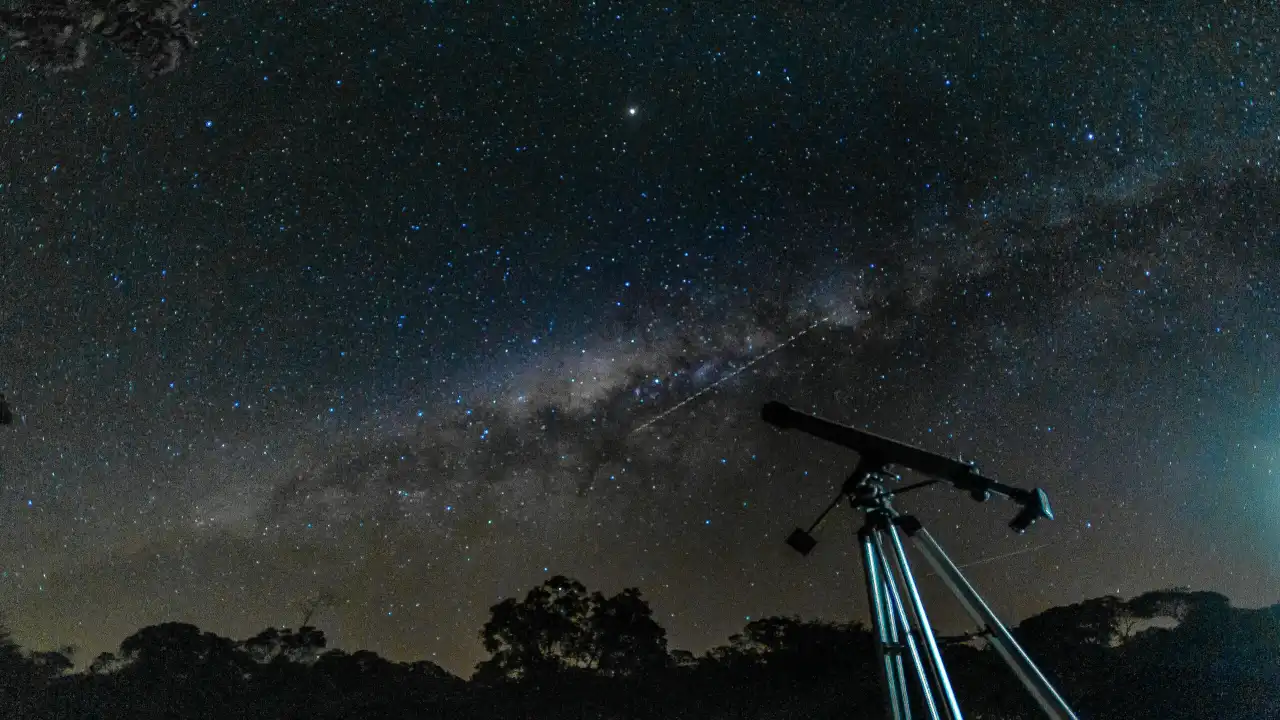
Coorg is not as dark as Ladakh or Spiti, but certain plantation regions and forest-edge stays still provide good conditions for casual astronomy, especially outside the monsoon season. The advantage here is accessibility. Travellers do not need acclimatisation or specialised gear. Nights are cooler than the surrounding plains, and several eco-stays now conduct guided telescope sessions. Cloud movement changes rapidly in the Western Ghats, though. Some nights become clear for an hour and then close up entirely.
- Best time to visit: December to March
- How to reach: Road access from Bengaluru and Mysore
- Permits required: No permit needed
- What is special about it: Forest silence and moderate dark-sky visibility without extreme altitude
Leopard calls, insects, and heavy moisture in the air make the experience very different from cold desert stargazing.
Neil Island (Shaheed Dweep), Andaman & Nicobar
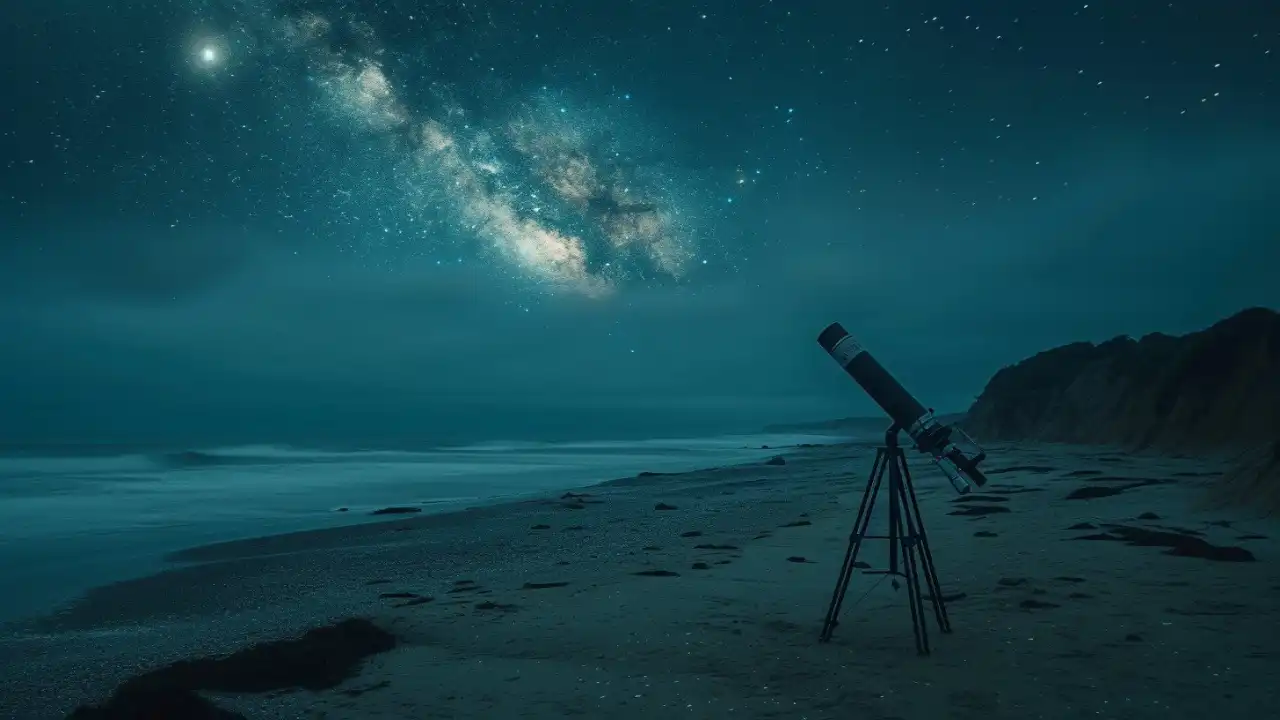
Island skies behave differently. Humidity stays high, but there is also less airborne dust than in mainland India. On clear nights around Neil Island, constellations appear unusually sharp above the sea horizon. Power infrastructure remains limited compared to large mainland cities, which helps preserve darker conditions in some stretches. Sitapur Beach and Bharatpur side beaches are often used for night photography. The sea adds another layer. Tides, reflected starlight on water, and moving cloud bands make long observation sessions visually dynamic.
- Best time to visit: December to April
- How to reach: Ferry from Port Blair
- Permits required: Standard Andaman entry permissions apply
- What is special about it: Open ocean horizons with relatively low urban light interference
Avoid monsoon months. Cloud cover becomes persistent and unpredictable.
Katao, North Sikkim
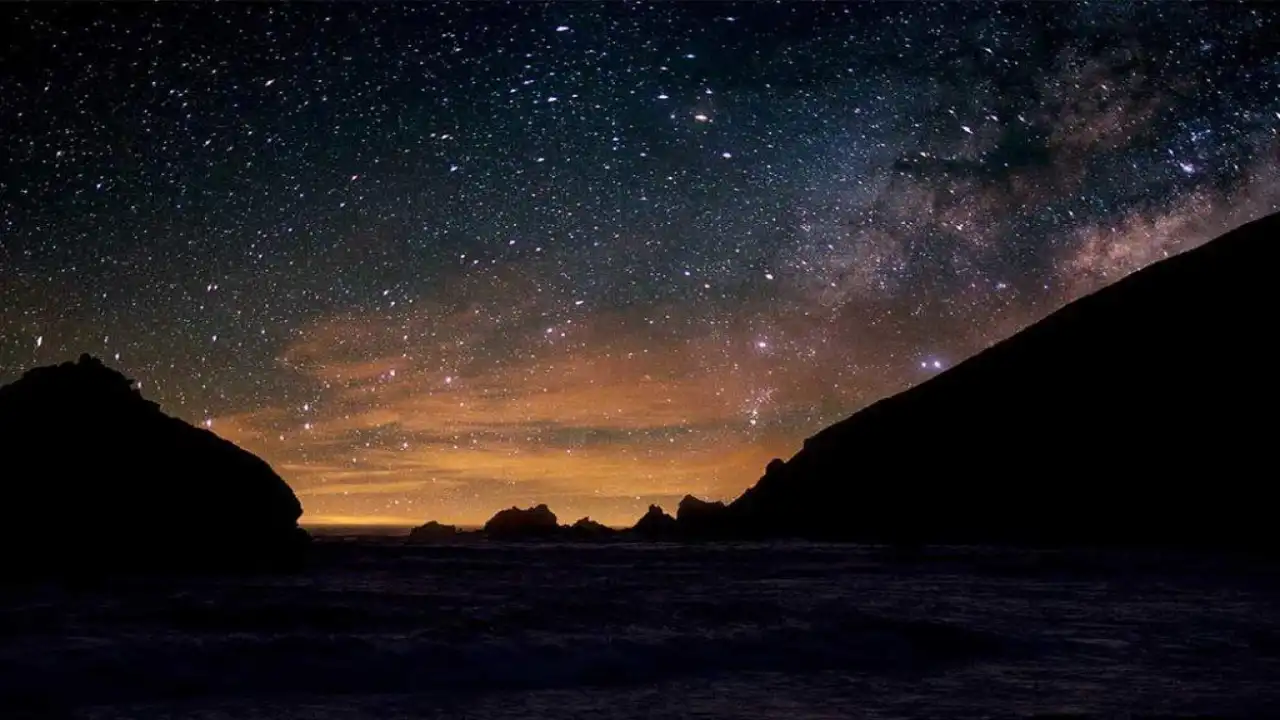
Katao sits near the Indo-China border and remains less visited compared to Lachung or Yumthang. The region experiences harsh winters, sparse settlement, and very low nighttime illumination. Road access can be inconsistent due to snowfall or landslides. When weather conditions align, though, the skies become exceptionally clear. The surrounding snowfields reflect starlight in subtle ways that photographers often look for.
- Best time to visit: October to December and March to May
- How to reach: Via Lachung from Gangtok
- Permits required: Protected Area Permit mandatory
- What is special about it: High-altitude snow landscapes under clear mountain skies
Because of military presence and weather restrictions, travellers should remain flexible with schedules.
Dzukou Valley, Nagaland
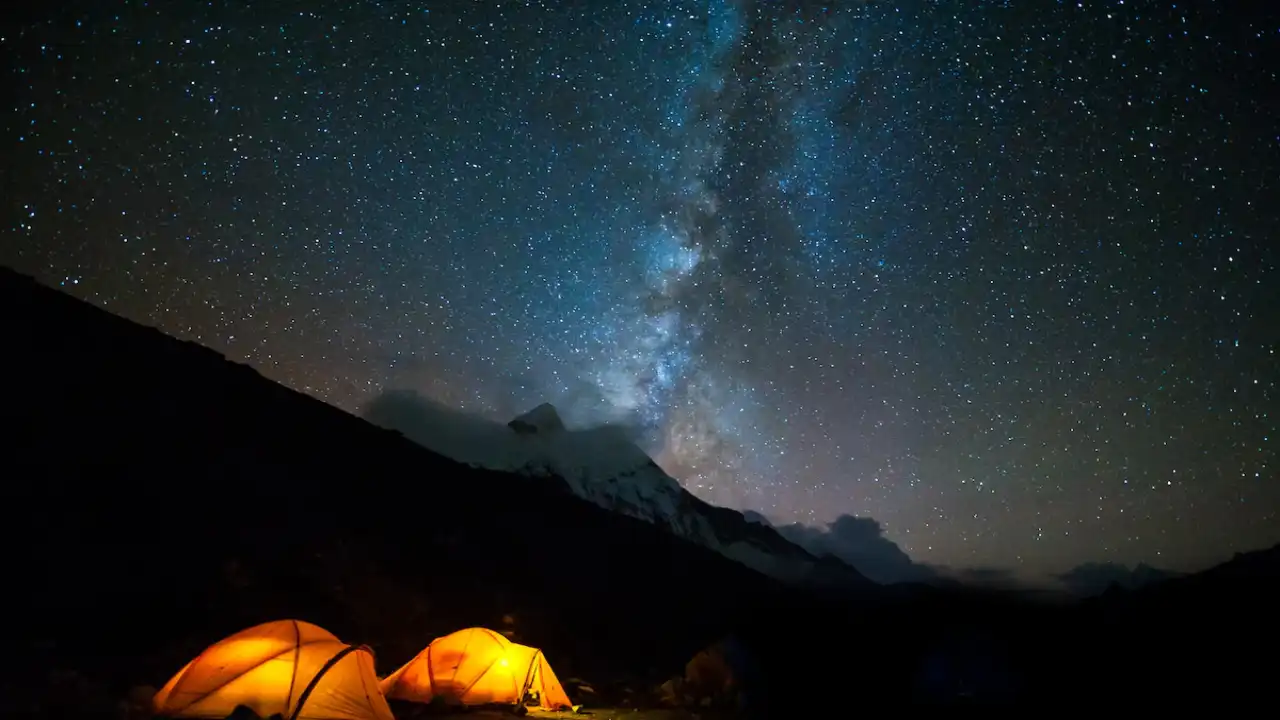
Dzukou Valley is better known for trekking than astronomy, but the absence of urban development creates excellent night conditions during clear weather windows. The valley lies along the Nagaland-Manipur border and is reached through moderate trekking routes from Viswema or Zakhama. Since there are no permanent settlements deep inside the valley, nighttime darkness feels unusually complete. Clouds move rapidly across the basin. Some nights close entirely within minutes. Others stay crystal clear until dawn.
- Best time to visit: October to April
- How to reach: Trek from the Kohima-side access villages
- Permits required: Inner Line Permit required for most non-residents entering Nagaland
- What is special about it: Remote trekking landscape with almost zero artificial light
Carrying proper cold-weather gear matters here because valley temperatures fall sharply after midnight.
Practical Tips for Stargazing in India
Check moon phases before booking
A full moon can wash out the Milky Way almost completely. New moon windows generally produce the darkest skies.
Give your eyes time to adjust
It takes around 20 to 30 minutes for human eyes to adapt to darkness. Avoid checking phones constantly.
Carry layered clothing
Even deserts become cold after midnight. High-altitude regions are harsher than forecast apps often suggest.
Use red-light torches
White LED torches ruin night vision quickly. Red light preserves visibility without overwhelming the eyes.
Watch altitude carefully
Hanle, Spiti, and parts of North Sikkim are physically demanding. Ascend gradually whenever possible.
Respect local ecosystems
Many dark-sky areas overlap with fragile wildlife zones or border-sensitive terrain. Loud music, drone use, and careless camping damage the experience for everyone.
Conclusion
India’s night skies change dramatically once you move away from urban corridors. Himalayan cold deserts offer the sharpest visibility. Salt flats create surreal reflections. Islands provide open sea horizons. Forest valleys trade absolute darkness for atmosphere and accessibility. The growth of Stargazing in India is still relatively recent, which means many locations remain rough around the edges. Roads break down. Electricity cuts happen. Weather forecasts fail. Sometimes clouds erase the entire sky after a twelve-hour drive. That unpredictability is part of the experience rather than a flaw in it. For travellers planning through Travel Junky, the better approach is to treat stargazing as slow travel instead of a checklist activity. Stay longer than necessary. Avoid rushed itineraries. Learn local weather patterns. Speak to drivers and villagers. The clearest skies usually appear when the landscape has finally gone quiet.