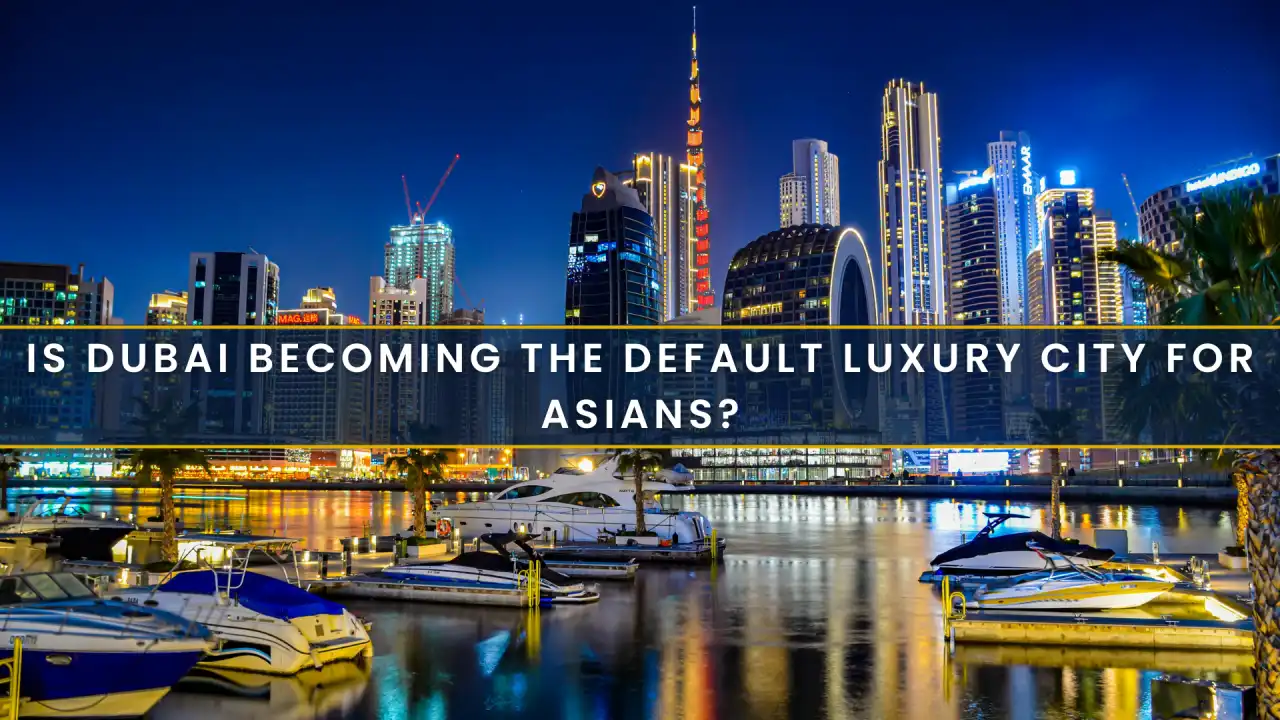
Is Dubai Becoming the Default Luxury City for Asians?
Introduction
“You think money can’t buy happiness? Habibi! Come to Dubai.”
The line plays on loop across Instagram reels, stitched to skylines, supercars, and sunsets that look almost unreal. It is easy to laugh it off as algorithm fuel, but repetition has a way of settling into the collective imagination. Over time, these images stop selling fantasy and start shaping expectations.
Is it a coincidence, or has Dubai quietly slipped into a very specific role in the Asian travel imagination? The city is no longer framed as a once-in-a-lifetime splurge. It has become a dependable answer. A place chosen when luxury must be visible, efficient, and uncomplicated. For families, couples, and first-time international travelers alike, luxury travel in Dubai now feels less like indulgence and more like a sensible decision.
Why Dubai Feels Instinctively Familiar to Asian Travelers
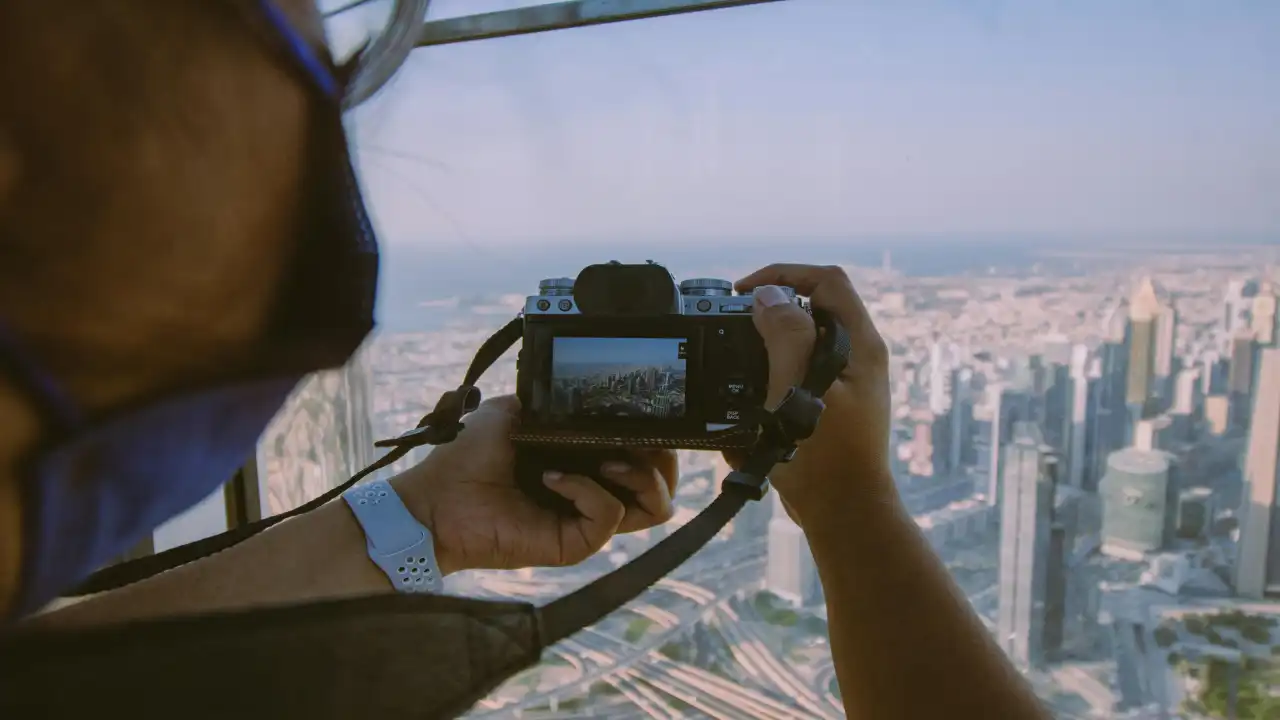
Dubai does not feel foreign in the way many Western luxury cities do. The pace is fast, but orderly. Ambitious, but contained. It mirrors the rhythm of many Asian metros, only with wider roads and fewer apologies. This is especially noticeable in how the city handles family travel. Multi-generational groups are not treated as logistical problems. Larger rooms, connecting suites, flexible dining, and thoughtful concierge support are built into the system. For Asian tourists in Dubai, this familiarity does not dilute the sense of occasion. It enhances it. The city feels global without being anonymous, structured without being stiff.
Architecture That Communicates Success Visually
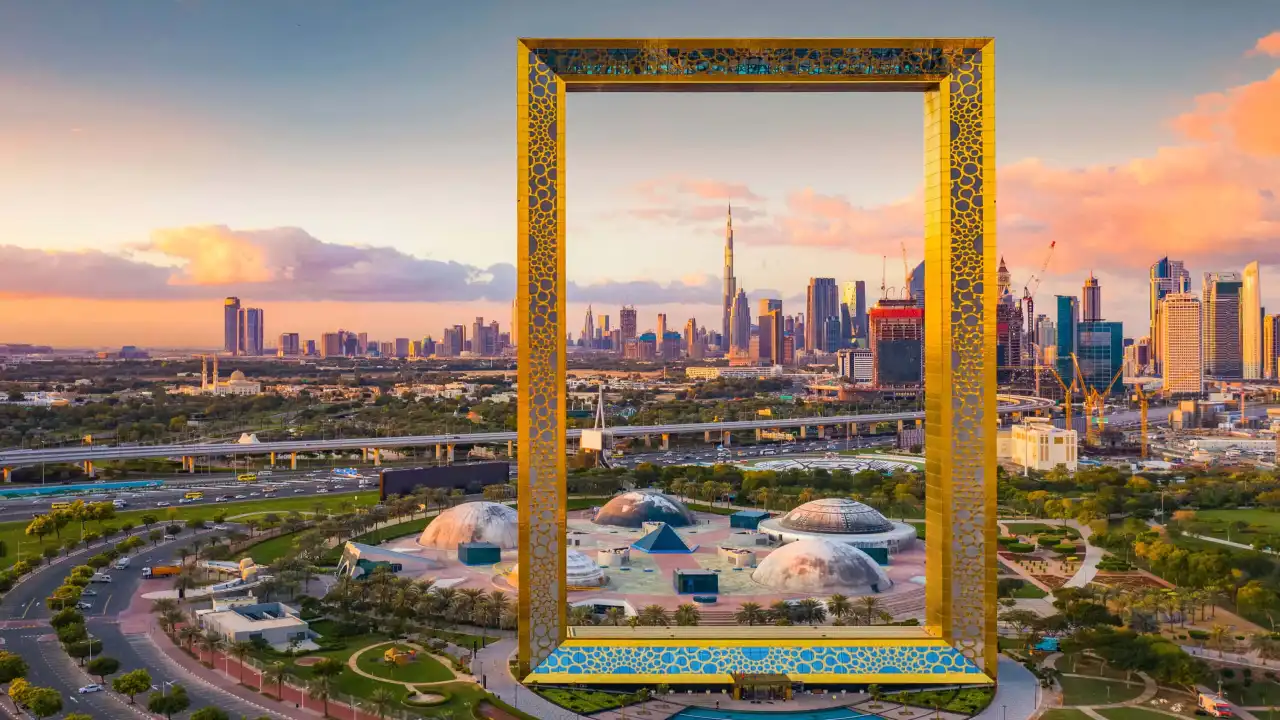
Dubai’s architecture does not whisper. It declares. Skylines rise with intent, not randomness. Glass, steel, and symmetry dominate the visual language. Landmarks like the Burj Khalifa, Museum of the Future, and Palm Jumeirah are not just attractions. They are statements. For travelers from rapidly developing Asian cities, this visual language resonates. Dubai looks like progress. It photographs cleanly, dramatically, and without explanation. That is why images from Dubai travel so well across cultures and platforms. The city understands that luxury today is often consumed visually before it is experienced physically.
Architectural landmarks to capture:
- Burj Khalifa
- Museum of the Future
- Palm Jumeirah
- Dubai Frame
Hotels That Are Designed for Presence, Not Just Stay
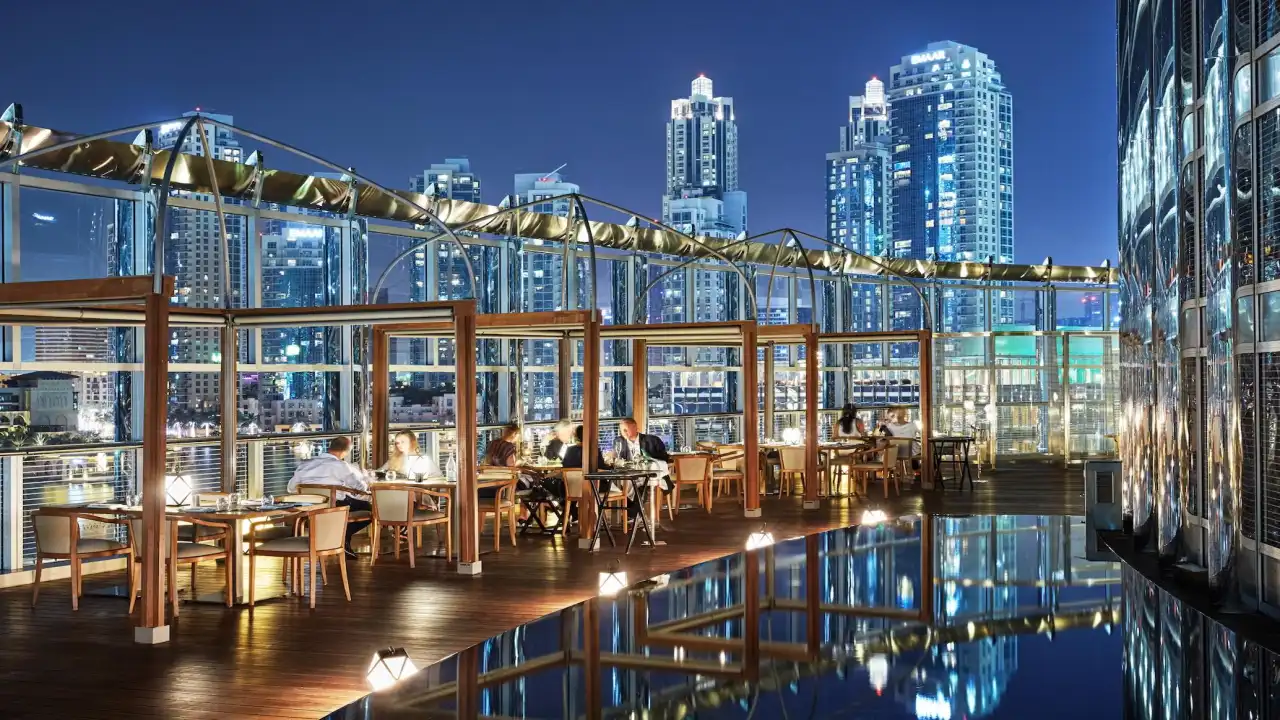
Dubai hotels are not built to blend in. They are built to be noticed. Lobbies are expansive, uncluttered, and symmetrical. Rooms prioritize space and light. Views are framed deliberately, whether they overlook the sea, the desert, or the skyline. Even corridors feel considered. Accommodation here often becomes part of the travel story. The hotel is not just where you sleep. It is where you host family dinners, take milestone photos, and slow down without guilt. This is why Dubai luxury holidays for Asians often revolve around hotel choice as much as itinerary. The setting matters.
Hotels to consider:
- Burj Al Arab
- Atlantis The Palm
- Armani Hotel Dubai
- One and Only Royal Mirage
Desert Landscapes That Offer Controlled Escape
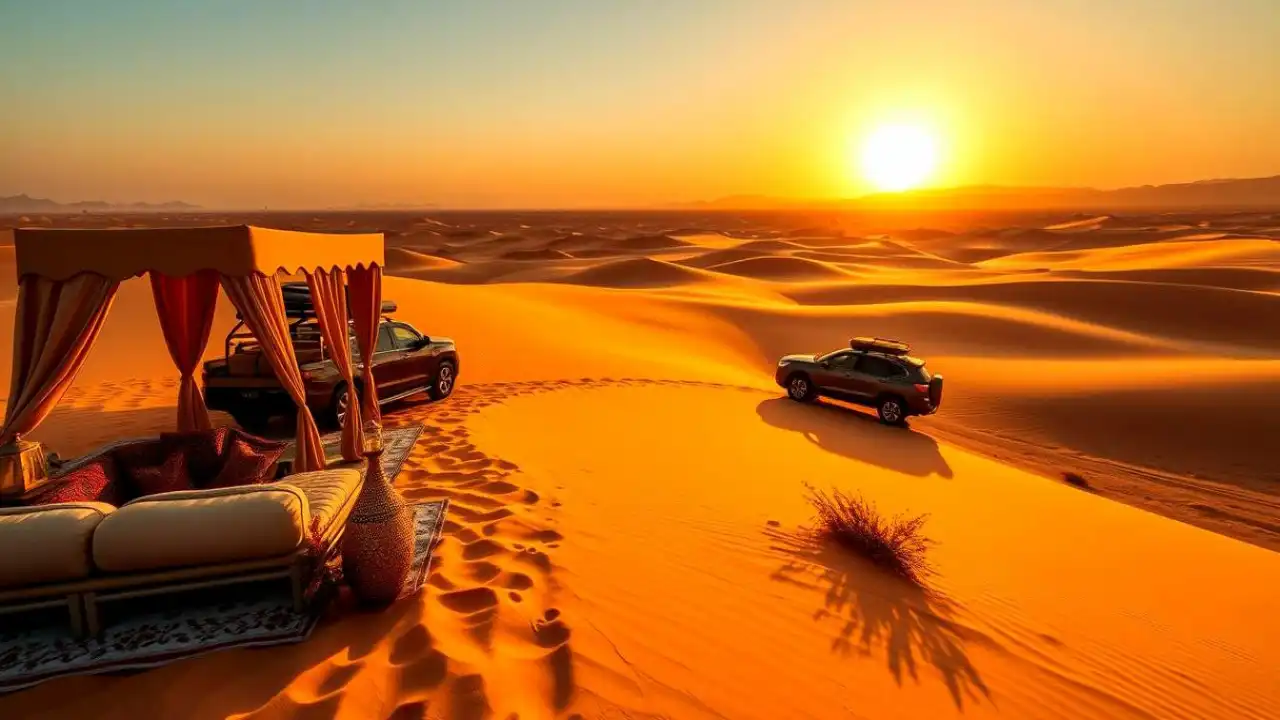
Few cities offer such a stark contrast within such a short distance. Step outside Dubai’s urban core, and the desert takes over, clean and expansive. The desert here is not wild in a rugged sense. It is curated, quiet, and visually restrained. Experiences focus on space, light, and stillness rather than adrenaline. For travelers accustomed to density and noise, this controlled emptiness feels luxurious. It adds balance to itineraries and depth to visual storytelling.
Also read: The Ultimate Guide to the Best Desert Safari in Dubai
Beaches That Feel Ordered and Intentional
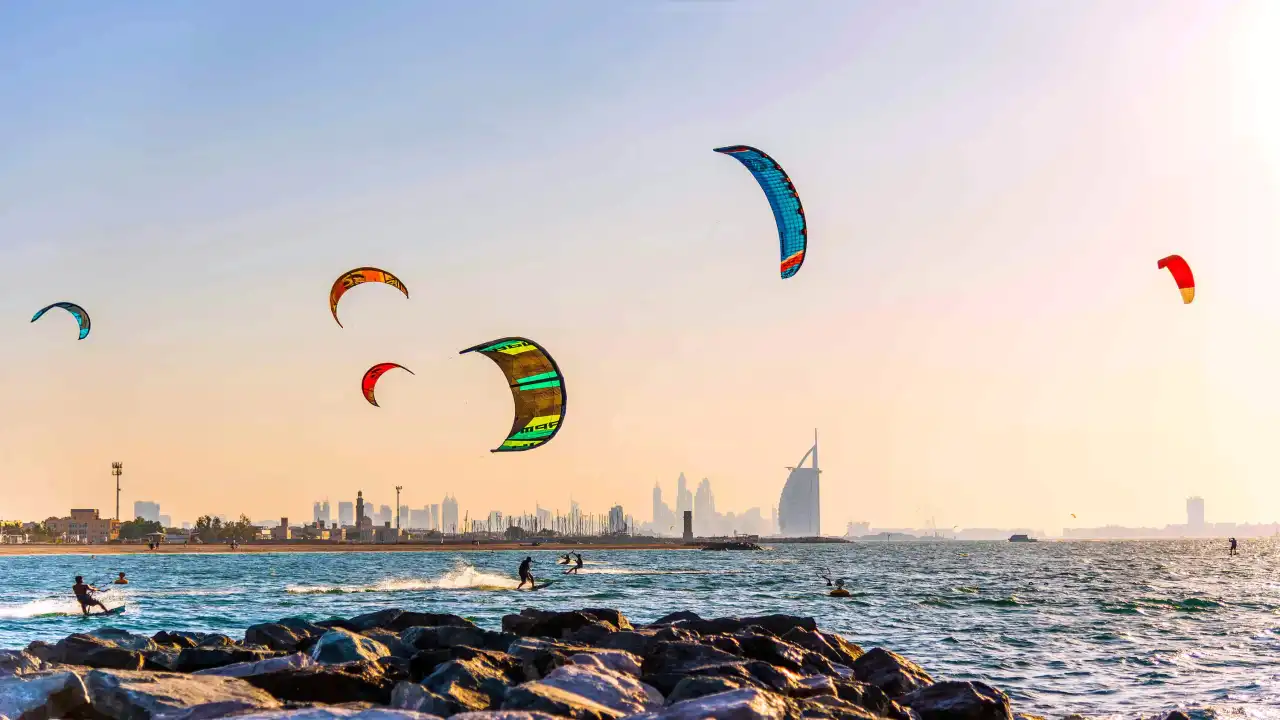
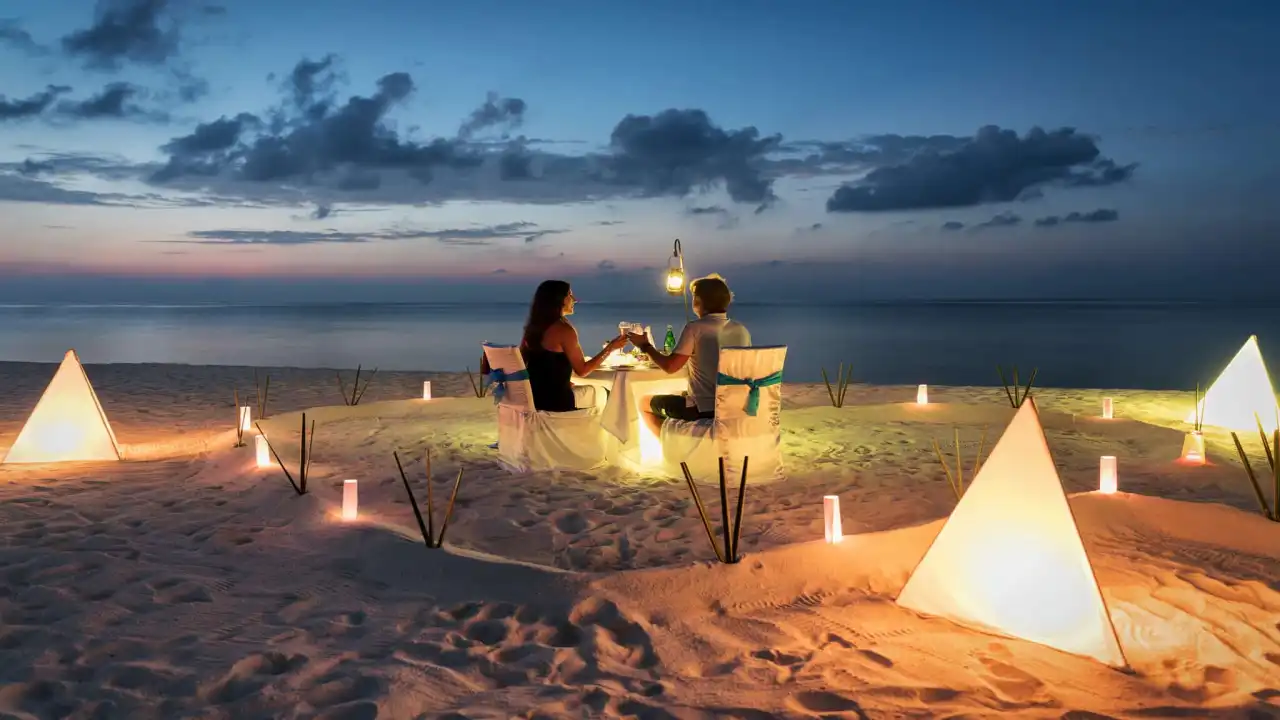
Dubai’s coastline carries a specific aesthetic. Calm waters, clean promenades, and clearly defined private and public zones. Beach clubs and resorts understand spacing. Loungers are placed with intent. Design remains minimal. Nothing feels improvised. This orderliness is subtle but important. For travelers used to crowded beaches elsewhere, Dubai’s coast feels premium not because it is exclusive, but because it is managed.
Beaches to try:
- Jumeirah Beach
- Kite Beach
- Palm Jumeirah beaches
- Sunset Beach
Nightlife That Balances Energy and Control
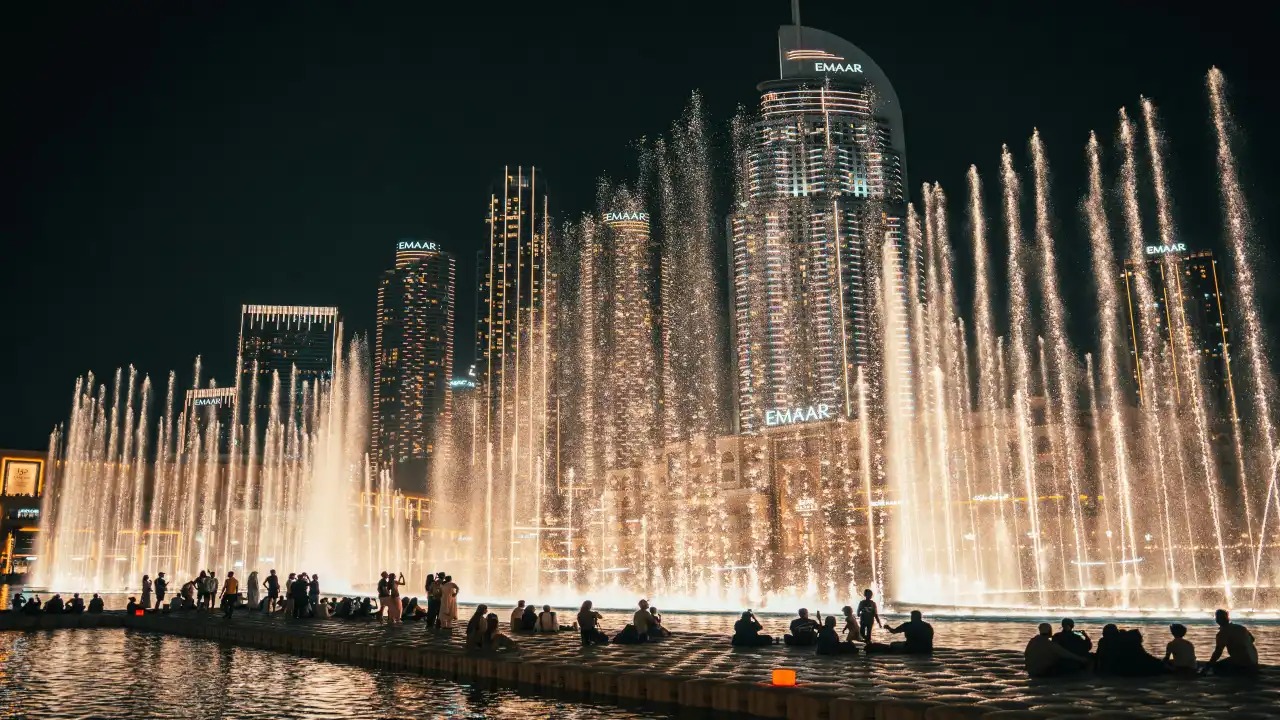
Dubai’s nightlife is often misunderstood. It is not chaotic, and it is not subdued. It is regulated, polished, and surprisingly varied. Rooftop lounges frame the skyline rather than overwhelm it. Nightclubs operate with precision rather than excess. Beach clubs transition smoothly from daytime calm to evening buzz. What stands out is how safe and organized nightlife feels. Groups move easily. Dress codes are clear. Transport is seamless. You enjoy the atmosphere without losing a sense of control. For many Asian travelers, especially those traveling in groups, this balance matters. Nightlife feels indulgent without tipping into discomfort.
Shopping as an Unspoken Language
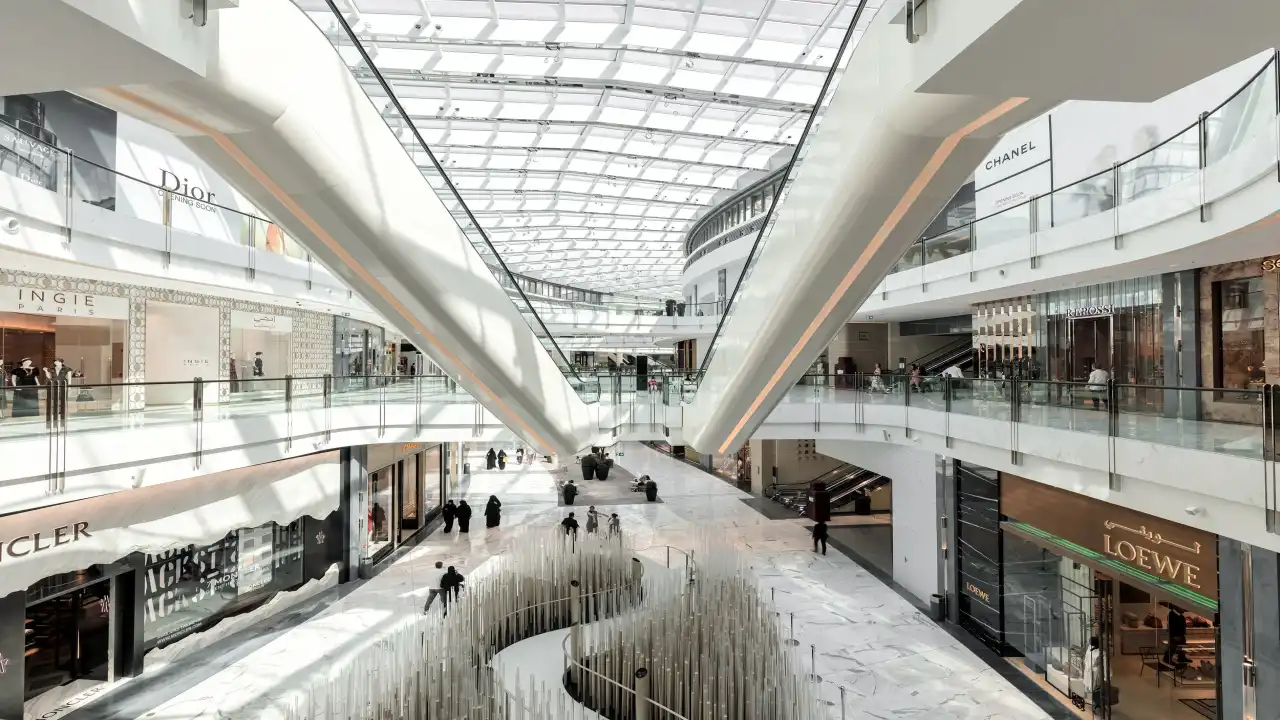
Dubai understands that shopping is not just consumption for many Asian travelers. It is storytelling. It is gifting. It is memory-making. Malls here are not chaotic retail zones. They are climate-controlled social spaces where luxury brands, cafés, prayer rooms, and family lounges coexist naturally. Browsing is relaxed. Service is observant, not aggressive. Tax-free pricing removes friction. Brand variety removes compromise. Shopping in Dubai feels efficient, which is often the highest form of indulgence.
Food That Anchors the Experience

Food is where many destinations lose Asian travelers. Dubai rarely does. Indian food ranges from unapologetically regional to formally refined. East Asian cuisines are treated with respect rather than novelty. You can eat comfort food without feeling like you opted out of the local experience. At the same time, Emirati cuisine is accessible without being theatrical. It is offered as part of the city’s story, not as a performance. Luxury dining in Dubai does not ask you to abandon familiarity. It builds on it.
Urban Spaces Built for Visual Flow
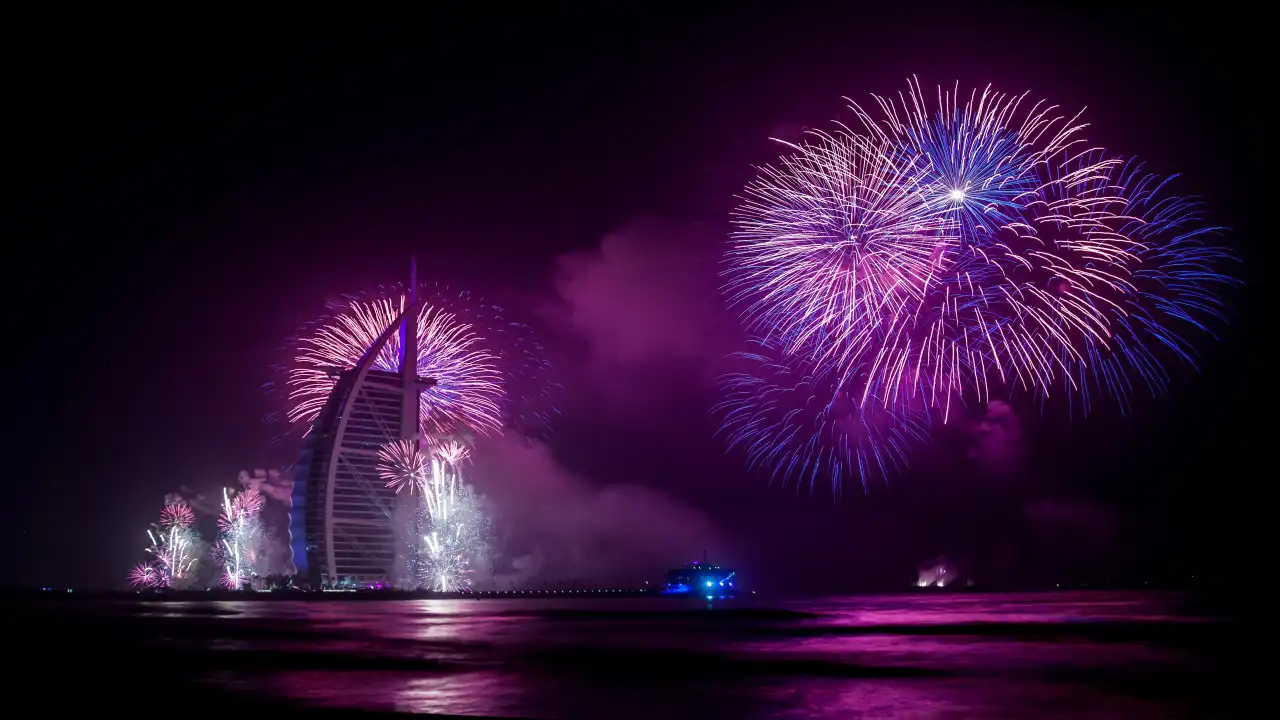
Dubai is unusually photogenic at all hours. Morning light softens glass towers. Afternoons emphasize scale. Evenings reflect movement without chaos. Areas like Downtown Dubai, City Walk, and Jumeirah feel cohesive rather than fragmented. Streets are walkable. Lighting is deliberate. Design continuity makes exploration effortless. You do not hunt for moments here. The city offers them openly.
Safety, Order, and the Quiet Luxury of Predictability
Dubai’s sense of order is understated but powerful. Families move freely at night. Solo travelers feel secure. High-end guests appreciate discretion over attention. This matters more than marketing. When travelers feel safe, they relax. When they relax, they enjoy. Enjoyment is the true indicator of luxury, not excess. Dubai understands this instinctively.
The Shift From Flashy to Considered
Dubai today is quieter than its reputation suggests. Beyond the obvious attractions, there is a growing emphasis on curated experiences. Architecture walks. Private museum visits. Desert experiences that avoid theatrics. This evolution appeals to travelers who have outgrown spectacle. They want texture. Dubai is learning how to offer depth without losing polish. This is where brands like Travel Junky tend to operate best. Not by selling Dubai as a fantasy, but by shaping it into something personal. Luxury here is no longer about ticking boxes. It is about editing.
So, Is Dubai the Default?
Default does not mean uninspired. It means dependable. Dubai has become the place Asian travelers choose when they want luxury without explanation. When they want efficiency without coldness. When they want comfort without compromise. It does not demand emotional investment. It earns trust through consistency.
Conclusion
Dubai did not set out to become Asia’s most reliable luxury destination. It observed, adapted, and refined. In doing so, it created a version of luxury that feels practical, polished, and emotionally easy. As travel preferences mature, destinations that respect the traveler’s intelligence tend to win. Dubai respects it quietly. That quiet confidence is exactly why it keeps returning to the top of Asian itineraries, not as a trend, but as a constant.