Japan Cherry Blossom Festival: Experiencing Hanami
Introduction: When Japan Turns Pink
Spring in Japan doesn’t sneak in, exactly. Trees still look bare and are gaining temporary recovery from winter in one week. Parks feel quiet. Maybe even a little dull. And then suddenly, out of nowhere, there’s a pivot. All over soft pink and pale white blossoms begin blooming. Go for a walk alongside a river or on a quiet neighborhood street and you can notice it immediately. Petals hanging above sidewalks. Flowers floated across the surface, their reflections. They are stopping dead in their tracks as they walk, just to look up for one second.
The Cherry Blossom trees are finally beginning to bloom. Sakura season in Japan is something that people actually look forward to every year. It’s not even deafening or glamorous like some of the festivals. It’s more like a collective national pause. Parks start filling up. Text conversation between friends deciding under which tree they should meet. Someone always arrives with snacks. Somebody brings a blanket that’s slightly too small. Under the blossoms, people sit in conversation, laughing and snapping pictures that will never quite capture what it feels like to be there. This whole tradition is called Hanami, which translates to “flower viewing.” The name is simple enough, but the experience is a bit more nuanced. It’s about enjoying beauty while you have the chance.
What Is the Cherry Blossom Festival in Japan?
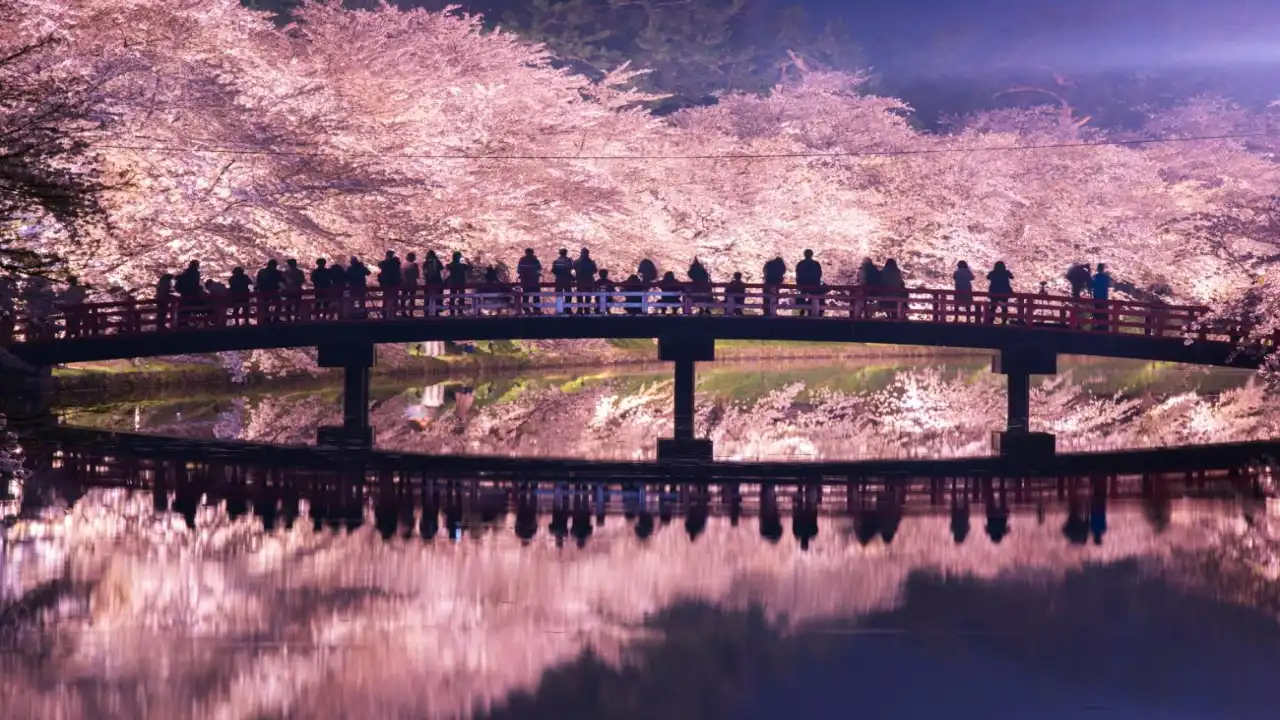
When people hear the word “festival,” they usually picture something organized. Maybe a stage. Tickets. Fireworks at the end of the night. The cherry blossom festival in Japan isn’t really like that. It’s more scattered. In a good way. Wherever cherry trees bloom, people gather. Parks, temple grounds, riversides, university campuses, and even random streets can suddenly feel like celebration spots.
The sakura festival japan culture doesn’t really need a schedule. The blossoms appear, and people respond to them. That’s about it. And here’s the thing about cherry blossoms: they don’t last long. Sometimes just a week at their best. A strong wind or a rainy day can shorten that even more. That short life is actually what makes them special. Everyone knows the moment is temporary. Which is also why so many travelers plan their trips around the bloom forecast. Spring becomes one of the busiest times to visit Japan. And honestly, one of the most beautiful.
The Meaning and History of Hanami
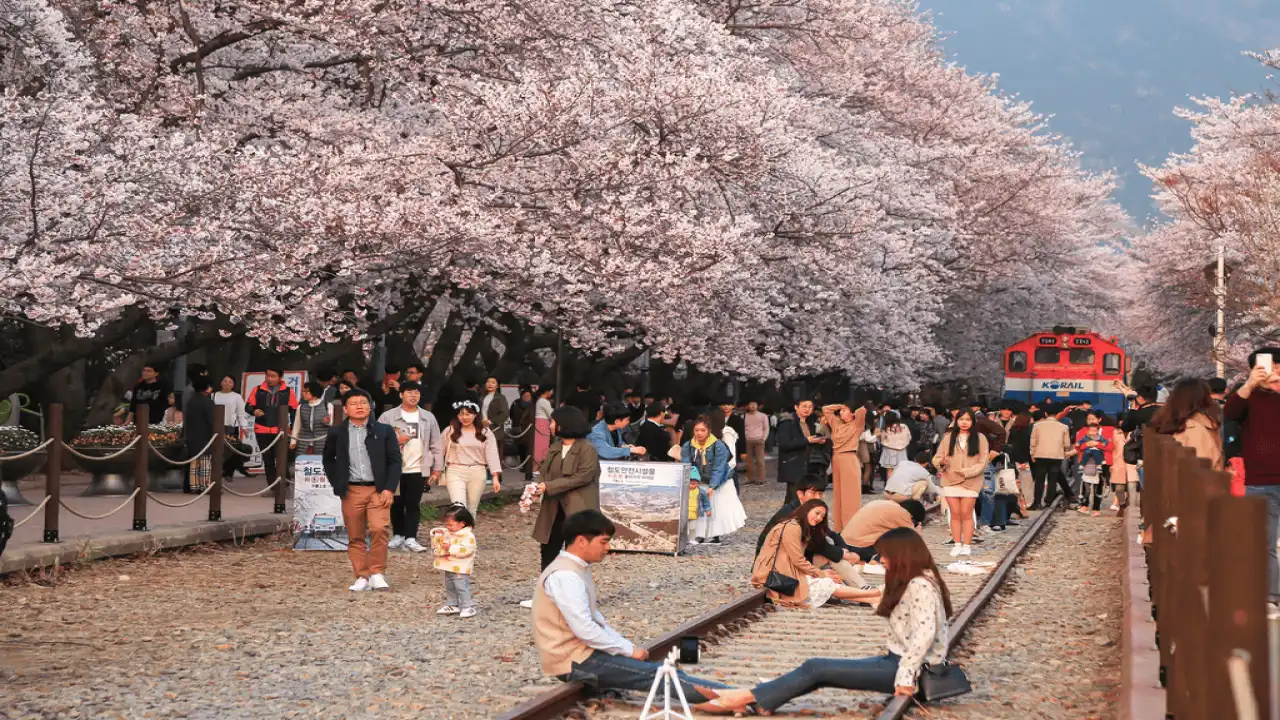
The word Hanami might sound poetic, but its meaning is actually very straightforward. It simply means flower viewing. The tradition goes back to the Heian Period, over a thousand years ago. Back then it wasn’t something ordinary people did. It was mostly for aristocrats and nobles. They would gather under blooming trees, drink sake, write poetry, and admire the blossoms. Very elegant. Very calm.
Over time though, the tradition slowly spread beyond royal courts. Farmers started celebrating under the trees. Then merchants, students, families, pretty much everyone. Today, Hanami feels much less formal. Some groups bring elaborate picnic spreads with homemade food and drinks. Others just grab something from a convenience store and sit on a nearby bench. Either way counts.
When Is Cherry Blossom Season in Japan?
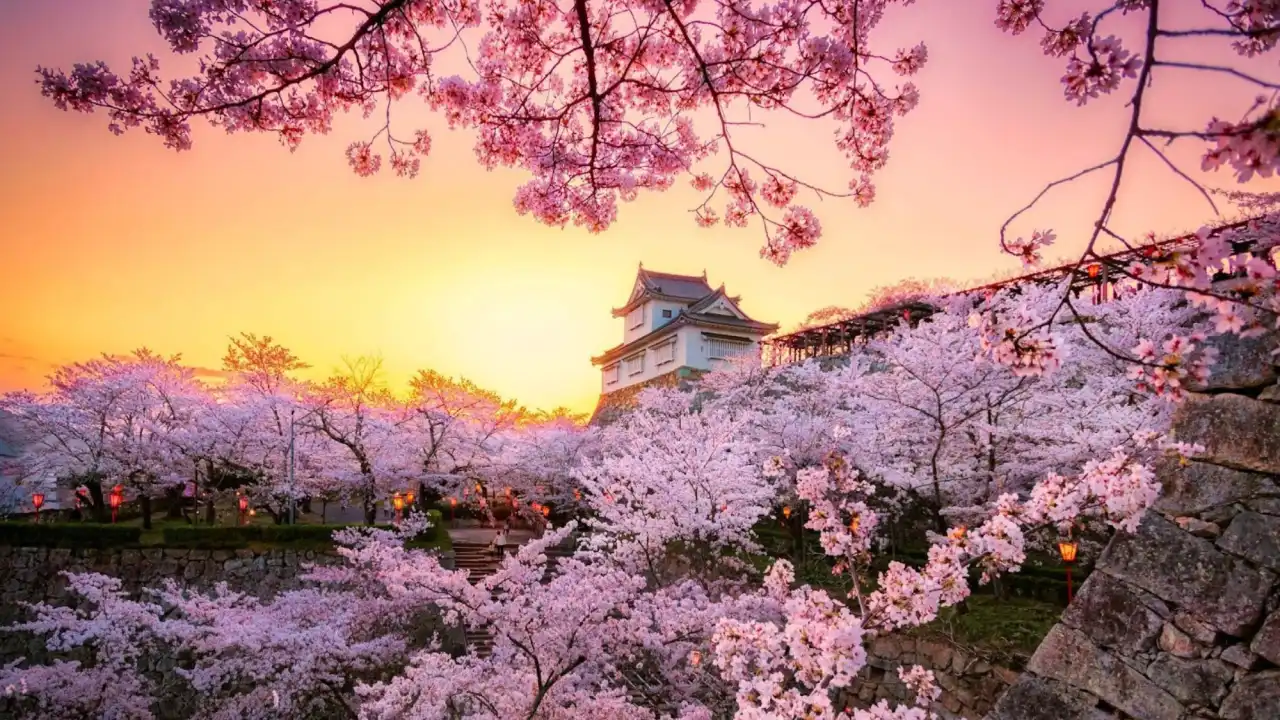
Cherry blossoms don’t bloom everywhere at the same time. Japan stretches quite far from south to north, so the bloom slowly moves across the country like a wave of spring. Because of this, the Cherry Blossom Festival in Japan isn’t celebrated on a single date; instead, different regions experience the festival as the blossoms arrive in their area.
It usually looks something like this:
- Mid-March: southern regions begin seeing early blossoms
- Late March – early April: cities like Tokyo and Kyoto reach peak bloom
- Mid-April – early May: northern areas finally start seeing flowers
Each year, bloom forecasts are released by the Japan Meteorological Agency, and people actually follow them pretty closely. Offices talk about them. News channels mention them constantly once spring gets close.
Two words you’ll hear a lot during this season are:
- Kaika – when the first blossoms open
- Mankai – when the trees reach full bloom
Pro Tip:
Full bloom usually lasts only 3–5 days before petals begin drifting away, especially if the weather turns
Best Places to Experience the Cherry Blossom Festival
Tokyo
Ueno Park
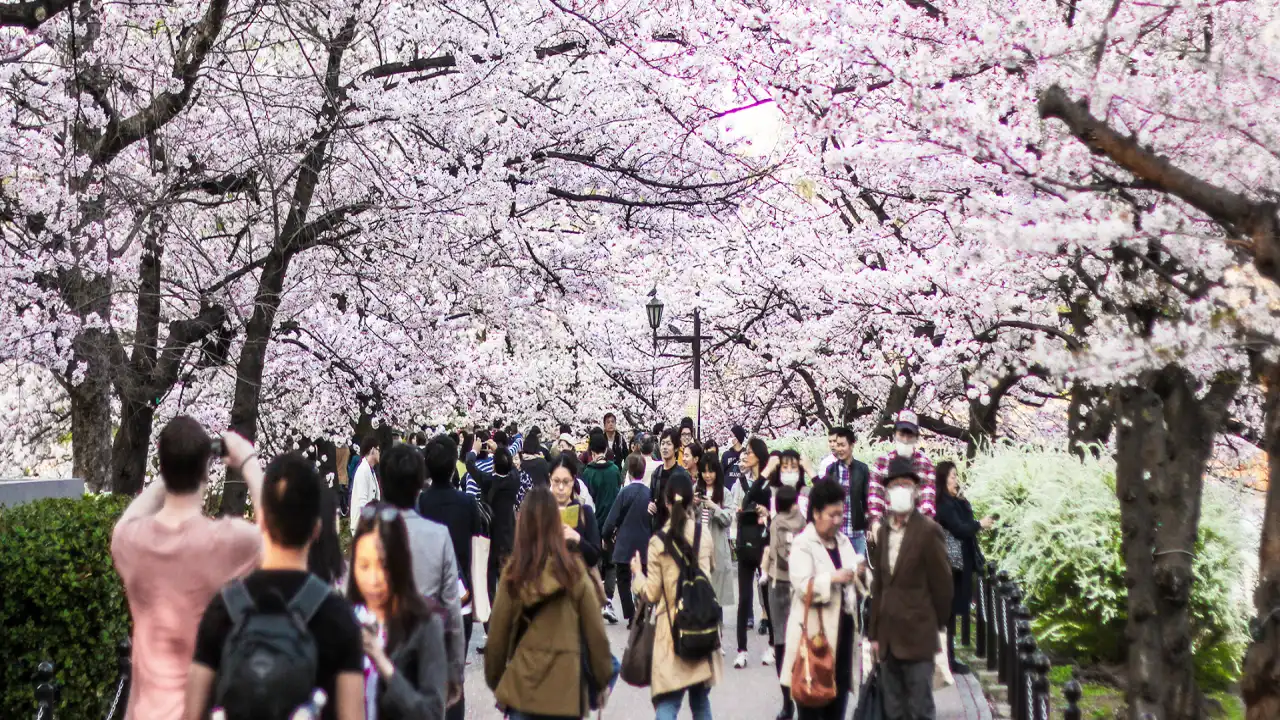
Ueno Park gets busy during cherry blossom season. Actually… really busy. But there’s a reason people keep coming back every year.
You’ll notice things like:
- Over a thousand cherry trees line the walkways
- Long rows of picnic blankets cover the grass
- Food stalls are everywhere
- Lanterns lighting up the blossoms at night
It’s lively. A bit chaotic. But also fun in a way that’s hard to explain.
Shinjuku Gyoen National Garden
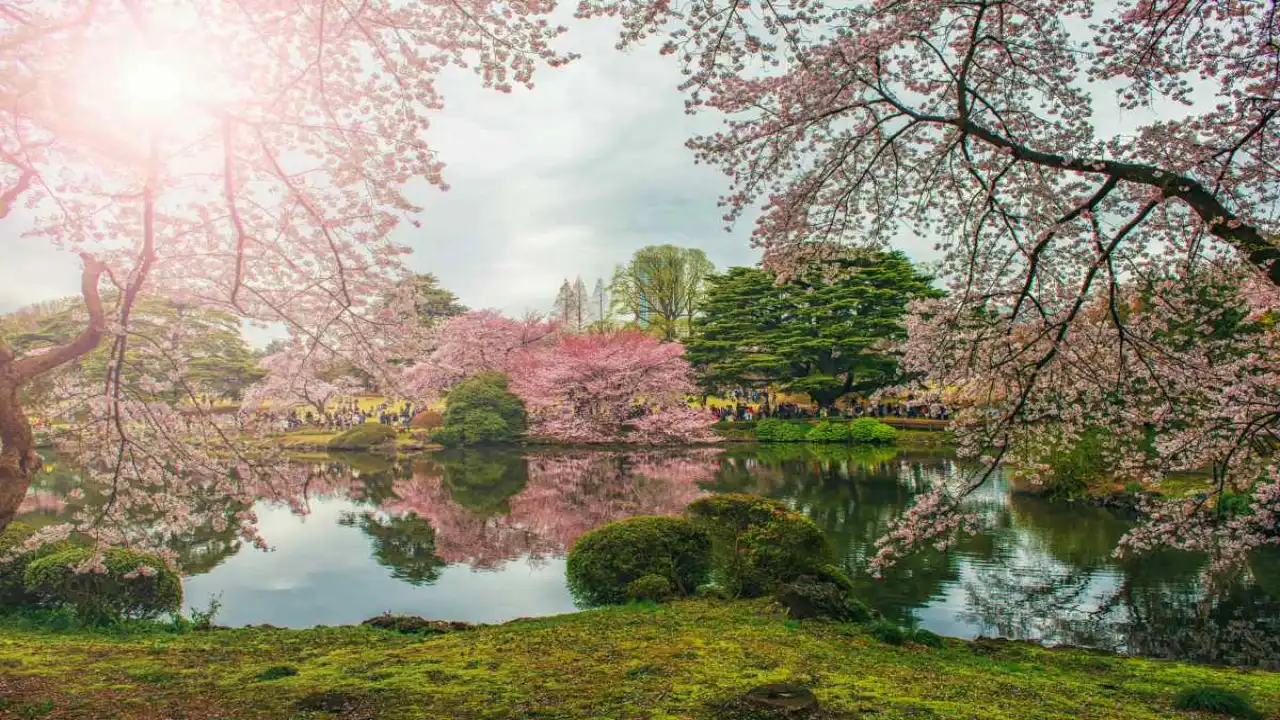
If Ueno feels overwhelmed, this garden offers something much calmer.
People like it because:
- There are many different types of cherry trees
- Wide lawns give you space to relax
- The walking paths feel peaceful
Sometimes the quieter places leave the stronger memories.
Kyoto
Maruyama Park
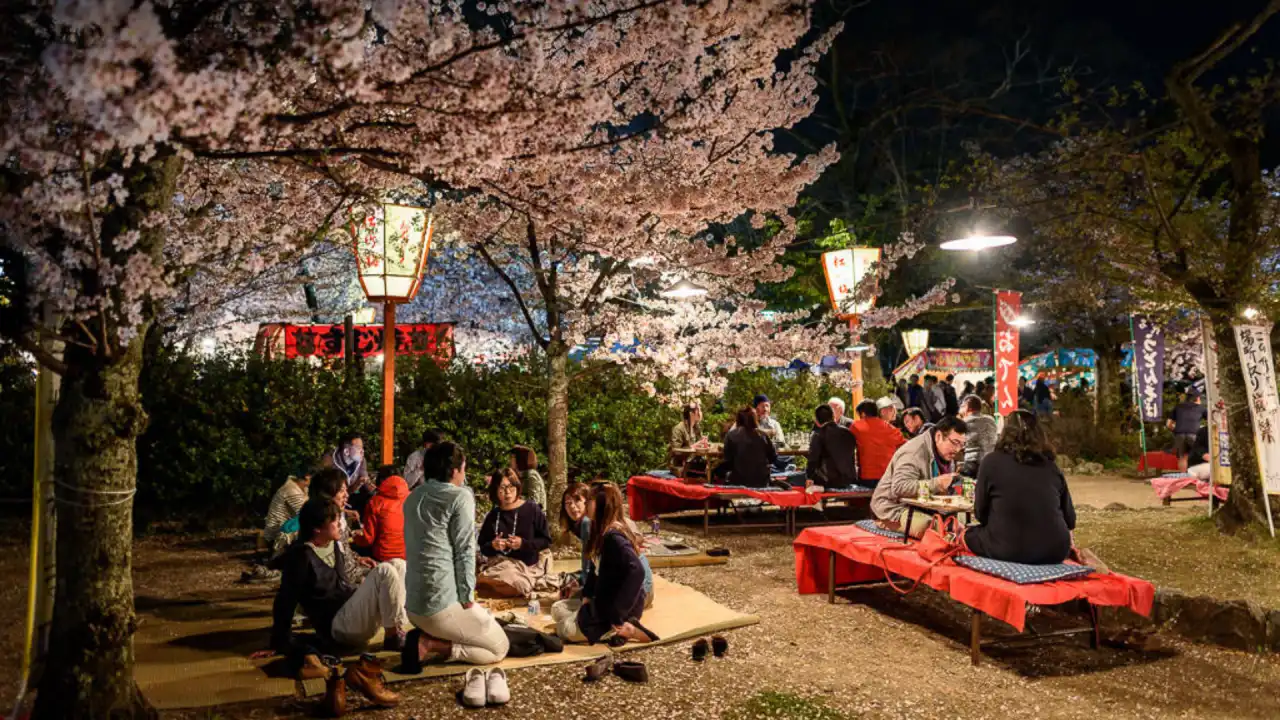
Maruyama Park is known for one particular tree, a giant weeping cherry tree that becomes the center of attention every spring.
What people enjoy here:
- Evening light displays
- Traditional spring gatherings
- A lively but relaxed atmosphere
Philosopher’s Path
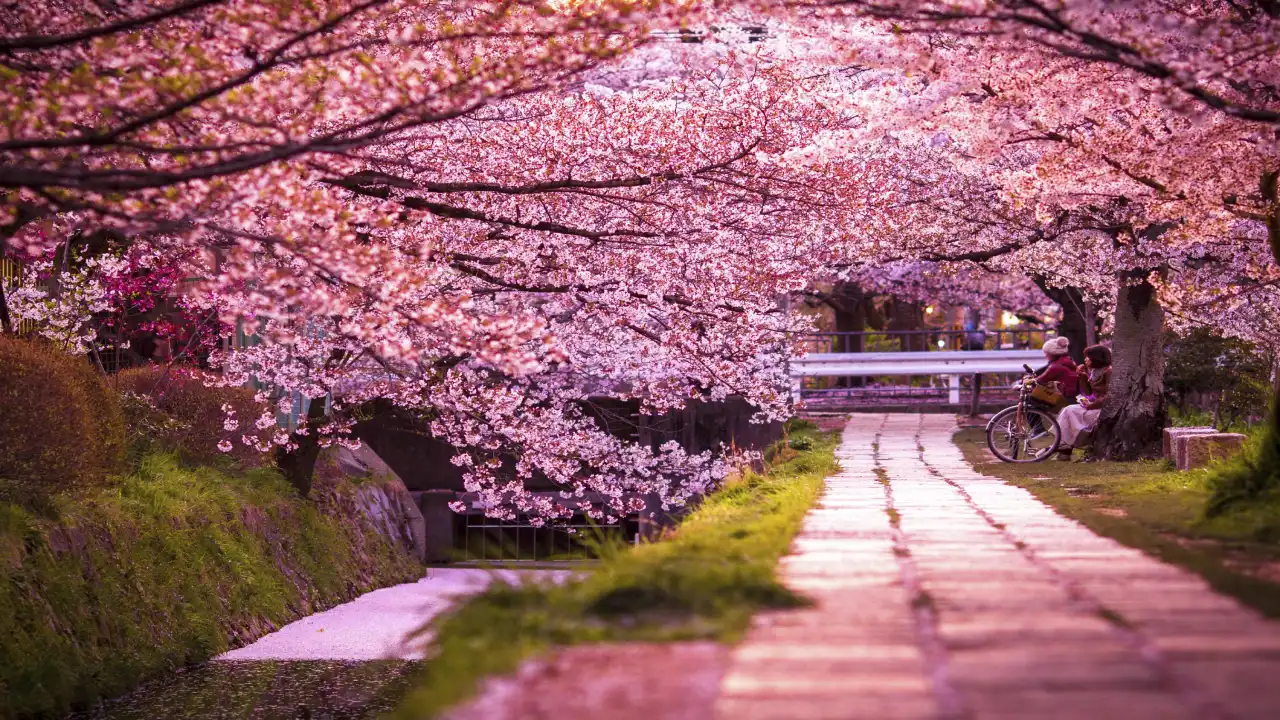
This narrow walking path follows a canal and is lined with cherry trees almost the entire way.
During peak bloom, you’ll see:
- Blossoms forming a soft tunnel overhead
- Petals drifting slowly across the water
- People walking quietly, almost whispering
It’s surprisingly peaceful.
Nara
Mount Yoshino
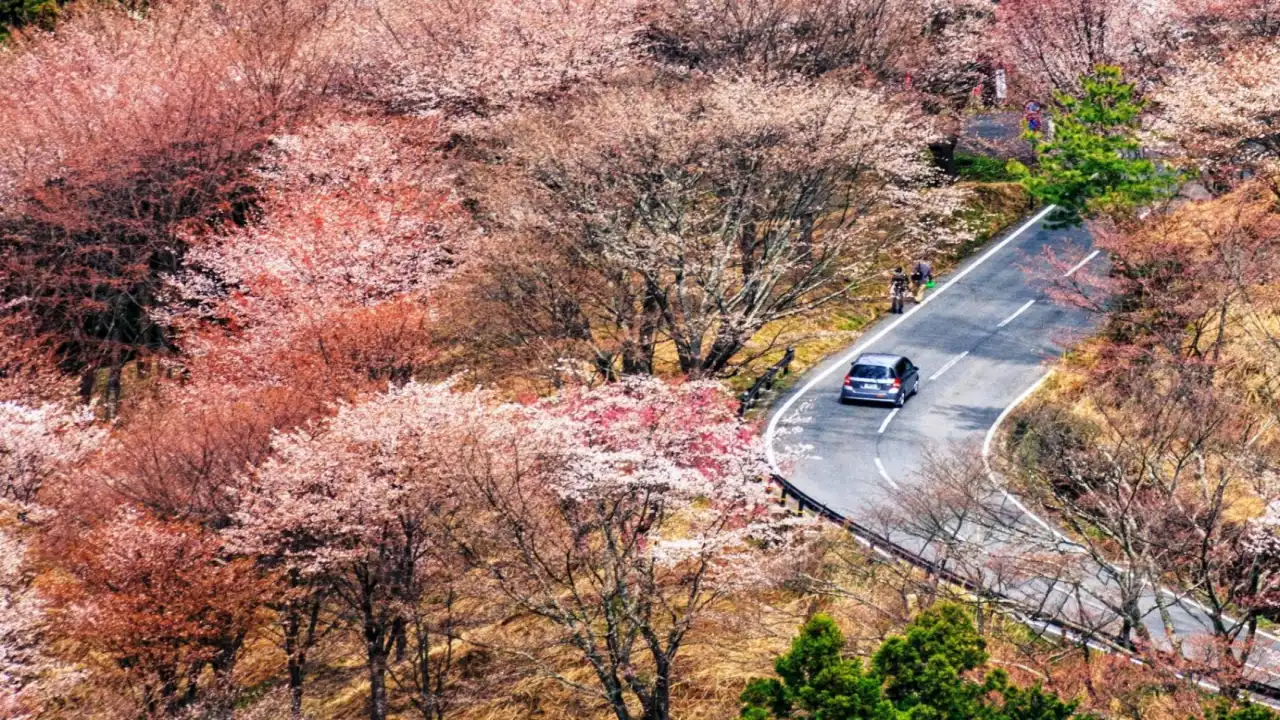
Mount Yoshino is on a completely different scale. Instead of a park with a few hundred trees, you’re looking at entire hillsides covered in blossoms.
What makes it famous:
- More than 30,000 cherry trees
- Layers of pink stretching across the mountains
- Wide panoramic views
Photos don’t really capture how big it feels.
Northern Japan
Hirosaki Castle
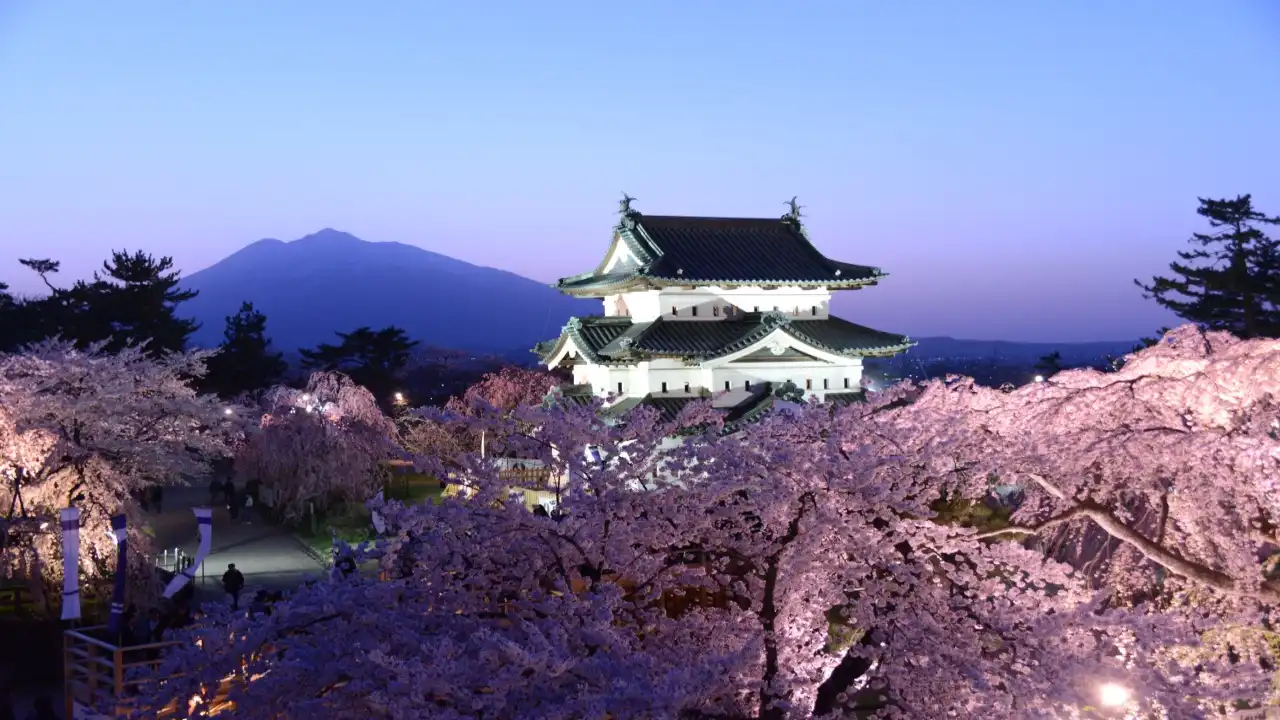
By the time blossoms reach northern Japan, spring is just beginning there. Hirosaki Castle becomes one of the most beautiful viewing spots.
Visitors usually notice:
- Cherry trees surrounding the castle
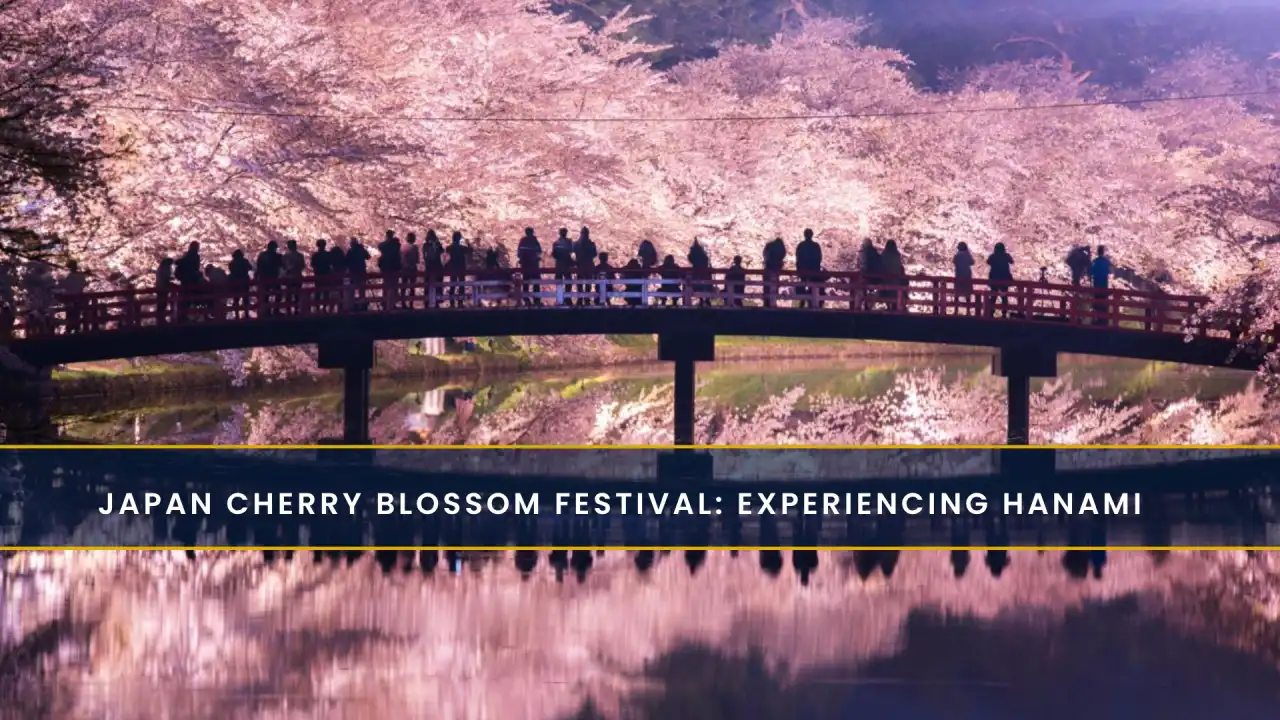
- Petals floating across the moat
- Evening lights reflecting on the water
It almost looks unreal.
What Happens During Hanami Celebrations?
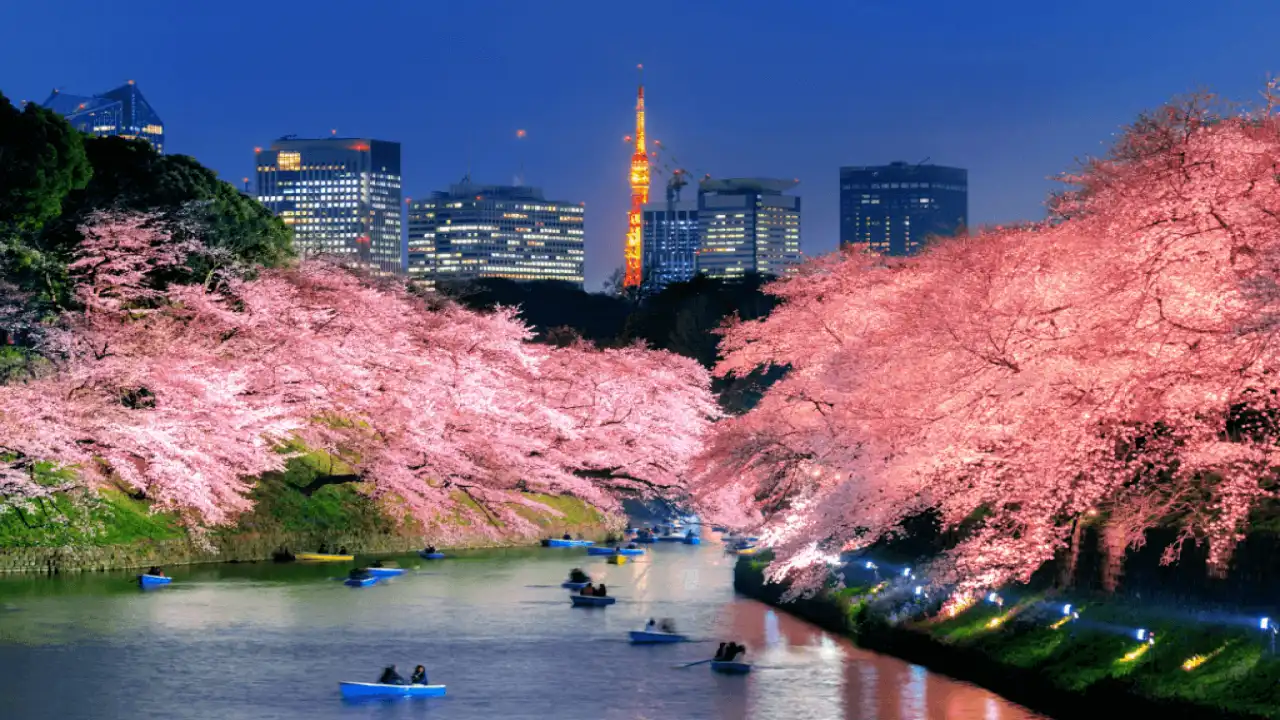
Hanami isn’t structured. There’s no schedule or formal ceremony. People simply gather under the trees.
Typical scenes include:
- Picnic blankets spread across the grass
- Groups sharing food and drinks
- Kids running around chasing falling petals
- People quietly sit and look up at the blossoms
At night, the atmosphere changes slightly. Trees are illuminated, and this evening viewing is called yozakura. Under the lantern light, the blossoms almost glow.
Pro Tip:
Nighttime Hanami can feel quieter and sometimes even more magical than daytime viewing.
Food to Try During the Cherry Blossom Festival
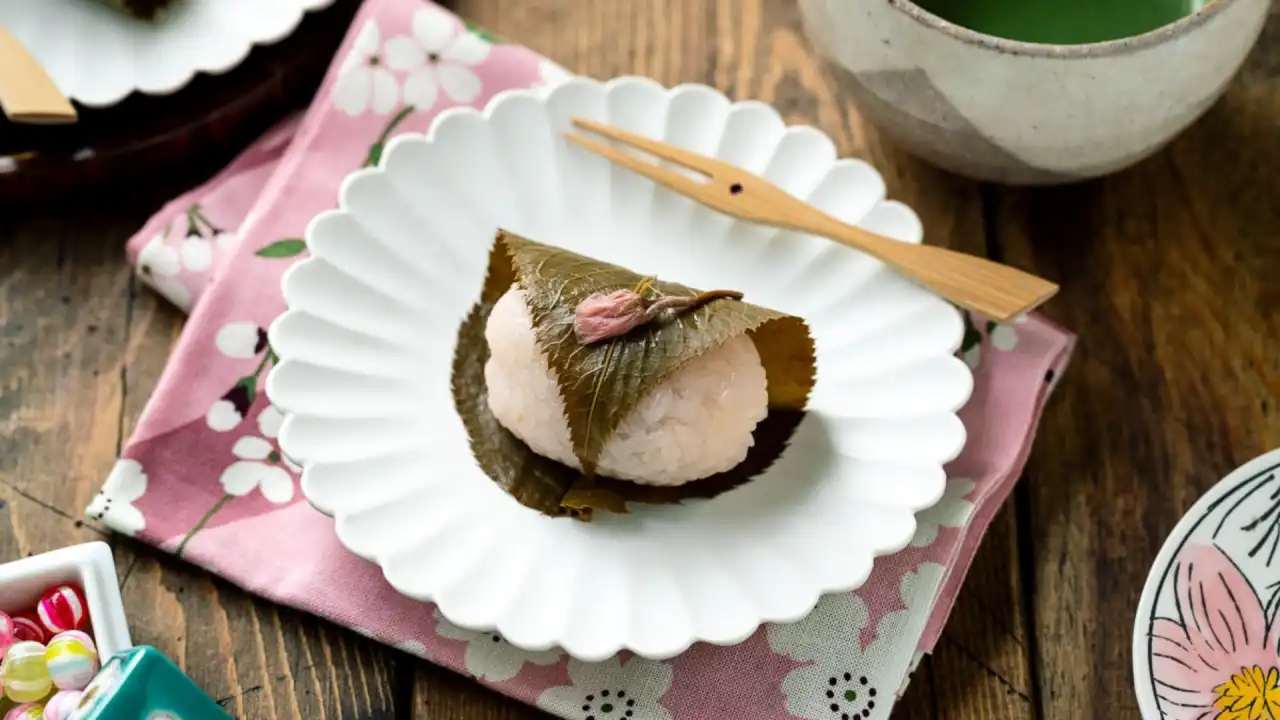
Spring menus across Japan change a little during cherry blossom season. One of the classic seasonal treats is Sakura Mochi, a pink rice cake filled with sweet bean paste and wrapped in a salted cherry leaf.
Other seasonal foods you might notice include:
- Sakura-flavored desserts and drinks
- Bento boxes perfect for park picnics
- Street snacks near popular parks
- Limited spring sweets in bakeries
Even coffee chains release cherry blossom-themed drinks for a short time.
Hanami Etiquette and Cultural Tips
Even though Hanami is relaxed, there are still a few unwritten rules people follow.
Basic etiquette includes:
- Don’t shake cherry blossom branches
- Avoid pulling flowers for photos
- Clean up your picnic area afterward
- Respect park rules
The importance of cherry blossoms in Japan goes beyond scenery. The blossoms represent a deep appreciation for nature and the understanding that beautiful moments don’t last forever.
Why Cherry Blossom Season Feels So Special
Cherry blossoms don’t last long. Maybe a week. Sometimes less if the weather changes. That short life is part of their meaning. They represent beauty, but also the idea that beautiful moments pass quickly.
For many people in Japan, the season also marks:
- The beginning of a new school year
- New jobs or life changes
- Fresh starts after winter
Conclusion
Another one of those travel experiences that are embedded in your memory is standing under flowering trees during Hanami. Petals fall silently on the ground. Conversations soften. Somehow, for a brief time, parks all over Japan feel more serene. Cherry blossom season isn’t just about reaching flowers in bloom. It’s about catching a brief moment and savoring it while you can. This time of year is a magical one for many travelers and often serves as the highlight of their trip and the reason an international trip package to Japan was planned in the first place. After all, moments like this are rare.
Travel Tips for Visiting During Cherry Blossom Season
Cherry blossom season is beautiful but it’s also very busy. Planning helps a lot.
Some useful tips:
- Book hotels several months early
- Follow bloom forecasts closely
- Visit parks early in the morning
- Bring a picnic mat for Hanami
Pro Tip:
Weekdays are usually much quieter than weekends.
Some travelers also choose guided trips during this time. A well-planned Japan trip package can make it easier to explore multiple cities while the blossoms gradually move north.