Japan's Bluest Islands and the Clearest Water You'll Ever See
Introduction
Most people picture Japan in a very specific way first. Fast trains. Bright Tokyo lights. Tiny ramen shops squeezed into busy streets. Maybe temples in Kyoto with everyone trying to get the same photo at the same time. And yeah, that version exists. But then there’s this completely different side of the country that almost feels disconnected from all of that.
That’s the strange beauty of the Japan blue islands experience. It sneaks up on you quietly. No giant landmarks. No dramatic “main character” moments. Just warm air, salt on your skin, tiny fishing harbors, and stretches of blue water that make you stop walking without realizing it. And weirdly, the silence becomes part of it too. Not empty silence. More like peaceful background noise. Wind through trees. Water touching rocks. Someone laughing in the distance near a dock. It feels softer than mainland Japan somehow. And honestly? Photos never fully capture it. The water moves differently here. The light feels softer. Even the silence sounds beautiful.
Why the Water Around These Islands Looks So Unreal
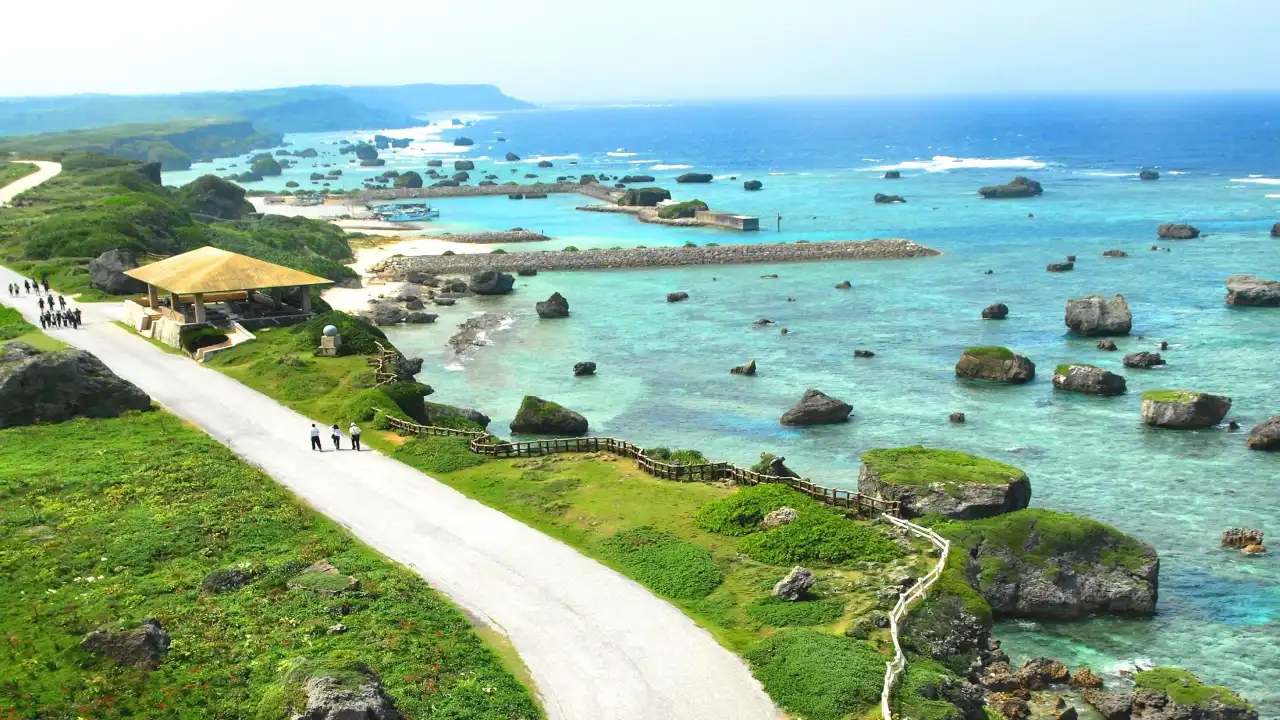
There’s a real reason the ocean looks different here, and it’s not just travel marketing doing its thing. A lot of Japan’s southern islands sit near warm ocean currents, which helps to keep the water cleaner and clearer. Coral reefs also play a huge role. They naturally filter the sea, so visibility underwater becomes kind of insane on calm days. Sometimes you can spot fish moving several meters below the surface without even trying.
The bigger reason these islands feel special is that many of them still feel untouched isn’t the right word exactly, but close to it. There aren’t giant resorts every five minutes. Some beaches don’t even have shops nearby. You just arrive and exist there for a while. And that changes the atmosphere completely. You notice small things more. The sound of cicadas in the afternoon. Wet sandals sticking slightly to wooden docks. The smell of grilled seafood floating out of tiny roadside cafés. That effortless beauty is what stays with people.
Okinawa: The Island That Changes Your Pace Completely
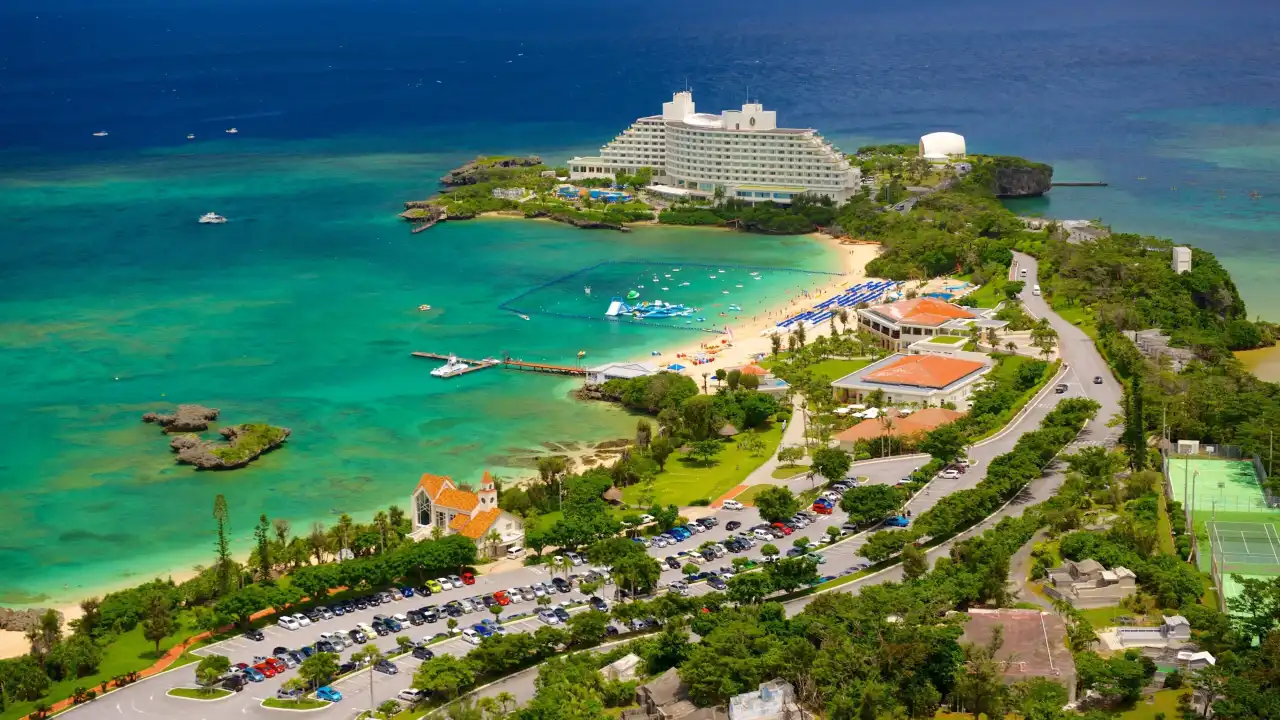
Okinawa gets talked about a lot, but honestly, before visiting, you will expect pretty beaches. Maybe good seafood. Typical tropical destination things. But what stood out most was how different the energy felt from mainland Japan. People move slower here.Not lazy-slow. Just less rushed.
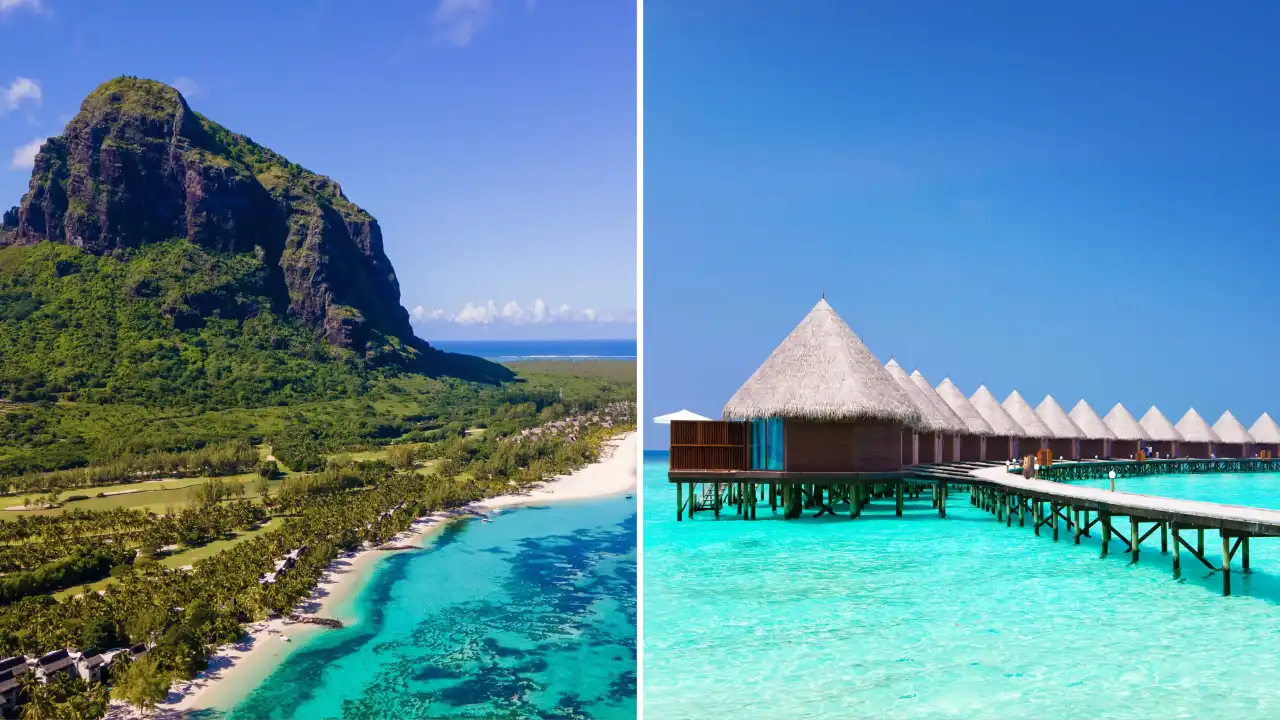
Roads lined with hibiscus flowers. Old local shops with faded signs. Tiny seaside restaurants where nobody seems in a hurry to bring the bill. Even the air feels heavier and warmer in a comforting way. And then there’s the water. Some beaches almost look fake around midday when sunlight hits properly. Bright turquoise near the shore, then darker blue farther out where reefs begin. You end up staring longer than expected because your brain keeps trying to process the color.
What Makes Okinawa Worth Visiting
- Warm weather most of the year
- Coral reefs close to shore
- Relaxed island atmosphere
- Incredible snorkeling spots
- Food that tastes very different from mainland Japan
The funny thing is, people often arrive with packed itineraries and then stop caring about them after two days. You’ll plan to “see everything” and suddenly spend an entire afternoon sitting near the ocean drinking something cold while absolutely nothing happens. And somehow that becomes the best part.
Pro Tip:
Wake up early at least once. Seriously. Beaches around 7 AM feel completely different before crowds show up and before the heat kicks in properly.
Ishigaki Island Feels Almost Too Blue Sometimes
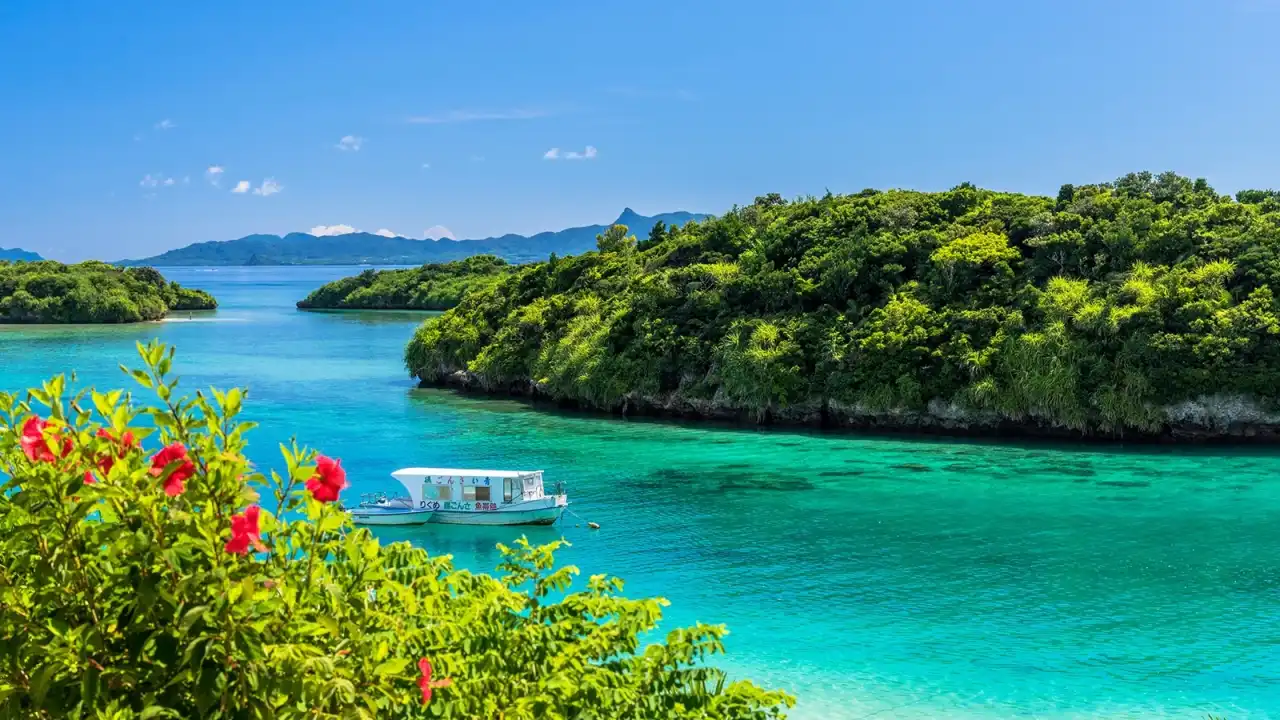
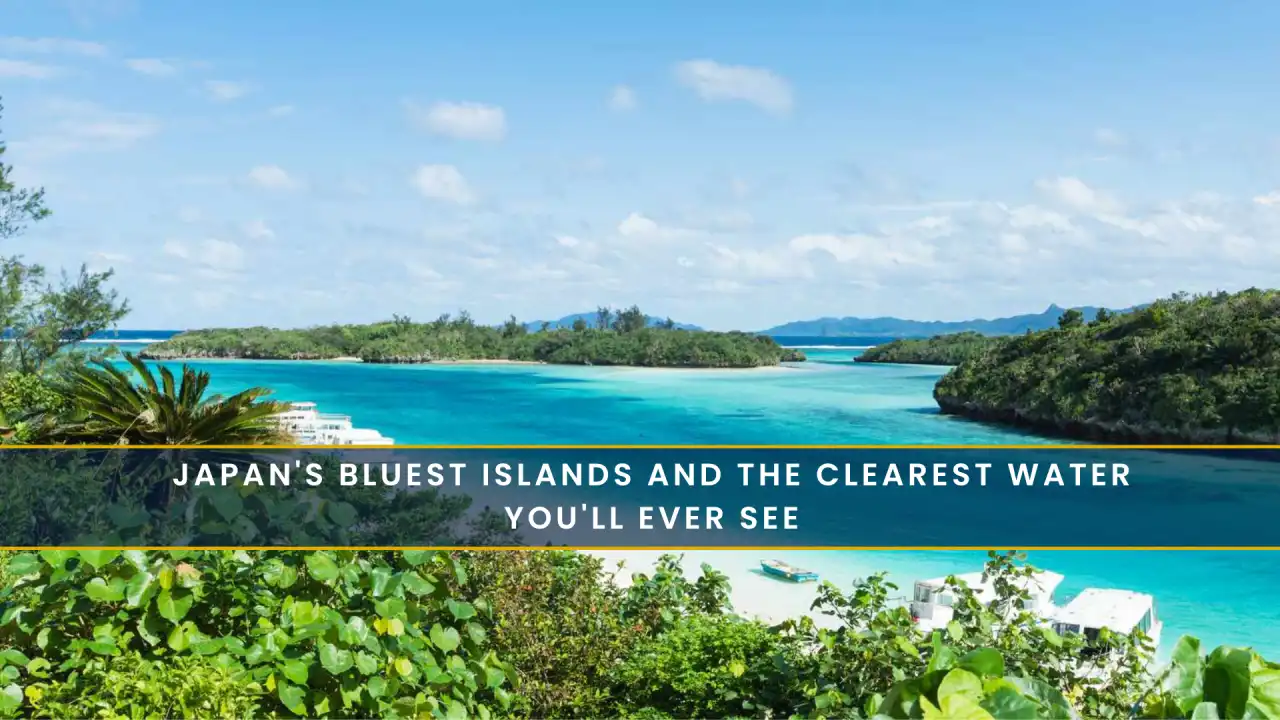
Ishigaki is one of those places where your camera roll gets out of control fast. Every turn looks like a wallpaper. Located in Okinawa Prefecture, this island is famous for having some of the clearest water islands in Japan, and honestly, that reputation feels deserved. The sea changes color constantly depending on clouds, sunlight, and depth. One minute it’s pale turquoise. Then suddenly dark sapphire blue farther out near the reefs. At certain beaches, the water is so transparent it messes with your depth perception a little. You think something is shallow until you realize it’s actually several meters deep.
Things People End Up Loving Here
Kabira Bay
Probably the most photographed spot on the island. And yes, it’s crowded sometimes. Still worth it though. Boats drift across water so clear they almost look suspended in air.
Snorkeling Near the Shore
You don’t always need expensive tours here. Fish and coral appear surprisingly close to the beach.
Random Local Cafés
Honestly, some of the best moments happen accidentally. Tiny cafés overlooking the ocean. Ceiling fans spinning slowly. Mango smoothies that somehow taste better because of the humidity outside.
Sunset Drives
This sounds overly dramatic, but coastal drives here at sunset genuinely feel cinematic. Windows down. Warm wind. Radio barely audible over wave sounds.
There’s also this weird emotional shift that happens in Ishigaki around evening. The crowds thin out. Light softens. Everything slows down without announcing it. And suddenly the island feels quieter, deeper somehow.
Miyako Island and Water That Barely Looks Real
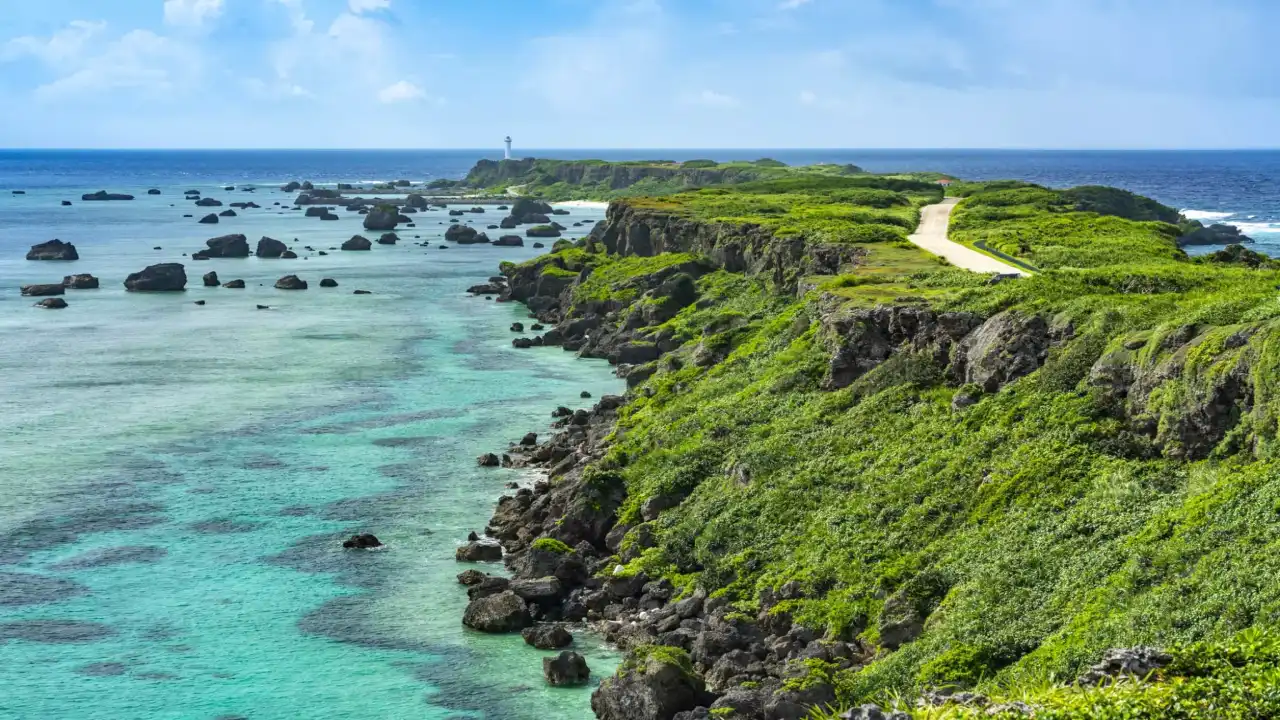
Miyako Island almost feels unfairly beautiful. Soft white sand. Water clear enough to reflect clouds. Long bridges connecting tiny islands over glowing blue sea. It’s one of those destinations where people constantly stop walking just to take another picture. But strangely, it still feels peaceful. Unlike some famous beach destinations around the world, Miyako doesn’t overwhelm you with noise or over-tourism. Life moves gently here.
Beaches Worth Seeing
Yonaha Maehama Beach
Long, wide shoreline with powdery sand that squeaks slightly under your feet when dry.
Sunayama Beach
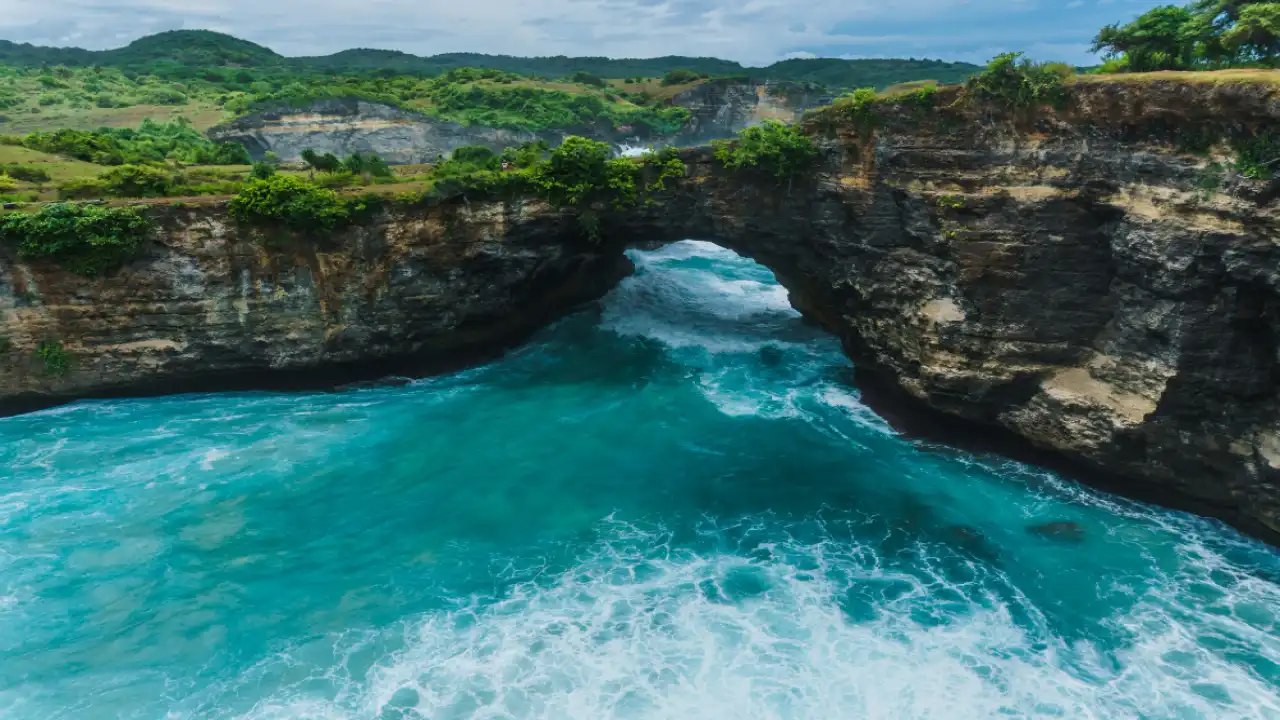
Smaller, quieter, and famous for its natural rock arch. The walk there feels hidden and local in the best way.
Aragusuku Beach
Excellent snorkeling spot. Water clarity here honestly feels ridiculous on sunny days.
Miyako especially attracts couples wanting slower trips instead of nonstop sightseeing. A lot of travelers looking into Japan trip packages usually end up drawn here because it feels romantic without trying too hard.
Pro Tip:
Renting a scooter changes the experience completely. Half the fun is getting slightly lost on coastal roads and finding empty viewpoints by accident.
Zamami Island Is Quiet in the Best Possible Way
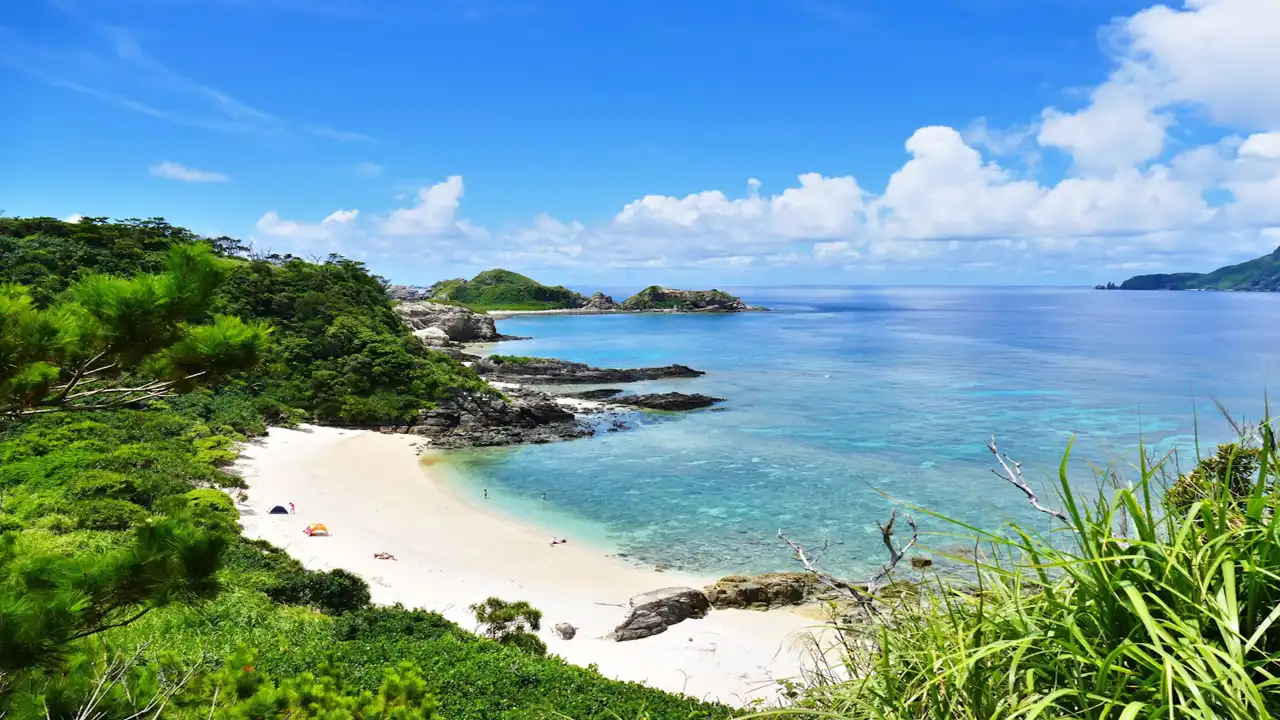
Not every beautiful place needs luxury resorts and beach clubs blasting music. Zamami proves that pretty quickly. Part of the Kerama Islands, Zamami feels smaller, quieter, and more personal compared to Okinawa’s busier areas. Some people visit as a quick day trip and immediately regret not booking longer stays. The water here is unbelievably clear because coral reefs help to protect the coastline naturally. On calm mornings, visibility underwater becomes almost surreal. You can literally float there for ages doing absolutely nothing. And weirdly, that feels productive somehow.
Why Travelers Keep Returning
- Fewer crowds
- Excellent whale watching during winter
- Calm beaches perfect for swimming
- Slower pace that actually feels restful
Even nights feel different here. Less noise. Fewer lights. More stars than most people are used to seeing anymore. You suddenly realize how loud daily life normally is back home.
Taketomi Island Feels Frozen in Time a Little
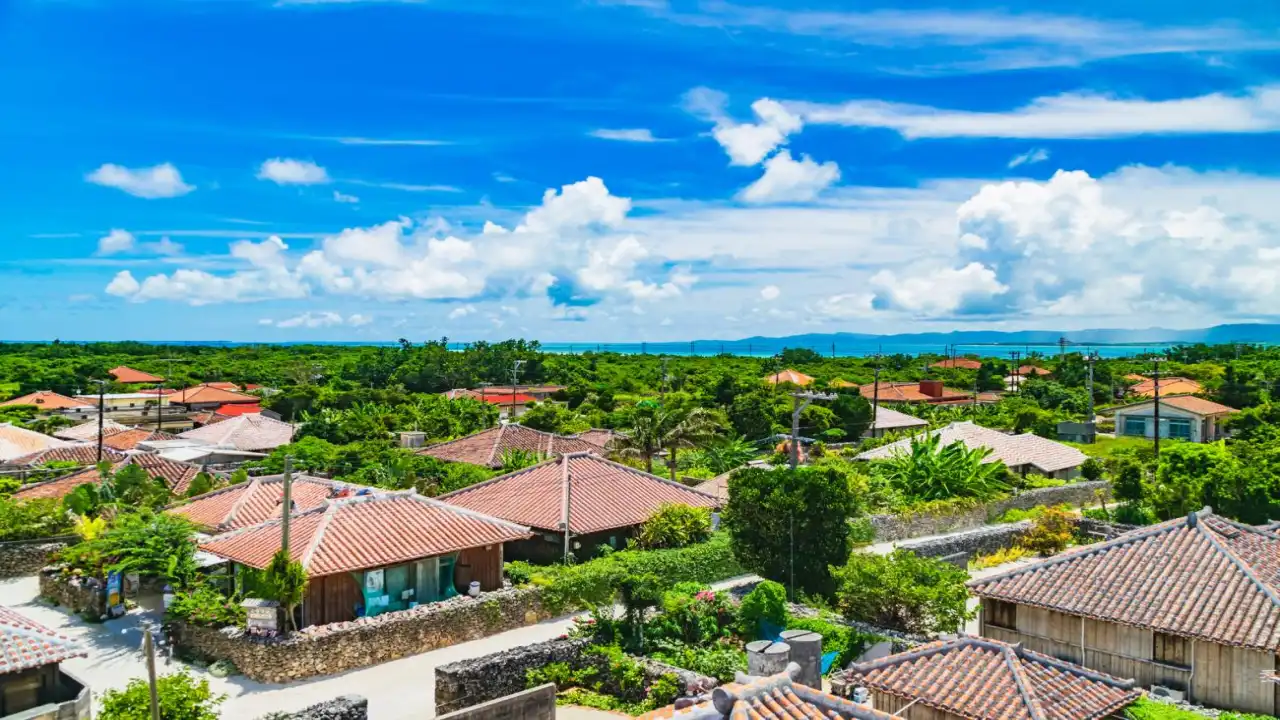
Taketomi doesn’t scream for attention. That’s probably why people end up loving it so much. Tiny roads. Traditional Okinawan houses. Water buffalo carts moving slowly through quiet streets. The island feels gently preserved instead of modernized. It’s easily one of the most peaceful tropical islands in Japan if you want beaches mixed with actual local culture instead of only resorts. And the simplicity becomes weirdly addictive after a while. No giant shopping centers. No chaotic nightlife. Just bicycles leaning outside houses, sandy pathways, and ocean views appearing randomly between buildings.
What Makes Taketomi Different
Traditional Architecture
Many homes still have classic red-tiled Okinawan roofs and stone walls designed to protect against storms.
Slow Transportation
People mostly explore by bicycle, which somehow changes your whole relationship with the place.
Quiet Beaches
Condoy Beach especially feels calm and uncrowded compared to more famous destinations.
Local Atmosphere
The island still feels connected to everyday local life instead of existing only for tourism. Time behaves strangely here.
This is the kind of place where time accidentally disappears. You think you’ve been sitting by the shore for twenty minutes, then realize the sun is already setting.
Best Time to Visit These Islands
Honestly, there’s no terrible time to go. It just depends on what kind of experience you want.
Spring (March to May)
- Comfortable weather
- Fewer storms
- Good balance of sunshine and crowds
Summer (June to August)
- Brightest blue water
- Best swimming conditions
- Higher humidity though, which can get exhausting sometimes
Autumn (September to November)
- Warm ocean still sticks around
- Slightly quieter atmosphere
- Probably the nicest balance overall
Winter (December to February)
- Milder than mainland Japan
- Whale watching season near Okinawa
- Peaceful travel experience without major crowds
Pro Tip:
Try avoiding major Japanese holiday periods unless you enjoy crowded ferries and fully booked hotels.
Conclusion
Japan’s islands show a completely different side of the country: softer, slower, quieter. Beyond busy cities and famous landmarks, there’s this entire world of coral reefs, fishing villages, hidden beaches, and unbelievably blue water waiting farther south. These places aren’t really about rushing through checklists. They’re better when experienced slowly. Long walks. Lazy afternoons. Unexpected swims. Watching sunlight change across the ocean for no reason other than it looks beautiful. For travelers exploring International Packages, these islands offer something increasingly rare: places that still feel calm, genuine, and deeply connected to nature. And honestly, once you see that impossible blue water in person, regular beaches feel a little less exciting afterward.
Small Things Worth Knowing Before You Go
Island travel in Japan is pretty smooth overall, but a few things catch travelers off guard sometimes.
Helpful Tips
- Carry some cash because smaller places still prefer it
- Book ferries early during busy seasons
- Don’t step on coral reefs while snorkeling
- Bring strong sunscreen because island sun feels harsher than expected
- Learn simple Japanese greetings; locals genuinely appreciate it
Also, weather changes quickly. A perfect sunny morning can randomly become windy or rainy for an hour and then suddenly clear up again as if nothing happened. Island weather has its own personality.