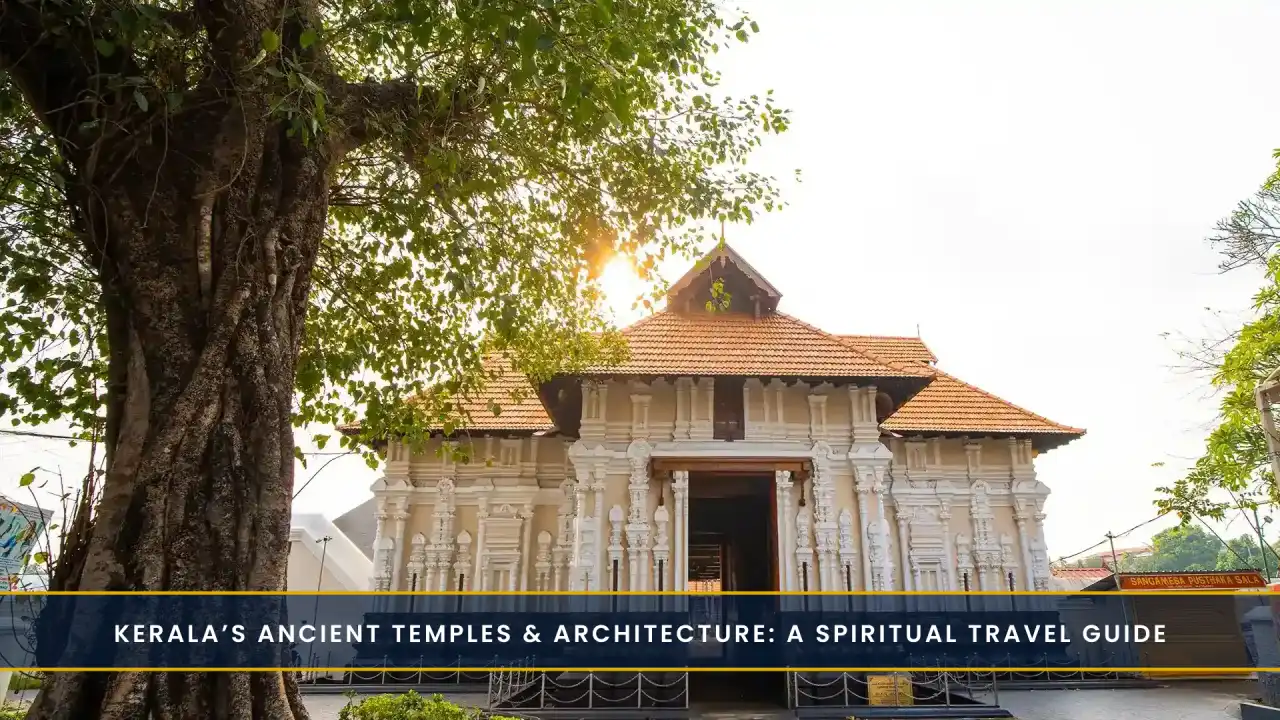
Kerala’s Ancient Temples & Architecture: A Spiritual Travel Guide
Introduction
In Kerala, temples don’t sit on pedestals emotionally or physically. They’re simply part of the surroundings. You notice it quickly while moving around. One moment you’re near a tea shop, the next there’s a shrine by the road, maybe close to a school or a quiet river. People step in barefoot, pause briefly, say a prayer, and move on. No crowd. It’s routine. That calm, everyday presence is what defines the Kerala temple experience. This guide isn’t about chasing famous names or perfect photos. It’s about understanding how these temples fit into daily life and why they still matter. If you slow down and don’t force it, their stories reveal themselves naturally.
Why Temples Matter More Than Monuments in Kerala
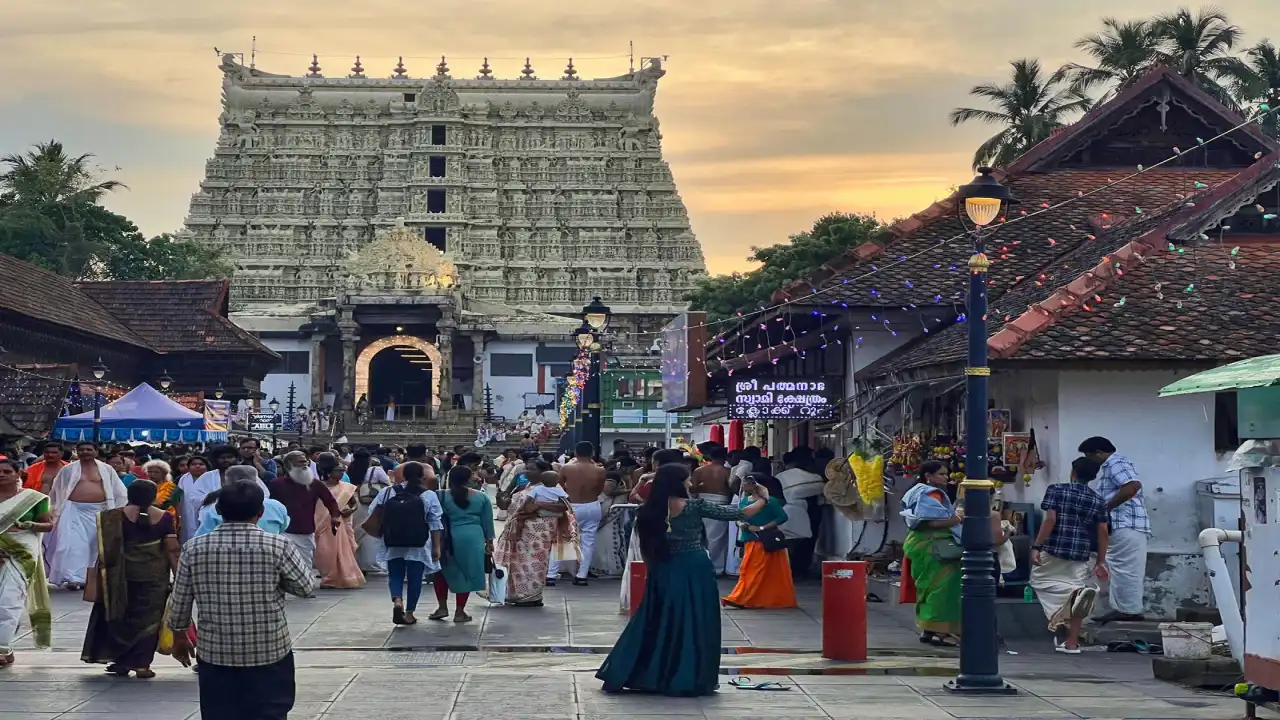
In many parts of the country, temples slowly turn into something you visit once, take photos of, and move on. Kerala didn’t go that route. These temples are still busy with real work. Festivals are planned here. Community meals happen here. Charity kitchens run quietly in the background. Even school-related support sometimes comes from temple committees.
For locals, temples aren’t destinations. They’re markers. You’ll hear directions like, “Turn left after the temple,” or “It’s near the old temple bell.” Time itself gets measured through temple sounds and rituals. Festivals don’t just celebrate faith; they structure the year. That’s probably why these temples don’t feel frozen in time. They feel current. Useful. Necessary.
Spiritual Philosophy Behind Kerala’s Temple Culture
The thinking behind Kerala’s temple culture isn’t about showing power or scale. It’s about balance. Things happen in order. Silence isn’t accidental; it’s part of the design. So is repetition. Inside a temple, nothing feels rushed. Even during busy hours, there’s a sense of control. People move slowly. Rituals follow the same sequence every single day. It can feel strict, but it also feels grounding, like the place knows what it’s doing, even if you don’t. That discipline creates calm without anyone telling you to be calm. You just adjust.
Daily Rituals: The Steady Rhythm That Never Stops
Every temple follows a routine that barely changes. Sunrise matters. Lamps matter. Timing matters. The temple opens early, really early. Lamps are lit. The first rituals happen quietly. Midday has its own rhythm. Evening brings lamps again, softer chants, slower movement. These rituals aren’t designed to impress anyone. They repeat on purpose. Over time, that repetition becomes familiar. Comforting, even. You don’t need to understand every step to feel the pattern. You just sense it.
Temple Ponds and the Spaces Around Them
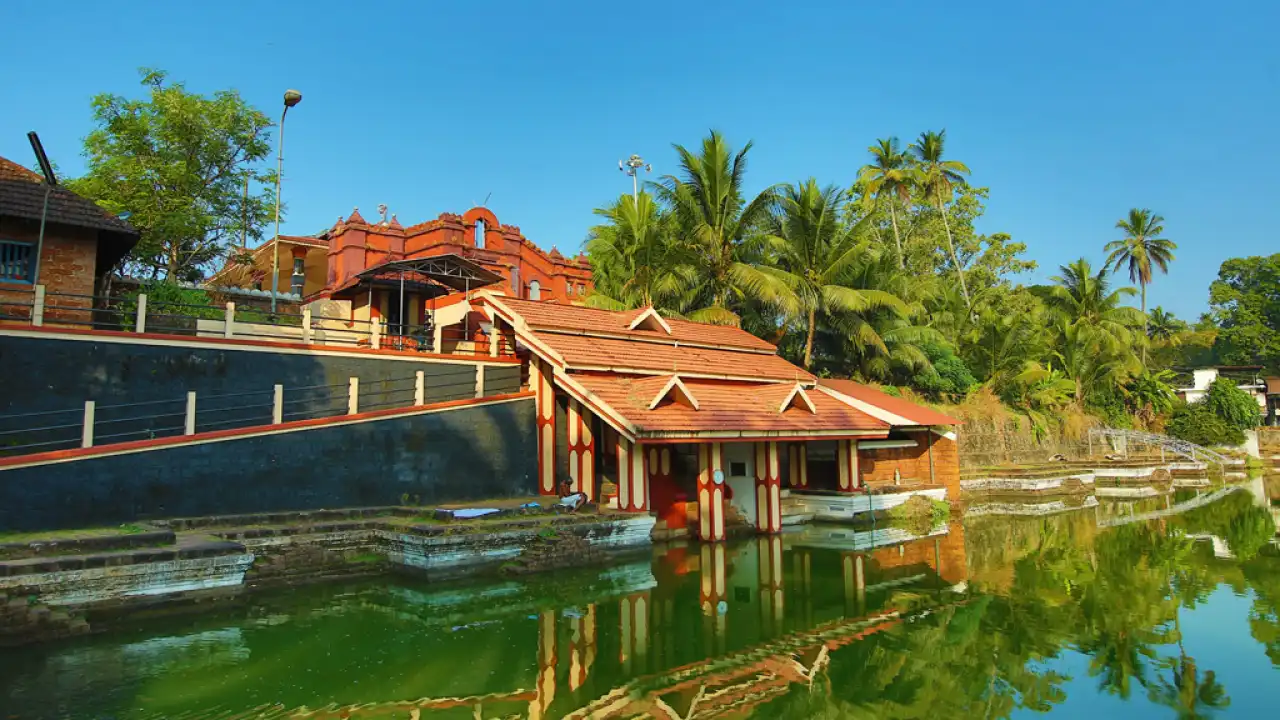
Most traditional temples have a pond nearby. It’s not decorative. It’s functional. Priests use it. Rituals begin there. Festivals often involve water in some form. For visitors, these ponds do something else. They slow you down. People stop without planning to. You end up watching reflections, and someone cleaning steps. It’s quiet in a way that doesn’t feel forced.
Understanding Kerala Architecture Before You Step Inside
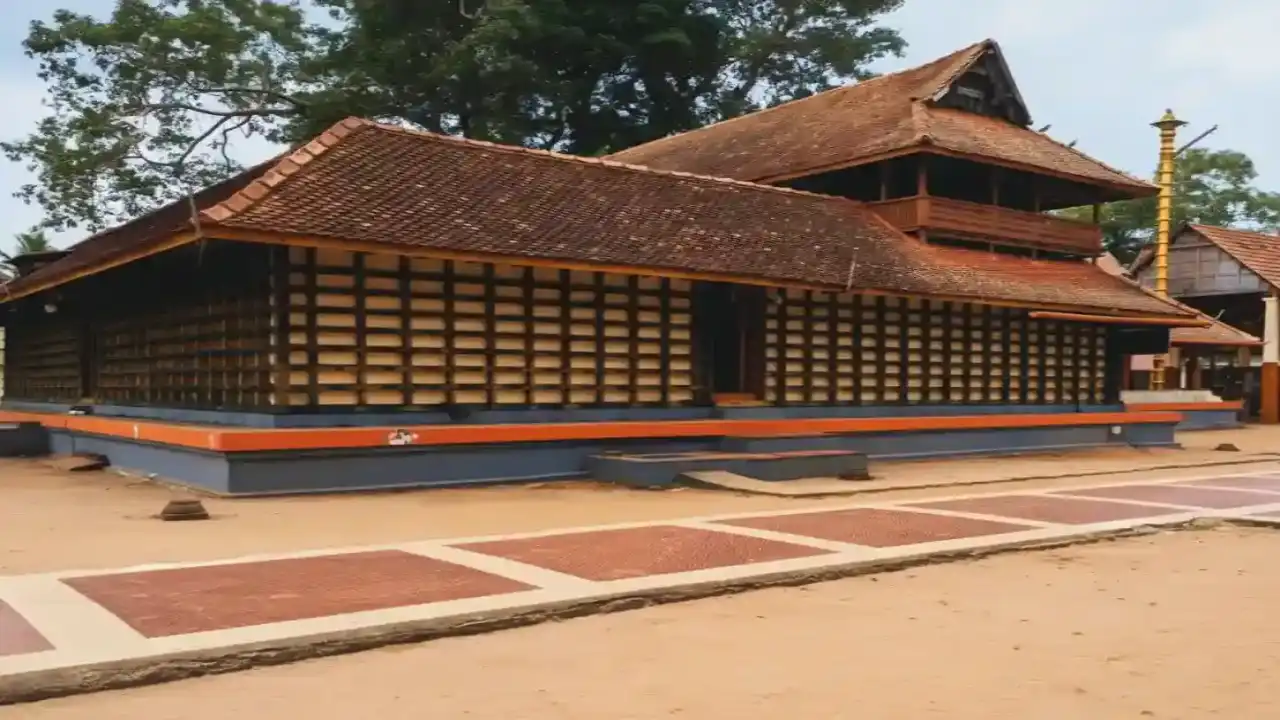
Before we talk about individual temples, it helps to understand Kerala temple architecture itself. Kerala’s climate shaped its buildings long before modern materials arrived. Heavy rainfall, humidity, and dense greenery demanded practical solutions, and those solutions slowly turned into a distinct style.
Most temples here follow a few shared principles:
- Sloping tiled roofs to handle monsoon rain
- Wooden structures made from teak, jackfruit, or rosewood
- Raised platforms to prevent water damage
- Open courtyards that allow air and light to move freely
Unlike the towering stone temples of North India, Kerala's temples feel grounded. They don’t try to overpower the landscape. They fit into it.
A Small Detail Many Miss
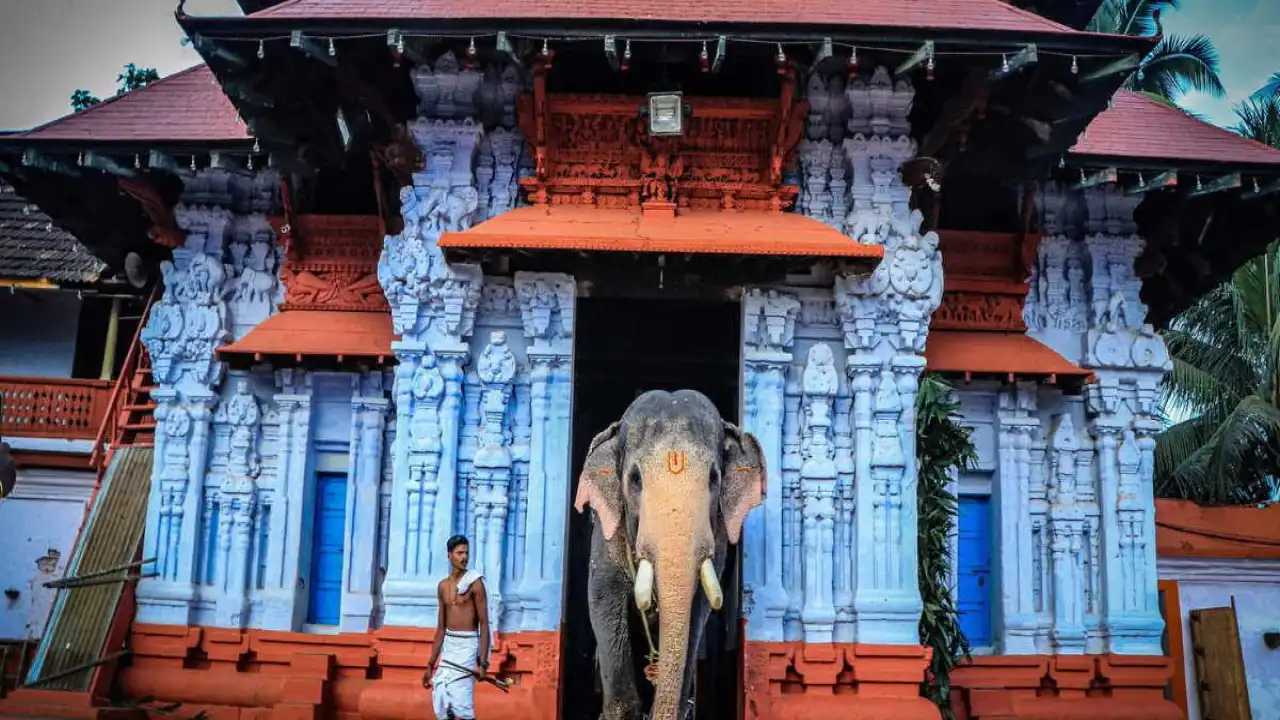
Look closely at the temple doors and pillars. You’ll notice carvings that aren’t flashy but deeply intentional; plants, animals and local legends. These weren’t meant for tourists. They were made for people who would see them every day.
Best Temples in Kerala That Show Different Traditions
Guruvayur Temple
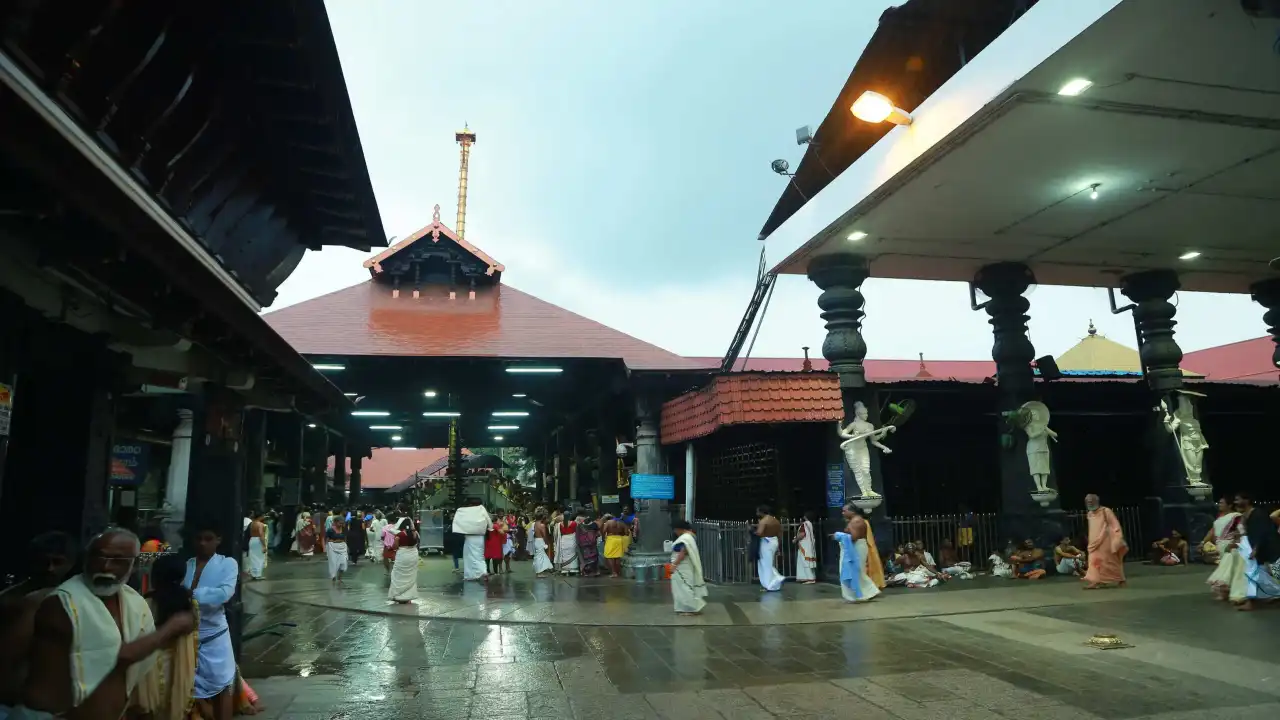
This place carries emotional weight. You can feel it. Many visitors come with personal promises they’ve carried for years. Yes, it gets crowded. But the devotion feels focused, not chaotic. Families return again and again, almost automatically.
Vadakkunnathan Temple
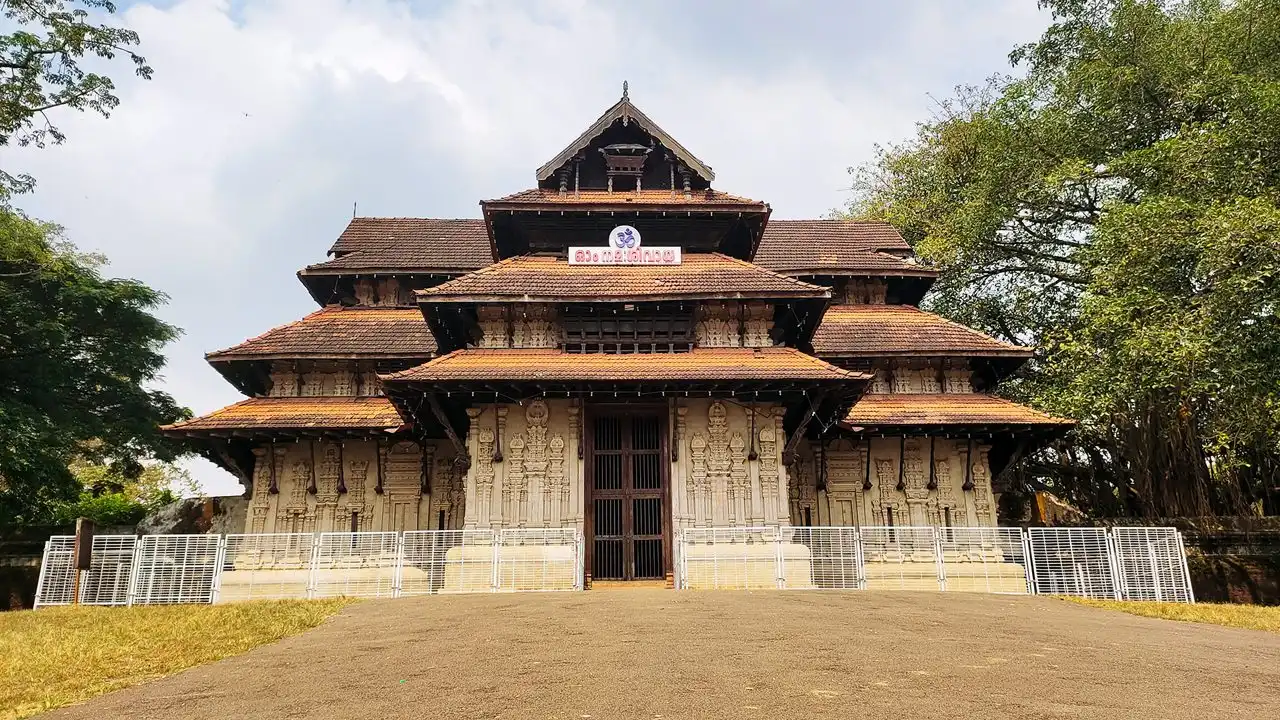
Large, green and surprisingly calm for its location. The space allows you to wander. Murals catch your attention slowly. Shaded paths invite you to sit for a bit. It doesn’t rush you.
Sree Padmanabhaswamy Temple
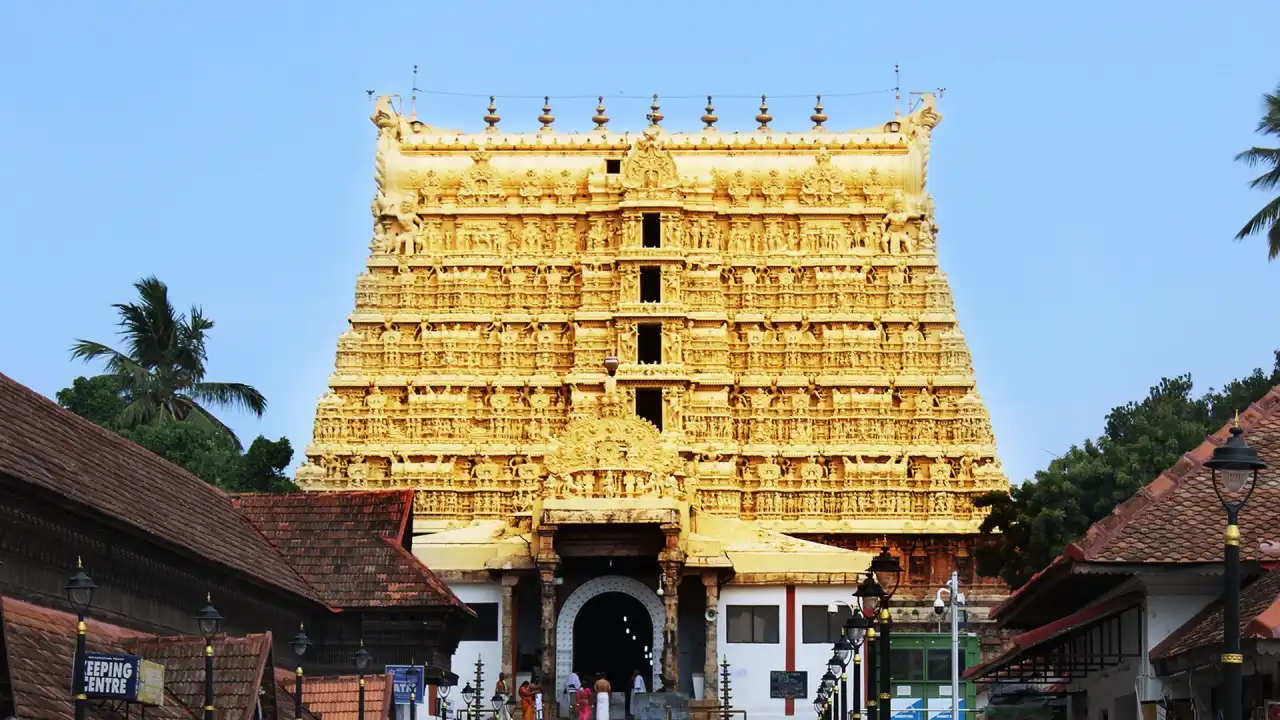
Everything here runs on discipline. Rules are strict. Rituals are precise. There’s no flexibility, and that’s the point. It shows what happens when tradition refuses to bend, even as the world around it changes.
Small Village Temples and Everyday Faith
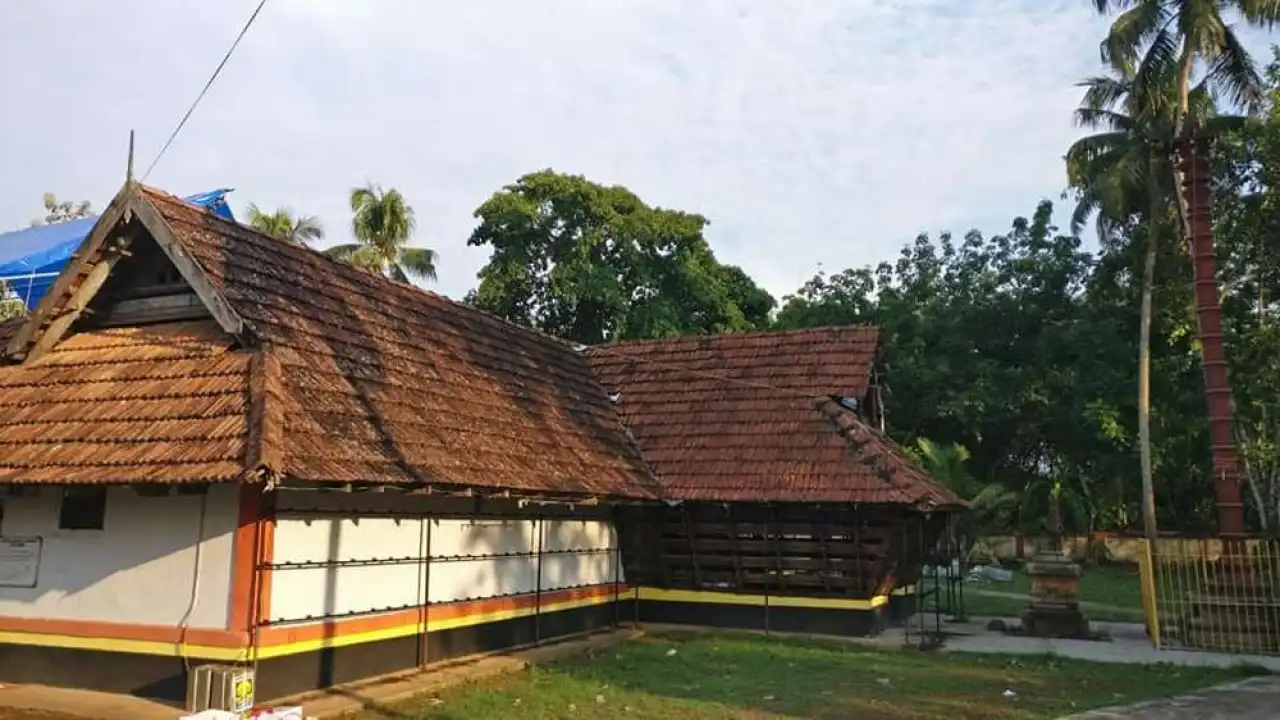
Some temples stay with you simply because you didn’t plan for them. Small village temples don’t advertise themselves. No boards. No crowds. No instructions.
You might notice:
- A local explaining customs casually
- Children copy rituals just by watching
- Elders sitting quietly, not doing much at all
Faith here feels habitual. Not performative. And that’s what makes it real.
Festivals: When Silence Turns Into Energy
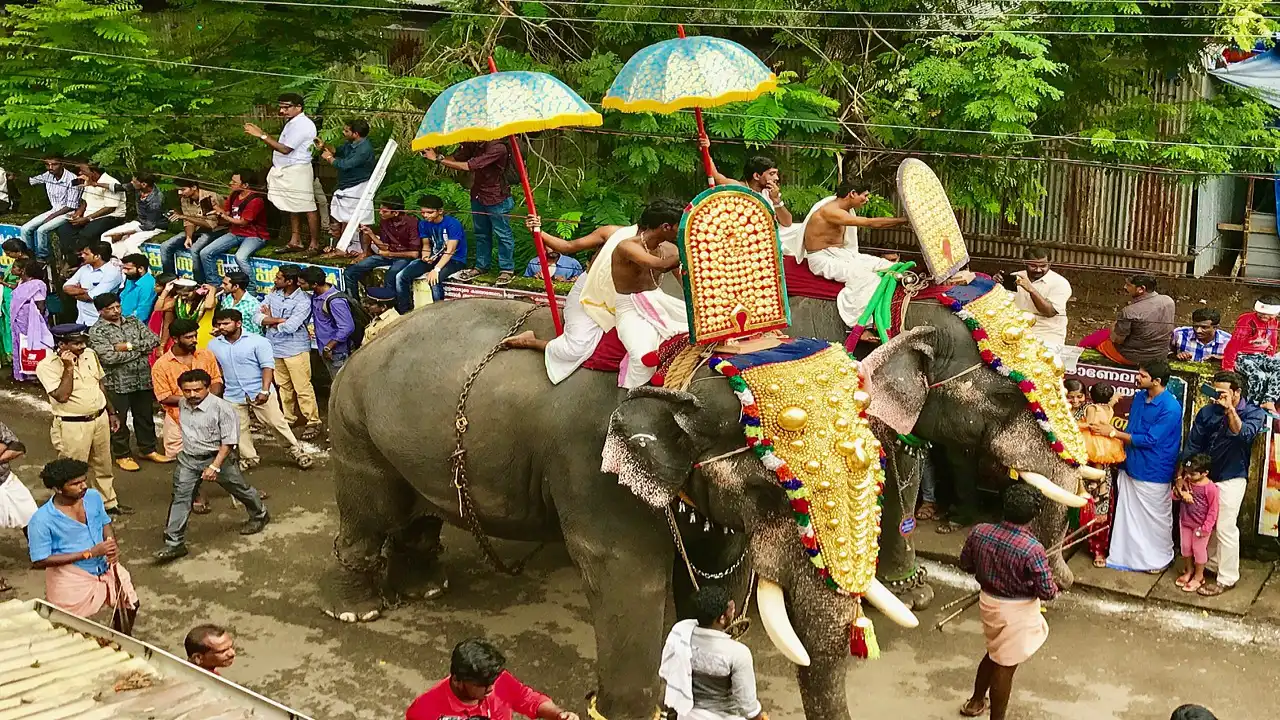
A temple in Kerala changes completely during festivals. Spaces designed for calm suddenly hold energy, music, and movement.
You might see:
- Chenda melam (traditional drum performances)
- Processions with decorated elephants
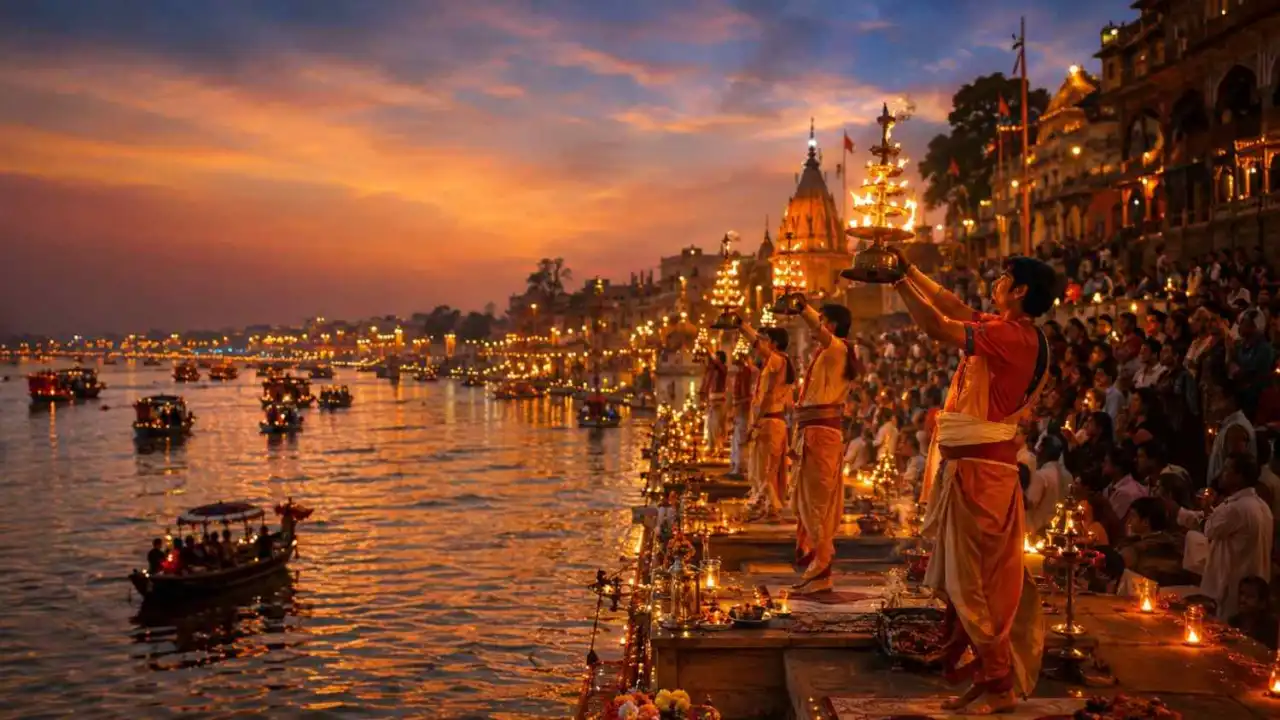
- Rows of oil lamps lighting up wooden corridors
The architecture isn’t just a backdrop here. It’s part of the experience. Courtyards amplify sound. Wooden roofs reflect lamp light. Everything works together, which is why many travelers notice these details more clearly when temples are included in slow-paced domestic trip packages that allow time to observe rather than hurry past.
Temples as Guardians of Art, Food and Culture
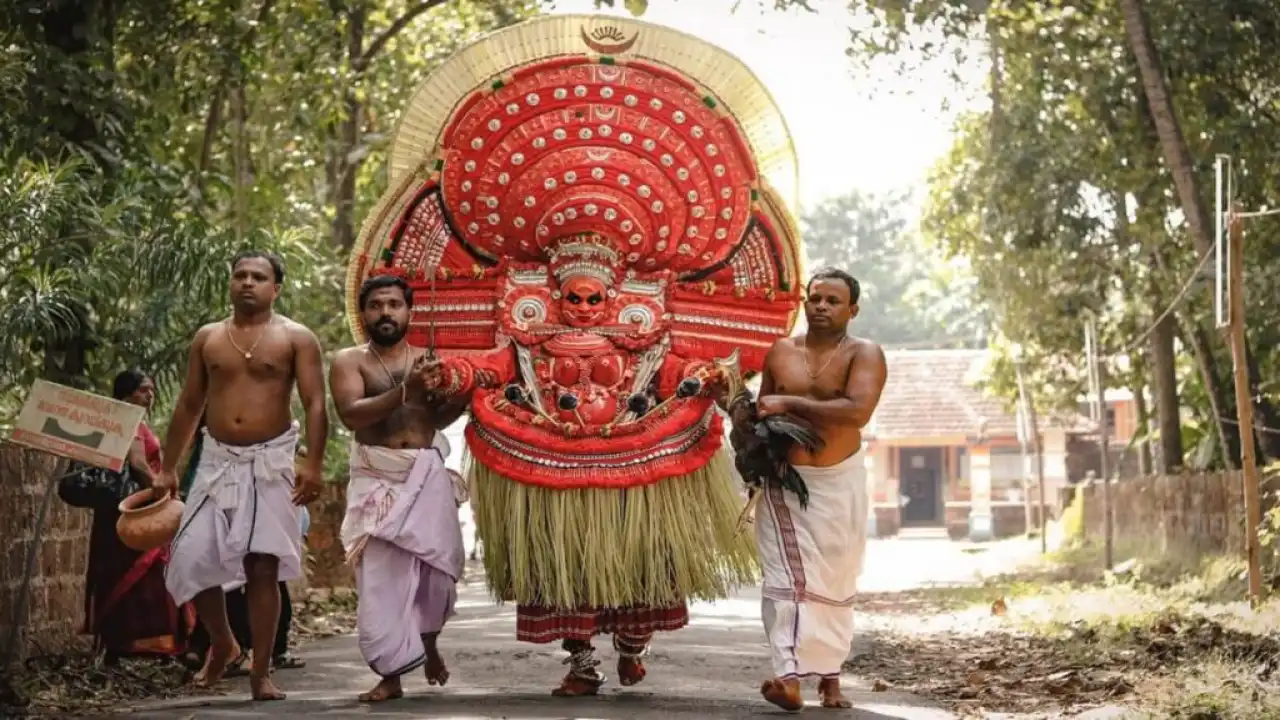
A lot of Kerala’s classical arts began inside temple walls. Kathakali wasn’t meant for stages. It was an offering. Music, stories, costumes, all of it grew out of ritual needs, not entertainment. Even food habits were shaped here. Temple kitchens influenced vegetarian traditions, especially during festivals. You can still see those connections today if you pay attention.
Visiting Temples Respectfully as a Traveler
Visitors are welcome in most temples, but awareness matters more than rules.
Basic things to remember:
- Dress simply and modestly
- Remove footwear without complaint
- Phones and cameras are often restricted
When unsure, pause and watch. It usually answers your questions.
Conclusion
Kerala’s temples don’t try to impress you upfront. They don’t need to. They work slowly, through routine and restraint. What they offer isn’t spectacle, it’s mental space. You might forget specific details later. But the feeling tends to stay. And sometimes, long after the trip ends, you realize that calm comes back with you, especially if you explore them at an easy pace through thoughtfully planned Kerala trip packages that leave room for pause rather than rush.
Pro Tips for First-Time Visitors
- Early mornings are calmer and quieter
- Carry a light shawl; it helps more than you think
- Festival days rarely run on exact schedules
- Silence doesn’t need enforcement; just follow it