Lesser-Known Regions of Portugal
Introduction
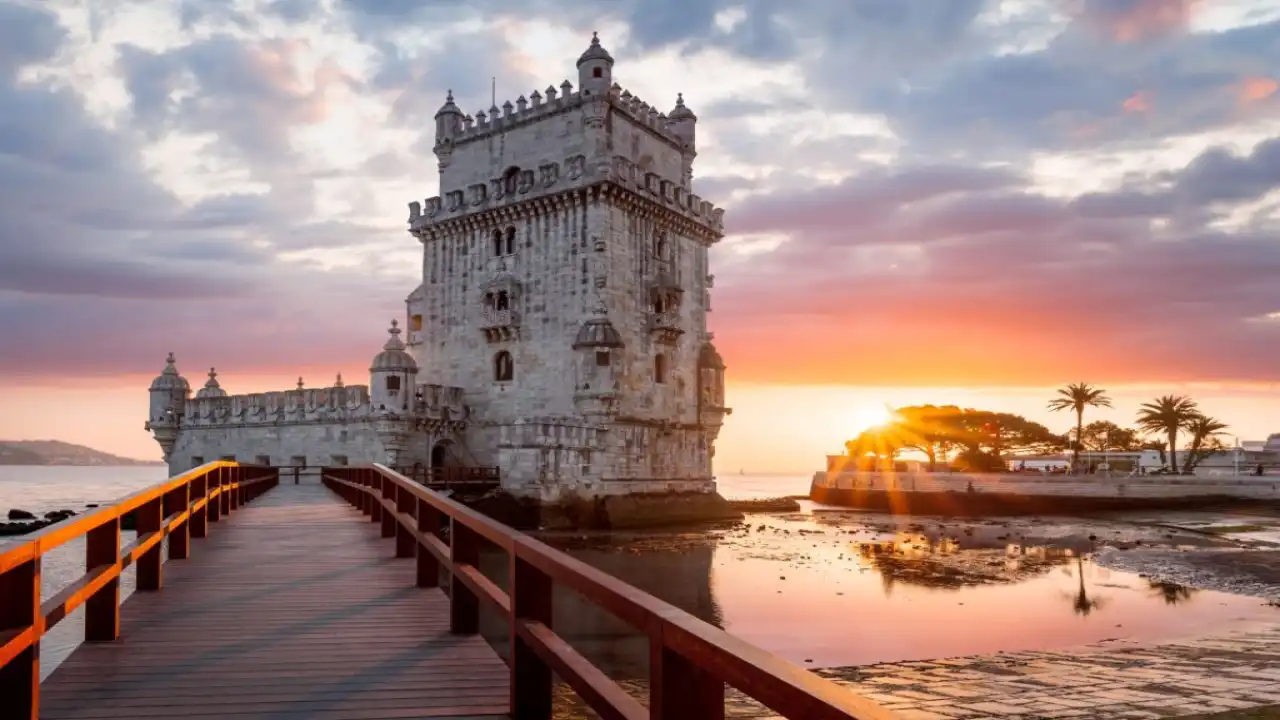
When people talk about Portugal, the same images tend to come up. Almost automatically. Yellow trams creaking up hills in Lisbon. A glass of wine by the river in Porto, sunlight bouncing off the water. And yes, those places are good. Really good. No argument there. But that’s not the full picture. Not even close. Another Portugal is running quietly alongside all that. Less polished. Less photographed. The kind you don’t always see unless you slow down or miss a train on purpose. And oddly enough, those are the places that stick. The ones you think about weeks later, usually at random moments. This is about those overlooked corners. The ones where time stretches a bit, where people still pause mid-day to talk, and where traditions aren’t performed, they’re just there. If you’re curious about the regions of Portugal beyond the obvious stops, this is probably your kind of read.
Why Look Beyond the Popular Spots?
Portugal might look small on a map, but it changes fast. You drive for a couple of hours and suddenly the colors shift. The food tastes different. Even the sound of the language changes slightly, like a new rhythm. The lesser-known regions aren’t empty or dull. They just don’t advertise themselves loudly.
What usually comes with choosing the quieter route?
- Fewer crowds. Actual breathing space.
- Prices that don’t feel like a negotiation
- Conversations that happen naturally, not because someone wants a sale
- That low-key thrill of finding something on your own
Pro tip: If a café doesn’t have a queue out front, there’s a good chance the coffee’s better and no one’s timing your stay.
Alentejo – Wide Skies, Slow Everything
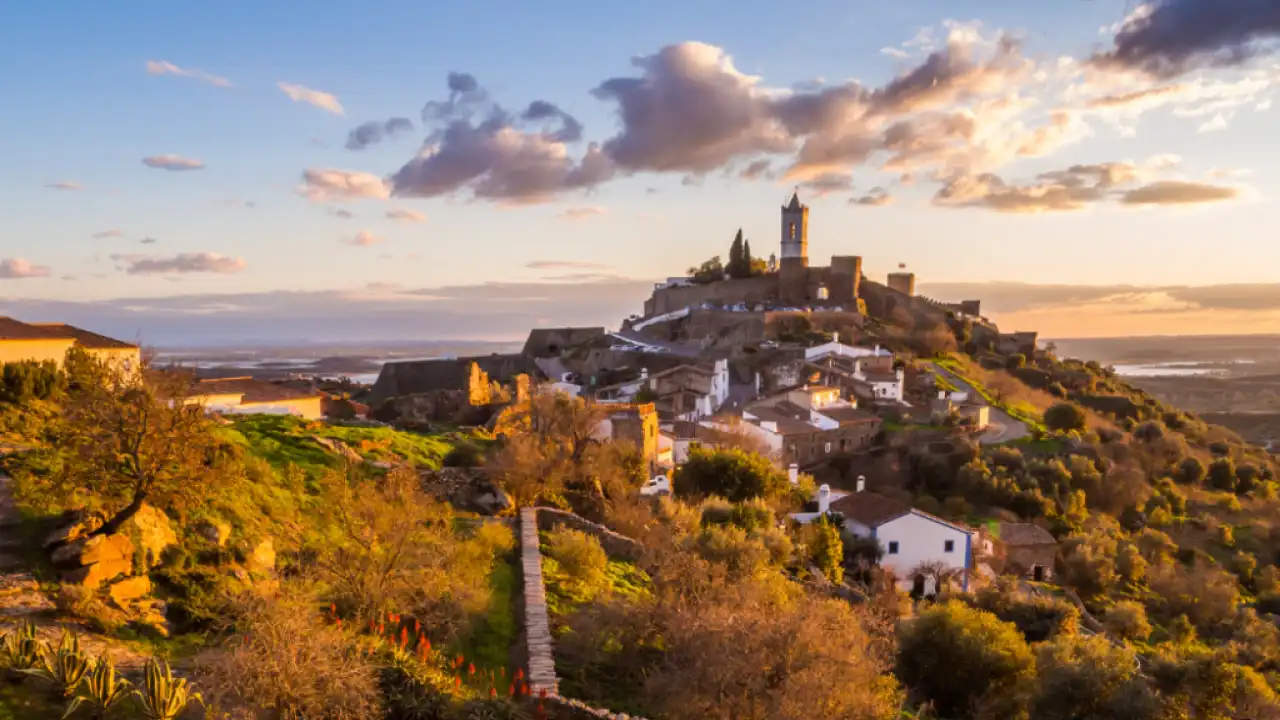
Alentejo feels like Portugal took a deep breath and just stayed there. It’s wide and open. Rolling fields, olive trees, cork forests. White villages that don’t seem interested in impressing anyone. Driving here feels different. Quieter. Sometimes too quiet. You end up pulling over just to look around, even when there’s nowhere specific you’re going.
What stands out?
- Hill towns like Monsaraz, where silence isn’t awkward
- Food that sticks to basics: bread, olive oil, whatever’s fresh
- Vineyards that feel like workspaces, not photo backdrops
Life here follows seasons more than clocks. Shops close when they close. Dinner happens when it happens. It’s not chaos, it’s just the rhythm.
Pro tip: A car matters here. The best moments aren’t near bus stops.
Beiras – Mountains and Places People Forget
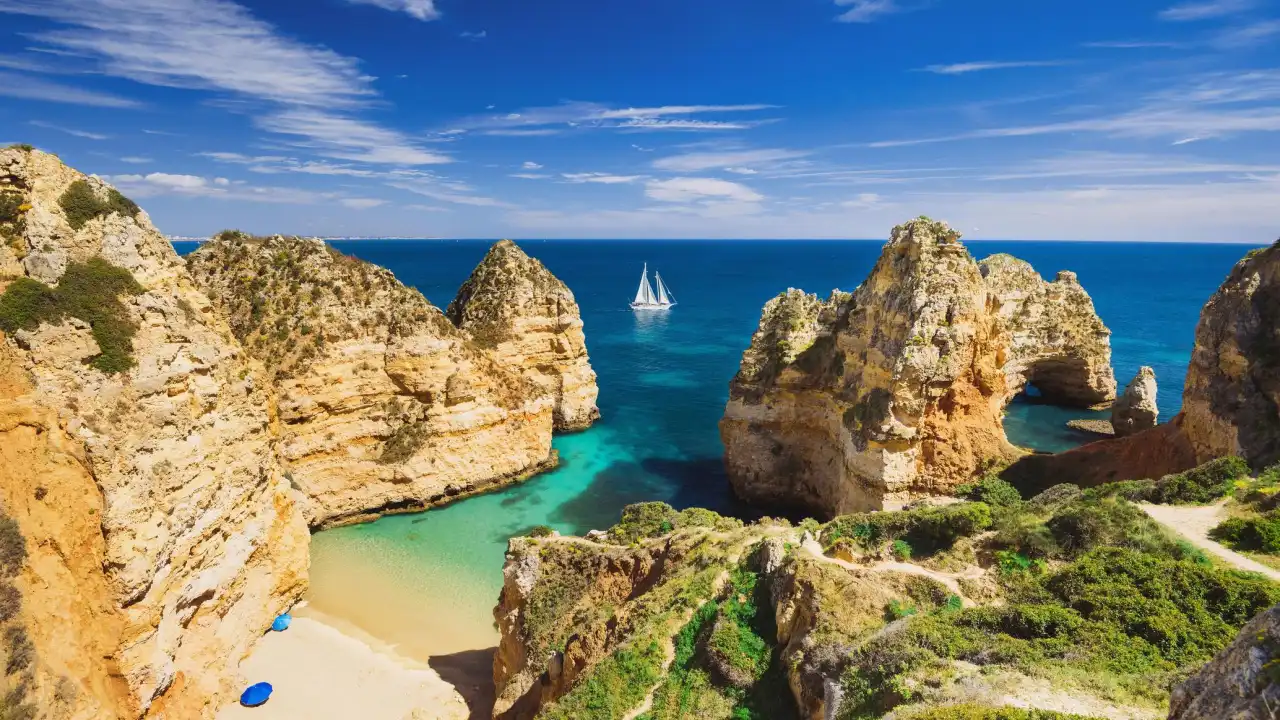
Beiras sits right in the middle of the country and somehow gets ignored. Most travelers pass through without stopping. Which feels like a missed opportunity. This region is home to Serra da Estrela, the highest mountain range in Portugal. Winters bring snow. Actual snow. Summers are cooler, especially once the sun dips and the air settles.
Things that don’t get enough attention:
- Stone villages like Piódão that don’t look real at first
- Cheeses made quietly, without branding or hype
- River beaches where locals swim, picnic, and stay all afternoon
Beiras doesn’t perform culture. No one’s trying to impress you. Life just keeps moving the way it always has.
Pro tip: Weekdays are best. You’ll notice people notice you and that’s usually when conversations start.
Trás-os-Montes – Rough Around the Edges (In a Good Way)
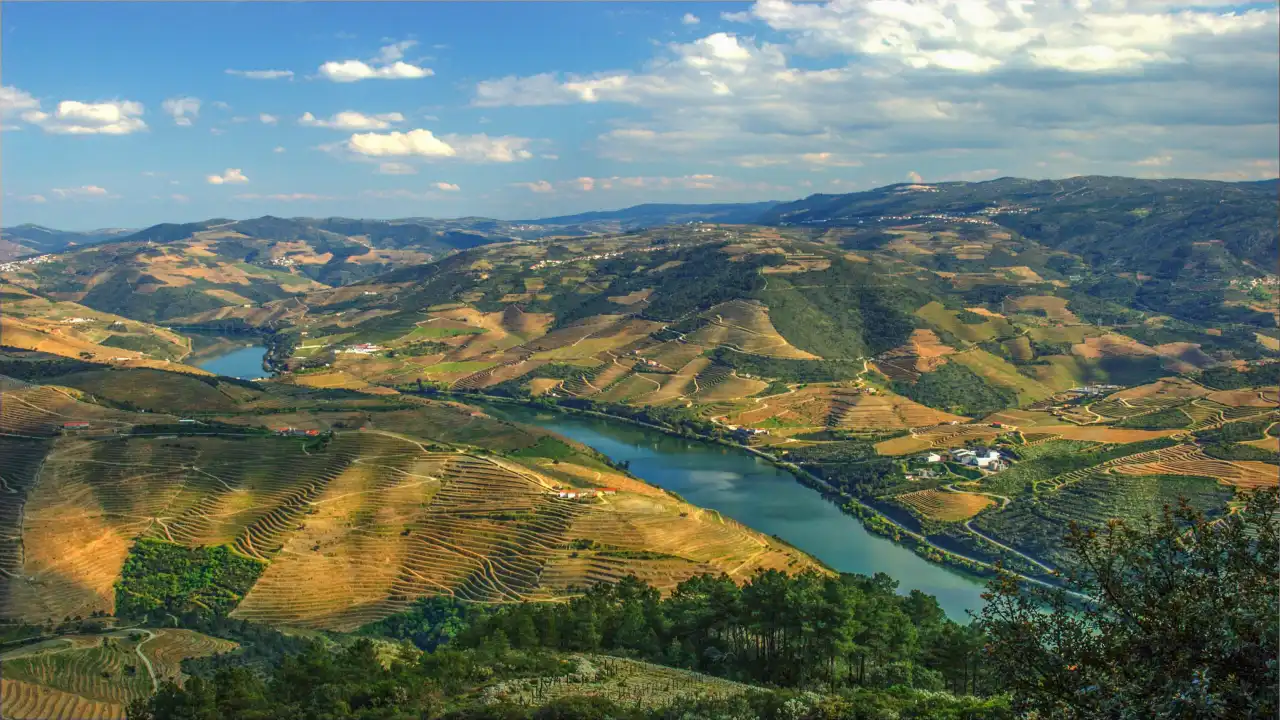
“Behind the mountains.” That’s what Trás-os-Montes means. And once you’re there, it clicks. This northeastern region feels tougher. Less polished. Roads are narrow. Houses are stone. The land looks worked, not styled. And that’s exactly the appeal.
Why does it stay with you:
- Strong local identity and dialects that don’t soften for visitors
- Food heavy on pork, chestnuts, wild greens
- Towns like Bragança that still feel medieval
Being here feels like stepping into a version of Europe that didn’t ask permission to change.
Pro tip: English isn’t guaranteed. Even a few Portuguese words help more than you expect.
Ribatejo – Life Built Around the River
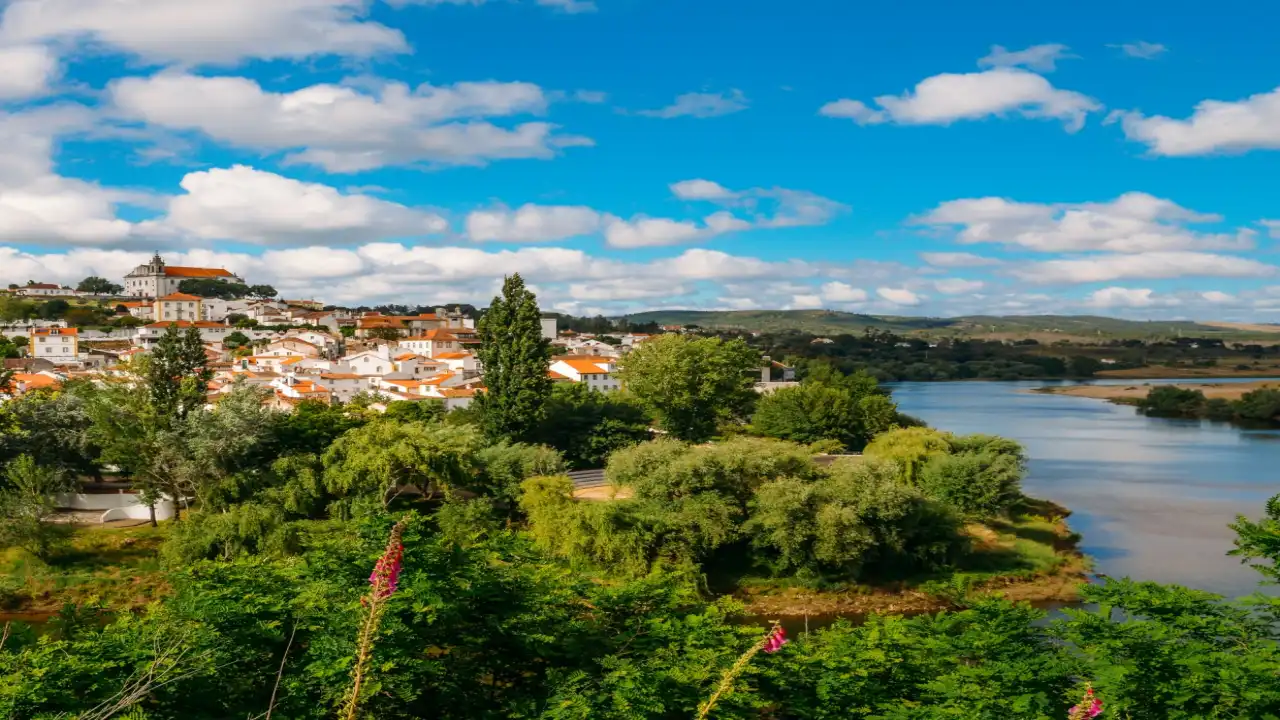
Ribatejo follows the Tagus River, and you feel it everywhere. This is land shaped by water, farming, and habits that go back centuries. The region is often associated with traditional bullfighting, not stadium shows, but community events tied to festivals. Whether that interests you or not, it says a lot about how history and daily life overlap here.
What visitors usually enjoy:
- Calm riverfront towns
- Markets are full of genuinely local produce
- Festivals that feel lived-in, not rehearsed
Ribatejo doesn’t try to impress. It just lets you exist there for a while.
Pro tip: Visit during a festival if you can. That’s when things open up.
Minho – Green, Loud, and Warm-Hearted
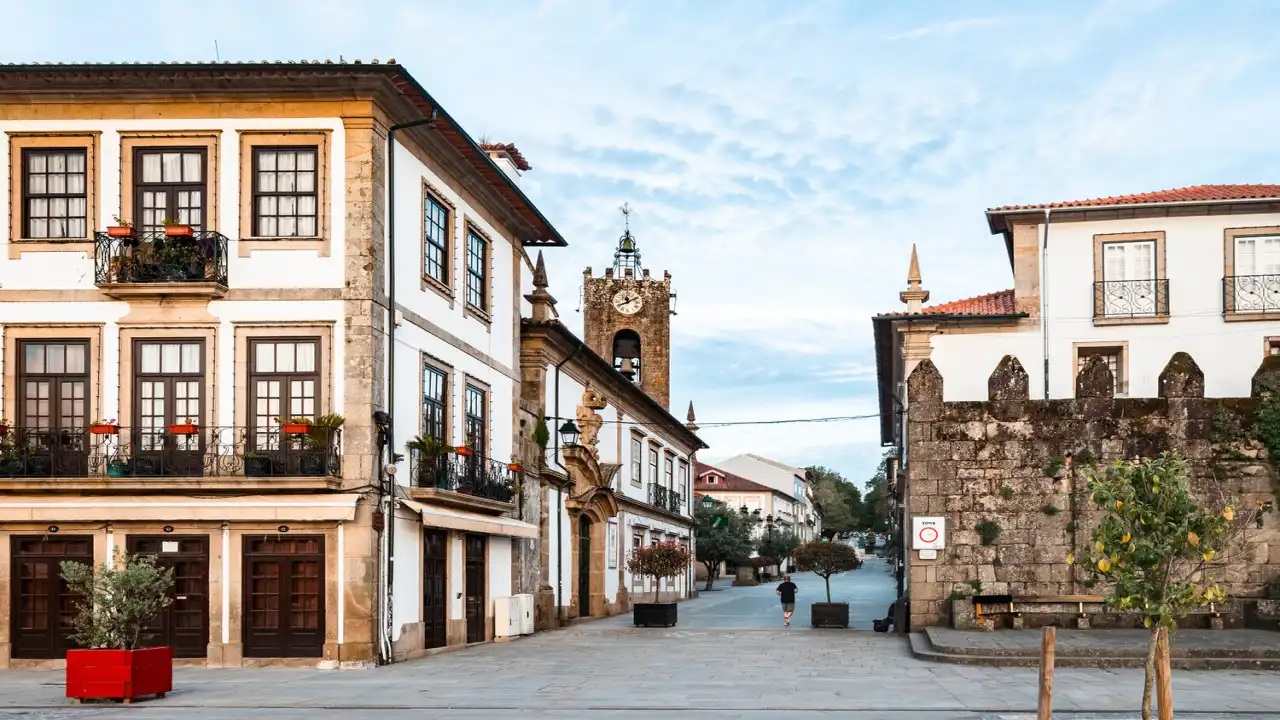
Minho is green. Almost aggressively green. Rain helps. Up in the northwest, this region often gets reduced to Vinho Verde, but that barely scratches the surface. The countryside stays lush most of the year. Farms. Stone houses. Towns that feel tightly connected.
What really stands out:
- Strong family ties and community life
- Food that fills the table and then some
- Festivals where everyone shows up
Even quiet days feel busy here. Noise drifts from cafés. People stay, talk, and take their time.
Pro tip: If someone invites you to join them, don’t overthink it. Say yes.
A Quieter Coastline
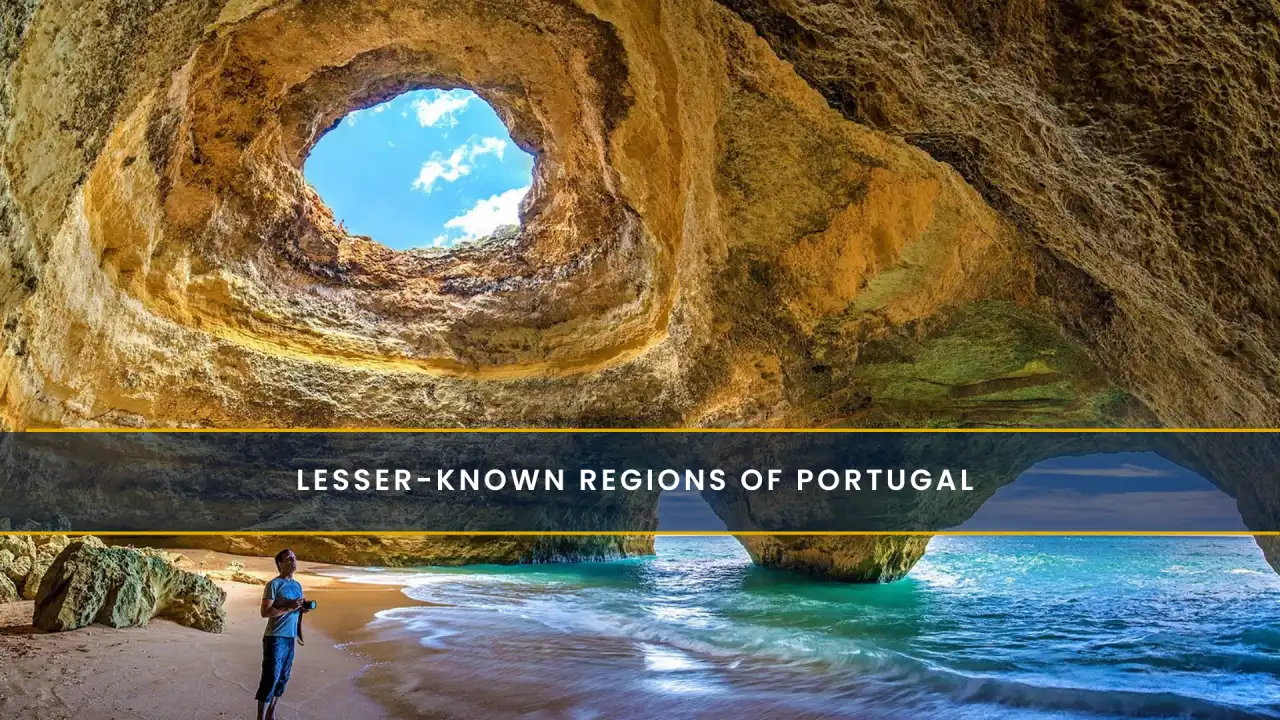
Most travelers think of the Algarve region of Portugal as crowded beaches and busy resorts. And that version exists. But head inland. Or west. And things soften. Fishing villages where daily life comes first. Cliff paths with hardly anyone around. Restaurants serving dishes that never make it onto tourist menus. That side of the Algarve doesn’t announce itself. You have to look.
Food That Changes as You Move
One of the joys of slow travel is noticing how food shifts across areas in Portugal. Recipes follow the land. And the weather. And habit.
You start to see patterns:
- More soups and stews away from the coast
- Olive oil is used differently, region by region
- Heavier dishes where winters bite harder
Meals aren’t rushed. Lunch can stretch on. Especially outside cities. No one’s watching the clock.
Pro tip: Order what the table next to you ordered. It’s usually right.
Who These Places Are For
These regions aren’t for everyone. That’s fine.
They suit travelers who:
- Prefer depth over highlights
- Like quiet streets and long conversations
- Don’t mind plans changing slightly
If you’re chasing nightlife or tight schedules, these places might feel too calm.
Planning Without Overplanning
Trying to see everything at once doesn’t work here. It’s better to choose one or two regions and actually stay put long enough to understand them. Some travelers explore these areas as part of a Europe trip package, blending well-known cities with quieter countryside stops. Others prefer to slow things down even more, building their route around culture, local food, and time rather than distance. These regions suit that kind of relaxed travel especially well no rush, no pressure, just space to experience things properly.
Pro tip: Two nights minimum in small towns. One night barely registers.
Conclusion
Portugal’s quieter regions don’t compete for attention. They don’t need to. Their value shows up in small moments. A coffee that turns into a conversation. A road that leads somewhere unexpected. A meal that tastes exactly right for where you are. Give these places time, and they give something back. Not flashy memories. Solid ones. The kind that resurface later, without warning. And in a world where travel keeps getting louder and faster, choosing an international package that allows for slower, more meaningful experiences can make all the difference. That kind of travel feels rare now and worth holding onto.