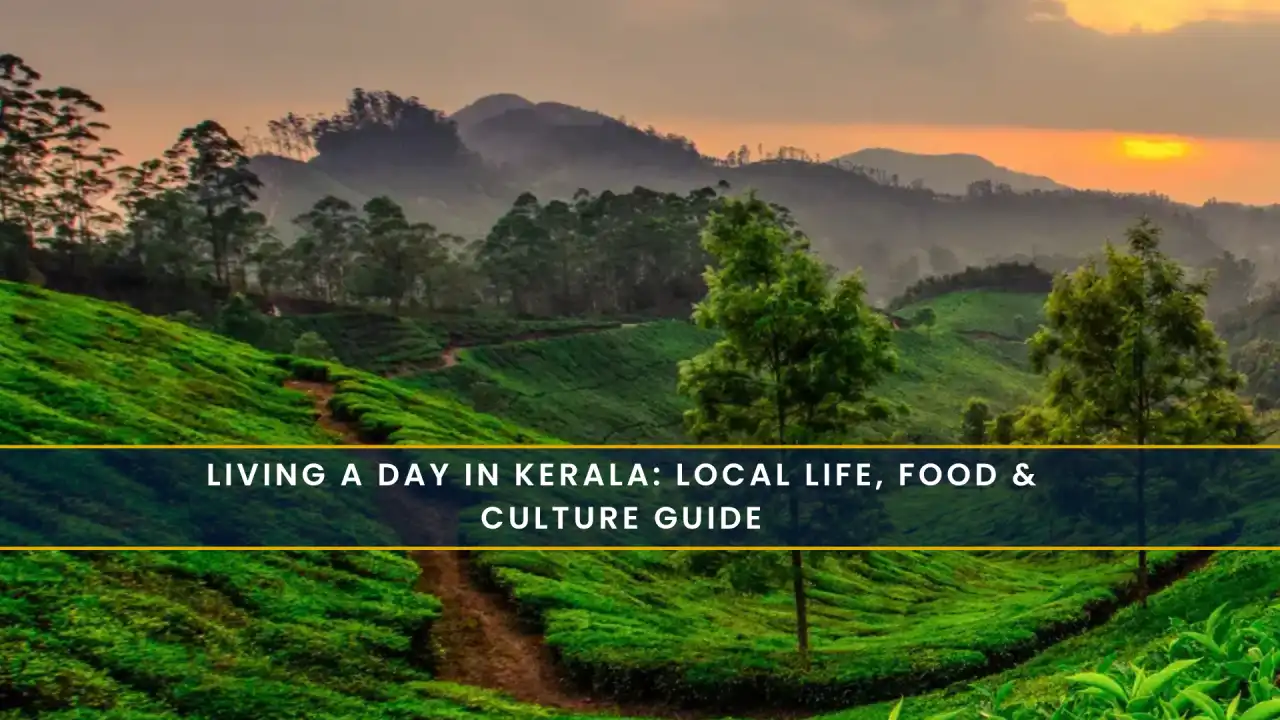
Living a Day in Kerala: Local Life, Food & Culture Guide
Introduction
Some places look beautiful in photos and then feel ordinary when you finally reach them. Not through giant attractions or dramatic moments, but through tiny things that probably shouldn’t matter as much as they do. Like watching a fisherman fixing a torn net before sunrise while half-asleep dogs wandered nearby. Or hearing rain hit banana leaves outside a small roadside café. Even the smell here stays with you, somehow coconut oil, wet earth, curry leaves frying somewhere close enough to make you hungry again even after breakfast.
A real Kerala Local Experience honestly has very little to do with rushing around ticking off attractions. It’s more about slipping into the pace of life for a while. People here still stop to talk. Tea stalls somehow turn into community meeting spots. Boats aren’t always “experiences” for Instagram. For some families, they’re just transport. Daily routine. Nothing fancy. And weirdly, if you spend even one proper day slowing down here, Kerala stops feeling like a tourist destination. It starts feeling familiar. Almost personal. For travelers exploring thoughtfully planned Domestic Packages, this is usually the part that surprises them most. Kerala doesn’t constantly demand your attention. It quietly keeps it.
Morning in Kerala Begins Before the Sun
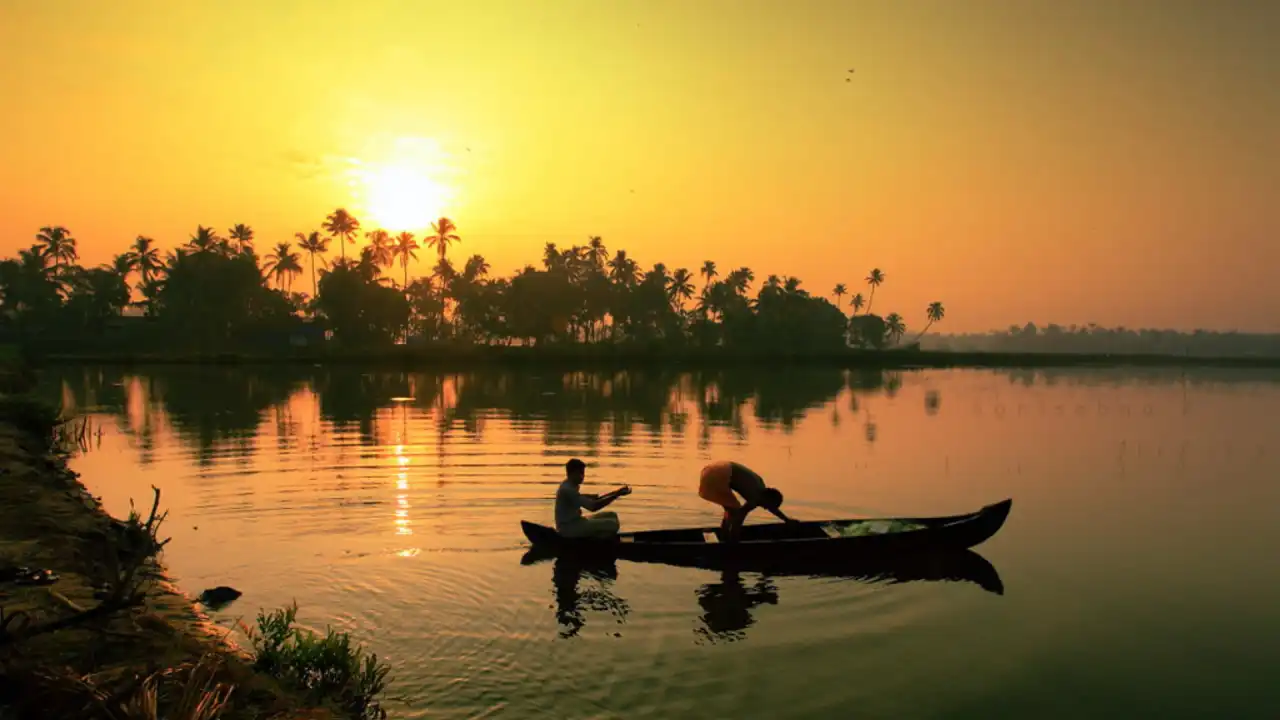
Kerala mornings don’t really begin suddenly. They sort of drift into existence. If you stay near the backwaters or in a quieter village area, you notice sounds first. Birds. Always birds. Loud ones too. Then maybe a distant temple bell. Someone is sweeping outside their house. A scooter is struggling to start. Coconut trees are moving around in the wind like they’re waking up slowly themselves.
Tea is everywhere early in the day. Proper hot chai in steel glasses. Not the aesthetic café version that tourists photograph. Just regular tea that locals drink standing outside tiny shops while discussing politics, cricket, weather, or probably all three at once. And that’s maybe what feels nicest about Kerala in the morning. Nothing feels staged.
Things You Notice During a Morning Walk
- Women making flower decorations outside homes
- Tea stalls are already packed before sunrise
- Fishermen bringing back the first catch of the day
- School kids standing sleepily with oversized backpacks
- Local vegetable markets are slowly getting crowded
Honestly, none of this sounds extraordinary while reading it. But when you’re actually there, it feels strangely calming.
Pro Tip
Wake up early at least once. Even if you hate mornings. Kerala before 8 AM feels completely different from Kerala later in the day.
Breakfast Here Feels Comforting
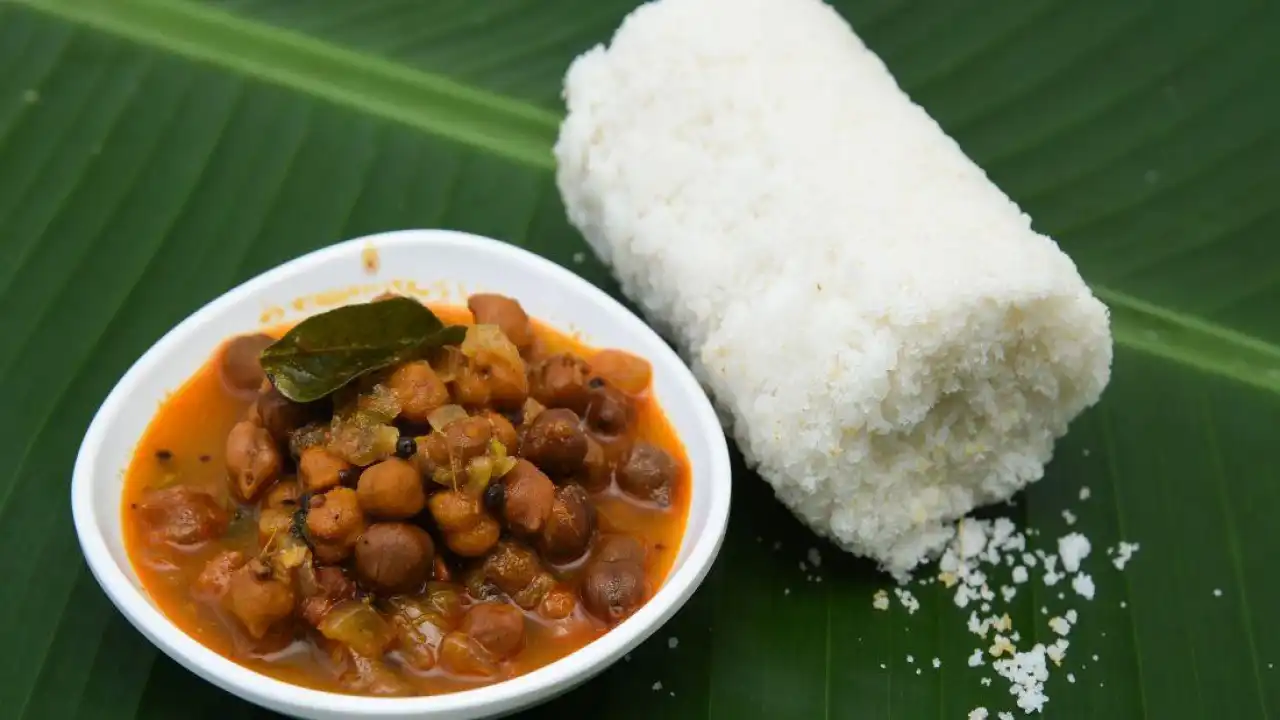
Breakfast in Kerala is not rushed. Nobody seems interested in grabbing food and running. Even tiny roadside restaurants serve meals that taste homemade. Soft appams with stew. Puttu with kadala curry. Dosa is so crisp that you can hear it crack slightly when touched. Coconut chutney with almost everything. And the funny thing is, some of the best food comes from places that look very average from the outside.
Plastic chairs. Old menu boards. A fan is making more noise than the wind. Then suddenly you eat something incredible. Kerala food also has this balance that’s hard to explain properly. Rich, yes. But not heavy in an uncomfortable way. Coconut shows up constantly, yet dishes somehow still taste completely different from each other. You leave breakfast full, slightly sleepy, and already thinking about lunch. Which honestly feels dangerous.
The Backwaters Feel More Real Than Romantic
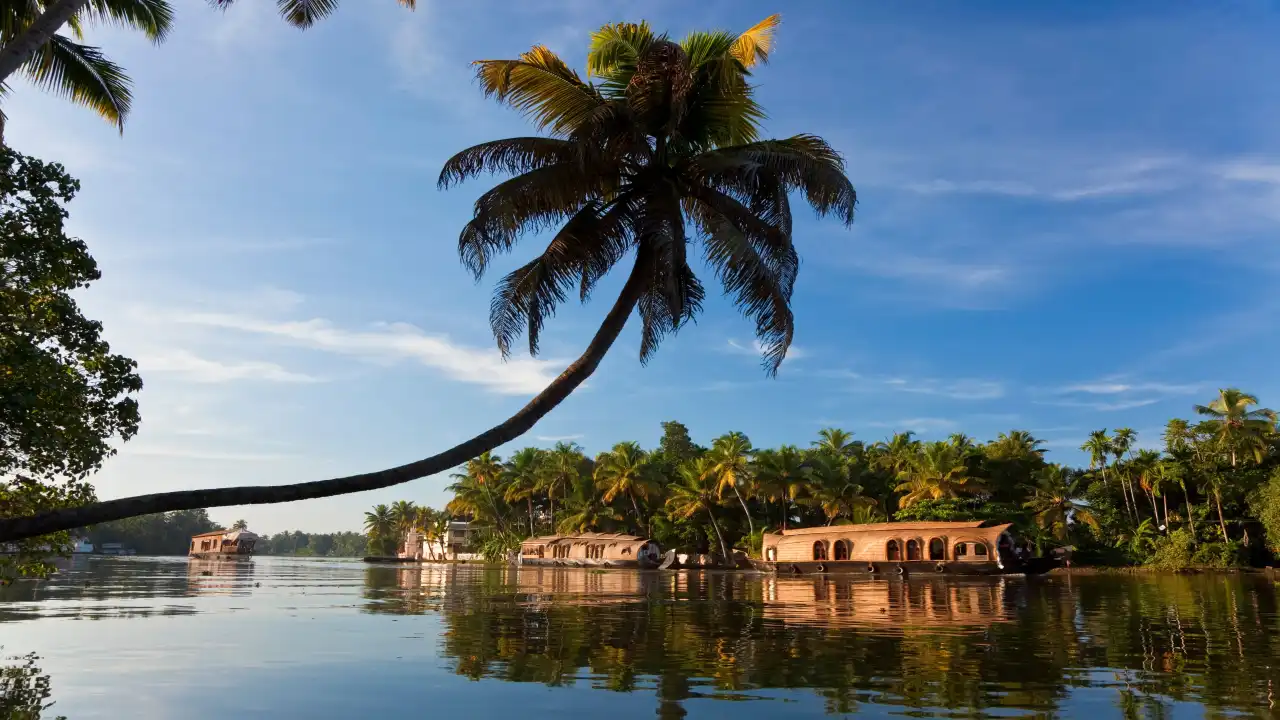
Most travel ads show Kerala’s backwaters looking almost unreal. Fancy houseboats. Couples watching sunsets. Perfect reflections in the water. That exists, obviously. But actual life around the backwaters feels much more interesting. People use boats the same way other cities use buses or bikes. Kids travel to school across narrow canals. Groceries arrive by boat in some places. Elderly people sit outside watching water traffic like city residents watch cars from balconies.
And once you stop treating the backwaters like a tourist activity, you begin noticing random little details. Laundry hanging beside the canals. Tiny snack shops near boat stops. Fishermen quietly repair nets without speaking much. Ducks are moving around like they own the place. That moment probably stayed with me more than any “official” sightseeing stop. That’s the thing about Kerala culture travel experiences. The best parts usually aren’t planned.
Pro Tip
If possible, skip the idea that bigger houseboats automatically mean better experiences. Smaller canoe rides through villages feel far more personal and less touristy.
Afternoons Move at Their Own Pace
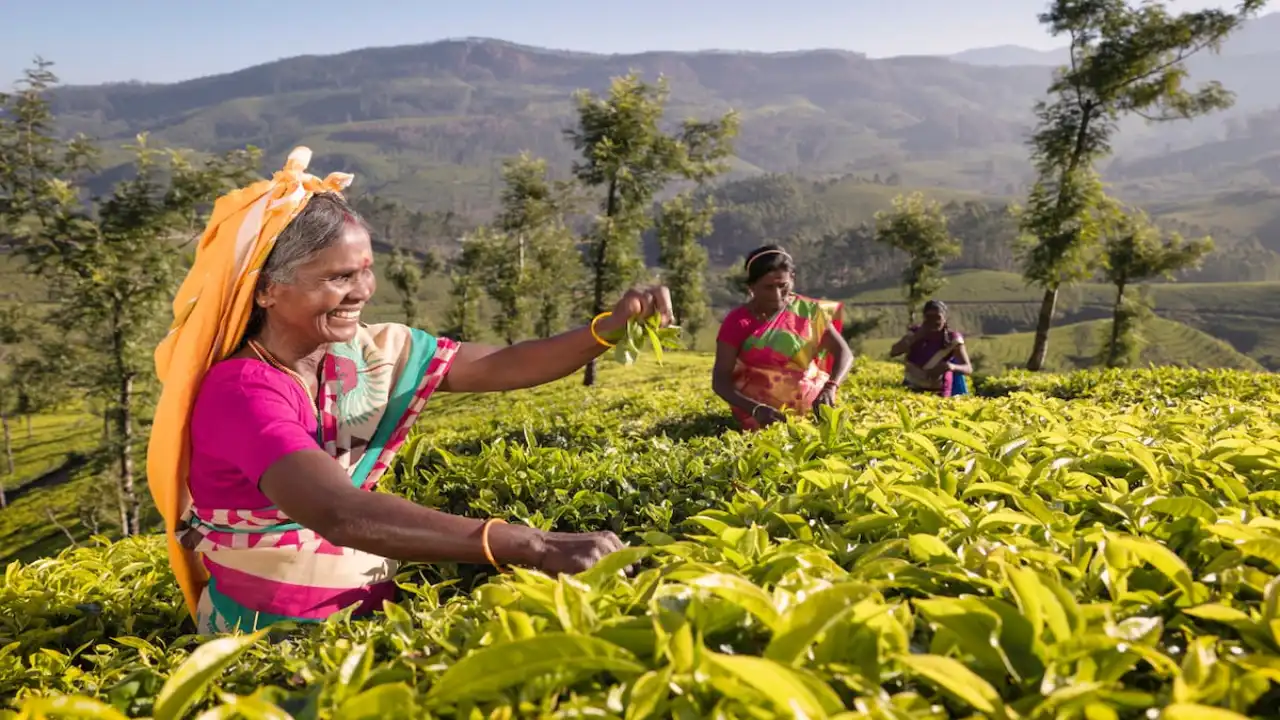
By afternoon, Kerala slows down even more. Not in a lazy way exactly. Just softer. The heat gets heavier. Roads feel quieter. Shops stay open, but everything moves more slowly somehow. You’ll still hear buses occasionally or auto-rickshaws buzzing past, but the overall mood changes. And honestly, at first, it can feel unfamiliar if you come from busy cities where everyone’s constantly checking phones or rushing somewhere.
In Kerala, people still pause. Someone spends twenty minutes talking to a neighbor outside a shop. Someone sits reading a newspaper with full concentration, as if the internet never happened. Someone cooks for half the day because guests are coming in the evening. There’s patience here that’s becoming rare in a lot of places. And maybe that’s why travelers curious about the Kerala lifestyle often come back talking about feelings instead of attractions. They remember how calm daily life felt more than they remember monuments.
Lunch in Kerala Is an Entire Experience
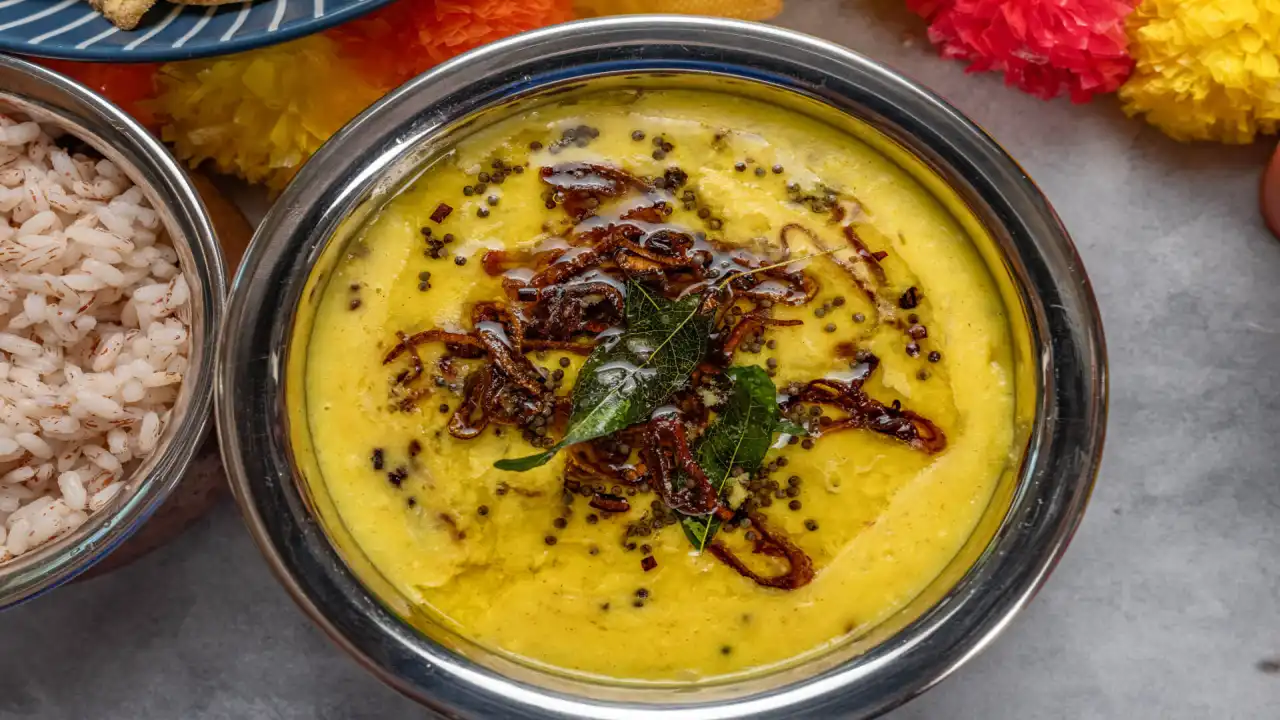
Lunch here isn’t just “food.” It’s almost an event. Especially if you get the chance to eat a traditional sadya served on a banana leaf. The first time seeing it can honestly feel overwhelming. So many small portions spread across the leaf that you stop pretending to understand what’s happening. Rice. Pickles. Curries. Vegetables. Papadam. Sweet dishes. Sour dishes. Things you can’t pronounce correctly.
But slowly it starts making sense. One bite feels spicy. Another slightly sweet. Then creamy. Then tangy. Somehow, everything balances out even when it sounds chaotic. And people genuinely want you to eat properly. That part feels important. In many local restaurants or homes, refusing second servings almost becomes difficult because they keep insisting politely. Not aggressively. Just warmly.
Must-Try Kerala Lunch Dishes
- Avial
- Sambar
- Thoran
- Pulissery
- Fish curry
- Parippu with ghee
- Payasam
Pro Tip
Try eating with your hands at least once if you’re comfortable doing it. It feels awkward for maybe two minutes, then strangely natural afterward.
Kerala’s Culture Isn’t Loud About Itself
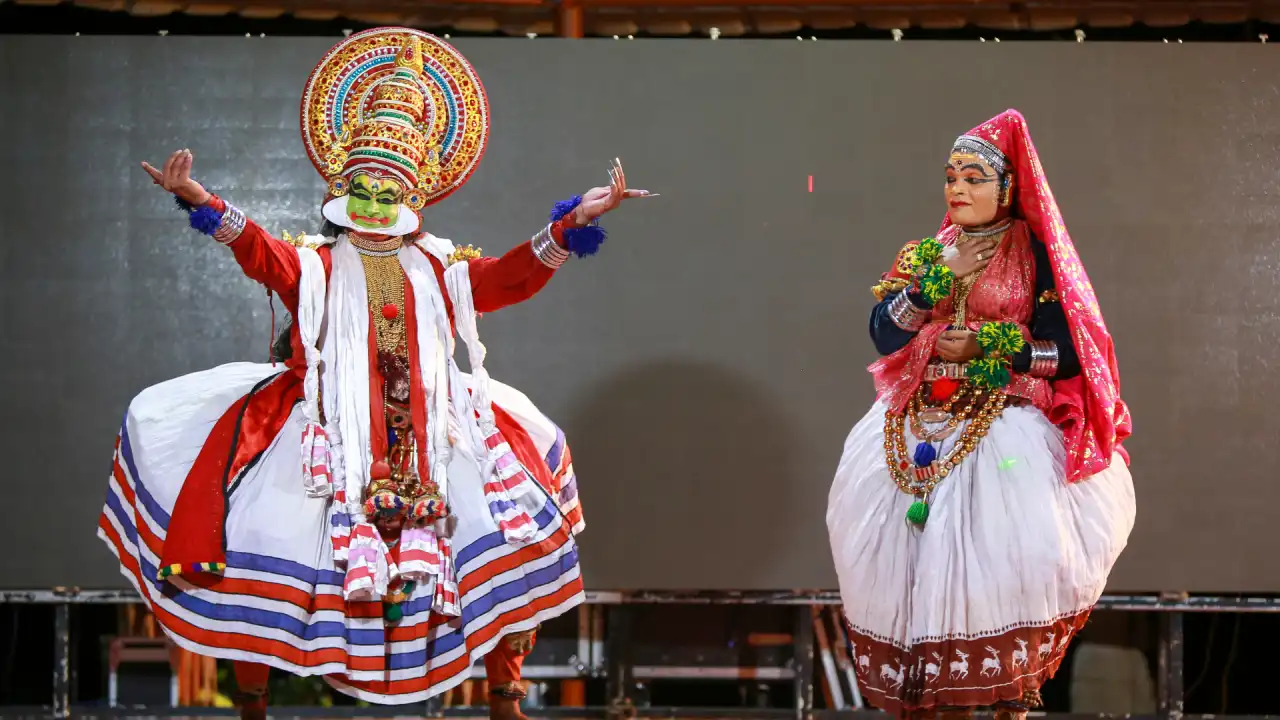
One thing you will like about Kerala is that its culture doesn’t constantly try to perform for tourists. It shows up quietly instead. You notice it in small habits. The way guests are treated. The way elders are spoken to is respectful. Evening prayers are floating through the air from temples, churches, and mosques almost at the same time. And Kerala somehow carries all these influences together without making a big deal about it. Hindu traditions, Christian communities, Muslim heritage, old colonial architecture, everything exists side by side in a very normal way.
Experiences That Feel More Meaningful
- Watching Kathakali performers prepare backstage
- Visiting spice plantations that smell incredible after rain
- Exploring local village areas slowly instead of rushing
- Learning how coconut-based curries are actually cooked
- Staying in homestays instead of only luxury hotels
Evenings Feel Built for Conversations

Kerala evenings have this relaxed energy that’s hard to explain properly. Tea shops get crowded again. Kids play cricket in tiny lanes that seem too narrow for cricket but somehow still work. Bakeries smell amazing around this time too: banana chips, fried snacks, fresh buns. And people actually sit and talk. Not every second revolves around taking photos. Sitting under a shop roof during light rain while strangers argued about cricket scores over tea. Watching locals laugh loudly at jokes. Travel usually pushes people to keep moving constantly. Kerala kind of teaches the opposite. Sit for a bit. Stay longer. Notice things.
Conclusion
Living a day in Kerala is less about sightseeing and more about paying attention. To the smell of spices cooking somewhere nearby. To conversations happening over evening tea. To boats moving quietly through narrow canals while daily life carries on around them. Kerala doesn’t impress people. That’s probably why it works so well. Somewhere between the backwaters, slow lunches, rainy evenings, and morning chai, you stop feeling like a tourist for a while. You just feel present. And honestly, that feeling has become pretty rare now.
Helpful Tips for Experiencing Kerala Like a Local
Do’s
- Wake up early at least once
- Eat at family-run restaurants whenever possible
- Wear light cotton clothes because the humidity can get exhausting
- Respect local customs in villages and temples
- Try local ferries if you get the chance
Don’ts
- Don’t overplan every hour
- Don’t expect every place to feel luxurious
- Don’t rush through meals
- Don’t compare Kerala with fast-moving tourist cities
Smart Travel Advice
If you visit during the monsoon season, keep your plans flexible. Rain changes schedules sometimes. But honestly? Kerala during the rain is probably Kerala at its most beautiful. Travelers booking a Kerala trip package should seek experiences that involve village life, local cuisine, and cultural activities, rather than focusing solely on famous sightseeing spots.