Maldives Wellness Guide 2026: Traditional Healing, Yoga, Ayurveda & More
Introduction
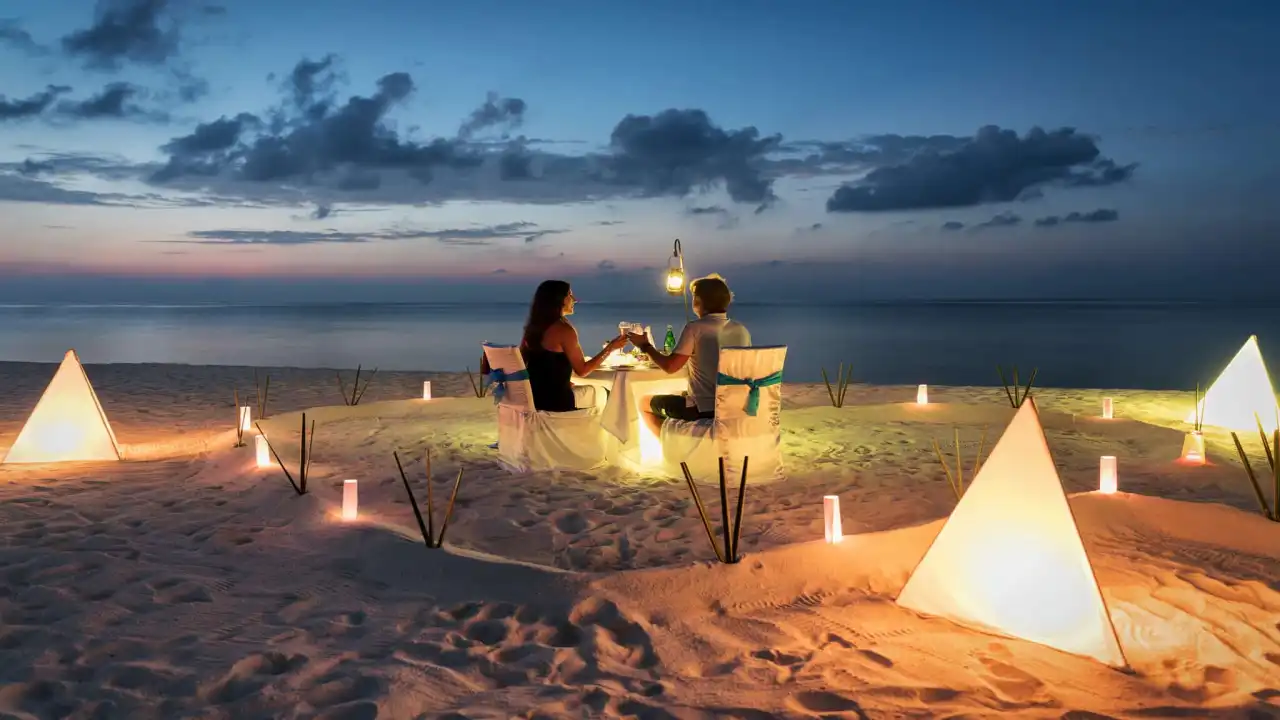
There’s a certain moment in the Maldives that people don’t really talk about. It’s not when you land, not even when you see the water for the first time. It’s a little later, maybe when you’ve dropped your bags, stepped outside, and suddenly realize nothing feels urgent anymore. Maybe it’s the quiet. Maybe it’s just the sound of the sea doing its thing in the background. Hard to explain, honestly. But it stays with you.
If you’re thinking about taking a proper break in 2026, this Maldives wellness guide 2026 isn’t about selling you a dream. It’s more about what actually happens when you go there. Yes, there are spas, yoga sessions, and all that. But the real shift? It’s slower, more personal. You just step out of your usual routine for a bit. And somehow, that’s enough to start feeling better.
Why the Maldives is Perfect for Wellness Travel
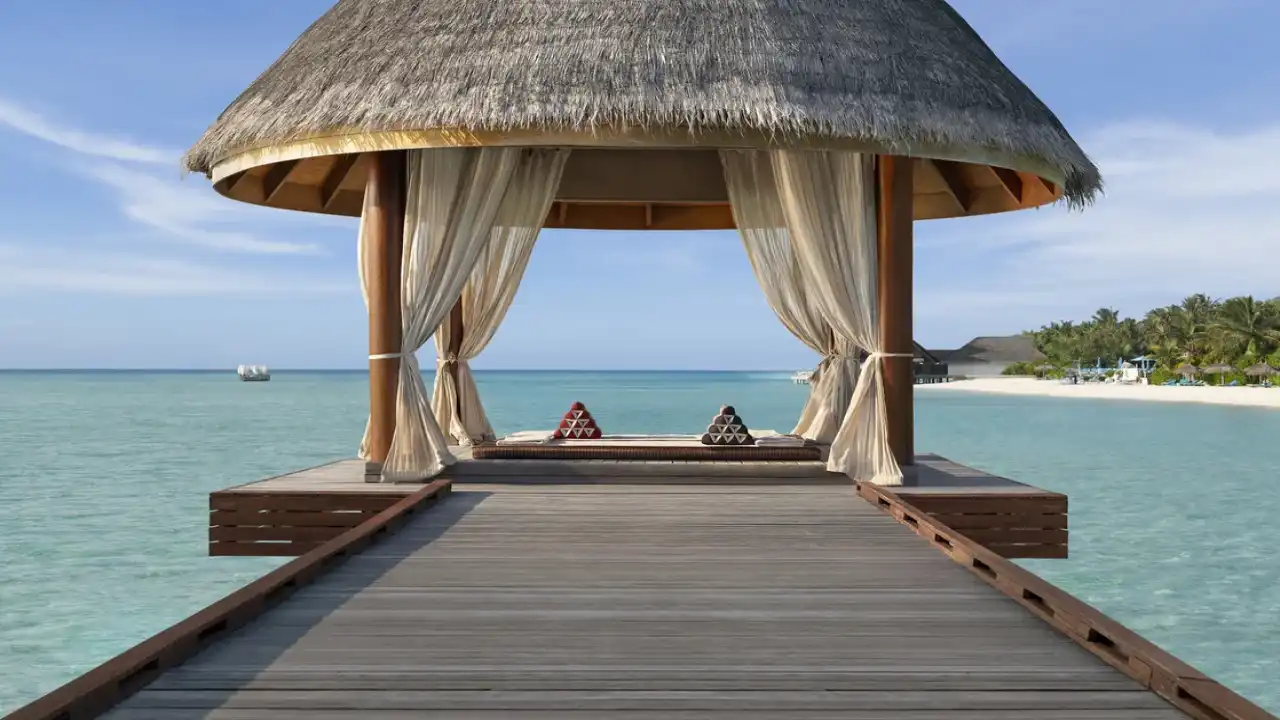
Wellness travel can sound a bit intense sometimes, with strict diets, early mornings, and detox plans that feel more stressful than helpful. The Maldives doesn’t really work like that. It’s softer. You wake up because of sunlight, not alarms. You walk around barefoot without thinking twice. And sleep? It just comes easier. No idea why, but it does.
Most islands are quiet by design. Fewer people, fewer distractions. It’s not like stress disappears overnight, but you can feel it loosening. Like your shoulders drop a little without you noticing. And then there’s the environment. Clean air, open space, water everywhere. It sounds simple, maybe even obvious but it makes a difference. By the second or third day, you’re just calmer. Not perfectly relaxed, just better than before.
Traditional Healing in the Maldives
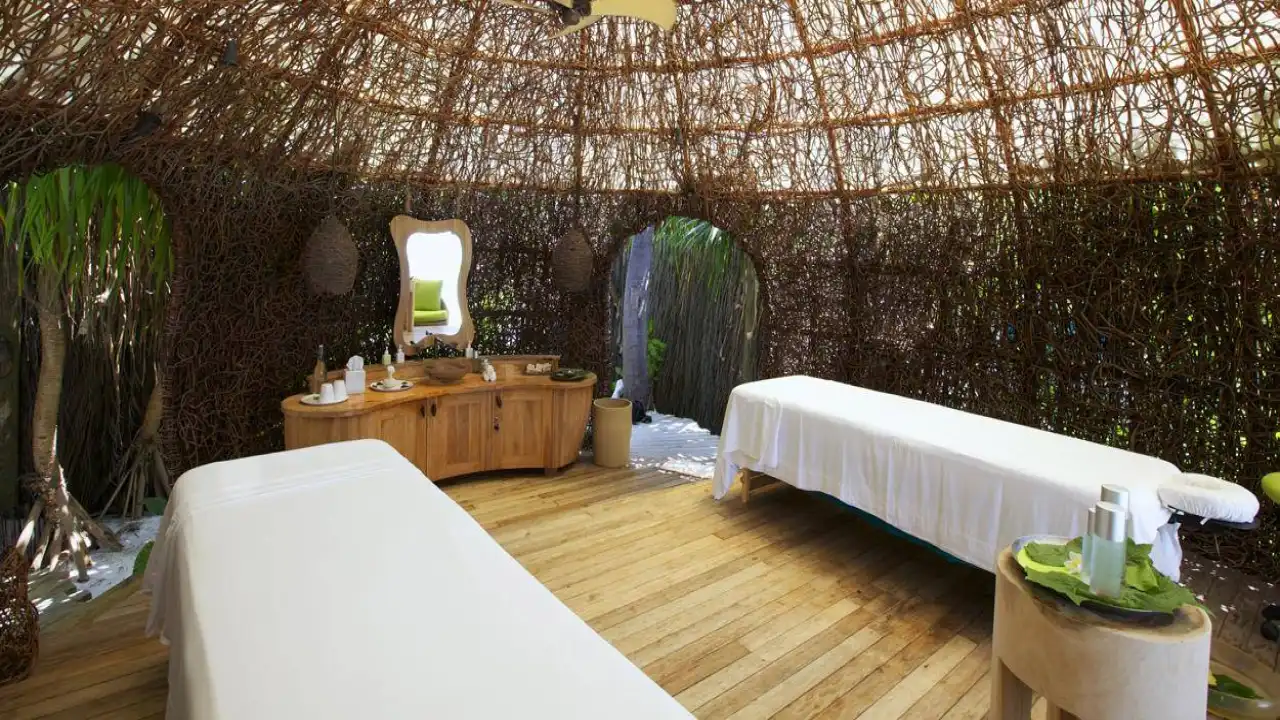
This part is a bit underrated. People don’t always come here thinking about traditional healing, but it’s there quietly woven into the experience. Much of it is based on natural ingredients: coconut oil, herbs, and plant-based treatments. Nothing too complicated. And honestly, that’s probably why it works. You’ll notice this more at places like Six Senses Laamu, where treatments feel simple and rooted in natural methods rather than overly commercial setups.
You’ll come across things like:
- Light body treatments using natural oils
- Simple breathing or relaxation sessions
- Small rituals inspired by local traditions
It’s not flashy. No big claims or dramatic transformations. Just small, steady ways to help your body slow down.
Pro Tip:
Ask about local therapies when booking. They’re usually less commercial and feel more authentic than standard spa menus.
Yoga by the Ocean: A Different Kind of Experience
Yoga feels different here. Not because the poses change but because everything around you does. You’re on a wooden deck, water on all sides, maybe a bit of wind. No traffic noise, no interruptions. It’s easier to stay present or at least easier than usual. At resorts like Anantara Veli Maldives Resort, the setting itself kind of does half the work for you; you just show up and go with it. These Maldives yoga retreats are usually pretty relaxed, nothing too strict or intimidating. You don’t need experience either. Most people are just trying it out to see how it feels. And honestly, that’s enough. A typical day? Something like this:
- Morning session with the ocean right in front of you
- Breakfast that’s light but filling
- Free time (which you’ll probably end up loving more than planned)
- Evening stretch or meditation
Nothing feels forced. You’re not trying to be perfect. You just show up, do what you can, and that’s enough.
Ayurveda in the Maldives: More Than Just Treatments
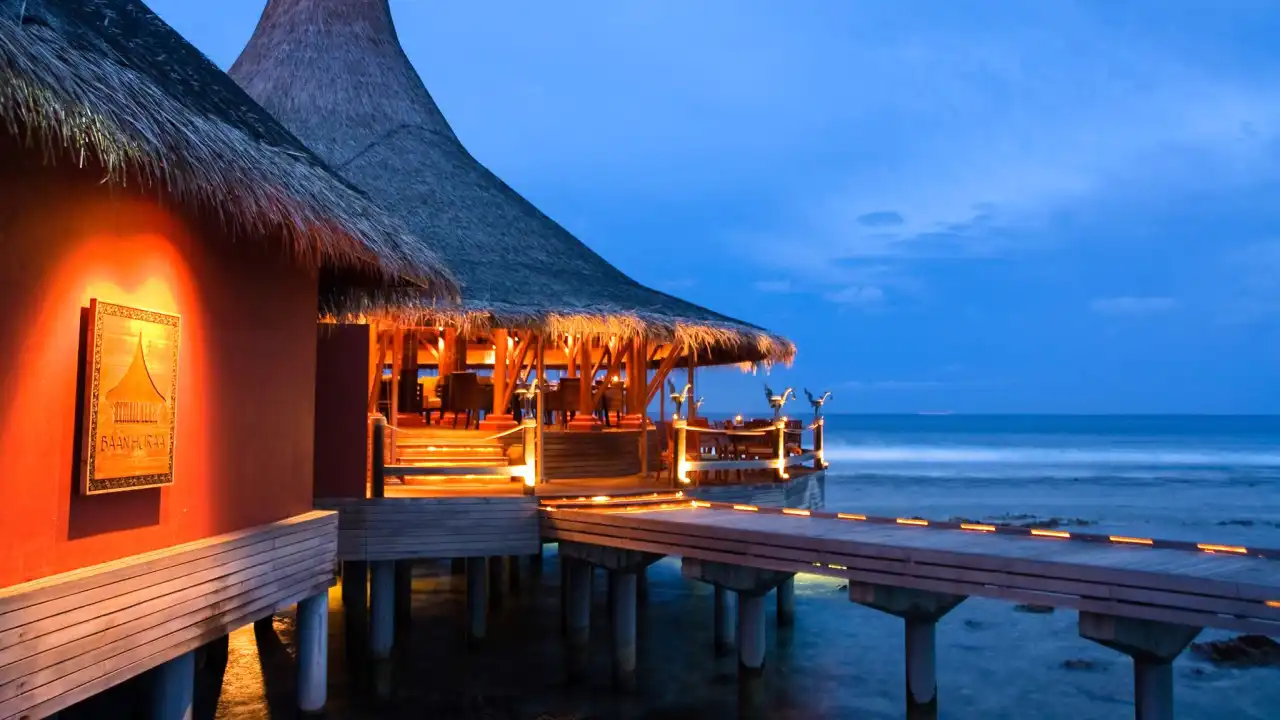
Ayurveda here isn’t just a spa add-on. In some places, it’s the main focus. The interesting part is how personal it gets. You don’t just walk in, pick a massage, and leave. Many Ayurveda resorts in the Maldives actually take the time to understand your routine, your habits, and even your sleep patterns. And then they build something around that. Places like Jolai being take this seriously, so it feels less like a one-time treatment and more like a proper wellness routine.
You might try:
- Abhyanga (warm oil massage)
- Shirodhara (oil gently poured on your forehead)
- Detox therapies
- Herbal treatments
What stands out isn’t just the treatment, it’s what happens after. You’re not rushing anywhere. No meetings, no traffic, no “what next?” You just sit there for a bit. And that pause? It matters more than you’d think.
Pro Tip:
Start small. A 2–3 day program is enough to get a feel for it without overcommitting.
Spa and Healing Experiences You Should Try
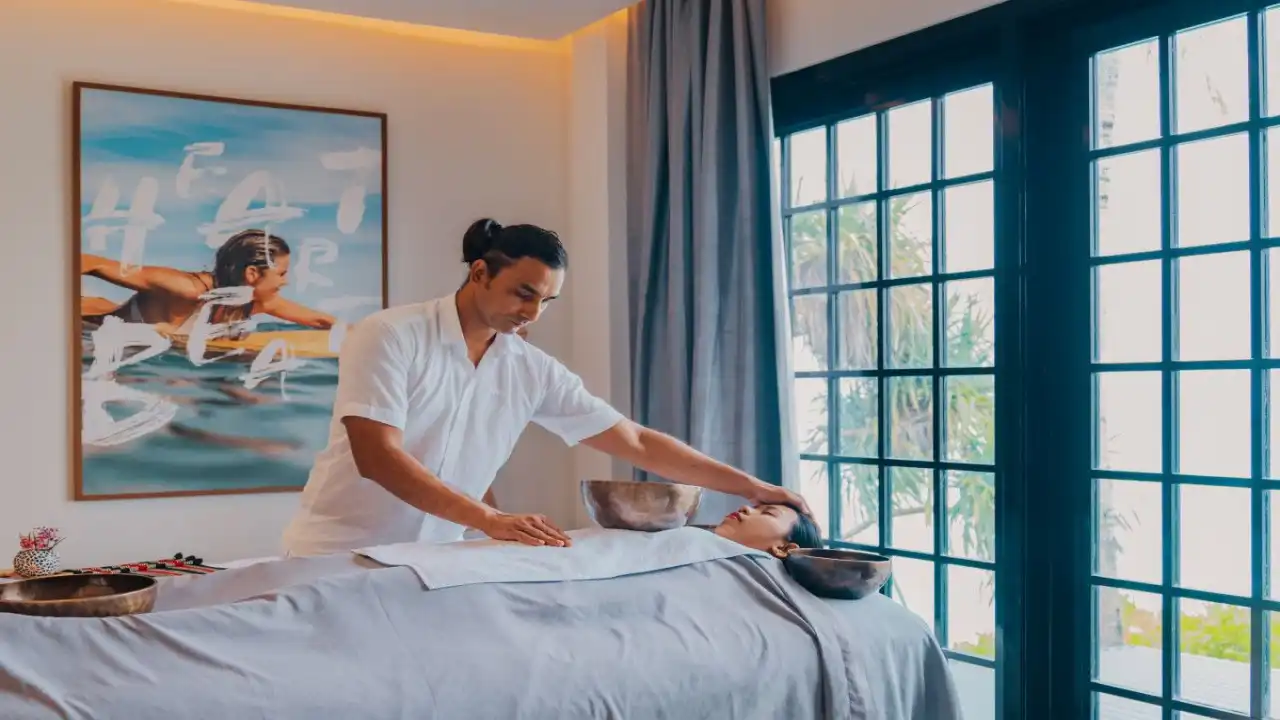
Spa culture in the Maldives is different. Not over-the-top, not rushed. Just calm. The best Maldives spa and healing experiences 2026 mix traditional techniques with modern comfort. You’ll see overwater rooms, open spaces, and natural materials; nothing feels closed in. At spots like One&Only Reethi Rah, even the spa spaces are designed to stay open and quiet, so you don’t feel rushed at all.
Some popular ones:
- Massages with ocean views (hard to go wrong here)
- Hot stone therapy
- Aromatherapy sessions
- Sound healing (a bit unusual at first, but interesting)
One thing you’ll notice is that no one is in a hurry. Even after your session, they don’t push you out. You’re usually offered tea, a quiet space, and time just to sit.
And weirdly, that “doing nothing” part ends up being the best bit.
Choosing the Right Wellness Resort
Not all resorts are built the same. Some are more about activities and luxury, others focus on slowing things down. So it helps to check what you’re actually booking.
Look for:
- Proper wellness programs, not just a spa
- Yoga or meditation sessions included
- Holistic or Ayurvedic treatments
- Quieter surroundings
If you’re browsing International Trip Packages, see what’s included. Sometimes they add spa credits or sessions, which makes things easier.
Planning Your Wellness Trip in 2026
Best Time to Visit
You can go anytime, really. But comfort matters.
- November to April: Better weather, less humidity
- May to October: Quieter, more affordable
Off-season isn’t a bad idea. Fewer people, more space, and a slower pace overall.
How Many Days Are Enough?
Depends on what you want, but generally:
- 3–4 days: Quick break
- 5–7 days: More balanced experience
- 7+ days: Good for deeper programs
Even short trips help if you actually disconnect.
What to Pack
Keep it simple:
- Comfortable clothes (you’ll wear these the most)
- Swimwear
- Basic skincare
- Something to read or write
You won’t need much else. And honestly, that’s part of the appeal.
Is the Maldives Worth It for Wellness in 2026?
Yeah, it is. But maybe not in the way you expect. You won’t come back with a long list of things you did. No packed itinerary, no rush. Even if you book one of those Maldives trip packages, the experience doesn’t feel rushed or overplanned like typical holidays. Instead, it’s smaller changes. Sleeping better, thinking a bit clearer, and feeling slightly lighter. It’s subtle. But noticeable.
Conclusion
Wellness trips don’t have to be complicated. The Maldives keeps it simple, space, quiet, and just enough structure to help you slow down. You might go there thinking you need to “do” things, yoga, treatments, sessions. And you can. But somewhere along the way, you realize the best part is just being there and sitting, watching, not rushing. And when you leave, you carry a bit of that with you. Not all of it, obviously, but enough to feel the difference.
Simple Ways to Make the Most of Your Trip
Try not to over-plan. It kind of defeats the purpose.
A few things that help:
- Don’t check your phone first thing in the morning
- Try something new, even if it feels unfamiliar
- Take some time alone
- Leave gaps in your day
Some of the best moments aren’t planned anyway. They just happen in between.