Mauritius Culinary Trail: Hidden Food Experiences & Local Kitchen Culture
Introduction
Most people arrive in Mauritius with one thing in mind: beaches. And fair enough, the water really is that unreal shade of blue you see in photos. But give it a day or two. Somewhere between your first lazy sunset and that second coconut drink (which, honestly, you didn’t plan but just kind of happened), something else starts pulling your attention to the food.
Not the fancy-plated kind. We are talking about small roadside setups, markets that feel slightly chaotic but alive, and kitchens where no one’s measuring anything properly, yet everything tastes right. This Mauritius food travel guide isn’t about curated dining or “top 10 restaurants.” It’s more about those random meals you didn’t expect. The ones you end up having because something smelled good, or someone casually said, “Try this.” And you did. And it stayed with you longer than planned.
The First Bite: Understanding Mauritian Food Culture
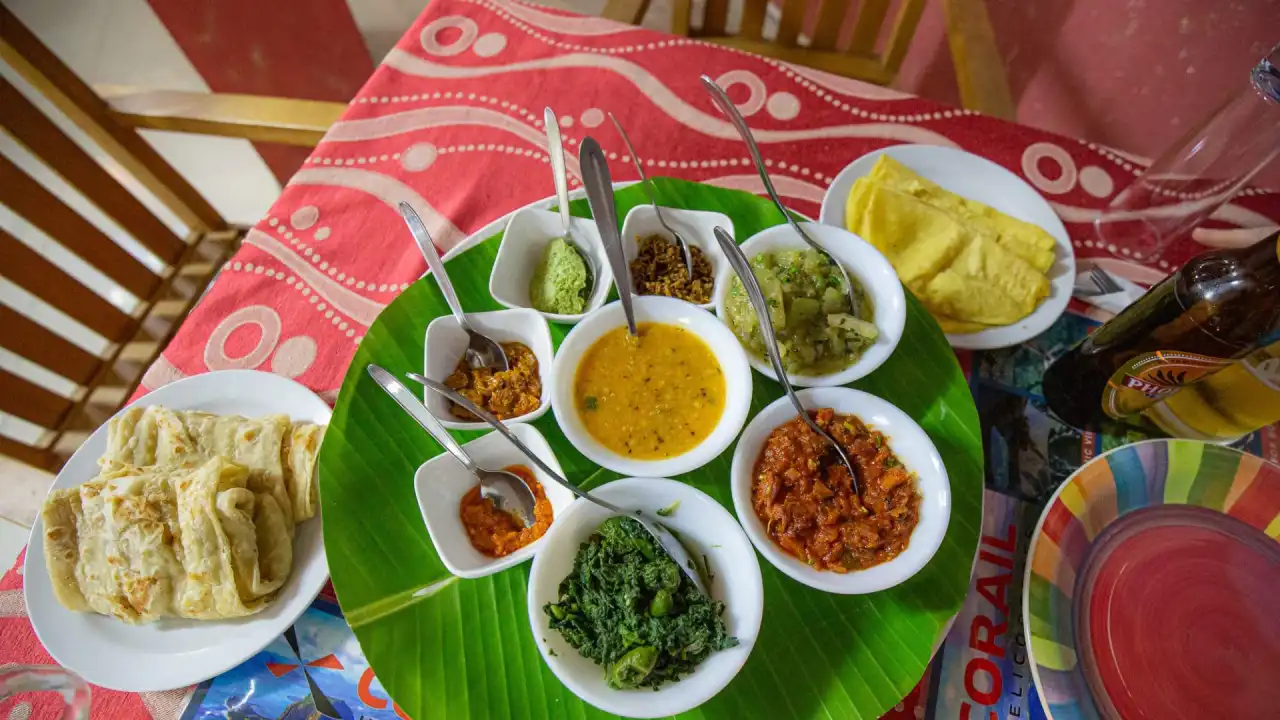
Food in Mauritius doesn’t follow one rule. It’s a mix of Indian, Creole, Chinese, and French all just existing together. Not in a forced way. It’s just how things turned out over time. You might start your day with something that feels oddly familiar (especially if you’re from India), and by evening, you’re eating something you can’t even pronounce properly. It happens fast. What stands out more than the variety, though, is how relaxed everything is. No strict recipes. No exact measurements. People cook from memory, instinct, and whatever feels right in that moment. It shouldn’t work as well as it does but somehow, it really does.
Street Food That Feels Like a Discovery
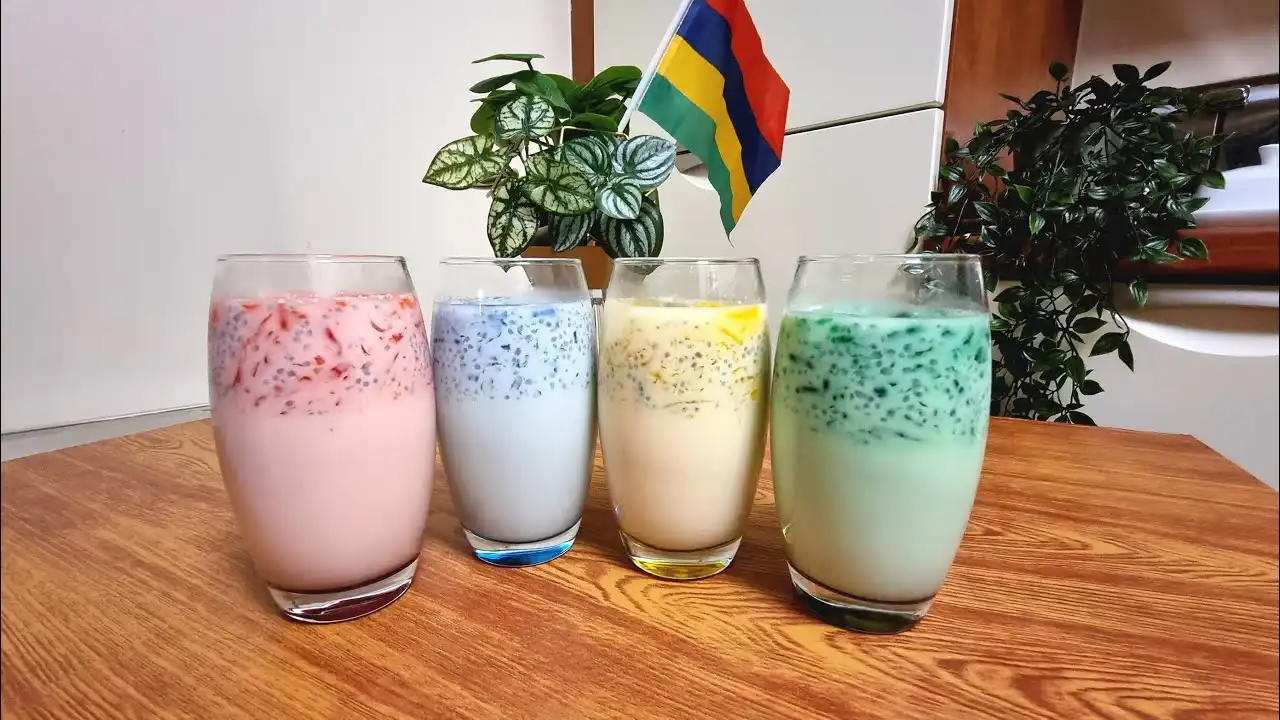
If you skip street food here, you’re honestly missing the point. The whole Mauritius street food experience is less about “must-try dishes” and more about just stopping when something catches your eye. Walk through Port Louis and you’ll get it instantly. It’s busy, a bit noisy, slightly overwhelming at first but in a good way. Food stalls tucked into corners, people waiting around casually, conversations happening mid-order.
Some things you’ll probably run into:
- Dholl puri – soft, slightly messy, filled with lentils and served with chutneys that drip if you’re not careful
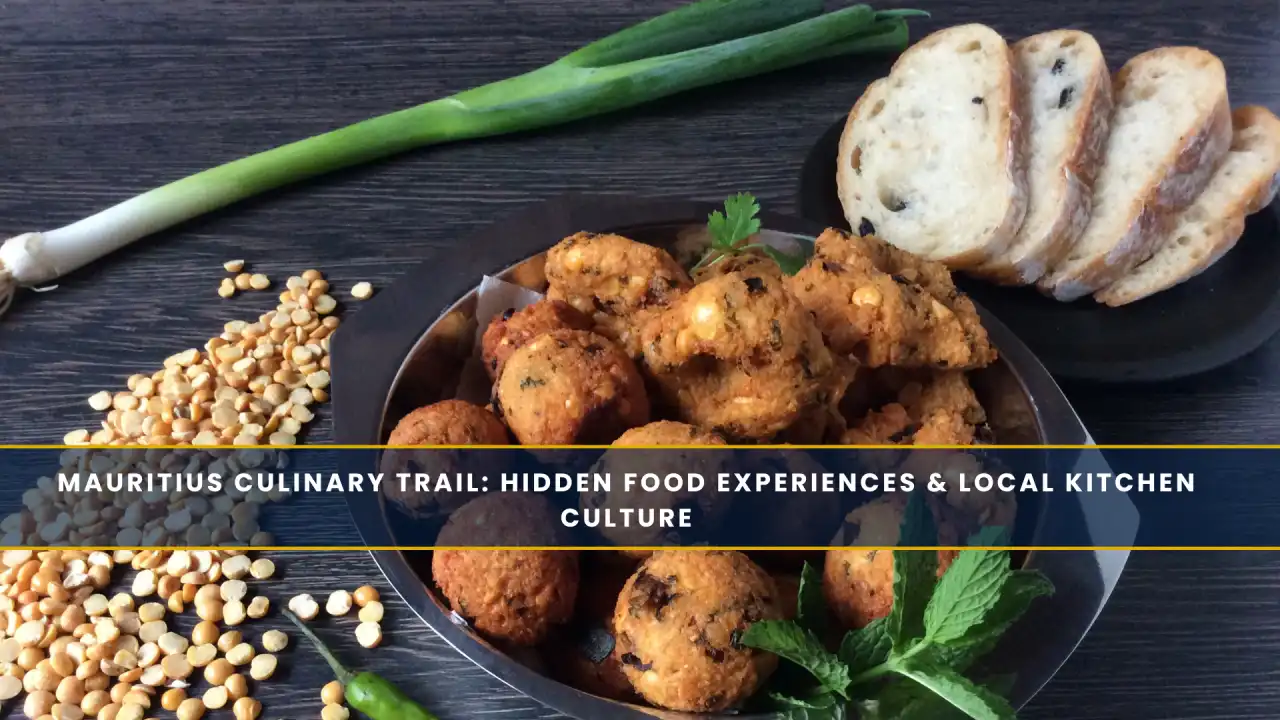
- Gato piment – crispy outside, soft inside, and yeah, a little spicy
- Boulettes – dumplings in broth, simple but surprisingly comforting
- Alouda – sweet, milky, and heavier than it looks (don’t underestimate it)
No “best stall” list really works here. Half the time, the good ones aren’t even online. You just notice where people are standing around eating. That’s usually enough.
Pro tip: If locals are waiting, you wait too. If it’s empty, maybe keep walking.
Inside Local Kitchens: Where the Real Stories Are
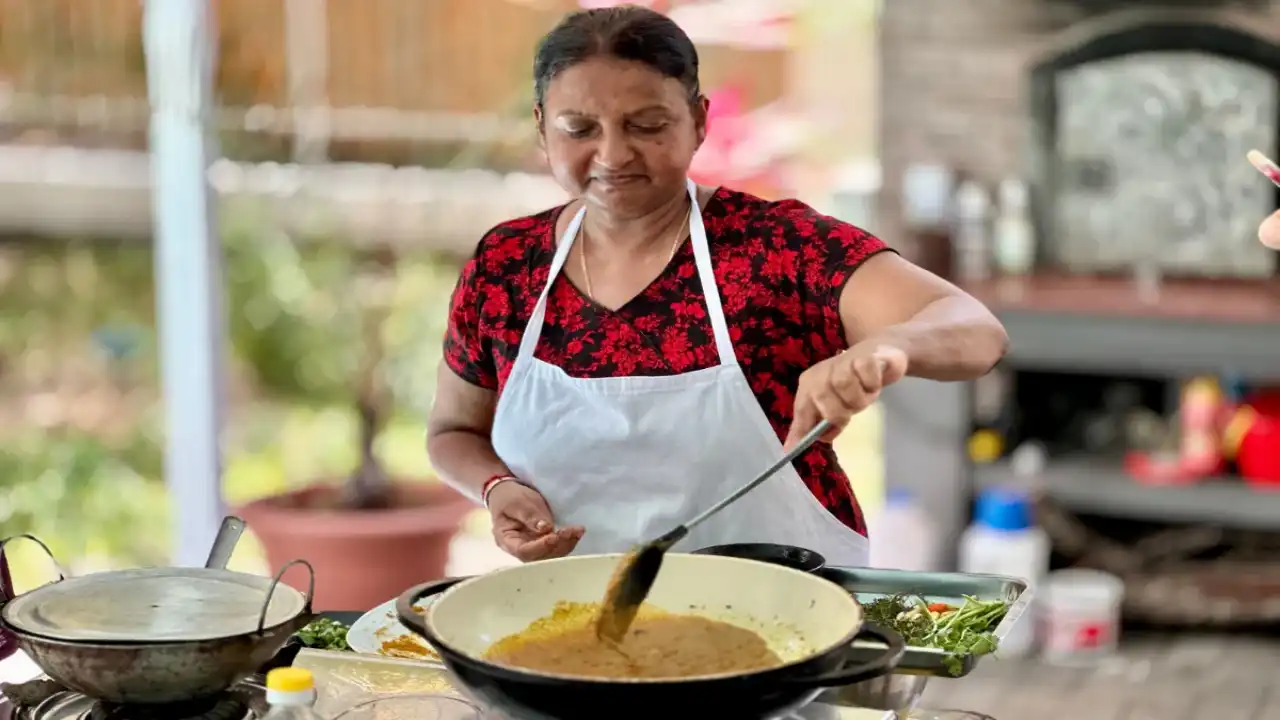
Restaurants are fine. Some are great, actually. But they don’t tell you the whole story. Kitchens do. If you ever get the chance to step into a local home kitchen or even a small guesthouse where someone’s cooking in the back, don’t overthink it. Just say yes. Those are the moments that stick. Things feel slower there. Not rushed. Someone’s always doing something cutting, stirring, tasting, adjusting. It’s not perfectly organized, but it works.
A few things you’ll notice pretty quickly:
- Spices are used properly, not just for show
- Food is cooked fresh, not sitting around waiting
- Meals are shared, not ordered like separate plates
This is where you actually understand local food in Mauritius, what to eat because you’re seeing it happen, not just eating it.
Hidden Food Spots You Won’t Find Online
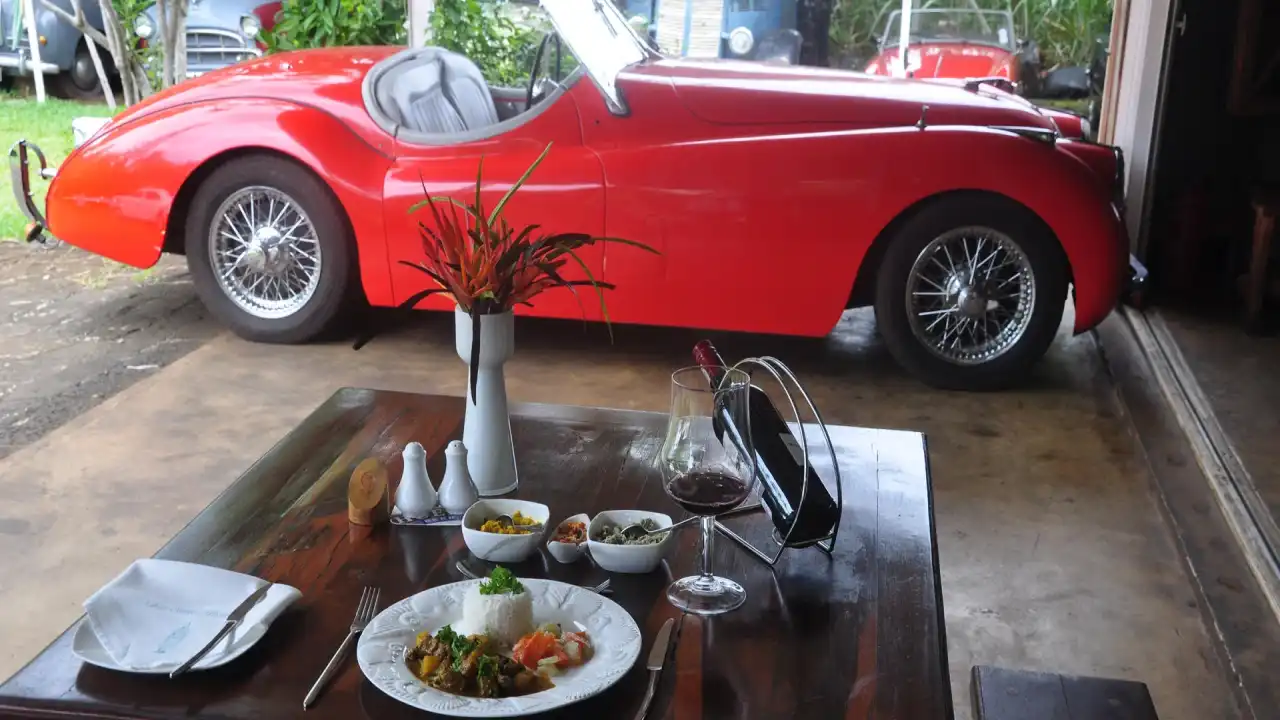
Some of the best food spots in Mauritius don’t really look like food spots. That’s the first thing. You might even question if you’re in the right place when you get there. No proper signboards, no fancy décor, nothing that screams “you should eat here.” Just a small setup, maybe a few plastic chairs, a couple of people waiting around… and that smell. The kind that makes you slow down without thinking.
And honestly, that’s where it gets interesting. That’s what exploring hidden food spots in Mauritius 2026 feels like. You’re not glued to ratings or reviews. Half the time, you’re just walking, noticing, stopping randomly because something feels right. It’s a bit unplanned, a bit messy, but it works. If you still want a few actual places to begin with (just so you’re not completely guessing), these are a good start:
- Chez Rosy
It’s near the beach, but don’t expect a “beachside café” vibe. It’s simpler than that. Easy to miss too; most people almost did. The seafood is fresh, especially the octopus curry. Nothing overly spiced or dressed up, just cooked properly. Feels like the kind of meal you didn’t plan but end up enjoying more than expected. - Roti Aka Vinoda
This place gets busy. Like, properly busy. You’ll probably stand, maybe wait, maybe wonder if it’s worth it and then it is. The dholl puri is fresh, slightly messy to eat, but that’s part of it. Not a “sit down and relax” kind of place. More like grab, eat, move. - Chez Tante Athalie
This one feels different. Slower. Almost like you’ve walked into someone’s home and they’re just cooking for you. Traditional Creole food, nothing rushed. You don’t come here for variety, you come for that one solid, home-style meal. - Ti Kouloir
Honestly, you can walk past this place without noticing. It’s that small. But inside, the food is full of flavor, portions are generous, and it feels very local. No extra effort to impress and that’s exactly why it works.
And then some places don’t even really have names you’ll remember later. Or maybe they do, but you forget.
- Evening stalls along Flic en Flac, where seafood starts grilling around sunset the air smells smoky, a bit salty, people just standing around eating
- Small bakeries in Mahébourg where if you show up late, you’ll find empty shelves and wonder what you missed
- Random food vans near Grand Baie that appear out of nowhere, serve really good food, and then they’re gone the next day
That’s the thing with these places. They don’t try to stand out. No marketing, no branding, nothing polished. But somehow, those are the ones you keep thinking about later. Not the perfect meals. The unexpected ones.
Pro tip: Ask someone local where they eat. Not where tourists go. Big difference.
Markets: The Heart of Everyday Eating
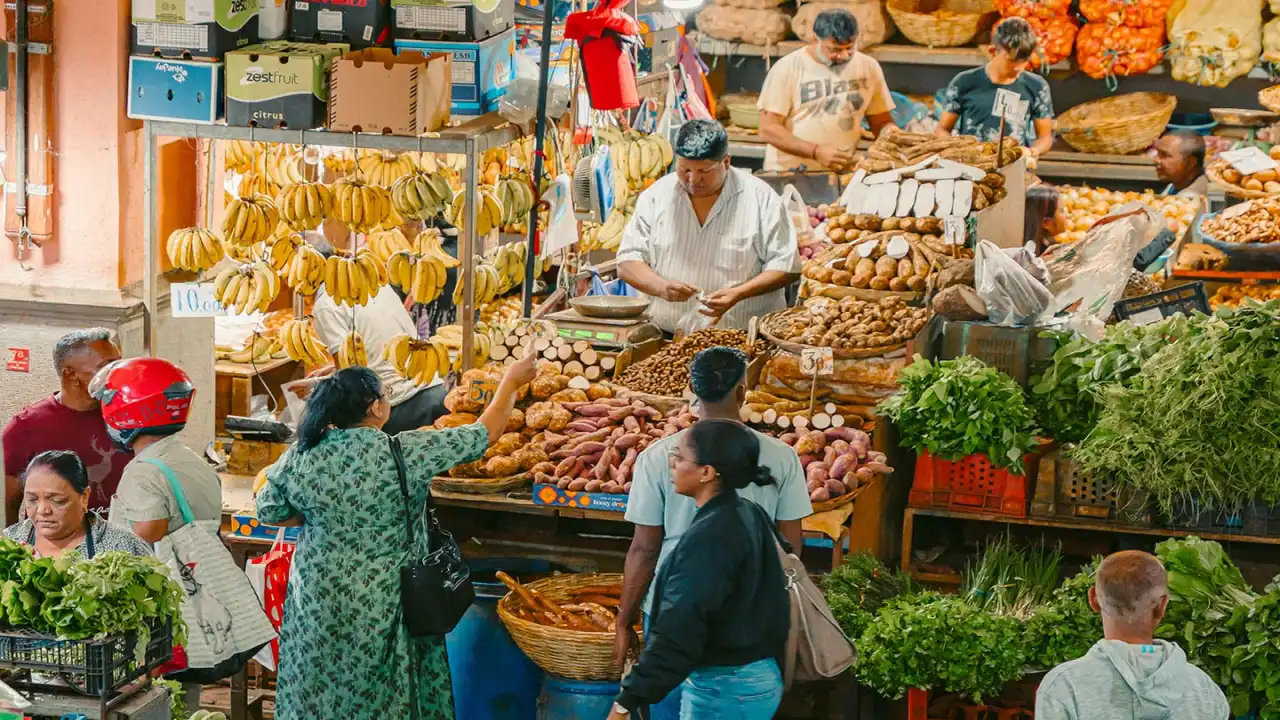
Markets here aren’t just for shopping, they’re where things actually feel real. The Central Market in Port Louis is a good place to start. It’s crowded, a little chaotic, maybe even confusing at first. But give it time. Walk around slowly. You’ll see everything: fresh produce, spices, snacks being made on the spot, people bargaining, laughing, just going about their day.
Things worth trying:
- Fruits you probably won’t recognize (just point and try)
- Local pickles and chutneys
- Simple rice and curry plates that don’t look fancy but hit the spot
There’s nothing staged about it. And that’s exactly why it works.
Seafood by the Coast: Simple and Fresh

Being on an island, seafood is kind of expected. But what’s nice here is how uncomplicated it is. Around places like Grand Baie, you’ll find small spots serving fresh catch grilled, lightly spiced, nothing overdone. No heavy sauces. No unnecessary extras. Just clean, simple flavors.
You’ll usually see:
- Grilled fish with lemon and a bit of chili
- Octopus curry (which sounds intense but is actually really good)
- Prawns cooked simply, letting the freshness do most of the work
Pro tip: Go in the evening. It just feels better. Slower, quieter, and the food’s fresher.
Food and Festivals: A Cultural Connection
If your timing lines up with something like Diwali or Eid al-Fitr, you’ll see a different side of food here. It’s less about going out and more about being invited in, literally or indirectly. Homes fill up with sweets, snacks, and proper meals made in bigger quantities than usual. Food becomes more about sharing than eating. And sometimes, even as a visitor, you end up trying something you didn’t expect just because you happened to be there at the right time.
Planning Your Food Journey Without Overplanning
It’s easy to overplan, especially if you’re booking Mauritius trip packages. But honestly, food here doesn’t follow your schedule.
A loose plan works better:
- Keep mornings open markets, cafés, random stops
- Try street food around lunch
- Evenings for coastal spots or local places
- And leave at least one day with no plan at all
Some of the best meals here happen when you weren’t even trying to find them.
Conclusion
Mauritius isn’t the kind of place you rush through. And honestly, you shouldn’t. You’ll forget some plans. Maybe even skip a few. It happens. Even if you came with a proper itinerary or one of those well-planned International Packages, things shift once you’re actually there. You take a different turn, stop somewhere random, and stay longer than expected.
But you’ll remember that one snack you almost didn’t try. Or that tiny place you found without really looking. That’s what stays. The food here isn’t about perfection or presentation. It’s about moments that feel unplanned, a bit messy sometimes, but real enough to stick with you long after you’ve left.
Common Mistakes to Avoid
A few small things can make a big difference:
- Staying only inside hotel restaurants (easy, but you’ll miss a lot)
- Avoiding street food completely (just be a bit selective, that’s enough)
- Planning every single meal (it gets tiring and predictable)
- Expecting everything to be explained (sometimes you just try it and figure it out)