Must-Try Thai Desserts for Every Food Lover
Introduction
Whenever you talk about Thailand, desserts are the last thing that comes to your mind. Most would then go on to talk about street food, mouth-burning hot curry, hopping between islands and those packed night markets that never seem to empty for the best part of midnight.
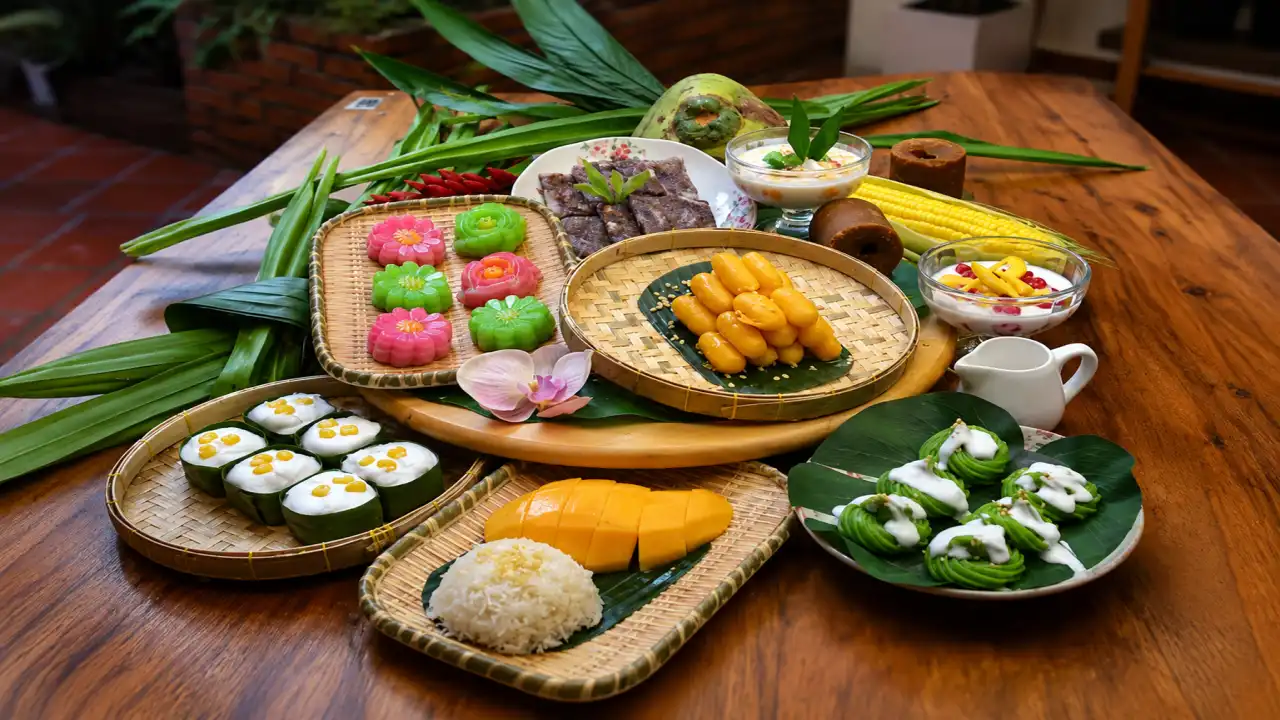
Between the plate of pad thai and an evening market stroll, though, it was all about dessert stalls. These sweet treats are not limited to their flavor. From simple ingredients into a memory. Even though coconut milk, ripe tropical fruits, sticky rice, palm sugar and even flowers almost always make it back to the plate in the same order with which they appeared before. Some are light and fresh enough for a hot afternoon, while others seem more like comfort food that you'd savor on a rainy evening. Thailand tour packages that most travelers start considering are usually beaches, temples and food tour. Fair enough. But skipping the local sweet shop is just plain sad and a surprisingly entertaining outside reality. These are some sweets that should be added to your food list.
1. Mango Sticky Rice (Khao Niew Mamuang)
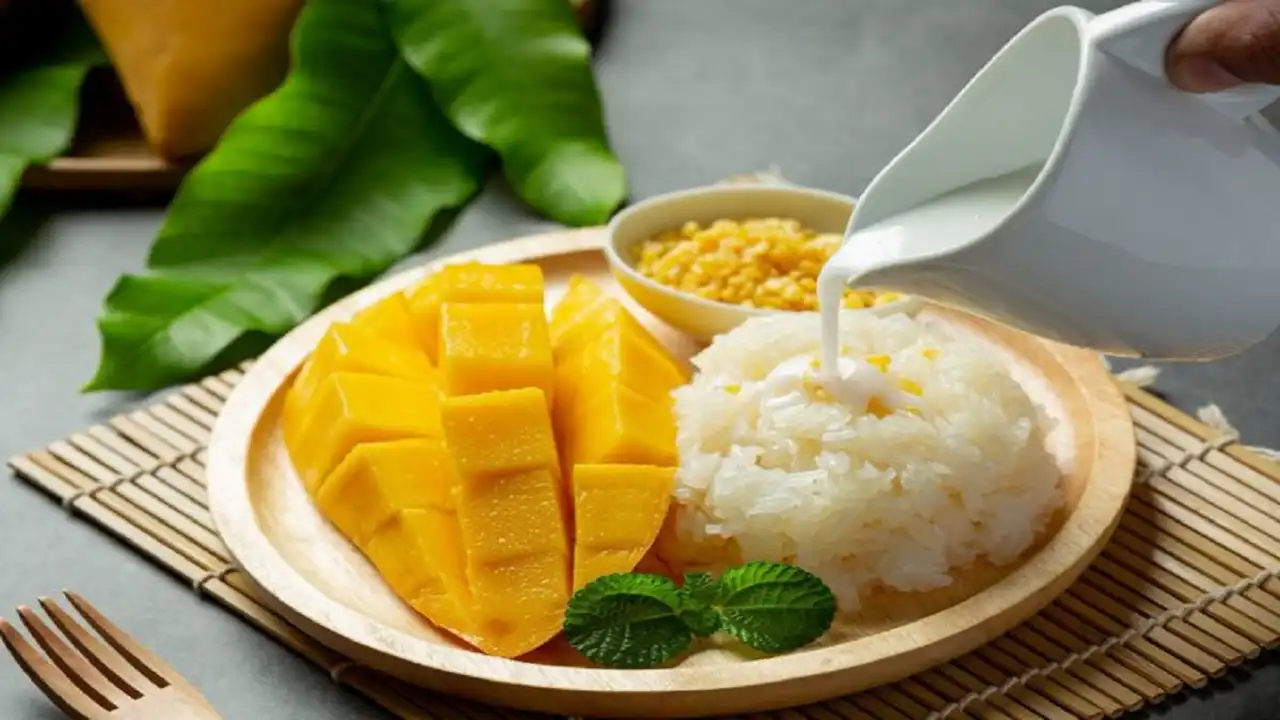
Few Thai desserts can claim to be as famous as mango sticky rice. You will spot this on restaurant menus, at market stalls and all over social media. At first, honestly, you will find sticky rice and mango weird. It seems like something that should never, ever manage to work at all. Yet somehow it does.
The dish usually includes:
- Sweet sticky rice
- Fresh mango slices
- Coconut milk sauce
- Roasted mung beans or sesame seeds
The real appeal is the contrast. The mango is juicy and naturally sweet, the rice is soft and slightly chewy, and the coconut sauce pulls everything together. One bite turns into another pretty quickly.
Pro Tip
If you're visiting between April and June, definitely try it then. Mangoes are usually at their best during that period.
2. Tub Tim Krob (Red Rubies)
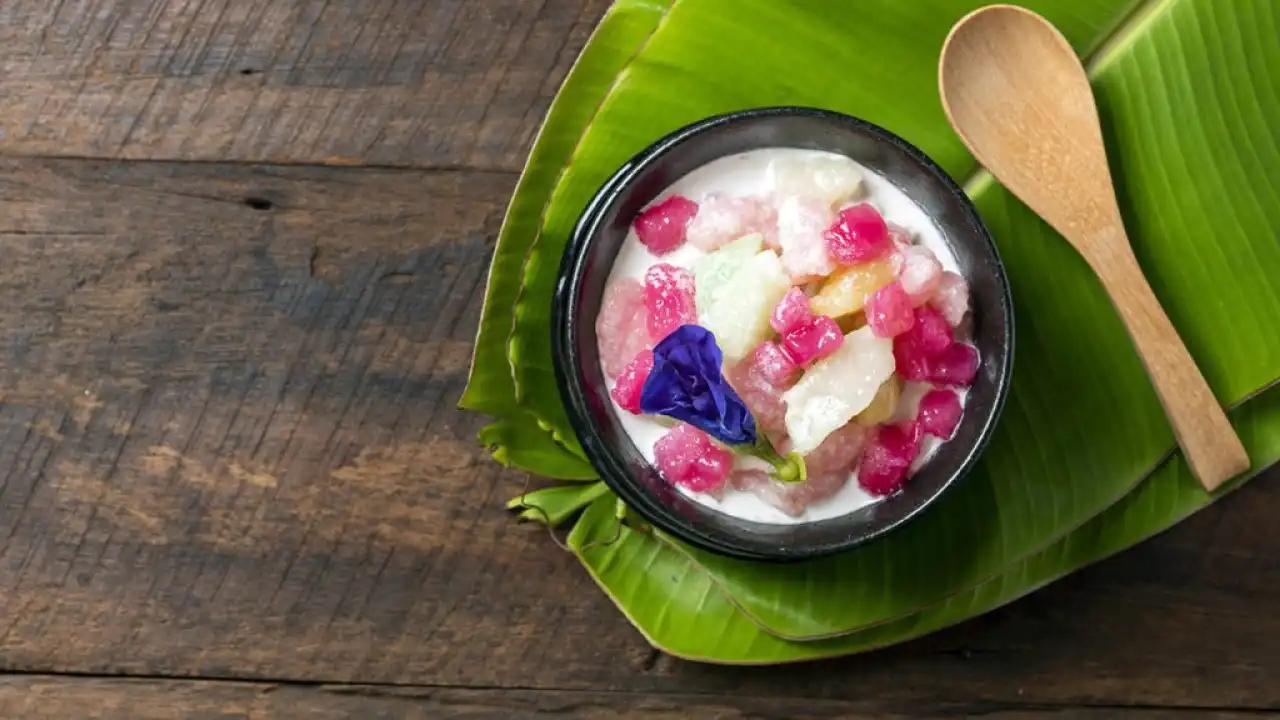
This is one of those desserts that people almost find by accident. When we first see it, just before the introduction is about to end, it appears like a bowl of multicolored jewels floating within ice. That's literally where the nickname "Red rubies" derives.
Inside you'll find:
- Crunchy water chestnuts
- Tapioca coating
- Coconut milk
- Crushed ice
- Sweet syrup
What stands out is the texture. The water chestnuts stay crisp even when chilled, which creates a nice crunch in every spoonful. On a humid afternoon in Bangkok, it can feel more refreshing than a cold drink.
3. Khanom Buang (Thai Crispy Pancakes).
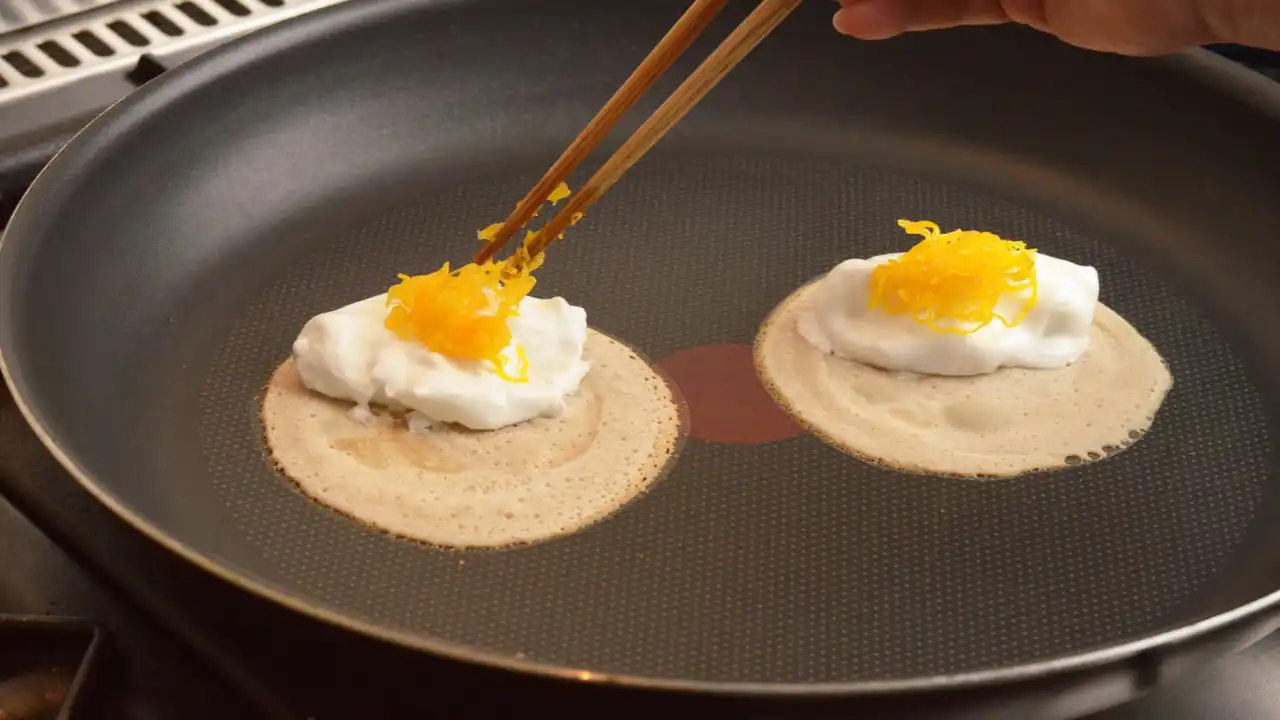
These can be found all over and if you walk around a market long enough, you'll likely see someone making these. They're a little like mini taco shells, but sweet and super crunchy.
Common fillings include:
- Shredded coconut
- Sweet egg yolk threads
- Candied fruits
- Sesame seeds
The shell crumbles the instant you bite into it, while the creamy filling is just enough sweet to balance everything. But they're small, can be eaten while standing and for some reason disappear in a matter of seconds.
4. Khanom Chan
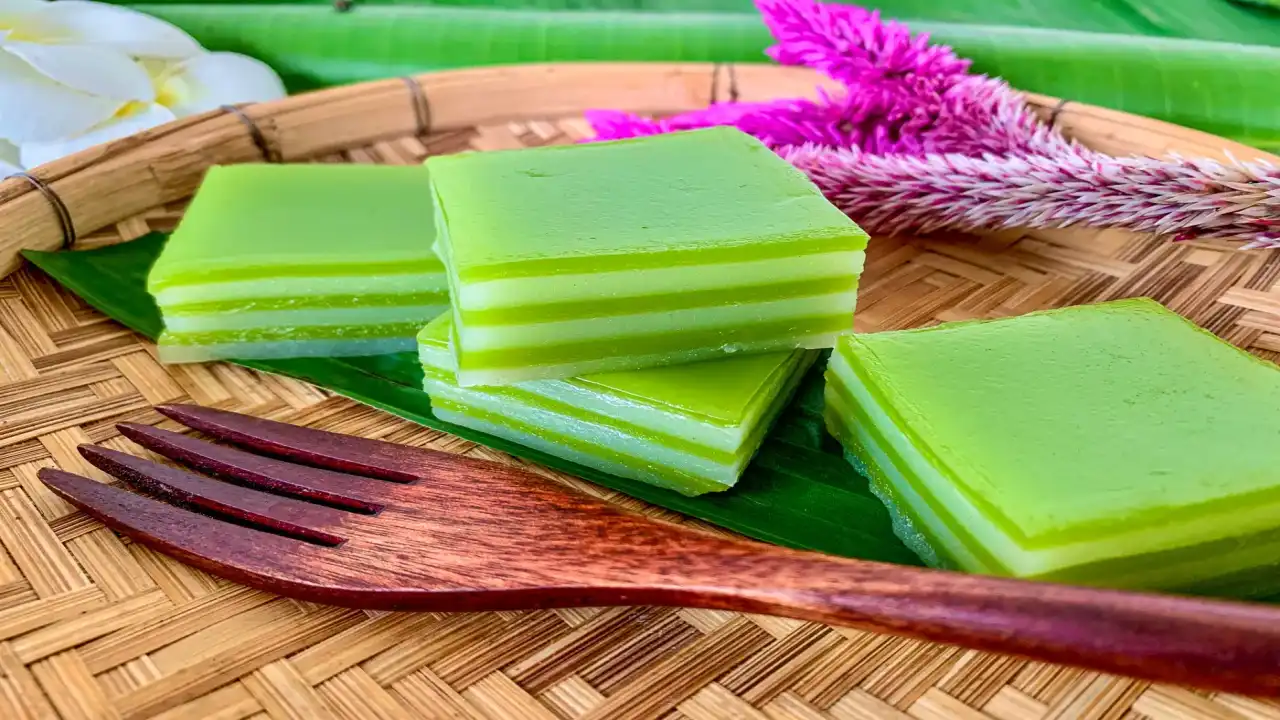
Only a few desserts can grab your attention before they even hit your plate. Khanom Chan is one of those. It's almost too pretty to eat, built up in colored layers.
The ingredients are fairly simple:
- Coconut milk
- Tapioca flour
- Sugar
The texture is soft, slightly chewy, and surprisingly satisfying. Each layer is steamed separately, which takes time and patience. That's one reason this dessert is often associated with celebrations and special occasions.
5. Lod Chong Thai
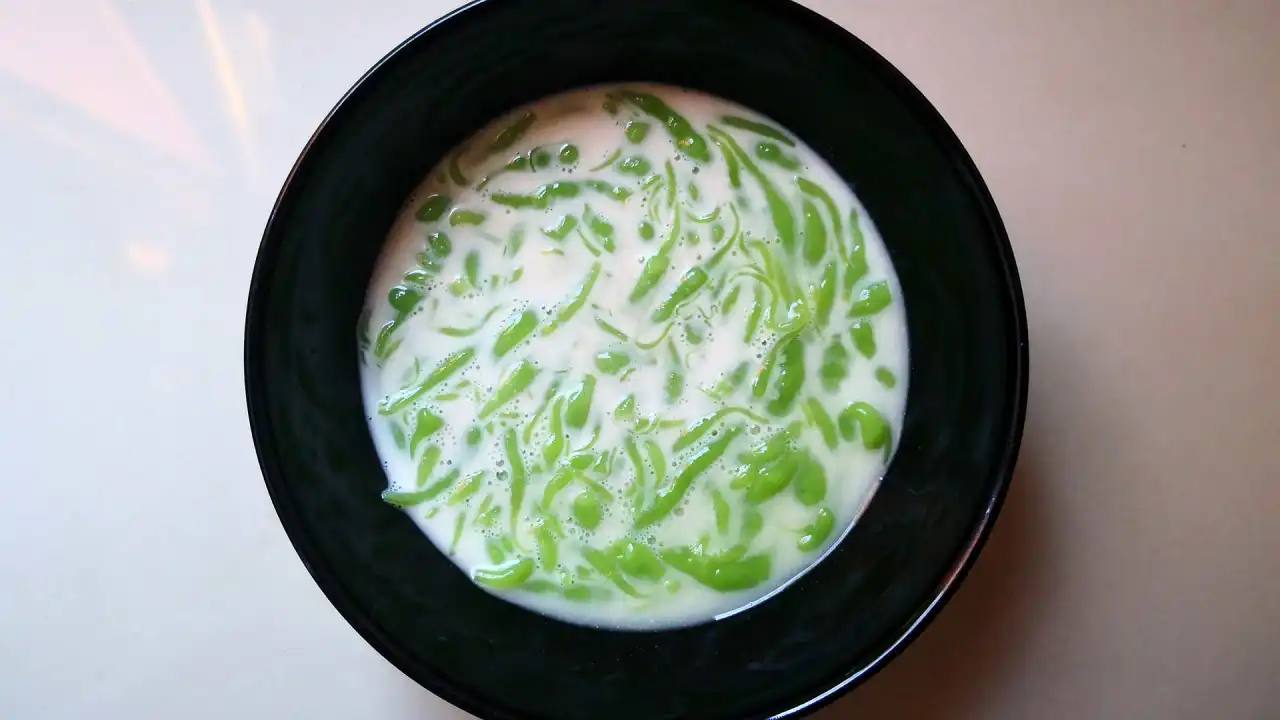
Thailand gets hot. That's probably why desserts like Lod Chong Thai remain so popular.
It contains:
- Green rice flour noodles
- Coconut milk
- Palm sugar syrup
- Crushed ice
The green color comes from pandan leaves, which give it a gentle aroma. It's part dessert, part refreshing drink, and exactly the kind of thing people crave after spending hours outdoors.
6. Khanom Krok (Coconut Pancakes)
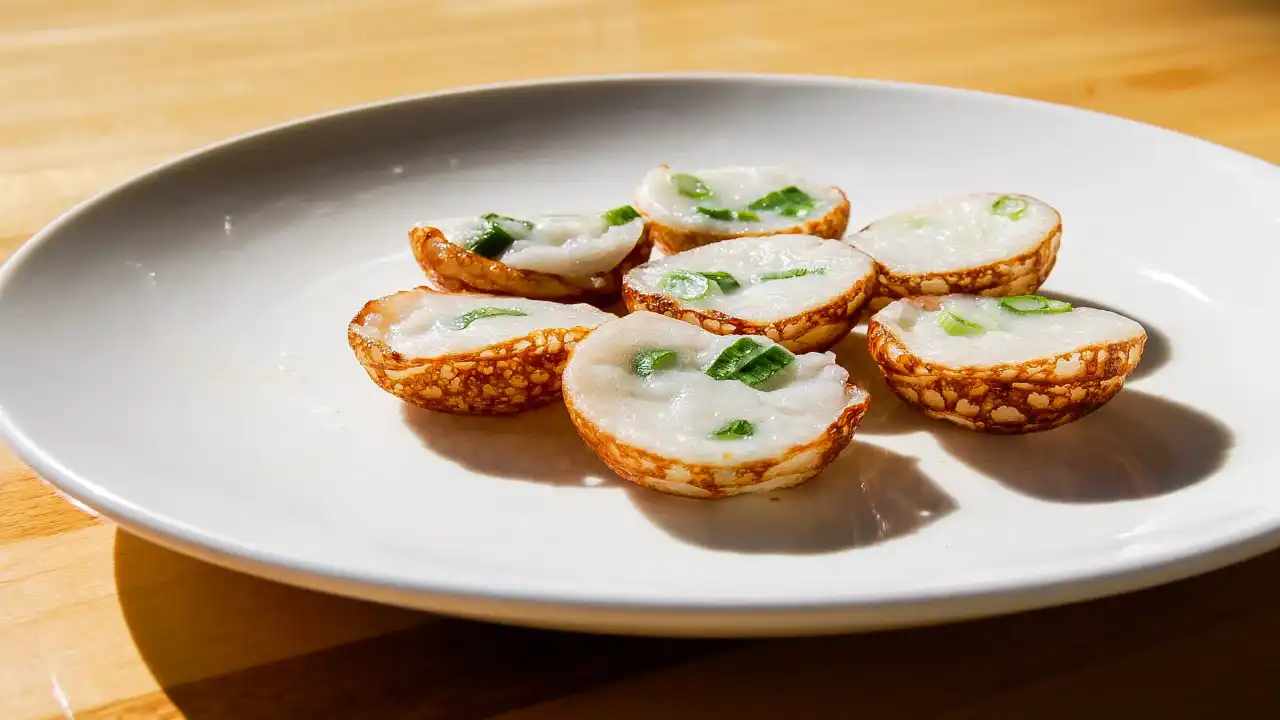
To see the making of Khanom Krok is almost as pleasurable as eating it. Vendors pour batter into special round pans, and then gently cook each one until the outside is just crisp while the middle of it stays creamy.
Traditional ingredients include:
- Coconut milk
- Rice flour
- Sugar
Some stalls also add:
- Corn
- Pumpkin
- Taro
- Green onions
Freshly made versions are hard to beat. The contrast between the crispy edge and soft center is what keeps people coming back.
7. Foi Thong (Golden Egg Threads)
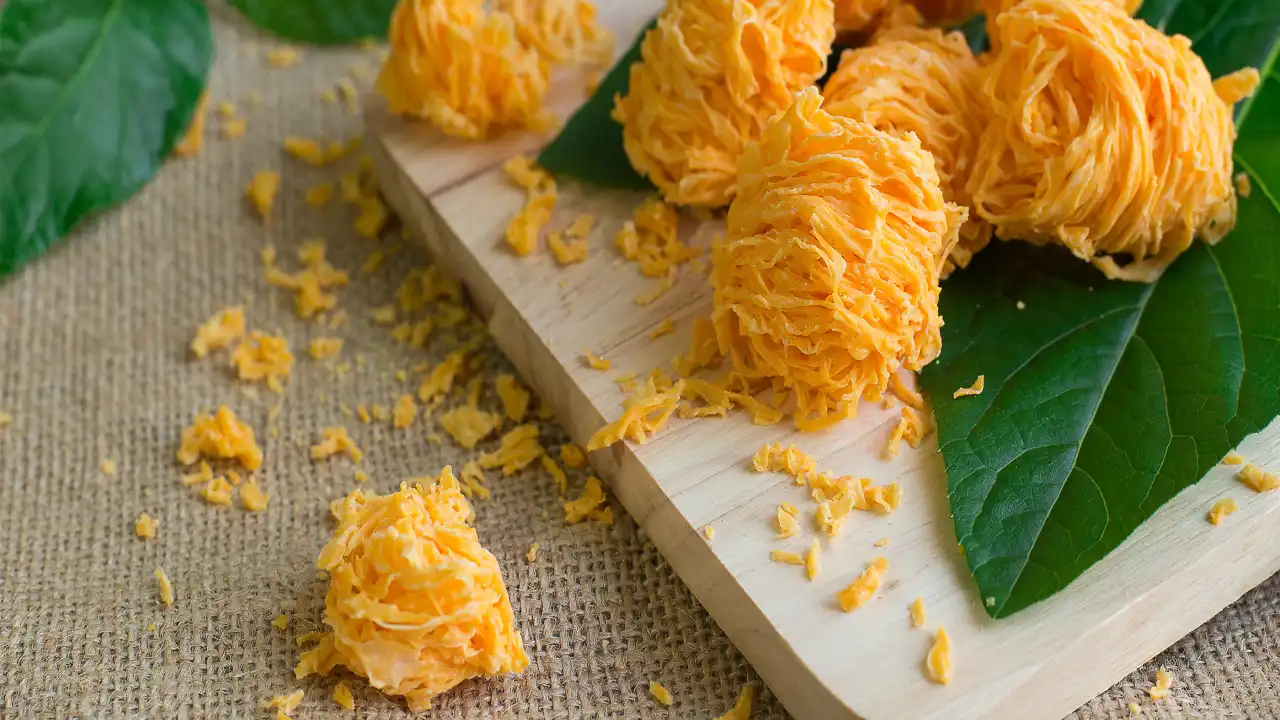
Out of countless Traditional Thai desserts, this is probably the most elegant-looking one. Foi Thong is created by streaming egg yolk over warmed syrup that produces long golden strands so thin they look like spun gold thread. It is quite skillful work. The outcome is dense, creamy, and mellow (texturally different from most desserts tourists are familiar with). They're considered bringers of luck and fortune, which is why you'll see them at weddings and anniversaries, as well as the strands being long and gold in color.
Pro Tip
Try to find a freshly prepared version from a local market. The texture tends to be softer and more enjoyable.
8. Bua Loy
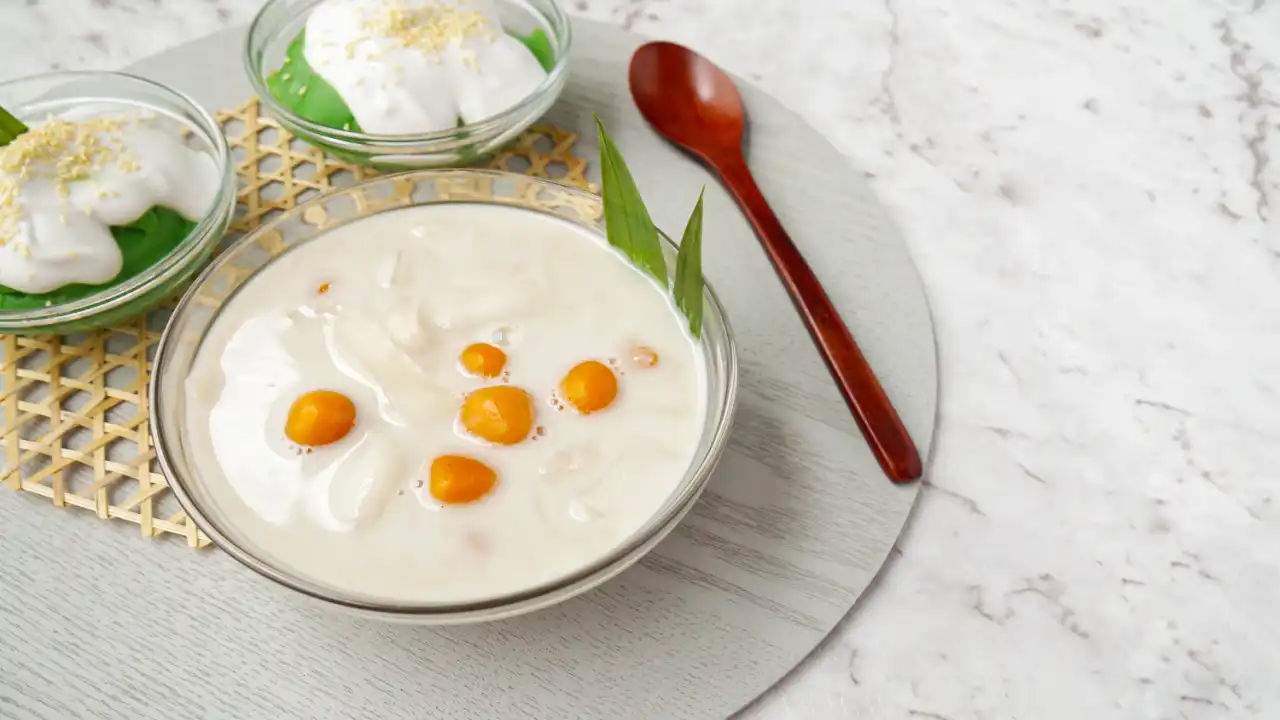
Not every dessert has to be flashy. Bua Loy is simple, comforting, and loved by many locals. It consists of colorful rice flour balls served in warm coconut milk. The dumplings are soft and chewy, and the coconut milk adds a gentle sweetness.
Depending on where you order it, you might also find:
- Sweet corn
- Taro
- Coconut cream
- Soft-cooked egg
It's the kind of dessert that feels especially satisfying after a long day of sightseeing.
9. Khanom Tom
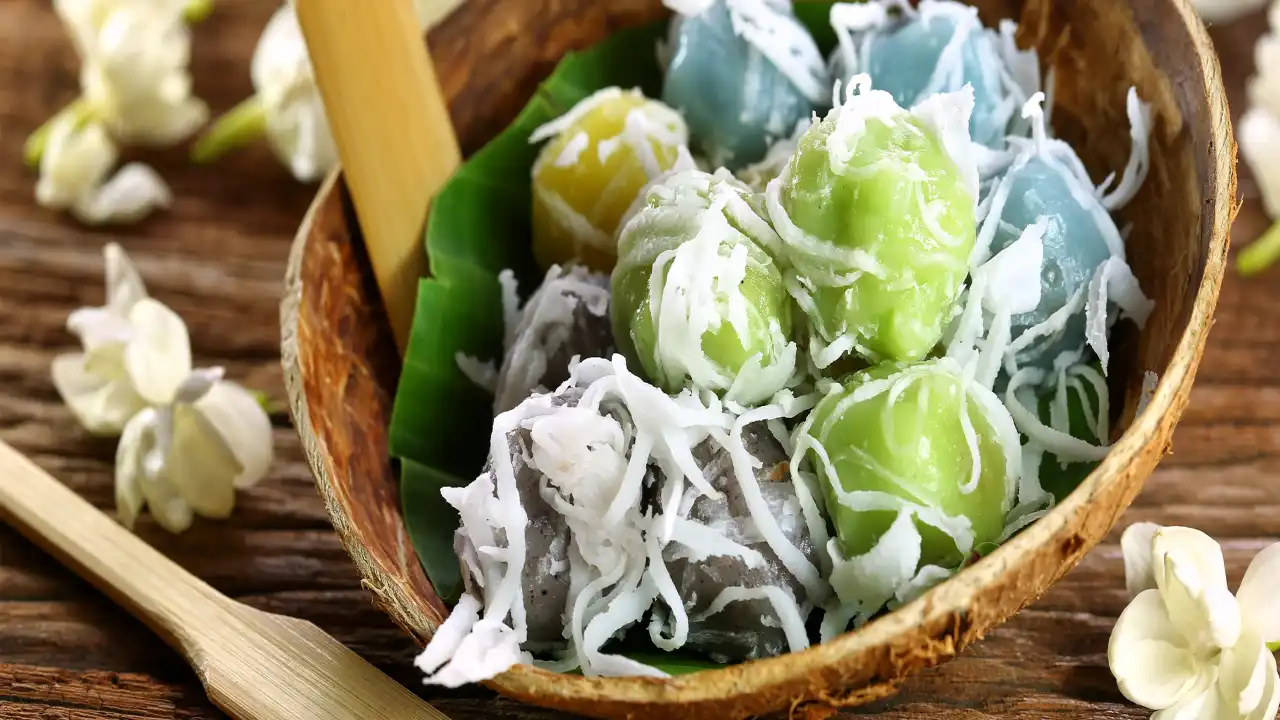
Coconut fans should definitely look out for Khanom Tom. These chewy rice balls are filled with sweet coconut and then coated in fresh coconut flakes.
The ingredients aren't complicated:
- Glutinous rice flour
- Coconut
- Palm sugar
- Coconut flakes
Yet the flavor feels rich and satisfying. Sometimes the simplest desserts end up being the most memorable.
10. Thapthim Grob Coconut Delight
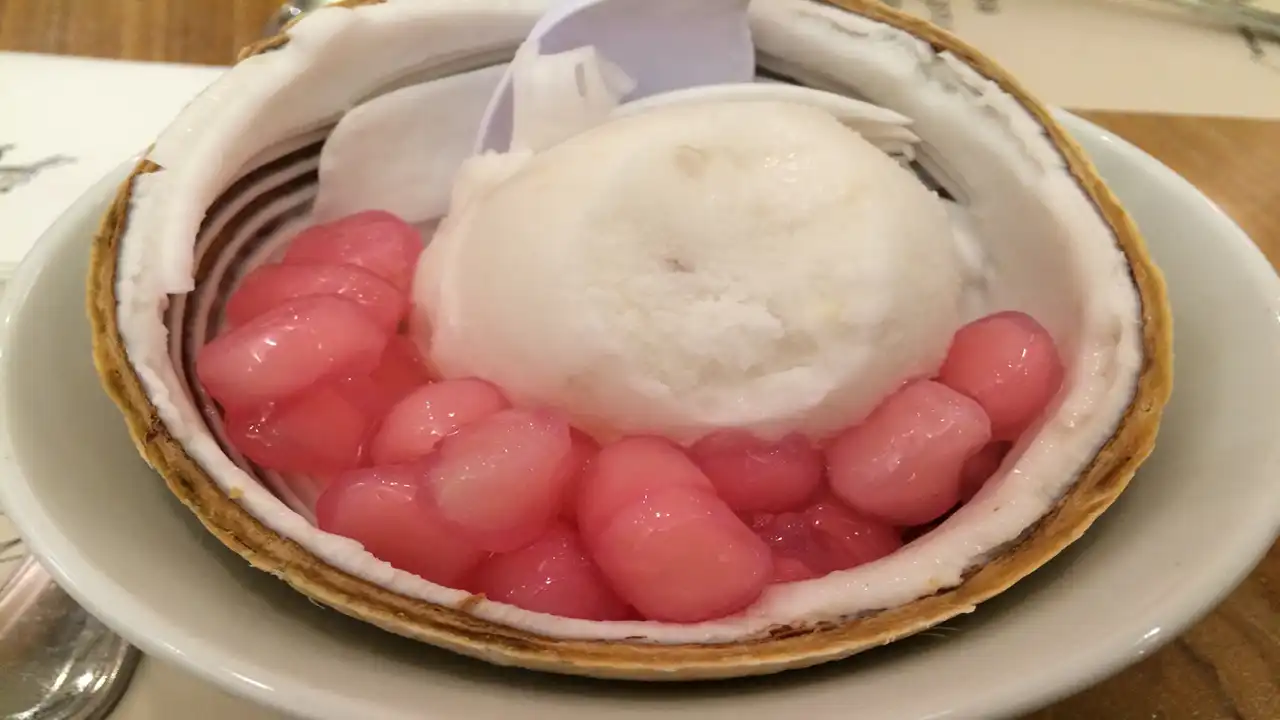
This dessert shares a few similarities with Tub Tim Krob, though it leans more heavily into coconut flavors.
You'll typically find:
- Water chestnuts
- Coconut cream
- Sweet syrup
- Ice
The extra creaminess gives it a richer taste while still keeping it refreshing. It works particularly well on hot days when heavier desserts feel like too much.
Why These Desserts Stand Out
Thailand's sweets have a different personality compared to many Western desserts. A few reasons explain why.
Fresh Ingredients
Many recipes rely on:
- Coconut milk
- Tropical fruits
- Palm sugar
- Pandan leaves
- Rice flour
The flavors often feel lighter and less heavy than desserts loaded with butter or cream.
Balance Matters
Thai sweets usually aren't trying to overwhelm you with sugar.
Instead, they focus on:
- Texture
- Freshness
- Creaminess
- Gentle sweetness
That balance is part of their appeal.
Cultural Traditions
Many desserts are connected to:
- Festivals
- Religious ceremonies
- Weddings
- Family gatherings
Some have been around for generations, which gives them an extra layer of meaning beyond the ingredients themselves.
Where to Try Them
One of the best things about exploring desserts in Thailand is that you don't need a fancy restaurant.
Some great places include:
- Night markets
- Floating markets
- Street stalls
- Local cafés
- Family-run eateries
In places such as Bangkok, Phuket, Chiang Mai and Pattaya, there are plenty of possibilities to experience Popular Thai sweets prepared by sellers who have commonly mastered the exact same recipes for many years.
Pro Tip.
If you see a long line of locals standing in front of a dessert stall, normally that is a great sign. Getting hands-on good food isn't always the easiest.
Conclusion
Thailand's dessert culture is vastly underappreciated. In addition to the well-known savoury dishes, there is a diverse range of sweets based on coconut, fruit, and rice, as well as traditional cooking methods handed down for generations. It's more than simply indulging a sweet tooth to try these desserts. Another window to a land's culture, if you will, local-related ingredients much like when it comes to those everyday food things.
A few are pleasing and refreshing, while a few may seem strange at first but comforting. That's part of the fun. Next time you pass a market, stroll your local high street, or head out for something to eat after dinner during your international trip package, leave a little extra room for dessert; you never know what hidden favorite you might discover. Then the dessert, you don't know what it was, but a great one. The pudding where you find something, caramel & cream topping or chocolate custard which will be going to haunt your head till after a few months of the tour ends.
Tips for First-Time Dessert Lovers
A few simple tips can make the experience even better.
Start Simple
Begin with:
- Mango Sticky Rice
- Khanom Krok
- Tub Tim Krob
They're popular for a reason.
Visit Evening Markets
Many dessert vendors appear later in the day, and the variety tends to be better.
Try Seasonal Specialties
Fresh ingredients often make a noticeable difference.
Share Portions
Desserts in Thailand are perfect for sharing. You'll get to taste more without filling up too quickly.
Keep an Open Mind
Some sweets may look unfamiliar. Don't let that stop you. Quite often, the ones you weren't planning to try end up becoming favorites.