Offbeat Destinations in Assam for 2026 Travelers
Introduction
Most trips to Assam kind of follow the same pattern. You land, maybe spend some time in Kaziranga, pass through Guwahati, and add Majuli if you’ve seen a few reels, and that’s it. It works, honestly. But after a point, it starts feeling predictable. And if you’ve traveled even a little beyond the usual, you’ll get what we mean. You start craving places that don’t already feel “done.” Places where things aren’t planned down to the minute.
That’s where Offbeat places in Assam start making sense. Not the ones you bookmark because everyone else did, but the ones you end up liking without really expecting to. Travel in 2026 feels different anyway. People aren’t just trying to cover spots anymore. They want to sit somewhere longer than planned, talk to someone without rushing, maybe even get a little bored and oddly enjoy it. This blog isn’t about the famous checklist. It’s more about those quieter places that don’t show up loudly but somehow stay with you longer.
1. Haflong – Assam’s Only Hill Station, But Still Underrated
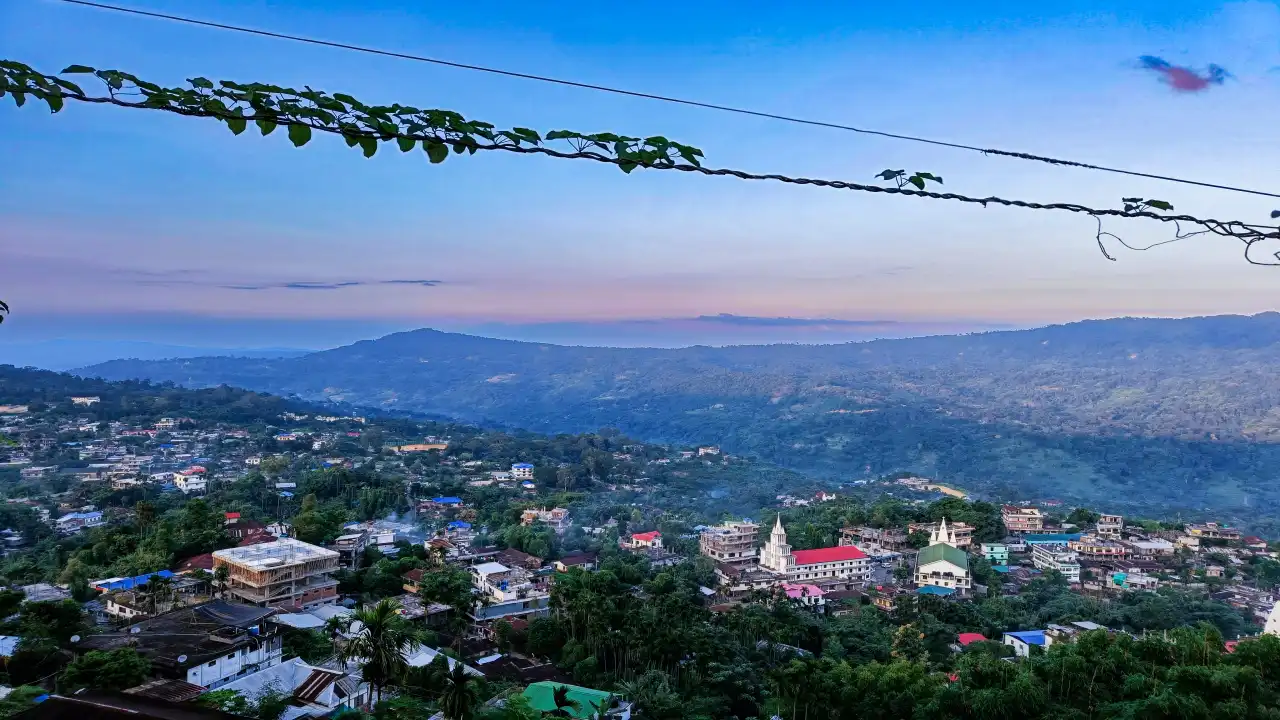
Haflong is strange in a good way. It’s a hill station, yes but it doesn’t behave like one. You’d assume cafés, crowds, traffic in narrow lanes, the usual hill station chaos. But it’s not like that. It’s quieter. Mornings here feel slow. Not in a forced way, just naturally. There’s often fog sitting on the hills, not dramatic, just there. You step out, maybe thinking you’ll go somewhere specific, and then you don’t. You just walk. And somehow, you end up near Haflong Lake without planning it. That’s the thing. Haflong doesn’t try too hard.
What makes it stand out:
- Clean air, genuinely peaceful surroundings
- Hills that aren’t crowded with viewpoints every 500 meters
- A glimpse into local tribal life without it feeling staged
Pro Tip: October to March is easier if you want clear views. Monsoon is beautiful too, but expect delays. Roads don’t always cooperate.
2. Majuli’s Quiet Side – Beyond the Popular Villages
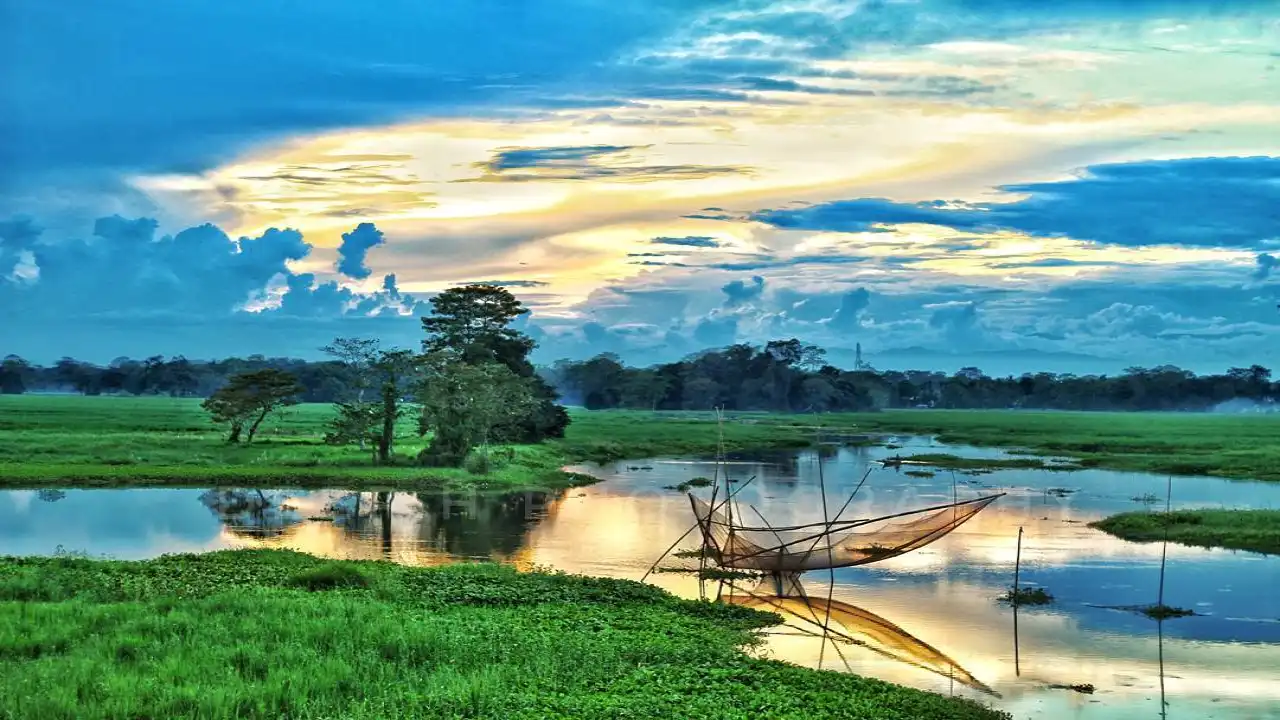
Majuli is not exactly unknown anymore. But most people see just one version of it and leave. They visit the main satras, click photos, maybe have lunch, and head back. Done. But if you stay even just one extra day, things shift a bit. Rent a cycle. Take a random road instead of the main one. You’ll start noticing smaller villages where nothing is set up for visitors. No one’s performing anything.
Life is just happening. Kids running around barefoot, someone fixing a boat, someone weaving quietly in a corner. It’s not “for show,” and that’s exactly why it works. This side easily falls under hidden tourist places in Assam, especially if you stop following a strict plan. Evenings here are different too. They end early. It gets quiet in a way that feels unfamiliar at first.
What stands out:
- Villages that feel untouched by tourism
- Slow, everyday life that you don’t have to “search” for
- Sunsets by the river that happen without any crowd
- A kind of silence that you don’t really get in most places anymore
Pro Tip: Stay in a homestay. Seriously. Majuli at night feels completely different from a quick daytime visit.
3. Sualkuchi – The Silk Village That Feels Like a Living Workshop
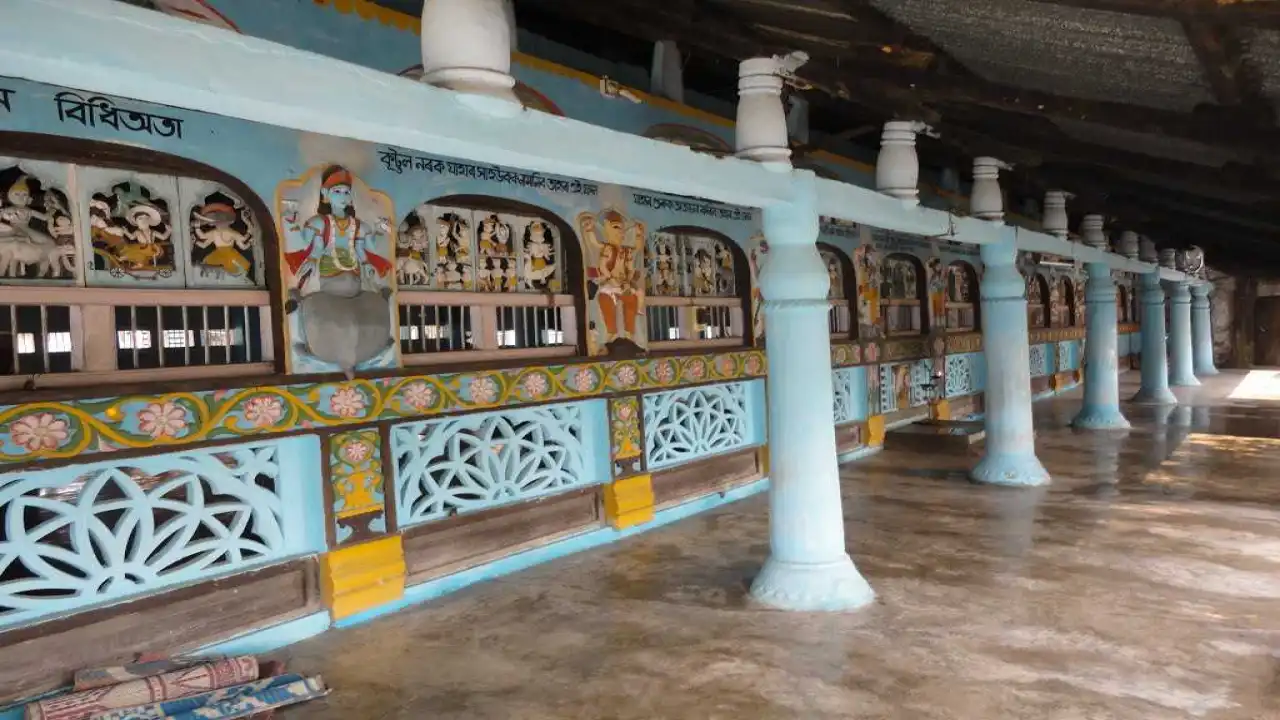
Sualkuchi isn’t the kind of place you go to for views. It’s not that. It’s more about watching something real happen. This is where Assam’s silk comes from, and not in a big industrial way. You’ll walk into homes, and there’s a loom right there. Someone working, focused, not really paying attention to you unless you start talking. It’s quiet work. Repetitive. Skilled. And honestly, kind of calming to watch. No one’s trying to sell you a “tourist experience.” It’s just their day.
Things you can do here:
- Sit and watch the weaving process (it takes patience, theirs and yours)
- Learn how different types of silk are made
- Buy directly from people who actually make it
You don’t need a full day here. Even a couple of hours feels enough.
Pro Tip: Mornings are better. That’s when most people are actively working.
4. Dibru-Saikhowa – Where Nature Feels Untouched

Dibru-Saikhowa is not dramatic in the usual way. No big “wow” moment right when you enter. And maybe that’s why it works. It’s quieter than most national parks. Less structured. You’re not constantly chasing sightings or ticking animals off a list. Sometimes you’re just there. Walking, or on a boat, and it’s silent except for small sounds, birds, water, and wind. Nothing loud. You might not see everything you hoped for. And weirdly, that becomes okay after a while. This is one of those unexplored destinations in Assam 2026 where the experience matters more than what you “get.”
What stands out:
- Rare birds if you’re paying attention
- Feral horses, if you’re lucky
- Landscapes that don’t feel crowded or controlled
Pro Tip: Carry binoculars. And don’t rush. Early mornings are worth waking up for here.
5. Chapanala – A Small Stop That Turns Into a Long Pause
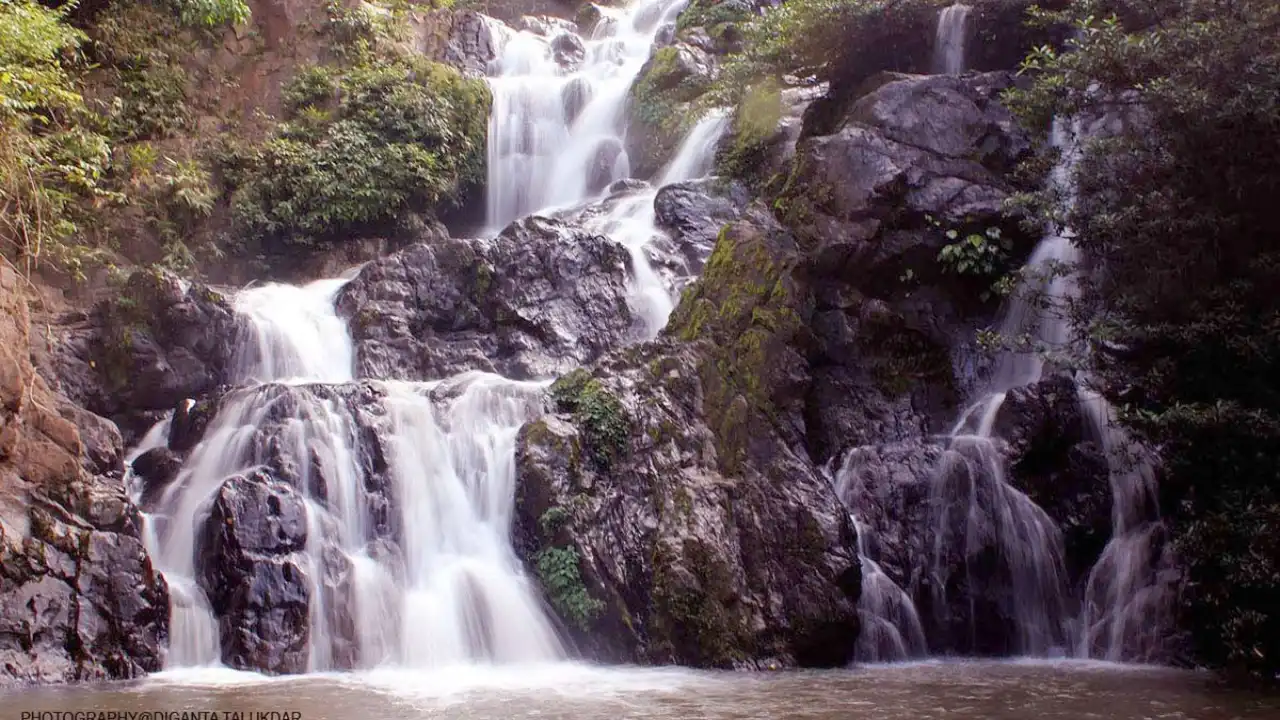
Chapanala is easy to miss. It’s not a major destination, not something you plan your trip around. But if you do stop here, it kind of grows on you. There’s a small waterfall, some greenery, and not much else. No big setup, no loud crowd. Just a place to sit. You might tell yourself, “Okay, 20–30 minutes.” And then an hour passes. Maybe more. Because nothing is pushing you to leave.
Why people like it:
- It’s simple, not overdeveloped
- Good for a break if you’re on the road
- Feels calm without trying too hard
Pro Tip: Bring snacks or water. Facilities are limited, and that’s part of the charm.
6. Barak Valley – A Different Side of Assam
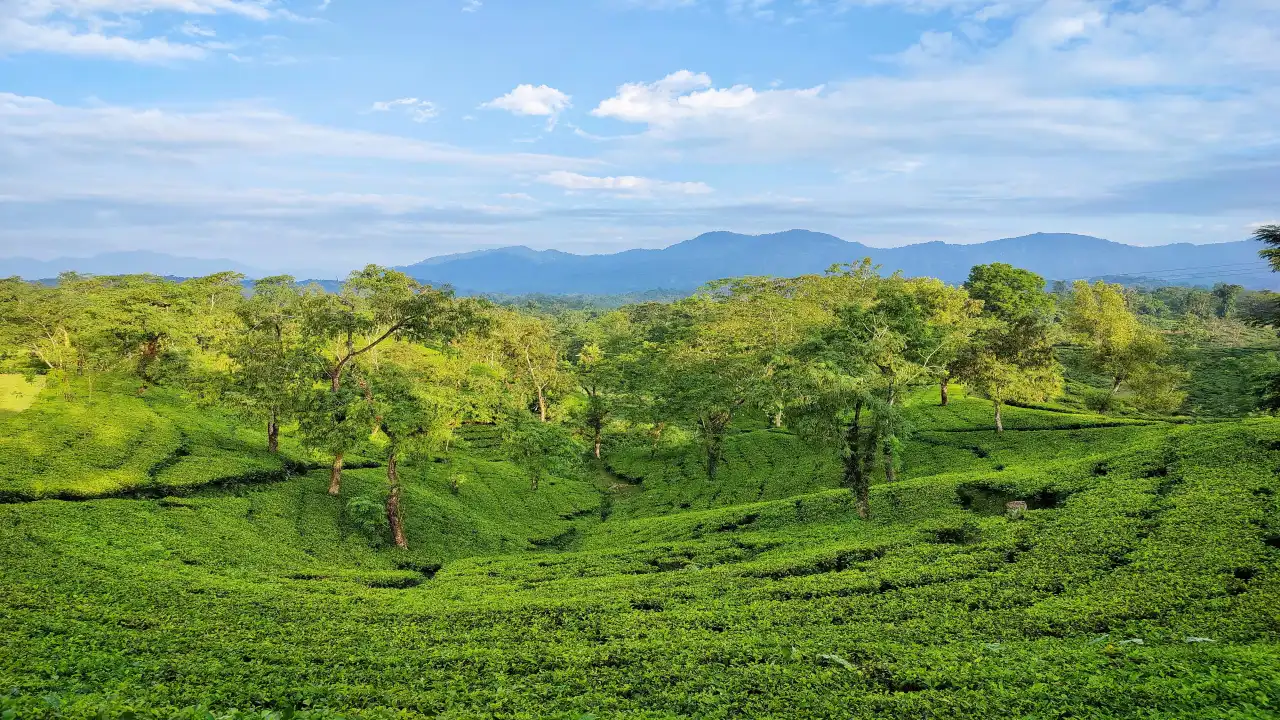
Barak Valley feels like a completely different chapter of Assam. Less talked about. Less visited. And honestly, that’s probably why it still feels untouched. Places like Silchar are here, but the real experience is outside the main town areas. Smaller roads, slower days, fewer distractions. Even the food feels slightly different. The culture, too. It’s not drastically different, but enough that you notice. You don’t “cover” Barak Valley. You move through it slowly.
What stands out:
- A mix of cultures that feels distinct from upper Assam
- Everyday life that isn’t shaped around tourism
- Fewer people, more space to just be
Pro Tip: Keep your plans loose here. Overplanning doesn’t work in places like this.
7. Panimur Falls – Assam’s Hidden Power Spot
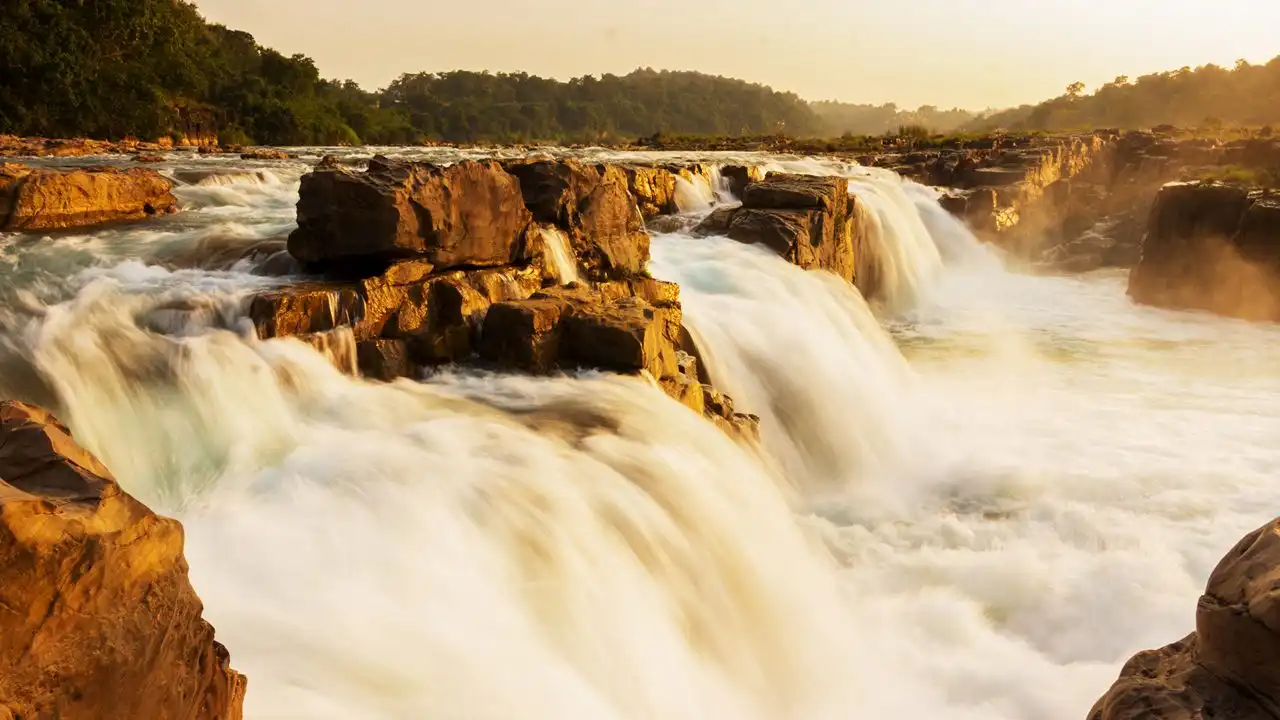
Panimur Falls has a different kind of energy. It’s loud. The water hits hard. You can hear it before you fully see it. And when you do see it, it’s not perfectly managed or polished. It feels raw. A little unpredictable, even. People call it the “Niagara of Assam,” but it doesn’t feel like a comparison. It has its own presence. And surprisingly, it’s not overcrowded. You can actually stand there, take it in, and not feel rushed or squeezed into a corner.
Things to keep in mind:
- Monsoon makes the falls stronger (and more intense)
- Rocks can be slippery, so move carefully
- It’s more about observing than doing activities
Pro Tip: Go early. Even smaller crowds start building later in the day.
Planning Your Trip the Right Way
Offbeat trips don’t work well with tight schedules. That’s just how it is. If you try to rush through these places, they’ll feel underwhelming. Almost like you missed something, even if you didn’t. Better to slow it down.
Try this instead:
- Keep buffer days (seriously, don’t pack everything)
- Stay longer in fewer places
- Ask locals for suggestions; they usually know better than Google
Some travelers do check North East packages, especially if they’re unsure about routes. Just make sure it’s not one of those rushed itineraries.
What Makes These Places Worth It
Offbeat travel isn’t really about “finding hidden gems” anymore. That sounds nice, but it’s not the full picture. It’s more about how you spend your time. You won’t get perfect roads. Or perfect timing. Plans will shift. But you’ll get small moments that feel real.
Like:
- Sitting somewhere and losing track of time
- Talking to someone without thinking about what’s next
- Staying longer just because you feel like it
Those things don’t show up in itineraries but they’re usually what you remember later.
Conclusion
Assam has always had more layers than what people usually see. The popular spots are good, no doubt. But the quieter ones, the ones that don’t try to stand out, those are different. In 2026, travel feels less about ticking places off a list and more about how you actually experience them. And these places give you that space. So yeah, if you’re planning a trip, don’t just follow the usual route.
Sometimes, the places that don’t try too hard end up being the ones you think about much later. And if planning everything on your own feels a bit too much, you can always explore a few domestic trip packages that include these quieter spots. Just make sure they’re not rushed, because places like these need a little time to really sink in.