Sacred Places in Nepal That Inspire Travelers
Introduction
Some trips are just about checking places off a list. You visit the sights and take the photos and eat the local food, and then you move on. That can just be a trip of that nature to Nepal as well. But for many, it becomes something different. Perhaps the sound of morning air filled with temple bells. Perhaps it's the colorful prayer flags lining paths across peaks. Or perhaps it's the reaction time of the world giving you a break, tempting you to step away from your phone every couple of minutes.
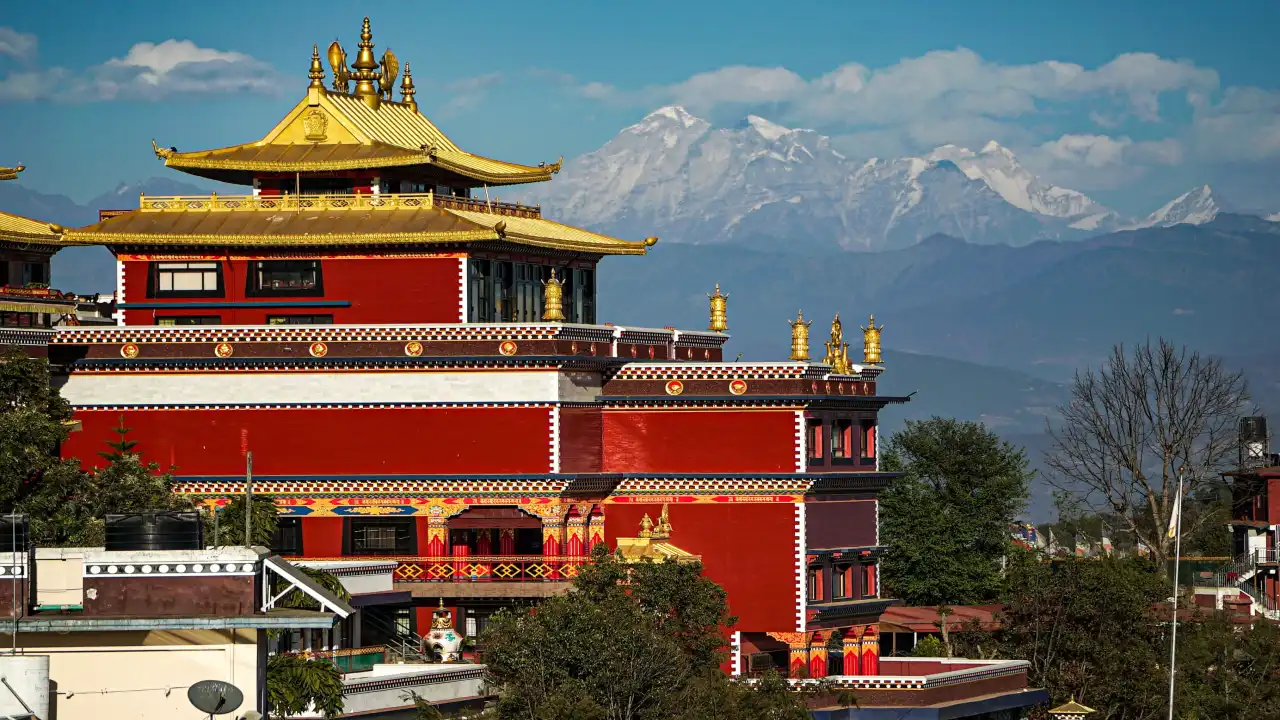
Sitting between India and China, Nepal is known not only for its mountains but also for its deep spiritual roots. Travelers come here to experience sacred places in Nepal, with easy access to ancient traditions and destinations that have been popular with pilgrims for centuries. Some arrive with religious intentions. Others are simply curious. Both usually leave with stories worth telling.
Why Nepal Is a Spiritual Destination for Travelers
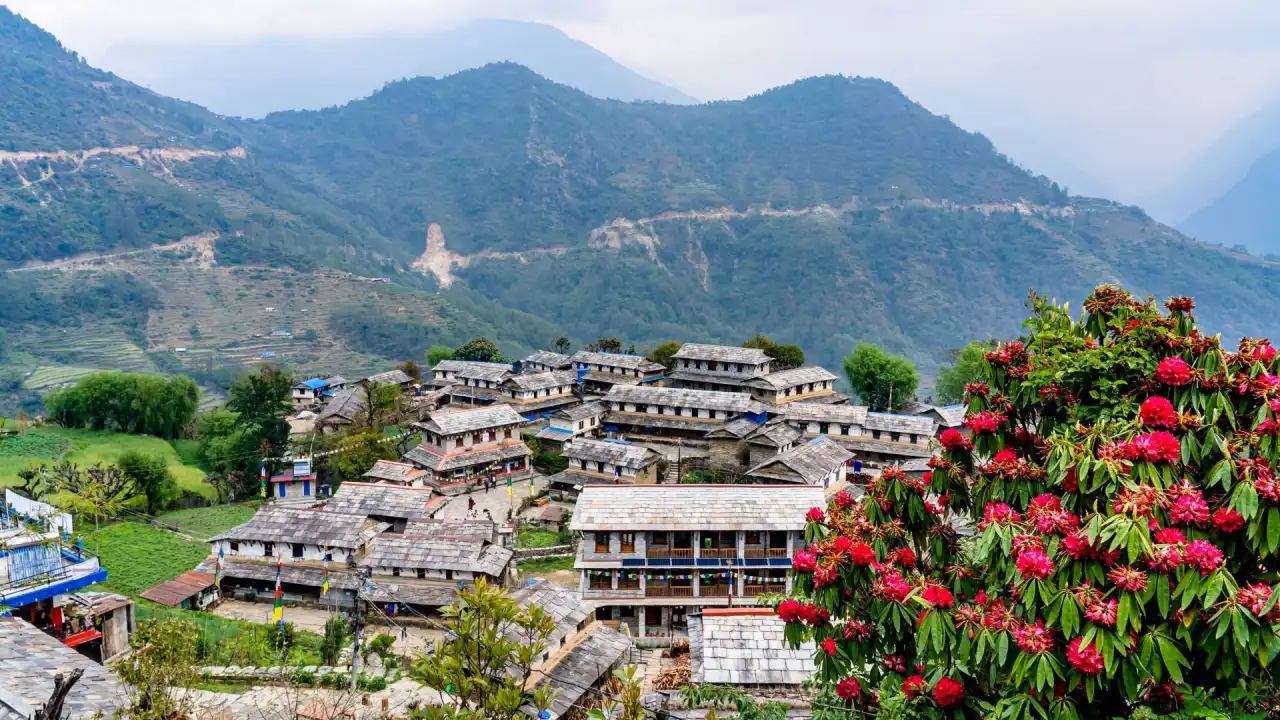
Nepal isn't just about temples; what that belies is the spirituality. It seems like an essential fabric of, you know, day-to-day life. It could be a little shrine by a busy road. They show up in random places, prayer flags, as people pray and go on about their daily chores. Certainly these little things can pass you by quickly if you're in search of bigger catches, but they are everywhere around us. Nepal's chief spiritual claim is that it is the home of Lord Buddha. The birthplace of Lord Buddha is a hit with pilgrims arriving from around the globe. Simultaneously, Nepal is where some of the holiest places in Hinduism are located.
It also houses a few UNESCO monuments that have stood witness to the time we live in, & where faith and heritage still coexist. These are not some time capsules of museums. That is why people come here to pray, to celebrate festivals, and for traditions that have been carried down through generations. Then there are the Himalayas. Even (potentially non-spiritual) travelers often find something different about standing in front of those great peaks. The breadth of silence in the mountains encourages thought. For those inclined to know a little more about this part of the country, an excellent Nepal pilgrimage travel guide can tie all three, culture, history and religion together.
Top Sacred Places in Nepal
Pashupatinath Temple, Kathmandu
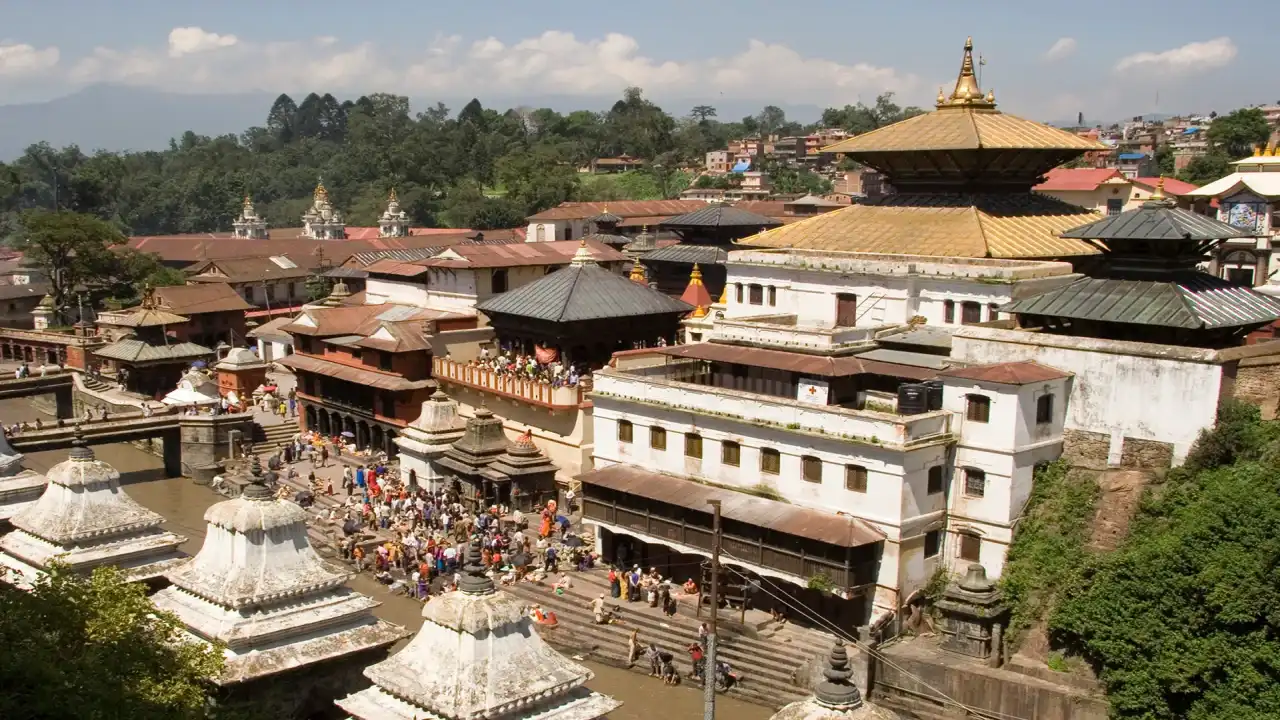
If one temple summarizes Nepal's spiritual energy, then it is Pashupatinath. This sacred temple dedicated to Lord Shiva attracts pilgrims throughout the year. located next to the Bagmati River in Kathmandu. On Maha Shivratri, the crowds are massive, but not just then even on a calm day, worshippers arrive and leave.
This is something that astonishes many first-time visitors and bears witness to the cremation rituals along the river. It can even be emotional and raise questions in people. To residents, this is a feature of life and faith. It is also probably one of the places that travelers remember most from their visit. The atmosphere is different at can early and late in the day, but it feels particularly zen here at sunrise. Fewer crowds mean hearing chants, watching rituals prep, and taking all in at the pace of your choosing.
Pro Tip
- Visit before 9 AM.
- Dress respectfully.
- Be mindful when taking photographs near religious ceremonies.
Lumbini – Birthplace of Buddha
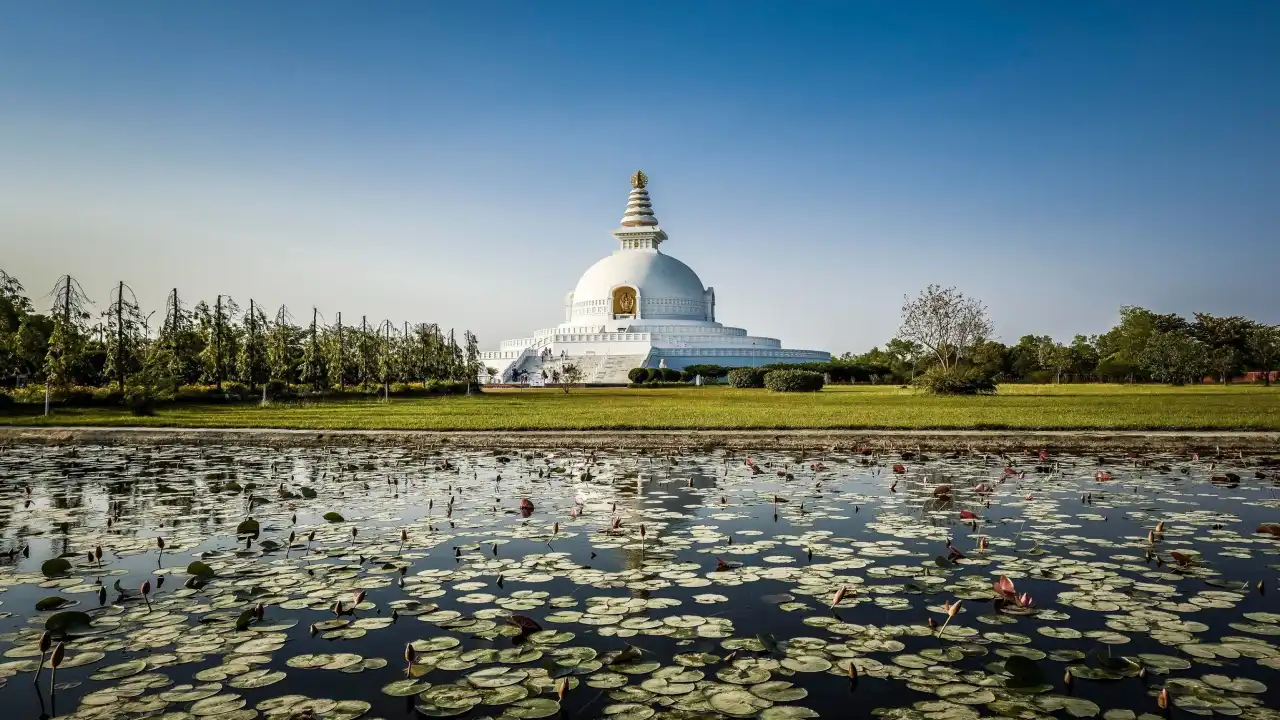
Lumbini doesn't overwhelm you. That way, they'd remember it more (and that's why they do). This was the birthplace of Lord Buddha, and it has such significant importance throughout the world, yet this region is serene. And Maya Devi Temple, which marks the actual birthplace, remains the principal attraction for pilgrims.
On the other side is the Monastic Zone, consisting of monasteries that are constructed by different nations. It's interesting to walk as each Monastery has comparable architecture as well as cultural Buddhist interpretation. The most notable thing is not a building. It's the atmosphere. Wide pathways, serene gardens, and open spaces provide an unexpected feeling of peace to most visitors. You can spend hours without doing a lot and somehow that feels like the right way to experience it.
Pro Tip
- Rent a bicycle to explore the area.
- Set aside a full day if possible.
- Spend time in the meditation gardens rather than rushing between sites.
Muktinath Temple, Mustang
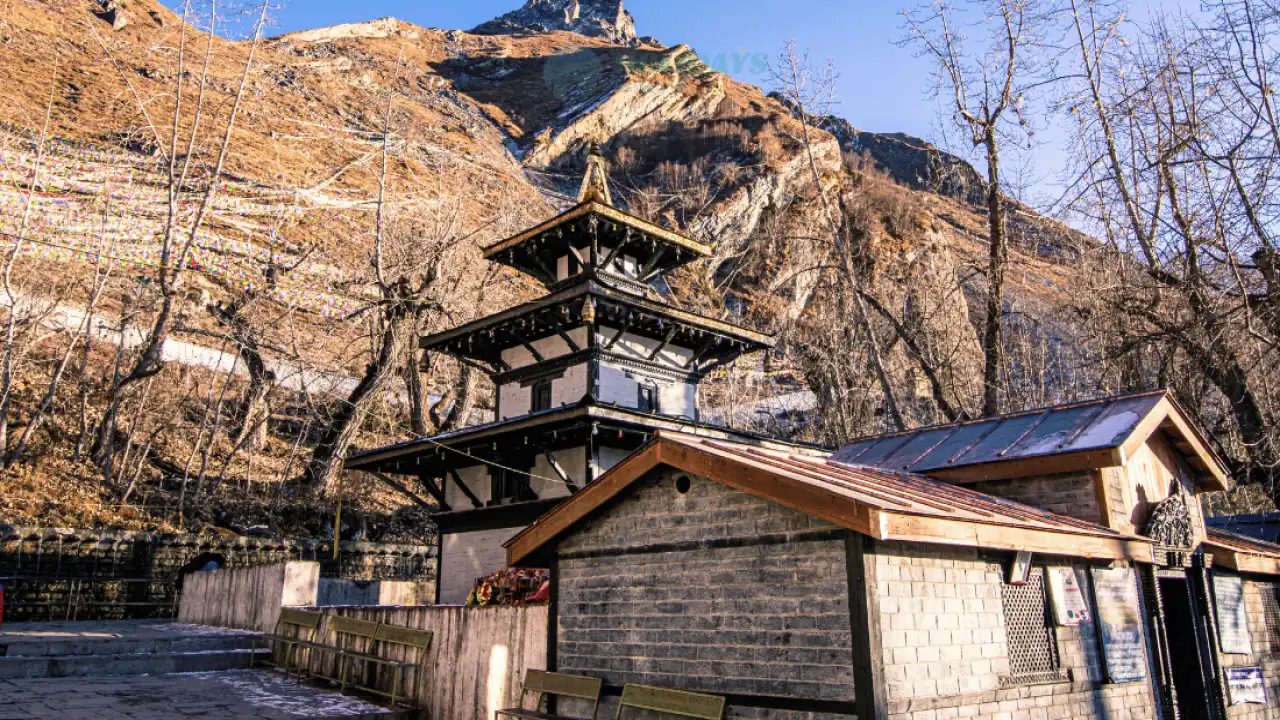
Getting to Muktinath takes effort. That's part of its appeal. Located high up in the Mustang area, this temple has important significance for both Hindus and Buddhists. Numerous devotees hold that the visit to Muktinath draws them nearer to spiritual freedom. The most well-known feature is the row of 108 water spouts where worshippers purify themselves.
Sometimes these come in very low temperatures, but people continue the tradition. The area surrounding Muktinath is as important to experience as the deity himself. The Rocky Mountains, remote and isolated villages, curved roads, in some cases, the journey is as significant as the destination. Travelers often talk about Muktinath differently from other temples. Not because it is more grand, but because getting there feels like an accomplishment.
Pro Tip
- Take time to acclimatize.
- Carry warm clothing year-round.
- Keep an eye on weather forecasts before traveling.
Swayambhunath Stupa (Monkey Temple)
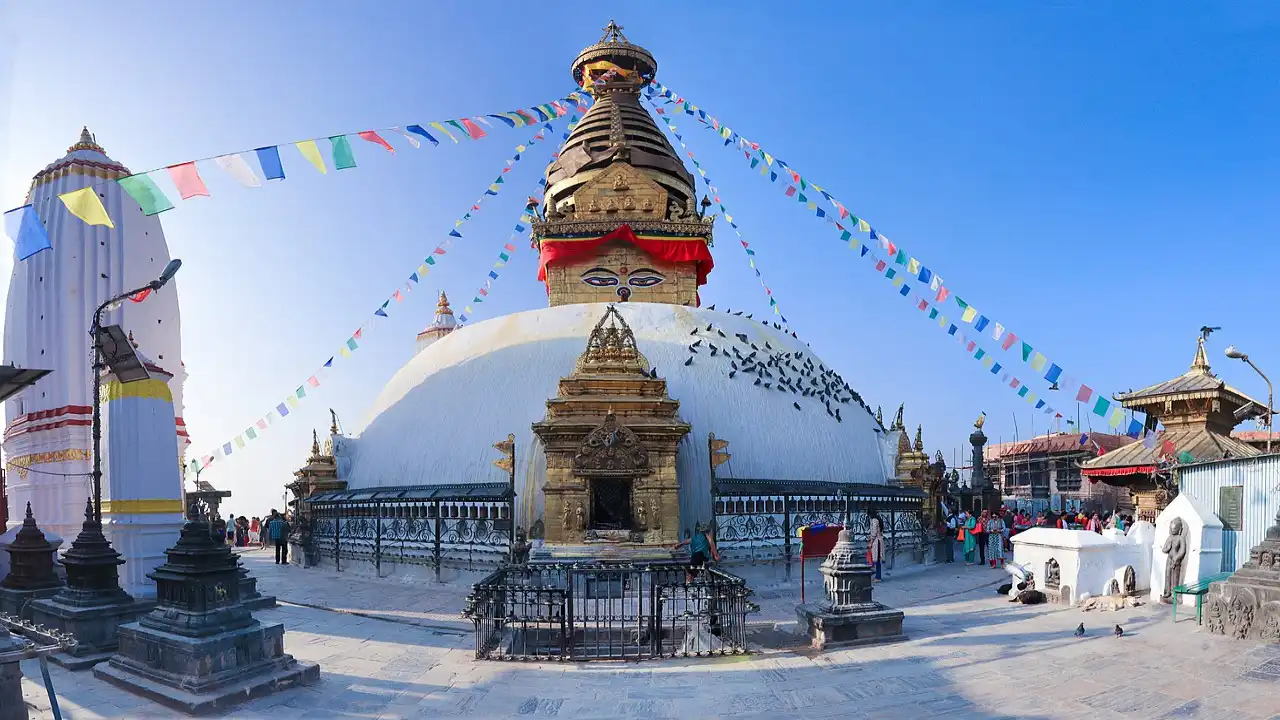
If you ask someone about a view over the city of Kathmandu, then there is a good chance that they will mention Swayambhunath. Perched on a hilltop, the Buddhist site combines spirituality with some of the best urban views in Nepal. To get to it requires scaling a long flight of stairs, a little bit of a workout when it's hot outside. You will also pass prayer wheels, shrines and monkeys as you walk. Lots of them.
At the top, there's the iconic stupa with its omnipresent Buddha eyes peering out over the valley. Pilgrims walk around the monument and turn their prayer wheels as they go, while visitors find that they stay longer than anticipated. Somewhere you come for the view, but stay for all of it. From a cultural and scenic standpoint, this is easily one of the most rewarding spiritual sites to visit in Nepal.
Pro Tip
- Visit at sunrise if possible.
- Wear comfortable shoes.
- Don't carry food openly around the monkeys.
Boudhanath Stupa
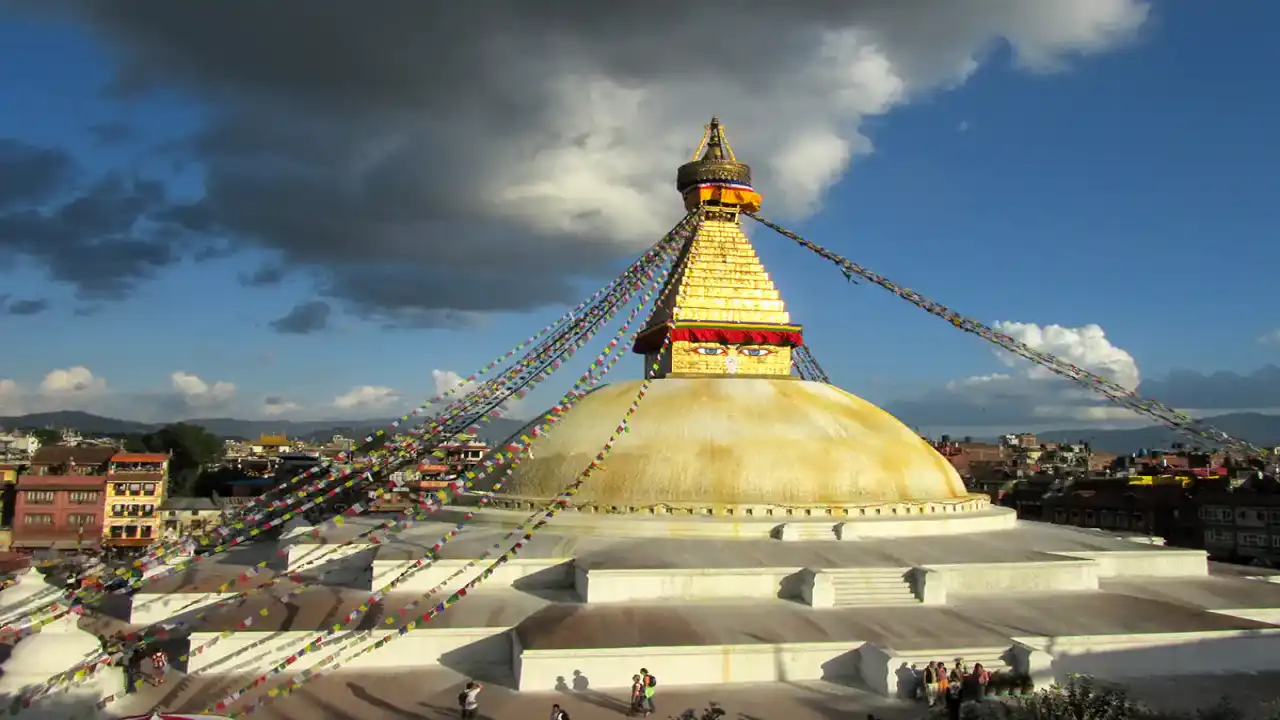
Boudhanath is a short distance from Kathmandu, but a completely different world. The white stupa dominates the skyline and immediately upon arrival, you feel that things are much slower around here. Gentle onlookers, monks, pilgrims and tourists alike circle the monument spinning prayer wheels; they read prayers in unison.
You might not know every ritual, but the mood is catchy and you needn't know it all. All good, come and sit for a while. It is located in a classic Tibetan neighborhood. The streets surrounding the stupa are filled with small cafes, monasteries, and shops where guests can sort of get lost in the ambiance and catch their breath. Some people just come for an hour, but then they sit and stay longer.
Pro Tip
- Visit during the evening prayer period.
- Walk clockwise around the stupa.
- Find a rooftop café for a different perspective.
Manakamana Temple
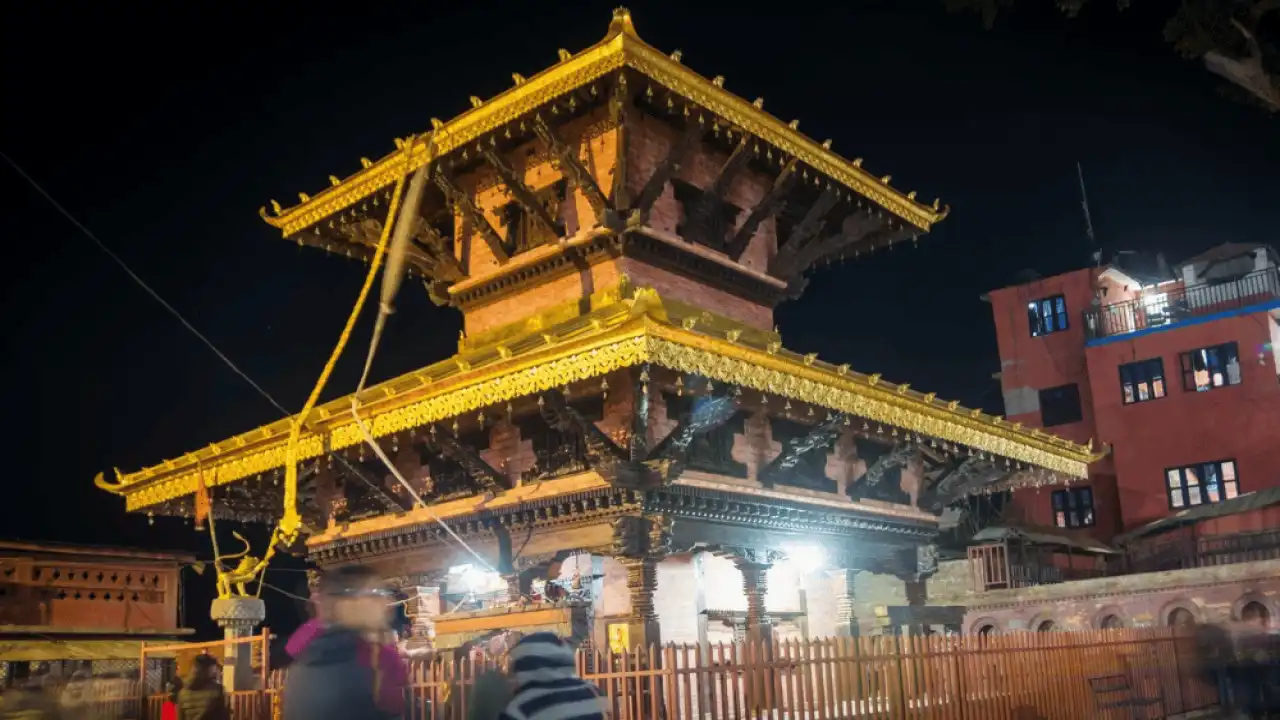
Manakamana is famous for the temple itself and more. A significant part of the experience is a cable car ride to the hilltop shrine. You quickly become the main event, long before your feet ever touch down, and soon you're soaring over valleys and forests. It is worshiped as the goddess Manakamana who is believed to grant the wishes of devotees.
From here, thousands of devotees come throughout the year to take blessings. The place attracts thousands of visitors throughout the year, who come seeking blessings. If there is one famous temple in Nepal which seem accessible yet special at the same time, that feels quite accessible and also special at the same time
Pro Tip
- Arrive early on weekends.
- Check cable car timings beforehand.
- Carry drinking water with you.
Best Time to Visit
October to March is generally considered the best period for visiting Nepal's spiritual destinations. The weather is pleasant, the skies are clearer, and travel is usually more comfortable. Mountain views are also at their best during these months. Festival seasons add another layer to the experience.
Maha Shivratri
Pashupatinath becomes one of the busiest religious sites in the country, attracting devotees from Nepal and neighboring regions.
Buddha Jayanti
Celebrated across Nepal, this festival is especially meaningful in Lumbini, where visitors can witness special ceremonies and cultural events.
Pro Tip
- Book hotels early during festival periods.
- Expect larger crowds at major sites.
- Leave room in your schedule for unexpected local events.
How to Plan a Spiritual Trip to Nepal
A week is usually enough to cover the major destinations without feeling rushed.
Sample 5–7 Day Itinerary
Day 1–2
- Pashupatinath Temple
- Boudhanath Stupa
- Swayambhunath
Day 3–4
- Lumbini
- Maya Devi Temple
- Monastic Zone
Day 5
- Manakamana Temple
Day 6–7
- Muktinath, if time allows
Some travelers prefer independent travel, while others find Travel junky Nepal tour packages more convenient because transportation and accommodation are arranged beforehand.
Pro Tip
- Keep a spare day in your schedule.
- Domestic flights can save time.
- Start sightseeing early each day.
Conclusion
Nepal offers something that isn't always easy to find in modern travel. It allows people room to take their time. Standing next to the Bagmati River, through the peaceful gardens of Lumbini, watching prayer flags flutter beside a stupa, and making your way toward Muktinath in the mountains, each place evokes a somewhat different feeling. Certain pilgrims arrived looking for faith. Others come for the culture, the history, or just plain curiosity.
Whatever reason brings you here, Nepal inherently transforms a momentary journey into something more significant. If you're exploring different holiday options, many travelers compare Nepal with other International Packages before deciding which experience suits them best. And that's probably why the majority depart already thinking about when they'll return. So what are you waiting for? Book your trip with Travel Junky now.
Travel Tips for Visiting Sacred Sites
A few simple habits can make your visit smoother.
Keep These in Mind
- Dress modestly.
- Remove shoes where required.
- Ask before photographing people.
- Carry small cash notes for donations.
- Respect local customs and rituals.
- Speak quietly inside prayer areas.
Pro Tip
- Early mornings are usually the most peaceful.
- Carry a reusable water bottle.
- Keep a light scarf handy for temple visits.