Secret Villages of Meghalaya Worth Exploring
Introduction
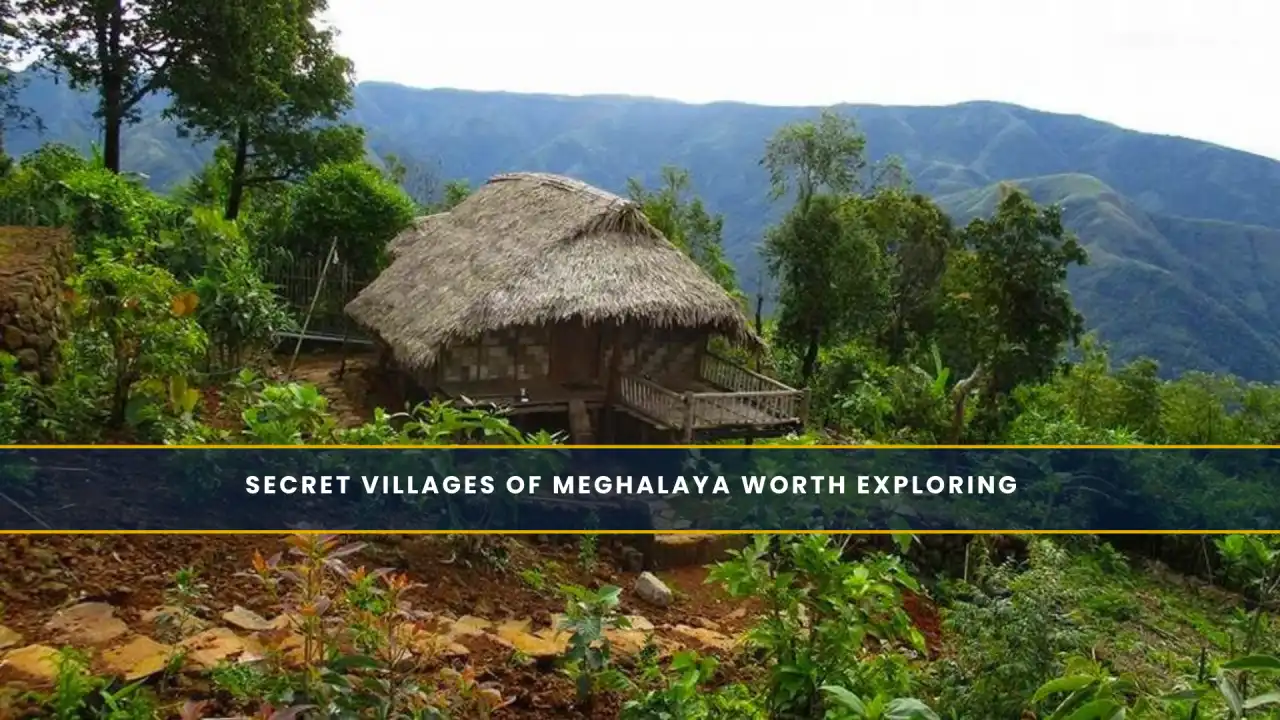
Most people travel to Meghalaya in a pretty predictable way. You land in Shillong, head to Cherrapunji, maybe squeeze in Dawki, click a lot of photos, and that’s that. It works. It’s a good trip, honestly. But at some point, usually when you’re on your way back, you start wondering if there was more you missed. And there usually is. Because the real side of secret villages in Meghalaya isn’t always on the main route. It’s a little off. A little quieter. You won’t find it easily on those “top 10 places” lists either.
The villages here don’t try to impress anyone. No fancy setups, no “viewpoints” with railings and crowds. Just open spaces, slow days, and a kind of calm that creeps up on you without warning. You don’t notice it immediately but later, when you’re back home, it’s these places you think about. This isn’t about covering everything. It’s more about slowing down and seeing a different side of the state, the one that doesn’t rush for your attention.
1. Kongthong – The Village That Sings Your Name
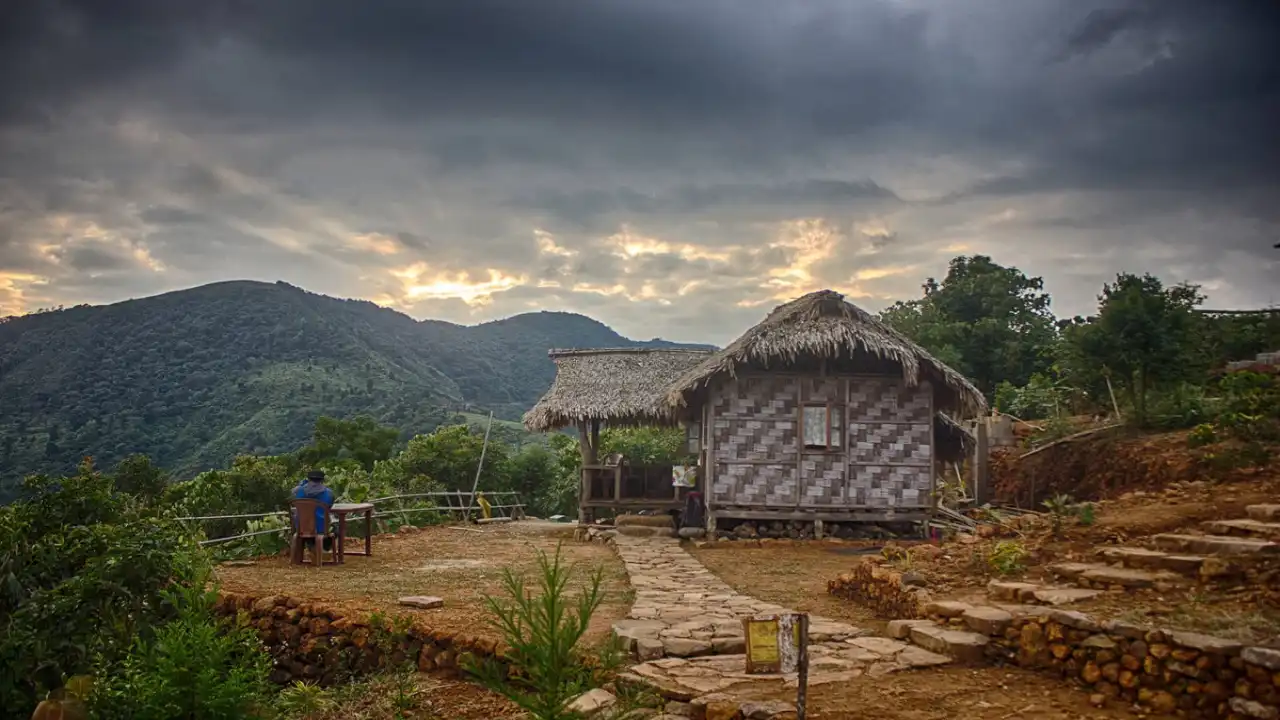
Kongthong is different. Not in a dramatic way, just quietly different. Here, people don’t really call each other by names the way we do. They have tunes. Actual melodies. Someone whistles, and that’s how they call you. Sounds unreal at first, but once you hear it, it just feels normal there. The journey isn’t super easy. Roads can be a bit rough, and it takes longer than you expect. But weirdly, that helps. It keeps the place from getting too crowded. When you finally reach, things slow down almost instantly. Kids are just around. No rush, no awkwardness. People smile, maybe try to talk, maybe not. It’s simple.
What makes it worth it:
- That whole whistling tradition (you won’t forget it)
- Open hills, almost no noise
- Homestays that feel like someone’s actual home
Pro Tip:
Don’t just visit and leave. Stay the night. The evenings here feel completely different, quieter than you’d expect.
2. Mawlyngbna – Where Nothing Feels Forced
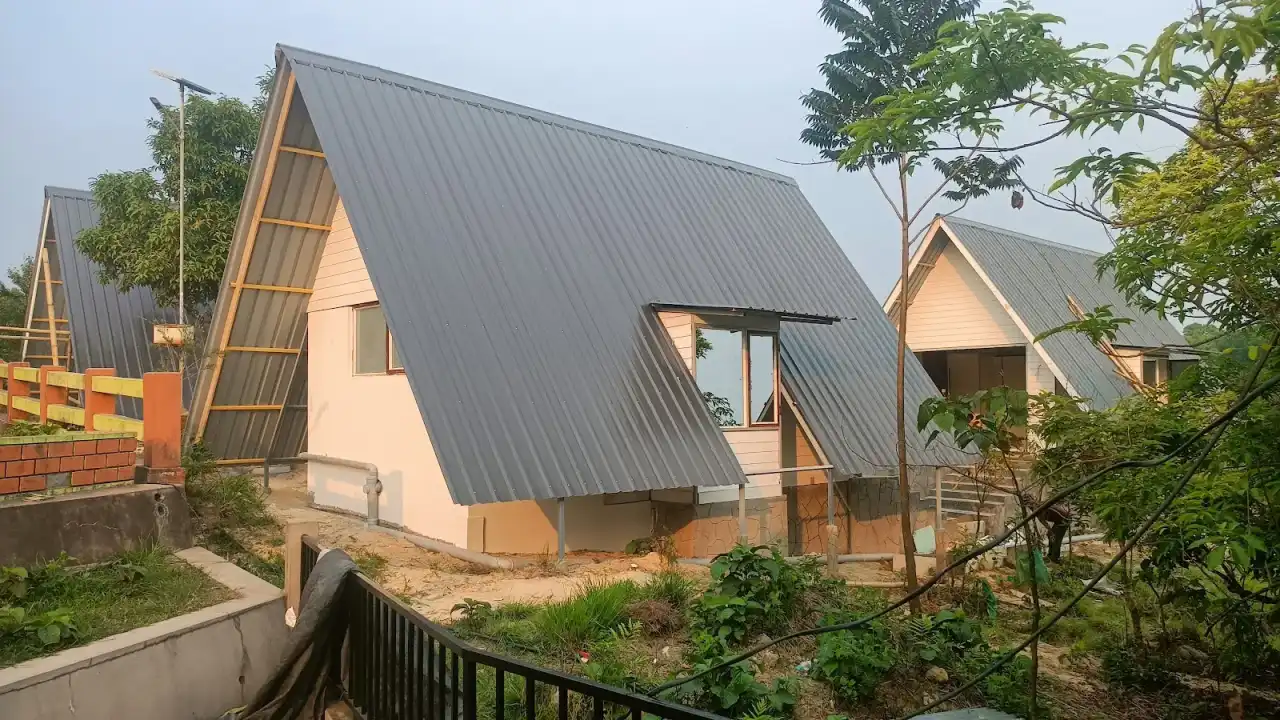
Mawlyngbna is the kind of place where you stop planning after a point. You walk around without really knowing where you’re going. And somehow, that becomes the best part. There are fossil rocks, little streams, random patches of greenery, nothing “grand,” but everything feels real. It’s quiet, but not in a dramatic “wow, this is peaceful” way. More like nothing is trying too hard. You might come here thinking you’ll spend just an hour, but you’ll probably want to stay much longer.
Things to do (loosely):
- Walk around the fossil areas
- Sit near natural pools (you’ll find them)
- Just explore without a plan
Pro Tip:
Carry snacks. Not many options around, and you’ll probably stay longer than you planned.
3. Nongriat – More Than Just the Bridge
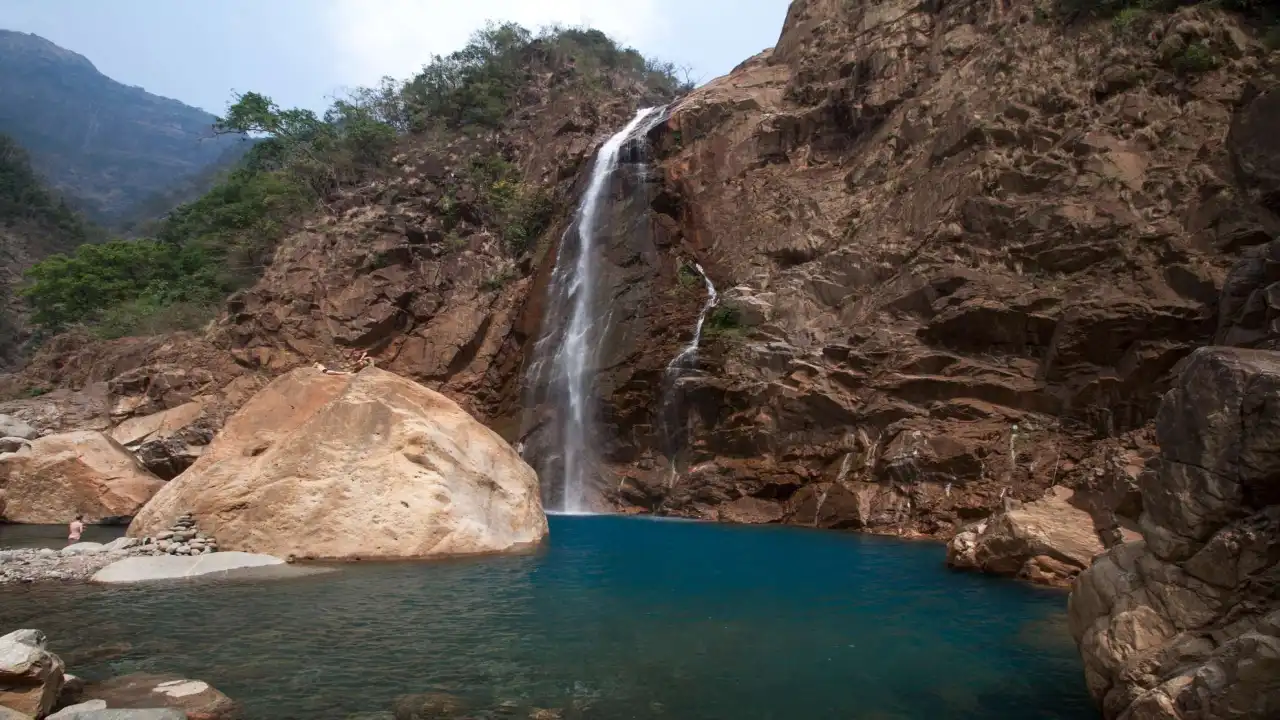
Yeah, the double-decker root bridge is the highlight. Everyone knows that. But Nongriat isn’t just about reaching the bridge, clicking photos, and heading back. If you slow down a bit, the place starts feeling different. The trek down is long. The climb back up is even longer. So most people rush. But if you stay, even for a night, things shift. Morning feels slower here. Evenings are quiet in a way that’s hard to explain. No rush, no noise, just people going about their day.
Why it’s worth staying:
- Natural pools that don’t feel crowded
- A more real look at village life
- Way fewer people visit once a day
Pro Tip:
Start early. Not just for the trek, but to avoid that midday exhaustion.
4. Riwai – A Slower Alternative
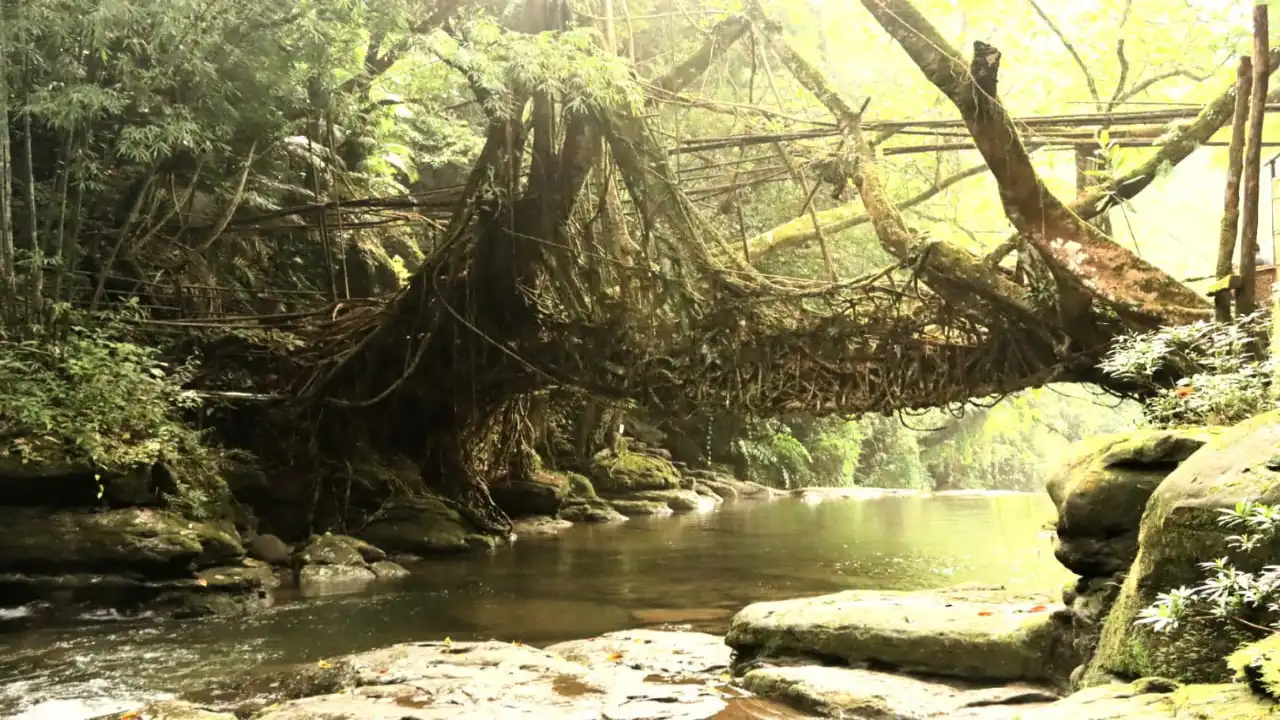
Mawlynnong is nice, but it’s busy now. Almost too organized in parts. Riwai, which is nearby, feels more relaxed. Less polished, maybe but in a good way. You still get greenery, clean surroundings, and even a root bridge nearby, just without that constant movement of people.
Why Riwai works:
- Fewer tourists
- Same natural vibe
- Slower pace overall
Pro Tip:
Visit Mawlynnong if you want, but stay here. It just feels easier.
5. Mawphlang – Quiet Beyond the Forest
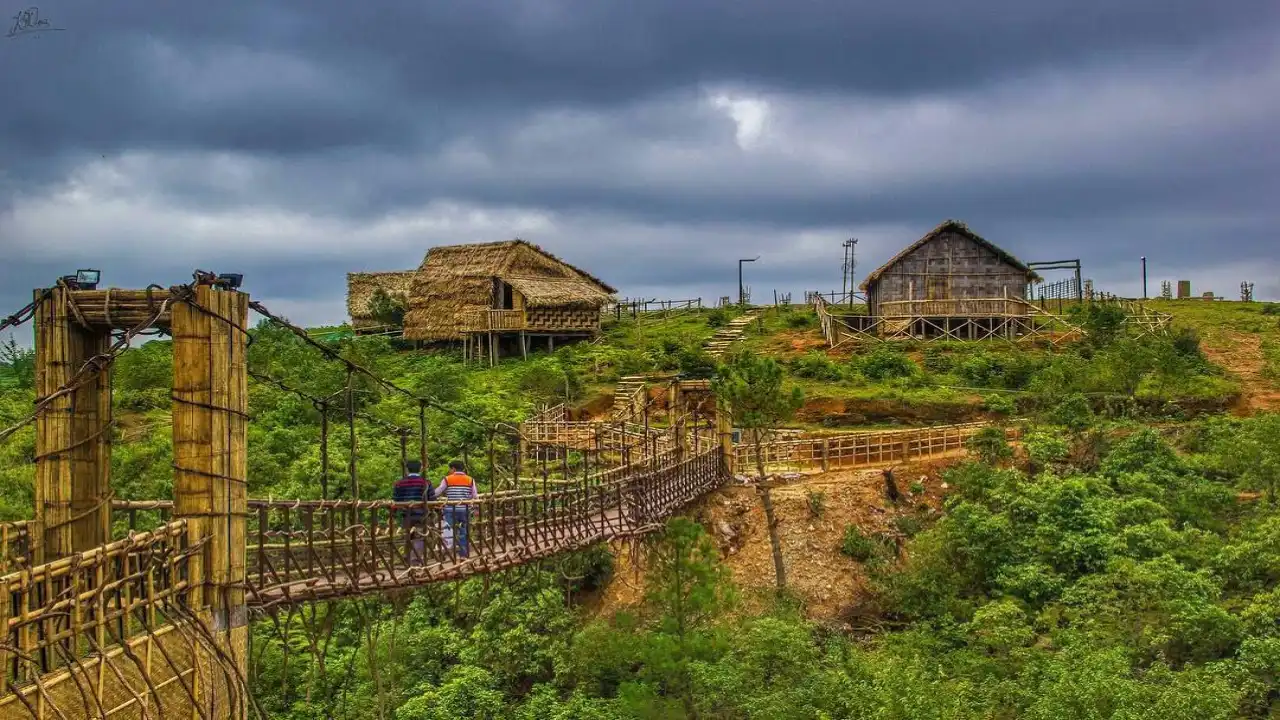
Everyone talks about the sacred forest here and yeah, it’s worth seeing. But step outside that, and the village itself feels calm. Not in a touristy way. Just normal life moving at its own pace. There’s a certain respect for how things are done here. Nothing feels overused or staged. You walk around, and it doesn’t feel like a “destination.” More like you’re just passing through someone’s space.
What to check out:
- Local houses and small paths
- Stories connected to the forest
- Just the overall vibe of the place
Pro Tip:
Get a guide for the forest. Otherwise, you’ll miss half of what makes it interesting.
6. Shnongpdeng – When Dawki Feels Too Busy
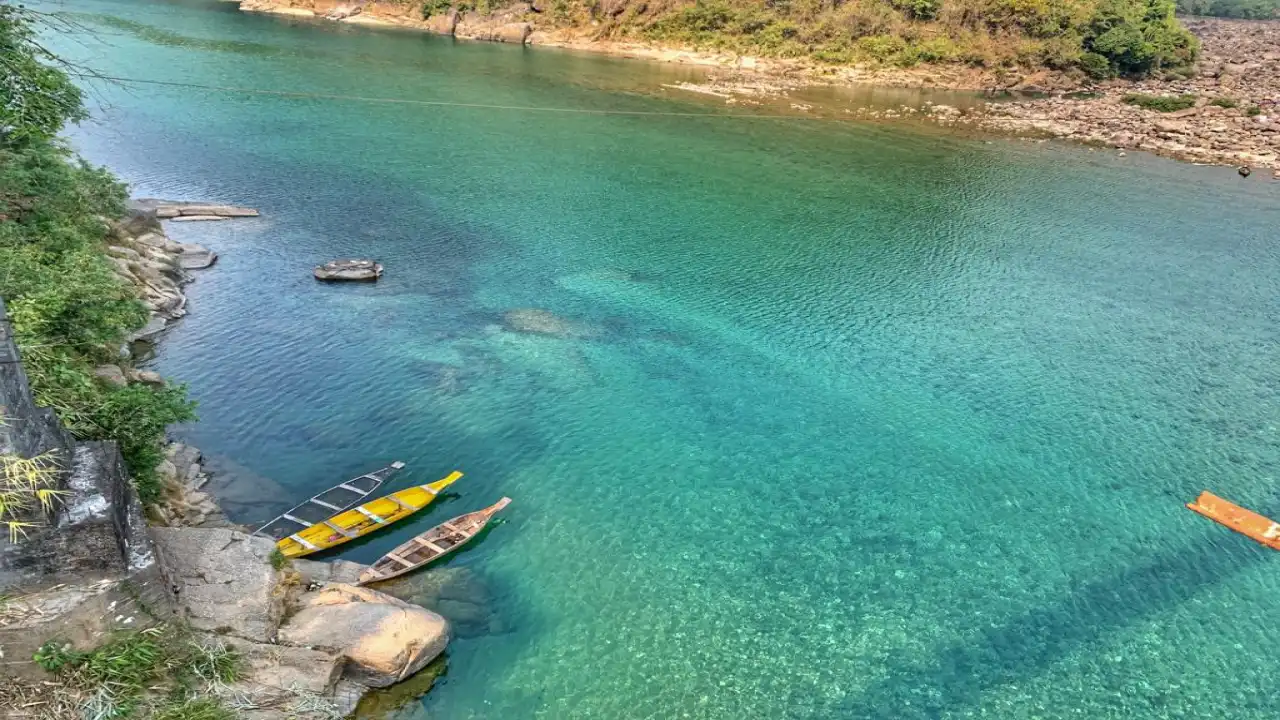
Dawki gets all the attention. And crowds. Shnongpdeng is right there, but somehow feels completely different. Same river, same clarity but fewer people, less noise. You can actually sit by the water without someone bumping into you or setting up a camera right next to you. It’s simple, and that’s the whole point.
Things to do:
- Kayaking (if you’re up for it)
- Riverside camping
- Or honestly just sitting there
Pro Tip:
Morning is best. The water looks clearer, and everything feels calmer.
7. Laitlum Canyon Villages – If You Walk a Little Further
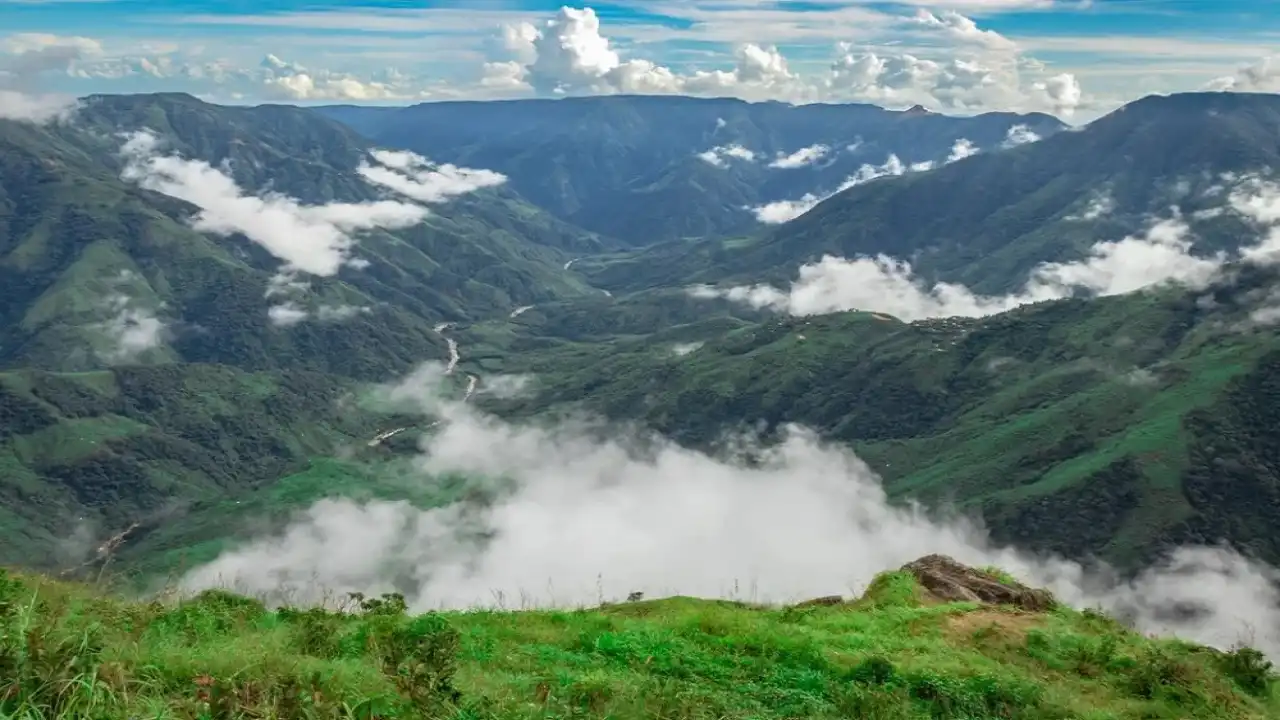
Most people go to Laitlum, stand at the viewpoint, take photos, and leave. But if you keep walking just a bit, you’ll notice small villages tucked away in the hills. That’s where things get interesting. No cafes. No signboards. Just houses, paths, and people living their day. It feels a bit cut off from everything else. In a good way.
What stands out:
- Views that don’t feel crowded
- Trails that actually feel empty
- That slight “am I too far?” feeling (you’re not)
Pro Tip:
Go early or late. Midday light kind of flattens everything.
Planning Your Trip
These places aren’t about luxury or perfect plans. So don’t over-plan. Seriously.
Best Time
- October to April works best
- Monsoon is beautiful but roads can test your patience
Getting Around
- Local cabs are your best bet
- Public transport exists, but don’t rely on it too much
Staying There
- Homestays are better than hotels here
- Book early, especially for smaller villages
If You’re Planning a Bigger Trip
If figuring out routes feels confusing, you can look at the North East trip packages that include Meghalaya. Just don’t pick something too rushed. These places need time.
Why These Places Stay With You
It’s not about big moments here. It’s the smaller things. The kind you don’t plan. A random conversation. A quiet view you didn’t expect. Or just sitting somewhere and realizing you’re not in a hurry anymore. That’s what sticks, and honestly, that’s what makes these unexplored places in Meghalaya feel so different, even if you arrived here through one of those Domestic trip packages.
Conclusion
Meghalaya has its popular spots, and they’re worth seeing. No doubt about that. But if you really want to understand the place, you have to go a little off track. These offbeat villages in Meghalaya don’t try to stand out. They don’t need to. Give them time, and they quietly become the part of your trip you remember the most. So yeah, next time, maybe don’t follow the same route. Take a turn somewhere random. Stay a bit longer than planned. It usually works out better that way.
Travel Tips
- Keep cash. ATMs are not always around
- Respect local ways of doing things
- The Internet can be patchy; just accept it
- Wear good shoes (you’ll thank yourself later)