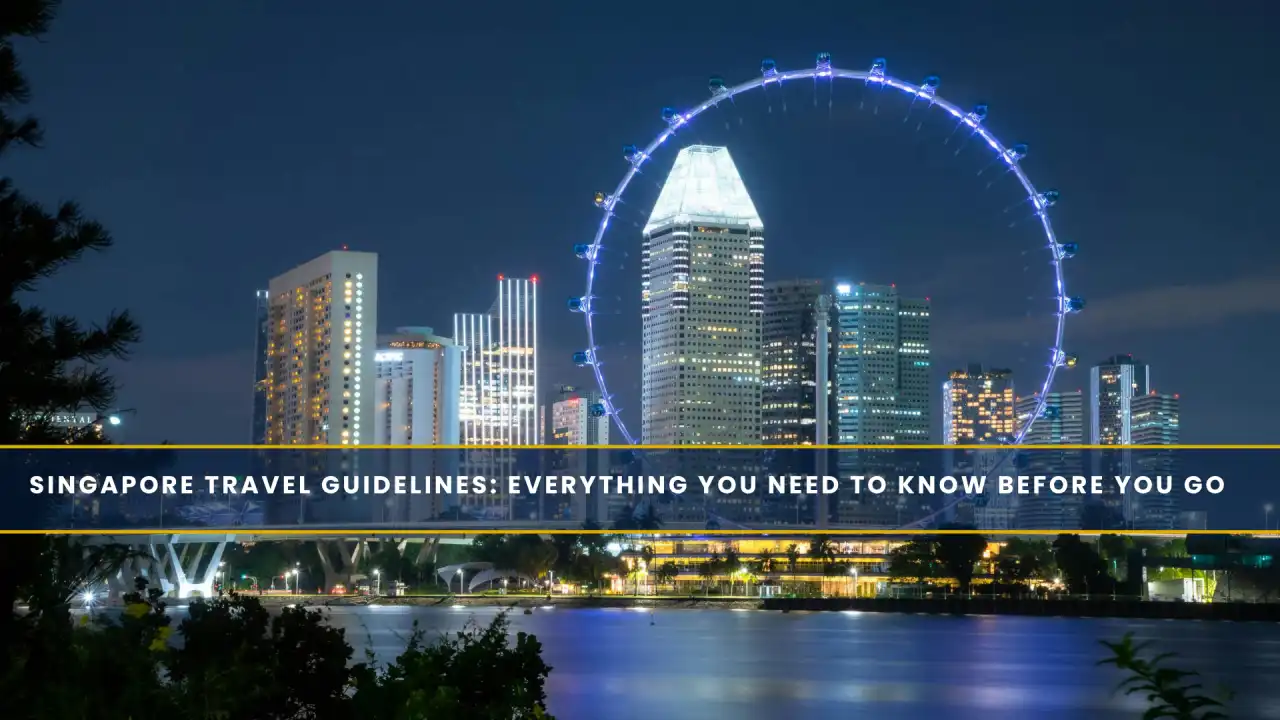
Singapore Travel Guidelines: Everything You Need to Know Before You Go
Introduction
Singapore has this strange way of catching you off guard. At first, it feels almost too perfect. Glass towers everywhere, streets so clean you actually notice it, and everything moving like it’s on some invisible schedule. No chaos, no honking, no confusion. It almost feels unreal. But then you slow down a bit.
You turn into a random lane in Chinatown. You see older locals sitting outside small shops, talking over kopi like they’ve been doing it for years. Somewhere nearby, something’s frying and suddenly the whole street smells amazing. That’s when Singapore starts to feel less like a “perfect city” and more like a real place. This guide on Singapore travel guidelines is meant to help you get to that version of the city. Not just the obvious things but the parts that actually stay with you.
1. Singapore Entry Requirements & Visa Guidelines
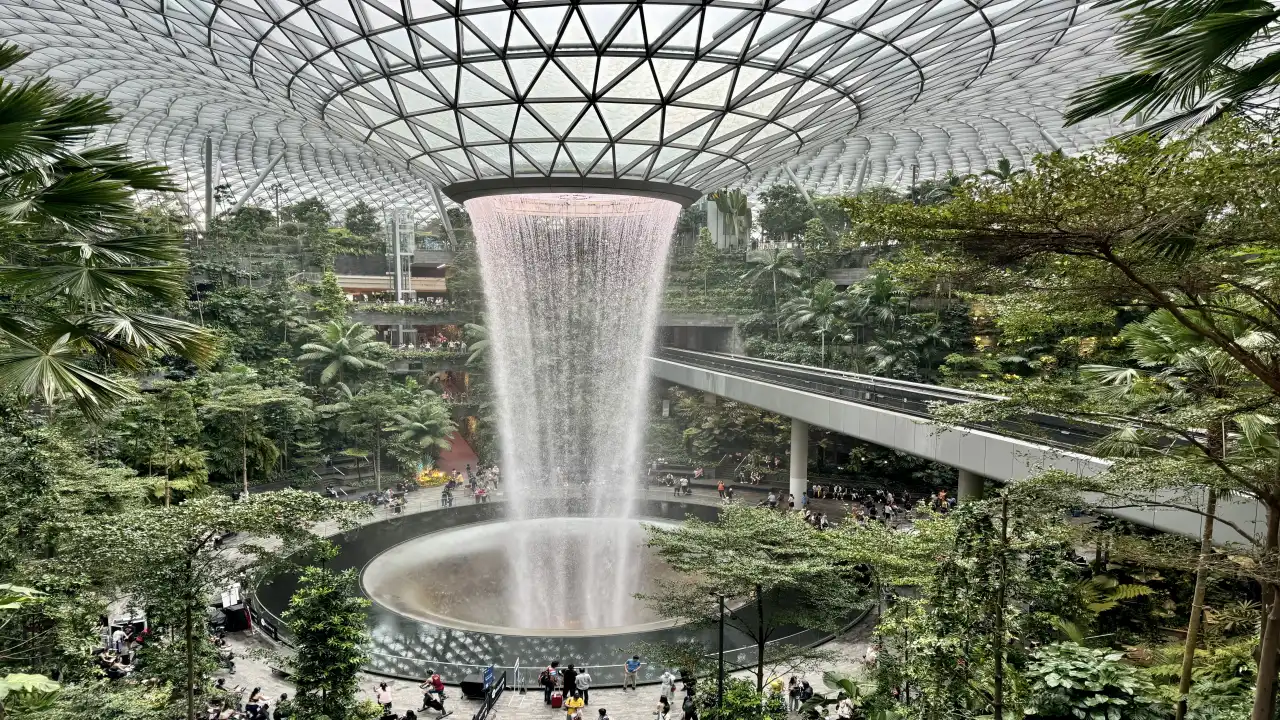
Before anything else, you’ve got to get in. Thankfully, Singapore doesn’t make this part stressful. Still, they expect you to be sorted.
Basic things you’ll need:
- Passport with at least 6 months' validity
- Visa (or visa-free entry, depending on your nationality)
- Stay duration is usually between 30 and 90 days
- Return or onward ticket (sometimes they ask, sometimes they don’t, it’s random)
- Entry through Changi Airport, in most cases
Changi Airport itself feels like a preview of the country. Clean, organized, slightly futuristic. You walk, follow signs, maybe overthink things a bit and then you’re out quicker than expected. It’s smooth. Almost suspiciously smooth.
Pro Tip:
Keep a soft copy and a printed copy of your documents. You’ll probably not need both. But if something goes sideways, you won’t panic.
2. Best Time to Visit Singapore
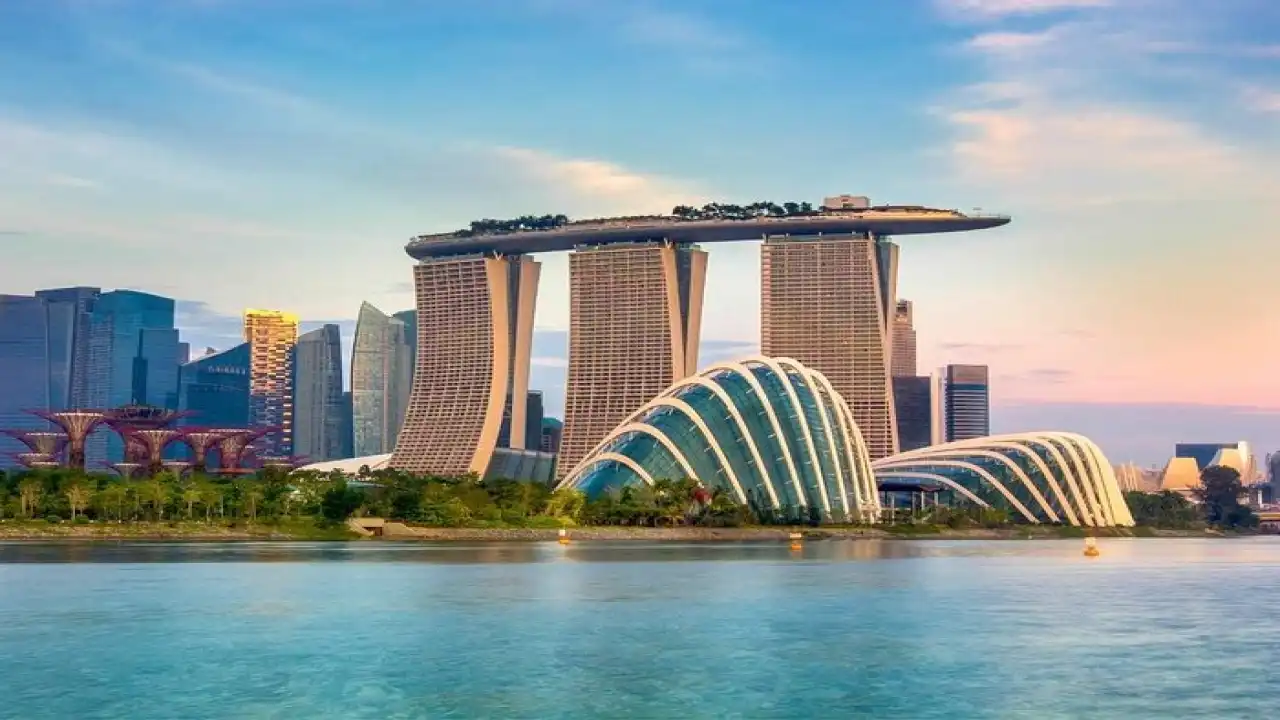
Trying to “time” Singapore's weather is a bit funny. It’s hot. It’s humid. It’s pretty much always like that. But yeah, there are slight differences.
- Dec – March: Lush, green, and refreshing with frequent showers that usually cool things down
- April – Aug: Slightly drier and great for exploring the city comfortably
- Sept – Nov: A mix of sunshine and tropical rain, often bringing dramatic skies and cooler evenings
The thing is, rain here doesn’t ruin your day. It just interrupts it for a bit. You step into a mall, grab something cold, wait it out, and then continue as if nothing happened. Places like Marina Bay Sands, Gardens by the Bay, and Sentosa? They get crowded fast, especially during holidays.
Pro Tip:
Do outdoor things early. Like, actually early. The difference between 9 AM and 1 PM here feels bigger than you’d expect.
3. Temple & Cultural Site Guidelines
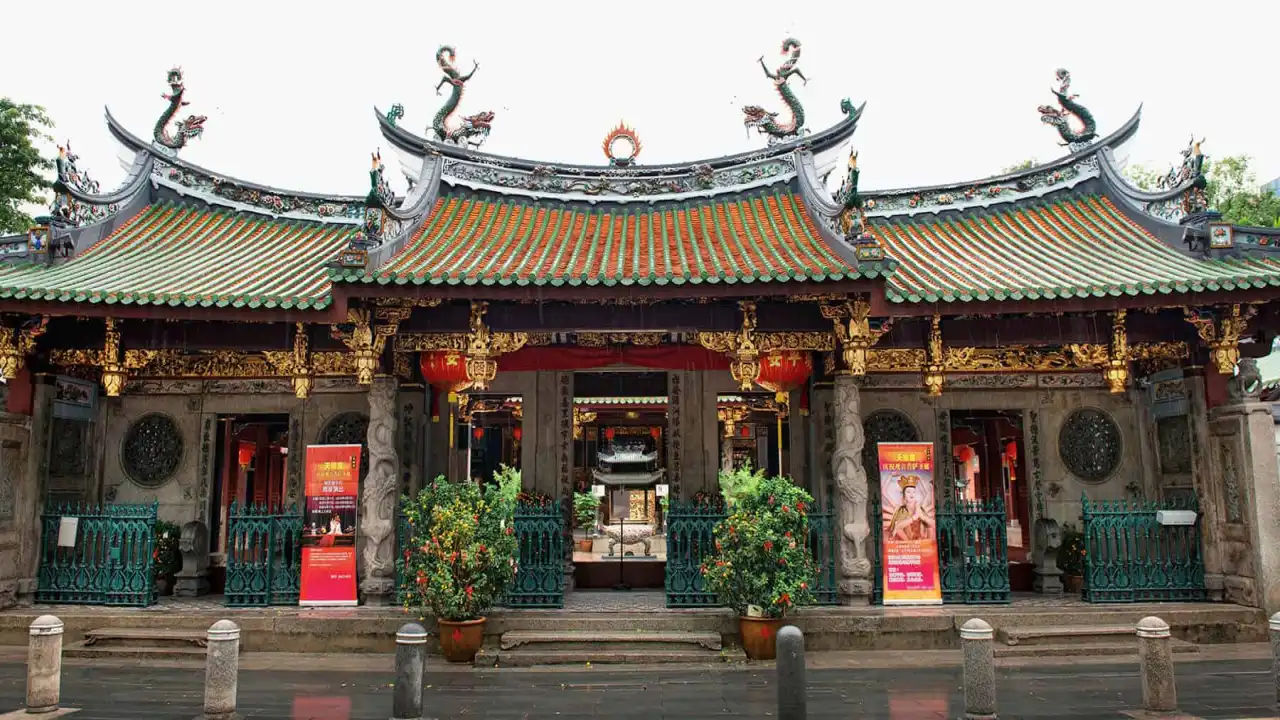
One thing you’ll notice quickly is that Singapore is layered. Not in a dramatic way. Just naturally. A temple, a mosque, a modern café all on the same street, like it’s no big deal. When you visit these places, you don’t need to overthink it. Just be respectful.
Simple things:
- Cover shoulders and knees
- Take off shoes where required
- Keep your voice low
- Don’t touch things unless you’re sure it’s okay
Cultural Places like Buddha Tooth Relic Temple, Sri Mariamman Temple, and Thian Hock Keng Temple are worth stopping by. Most temples usually open early, around 7 AM to 6 PM, though timings can vary slightly depending on the place. If you go early in the morning, it’s different. Quiet. Slower. You’ll see people praying, lighting incense, just going about their routine. No rush, no performance.
Pro Tip:
Stay a bit longer than you planned. These places aren’t about quick visits.
4. Hotel and Accommodation Guidelines
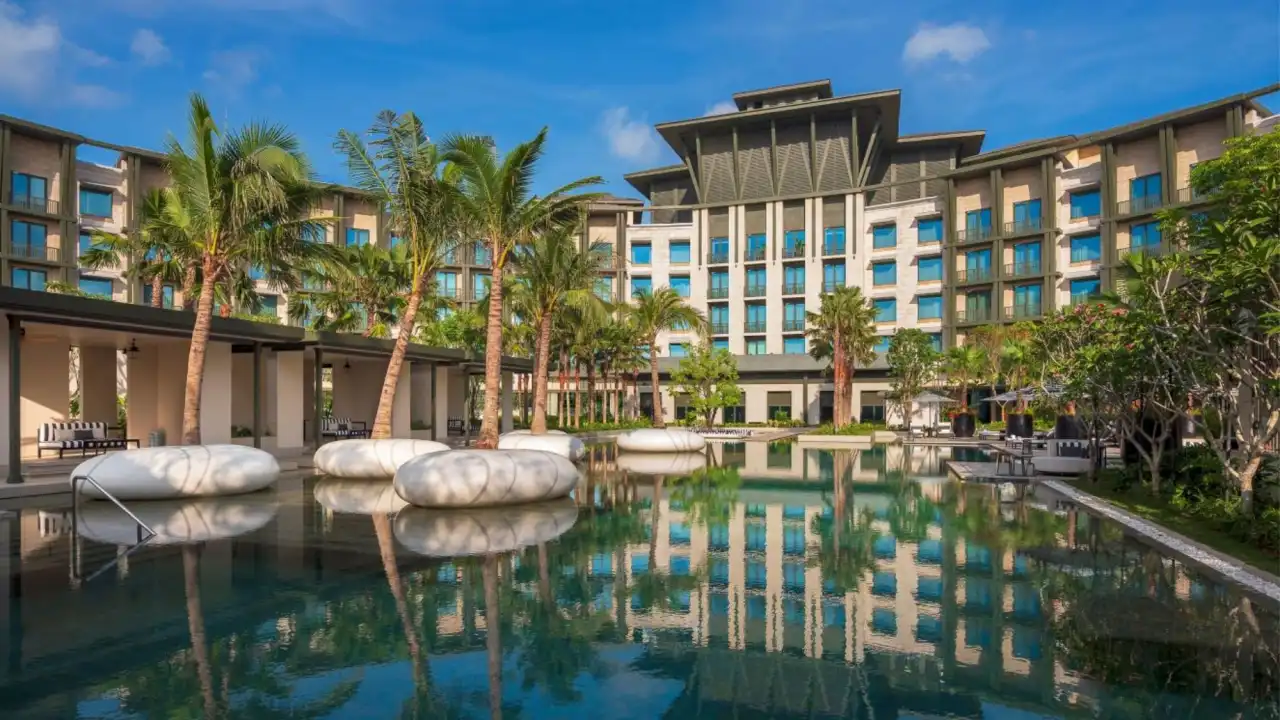
Here’s something you’ll realize quickly: location matters more than saving a few bucks. You might find a cheaper hotel, but if it’s far from the MRT or main areas, you’ll feel it every day.
What actually matters:
- Close to MRT stations
- Easy access to main areas
- Recent reviews (ignore the ones from years ago)
- Clear pricing (taxes, service charges, all that)
Areas people usually pick:
- Orchard Road – central, easy, a bit busy
- Chinatown & Little India – more character, great food
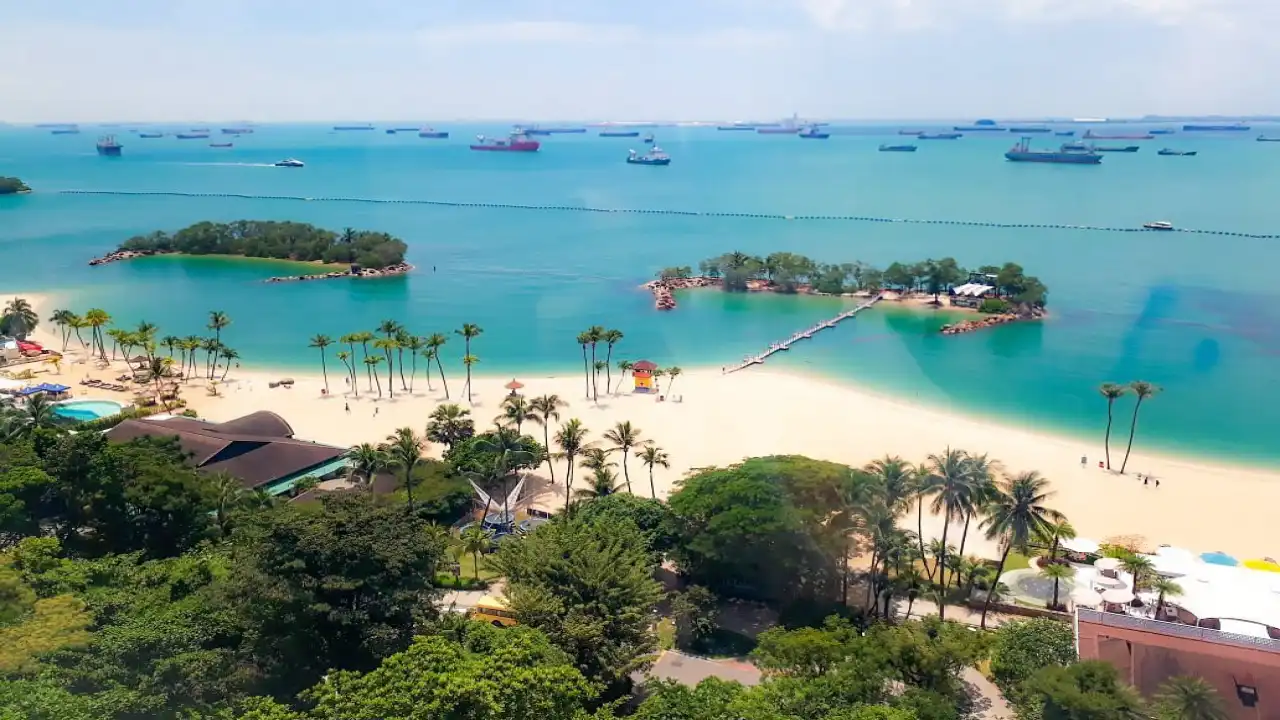
- Sentosa – quieter, more resort-style
If you’re booking through Singapore trip packages, they usually get this part right: central stays, decent connectivity, and less guesswork.
Pro Tip:
Pay a little more for location. You’ll thank yourself by day two.
5. Transportation Guidelines in Singapore
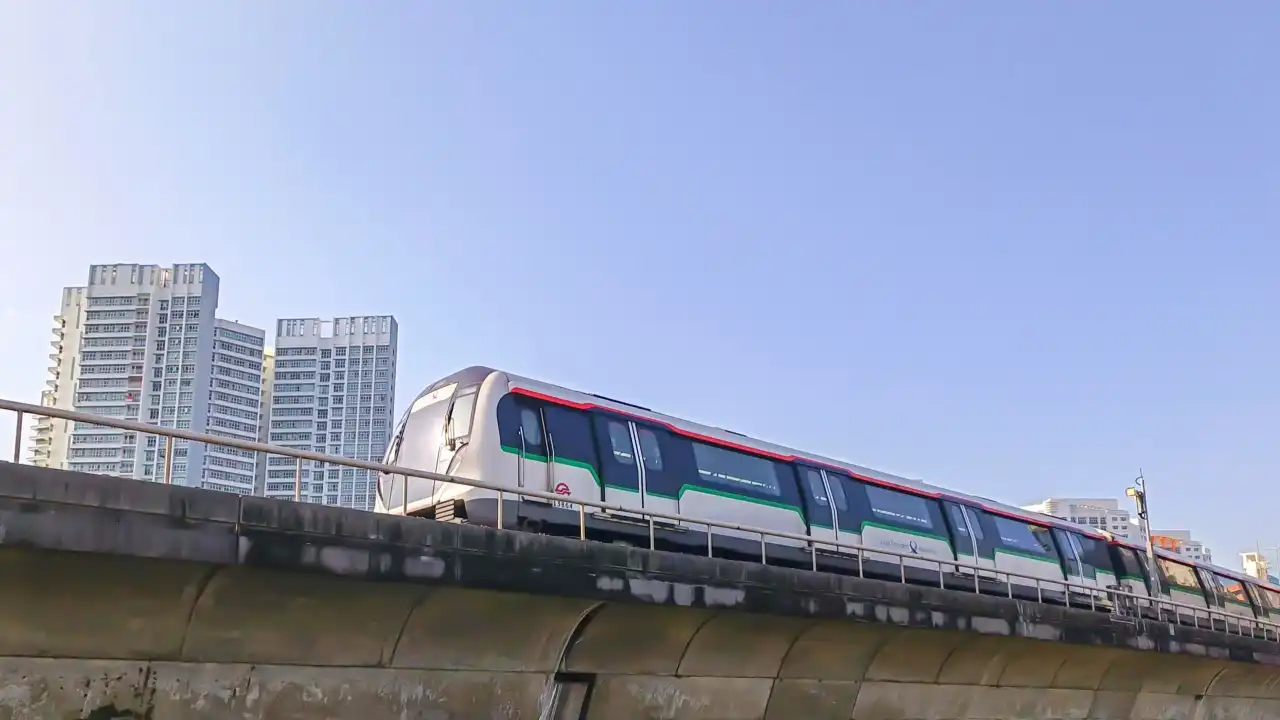
This is where Singapore really shines. Getting around is easy. Like, properly easy.
Your options:
- MRT – fast, clean, covers most places
- Buses – slower but useful
- Taxis & Grab – good when tired or late
- Walking – surprisingly enjoyable in some areas
Even if you’re bad with directions, you’ll be fine here. Everything is marked clearly. And traffic? Calm. No random surprises.
Pro Tip:
Get an EZ-Link card. It just makes life simpler. No thinking, just tap and go.
6. Currency & Payment Guidelines
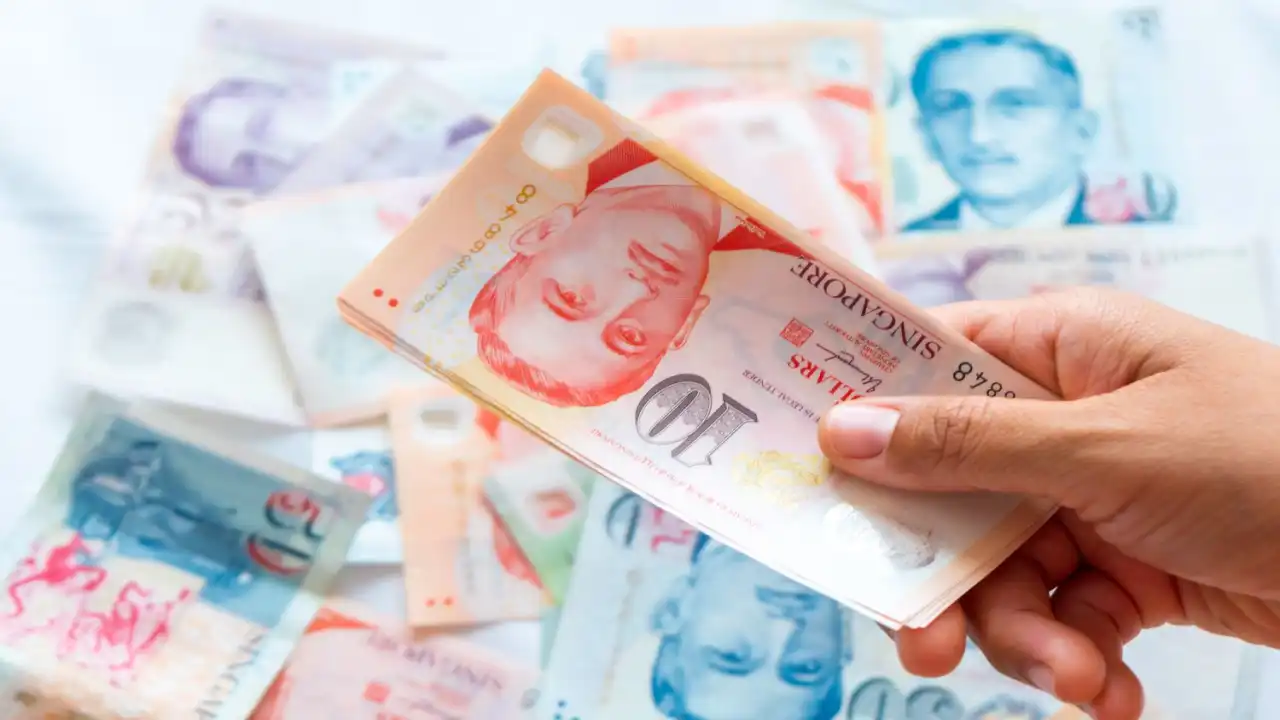
Money things are straightforward.
Basics:
- Currency: Singapore Dollar (SGD)
- Cards: Accepted almost everywhere
- Cash: Still useful for hawker stalls
- ATMs: Easy to find
You won’t struggle with payments here. It’s quick, clean, and no confusion.
Pro Tip:
Keep small notes. Hawker centers work better with cash.
7. Attraction Timings Travelers Should Know
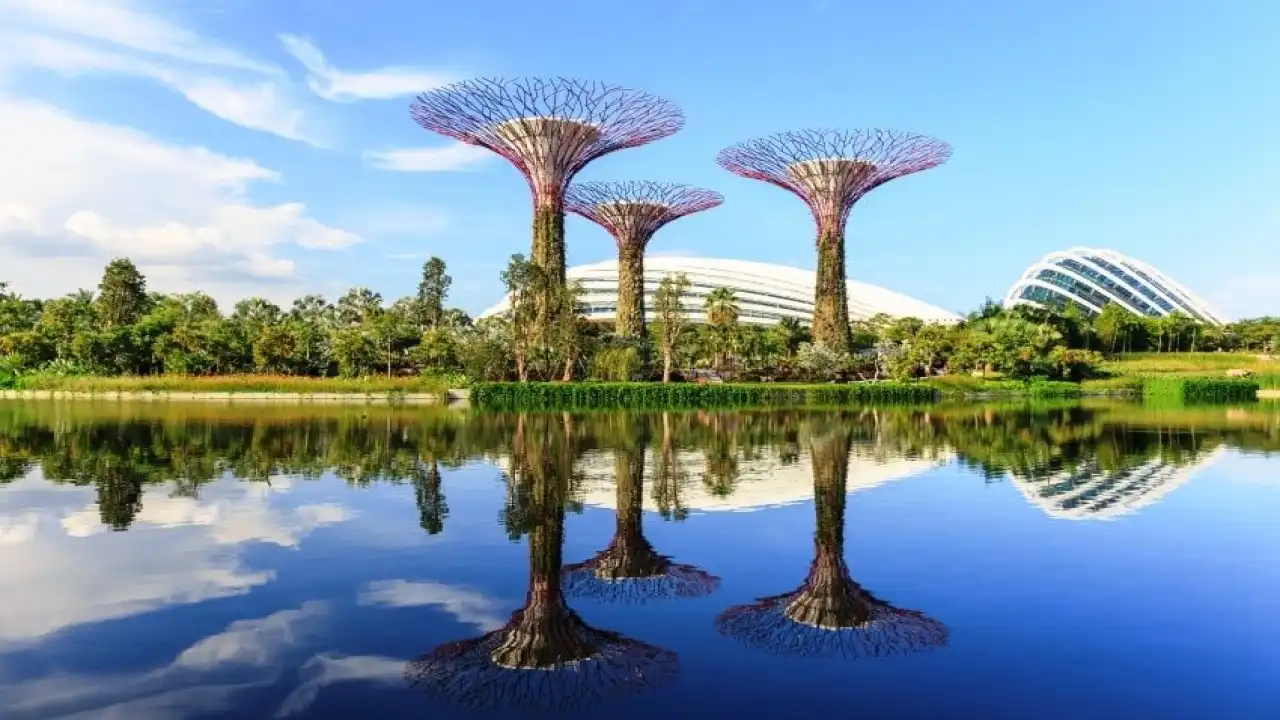
Timing your day here makes a big difference.
Useful timings:
- Gardens by the Bay: 5 AM – 2 AM (outdoor), domes 9 AM – 9 PM
- Marina Bay Sands SkyPark: 11 AM – 9 PM
- Sentosa attractions: around 10 AM – 8 PM
- Singapore Zoo: 8:30 AM – 6 PM
- Night Safari: 7:30 PM – Midnight
Try thinking of your day in parts: morning outdoors, afternoon indoors, evening flexible. It works better than cramming everything randomly.
Pro Tip:
Leave some space in your plan. You’ll need it.
Note: At Travel Junky, we always suggest double-checking the latest updates from official sources before your trip. Rules can change without much warning, and it’s just easier to sort that out beforehand than deal with surprises later.
8. Singapore Cultural Guidelines
Understanding Singapore tourist rules isn’t just helpful; it makes your trip smoother.
This is a place where rules actually matter.
What to remember:
- Stand on the right on escalators
- No eating/drinking on MRT
- Be respectful in public spaces
At first, it might feel a bit strict. But after a day or two, you’ll notice how easy everything feels because of it.
Pro Tip:
Watch what locals do. It’s easier than memorizing rules.
9. Health & Safety Guidelines
Singapore is one of those places where you don’t constantly look over your shoulder. Still, a few basics help.
Things to keep in mind:
- Tap water is safe (but bottled water is fine too)
- Sunscreen is not optional
- Drink more water than you think you need
- Carry basic meds
- Mosquito repellent helps in green areas
Hawker centers are clean but go where it’s busy. High turnover, fresher food.
Pro Tip:
If locals are lining up somewhere, just join the line. It’s usually worth it.
10. Things Tourists Should Avoid in Singapore
This isn’t the kind of place where you ignore rules and hope for the best.
Avoid:
- Littering or chewing gum in public
- Jaywalking
- Eating/drinking on MRT
- Being disrespectful in any cultural context
The signs are everywhere. You don’t have to guess.
Pro Tip:
If you’re unsure, just follow what everyone else is doing.
Conclusion
Singapore looks structured. Clean. Controlled. And it is. But the real experience isn’t in the perfection, it’s in the small, random moments.
A quiet street when you weren’t expecting it.
Food that’s better than it looks (and it already looks good).
A place you didn’t plan to visit but stayed longer than you thought.
These Singapore travel tips aren’t about planning every second. They’re just here to make things easier so you can actually enjoy what’s around you. Walk a bit slower. Notice more. Because honestly, in Singapore, the best parts don’t really announce themselves. They just happen.
Common Singaporean Words & Slangs Travelers Should Know
Language here is fun. It’s English but slightly different.
You’ll hear things like:
- Lah – adds emphasis
- Shiok – really good (mostly food)
- Chope – reserve a seat
- Kiasu – afraid of missing out or losing an advantage
- Makan – eat
- Paiseh – shy/awkward
- Alamak – surprise
Use them lightly. Don’t force it. But yeah, saying “shiok” after a good meal? That usually gets a smile.
Pro Tip:
Listen first, then try. It feels more natural that way.