Spanish-Era Attractions in the Philippines Every Traveler Should See
Introduction
When one thinks about the Philippines, the images that come to mind are of white-sand beaches, island-hopping tours, and endless ocean views. And to be honest, that really is a brand they deserve. However, after a little time experiencing beneath the surface of the shoreline, you begin to see another side of this nation that tells a much older tale. In several cities and towns, traces of more than three centuries of Spanish rule are still very much alive. There are old churches still where they have stood for centuries.
Forts tower over streets too busy to resemble the world of their creation. Cobblestone roads survive between modern buildings, as if to indicate that history must stay at least a little bit alive. This brings an entirely new dimension to travelling in this great country for travellers who enjoy as much History and architecture as the beaches. Visiting these Attractions in the Philippines truly brings a whole new level of experience to the trip.
Intramuros: Manila's Window Into the Past
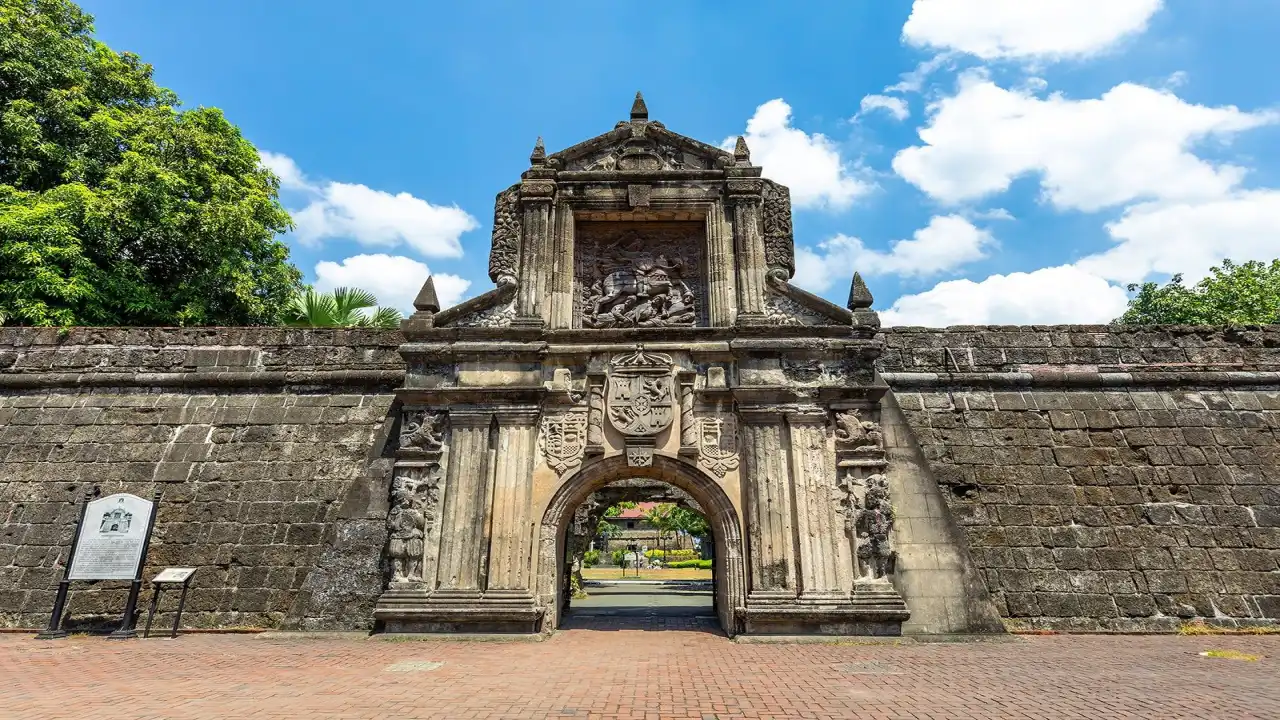
If you're interested in Spanish history in the Philippines, Intramuros is usually where the journey begins. Known as the Walled City, Intramuros was once the center of Spanish power in the country. Today, stepping through its gates feels a bit strange in the best possible way. One minute you're surrounded by Manila's traffic and modern buildings. Next, you're looking at stone walls and centuries-old churches.
Some of the most notable places inside include:
- Fort Santiago
- San Agustin Church
- Plaza Roma
- Casa Manila
- Manila Cathedral
One of the most significant places to visit is Fort Santiago because it was linked to José Rizal, a Filipino national hero. As you walk around the grounds, it's hard not to imagine all of the history that played out here. San Agustin Church is also impressive. Earthquakes, wars and decades have come to pass but it still stands proud as the oldest stone church in the Philippines.
Pro Tip:
Try visiting in the morning before tour groups arrive. The quieter atmosphere makes the experience much more enjoyable.
Vigan: Where Time Seems to Slow Down
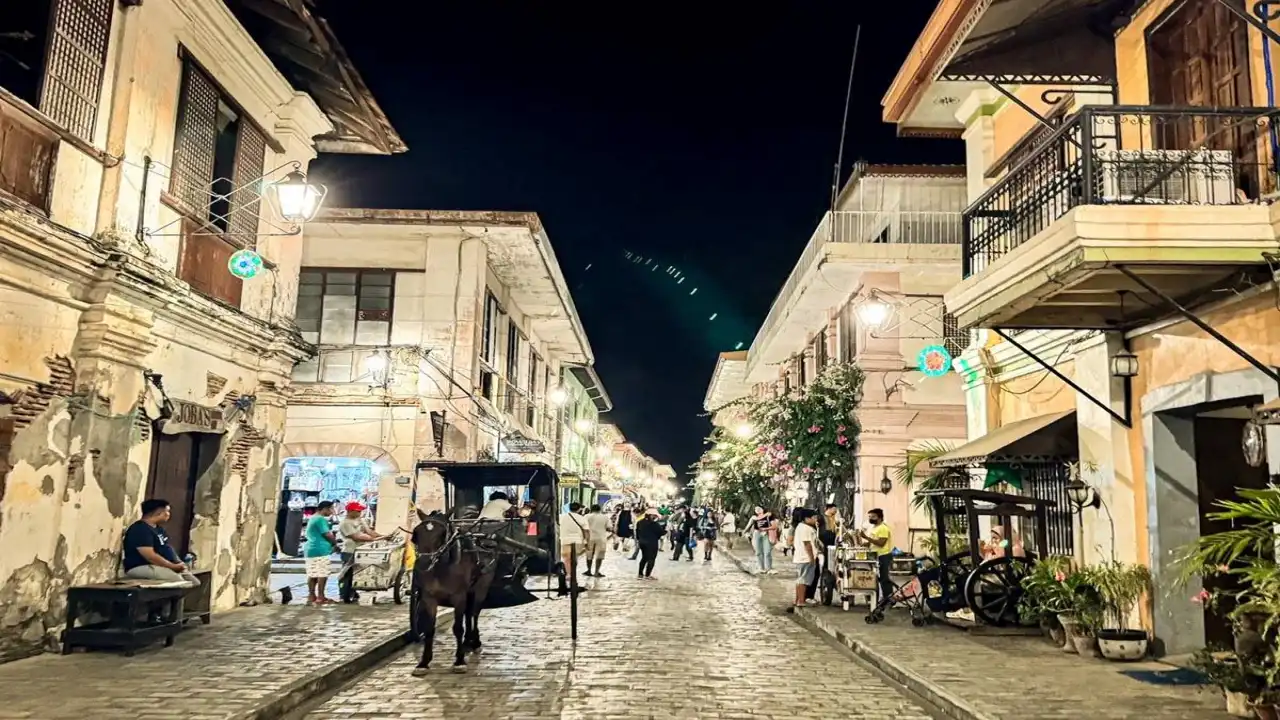
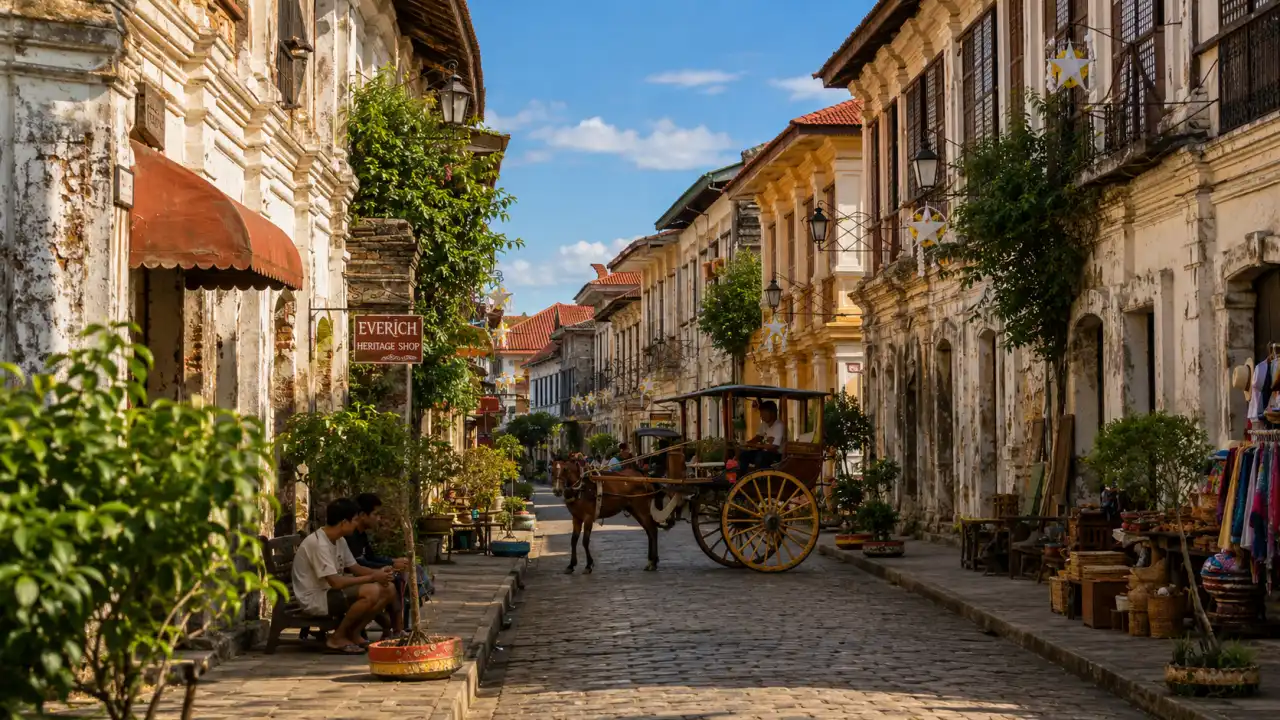
Some historic towns preserve a few old buildings. Vigan preserved an entire atmosphere. Located in northern Luzon, this UNESCO-listed city is famous for Calle Crisologo, a street lined with colonial-era houses and traditional architecture. Walking there feels less like visiting a museum and more like stepping into a living piece of history.
You'll find:
- Heritage houses
- Antique stores
- Small museums
- Local restaurants
- Craft shops
One of the nicest times to explore is after sunset. The old buildings glow under warm lights, horse-drawn carriages pass by, and the whole place feels surprisingly peaceful. Among the many Spanish Colonial Sites in the Philippines that visitors can explore, Vigan remains one of the most complete and well-preserved examples.
Paoay Church: Built to Survive
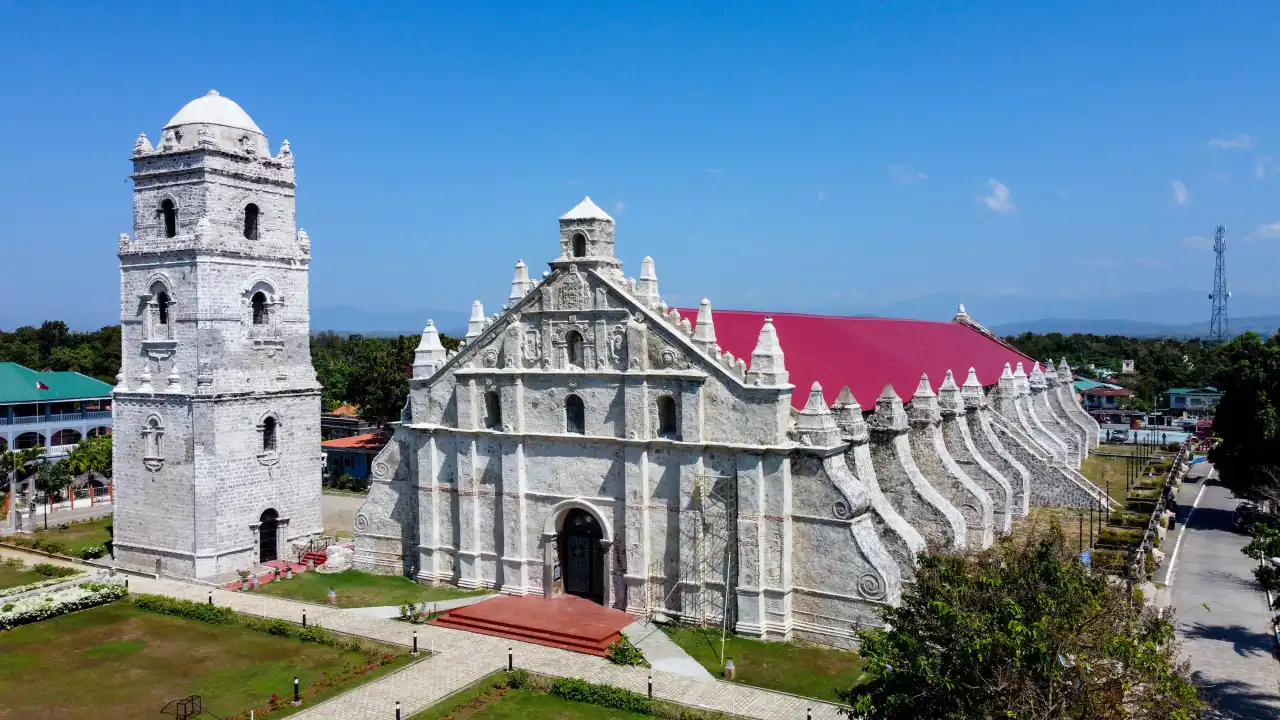
Even people who know very little about architecture tend to stop and stare when they see Paoay Church. Situated in Ilocos Norte, this church was built during the early 1700s and is quite popular for its earthquake baroque design. The builders knew that earthquakes came with the territory and thus made something strong enough to survive. The most immediately evident are the colossal stone stitching surrounding the building.
Highlights include:
- Massive exterior supports
- Coral stone construction
- Historic architecture
- UNESCO recognition
- Beautiful surroundings
It's one of those places where photos look impressive, but seeing it in person is a completely different experience.
Fort San Pedro in Cebu
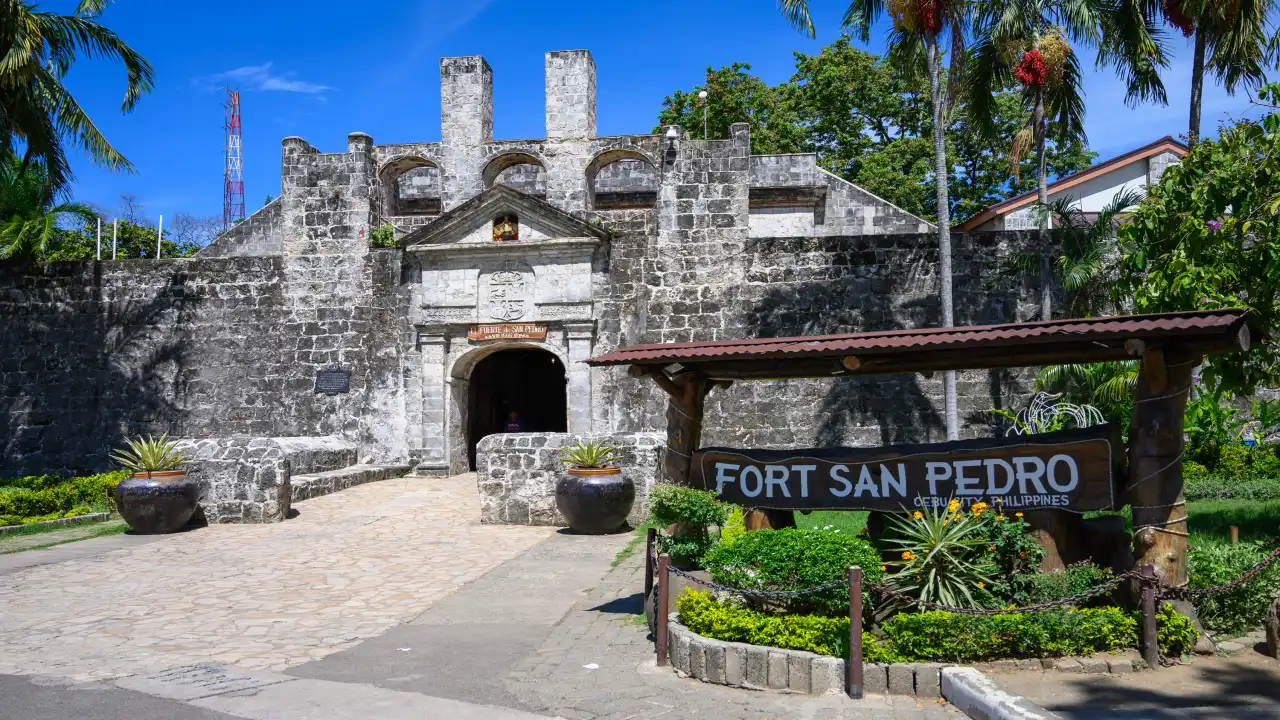
Cebu played a major role during the Spanish colonial period, and Fort San Pedro remains one of the best reminders of that history. Compared with giant European forts, it isn't particularly large. In fact, that's part of its charm. You can explore it without feeling overwhelmed.
Inside you'll find:
- Historical exhibits
- Military artifacts
- Old photographs
- Colonial records
- Landscaped gardens
The fort offers an interesting glimpse into how early Spanish settlements protected themselves while expanding across the islands.
Miagao Church: A Different Kind of Colonial Architecture
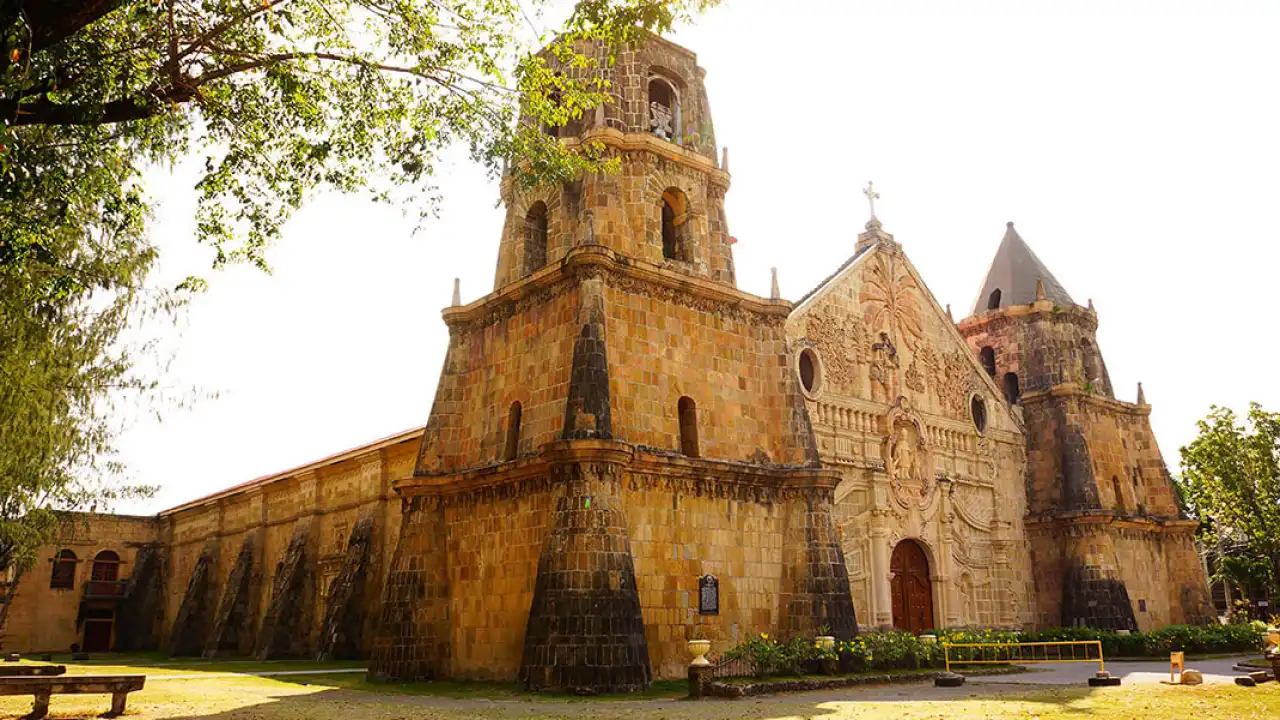
Not every Spanish-era landmark looks purely European. Miagao Church is proof of that. Located in Iloilo Province, the church combines Spanish religious architecture with local artistic traditions. The outcome feels unique and not like it got transported from another place. The in-depth carvings on its front incorporate flora and icons of the indigenous people that inhabit the region. A huge coconut tree is one of the best-known characteristics that are part of its design.
Visitors are often drawn to:
- Detailed stone carvings
- Historical significance
- Unique design elements
- UNESCO status
- Quiet surroundings
It's a reminder that history is rarely simple. Different cultures often leave their marks on the same place.
Baclayon Church: Bohol's Historic Treasure
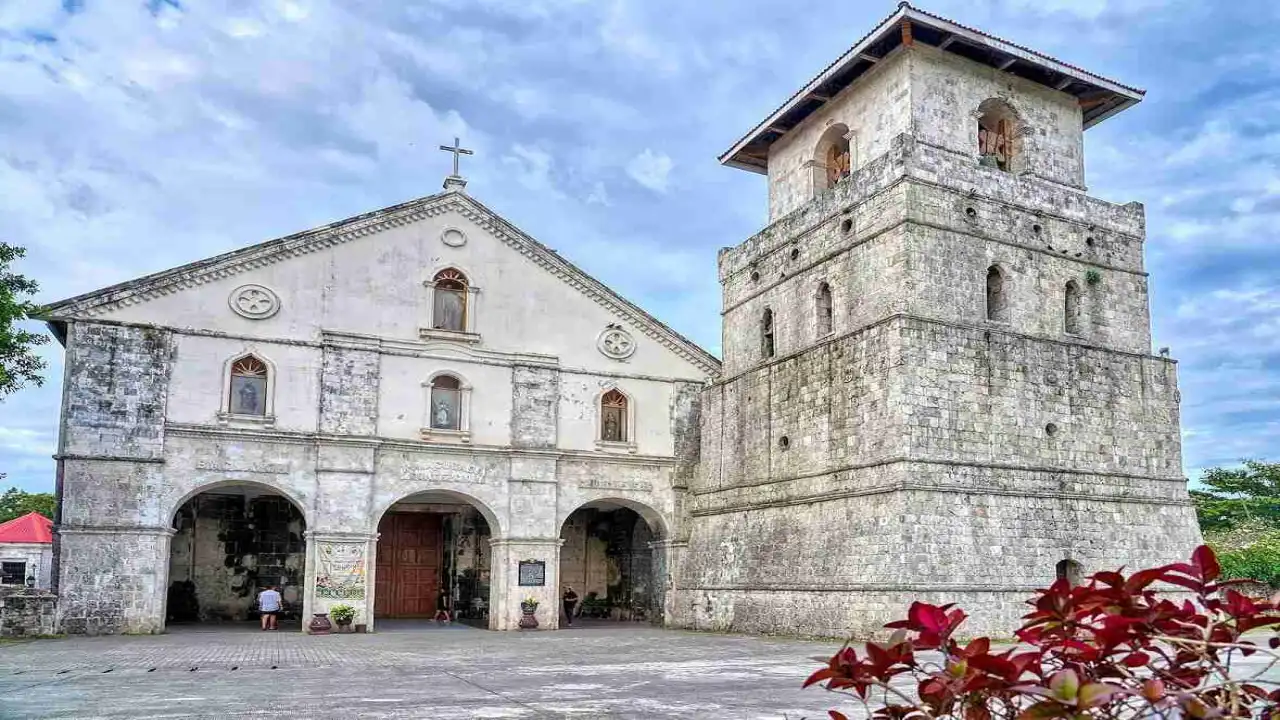
Many travelers visit Bohol for the Chocolate Hills or to see tarsiers. Even fewer appreciate that the island has one of the oldest churches in the United States within its borders. Baclayon Church, built during the Spanish colonization era, had seen a hundred difficulties for many precious years until it survived a 7.2-magnitude earthquake in 2013.
Today, visitors can explore:
- Historic church grounds
- Religious artifacts
- Antique paintings
- Old manuscripts
- Museum collections
For anyone interested in Historic Places in the Philippines, Baclayon offers an opportunity to see history preserved in a very personal way.
Casa Manila: Everyday Life During the Colonial Era
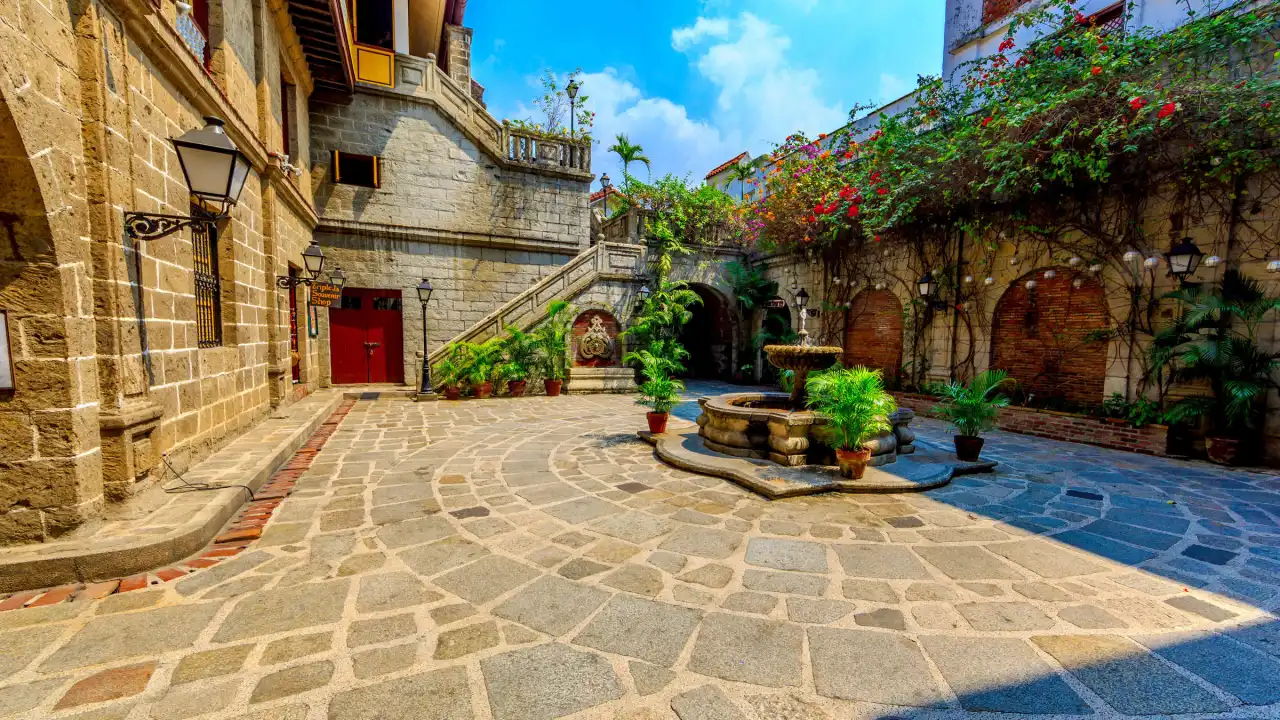
History isn't only about wars, governors, or major events. Sometimes it's about seeing how ordinary people lived. Casa Manila helps visitors do exactly that. Located inside Intramuros, this reconstructed mansion recreates the lifestyle of wealthy Filipino families during the Spanish period. Rooms are filled with antique-style furniture, decorative pieces, and household items.
Visitors can learn about:
- Family life
- Dining customs
- Home design
- Social traditions
- Daily routines
It's surprisingly easy to spend more time here than expected because the small details are often the most interesting.
Colonial Town Squares and Plazas
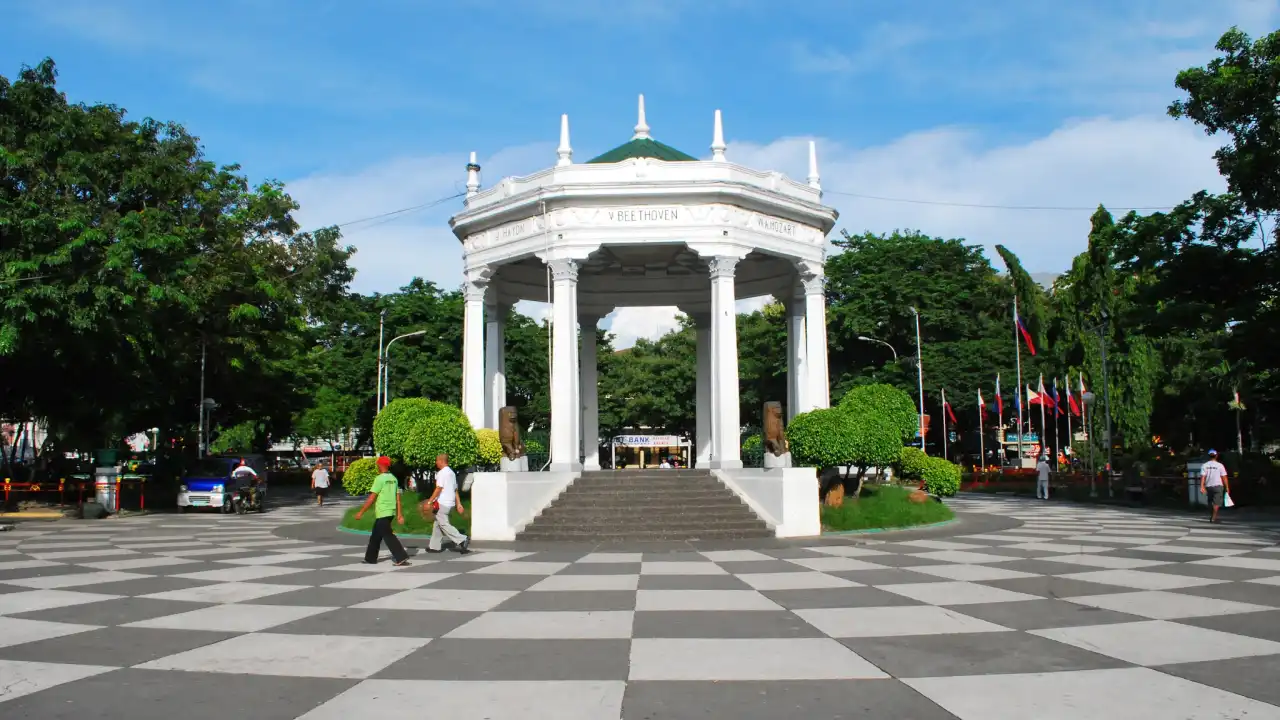
Interestingly, some of the most important Spanish influences aren't individual landmarks at all. Across the Philippines, many towns still follow the layout introduced during the colonial era. At the center you'll often find a plaza surrounded by important community buildings.
These typically included:
- Church
- Town hall
- Public square
- Market
- School
Even today, many of these areas remain gathering places for residents. That connection between past and present is what makes them so interesting.
Why These Places Still Matter
We often think of historic sites as something that is part of history. That is not actually the case at all. These sites still maintain aspects of local identity, appeal to visitors and keep narratives alive that would otherwise fade into the background noise. They help people understand how the Philippines reached its current state as a nation. They also give a trip depth. Beaches are beautiful, of course. Yet, after days of island hopping, treading the same cobblestones that kings and emperors travelled centuries ago can offer something distinctly different.
Pro Tip:
If you get the chance, hire a local guide. Some of the best stories aren't written on information boards.
Planning Your Route
If you're hoping to visit several heritage sites, grouping destinations by region makes travel much easier.
Northern Luzon
- Vigan
- Paoay Church
- Other Ilocos heritage towns
Manila Area
- Intramuros
- Fort Santiago
- Casa Manila
- Manila Cathedral
Visayas Region
- Cebu
- Bohol
- Iloilo
Many travelers choose a Travel Junky International trip package because it combines heritage destinations with beaches and island experiences, making the itinerary more balanced.
Conclusion
Many travelers miss the historical aspect of the Philippines. Away from the beaches and world-class island resorts, you can find centuries-old churches, fortified cities, tranquil plazas and streets that whisper of bygone days. In truth, Intramuros, Vigan, Paoay Church, Miagao Church, Fort San Pedro, Baclayon Church, these places are like pages from the book of a much larger narrative.
When combined and analyzed together, however, both uniquely provide a stronger insight into the culture, strength, and heritage of the nation in question. If you're going to travel, don't use up all your time at the coast. Leave a day or two for history. You may go in expecting some old buildings and photos but come away with a much deeper connection to the Philippines itself, or so goes your expectations.