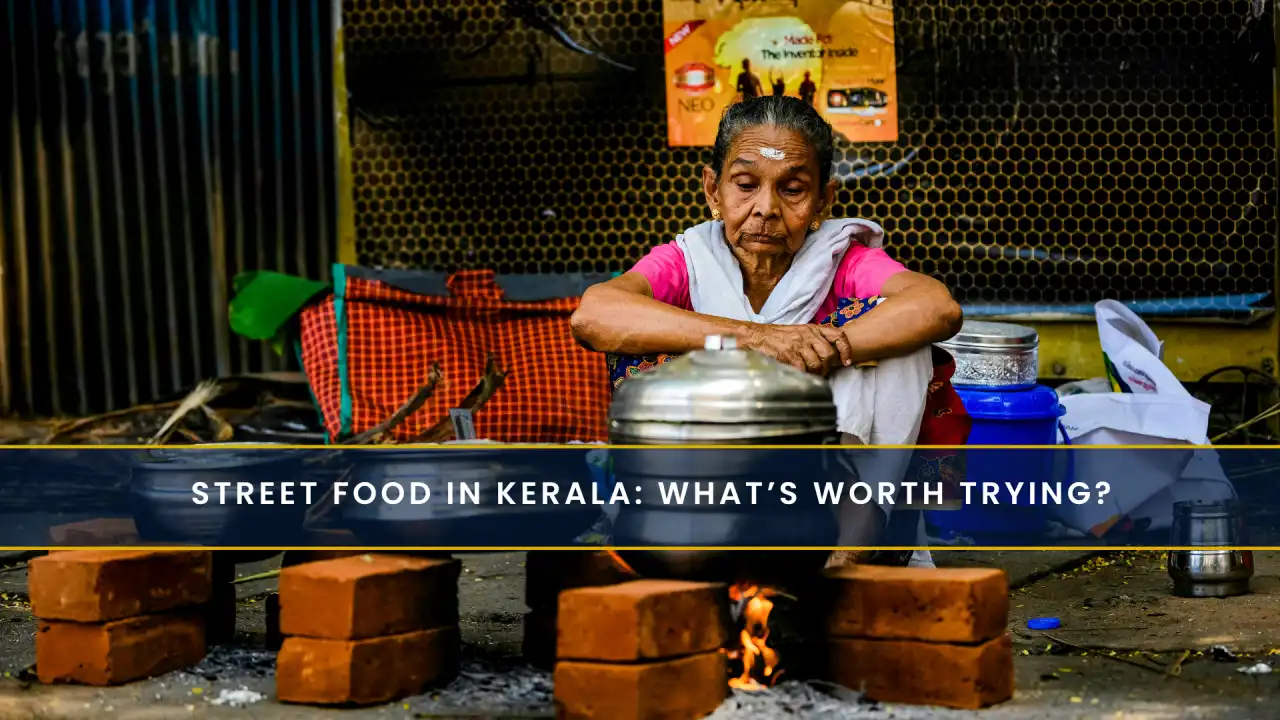
Street Food in Kerala: What’s Worth Trying?
Introduction
There’s a kind of magic you don’t find in fancy restaurants. It doesn’t come plated neatly or explained by a waiter. It just happens. Usually on the side of a road, somewhere between a busy junction and a quiet lane you didn’t even plan to walk down. In Kerala, that magic shows up in the simplest ways. A banana leaf folded in half. Food was handed over in an old newspaper. Something sizzling loudly enough to make you stop mid-step and look around like, okay, wait, what is that smell?
If you’ve ever thought about what makes Kerala Street Food so memorable, it’s honestly not just about taste. It’s the whole scene. Oil crackling in the background. Someone shouting out orders in Malayalam. People standing around, eating quickly but somehow still enjoying every bite. No one’s in a rush, but no one’s really slowing down either. It’s that strange middle space. You don’t plan for it. You just sort of end up there. Hungry, curious, and maybe a little unsure but in a good way.
Why Street Food in Kerala Feels Different
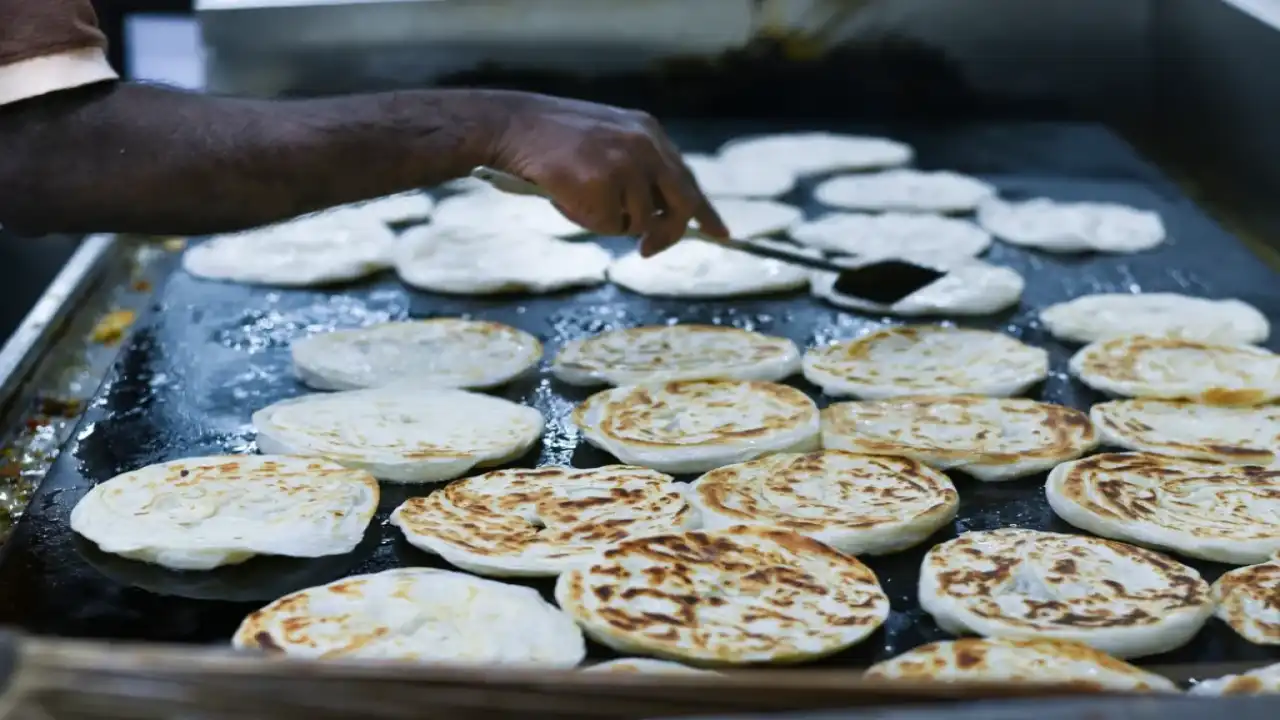
Kerala doesn’t hurry its food. Even when it looks like it should. Even when there’s a crowd waiting. There’s this quiet patience in how things are cooked. Spices aren’t dumped; they build slowly. You can actually smell the layers changing. Coconut shows up everywhere, but not in a repetitive way. Somehow, it feels different in each dish. Softer here, richer there. And the biggest thing? This food isn’t made for visitors. It just exists. It’s what people eat every day before work, after work, and in between random conversations. Morning breakfasts, evening snacks, late-night hunger fixes when nothing else is open. That’s probably why it feels so real. No effort to impress. No presentation tricks. Just food that knows exactly what it’s doing.
Must-Try Street Foods That Actually Live Up to the Hype
1. Puttu and Kadala Curry
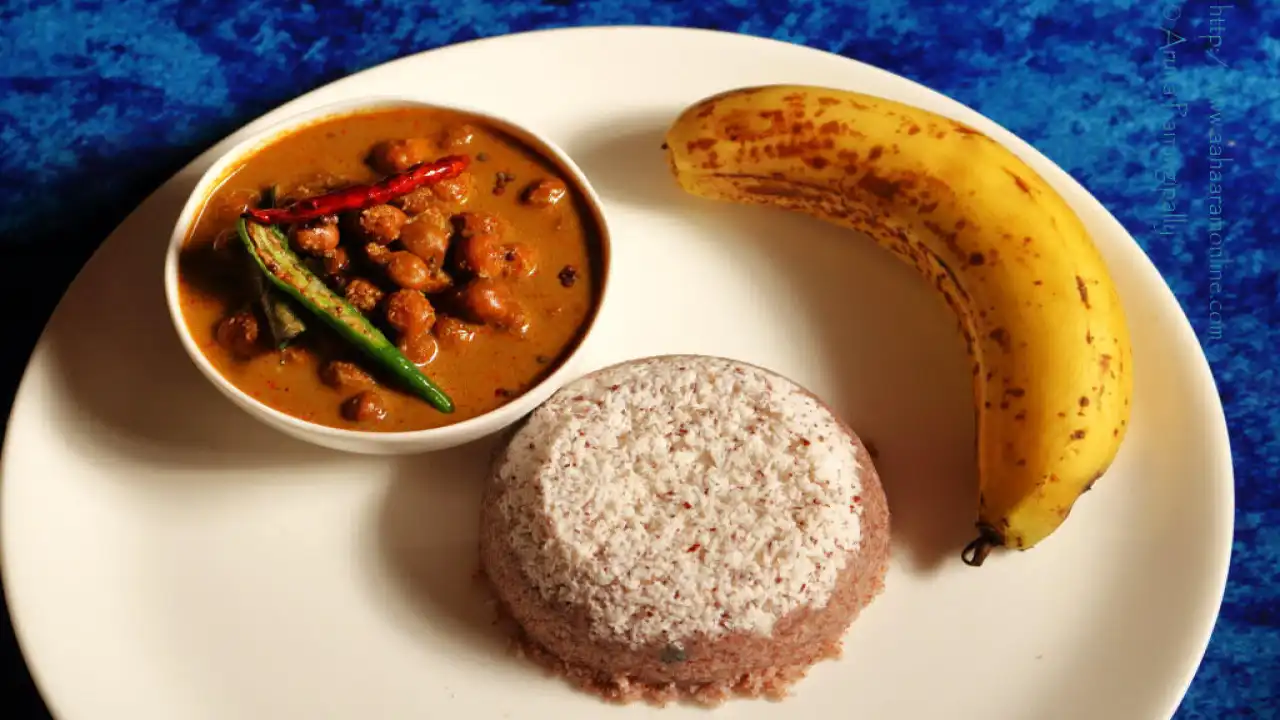
This is the kind of breakfast that doesn’t try too hard, but still wins. Puttu is soft, slightly crumbly, made with rice flour and coconut. On its own, it’s mild. But then you add kadala curry dark, spicy, full of flavor and suddenly it all makes sense. It’s not dramatic. It’s comforting. Like something you didn’t know you needed.
Pro Tip:
- Go early. Like, actually early. That’s when it’s fresh and tastes the way it’s supposed to.
2. Pazham Pori (Banana Fritters)
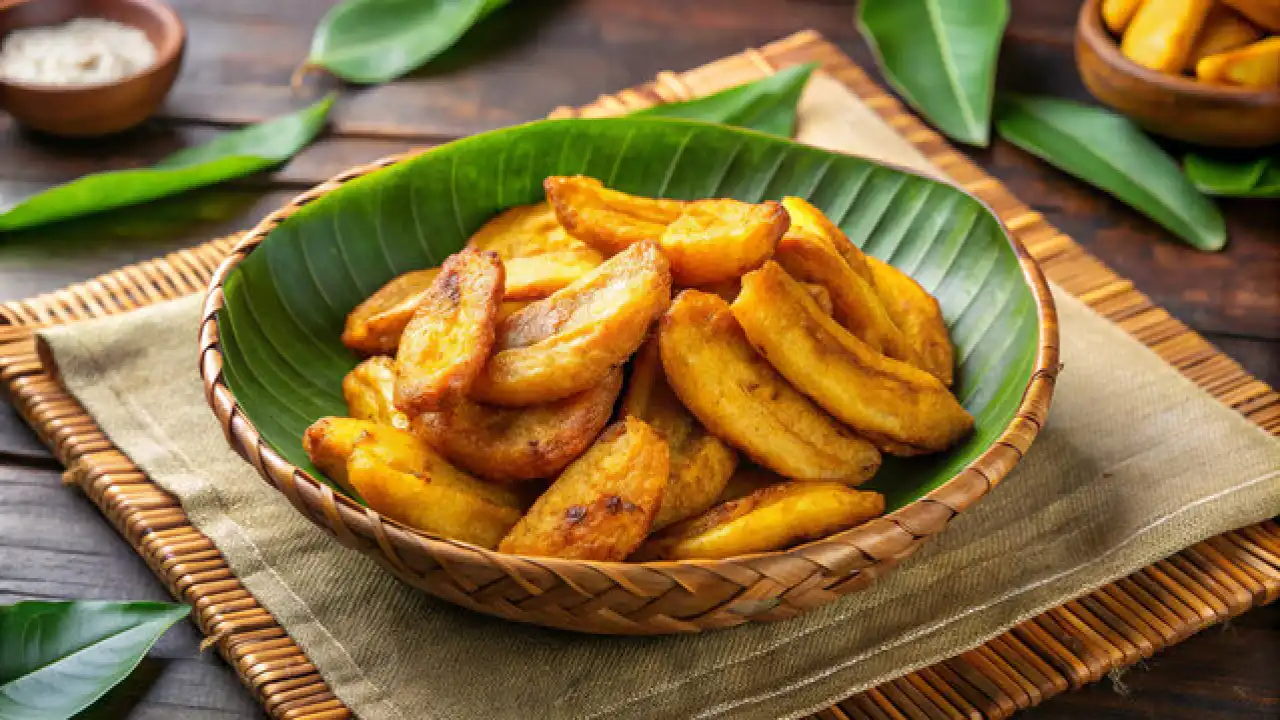
You’ll probably see this everywhere. And you’ll think, okay, fried banana, how good can it be? Then you try it. Crispy outside, soft and sweet inside. Not overly sugary, just right. It’s the kind of thing you order once and then, without really deciding, you order it again.
Best with:
- Strong tea
- Slightly rainy weather (not required, but somehow makes it better)
3. Kerala Parotta with Beef Fry
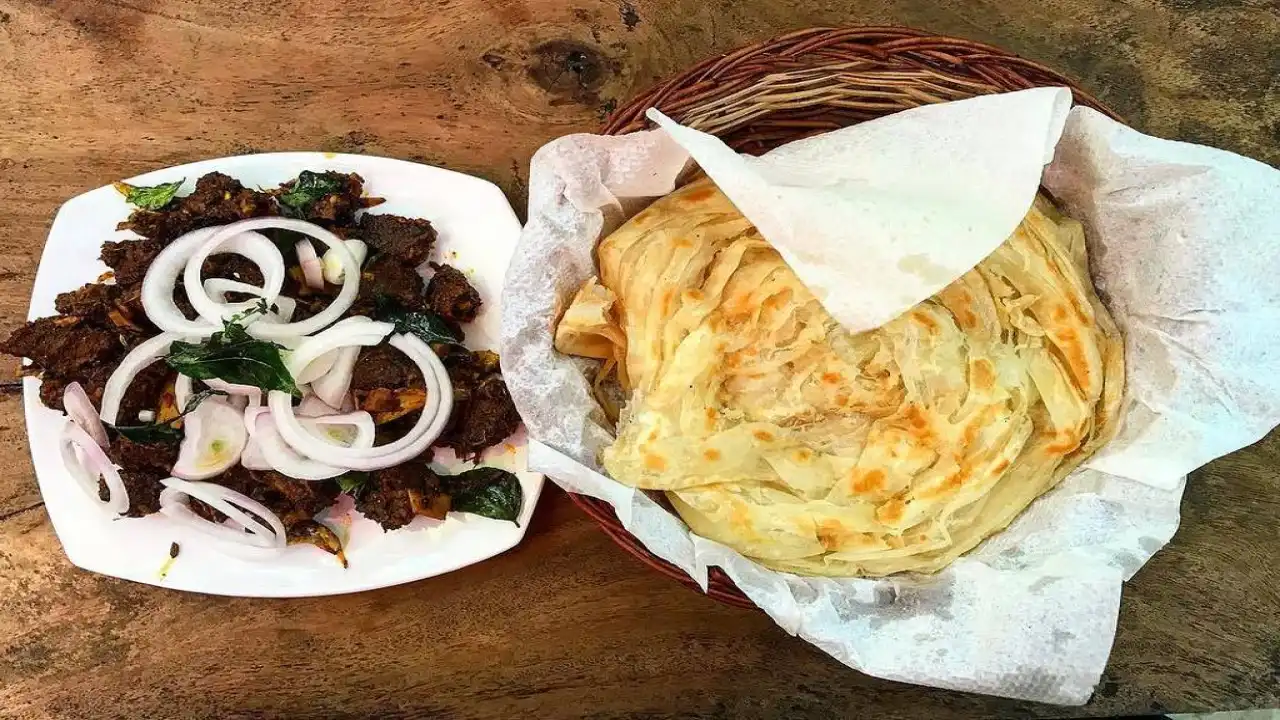
This one’s heavy. In a good way. Parotta is flaky, layered, and a little chewy. You tear it apart with your hands, dip it into beef fry that’s spicy, oily, full of curry leaves and onions, and it’s a lot. But it works. You’ll probably feel full halfway through and still keep eating. That’s just how it goes.
4. Kappa and Fish Curry
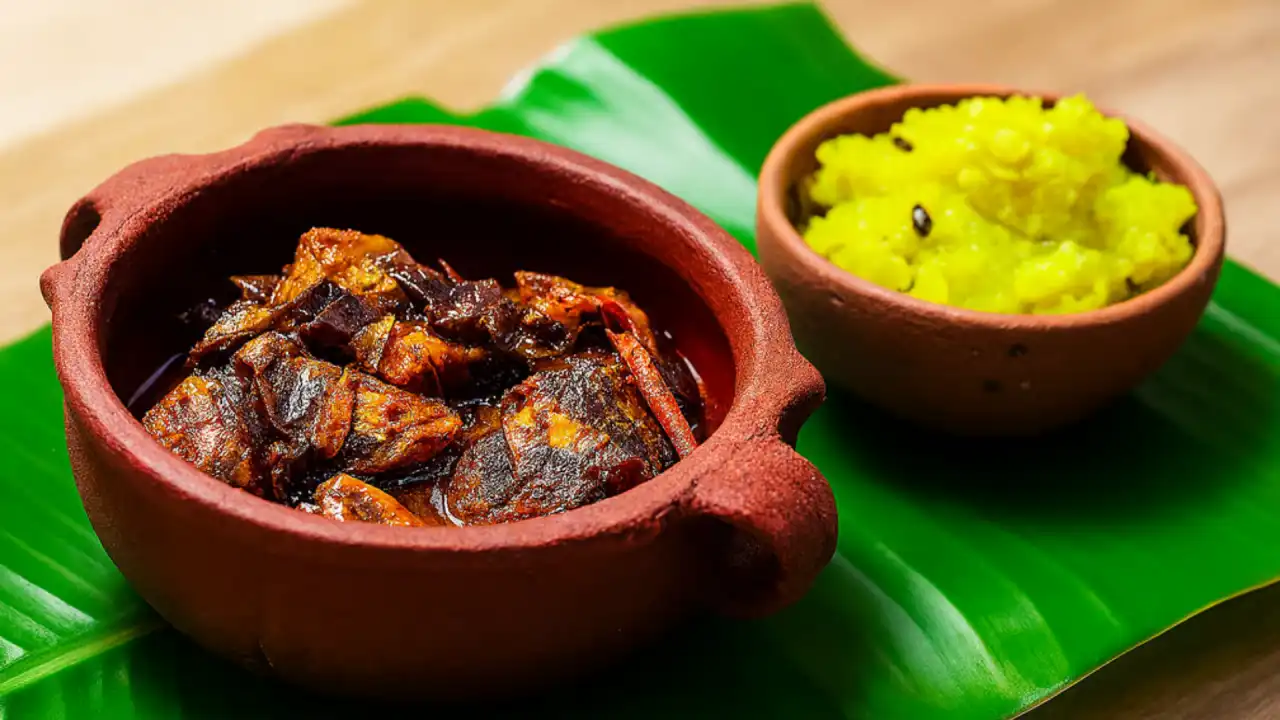
Okay, tapioca doesn’t sound exciting. Let’s be honest. But the Kerala version? Different story. Kappa is soft, slightly dense, and almost neutral on its own. Then you pair it with sharp, spicy fish curry and suddenly it clicks. The balance is what makes it. This is one of those dishes that quietly represent local food in Kerala without trying to stand out. It just is. And that’s enough.
5. Egg Roast with Appam
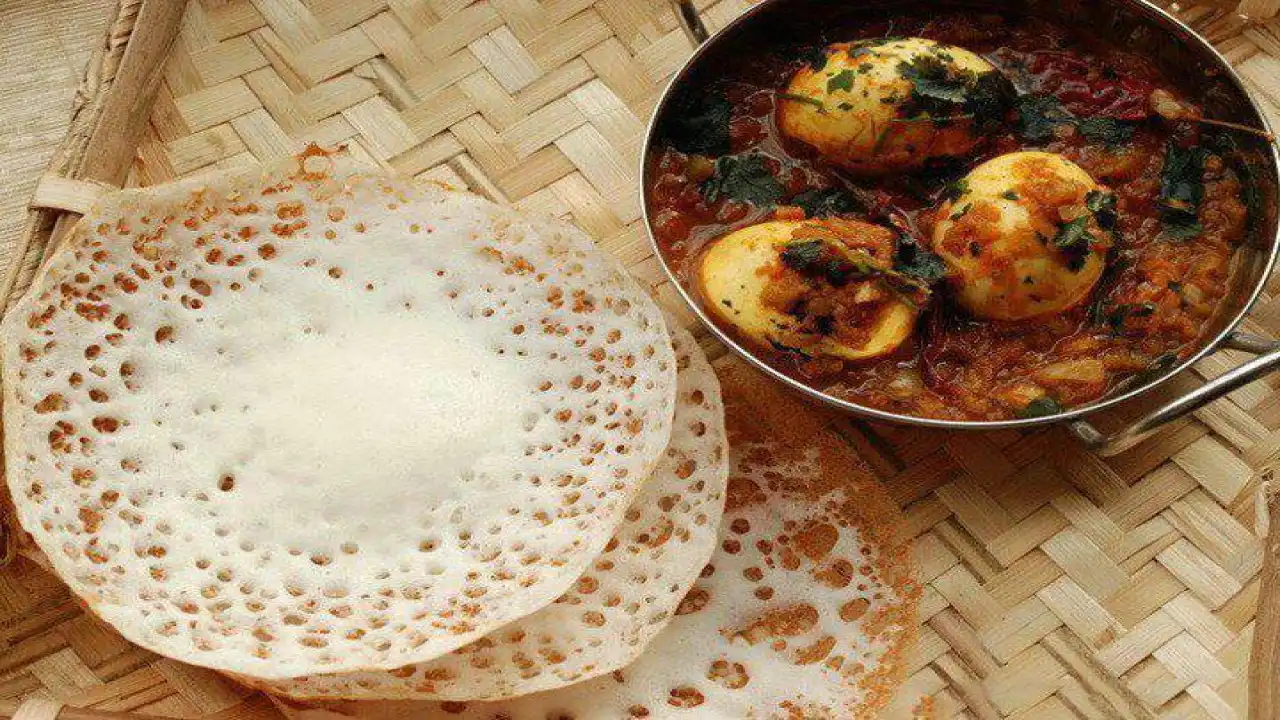
Appam looks delicate. Almost too soft to hold anything heavy. But then you scoop up egg roast thick, spicy gravy with boiled eggs and it holds up just fine. The edges soak in the curry, the center stays soft. It’s messy. You’ll probably drip some. Worth it.
6. Sulaimani Tea
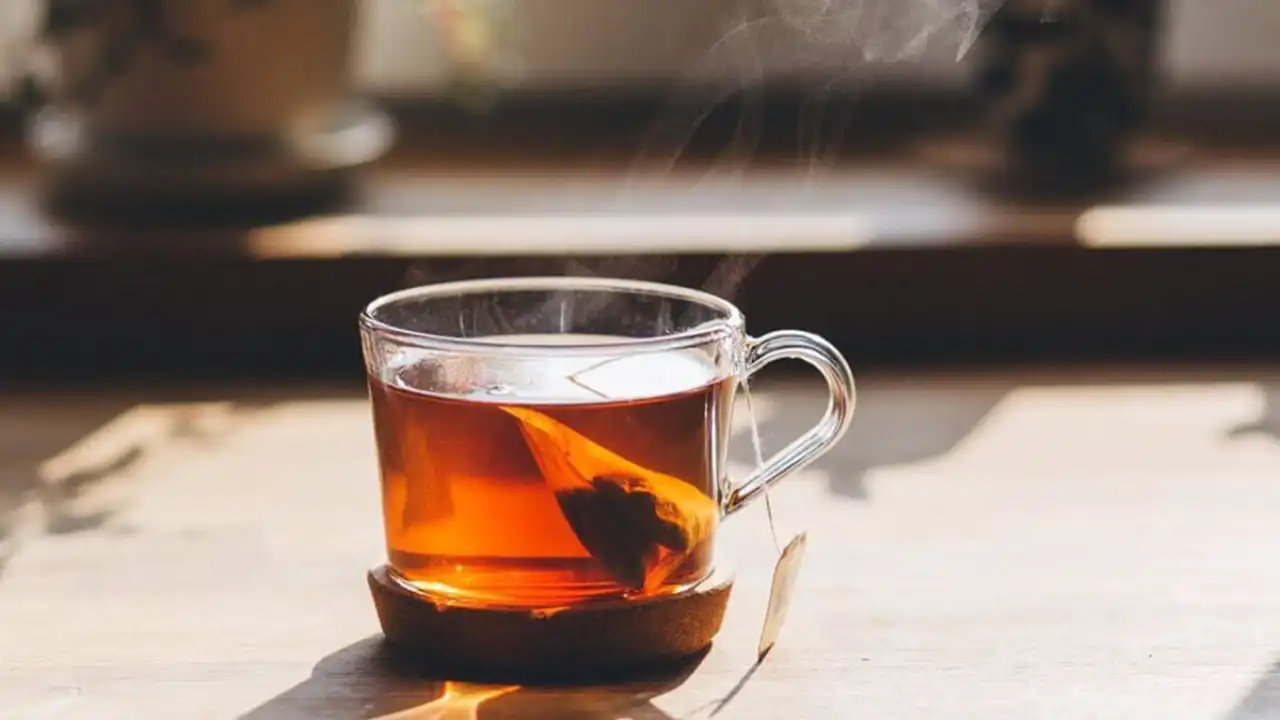
Not everything here is about eating. Sometimes you just stand there with a glass of Sulaimani black tea, a bit of lemon, maybe some spice, and take a break. It’s light, slightly tangy, not too strong. It’s less about the taste, more about the pause in between everything else.
7. Kozhikode Halwa
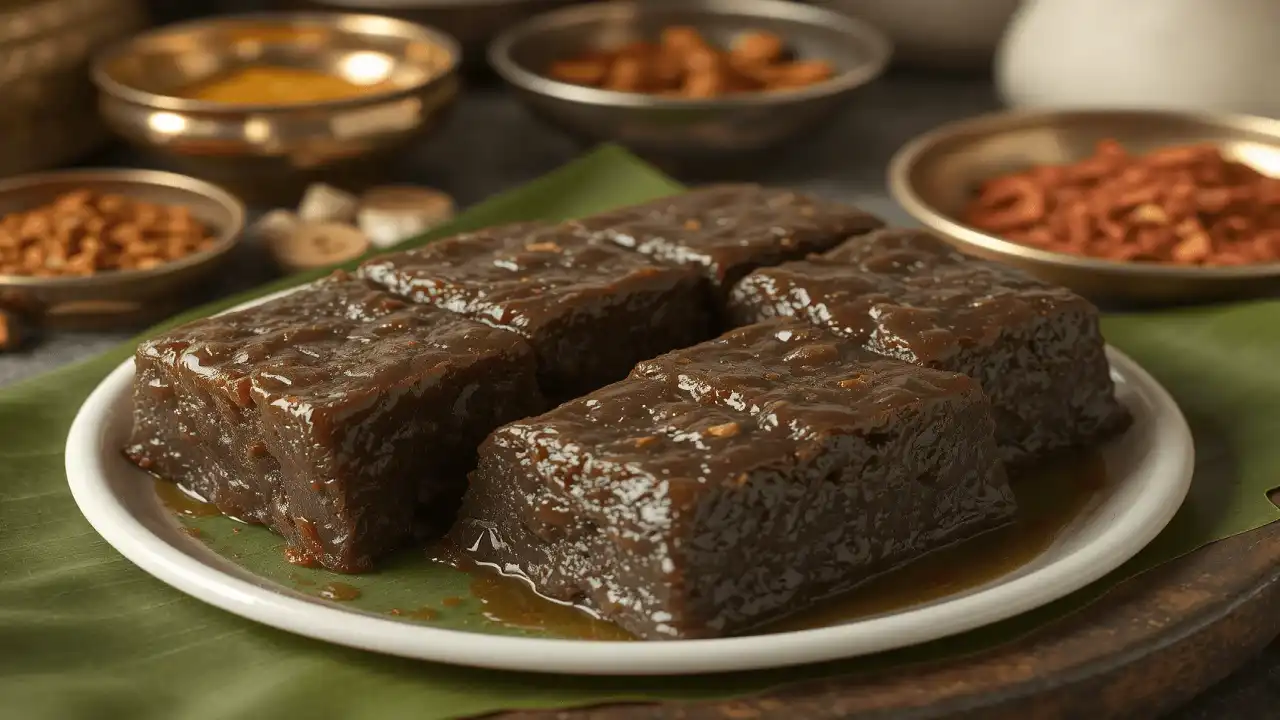
This one catches your eye first. Bright colors, glossy texture, cut into neat blocks. It’s chewy, rich, and a bit sticky. Made with flour, sugar, ghee, and sometimes banana or coconut. You take a small piece thinking it’ll be enough, but it usually isn’t.
Street Food Spots You Shouldn’t Miss
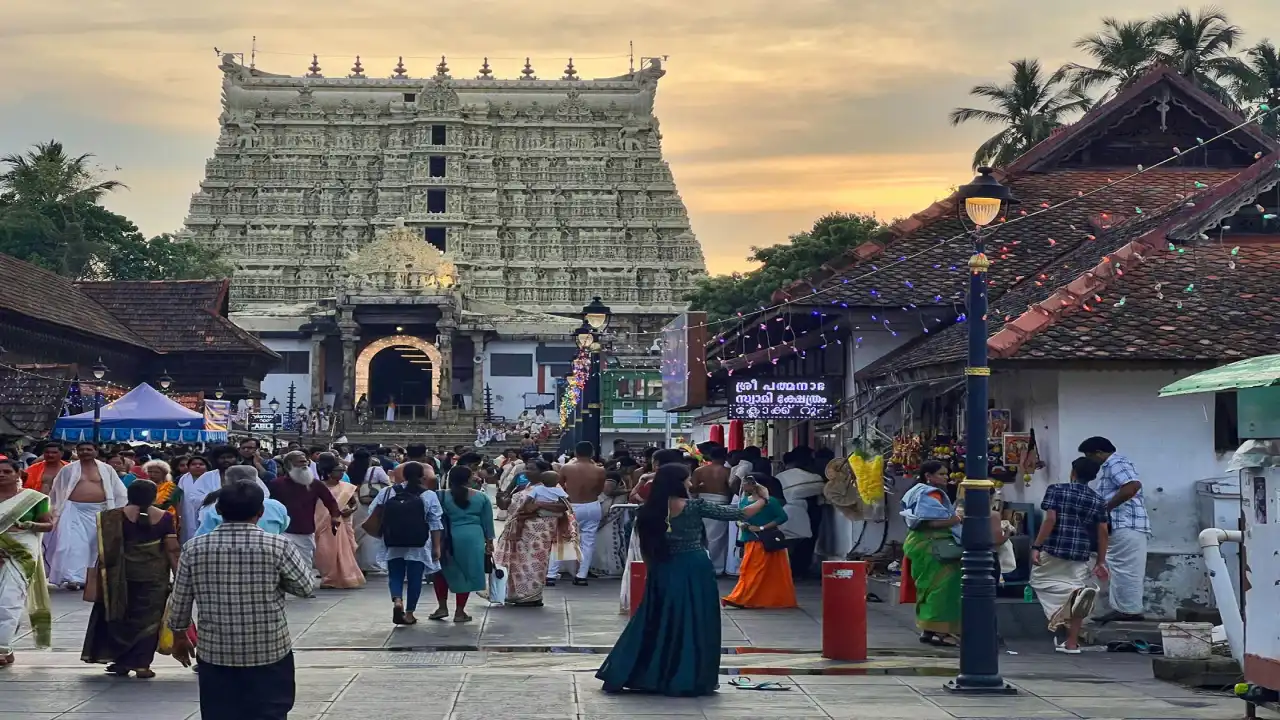
You don’t need a strict list, but some places naturally pull you in:
- Kozhikode (Calicut): Evenings here feel like one long food trail
- Fort Kochi: A mix of old-school flavors and coastal vibes
- Thiruvananthapuram: Great for late-night snacks when everything else is closed
Each place feels slightly different. But the core? Same warmth, same honesty, the kind of experience you often hope to find when booking well-planned Domestic Packages.
What Makes Kerala’s Street Food So Addictive?
1. Coconut, Everywhere but Not Boring
It shows up in oils, chutneys, and curries. But somehow it never feels repetitive.
2. Spices That Actually Have Depth
It’s not just spicy for the sake of it. There are pepper, mustard seeds, and curry leaves layers you notice after a few bites.
3. Freshness You Can See
Most things are made right in front of you. No waiting under heat lamps. No guesswork.
The Experience Beyond Food
It’s funny what you remember later isn’t just the food. It’s where you were standing. Maybe near a cart with barely any space, balancing a plate in one hand. Maybe sitting on a plastic chair that feels like it might give up any second. Maybe sharing a table with someone who randomly tells you what to order next. These little moments stay. More than the planned parts of the trip.
How It Fits Into Your Travel Plans
If you’re on a structured Kerala trip package, street food ends up being the unexpected highlight. It fills those in-between gaps. After sightseeing, before heading back. Quick stops that turn into longer ones. Even if your schedule is tight, leave a bit of room to wander. That’s usually when you find the best food when you’re not actively looking for it.
A Taste That Stays With You
Street food doesn’t try to impress you. It just shows up, does its thing, and somehow sticks with you longer than expected. You’ll go back home and randomly remember one bite. Not the famous place, not the big meal, the small, unexpected one. That’s what food in Kerala does. It stays somewhere in the background and then shows up again when you least expect it.
Conclusion
Honestly, most of it. But if you have to start somewhere, go for Pazham Pori, Parotta with Beef Fry, and Puttu with Kadala Curry. Safe choices, but still really good ones. After that, just follow your instincts. Walk a little slower. Pay attention to where people are stopping. Because here, the best food usually isn’t planned. It just happens.
A Quick Street Food Survival Guide
Before you jump in (because you will), a few things help:
- Go where it’s crowded, locals usually know best
- Keep small cash handy, not every place takes UPI
- Don’t over-order at first, you’ll want to try more later
- Drink water. The heat and spice combo is real