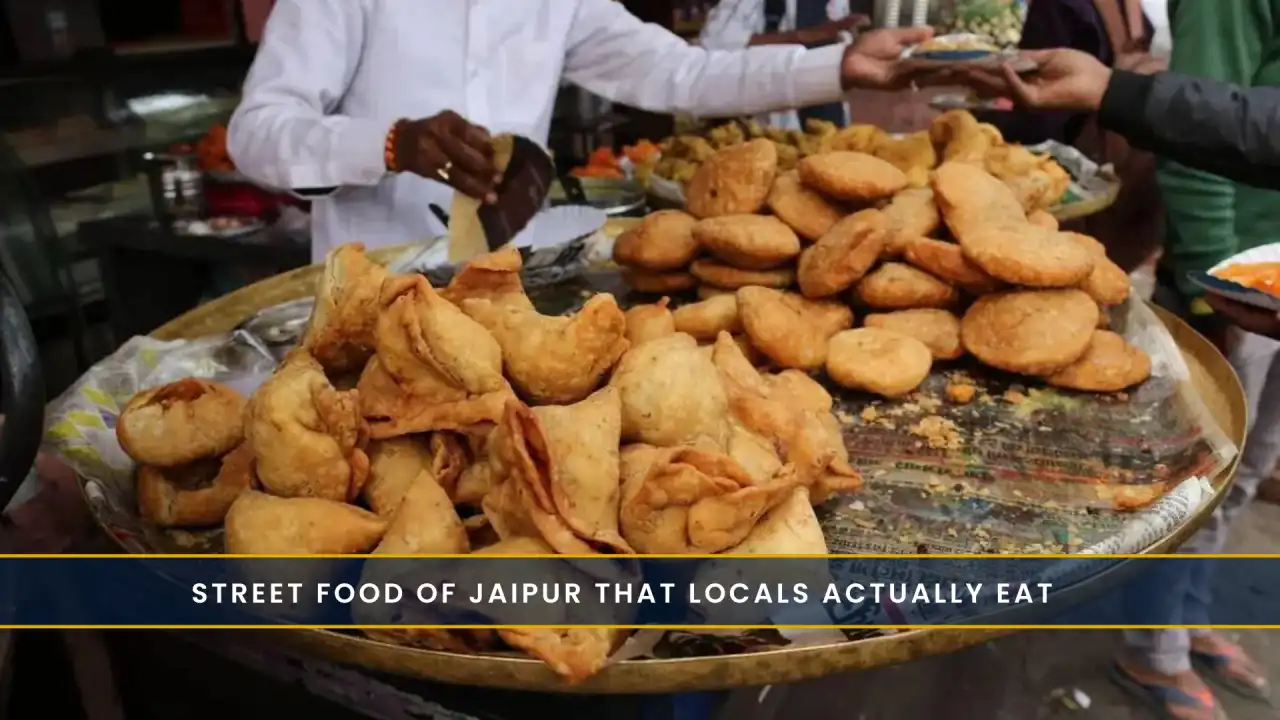
Street Food of Jaipur That Locals Actually Eat
Introduction
If you stop someone in Jaipur and ask where they eat, chances are they won’t answer right away. Not because they’re confused, but because too many places come to mind at once. Food here isn’t something people plan for days. It just happens. A snack on the way home. Something quick before work. A craving that pulls you down the same street you’ve been walking since childhood. That’s where Jaipur street food fits in quietly, comfortably, without trying to impress anyone. This isn’t about stalls people visit once and then forget. It’s about places that become part of routine. Flavors that don’t surprise you anymore, but still feel right. If you’re trying to eat the way locals do, this is where things start making sense.
Why Jaipur’s Street Food Feels Different
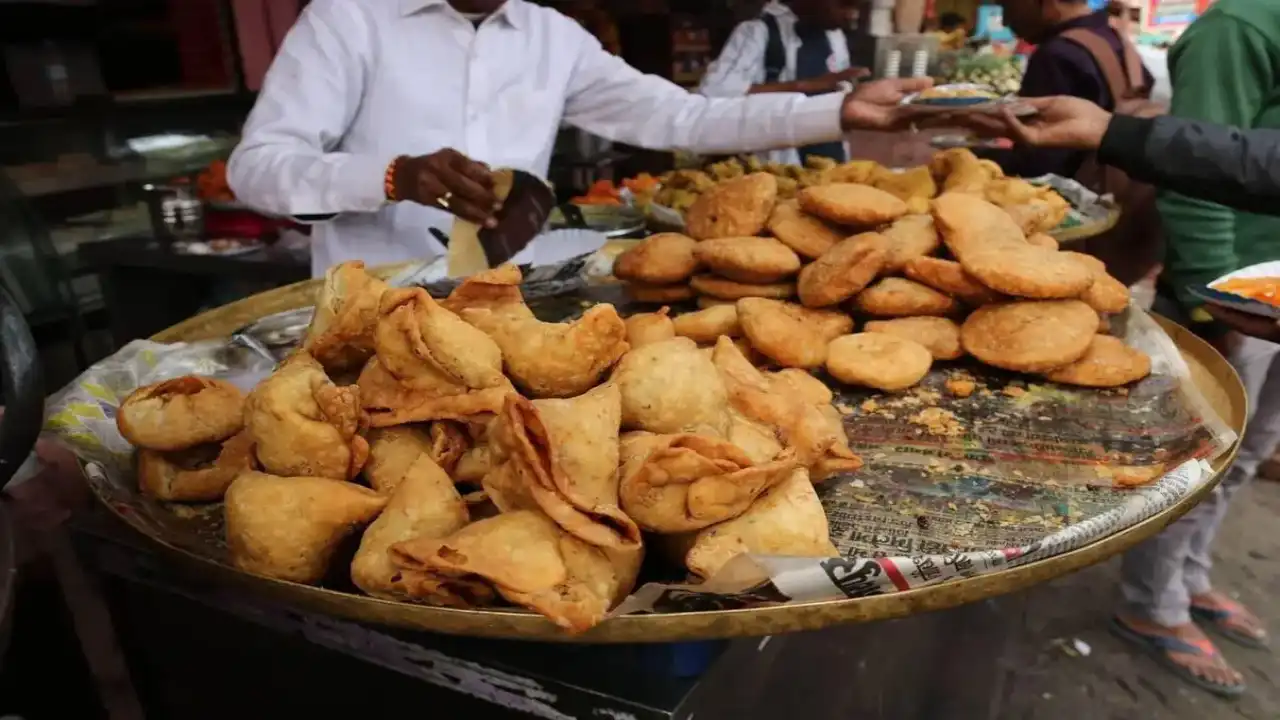
Jaipur doesn’t hurry its food. Even when a stall is crowded, nothing feels rushed. Dough gets shaped slowly. Oil heats at its own pace. Chutneys aren’t measured; they’re adjusted. Vendors remember faces. They remember preferences too, who likes extra spice, who doesn’t.
A few things that really set it apart:
- Recipes don’t change every year just to look new
- Ingredients are basic, but treated with care
- Flavors aim for balance, not drama
- Many stalls open only for a few hours, when people actually come
The process is patient. And you can taste that patience.
Pyaz Kachori: The Morning Ritual
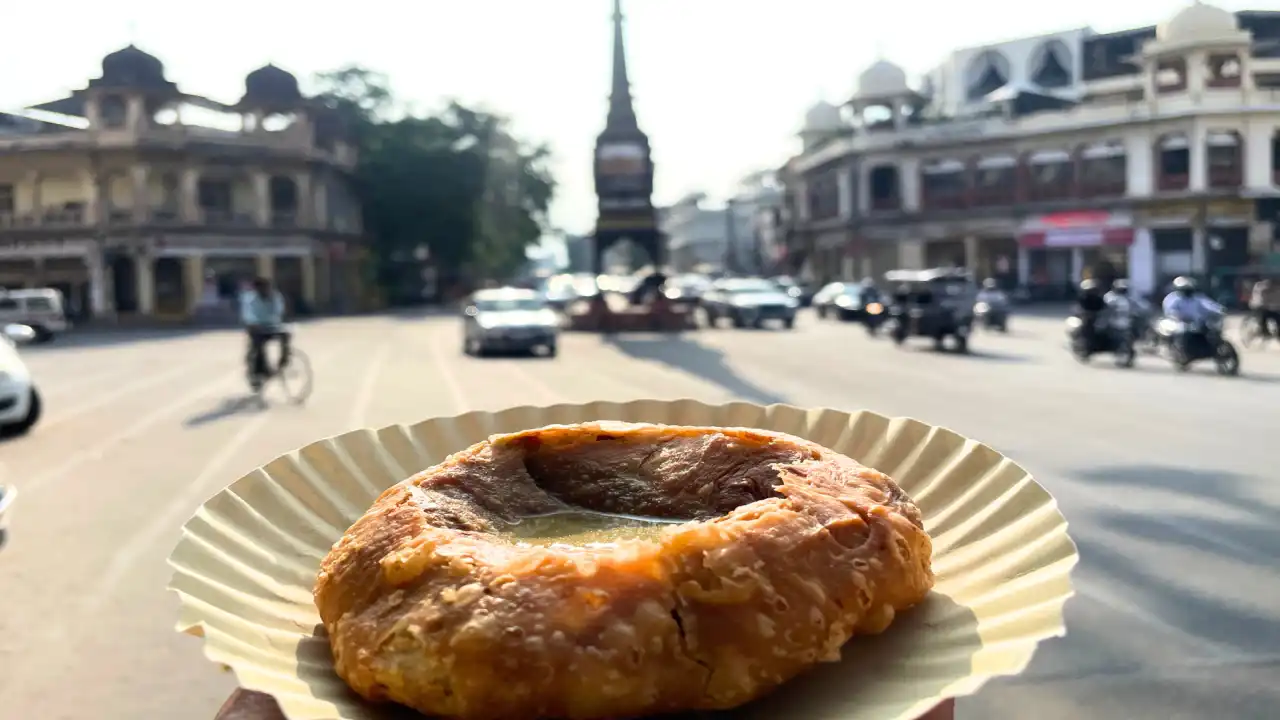
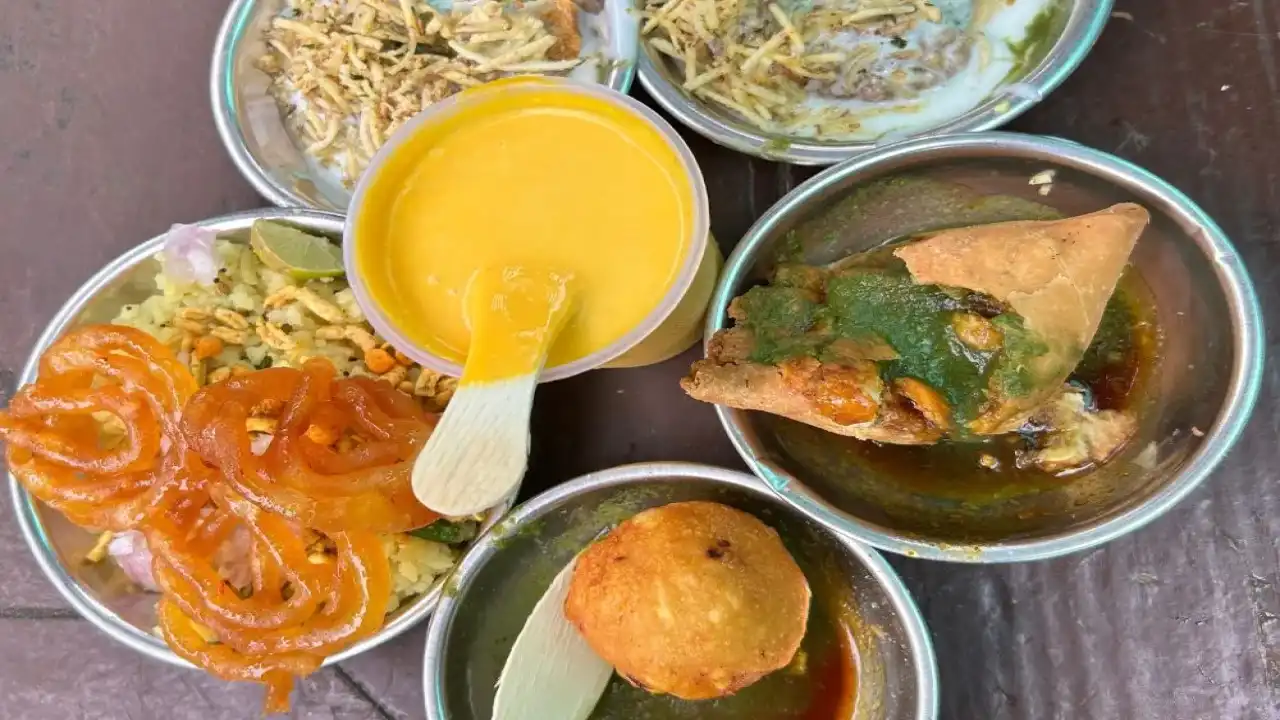
If Jaipur had a shared morning habit, this would be it. Pyaz kachori is filling, yes. Heavy too. But locals don’t think of it as junk. It’s warm, comforting, and surprisingly grounding when eaten fresh. The crust cracks cleanly. Inside, the onion filling is soft, spicy, and just a little sweet. Most people eat it standing nearby, balancing it with one hand while reading the paper or checking their phone.
Best time to eat:
- Early morning to late morning
- If a fresh batch is coming, wait. It’s worth it
Pro tip:
- Don’t pack it. Eat it there. Kachoris don’t like being carried around.
Samosa: In the Jaipur Way
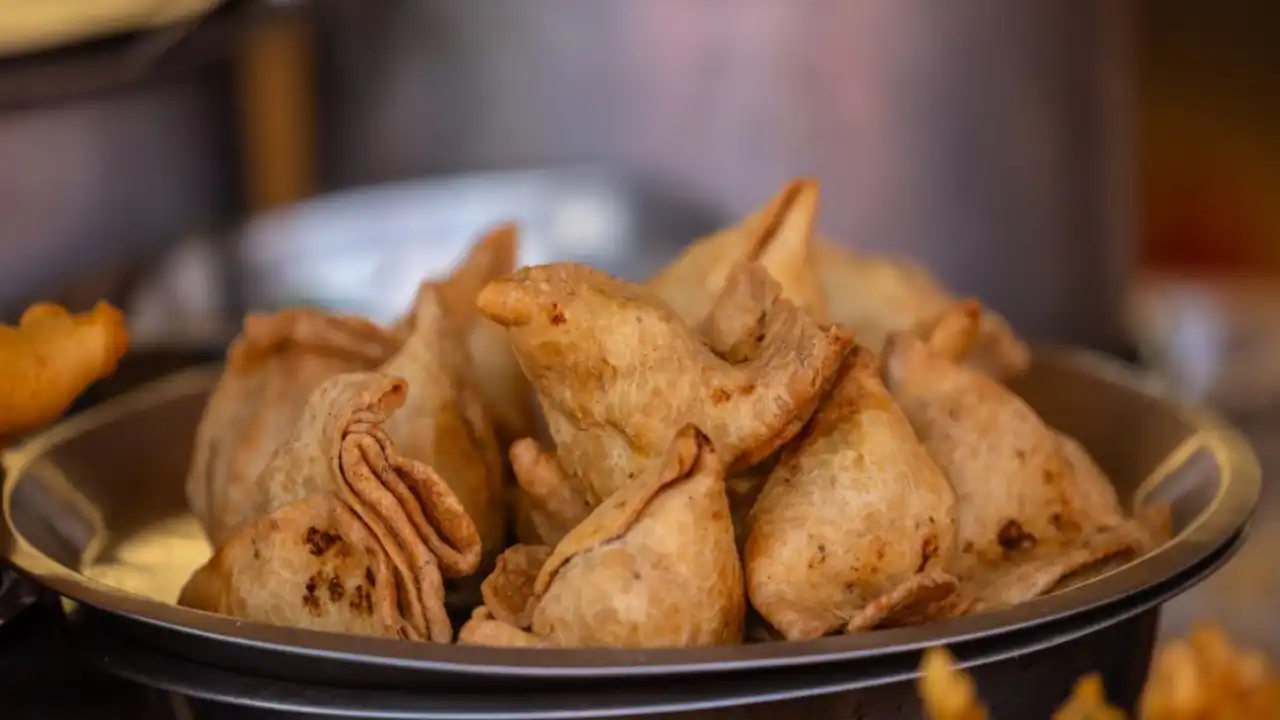
Samosas here aren’t an afterthought. People care about them. The potato filling is coarse, not mashed smooth. The spice is controlled, not loud. No unnecessary extras.
Locals usually pair samosas with:
- Sweet tamarind chutney
- Green chili paste
- Tea that’s still steaming
You’ll often see people eat two, talk for a few minutes, then move on. No rush. No rules.
Mirchi Vada: Not as Scary as It Looks
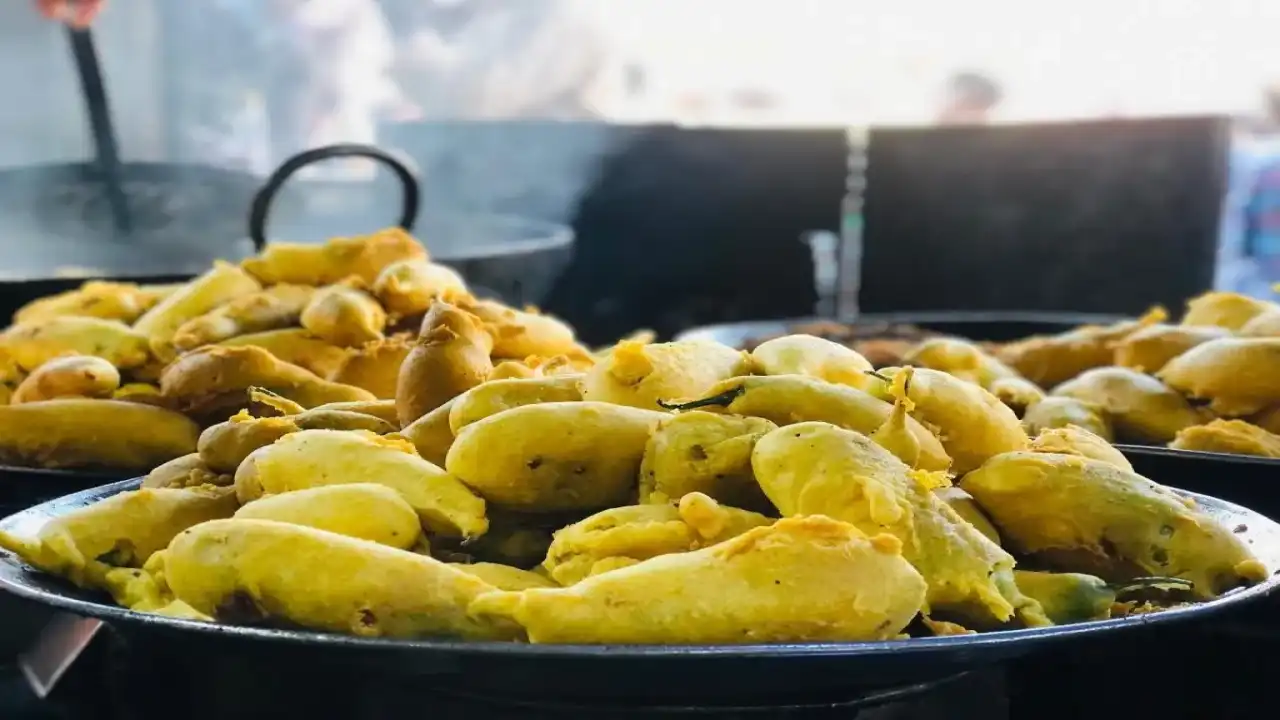
It looks intimidating at first. A big chili, fried till golden. But most locals know the secret: the chilies are usually mild. Inside, there’s a potato filling that calms everything down. The batter adds crunch. What looks aggressive turns out to be strangely addictive.
Why people keep coming back:
- It feels indulgent but doesn’t sit heavily
- Works as a snack or a quick meal
- Goes naturally with chai
Pro tip:
- Just ask if it’s spicy today. Vendors won’t lie.
Ghewar: The Sweet That Shows Up at Home
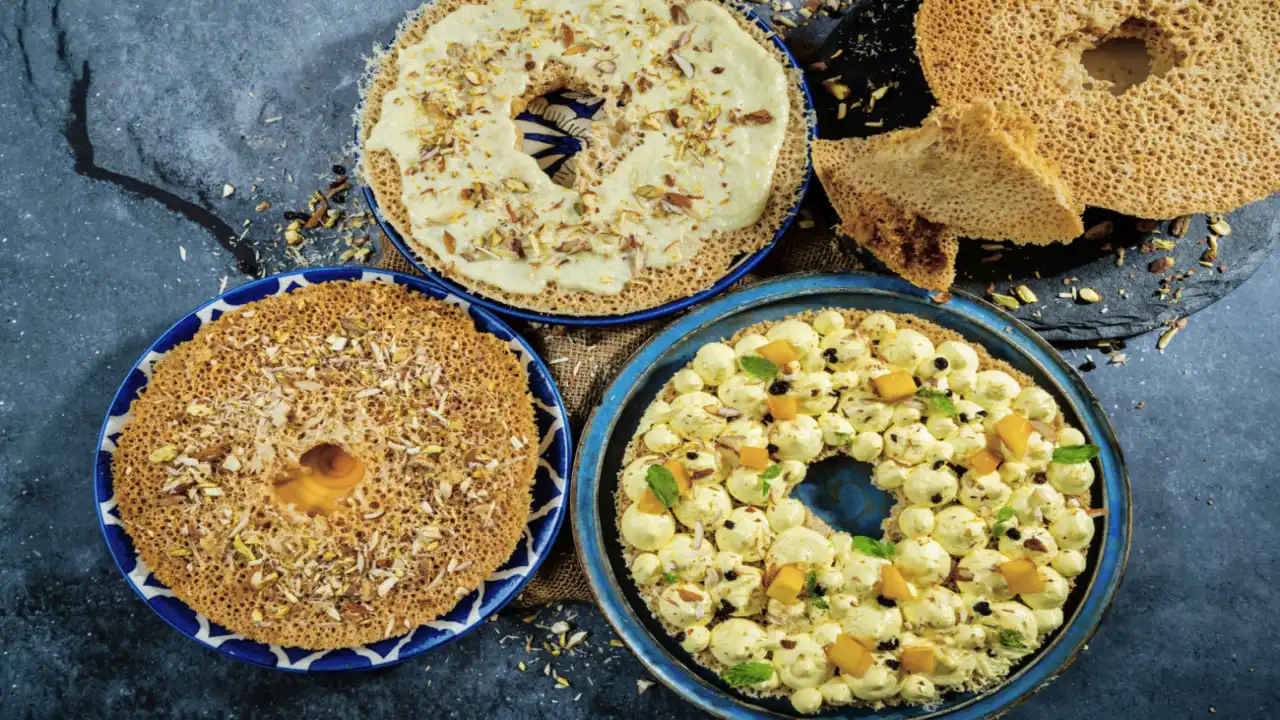
Ghewar isn’t everyday food. When it appears, something’s going on. A festival. A wedding. Someone is visiting after a long time. It’s light, crisp, and soaked gently in syrup. Sometimes topped with malai. Locals like it fresh, not dripping sweet.
Common types include:
- Plain ghewar
- Malai ghewar
- Mawa ghewar
Every family has opinions. And those opinions rarely change.
Chaat: But Calm
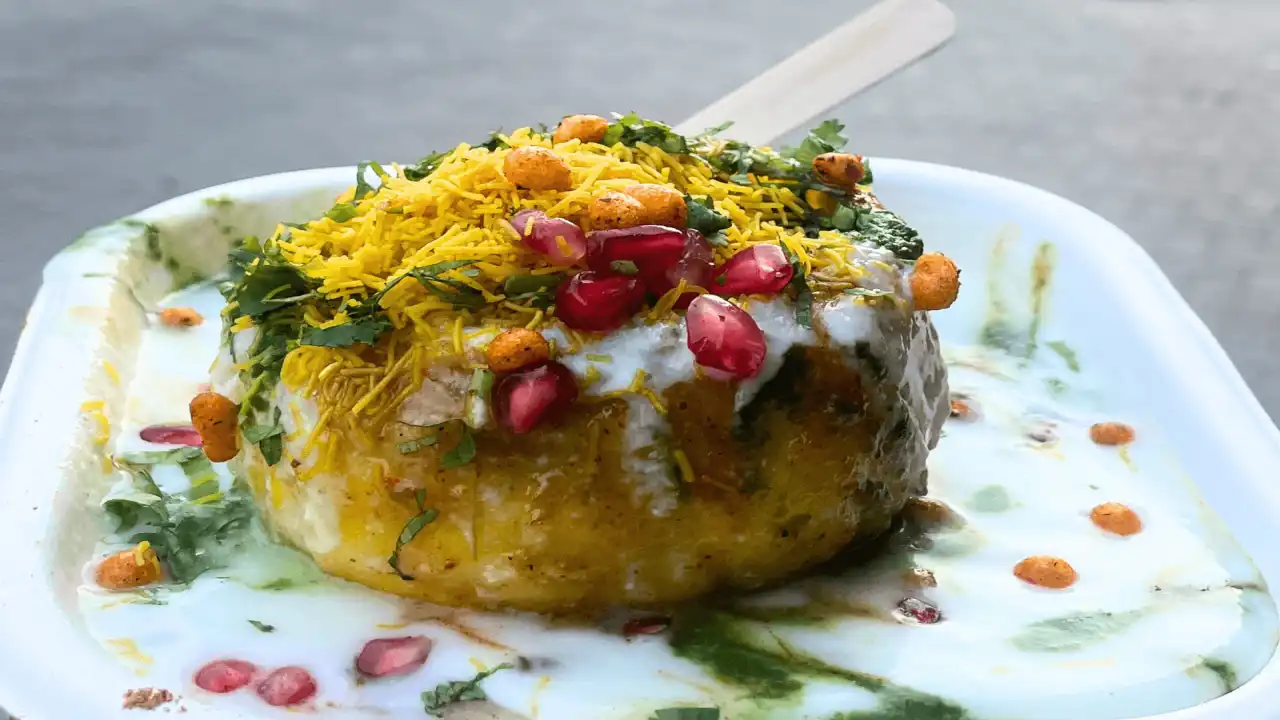
Chaat in Jaipur doesn’t try to overwhelm you. You won’t find too many sauces fighting for attention. It stays neat. Balanced.
Popular choices usually include:
- Papdi chaat with just enough yogurt
- Aloo tikki without heavy garnish
- Dahi vada, that’s gently seasoned
This is where local food in Jaipur shows its character. Confident, familiar, and comfortable being simple.
Pro tip:
- Evening is best. Ingredients are fresher, and energy is better.
Lassi: Feels Like a Meal
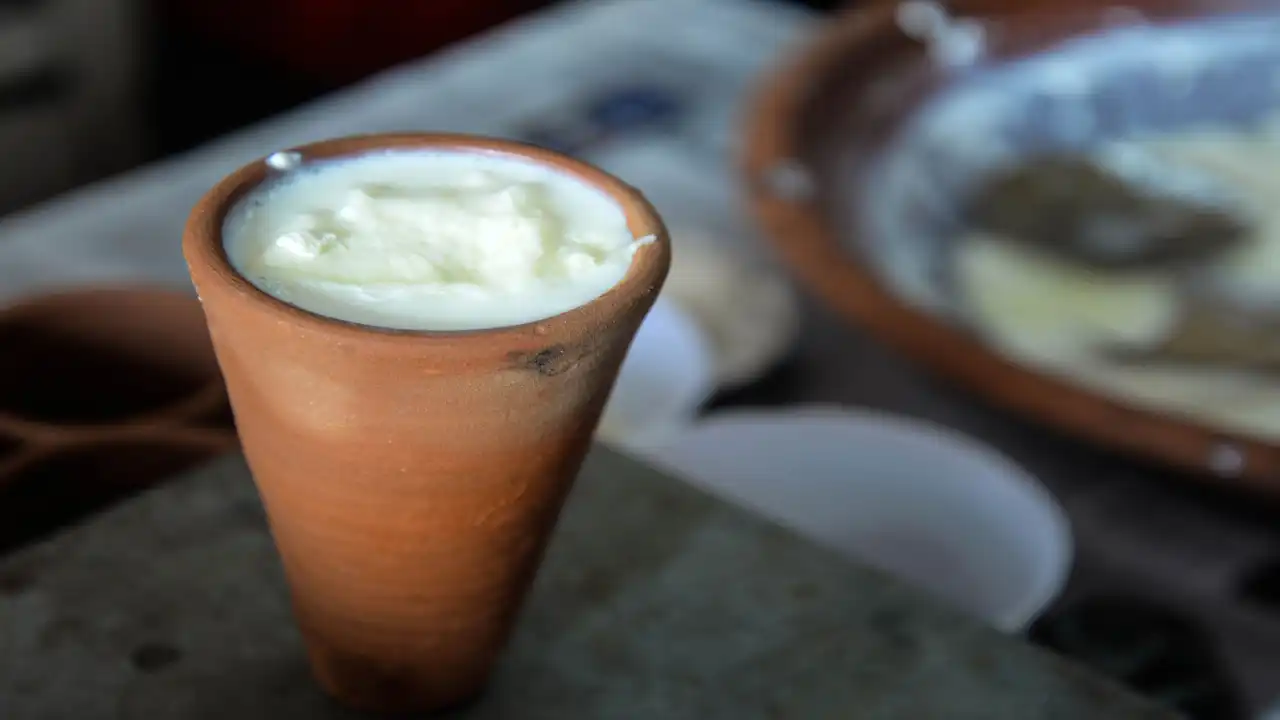
Lassi here is thick. Really thick. Served in tall glasses, often with a layer of cream floating on top.
People drink it:
- After long shopping walks
- During hot afternoons
- When they need a pause
Sweet, filling, and slow to finish. You don’t rush it.
Kulfi: Slowly and Patiently

Kulfi isn’t scooped in a hurry. Vendors scrape it fresh, sometimes adding falooda or nuts if you ask.
Common flavors:
- Malai
- Kesar pista
- Mango (when it’s in season)
People eat kulfi standing around, talking, melting slightly before each bite. That’s part of it.
The Evening Snack Culture
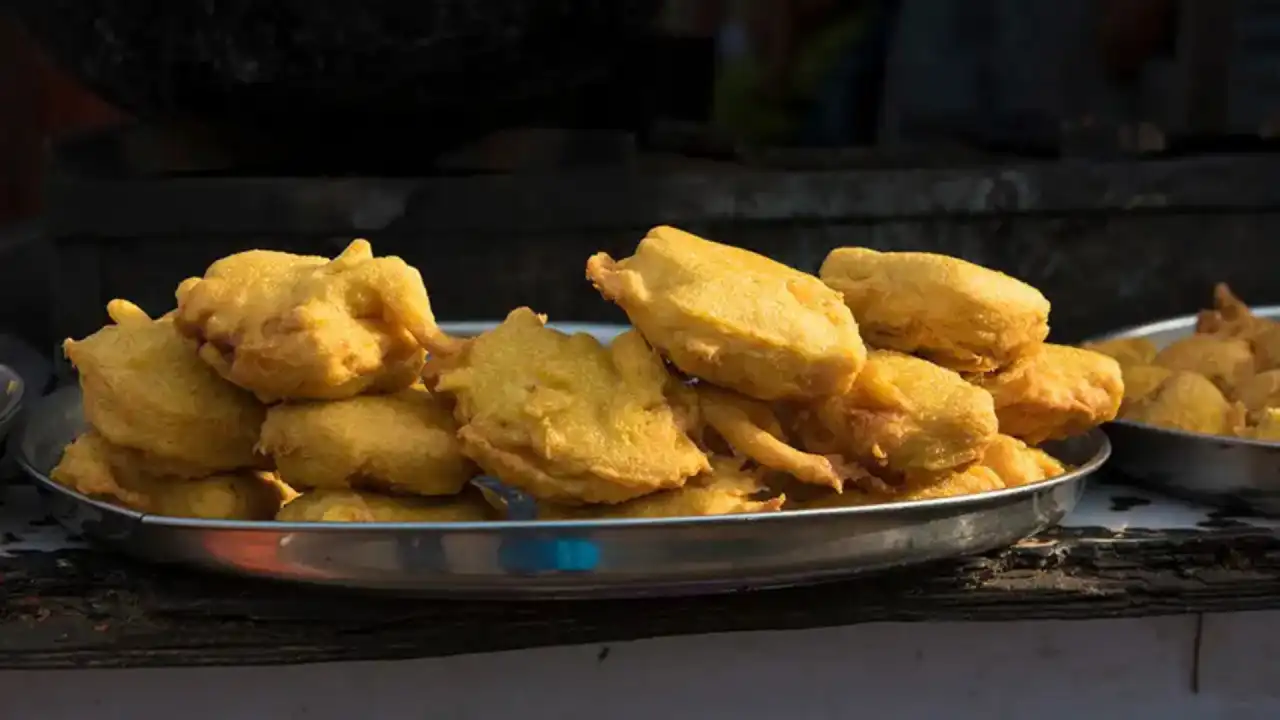
As the sun starts dropping, Jaipur changes mood. Lights come on. People step out. Conversations slow down.
This is when locals usually eat:
- Bread pakora
- Kachori with sabzi
- Boiled corn with salt and lime
Food turns social. Even a quick snack becomes a reason to stop for a bit.
Where Locals Actually Eat
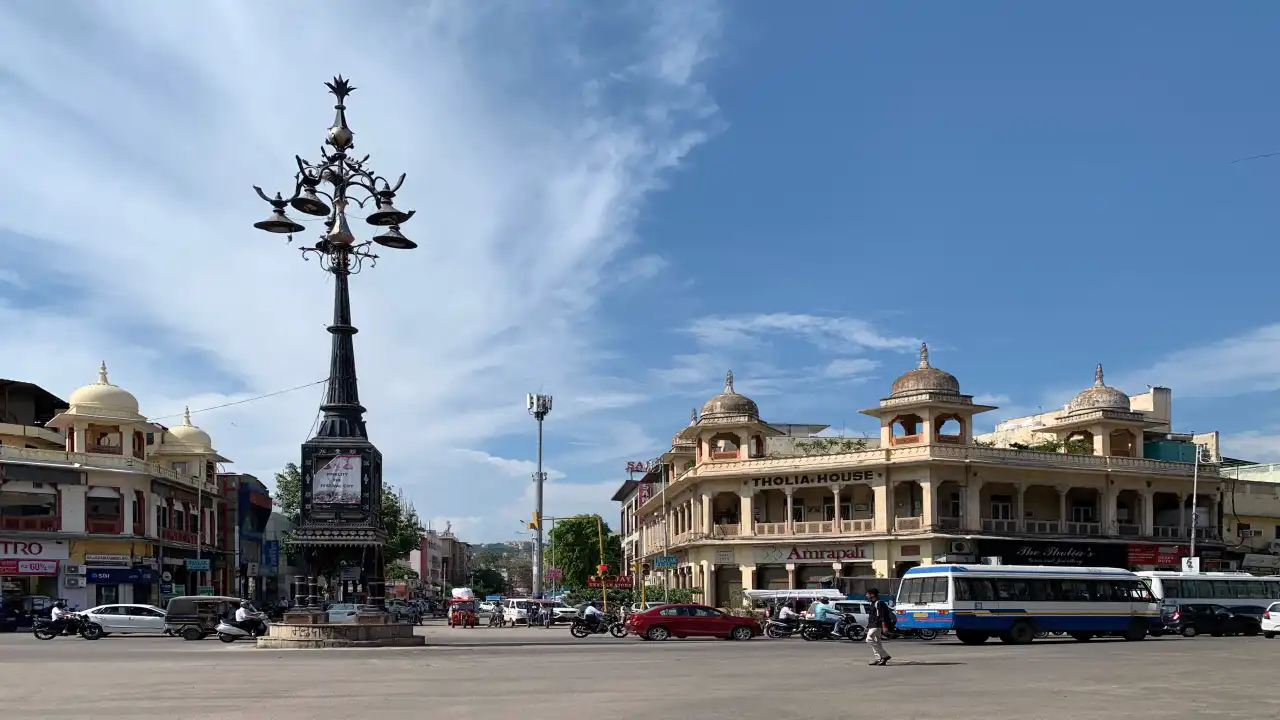
Instead of chasing famous stall names, locals usually follow a few simple instincts:
- MI Road for quick morning snacks, where office-goers stop daily for the same samosa or kachori without checking menus
- Bapu Bazaar in the evening, when families and shopkeepers gather around small chaat and snack stalls after closing time
- Johari Bazaar for lassi breaks and light snacks taken between errands, not as a planned food stop
- Chandpole and nearby residential lanes, where long-running stalls quietly serve a mixed crowd of kids, shopkeepers, and older locals
- Busy stalls with short menus, where food moves fast and nothing sits for too long
- Places run by the same vendor for years, often recognized by regulars without words
- Stalls with no loud boards or gimmicks, just steady foot traffic
- Spots where customers don’t ask questions because they already know what they’re there for
If you see school kids, shopkeepers, and older people eating together at the same stall, locals usually take that as a clear sign the food can be trusted.
Hygiene, Realistically Speaking
Street food isn’t perfect. Locals know that. So they rely on simple checks:
- Food should move fast
- Avoid stalls where food sits too long
- Watch how oil and water are handled
Pro tip:
- Your eyes are more useful than reviews.
How Street Food Fits Into Travel Plans
Visitors often try to squeeze in food between sightseeing. Locals don’t. They let it happen naturally while walking, shopping, and resting. If you’re traveling on something like Rajasthan trip packages, the best meals often come from unplanned stops rather than fixed schedules.
Street Food for Families and First-Timers
If you’re with family:
- Start mild
- Share dishes
- Skip extreme spice early on
Most vendors are happy to adjust things.
What Locals Don’t Do
Locals also know what to avoid:
- Heavy fried food late at night
- Empty stalls
- Overloading chutneys
Food here is enjoyed with some common sense.
The Emotional Side of Street Food
For locals, these foods aren’t trends. They’re habits. School days. Office breaks. Small errands that turned into routines. That’s why recipes stay the same. They don’t need fixing.
Conclusion
Jaipur’s street food doesn’t try to win awards. It just shows up every day and does its job well. If you slow down, eat a little less, and pay attention, you’ll understand why people keep returning to the same stalls year after year. It’s not about chasing famous names. It’s about slipping into the city’s rhythm, even briefly. Most of the time, the best meals won’t be planned. They’ll just happen while you’re walking somewhere else.
A Small Jaipur Food Guide for First Visits
This Jaipur food guide isn’t about ticking boxes. It’s about pacing.
A few reminders:
- Eat smaller portions
- Drink water, skip ice
- Don’t stack too many fried items