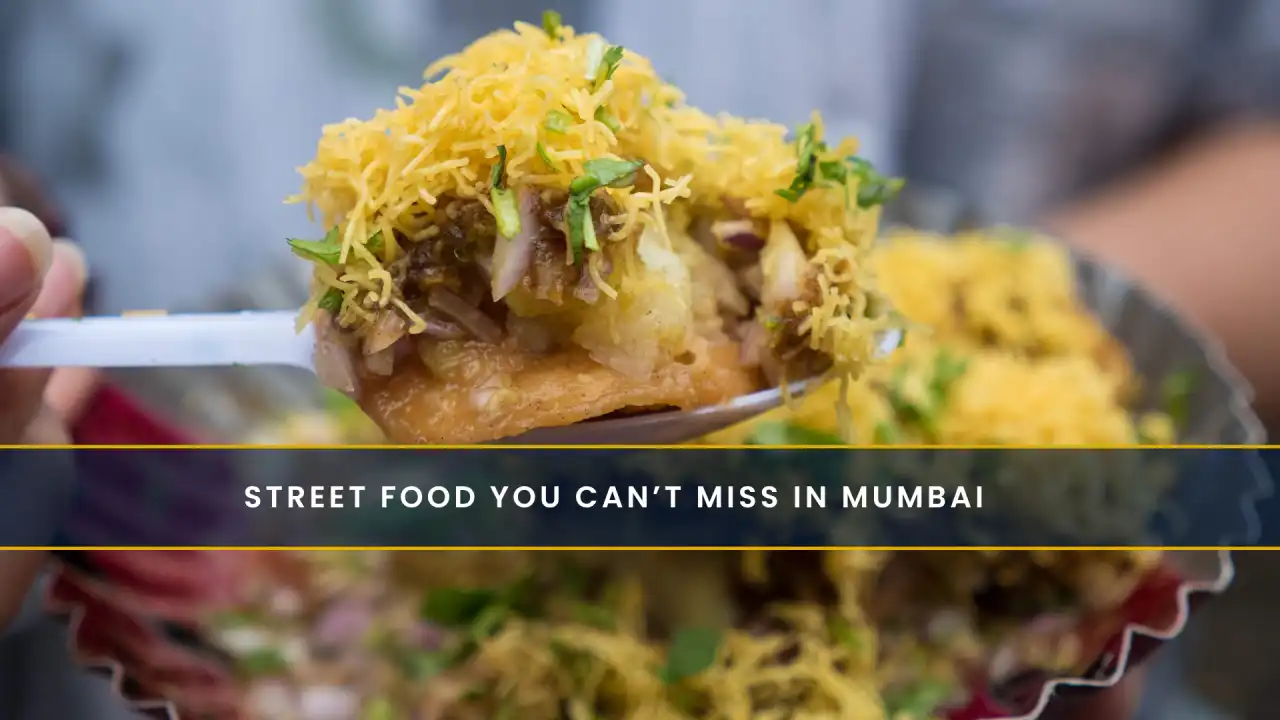
Street Food You Can’t Miss in Mumbai
Introduction
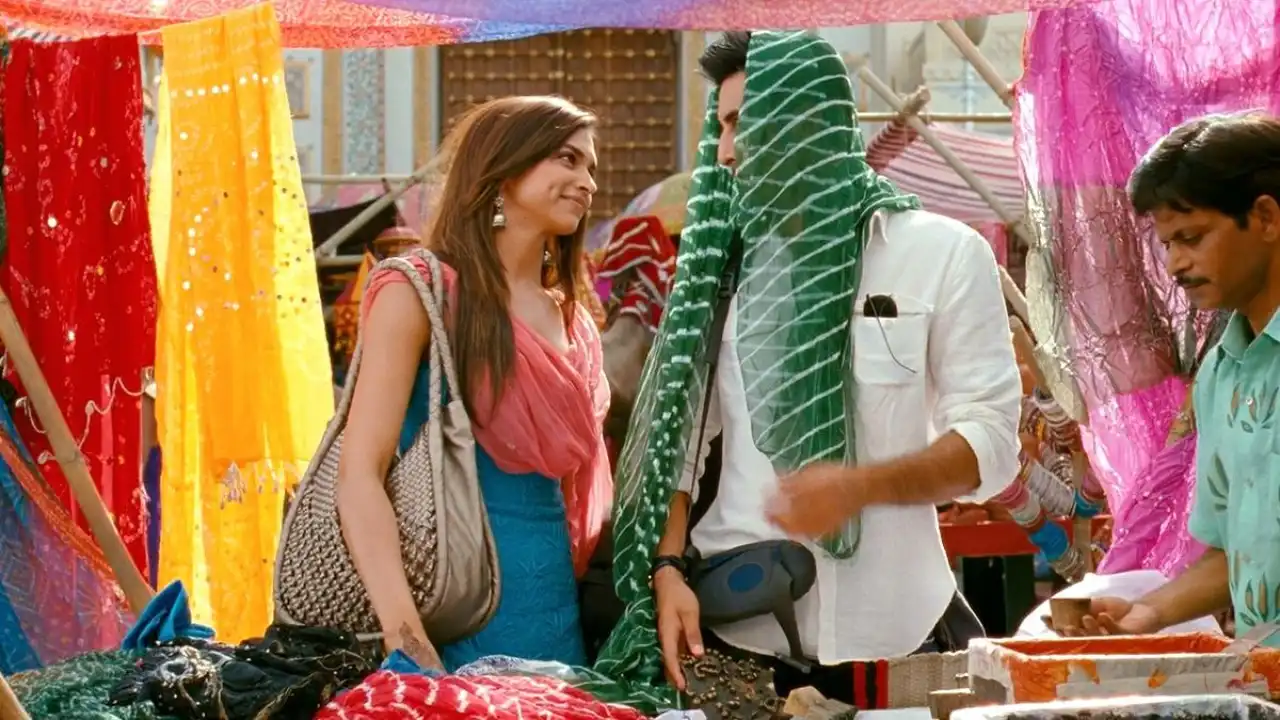
Walk around Mumbai street food stalls for a few hours and one thing becomes obvious: food is everywhere. Not just restaurants, most of the real food action happens at small roadside carts that honestly look temporary, but chances are they’ve been on that same corner for years. Do that early in the morning when you’ll see office workers doing that same stop-and-munch thing before hurrying off to catch the train. Then the vibe shifts, and college kids come, standing around the stall, talking loudly, handing snacks to one another.
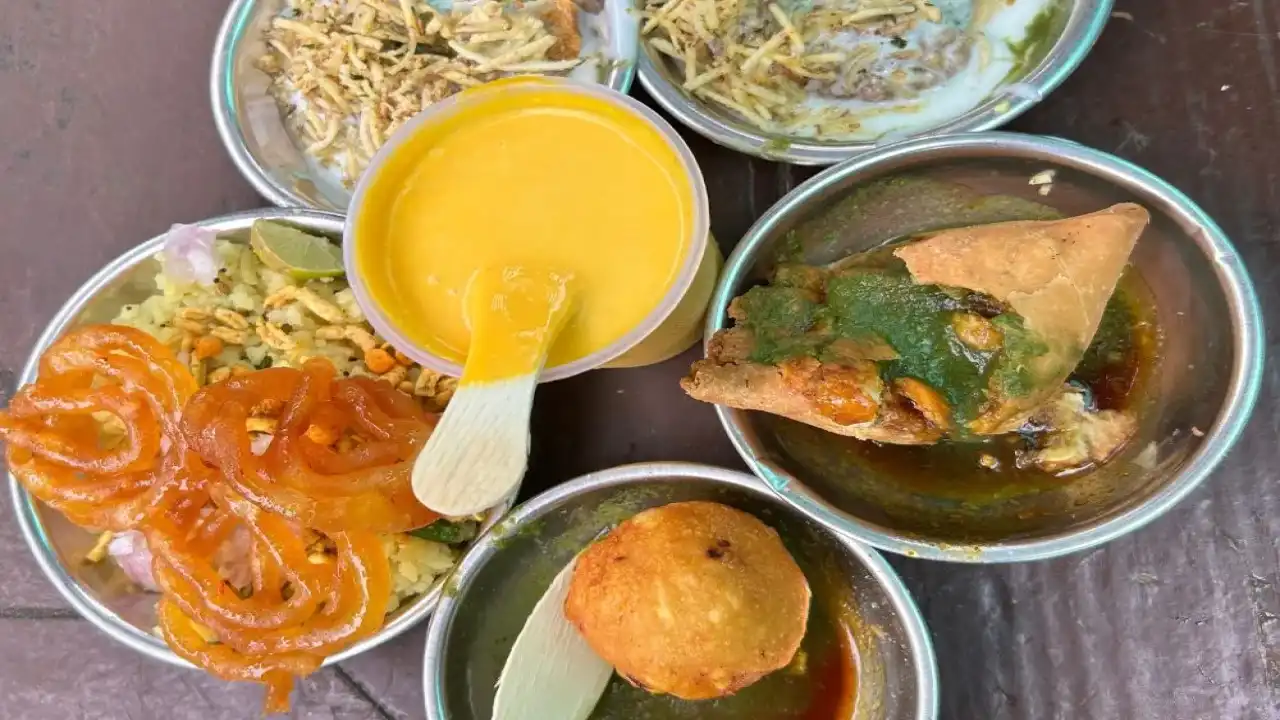
Usually, it’s the smell that hits you. Butter clanging into a heated pan, spices swirling in the atmosphere, something frying up that makes you gawk even if you weren’t intending to dine. Hang around the stall a minute and you think life is rich. Vendors calling orders, butter splattering in the pan, someone quickly spritzing lemon over a raw plate before passing it on. And people just eat right there, paper plate in hand, plastic spoon, chutney sort of dripping a little bit. It’s loud, but that’s part of the charm of it.
1. Vada Pav – The Snack Everyone Mentions
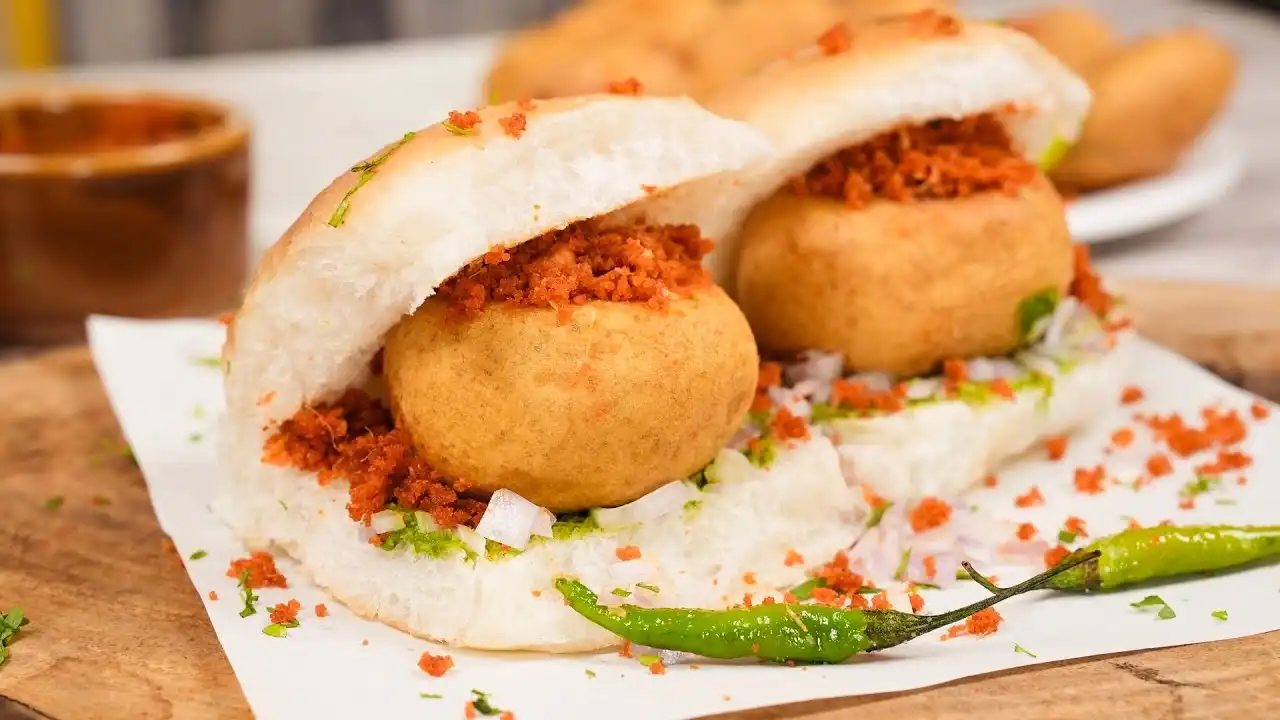
Ask someone what food represents Mumbai best and you’ll probably hear the same answer: vada pav. The funny thing is, it doesn’t look very impressive at first. It’s basically a fried potato ball inside bread. But then you bite into it and everything makes sense. The potato filling is warm and spicy. The outside coating is crispy because it’s fried in gram-flour batter.
Then there’s garlic chutney, sharp, a bit fiery and suddenly the whole thing feels much bigger than it looks. Soft bread, crunchy filling, spicy chutney. Somehow it balances perfectly. You’ll see people eating it everywhere. Near train stations. Outside offices. Next to busy roads. Students sometimes order two or three because it’s cheap. Office workers grab one quickly before running for the train. And the vendors move fast. One vada pav is ready in seconds.
Why people love it:
- Crispy outside, soft inside
- Garlic chutney adds a real punch
- Cheap and filling
Pro Tip:
If a stall has a long line, that’s usually a good sign. Fresh batches, fast turnover.
2. Pav Bhaji – Butter, Spice, and Pure Comfort
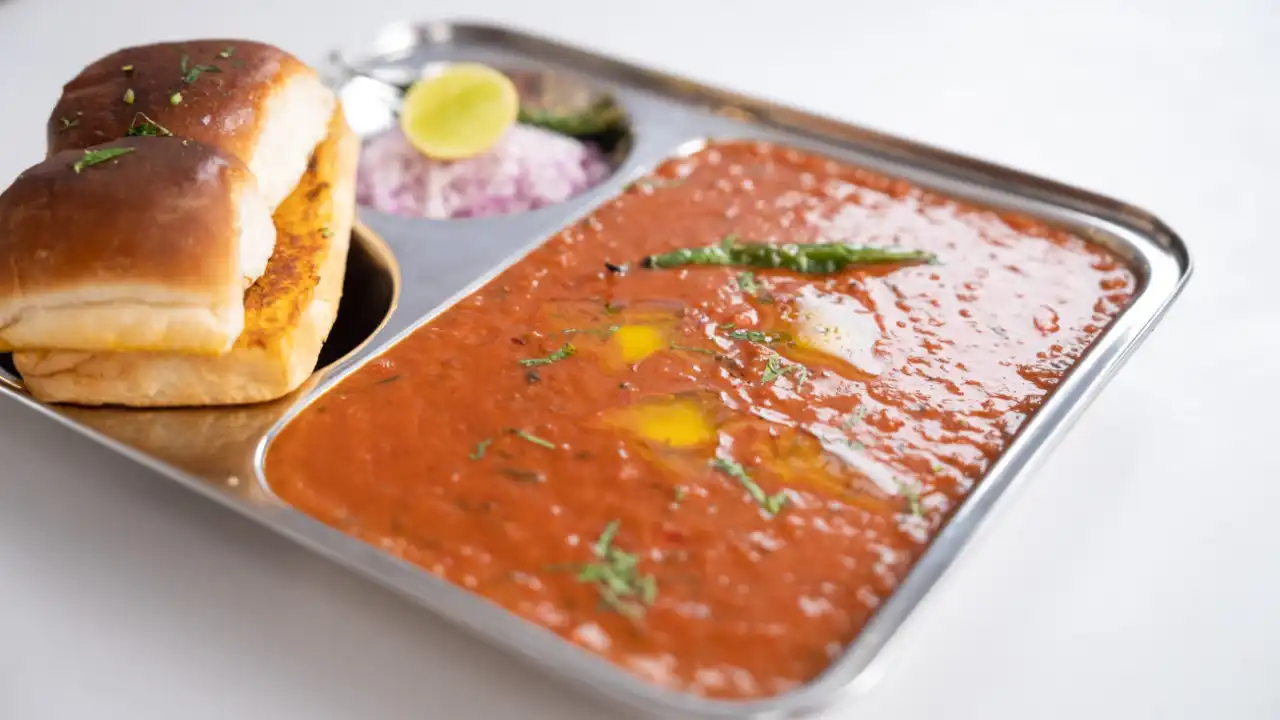
Pav bhaji feels like one of those dishes that grew with the city. Years ago, it was actually food for textile mill workers. They needed something filling after long shifts, so vendors started cooking mashed vegetables with spices on giant iron pans. Bread rolls are toasted in butter on the side.
Simple idea. But it stuck around. Now pav bhaji stalls are everywhere. The vegetables cook slowly on a big flat pan while the vendor keeps mixing things: tomatoes, spices, more butter (always more butter). The smell spreads down the street and suddenly, people start gathering. It’s hard not to. The bhaji becomes thick and smooth. Rich, spicy, comforting. Then you get soft bread rolls toasted in butter. Dip the bread into the bhaji and honestly, you forget about everything else for a minute.
Typical toppings:
- Chopped onions
- Lemon juice
- Fresh coriander
- Extra butter (almost guaranteed)
Pro Tip:
If you’re unsure about spice levels, ask for medium. Some versions are seriously hot.
3. Bhel Puri – Crunchy and Slightly Messy
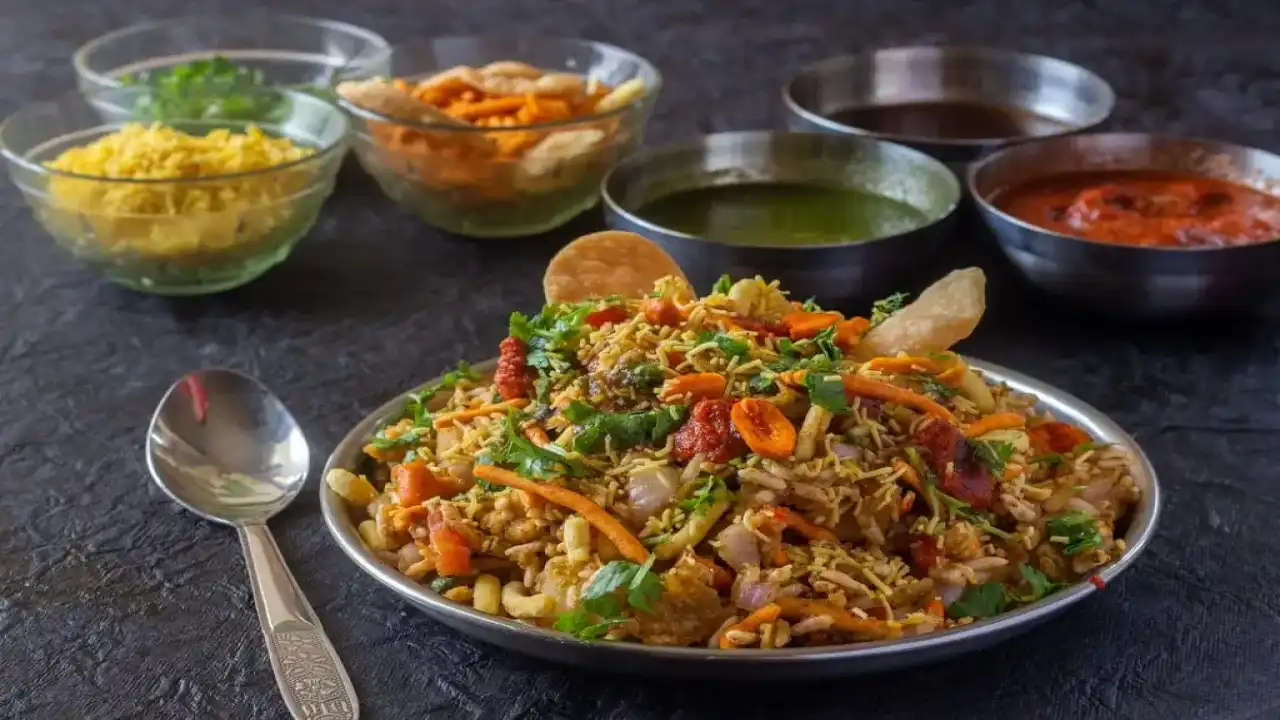
Not every street snack is heavy or fried. Sometimes you want something lighter, especially in the afternoon heat. That’s where bhel puri shows up. The vendor usually has a big container of puffed rice. Then the mixing starts. Onions, tomatoes, boiled potatoes, tamarind chutney, green chutney, everything tossed together in a metal bowl. Quick. Very quick.
It’s served in a paper cone or on a plate and eaten immediately. The taste is kind of hard to describe. Crunchy, tangy, slightly sweet. Also a bit messy. Some of the chutney always escapes somewhere. You’ll often see people eating bhel puri near beaches or parks while chatting with friends. For many visitors, it becomes part of the famous street food in Mumbai experience because it shows how many flavors can fit into one small snack.
Why it works:
- Crunchy puffed rice
- Tangy and sweet chutneys
- Fresh vegetables
Pro Tip:
Eat it fast. Wait too long and the puffed rice goes soft.
4. Pani Puri – Tiny but Wildly Flavorful
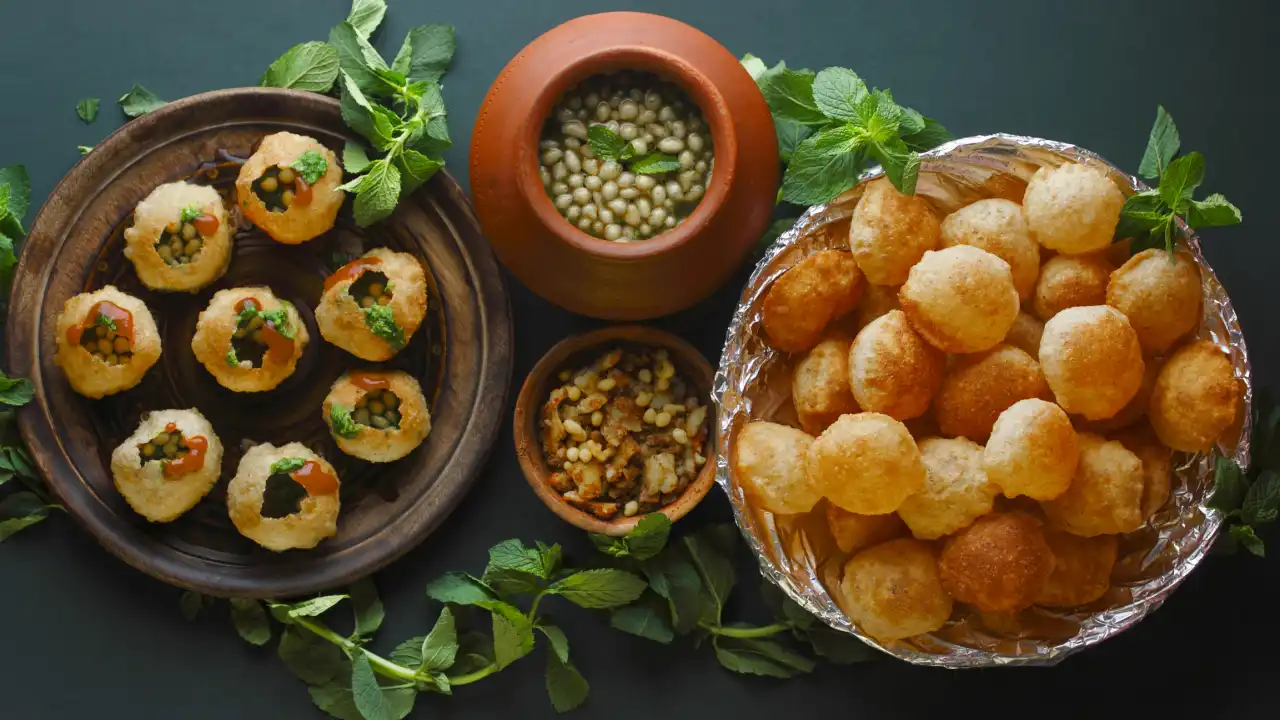
Pani puri is probably the most fun snack you’ll try here. You’ll see a small stall with bowls of flavored water and stacks of crispy shells. The vendor cracks open a shell, fills it with potatoes and chickpeas, dips it into spicy water, and hands it over. One piece at a time.
You eat it in a single bite. Otherwise, it collapses. The first bite is always a surprise. Crunchy shell, tangy water, spicy filling, everything happens at once. People usually stand around the stall while the vendor keeps serving puris quickly. Fill. Dip. Hand over. Repeat. You just keep eating.
Typical flavors:
- Tamarind sweetness
- Mint and coriander freshness
- Spicy chili water
Pro Tip:
If you’re not great with spice, say “less spicy” before they start.
5. Bombay Sandwich – Looks Simple, Tastes Better
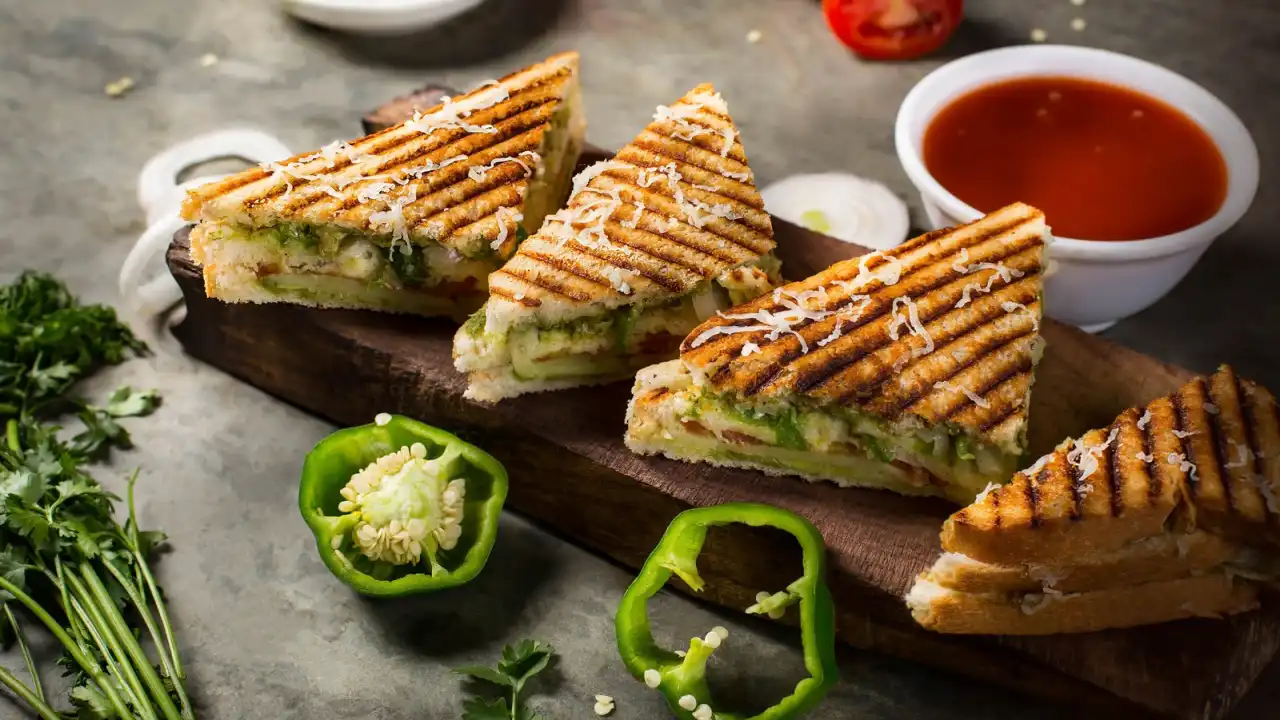
The Bombay sandwich honestly looks very ordinary. Just bread with vegetables. But somehow the street version tastes different. Slices of bread are layered with boiled potatoes, cucumber, tomato, onions, and a bright green chutney made from coriander and mint. Sometimes the vendor grills it with butter so the edges become slightly crisp. That chutney is the real star. Fresh, tangy, slightly spicy. People usually eat it in the afternoon when they want something filling but not too heavy.
Why people keep ordering it:
- Fresh vegetables
- Strong chutney flavor
- Crispy grilled bread
Pro Tip:
Ask for extra chutney. Most vendors happily add more.
6. Misal Pav – Definitely for Spice Lovers
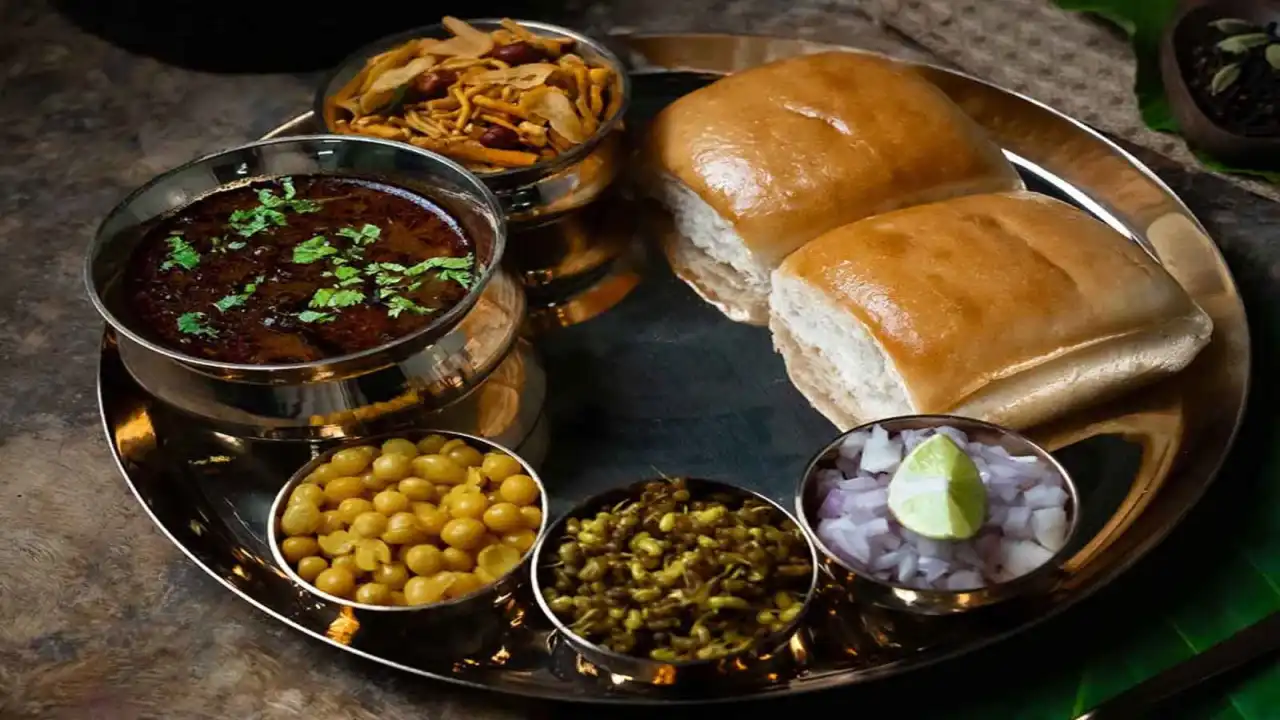
Misal pav can be intense. If spicy food isn’t your thing, this one might be a challenge. It’s made from a curry of sprouted lentils topped with crunchy farsan, onions, and coriander. Bread rolls come on the side. Different stalls make it differently. Some mild. Others extremely hot. Locals often eat misal pav in the morning or evening when they want something strong and filling.
Pro Tip:
When the vendor asks about spice level, answer honestly. Some bowls are seriously fiery.
7. Keema Pav – A Late-Night Comfort Meal
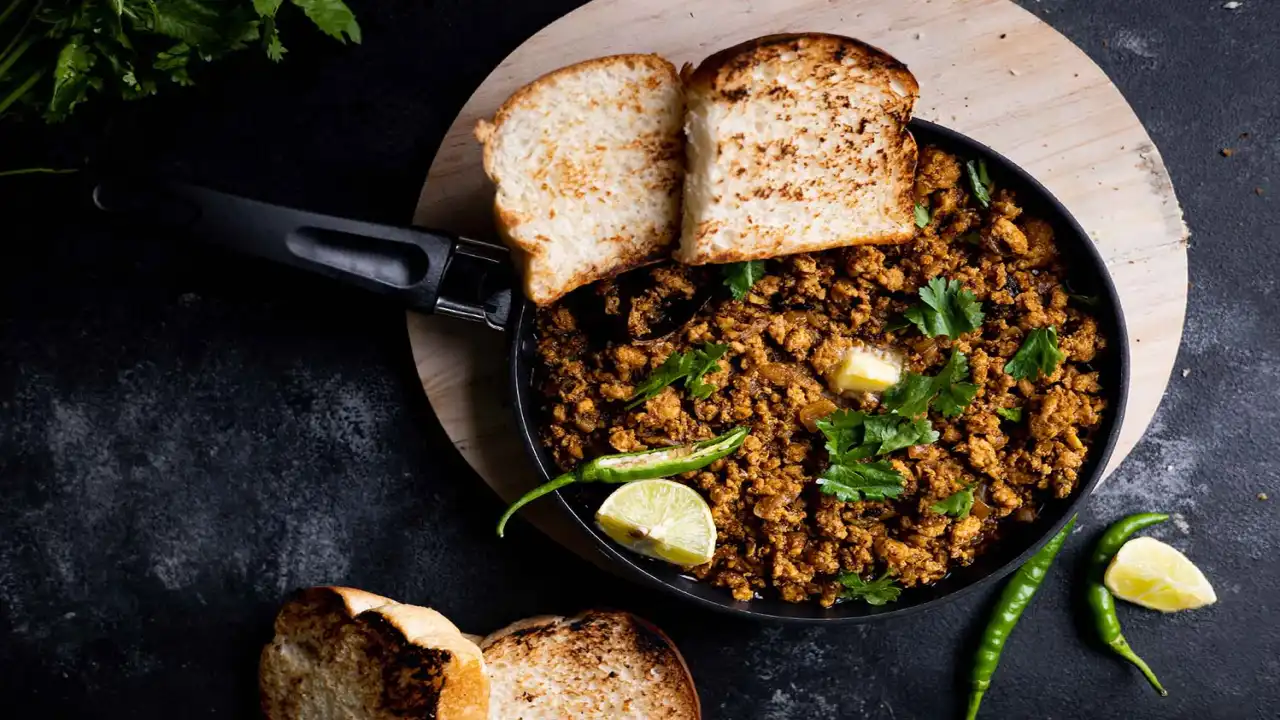
Keema pav feels more like a meal than a snack. Minced meat cooks slowly with onions, tomatoes, and spices until the mixture becomes thick and flavorful. Then it’s served with soft bread rolls toasted in butter. You’ll often see people eating this late at night. After work, after parties, or just when hunger shows up unexpectedly. Simple food. Big flavor.
Why people like it:
- Rich and savory
- Bread balances the spice
- Very filling
8. Ragda Pattice – Warm and Comforting
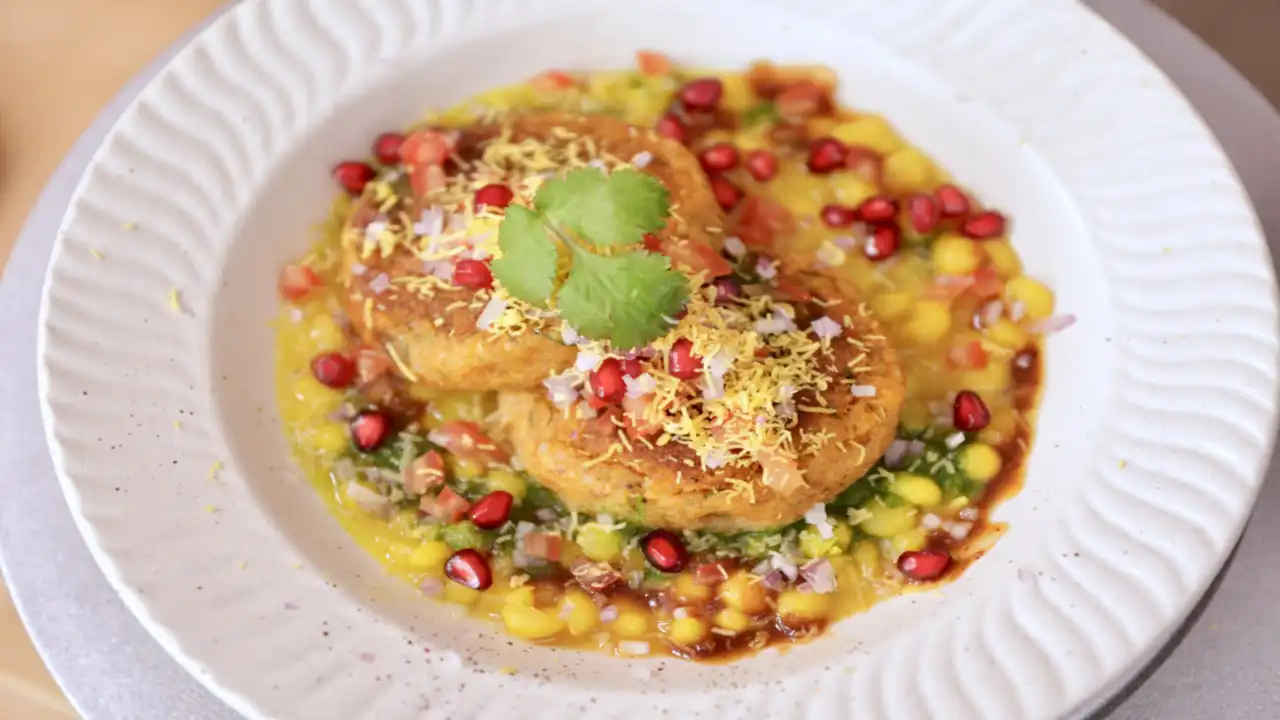
Ragda pattice is basically comfort food on a plate. First, you get crispy potato patties. Then they’re covered with ragda, which is a white pea curry. After that, the vendor adds chutneys, chopped onions, and crunchy sev. The result is warm, slightly spicy, and very satisfying. You’ll see people stopping for this snack in the evening while heading home from work.
Pro Tip:
A squeeze of lemon on top brightens the whole dish.
Why Travelers End Up Loving These Snacks
Street food isn’t just about saving money. It’s about seeing how people actually eat every day. Many travelers realize pretty quickly that enjoying budget food in Mumbai can feel more authentic than sitting inside expensive restaurants. The dishes are simple, but the vendors know exactly what they’re doing. Some have been cooking the same recipes for decades. A few even recognize regular customers and remember how they like their snacks prepared. That kind of small detail makes the whole experience feel personal.
Planning Your Food Adventure
If food is one of the main reasons you’re visiting the city, try exploring different neighborhoods instead of staying in just one area. Each part of Mumbai has its own popular stalls and specialties. Some travelers combine food exploration with bigger travel plans. A few tour operators even include food walks in their Domestic Packages, which can make things easier for first-time visitors.
Conclusion
For many people in Mumbai, street food is about more than a quick bite. It’s part of how the city ticks. You could start with a single thing. Then another. And before you realize it, you’ve roamed around from stall to stall for the whole night. It happens. The streets are still bustling with activity, the flavors rich, and those making the food in most cases, have been at it for years
And in reality, some of the greatest travel memories are created far from an overpriced restaurant. They arrive on crowded sidewalks, carrying a paper plate, eating something straightforward and somehow delicious. Even travelers exploring a Family Trip Package often end up remembering these small, spontaneous food moments more than any planned dining experience.
Helpful Tips Before Trying Street Food
Street food is fun, but a little common sense helps.
Things worth remembering:
- Choose stalls that look busy
- Freshly cooked food is safer
- Carry small cash notes
- Skip raw items if your stomach is sensitive
Extra Tip:
Stick with bottled water when exploring street stalls.