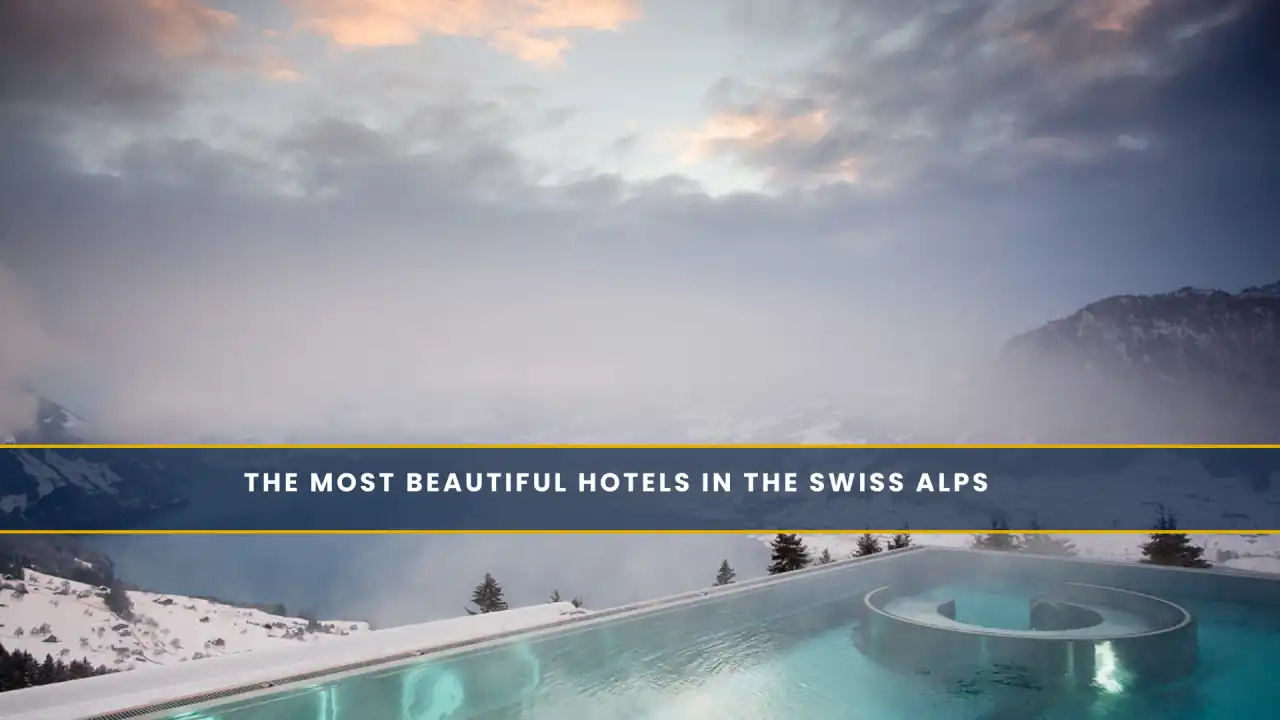
The Most Beautiful Hotels in the Swiss Alps
Introduction
Mountains have a calm confidence about them. They don’t try to impress; they simply exist, steady and quiet. Staying in hotels in the Swiss Alps feels the same way. It isn’t about loud luxury or dramatic design. It’s about breathing in clean air, watching clouds drift past your window, and realizing no one is rushing you anywhere. These hotels are beautiful, yes, but more importantly, they fit their surroundings. Some are historic, some modern, some quietly tucked into the landscape. If you want your Swiss Alps stay to feel genuinely right, this is where to begin.
What Makes a Hotel Truly Beautiful in the Alps?
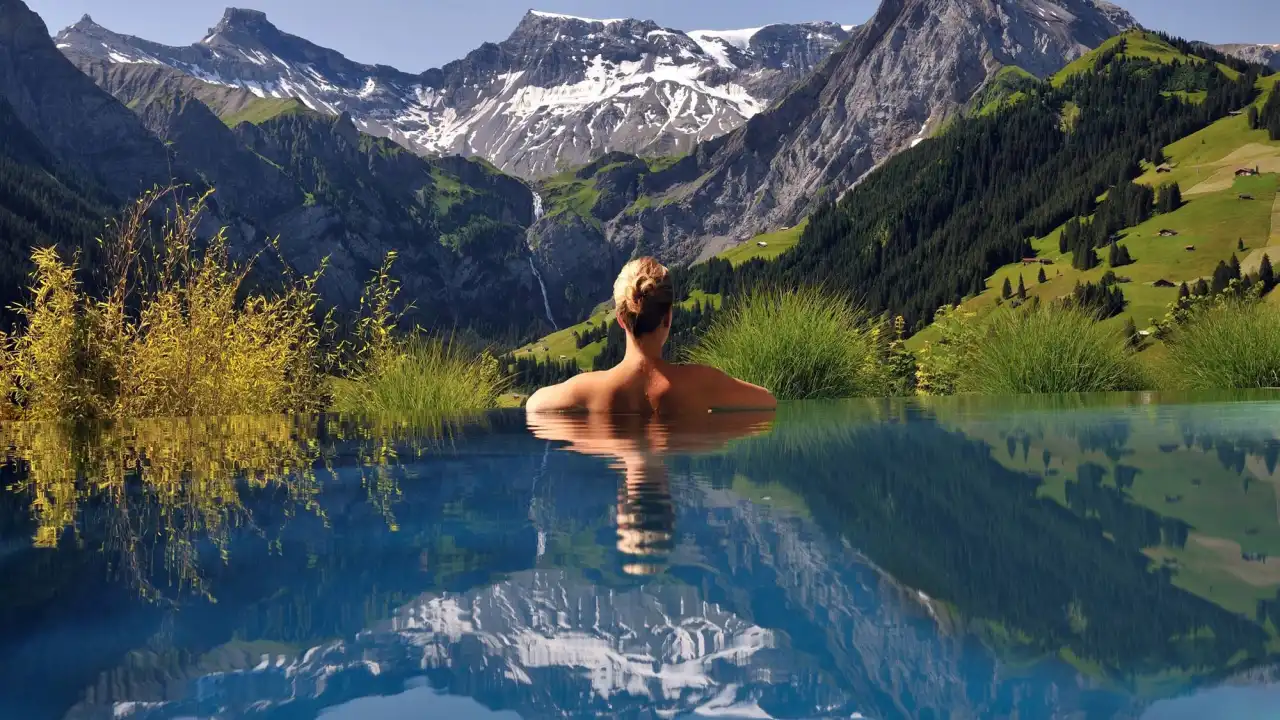
Before getting into names, it helps to reset expectations a little. In the Alps, “beautiful” doesn’t automatically mean chandeliers, gold finishes or marble everywhere. That kind of thing exists, sure but that’s not the whole picture.
The hotels that really work here usually get a few basics right:
- Location that feels intentional – Not just mountain views, but views that change with light, weather, and time of day
- Design that respects nature – A lot of wood, stone and natural light, used sensibly
- Silence when you need it – Actual quiet, not just fewer cars
- Warm service – Professional, yes, but still human and relaxed
Pro Tip:
A hotel that looks simple or even a bit plain from the outside often turns out to be the most memorable once you step in.
The Dolder Grand – A Classic with a Mountain Mindset
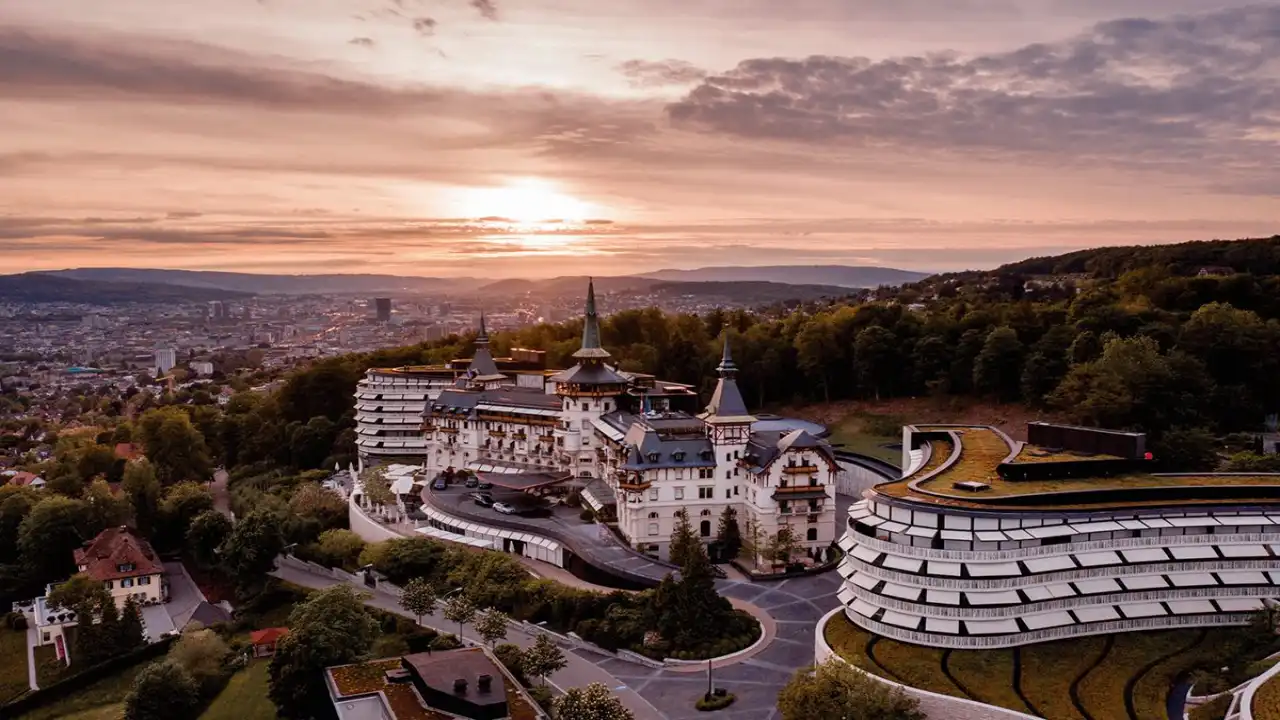
Technically speaking, this hotel overlooks Zurich rather than sitting deep inside the Alps. But emotionally, it feels like the gateway. Like a soft introduction before you head further into the mountains. The building has a fairy-tale look, with tall towers, long hallways, and windows framing forests and distant peaks. Inside, though, it doesn’t feel dramatic or heavy. Rooms are calm. Nothing tries too hard. Everything just works.
Why it stands out:
- Elevated location with wide, open views
- One of Switzerland’s most respected spas
- A peaceful atmosphere despite its famous name
This place suits travelers who enjoy history but still want modern comfort. Elegant, yes but never stiff or uncomfortable.
Badrutt’s Palace Hotel – Where the Alps Learned Luxury
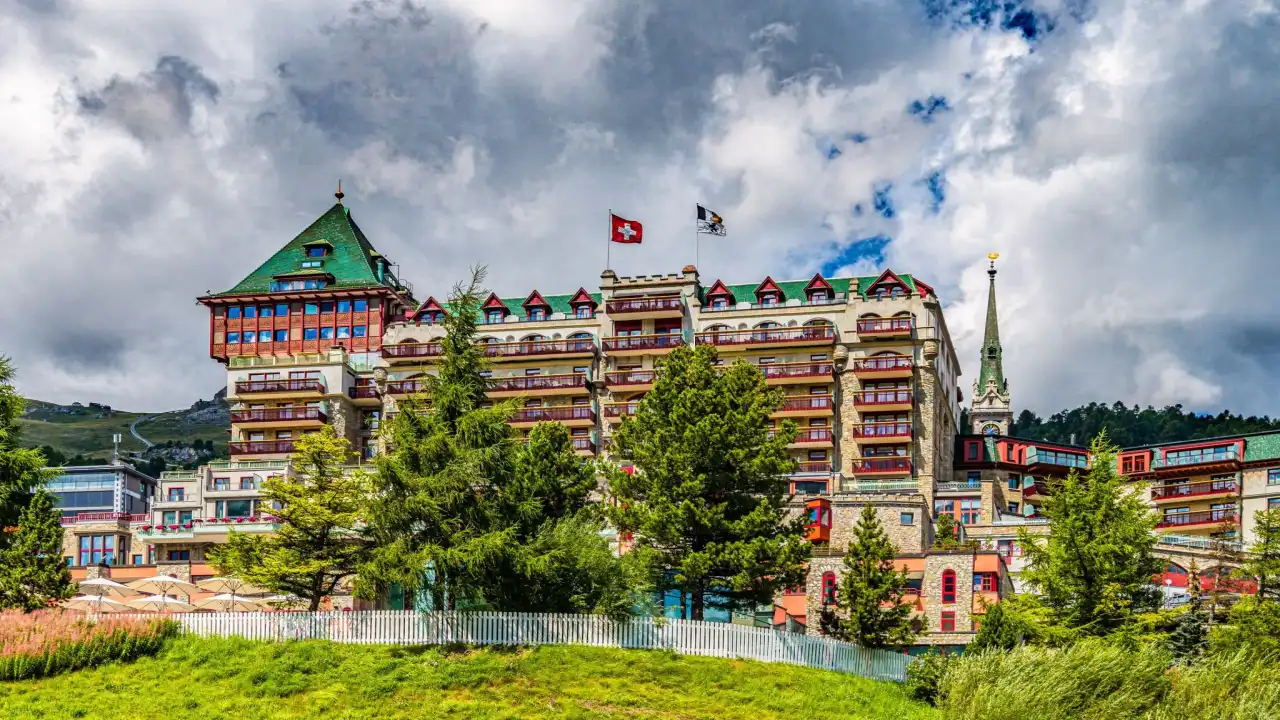
St. Moritz knows exactly what it is, and Badrutt’s Palace carries that confidence effortlessly. This isn’t a hotel that whispers luxury. It says it clearly but without being awkward or loud about it. In winter, rooms look out over a frozen lake. In summer, the same view turns green and open. Staff doesn’t over-explain things here. They assume you’re comfortable, and if you’re not, they quietly help.
Why it works:
- Prime location right in St. Moritz
- Strong appeal in both winter and summer
- Old-world charm that still feels sharp and relevant
If you’re searching for a luxury hotel in the Swiss Alps, this is a good example of how luxury here feels controlled, confident and never excessive.
The Chedi Andermatt – Quiet Luxury, Done Right
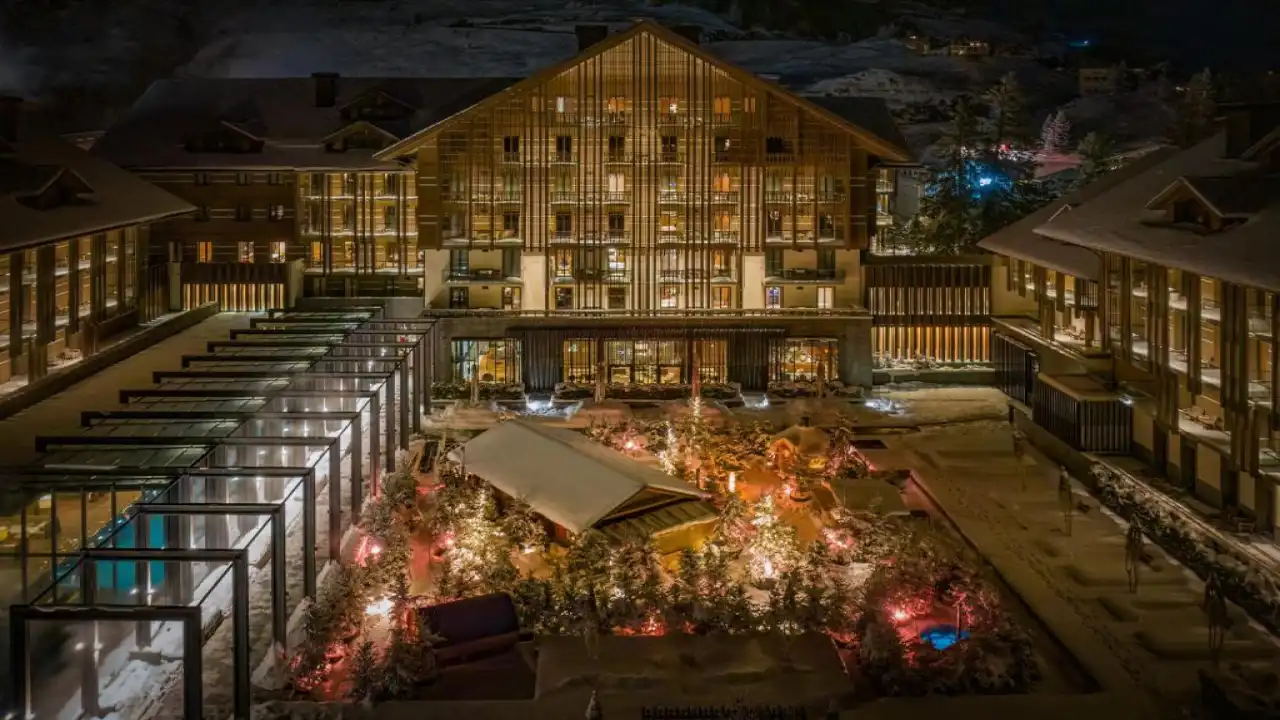
The Chedi Andermatt feels like someone slowed down before designing it. Nothing is cluttered. Spaces are warm, open and calm. Fireplaces crackle gently. Staff move without rushing. The design blends Alpine wood with Asian inspired minimalism. On paper, that sounds risky. In reality, it works surprisingly well.
Why travelers keep talking about it:
- Spacious rooms, many with fireplaces
- Excellent food without formal pressure
- Perfect for slow, unstructured stays
Pro Tip:
If luxury, to you, means space, warmth and silence rather than attention, Andermatt tends to deliver better than most.
Kulm Hotel St. Moritz – Reliable, Refined, and Still Relevant
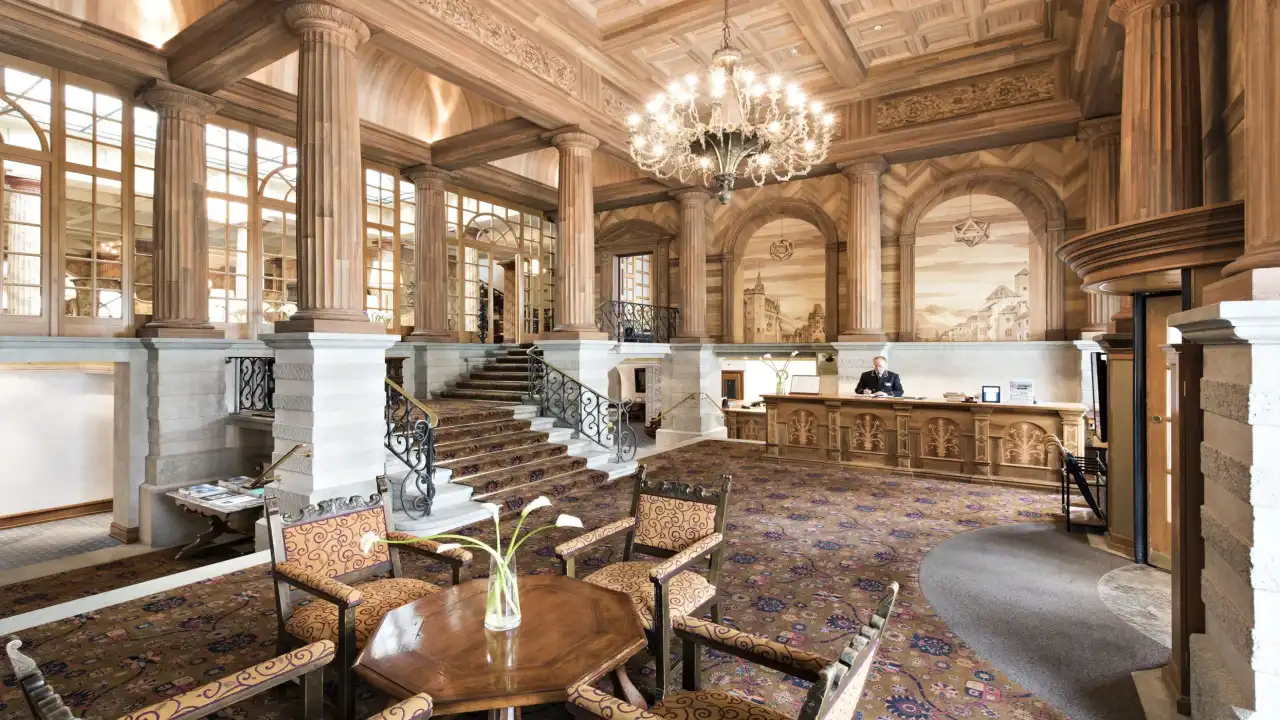
Kulm Hotel doesn’t chase trends. It doesn’t need to. It’s been welcoming guests for generations, and that experience shows in small, reassuring ways. Rooms feel comfortable rather than dramatic. Views do most of the work, especially in winter, when snow cleans everything up and makes the world feel quieter.
Best features:
- Strong family-friendly setup
- Indoor and outdoor pools
- Easy access to ski slopes
It works just as well for first-time visitors as it does for people who’ve been coming to the Alps for years.
Grand Hotel Zermatterhof – Old-School Charm with a Modern Heart
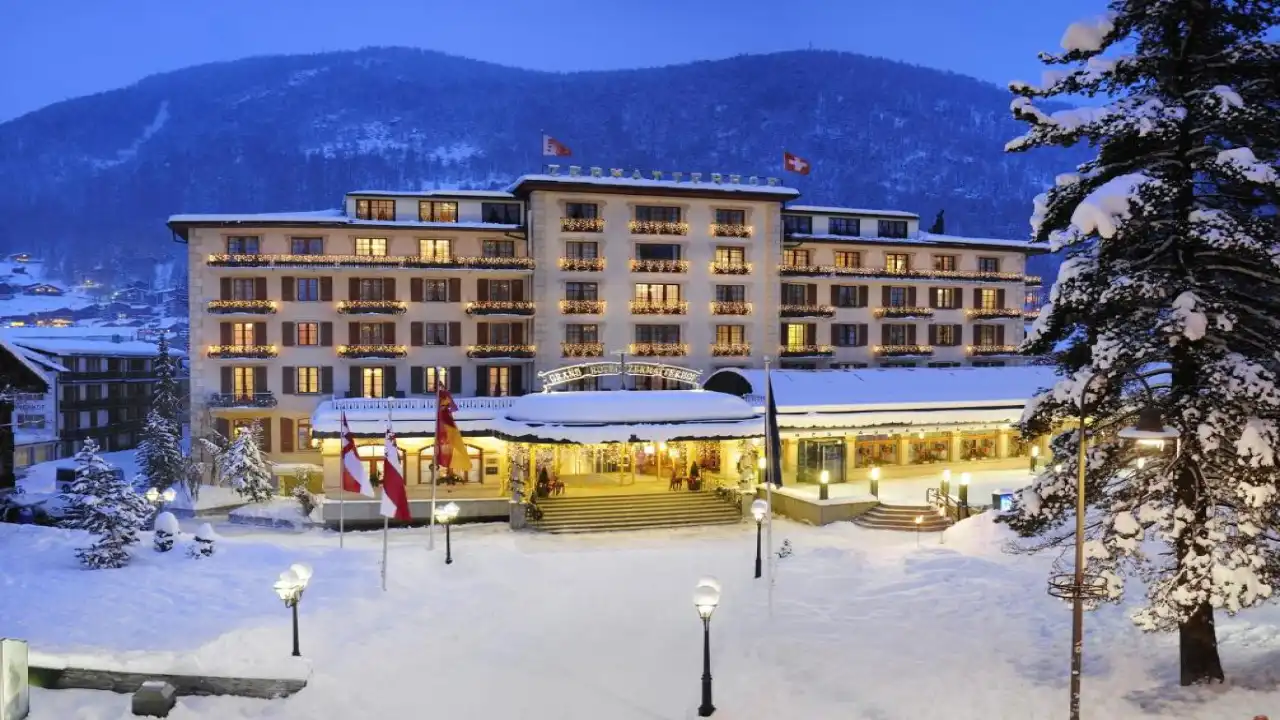
Zermatt being car-free changes everything. The air feels lighter. The pace slows. Zermatterhof fits neatly into that rhythm. From the outside, it looks traditional. Inside, it’s polished, comfortable and surprisingly relaxed. The Matterhorn is always there, visible, steady, never showing off.
Why it stands out:
- Central Zermatt location
- Attentive service without stiffness
- Views that never really get old
For travelers looking at hotels near the Swiss Alps that feel genuine rather than staged, this one offers real personality.
7132 Hotel – Architecture Meets Stillness
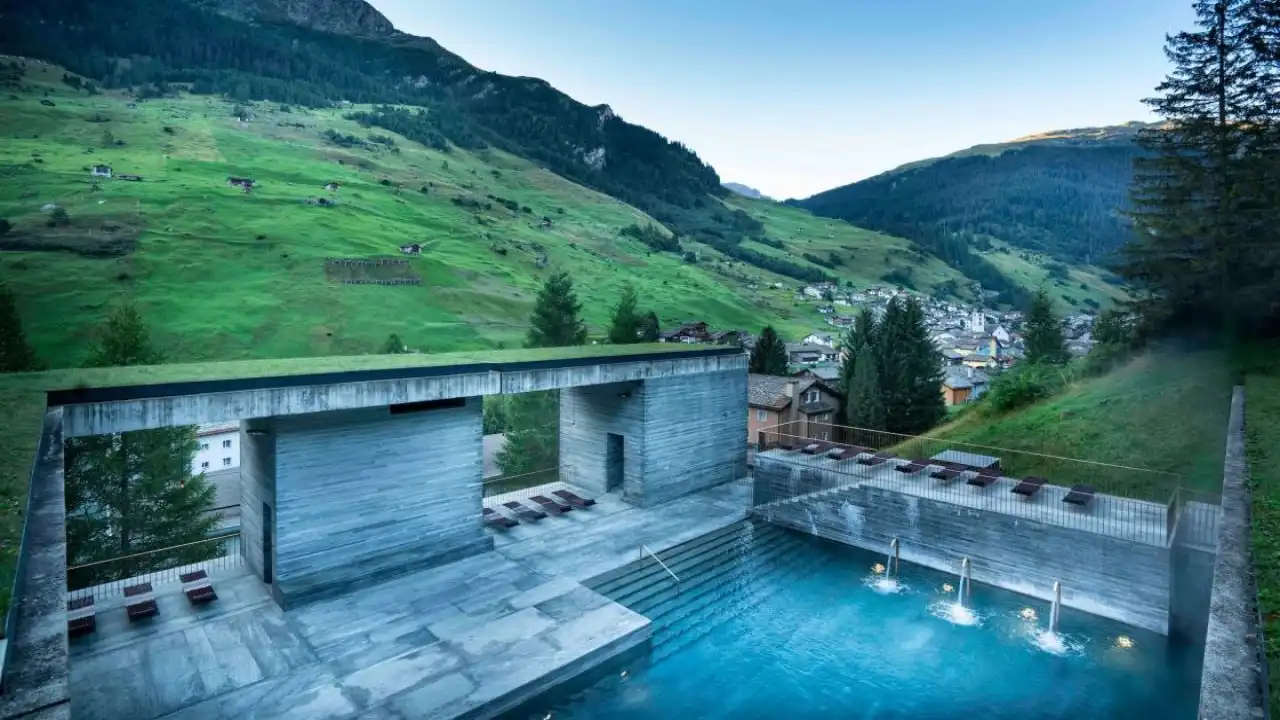
This hotel isn’t for everyone and that’s kind of the point. The 7132 Hotel in Vals is quiet, architectural and deeply tied to its famous thermal baths. Rooms are minimalist. Light, stone and silence do most of the talking. The spa experience feels almost meditative, like time loosens its grip a little.
Ideal for:
- Travelers who care about design
- Couples who value privacy
- Anyone who prefers calm over constant activity
Pro Tip:
Don’t over-plan here. This place works best when you let it slow you down.
Gstaad Palace – Warm Luxury with Personality
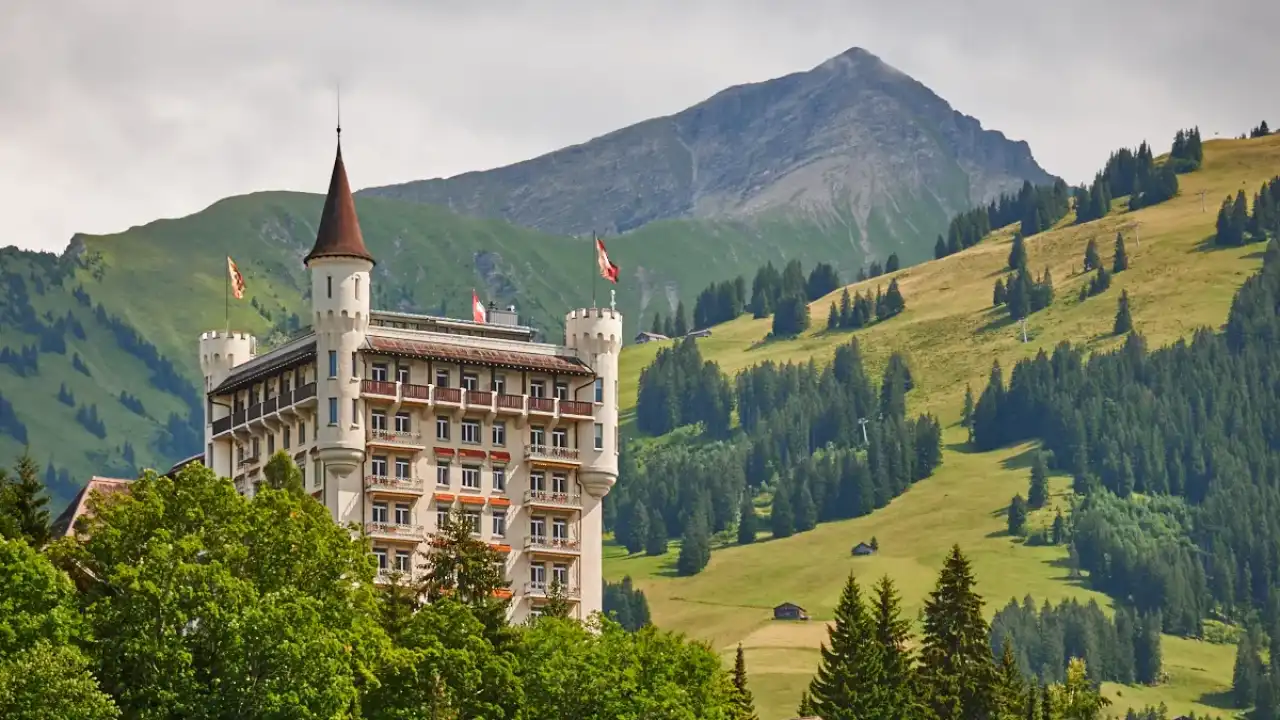
Gstaad Palace somehow manages to feel grand and friendly at the same time, which isn’t easy. Sitting above the village, it offers wide valley views and a sense of distance from everyday noise. Interiors are traditional but well-maintained. Staff remembers faces. Guests come back often for years.
Why people return:
- A genuine sense of familiarity
- Strong wellness facilities
- Comfort that works in every season
It doesn’t reinvent itself. It doesn’t need to.
Whitepod Eco-Luxury Hotel – Staying Inside the Landscape
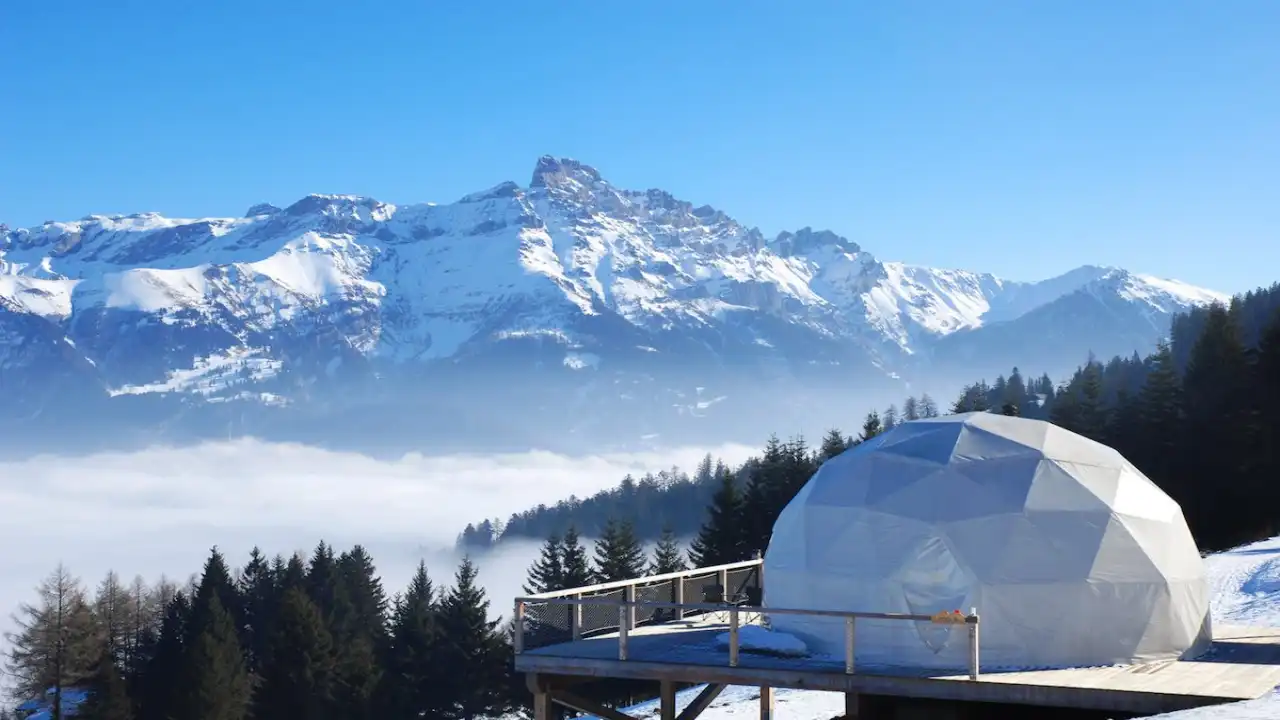
Whitepod does things differently. Instead of rooms, you stay in individual pods scattered across a mountain slope. Each one is private, warm and far more comfortable than you might expect. No televisions. No background noise. Just snow underfoot, quiet evenings and wide open views.
Why does it stay with you:
- Strong eco-conscious approach
- High privacy
- A unique experience
Pro Tip:
Pack light and unplug mentally. This place rewards simplicity.
How to Choose the Right Alpine Hotel for You
Choosing between these hotels isn’t just about budget. It’s more about how you like to travel.
Ask yourself:
- Do I want activity or rest?
- Am I traveling solo, as a couple or with family?
- Do I prefer lively villages or quieter, isolated spots?
For travelers booking through an International trip package, destinations like Zermatt or St. Moritz often strike the right balance between access and comfort.
Conclusion
The Swiss Alps don’t really work if you rush through them. They just don’t. These hotels aren’t only places to sleep at night; they slowly change how the mountains show up for you. One morning, it’s snow sliding past the glass while you’re half awake with a warm cup in your hands. Another day, it’s cold air outside that snaps you fully awake before breakfast. Evenings usually end the same way: tired legs, quiet dinner, no rush to be anywhere else.
This becomes more important when you’re traveling together. Different moods, different energy levels. The right Europe trip package quietly removes those small annoyances before they turn into problems. Things feel lighter. Easier. You stop managing the trip and start enjoying it. Slow down. Let the Alps do their thing.
Practical Booking Tips from Experience
- Book winter stays early – Especially December through February
- Check seasonal closures – Some hotels close briefly between seasons
- Ask about transfers – Mountain logistics matter more than you think
- Don’t overpack – Swiss hotels are usually very well equipped
Pro Tip:
Summer in the Alps feels completely different. If you’ve only seen snow, try visiting between June and September.