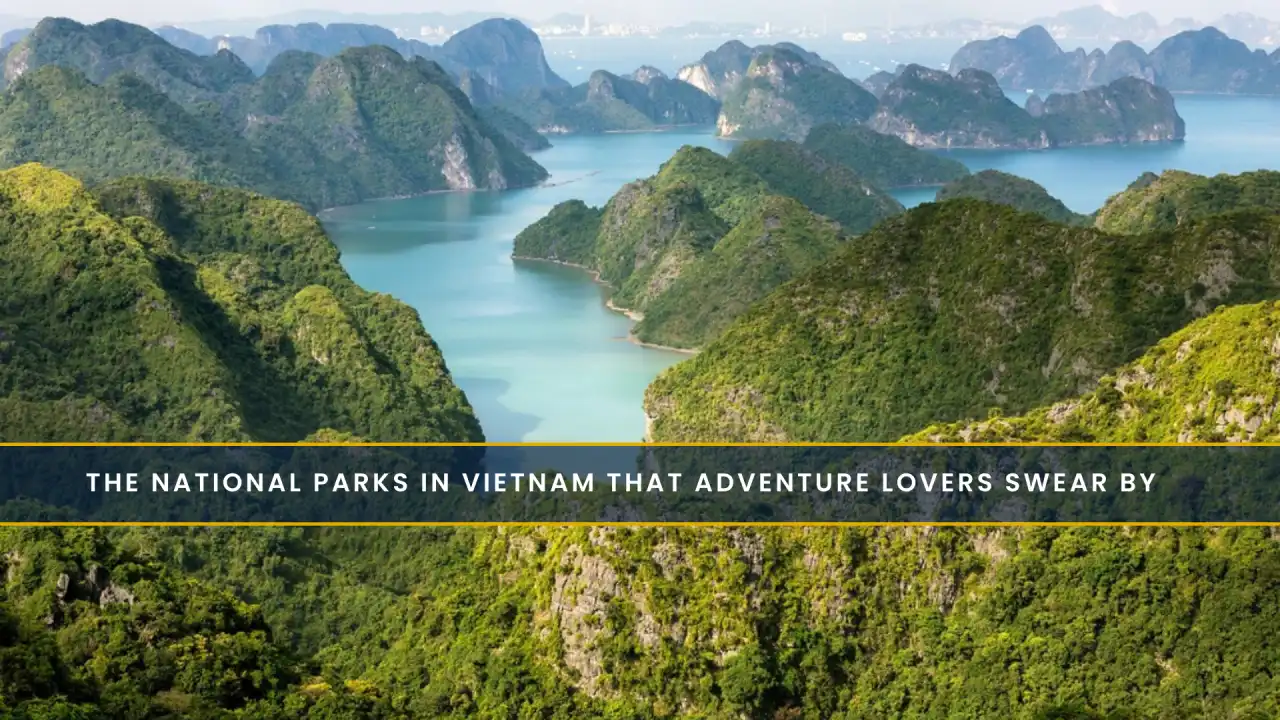
The National Parks in Vietnam That Adventure Lovers Swear By
Introduction
Vietnam doesn’t shout about adventure. It waits. Forests stretch quietly, rivers move on their own terms, and trails sometimes fade before you’re sure where they lead. This is a place that rewards slowing down and paying attention. If you enjoy movement, a bit of tiredness, and moments of uncertainty before things click, national parks in Vietnam feel different. They aren’t polished or staged. They live there. You walk, sweat, get muddy, and occasionally lose your way. Nothing is handed to you neatly. And long after you leave, the memories feel real, not rehearsed.
Why Vietnam’s National Parks Feel Different
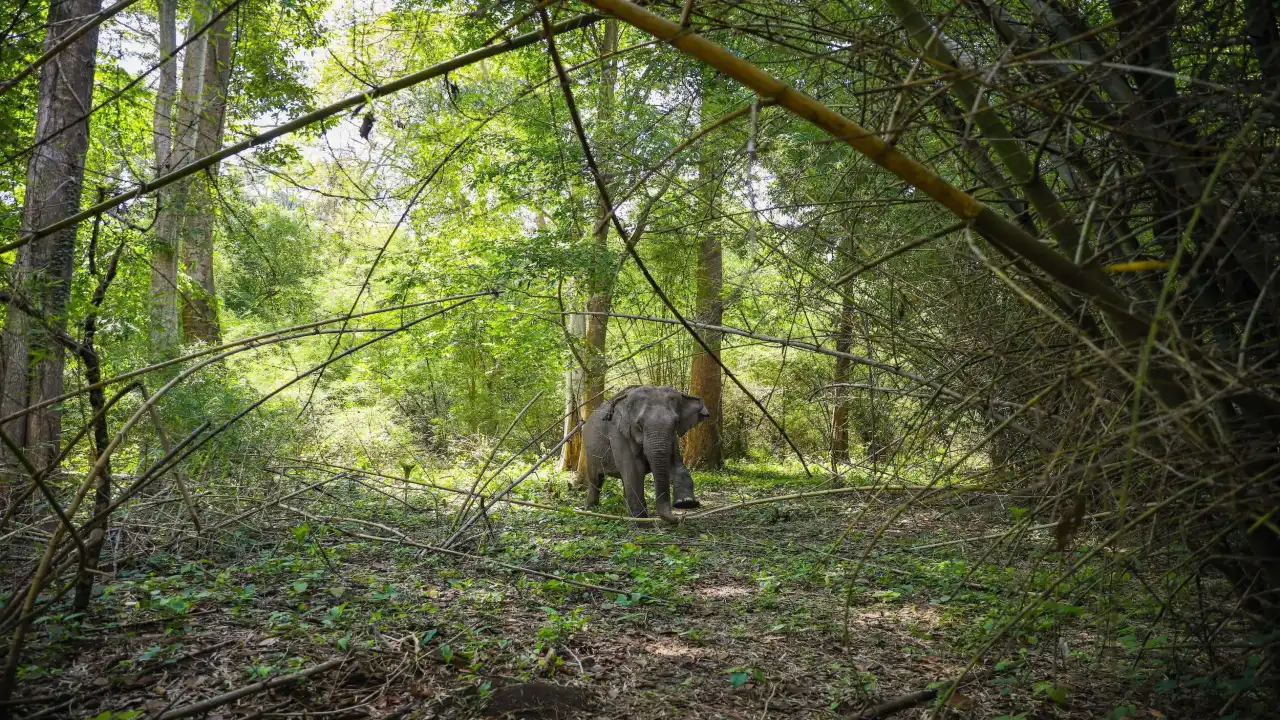
Adventure in Vietnam doesn’t always come with helmets, harnesses, or big price tags. A lot of the time, it’s simpler than that.
- Walking for hours and realizing you haven’t seen anyone in a while
- Hearing birds or insects before you ever catch a glimpse
- Passing through villages where daily life hasn’t been rearranged for visitors
- Falling asleep early because once the forest goes dark, the day feels done
Most parks here are still closely tied to the people who live around them. Rangers don’t commute in from cities. Local guides grew up following these same paths as kids. That connection matters. You’re not stepping into a staged environment. You’re entering something that already exists and will keep going long after you leave.
Phong Nha–Ke Bang National Park: Where the Earth Opens Up
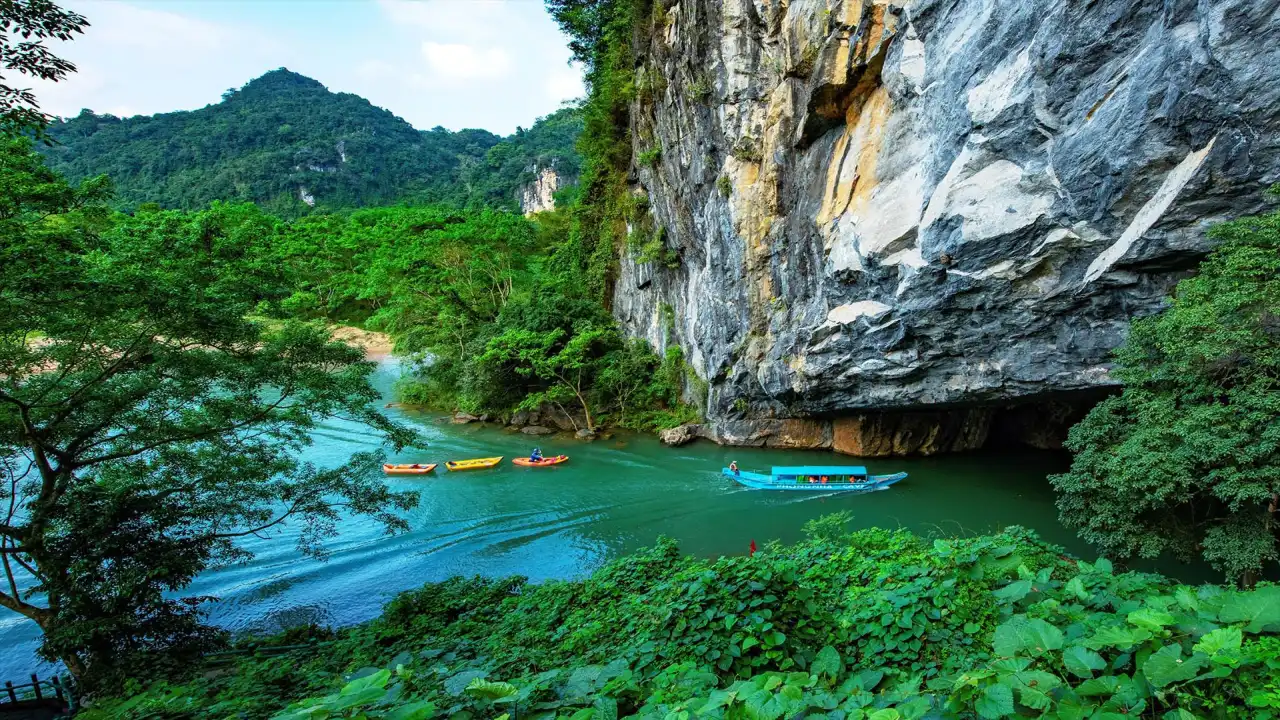
Phong Nha–Ke Bang doesn’t really make sense at first glance. You arrive and see calm farmland, slow rivers, and green hills. Nothing dramatic. Then someone points to what looks like a crack in the ground and casually mentions that it goes down for kilometers. That’s when it clicks. The park is famous for its caves, some of the biggest on the planet. But size alone isn’t why people talk about it later. It’s the work involved in reaching them.
What makes it unforgettable
- Cave treks that last days and involve climbing, swimming, and crawling through tight spaces
- Jungle hikes where yesterday’s trail might not look the same today
- Underground rivers that mess with your sense of time and direction
Sure, a few caves are reachable by boat. Those are fine. But the deeper ones? They demand effort. You carry your gear. You listen carefully to instructions. And when your headlamp goes off at night, the darkness isn’t dramatic, it’s absolute.
Pro tip:
If this is your first cave trek, start small. No one cares if you skipped the toughest route. Your knees will thank you later.
Cuc Phuong National Park: Old Forest, Slow Adventure
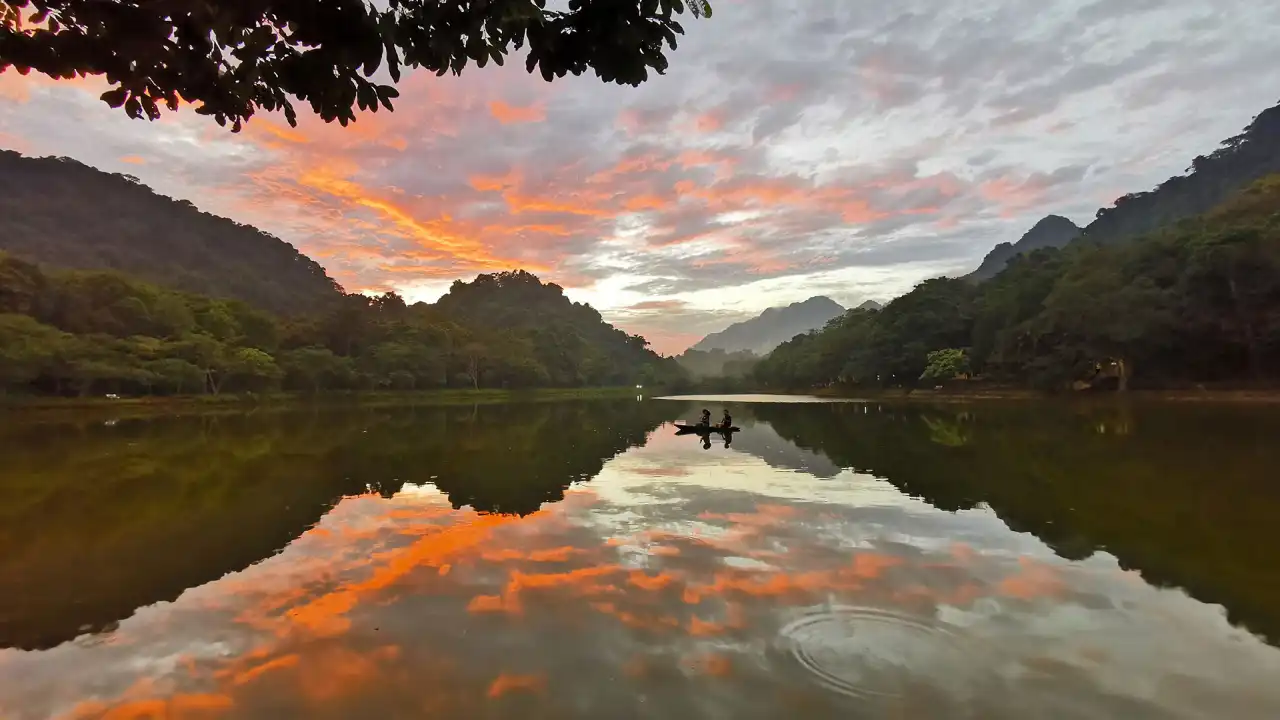
Cuc Phuong is Vietnam’s oldest national park, and you can feel that age in the forest. The trees are tall. The air feels heavier. Even sound behaves differently here, like it doesn’t want to travel too far. This isn’t a park for rushing. It suits travelers who enjoy long walks, noticing details, and learning how things fit together.
Things adventure lovers notice
- Trails that quietly shift terrain without warning
- Night walks where frogs, insects, and shadows take over
- Wildlife rescue centers that focus on care, not entertainment
People often overlook Cuc Phuong because it doesn’t advertise extremes. But stay a night or two, and you’ll realize how physical it actually is. It just sneaks up on you.
Pro tip:
Get out early. Once the visitors arrive, the forest feels different.
Yok Don National Park: Dry Forests and Big Silence
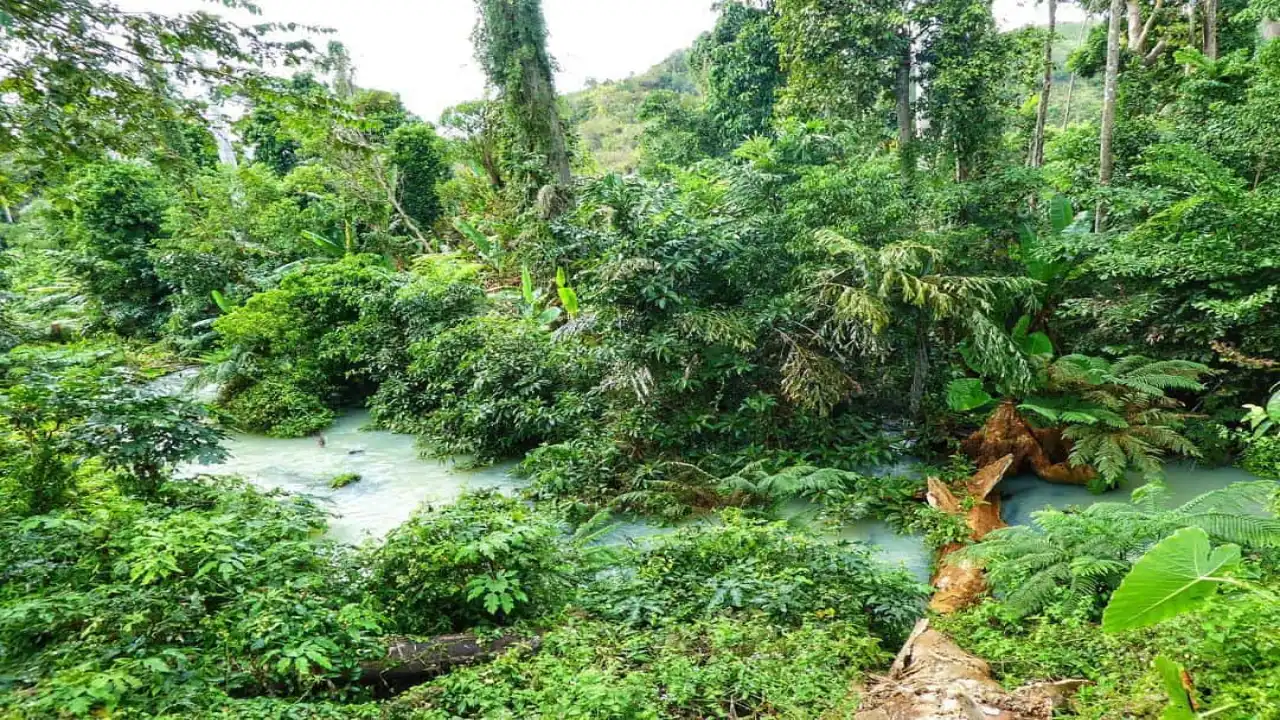
Yok Don surprises people. Mostly because it doesn’t look like what they expect from Vietnam. It’s dry. Open. Sometimes flat. Shaped more by fire and rivers than thick jungle growth. Adventure here feels stripped down. No distractions. Just distance, heat, and quiet.
What stands out
- Long treks through deciduous forest
- Kayaking stretches of the Srepok River
- Ethical elephant encounters focused on observation, not performance
Yok Don doesn’t overwhelm you. It gives you space. And in that space, a lot of travelers notice something unexpected: how loud silence can be when you’re not used to it.
Bach Ma National Park: Where Coast Meets Mountain
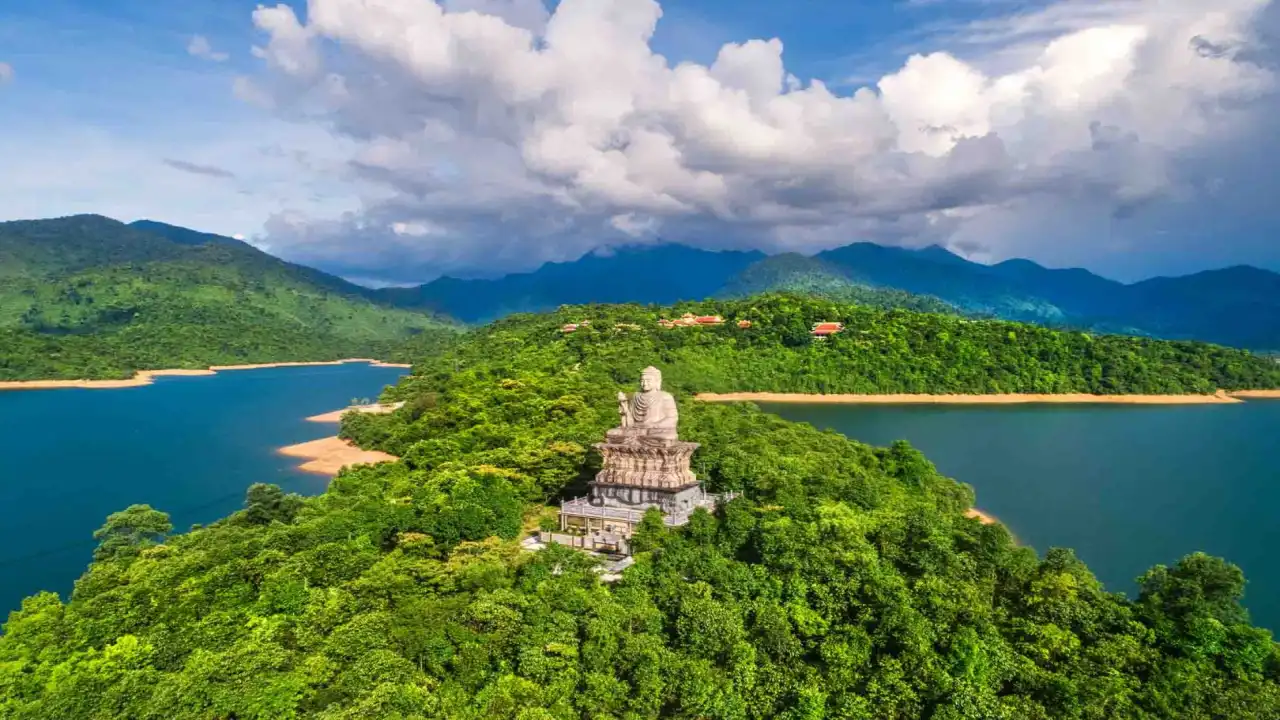
Bach Ma sits between Hue and Da Nang, and most people drive right past it. Honestly, that’s a loss. This park climbs fast. One moment you’re dealing with coastal humidity, the next you’re in cooler air, wondering if you should’ve packed another layer.
Adventure highlights
- Steep climbs that reward you with wide, quiet views
- Waterfall hikes where footing matters
- Old French ruins that feel half-forgotten
The trails aren’t technical, but they’ll make you work. It’s a good option if you want a solid challenge without committing to a multi-day expedition.
Pro tip:
Weather changes quickly here. Rain gear is not optional, even on “clear” days.
Cat Tien National Park: Wildlife Over Comfort
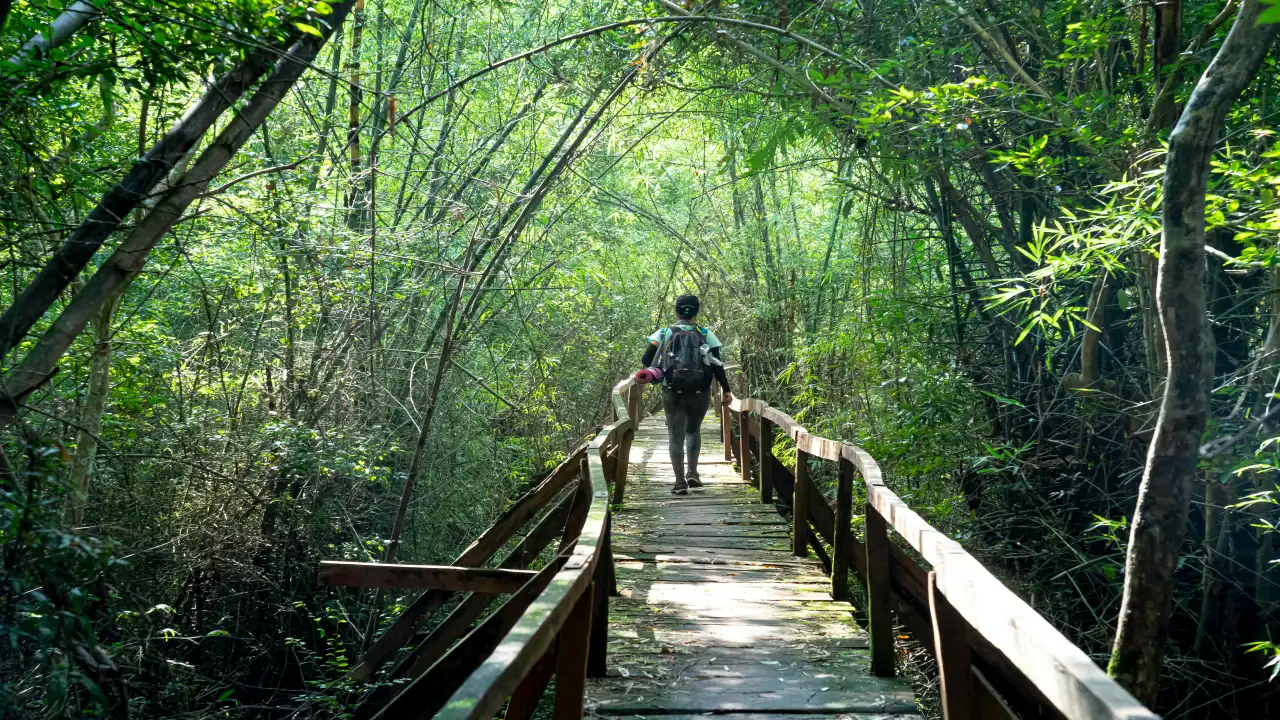
Cat Tien is close to Ho Chi Minh City, but once you cross the river into the park, the noise drops off fast. The pace changes too. A lot of the adventure here happens after sunset.
Why travelers respect Cat Tien
- Night safaris that focus on patience, not guarantees
- Long cycling routes through forest roads
- Simple lodging that keeps you close to the environment
You’re not promised sightings here. That’s part of the deal. You learn to listen more carefully, watch longer, and accept that nature doesn’t perform on schedule. Cat Tien often fits neatly into Vietnam trip packages, especially for travelers who want a break from cities without losing momentum.
Con Dao National Park: Adventure at the Edge
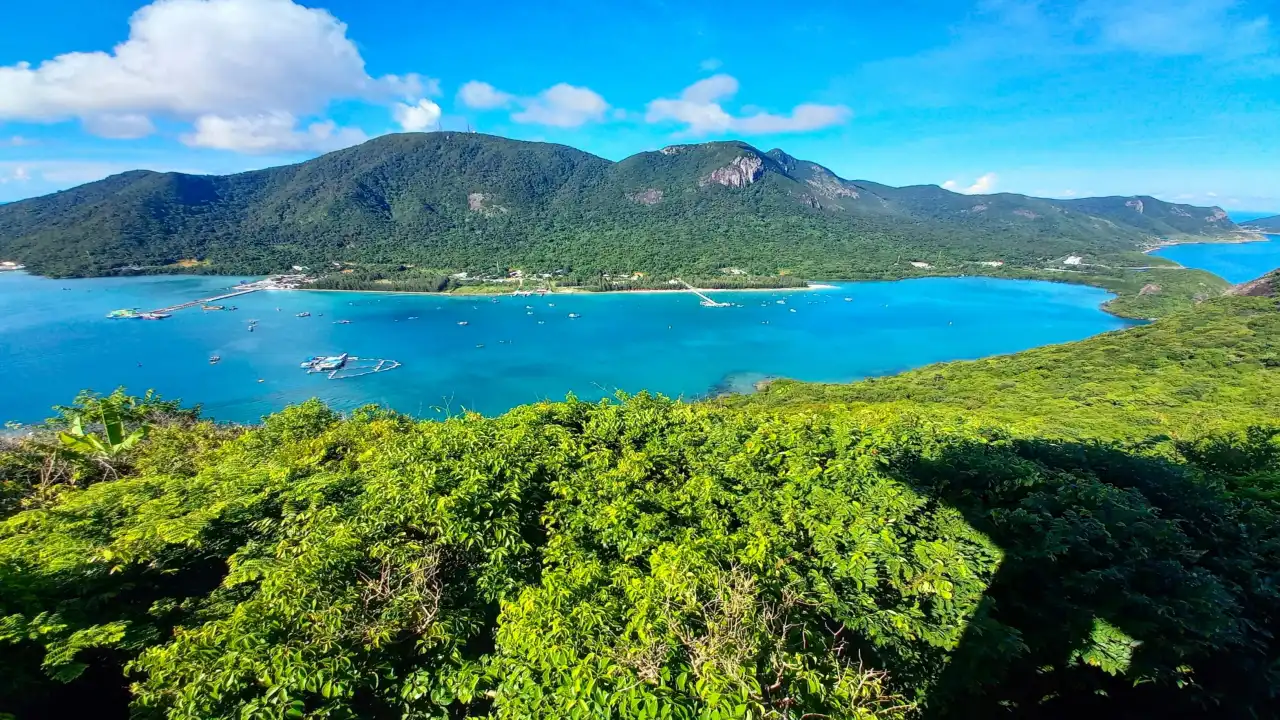
Most people associate Con Dao with beaches. And yes, those exist. But the national park side of the islands tells a different story. Forested hills, rocky paths, and hidden bays create adventure away from polished resorts.
Activities that stand out
- Hikes to viewpoints that feel properly remote
- Snorkeling and diving with fewer people around
- Seasonal wildlife conservation experiences, especially turtle nesting
Being on an island changes things. Supplies are limited. Weather matters more. Plans adjust. For some travelers, that unpredictability is the whole point.
Choosing the Right Park for Your Travel Style
Not every park fits every traveler. Preferences matter more than hype.
A simple way to decide:
- High physical challenge: Phong Nha–Ke Bang
- Wildlife focus: Cat Tien
- Short but demanding hikes: Bach Ma
These are the names that come up again and again when travelers talk about Vietnam's national parks online, usually in long threads filled with personal stories, not rankings.
How These Parks Fit Into Bigger Travel Plans
A lot of people assume national parks complicate itineraries. In Vietnam, they often do the opposite. Some parks sit naturally between cities. Others work well as active rest stops. That’s why experienced planners include them while building International Packages that balance movement, culture, and downtime. The trick is not treating parks like side trips. Give them room to breathe in your schedule.
What Adventure Lovers Take Home
People don’t swear by these parks because they were easy. They do it because something is stuck.
- A hike that went longer than planned
- A guide who knew every sound in the forest
- A night when the jungle never really went quiet
These moments don’t photograph well. But they linger. When people talk about the best national parks Vietnam has to offer, it’s usually after some effort, a bit of discomfort, and plenty of movement. That’s the shared experience.
Conclusion
Vietnam’s national parks aren’t about spectacle. They’re about involvement. You don’t stand back and admire them. You move through them, adjust to them, and sometimes slow down because the place demands it. For adventure lovers, that’s the reward. Not a checklist. Not a badge. Just the feeling that nothing was handed to you. And somehow, that’s what makes it unforgettable.
Practical Tips for Exploring Vietnam’s Parks
Adventure travel works best when expectations stay realistic. Vietnam’s parks reward preparation, not bravado.
General tips
- Always check local weather, not just apps
- Carry cash, remote areas don’t always do cards
- Follow park rules; they’re there for a reason
Gear basics
- A light rain jacket you’ll actually wear
- Shoes you’ve already broken in
- A reusable water bottle