The Running of the Bulls: History, Controversy, and What Tourists Should Know Before Attending
Introduction
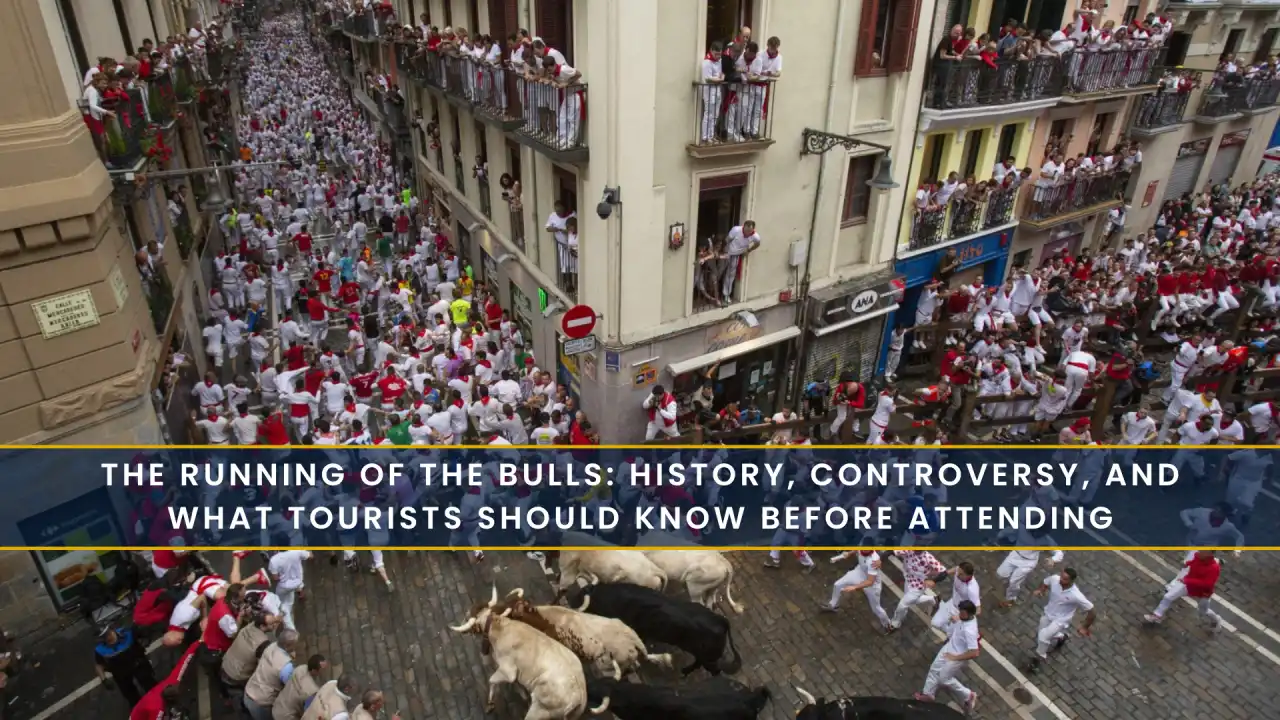
Every July, Pamplona stops feeling like a normal city and starts feeling more like one giant moving crowd that barely sleeps. Streets get loud before sunrise, fireworks keep exploding somewhere in the distance, and people in white clothes with red scarves pack the roads so tightly it almost feels unreal.
For a lot of travelers, the running of the bulls in Pamplona, Spain, experience that sits on that “maybe once in my life” list, even if they’re not fully sure why. Some actually run. Others just stand there gripping balcony rails with coffee in hand, watching the madness unfold below. And honestly, the whole thing is bigger than what short viral clips show online. Underneath the chaos there’s history, religion, local pride, old traditions, and then all the arguments, too safety concerns, animal welfare debates, tourists treating it like a party, while locals see something much deeper.
Understanding the Festival
What Happens During the Event?
The famous running of the bulls takes place early each morning. Bulls are released into closed city streets and guided toward the bullring while runners move ahead of them through narrow routes. The run covers around 875 meters and usually lasts only a few minutes, but the atmosphere before it begins is unforgettable. Streets fill with nervous excitement as runners gather in traditional white clothing and spectators crowd balconies and barriers, waiting for the action to start. Once the signal is fired, the calm disappears instantly. The streets become loud, chaotic, and intensely fast-moving until the bulls finally reach the arena.
Connection to the San Fermín Festival
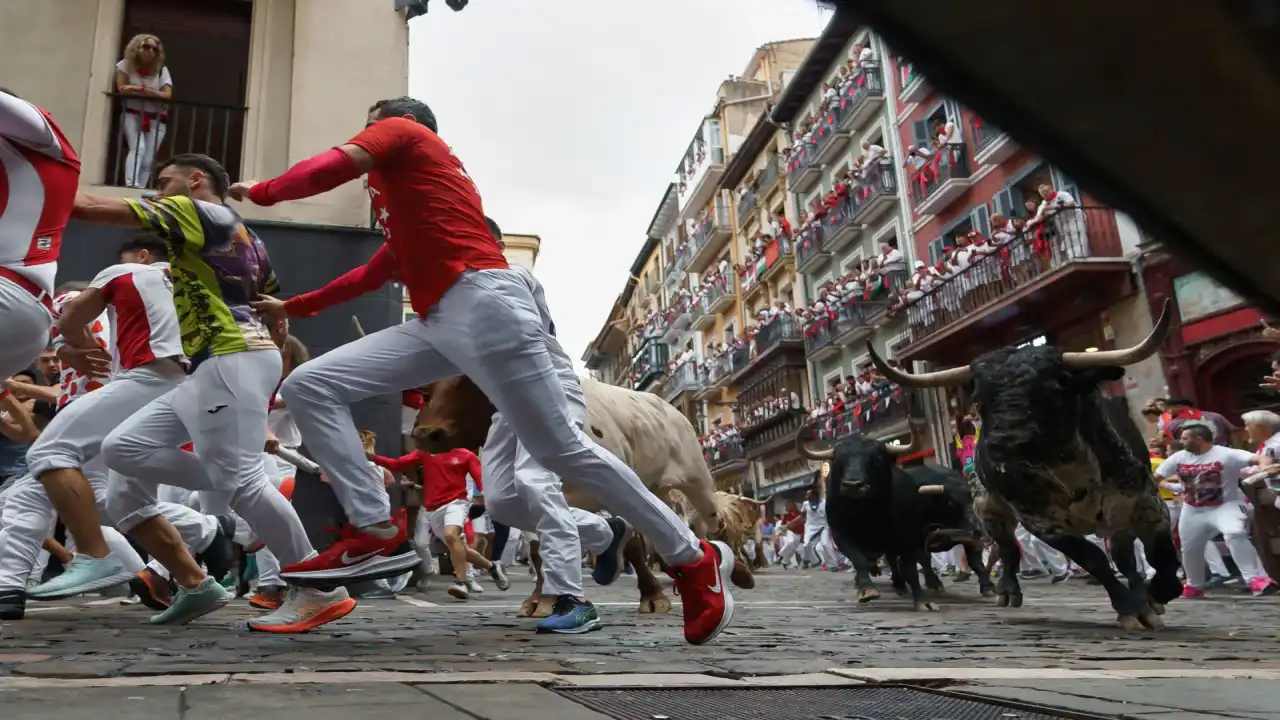
A lot of tourists think the bull run is the entire festival. It really isn’t. It’s actually just one piece of the much bigger San Fermín festival, which celebrates Saint Fermín, the patron saint of Pamplona. And honestly, even without the bulls, the city would still feel completely alive during that week. People barely sleep. Streets stay busy until stupidly late hours. There are fireworks almost every night, live concerts in public squares, marching bands wandering through tiny streets, random dancing breaking out near bars, and families eating dinner outdoors long after midnight. It’s loud but somehow still feels communal instead of chaotic most of the time.
One thing people don’t really expect is how local the atmosphere still feels despite all the tourism. You’ll see grandparents sitting outside cafés watching crowds pass by while kids run around with festival scarves dragging behind them. Locals greet each other as if this week actually matters emotionally to them, which, honestly, it does. That’s the part some visitors miss when they only focus on the adrenaline side of the festival. For residents, this isn’t just entertainment. It’s memory. Tradition. Identity. Family history mixed into public celebration.
Dates and Location
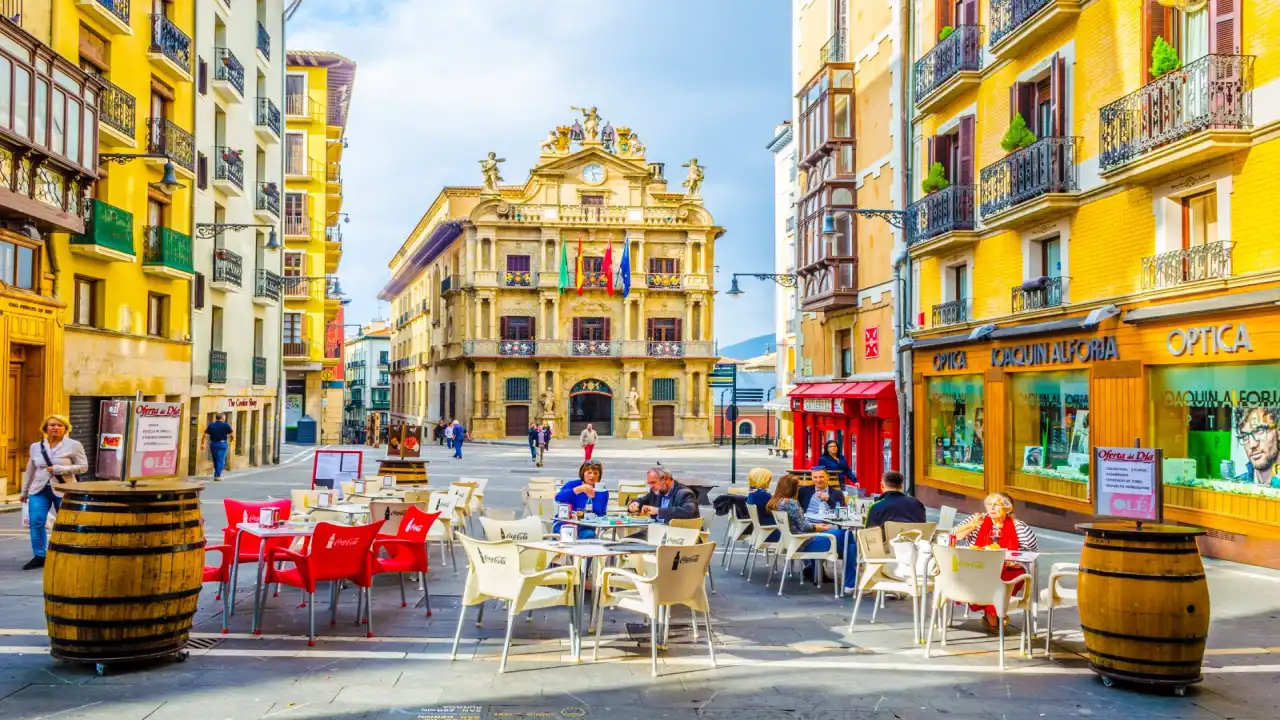
If you’ve ever asked yourself where the running of the bulls is held, it happens in Pamplona, a city in northern Spain that spends most of the year looking far calmer than it does in July. The festival runs from July 6 to July 14 every year. Daily bull runs happen in the morning around 8 a.m., although realistically, the city starts moving way before then.
By sunrise, cafés are crowded already. Streets packed. Balconies full of people leaning dangerously far over the edges trying to get better views. Some tourists still look half asleep from partying all night. Others somehow appear weirdly energetic, which honestly feels suspicious during festival week. Hotels sell out fast too. Very fast. Waiting until the last minute usually means paying absurd prices or staying somewhere inconveniently far away.
The History Behind the Festival
Origins of the Tradition
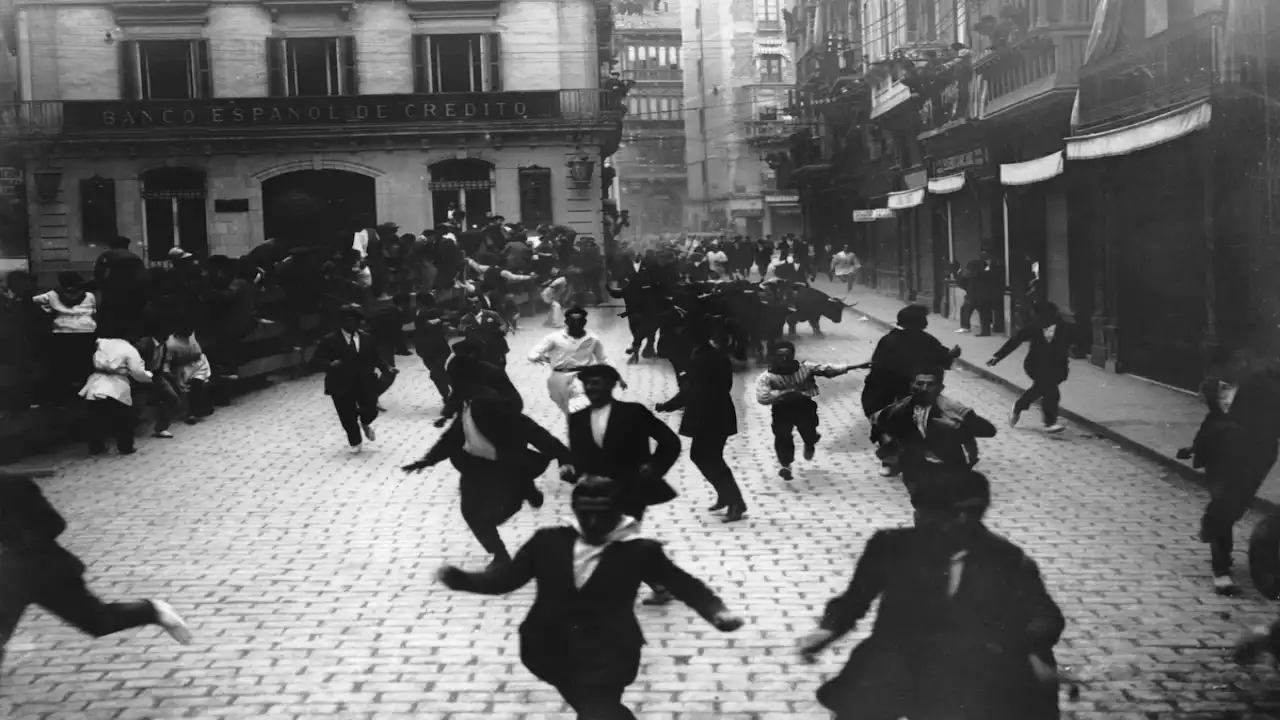
The strange thing is, the tradition didn’t begin as entertainment at all. Centuries ago, bulls simply needed to be moved from outside the city into the arena. Herdsmen guided them through the streets, and over time, local men started running beside them. Part bravery, part competition, part showing off, probably. Human nature hasn’t changed that much.
Eventually, the whole thing became a tradition instead of just practical work. That actually happens with a lot of old festivals if you think about it. Something ordinary survives long enough that people stop seeing it as ordinary. It turns into identity. Into culture. Now it’s one of the most recognized events connected to Spain anywhere in the world, which probably would’ve sounded ridiculous centuries ago when people were just trying to move bulls through town.
How the Festival Became Internationally Famous
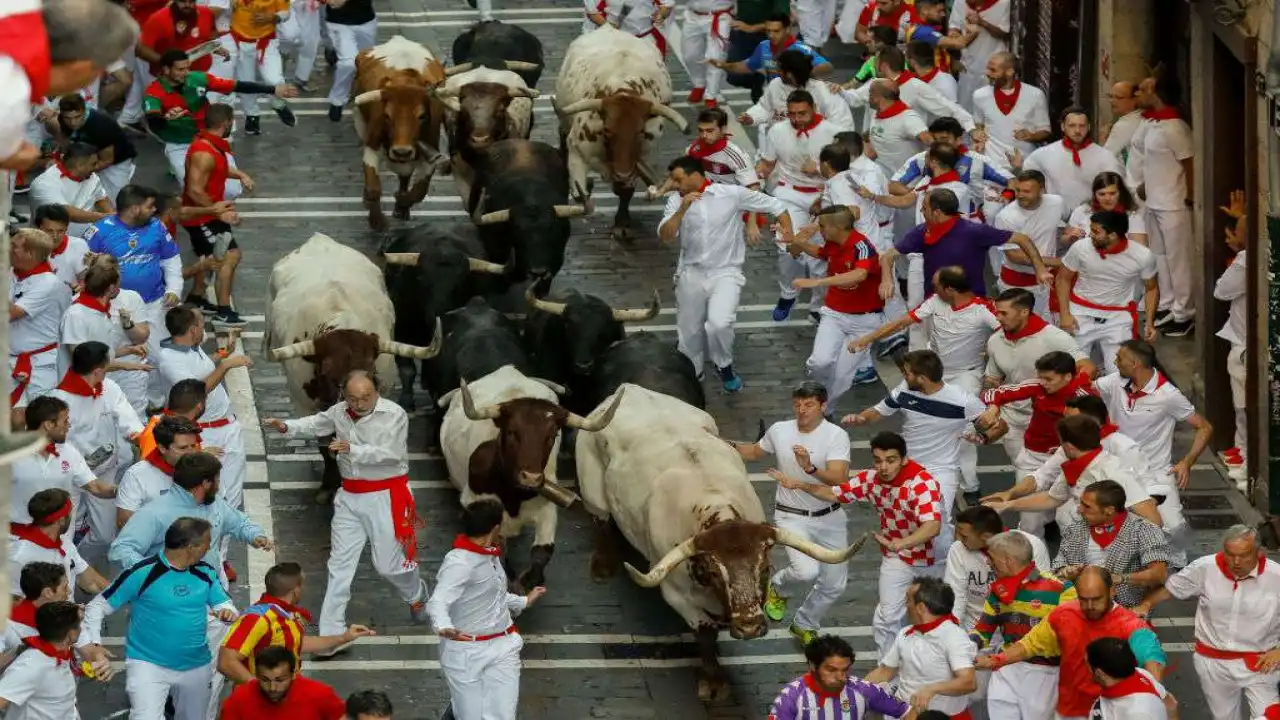
A huge reason the festival became internationally famous was Ernest Hemingway and his novel The Sun Also Rises. Hemingway visited Pamplona and wrote about the festival in a way that made outsiders curious long before social media existed. He captured the excitement, danger, drinking, crowds, all of it. People read his work and suddenly wanted to experience this wild festival themselves. Then, over time, came documentaries, television crews, newspaper coverage, travel magazines, YouTube videos, influencers holding tiny cameras in packed streets and the festival slowly became global. Sometimes probably too global according to some locals.
Why the Festival Attracts So Many Visitors
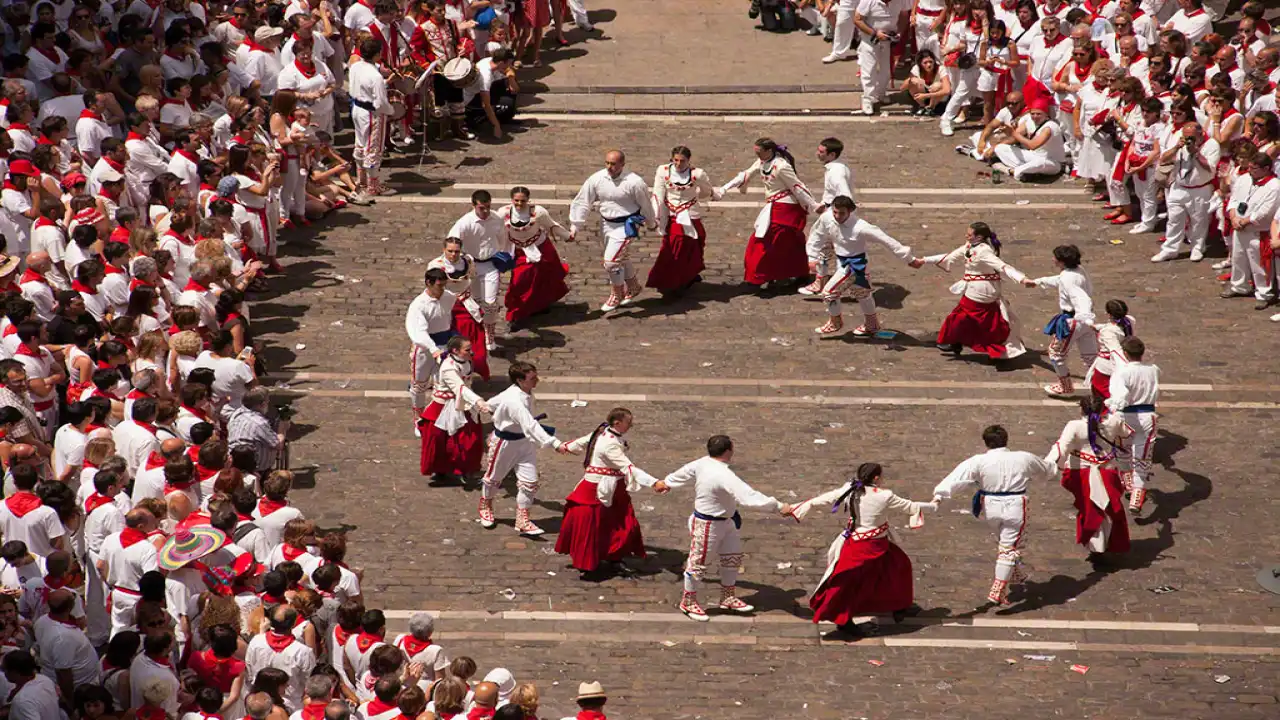
The Adrenaline and Excitement
Part of the attraction is obvious. Adrenaline makes people do weird things. Even people who swear they’d never run still get caught up in the tension before it begins. You can feel nervous energy moving through the crowd. Everyone is trying to act calmer than they really are. For actual runners, though, it’s different. Fear and excitement hit at the same time. Some people describe it as thrilling. Others probably regret their decision halfway through the route. Honestly, both reactions make sense.
The Festival Atmosphere
Even without the bull run, the atmosphere alone would still attract massive crowds.
What Makes the Festival Feel Different
- Streets are constantly filled with music
- White clothes and red scarves everywhere
- Dancing in public squares
- Fireworks nearly every night
- Food and wine spilling out of crowded cafés
One minute you’re wandering through a quiet old street, then suddenly drums start echoing nearby, and strangers are singing together like they’ve known each other for years. A lot of travelers booking a Spain trip package end up adding Pamplona because it feels completely different from the polished beach-resort version of Spain most tourists picture first.
Exploring Pamplona Beyond the Bull Run
Pamplona deserves attention beyond the festival chaos too.
Local Food to Try
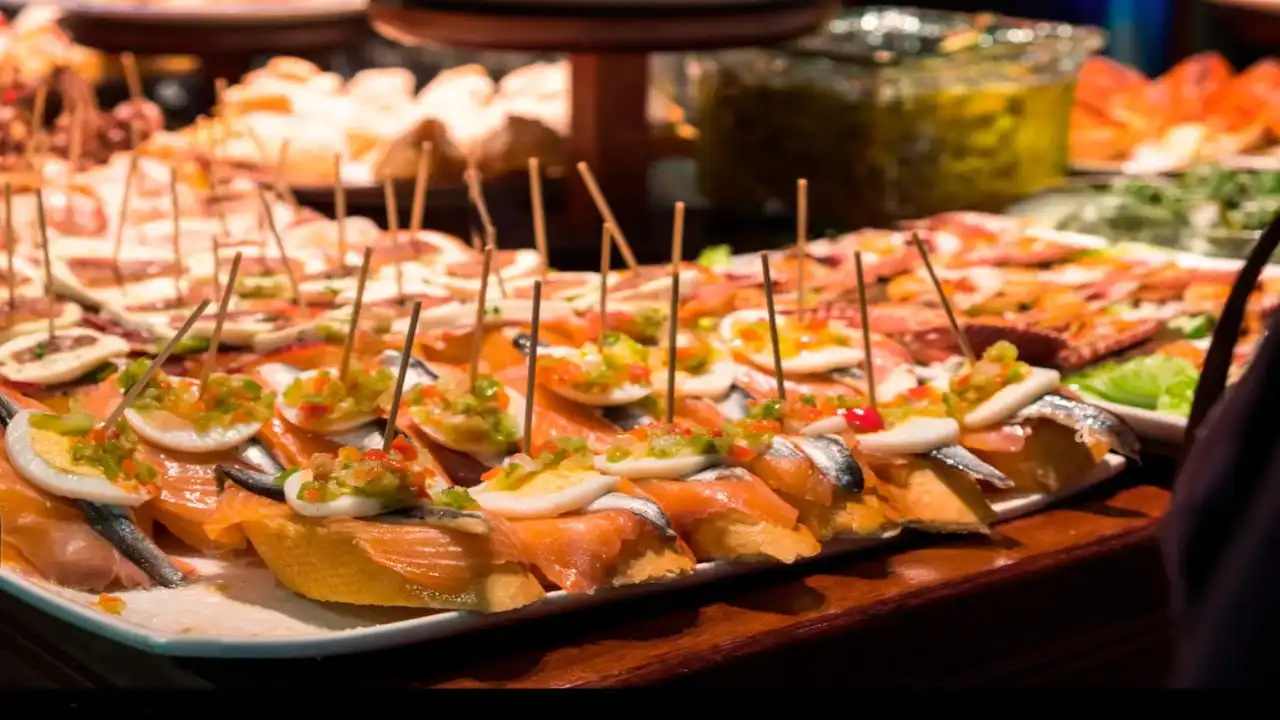
During festival week, the city practically turns into one giant outdoor dining space.
Popular Foods During the Festival
- Tapas and pintxos
- Regional wines
- Grilled meats
- Fresh pastries
- Street food from festival stalls
Some of the best moments honestly happen in tiny overcrowded bars where conversations get louder as the night goes on and nobody seems remotely interested in going home.
Historic Attractions
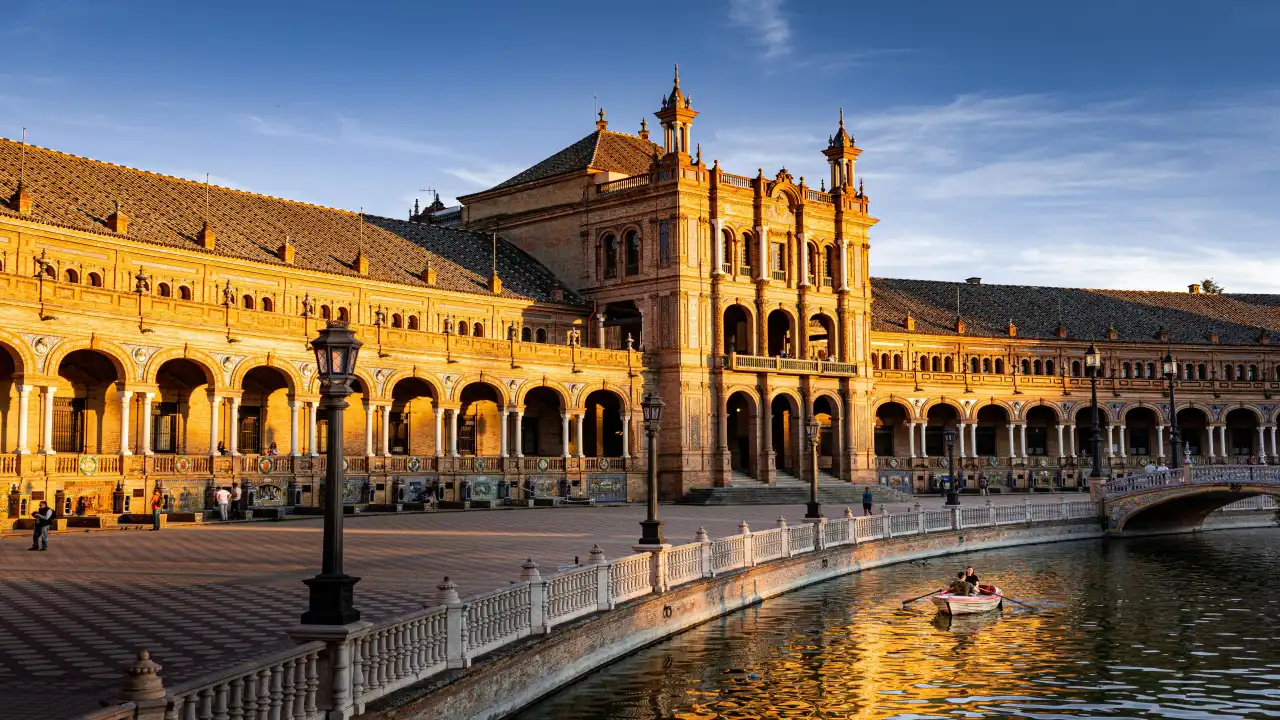
Outside the crowds and noise, Pamplona has a calmer side that people don’t always expect.
Places Worth Exploring
- Historic plazas
- Medieval walls
- Traditional churches
- Old stone streets
- Local markets
Early mornings after the celebrations end feel especially strange. The city suddenly quiets down like it’s exhausted from the night before.
The Controversy Around the Festival
Animal Welfare Concerns
Not everybody sees the festival positively. And once you’re there, it’s impossible to ignore that conversation. Animal rights groups criticize how the bulls are treated and argue that the animals experience fear and stress throughout the events. Discussions around bullfighting make the debate even bigger internationally. During festival week, protests happen regularly. Sometimes you’ll literally see a celebration happening on one side of the street and demonstrations happening on the other. It creates this strange contrast that the city almost seems used to by now.
Safety Risks for Participants
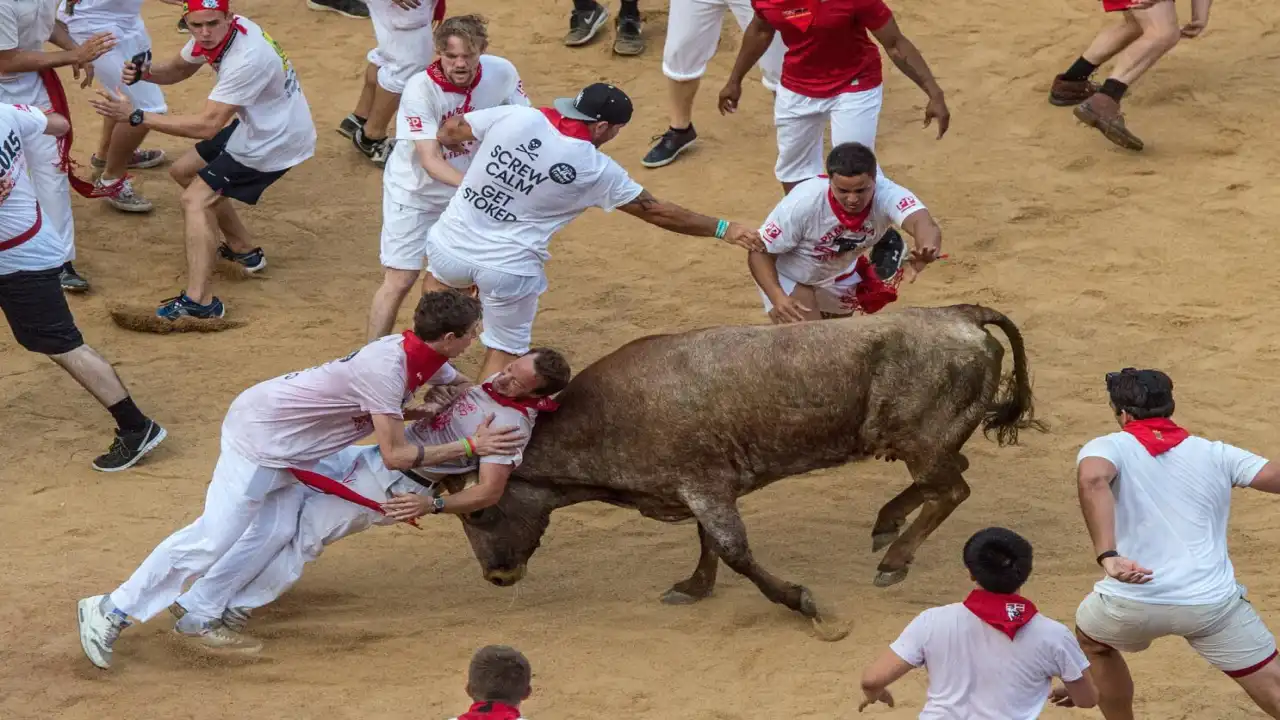
The danger is real. That part isn’t exaggerated. People get injured every year, especially tourists who completely underestimate how quickly panic spreads once the bulls appear.
Common Risks During the Run
- Falling in crowded sections
- Getting trapped against barriers
- Crashing into other runners
- Horn injuries
- Trampling during sudden movement
Pro Tip
First-time visitors usually enjoy the experience more from balconies or official viewing spots anyway. You still feel the adrenaline without risking your bones for a story.
Conclusion
The festival in Pamplona remains famous because almost nobody experiences it without feeling something strongly about it. Some people see tradition, culture, and excitement. Others focus more on the ethical questions and risks surrounding the event. Most visitors honestly leave somewhere in the middle, which is probably why so many travelers even add Pamplona to their International Packages, despite the debate around it. And maybe that’s exactly why people keep coming back. Not because the festival is simple. But because it isn’t.
Important Things Tourists Should Know
Plan Your Trip Early
Pamplona gets unbelievably crowded during festival week. Like, it can be barely moved, crowded sometimes.
Helpful Travel Tips
- Book accommodation months ahead
- Expect prices to jump
- Wear comfortable shoes
- Arrive early for good views
- Be prepared for very little sleep
The city changes depending on the hour too. Mornings feel tense and focused. Nights feel loud, messy, and celebratory in a completely different way.
Respect Local Customs
This matters more than a lot of tourists realize. For locals, the festival isn’t just entertainment for people with cameras and social media captions. It’s tied to religion, community traditions, and family memories. Visitors who respect that usually end up having a much richer experience overall.