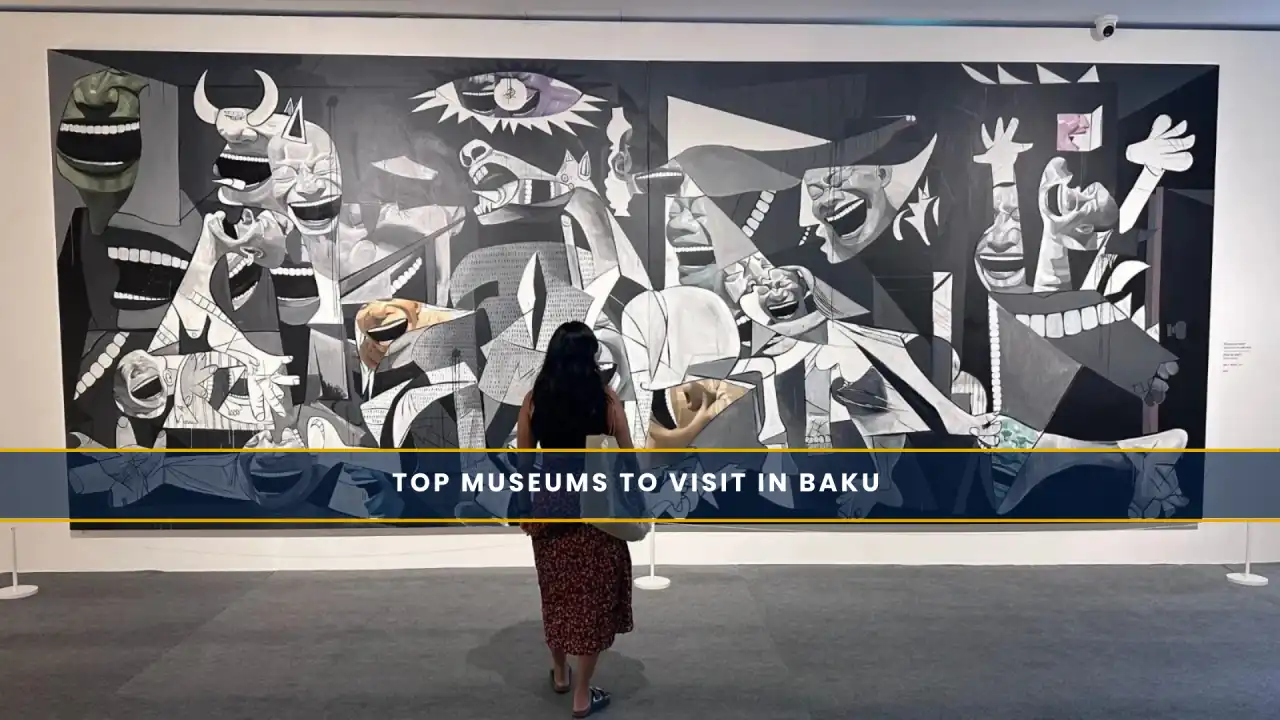
Top Museums to Visit in Baku
Introduction: Why Museums Matter When You’re in Baku
Ask someone in Baku what explains the city, and they won’t point to cafés or sea views. They’ll talk in stories of oil wealth, old trade routes, handwoven carpets, and life before and after independence. That’s why Museums in Baku quietly matter more than most people expect. They don’t demand attention or overwhelm you with facts. You walk in curious, maybe tired, and leave knowing more than you planned. The pace is slow, never rushed. Some museums impress with scale, others feel personal and intimate. This guide focuses on the ones truly worth your time, without turning your visit into a checklist.
Heydar Aliyev Center – Where Design Does the Talking
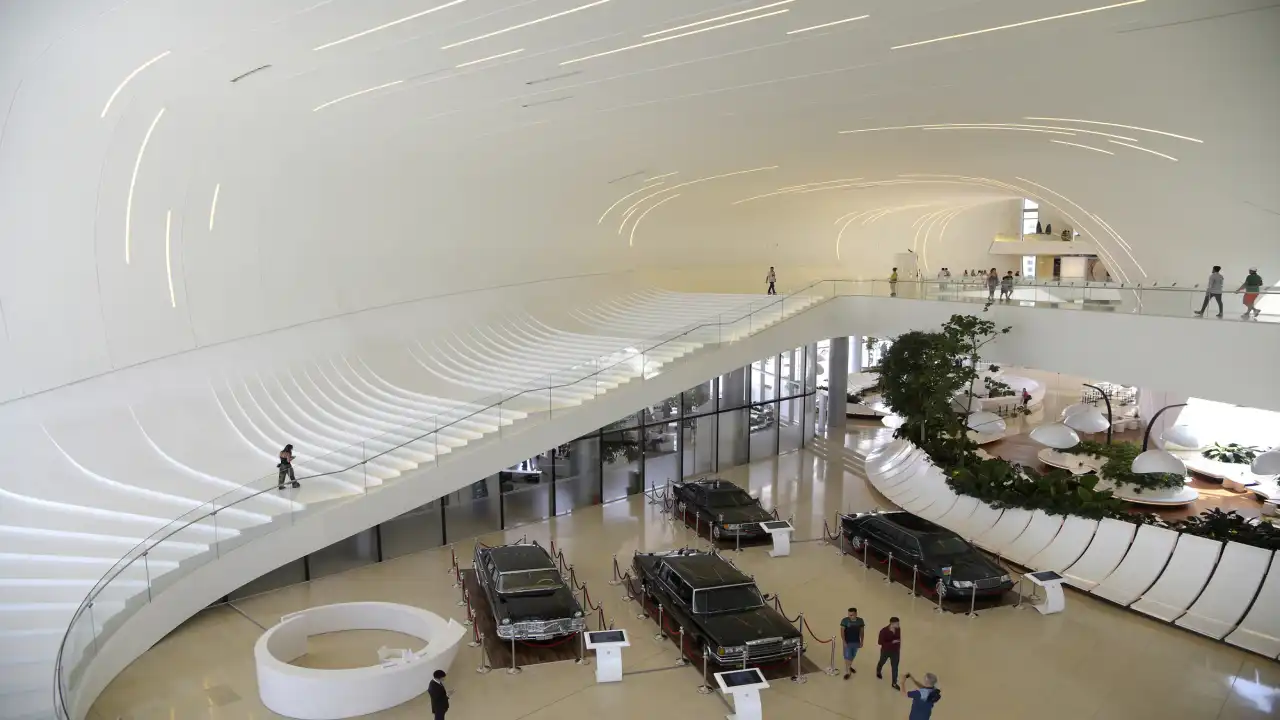
You don’t need to know a single thing about architecture to feel something here. Even before you enter, the building pulls your attention. No sharp corners. No straight lines fighting for dominance. It feels fluid, like it’s still moving. Inside, the museum areas explain Azerbaijan’s history, leadership, and culture, but they do so gently. Nothing feels forced.
You’ll come across:
- Interactive sections on national identity
- Rotating exhibitions tied to art, design, and culture
- Displays where tradition and modern thinking overlap
What really works is the balance. There’s information, yes, but it doesn’t overwhelm you. You drift from one space to another, stopping when something catches your eye. And something usually does.
Pro tip:
Go early. Morning light changes the mood inside, and the crowds are thinner. It feels calmer, almost meditative.
Azerbaijan National Museum of History – The Backbone of the Story
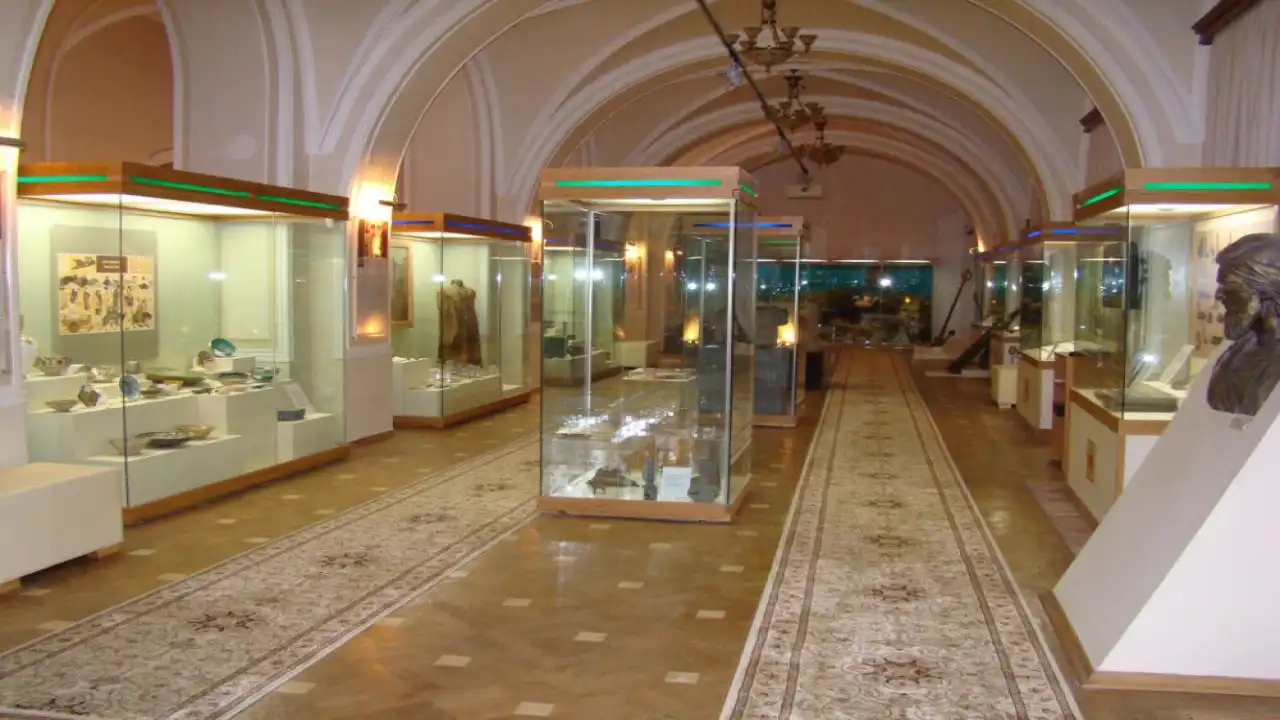
This museum sits inside a former mansion, and you notice that immediately. High ceilings. Old details. A sense of quiet importance. It’s the place where Azerbaijan’s layers really start to make sense. Not just dates and events, but how one era rolled into the next.
The exhibits cover:
- Ancient settlements and early civilizations
- The oil that reshaped Baku’s future
- Everyday life during Soviet years
There aren’t many flashy screens here. Instead, you get objects, photographs, and preserved rooms that do the heavy lifting. By the time you leave, modern Baku feels less random and more earned.
Pro tip:
Don’t attempt everything. Choose a few sections and wait. This museum rewards patience.
National Museum of Art of Azerbaijan – Quiet, Thoughtful, and Rewarding
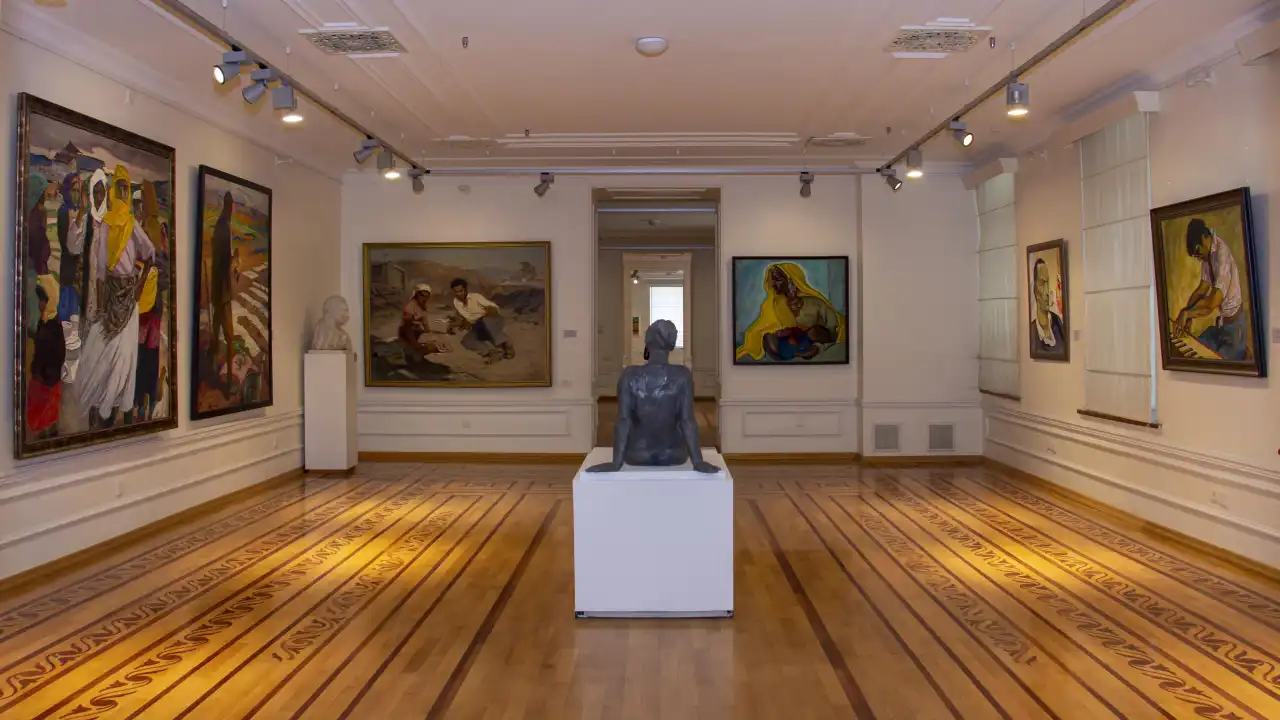
This is where you go when you’ve had enough noise. The galleries are wide, the rooms breathe, and no one rushes you along. The collection moves between Azerbaijani works and European pieces. You’ll notice how often local art reflects everyday scenes, markets, families, and landscapes. Nothing dramatic. Nothing flashy. Just life, observed. It’s also a subtle history lesson. You start noticing how style and subject matter shift as politics and society change.
Pro tip:
This works well after lunch, when energy dips and you want something slow and steady.
Azerbaijan Carpet Museum – Stories Woven by Hand
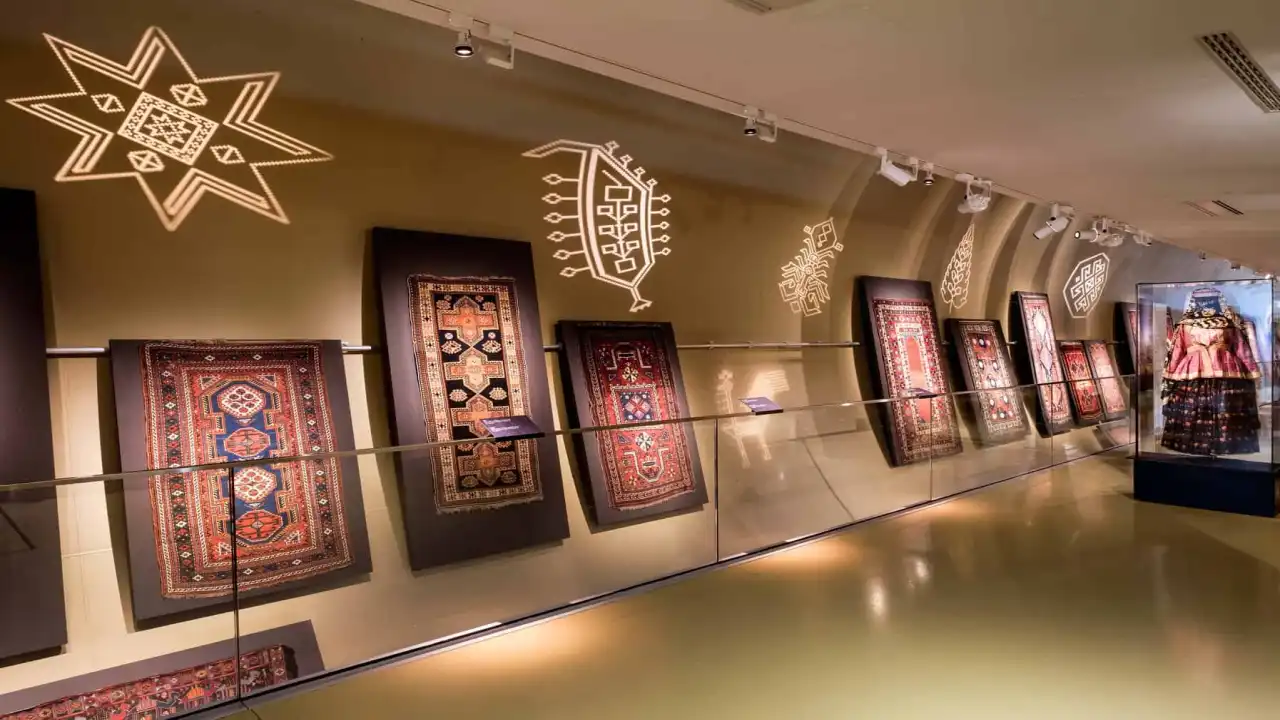
You spot this building before you even register what it is. It looks like a giant rolled carpet, sitting by the waterfront. A little playful. A little proud. Inside, the story gets deeper. Carpets here were never just decoration. They marked family events. Regions. Beliefs. Even personal moods. Patterns weren’t random. Colors meant things. That’s why Carpet Museum Baku feels less like a display hall and more like a conversation about time, patience, and skill.
Pro tip:
Pause at the older pieces. Guides often point out symbols that are easy to miss but hard to forget once explained.
Baku Museum of Modern Art – Unexpected and Honest
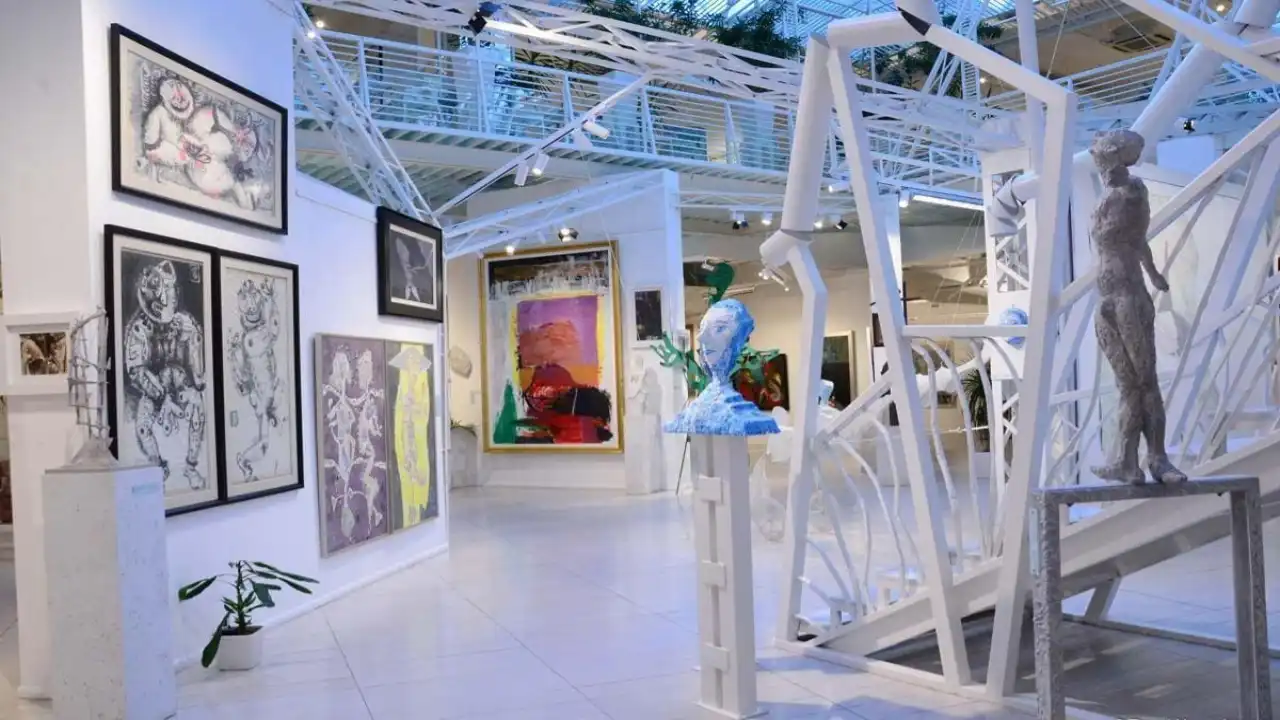
This museum doesn’t try to please everyone. And that’s exactly why it works.
Some pieces are confusing. Some feel raw. Others make you stop and think longer than planned. You’ll see:
- Experimental Azerbaijani works
- Art reflecting social change and tension
- Pieces that don’t explain themselves
If you want to understand how creativity responds to change here, this place fills in the gaps left by classical museums.
Pro tip:
Don’t overthink it. You don’t need to understand everything to enjoy the experience.
Museum of Miniature Books – Small Space, Big Impact
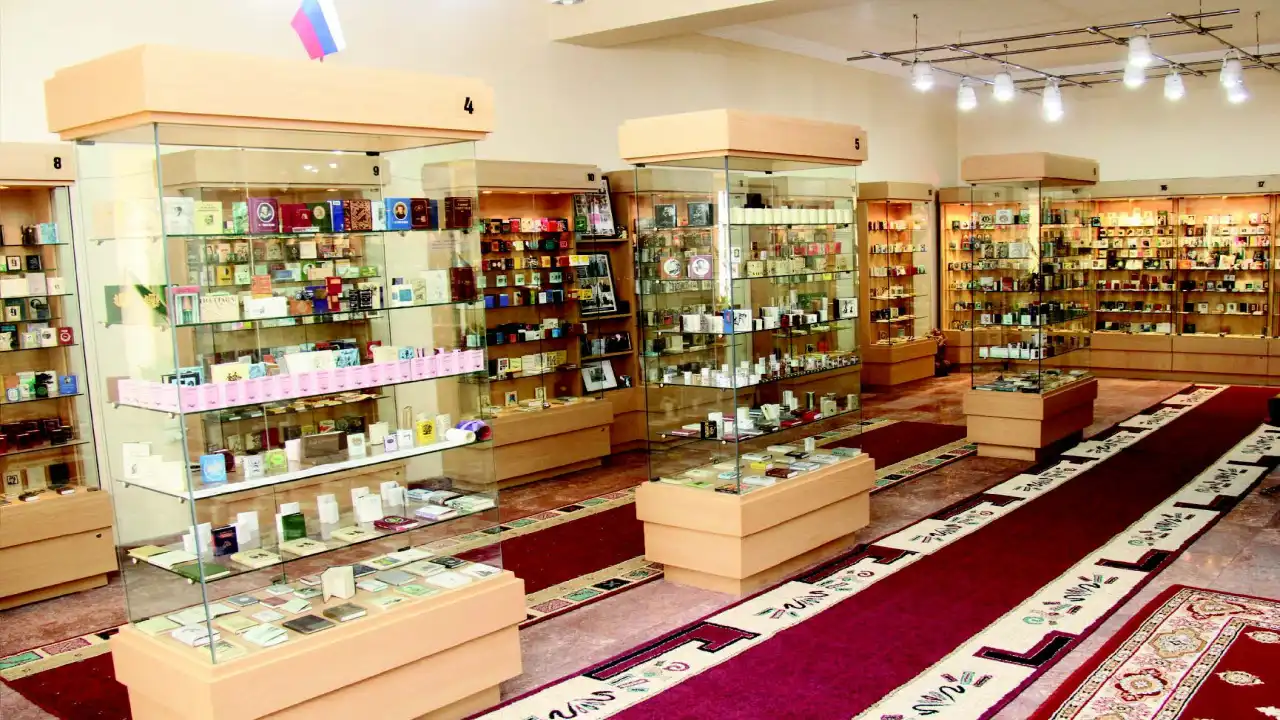
It’s tiny. Really tiny. And that’s the charm. Inside are thousands of miniature books from all over the world. Some are so small you have to lean in. Others are famous works reduced to unbelievable sizes. You won’t spend hours here, but you’ll remember it especially if you enjoy odd, unexpected collections.
Pro tip:
Pair this visit with a slow walk through the Old City. It fits perfectly into a relaxed afternoon.
Maiden Tower Museum – History with a View
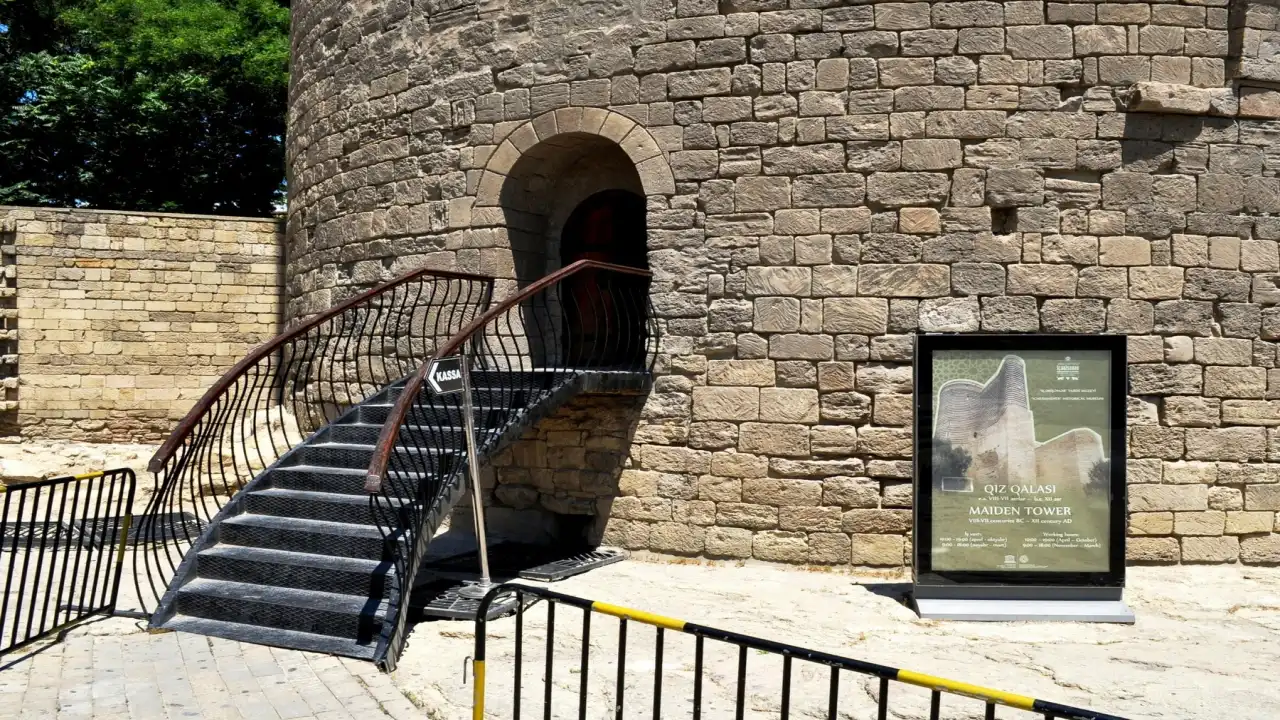
Part museum, part legend, the Maiden Tower rises quietly but confidently. As you climb, each level reveals another layer of Baku’s past. And then there’s the top. The view stretches out over the city and sea, reminding you that history isn’t stuck behind glass. This visit blends naturally with other Cultural places in Baku, making it easy to connect stories with surroundings.
Pro tip:
Wear good shoes. The climb is steady, not fast, but the view makes it worth it.
Understanding Baku’s Art Scene
Baku doesn’t advertise its creativity loudly. It doesn’t need to. Across galleries and exhibition spaces, there’s a steady, confident voice. The Baku art museums show how artists respond to change without cutting ties to tradition. You don’t need expertise to enjoy it. Just notice recurring ideas: home, land, transition. That’s enough.
How to Plan Your Museum Days
Trying to do everything in one day rarely works. Instead:
- Pair one large museum with a smaller one
- Leave gaps for coffee or short walks
- Stick to two major museums per day
This approach is especially helpful when traveling with children or older family members. Some travelers prefer a guided Baku trip package that includes museum visits. It saves time and removes planning stress.
Visiting with Family or First-Time Travelers
These museums are comfortable spaces. Not overwhelming. Not chaotic.
For those exploring under Family Packages, museums offer:
- Air-conditioned breaks from walking
- Learning without pressure
- Safe, organized environments
They’re also a good reset between outdoor attractions.
Conclusion
Baku’s museums don’t fight for your attention. They earn it quietly. One room at a time. You don’t need to see them all. Just choose what matches your curiosity. Somewhere along the way, you’ll realize the museums didn’t just explain Azerbaijan, they made it feel familiar.
Common Mistakes to Avoid
- Speed-walking through exhibits
- Skipping explanations and guides
- Visiting during peak afternoon hours
Slow down. These places weren’t built for rushing.