Top Nature Escapes in Northeast India for Peaceful Travel
Introduction
Some trips, if we’re being brutally honest, are mostly about collecting places. You land somewhere. Take out your phone. Snap a few photos because the light looks nice. Maybe search for a café someone recommended on Instagram. Then, before you even fully settle in, you’re already thinking about the next stop. Another location. Another picture. Another little checkmark on the travel list. It happens a lot. Probably more than people admit. But every once in a while, travel shifts gears. You arrive somewhere and the place doesn’t push you to move faster. It does the opposite actually. It slows you down without trying. No fancy “slow travel itinerary” needed. It just happens.
That quiet shift is something many travelers notice when they explore Northeast India Nature. Yes, the views are beautiful. Obviously. But what really sticks with people later is the sense of space. Villages where mornings still begin with sunlight instead of alarms. Lakes that sit perfectly still until one tiny boat moves across the surface. Roads where mountains suddenly appear around a bend and you instinctively slow the car just to look. If peaceful travel has been quietly calling your name lately, the northeast delivers it without much noise. No big show. Just nature doing what it’s always done.
1. Ziro Valley, Arunachal Pradesh – Where Time Feels Slower
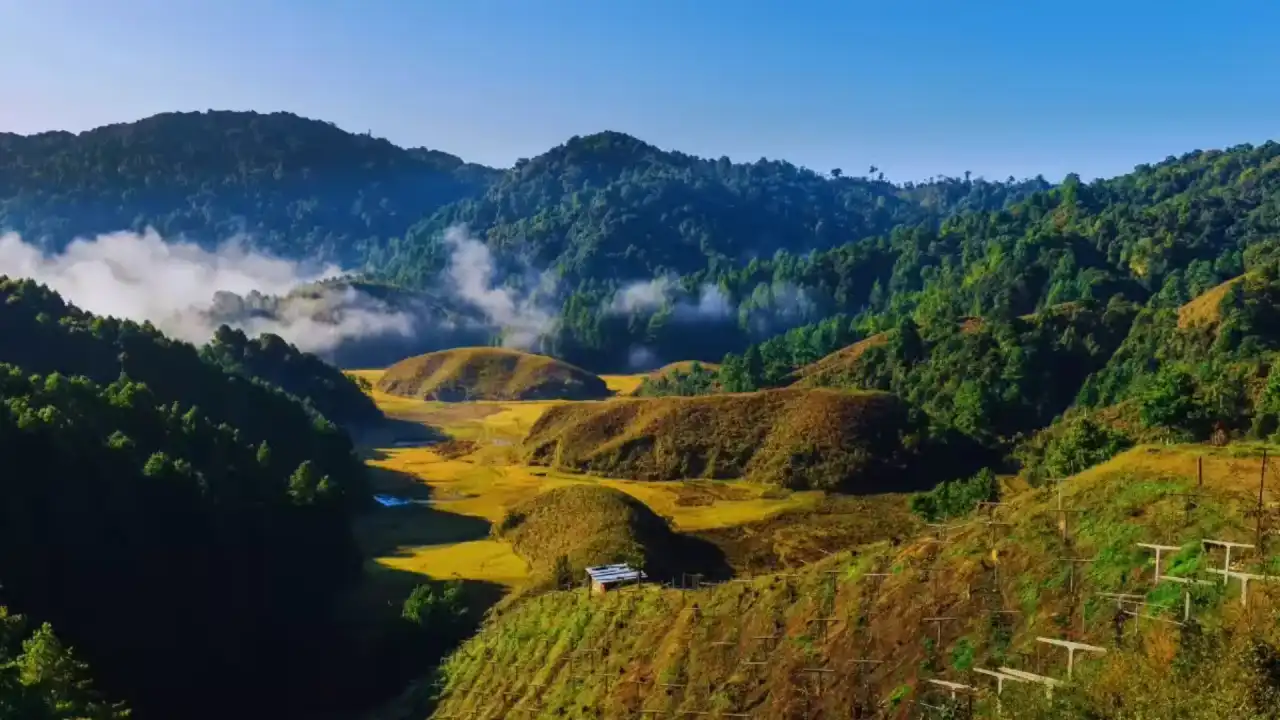
The first thing people usually notice in Ziro is the quiet. Not the uncomfortable kind where everyone feels like they should say something. This one feels easy. It sort of settles around you. You breathe a little slower without even realizing it. The valley spreads out wide with rice fields stitched together in soft green patterns. From above they almost look painted. Hills sit around the edges like gentle walls protecting the place. Wooden houses peek through bamboo groves and narrow footpaths wind through farmland where daily life still follows rhythms that probably haven’t changed much in decades.
Nothing here feels rushed. Honestly, that might be the whole point. Ziro isn’t trying to impress anyone with flashy attractions. There aren’t giant viewpoints packed with tourists. Most visitors end up doing very simple things instead. Walking slowly through fields. Watching clouds drift lazily across the valley. Sometimes chatting with locals from the Apatani tribe who’ve lived here for generations. Their lifestyle still revolves around the land in ways that feel rare today. Rice farming. Community traditions. Seasonal routines. And strangely enough, that simplicity becomes the experience.
Things that make Ziro peaceful:
• Endless rice fields stretching across the valley
• Bamboo forests softly rustling in the wind
• Traditional villages with calm daily life
• Cool weather that stays pleasant most of the year
Pro Tip:
Wake up really early if you can. When the valley sits under morning mist, it looks unreal. For a few minutes it almost feels like the entire world forgot to wake up.
2. Majuli Island, Assam – A River Island Full of Calm
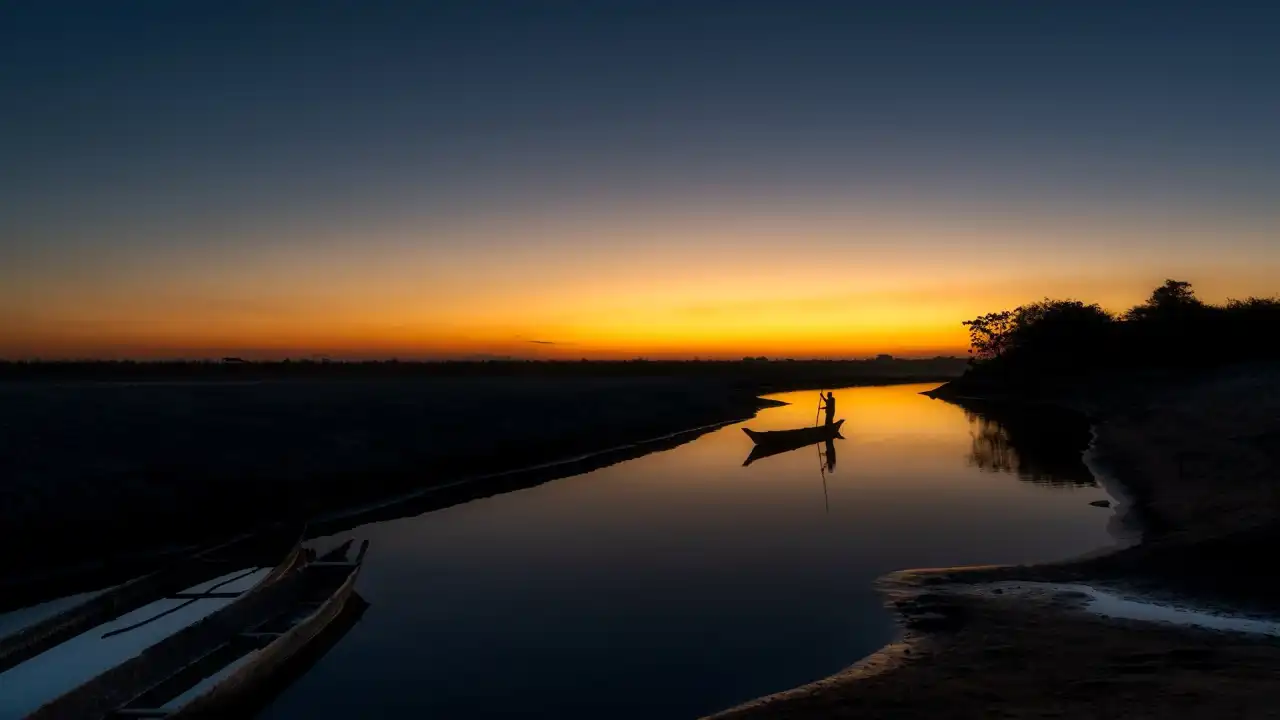
Getting to Majuli already changes your mood a bit. You can’t just drive straight there. First comes the ferry ride across the Brahmaputra River. And that crossing is part of the whole experience. Water stretches out in every direction. Huge, slow, endless. Boats move quietly across the surface while wind brushes across the deck. Passengers lean on railings watching the river slide by. Most people start the ride scrolling their phones. Somewhere halfway through they stop. There’s something about that wide river that pulls your attention away from screens. Then Majuli slowly appears.
Technically, it’s one of the largest river islands in the world, but it doesn’t feel busy at all. Roads are simple. Scooters buzz past occasionally. Monasteries called satras sit quietly beneath tall trees where time seems to move more slowly. Life here feels gentle. Travelers often find themselves doing things that might sound boring if you wrote them down in an itinerary. Watching fishermen toss nets into the river at sunrise. Sitting near wetlands listening to birds, wandering into monastery courtyards where monks practice music. But those slow little moments? Those are usually the ones people remember later. Majuli also carries deep cultural significance. For centuries, it has been an important center of Assamese Vaishnavite traditions, and that spiritual energy still lingers across the island.
Things to experience in Majuli:
• Ferry rides across the Brahmaputra
• Visiting historic satras and monasteries
• Exploring quiet riverside villages
• Watching slow sunsets over the river
Pro Tip:
Skip typical hotels if possible. Bamboo guesthouses run by locals make the stay feel far more authentic.
3. Dawki, Meghalaya – The River That Looks Like Glass
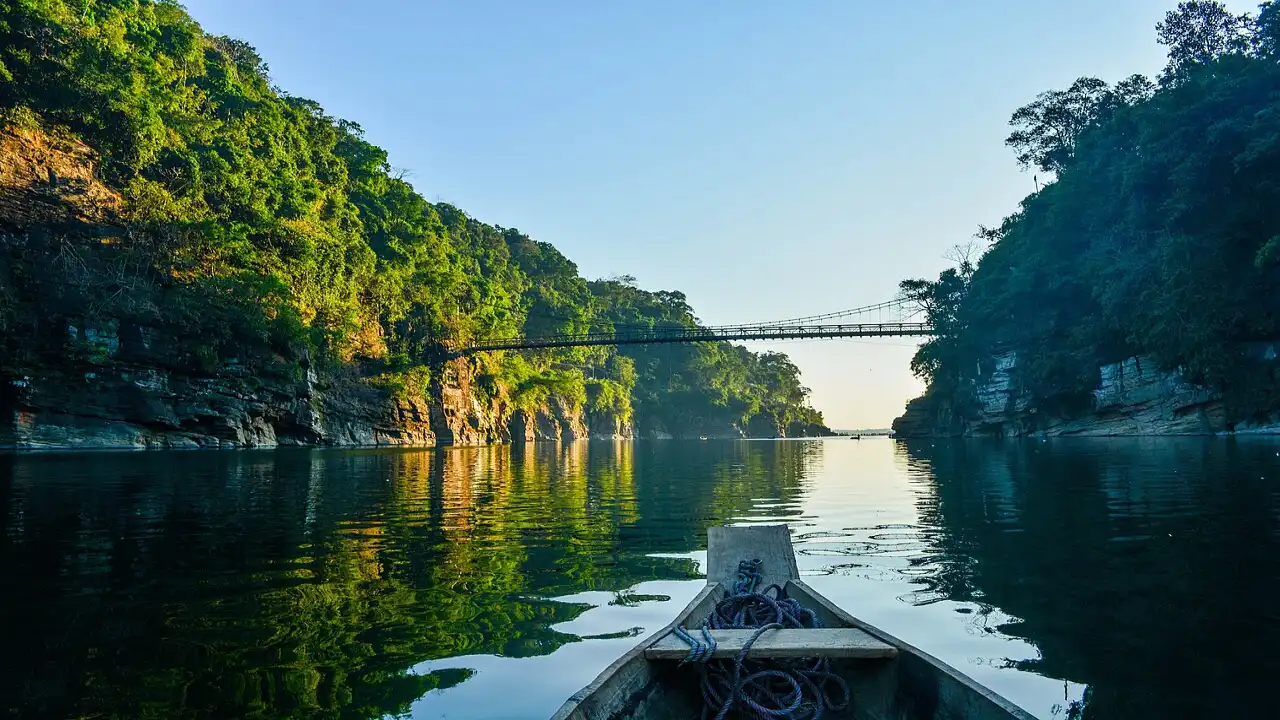
Most travelers heading into Meghalaya focus on Shillong or Cherrapunji. Which makes sense. They’re famous places. But Dawki tends to catch people off guard. The star attraction here is the Umngot River. During clear winter days the water becomes unbelievably transparent. Boats don’t even look like they’re floating. They look like they’re hovering.
You’ll probably take photos. Everyone does. It’s almost impossible not to. Then you lower the camera stare again and it still doesn’t look real. But Dawki isn’t just about that river. The surrounding hills matter too. Quiet villages sit along rolling green slopes and the Bangladesh border lies surprisingly close by. The whole area has a calm, relaxed atmosphere. Nothing feels overly commercial. No loud tourist chaos. That’s exactly why many travelers eventually count Dawki among the most Peaceful Places in Northeast India.
Things to do in Dawki:
• Take a slow boat ride across the Umngot River
• Walk along peaceful riverside trails
• Visit the nearby village of Shnongpdeng
• Look across the border toward Bangladesh
Pro Tip:
Winter is when the water turns crystal clear. That’s when the famous “floating boat” photos usually happen.
4. Dzukou Valley, Nagaland – A Hidden Meadow in the Clouds
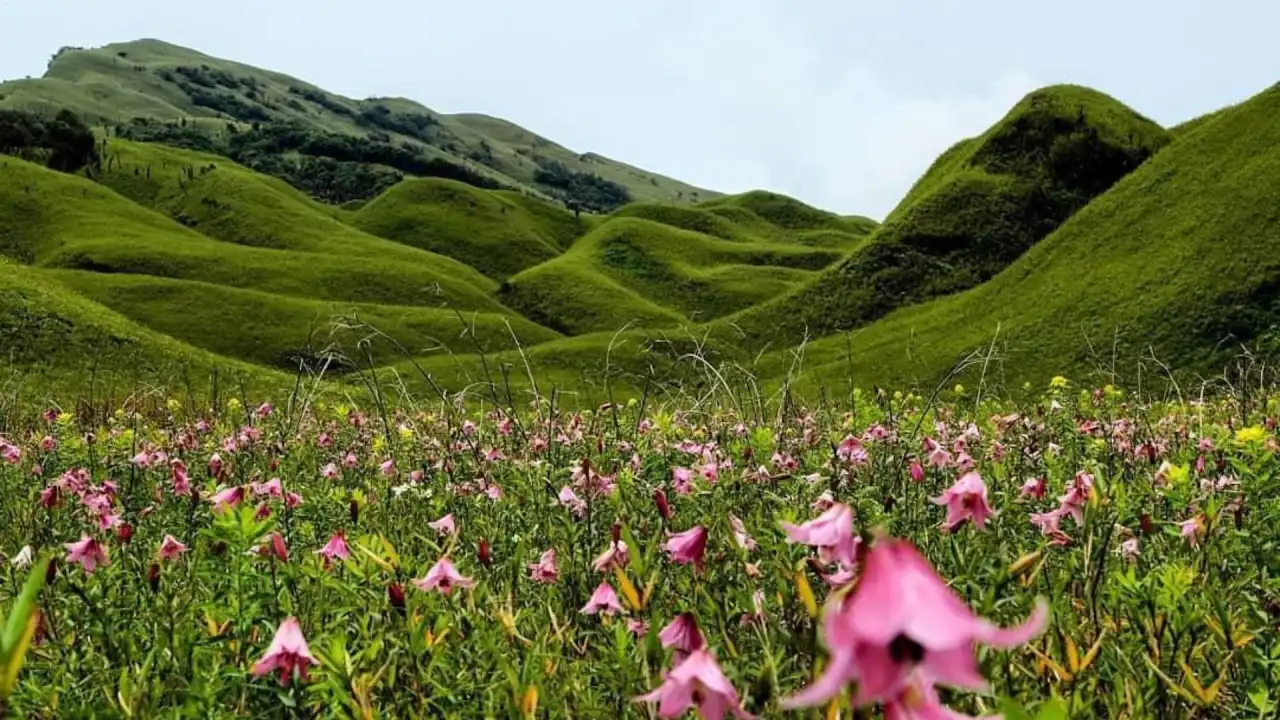
Dzukou Valley requires a little patience. And honestly, some effort. Reaching it means trekking uphill through forest paths and rocky stretches. Somewhere along the climb you might stop, catch your breath, and quietly wonder if the view will actually be worth it. Then suddenly the valley opens. Rolling green meadows stretch in every direction. Thin streams snake through the grass like silver threads.
During the summer months wildflowers bloom across the valley floor and turn everything into patches of color. Even without the flowers, the place feels magical. Clouds drift slowly across the hills. Wind moves through the grass like waves on water. Compared to many trekking spots in India, Dzukou still feels fairly untouched. And that untouched feeling makes it special.
Why Dzukou Valley stands out:
• Wide meadows surrounded by mountains
• Wildflower blooms in summer
• Clear night skies filled with stars
• Very little commercialization
Pro Tip:
Bring warm layers. Nights in the valley get cold surprisingly fast, even during summer.
5. Tawang, Arunachal Pradesh – Mountains, Monasteries, and Silence
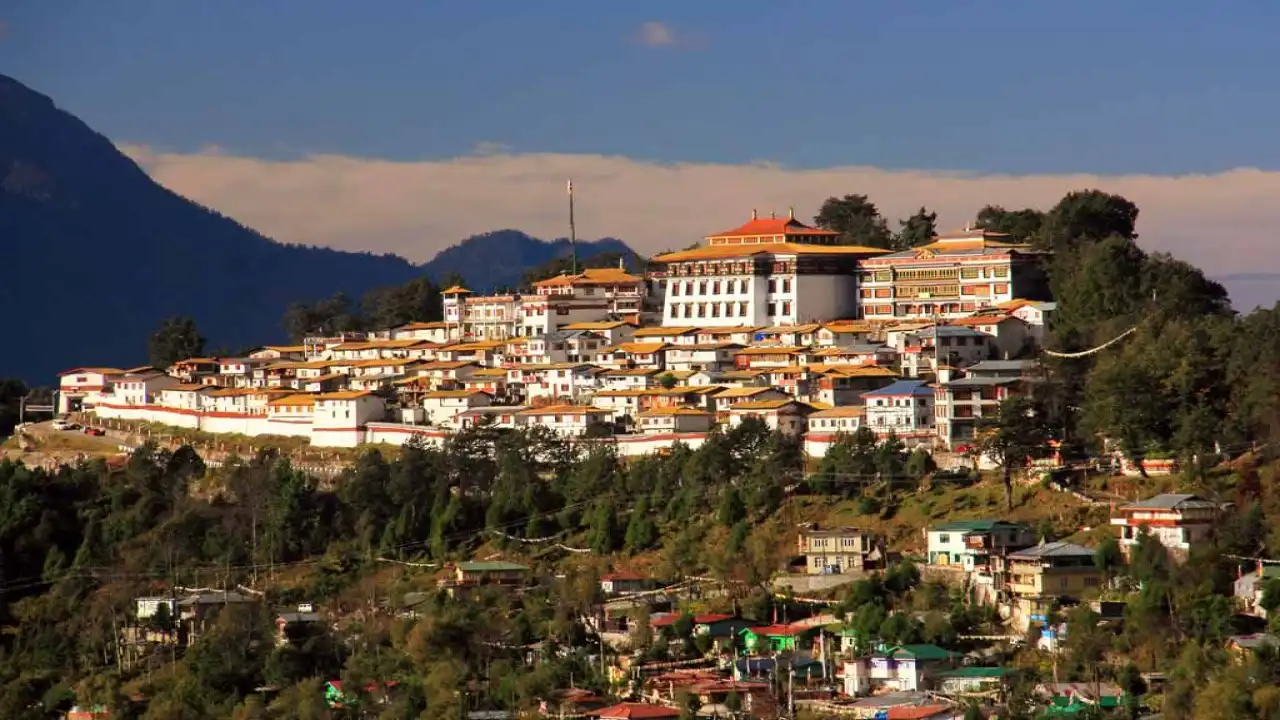
Reaching Tawang takes patience. The roads twist endlessly through the mountains. High passes appear suddenly. Sometimes the drive itself feels like the adventure. But once you finally arrive… the effort starts making sense. Snowy peaks stand quietly in the distance. Valleys stretch far below winding roads.
And sitting calmly above the town is Tawang Monastery, one of the largest Buddhist monasteries in India. Prayer flags flutter constantly in the wind while monks move peacefully through the complex. But the real magic of Tawang isn’t just the monastery. It’s everything around it. High-altitude lakes like Madhuri Lake sit tucked between mountains reflecting the sky in still water. Sometimes the silence feels so complete it almost surprises you. For travelers planning Nature Getaways in Northeast India, Tawang easily becomes one of the highlights.
Highlights of Tawang:
• The historic Tawang Monastery
• Scenic high-altitude lakes
• Mountain drives through Sela Pass
• Fresh Himalayan air and wide open landscapes
Pro Tip:
Stay at least two nights. The altitude needs time, and rushing through Tawang kind of defeats the purpose.
Planning Your Trip to Northeast India
Traveling across the northeast isn’t always quick. Distances between places can be long and mountain roads rarely allow fast driving. Sometimes journeys take longer than expected. But strangely enough, that slower pace is part of what keeps the region peaceful. Because planning routes across multiple states can be tricky, many travelers choose a Northeast trip package covering places across Assam, Meghalaya, and Arunachal Pradesh. It simplifies logistics and lets you focus more on the experience.
Why Peaceful Travel Matters
Travel today often feels rushed. Flights. Tight schedules. Crowded viewpoints. Long lines just to take photos. Sometimes people return from vacations feeling more tired than when they left. Places within Northeast India quietly remind you that travel doesn’t have to work that way. Sometimes the best memories are simple ones. A small boat drifting across a river, a misty walk through hills before sunrise. A cup of tea while clouds move slowly across the mountains. Nothing dramatic. But those moments stay with you.
Conclusion
Nature in the northeast doesn’t need attention like famous tourist spots. The landscapes speak softly instead. From the rice fields of Ziro to the glassy waters of Dawki and the quiet meadows of Dzukou, each offers something that is slowly fading away from many travel destinations: space, silence and an ability to slow down. And perhaps that’s the true point of visiting here, not necessarily those sights but instead the more unique opportunity to stop and inhale, actually see them unfold, something tourists often realize when they take a domestic trip package to tour the location.
Travel Tips for Visiting Northeast India
A little preparation helps quite a bit.
Useful things to remember:
• Carry government ID for travel permits
• Always allow extra time for mountain roads
• Respect local traditions in villages
• Try regional food whenever possible
• Keep some cash for small towns