Traditional Festivals & Events in Azerbaijan
Introduction
Travel isn’t always about ticking famous landmarks off a list. Sure, the huge monuments look great in photos, people stand there, take the picture, maybe read the sign for a second, then wander off again. But when people talk about a trip later, it’s usually not the giant statue they remember. It’s the random little things. A street musician you almost walked past. The smell of fresh pastries drifts out of a bakery. A small crowd gathering in a square and you’re just standing there thinking, wait, what’s going on here? That kind of moment seems to happen pretty often in Azerbaijan festivals.
Spend a few days there and you start noticing more kids running around with candy, families sitting at long tables that appear out of nowhere, and someone playing a traditional instrument nearby. And somewhere in the middle of it, two older men are debating how things were done “properly” twenty years ago. None of it feels staged, honestly. It just feels like everyday life, which is exactly why festivals are one of the easiest ways to understand Azerbaijan.
Why Festivals Matter
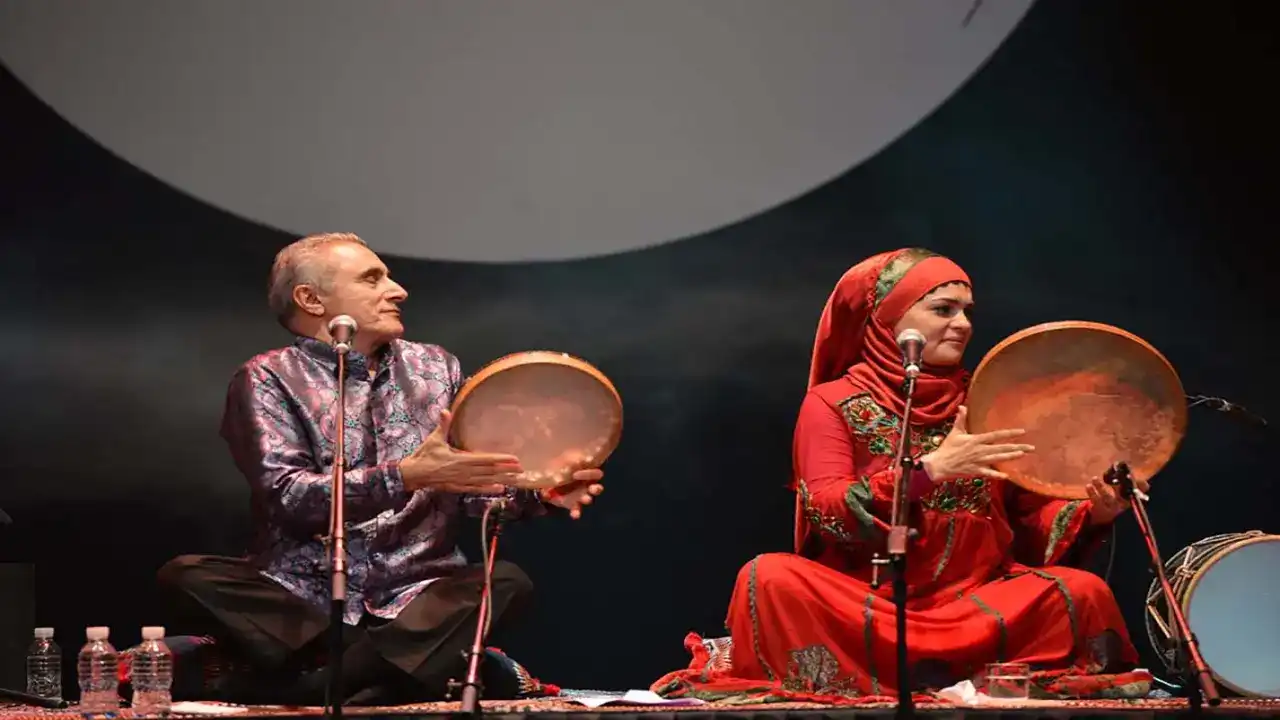
Festivals are not just dates on a calendar in Azerbaijan. Many of them are tied to seasons, harvests, or traditions families have observed for generations. Some traditions are hundreds of years old, predating modern cities, highways and glass-framed buildings that transformed the landscape. Preparation starts early too. Sometimes days ahead. Sometimes weeks. Homes get cleaned properly. Not just a quick sweep. Cupboards emptied. Floors scrubbed. Old clutter has finally been thrown out. The kind of cleaning people procrastinate until something makes them do it.
In the meantime, the kitchen becomes the most active room in your home. Pastries baking. Nuts roasting. One person is testing syrup for sweets and the other person is preparing your next batch. Relatives begin calling as well, discerning who is visiting whom and when. Food isn’t random either. Many dishes have symbolic significance, think prosperity, gratitude or wishes for a prosperous year ahead. Visitors often notice one thing right away: People are friendly. If you seem curious, someone is likely to explain what’s going on. Or offer tea. Or demand that you taste something off the table. Sometimes all three.
Festivals in Baku
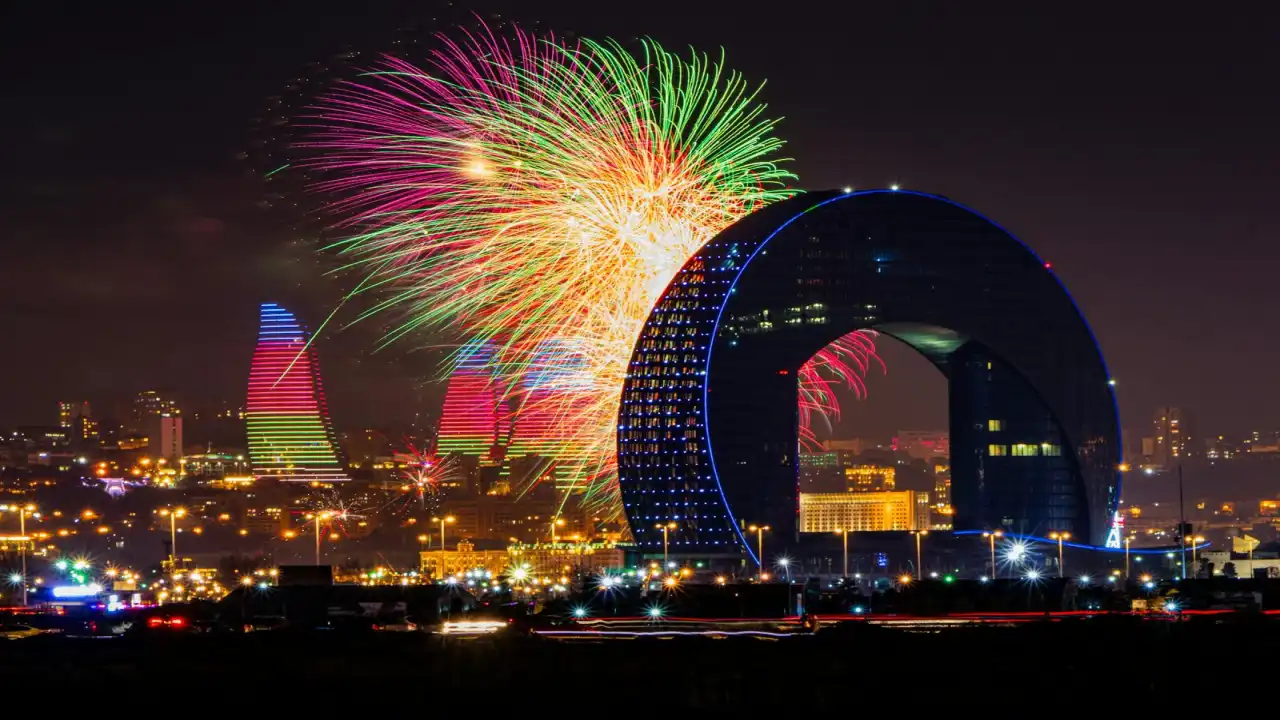
The capital, Baku, hosts many of the country’s larger cultural events. Music festivals, art shows, food fairs. A mix of traditional culture and newer creative scenes. Public squares fill with performers. Artists display paintings and handmade crafts. Street vendors cook dishes you might not find on regular restaurant menus. One interesting thing is the mix of generations. You might see young musicians experimenting with modern folk sounds while nearby an older performer plays an instrument that’s been around for centuries. Somehow it works.
Spring and the Festival of Nowruz
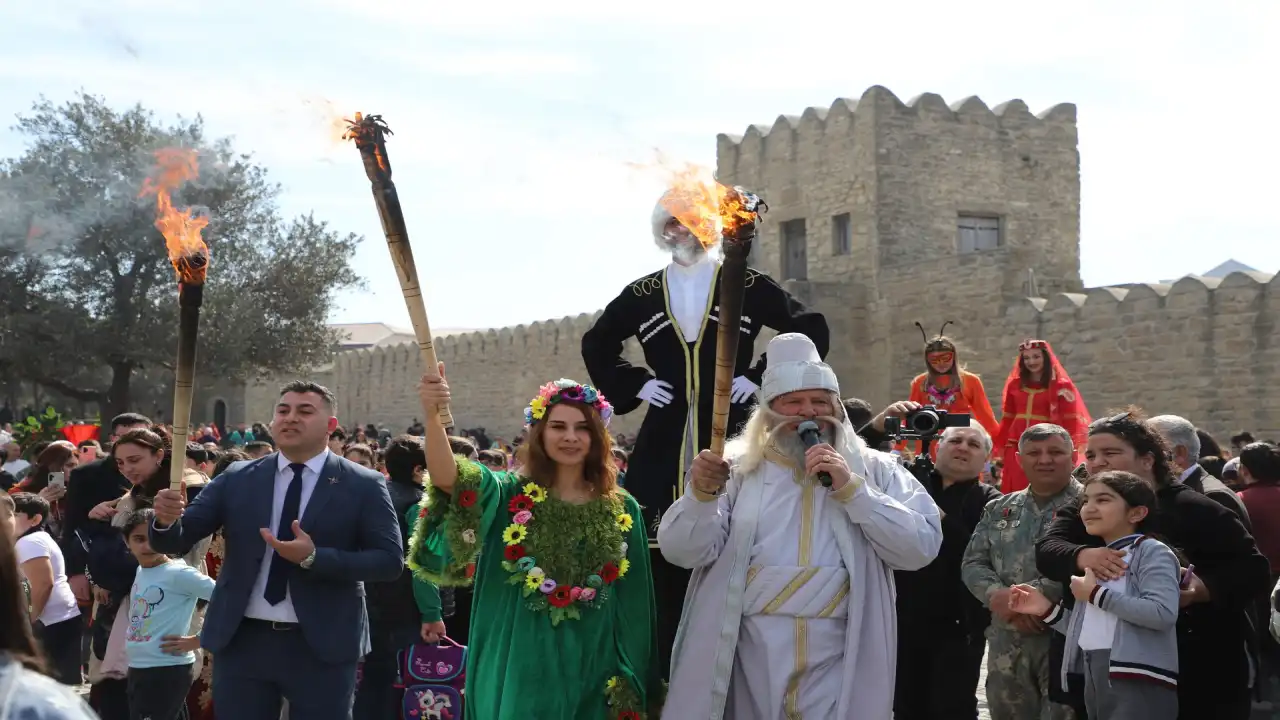
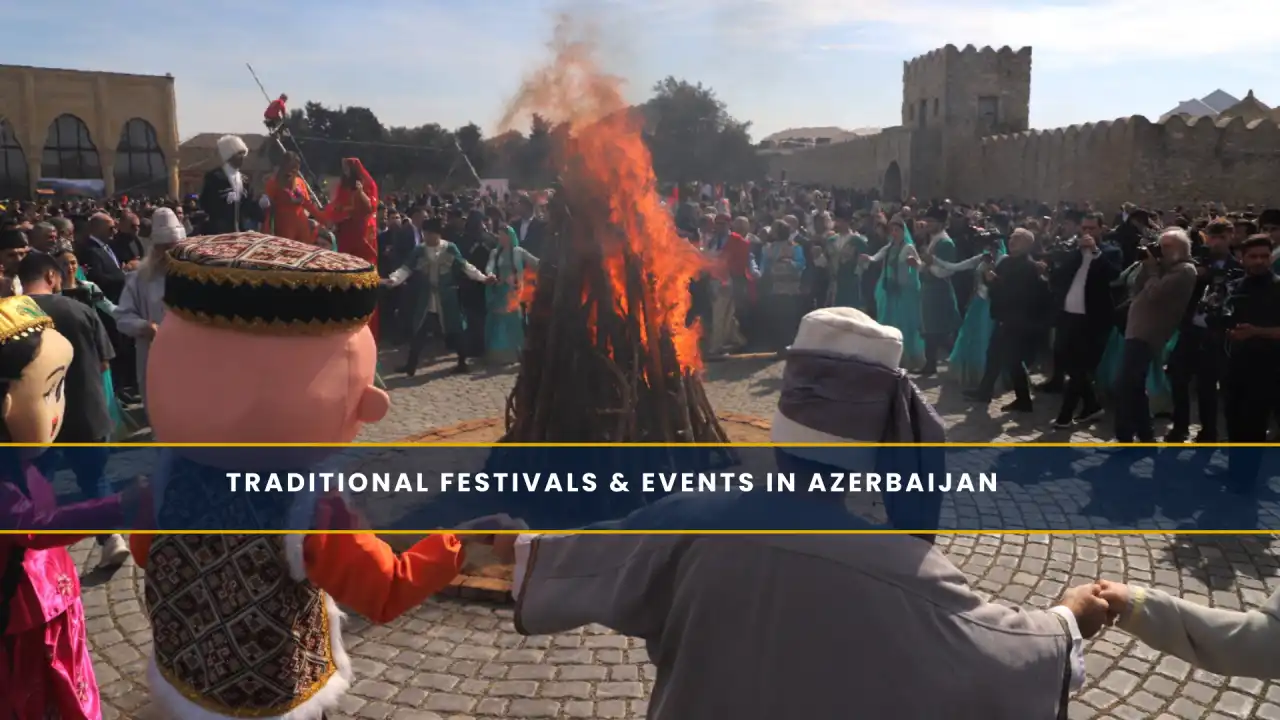
One of the biggest celebrations in Azerbaijan is Nowruz, a spring festival marking the new year according to the old Persian calendar. Preparation begins weeks before the actual day. One small tradition you’ll see in many homes is growing wheat grass called semeni. Families place seeds in shallow dishes near sunny windows and wait for bright green sprouts to grow. It’s simple. But symbolic.
A reminder that spring is returning. People also clean their homes before the Nowruz celebration in Azerbaijan. The idea is to start the year fresh. Closets reorganized. Floors polished. Old things are finally tossed out. During the celebration itself, you’ll see all sorts of small traditions:
- People jumping over small bonfires
- Tables covered with sweets and nuts
- Families visiting relatives all day
- Children collecting candies from neighbors
The food table is colorful too, with dyed eggs, nuts, pastries, and sweets like Pakhlava and Shekerbura. Walk through neighborhoods during Nowruz, and the atmosphere just feels different. Fires glowing in courtyards. People are chatting outside late into the evening. Somewhere nearby, someone is grilling food and the smell drifts through the street.
The Goychay Pomegranate Festival
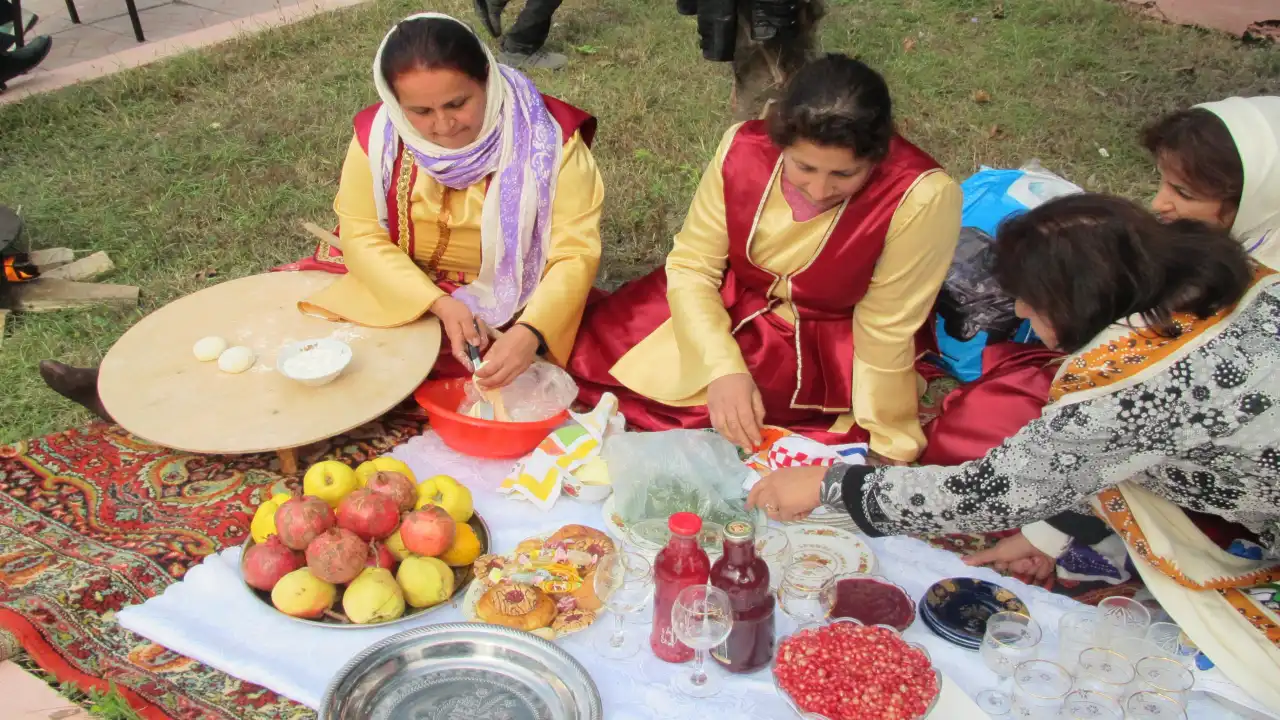
Best pomegranates in Azerbaijan. You’ve seen them in juices, sauces, desserts and even savory dishes. The Goychay Pomegranate Festival is a celebration of the town’s fruit, held in autumn at harvesttime. At first glance, it appears to be a simple food festival. But it’s actually pretty lively. Farmers display various types of pomegranates that they have cultivated. Quenchers squeeze fresh juice in front of you. There are contests for how much the fruit weighs, folk music performances and lots of local food. Families walk around tasting things. Children stand next to huge heaps of red fruit, which are yet to be decorated. It’s busy, but not chaotic.
Gabala Music Festival
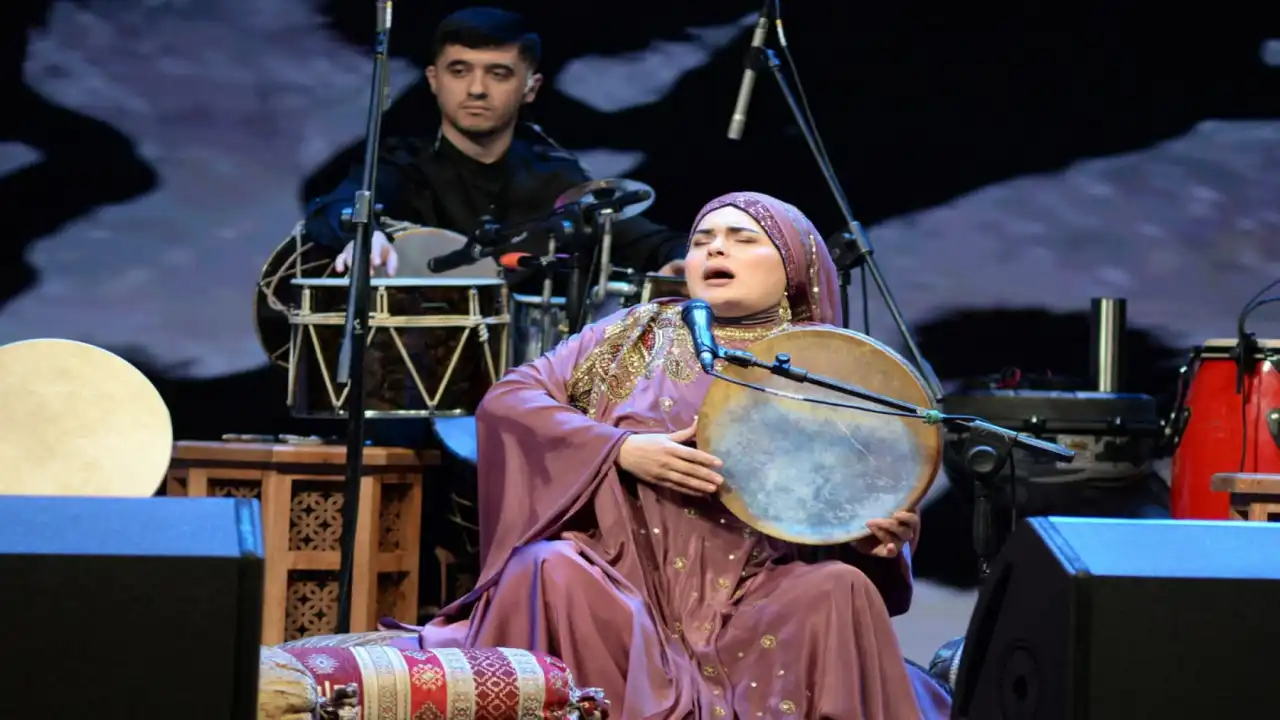
Not all festivals here focus on tradition. The Gabala Music Festival, held in Gabala, brings classical musicians from different countries together for outdoor concerts. Instead of formal concert halls, performances often happen outside with mountains surrounding the stage. The atmosphere feels calm. Almost quiet. A bit magical, honestly.
International Mugham Festival
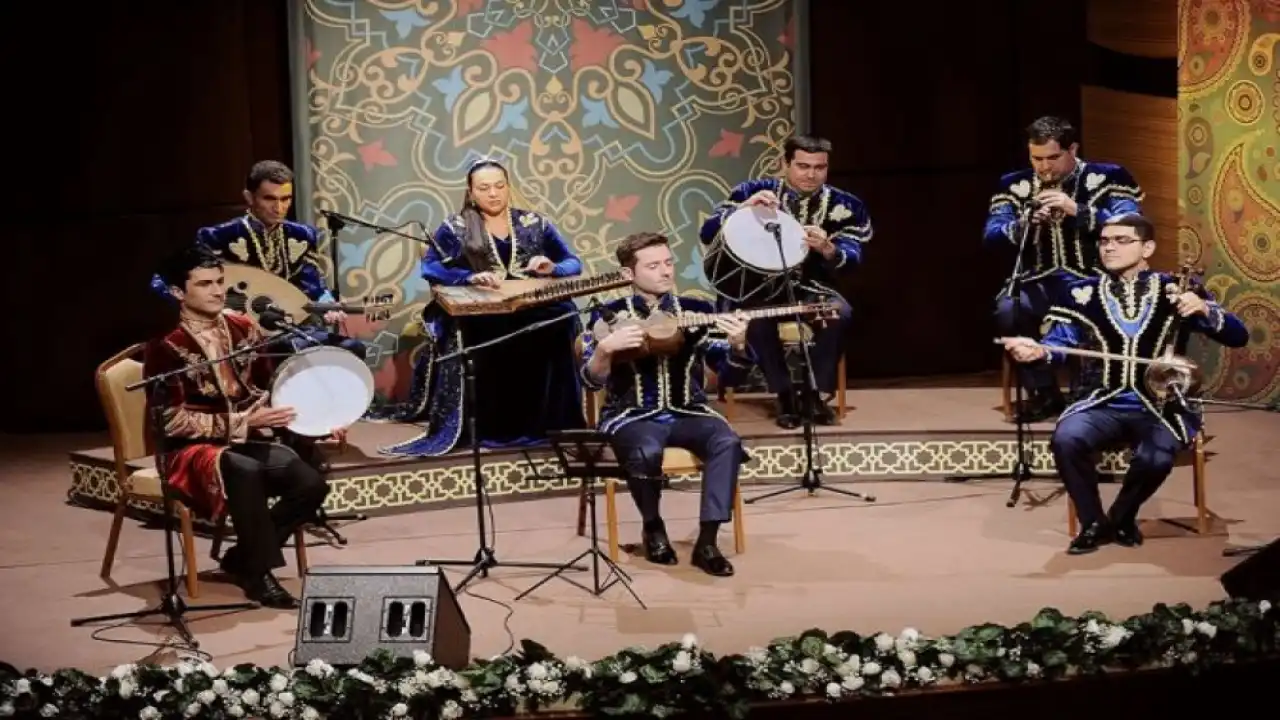
Another important event is the International Mugham Festival, dedicated to Mugham, one of Azerbaijan’s most respected musical traditions. It’s a complex style that blends singing, poetry, and improvisation. Emotionally, sometimes intense. If you ever plan a Baku trip package, try to visit during the festival season because the performances feel completely different when you hear them live. Even people who don’t understand the language often end up just sitting quietly, listening to the emotion in the music.
Sheki Silk and Craft Festival
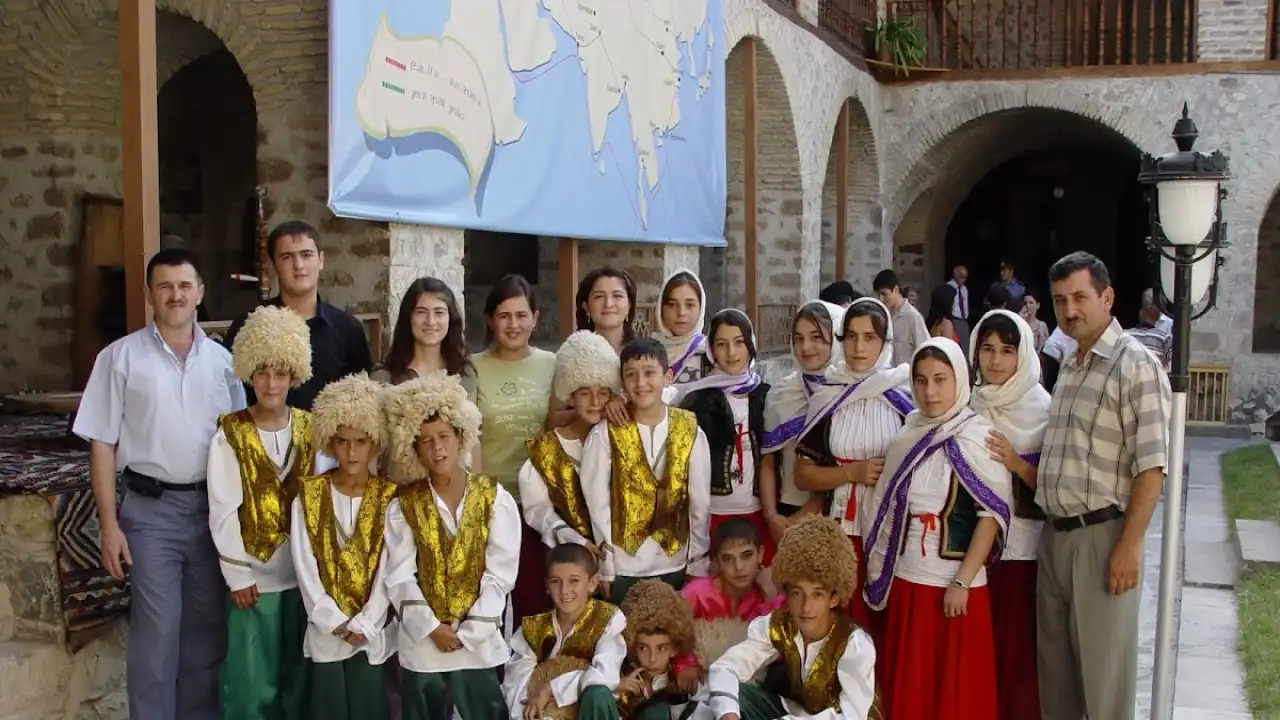
There’s also the Sheki Silk and Craft Festival in the historic city of Sheki. Artisans gather to show traditional skills, such as silk weaving, copper work, and carpet making. Walking through the stalls feels less like a market and more like a series of small workshops. Someone weaving. Someone is hammering copper. Someone is carefully carving wood. Slow, patient work.
Small Village Celebrations
Some of the most memorable festivals don’t appear in travel guides at all. They happen quietly in small villages. Maybe a wrestling match. Maybe horse riding competitions. Maybe just a big outdoor meal where half the community shows up. Travelers often arrive knowing no one and leave after several cups of tea and a full plate of homemade food. Sometimes two plates. Those unexpected moments tend to become the stories people remember most later.
Planning a Trip Around Festivals
For travelers seeking cultural experiences, scheduling a visit during festival season can add an extra layer of enjoyment to the journey. Others prefer to wait for the Azerbaijan festival dates and book their travels as part of an international trip package. It’s not necessary, of course. But it can make things easier for first-time visitors.
Conclusion
After seeing a few festivals in Azerbaijan, something becomes clear. These celebrations aren’t just events organized for entertainment. They’re part of everyday life. Food, music, family visits, and conversations that stretch late into the evening. A stranger offering sweets. Music echoes through a narrow street. Someone explaining a tradition with obvious pride. Those small moments of Baku cultural events stick with you. And for many travelers, they end up being the highlight of the entire trip.
Helpful Tips for Festival Visits
A few simple steps can streamline the experience:
• Get there early for popular events
• Bring small cash for food stalls or crafts
• Dress comfortably (there’ll be a lot of walking)
• Take permission before clicking pictures of people
• Food Traditions: Eat as many traditional foods as you can