Traditional Ladakhi Foods You Should Not Miss
Introduction
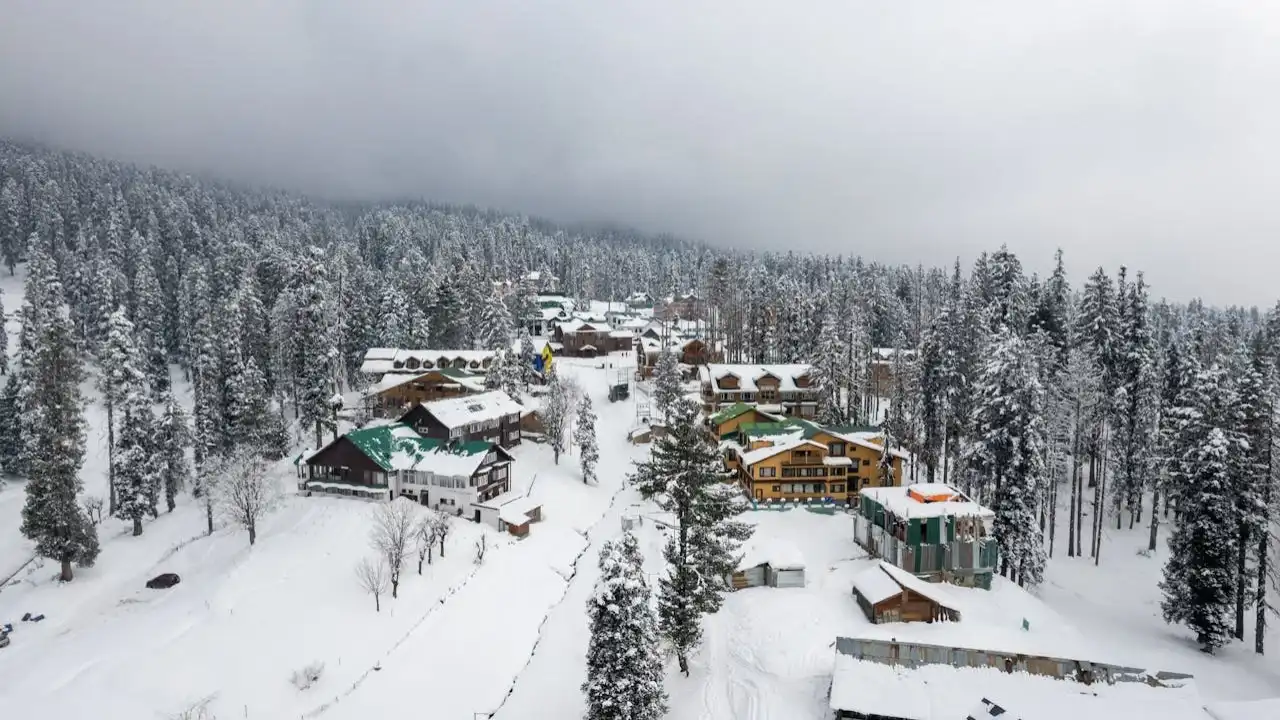
Most people talk about Ladakh for the landscapes first. The endless mountains. Those strange, silent roads where sometimes you drive for twenty minutes and see almost nobody. Monasteries sit on cliffs like they’ve been there forever. All true, honestly. But after a few days, something else starts staying in your head more than expected: the food.
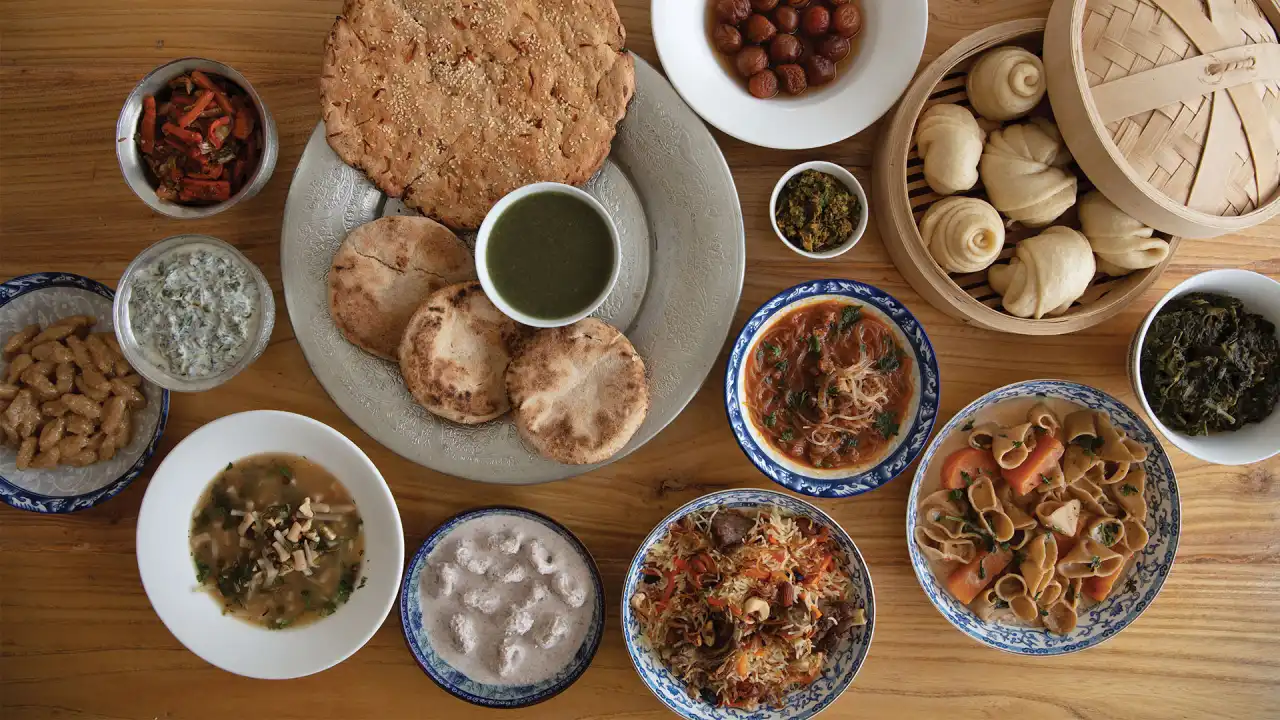
The meals here are simple in a very mountain-life kind of way: Hot soups, fresh dumplings, and thick breads. Butter tea that tastes confusing at first and comforting later. Food in Ladakh feels less like restaurant cuisine and more like something people genuinely needed to survive brutal winters. Maybe that’s why it feels so real. Trying Traditional Ladakhi Foods is almost like understanding the place itself. You sit in a small café after a freezing bike ride, your hands still cold, and suddenly one bowl of hot Thukpa feels better than any expensive meal back home. Funny how that works. Travelers doing a Ladakh trip package don’t expect food to become such a big memory of the journey. But it does. Quietly.
Why Ladakhi Food Feels Different
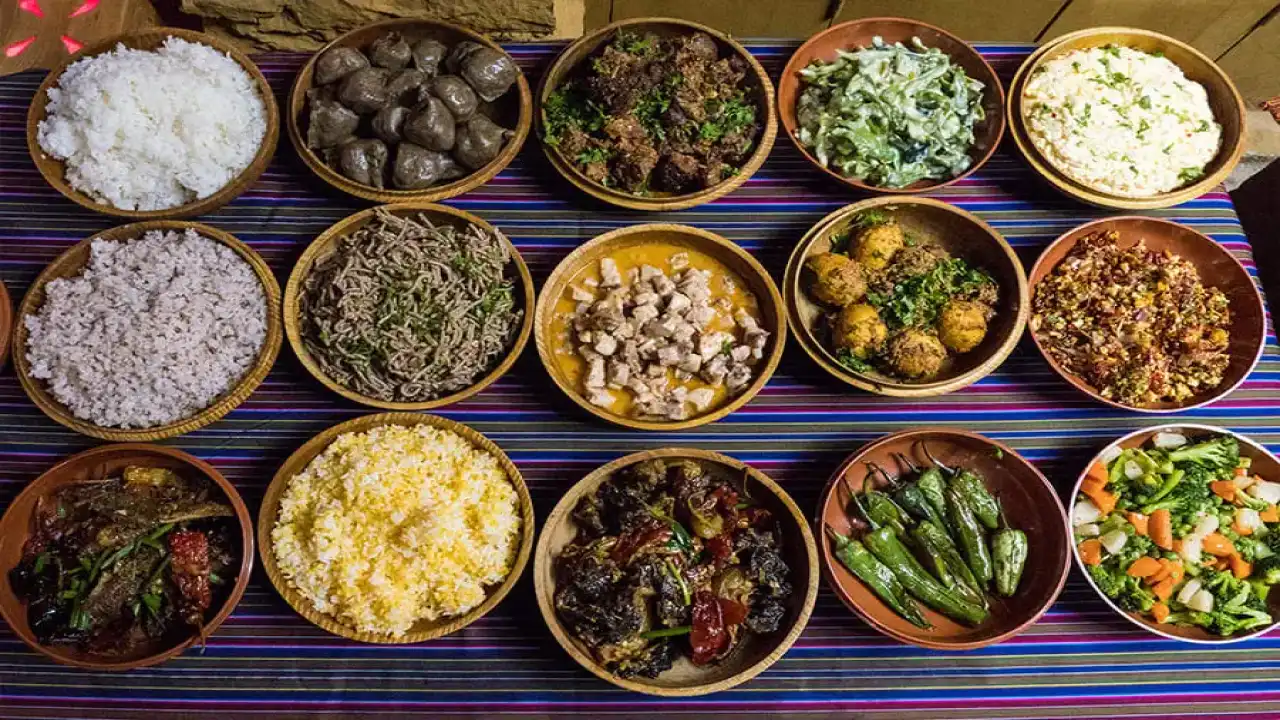
Ladakhi food isn’t overloaded with spices or heavy gravies. Actually, after spending time there, oily food starts feeling too much. The cooking style is simpler because life in the mountains has always been practical.
People traditionally used ingredients that could survive cold weather and long winters:
- Barley
- Potatoes
- Wheat
- Dried vegetables
- Yak milk products
- Meat
That’s why so many dishes feel warm and filling instead of rich or flashy. There’s also a strong Tibetan influence in the food, especially in soups and noodle dishes. And honestly, it fits the landscape perfectly. Loud spicy food somehow feels out of place when everything around you is quiet, mountains and cold wind.
Thukpa – The Thing You Start Craving at Night
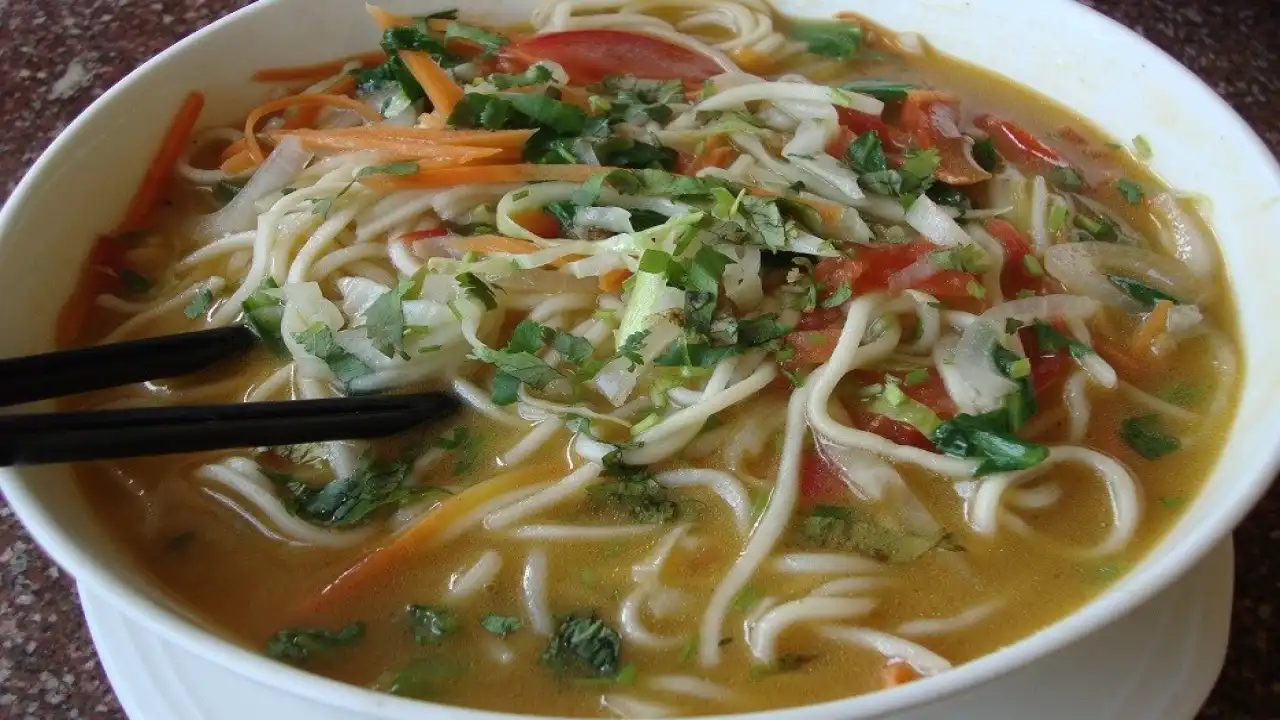
Cold weather changes food cravings completely. In Ladakh, soup suddenly becomes emotional support. Thukpa is a noodle soup served steaming hot with vegetables, meat, or egg. Very common across Ladakh. Especially during evenings when temperatures start dropping fast.
What’s funny is that Thukpa doesn’t try hard to impress you. It’s not dramatic food. But after hours on dusty mountain roads, your body almost relaxes after the first few bites. Among the Famous Foods in Ladakh, this is probably the easiest one to fall in love with.
Usually it contains:
- Handmade noodles
- Cabbage
- Onion
- Carrots
- Mild spices
- Meat or egg sometimes
And somehow it always tastes better in cold air.
Momos Taste Better in the Mountains
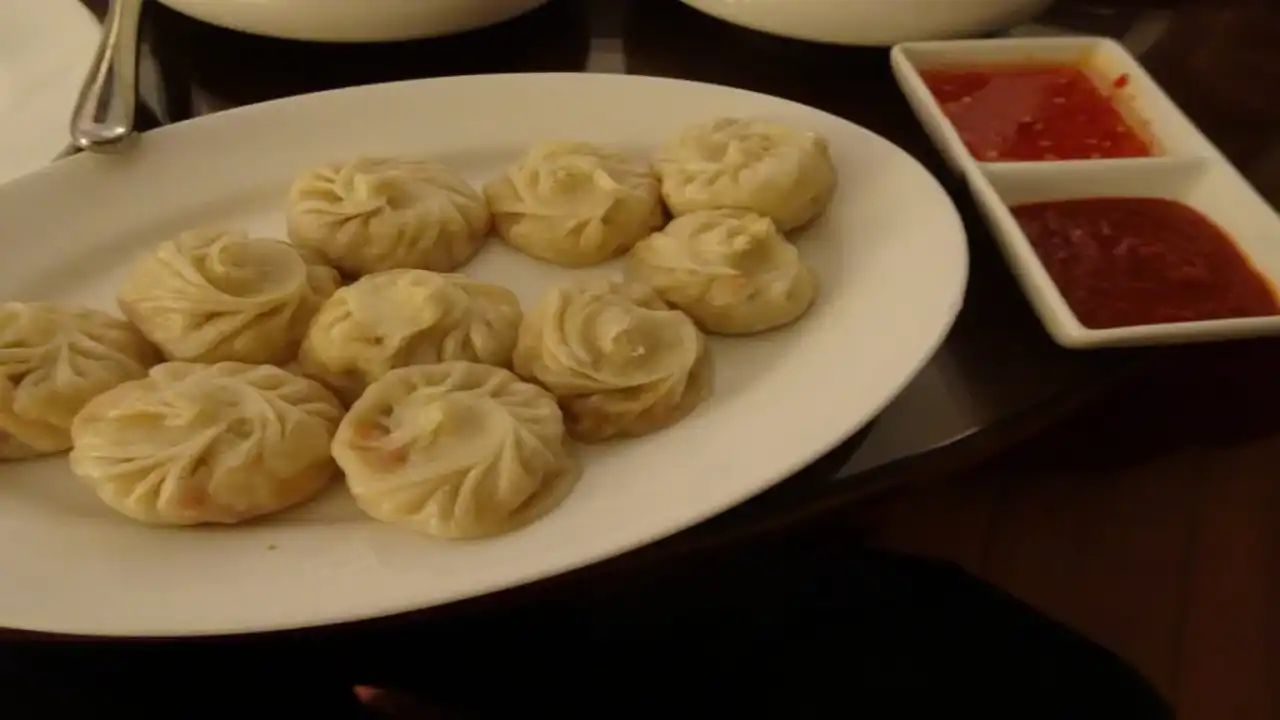
Everybody knows momos now. Every city has them. But Ladakh momos feel different somehow. Maybe because of the weather. Maybe because they’re fresher. Or maybe because eating hot dumplings while sitting under giant mountains automatically improves everything.
The fillings are usually:
- Vegetables
- Chicken
- Mutton
- Cheese
Served with spicy chutney and occasionally soup on the side. Nothing complicated. Still memorable.
Butter Tea – Weird First, Addictive Later
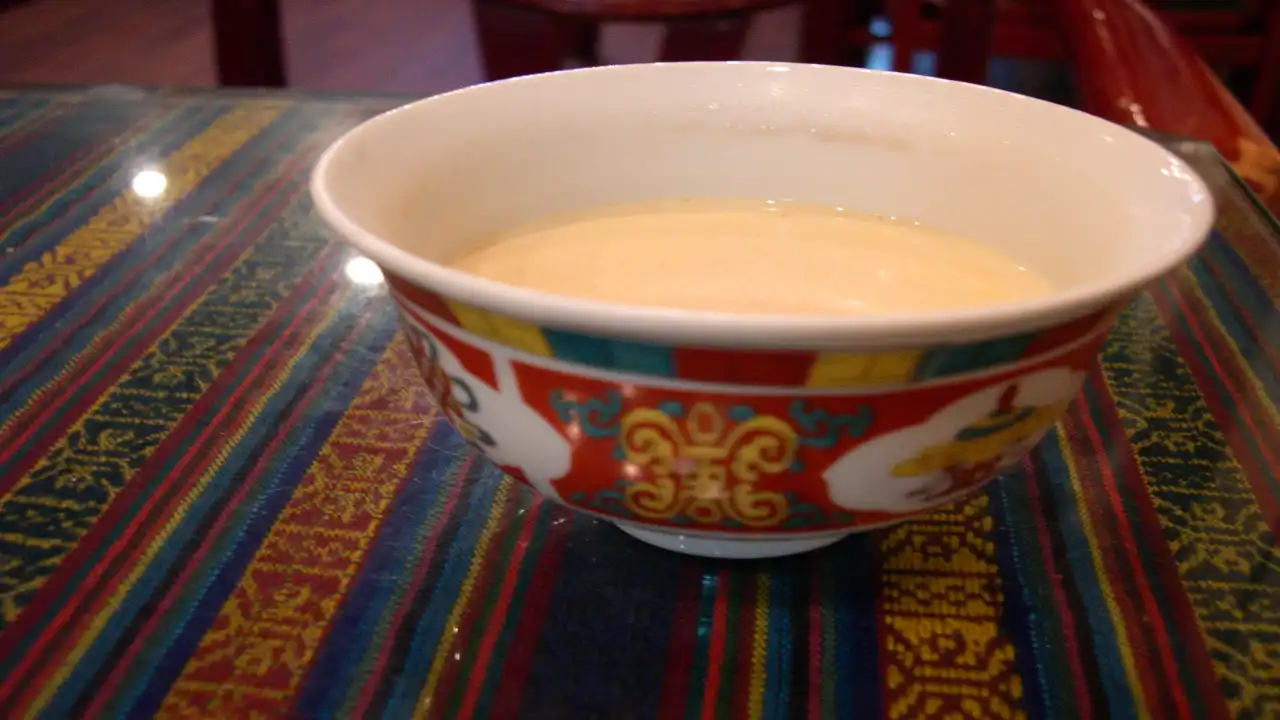
Butter tea is honestly confusing the first time. Your brain expects normal sweet chai. Instead, you get salty tea with butter in it. Most people make a strange face after the first sip. Fair enough.
But Ladakh is cold. Really cold sometimes. And after a couple of mornings, that creamy salty warmth suddenly starts making sense. Locals call it Gur Gur Chai.
It’s made using:
- Tea leaves
- Butter
- Salt
- Milk
It helps people stay warm and hydrated at high altitude.
Chhurpi – The Snack That Lasts Forever
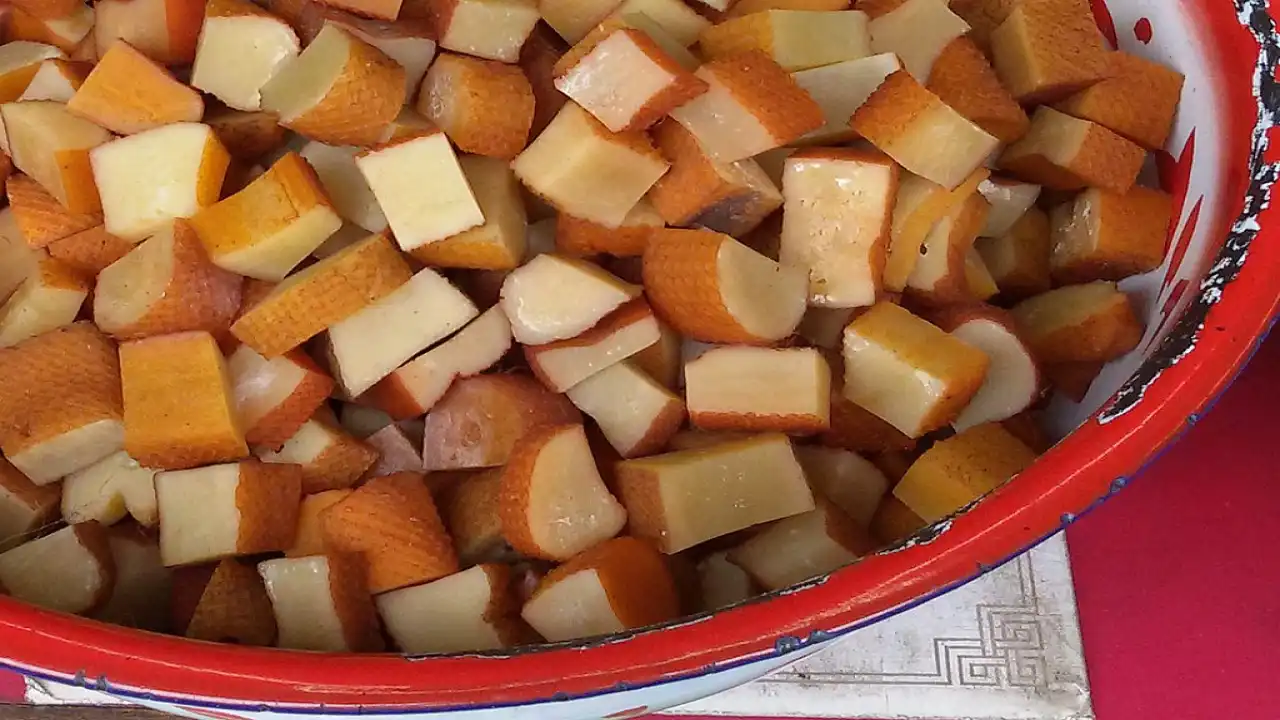
Chhurpi is a traditional Himalayan cheese made from yak or cow milk. The hard version is extremely chewy and lasts for a long time, which is why locals often carry it during journeys in the mountains. It’s less about fancy flavor and more about practical energy food that works well in cold weather.
Why Chhurpi is unique
- Made using yak or cow milk
- Extremely chewy texture
- Lasts long during travel
- Common in Himalayan regions
- Popular as a local mountain snack
Not everybody likes it immediately, but trying Chhurpi still feels like an important part of experiencing Ladakhi food culture.
Tingmo – Soft Bread That Goes With Everything
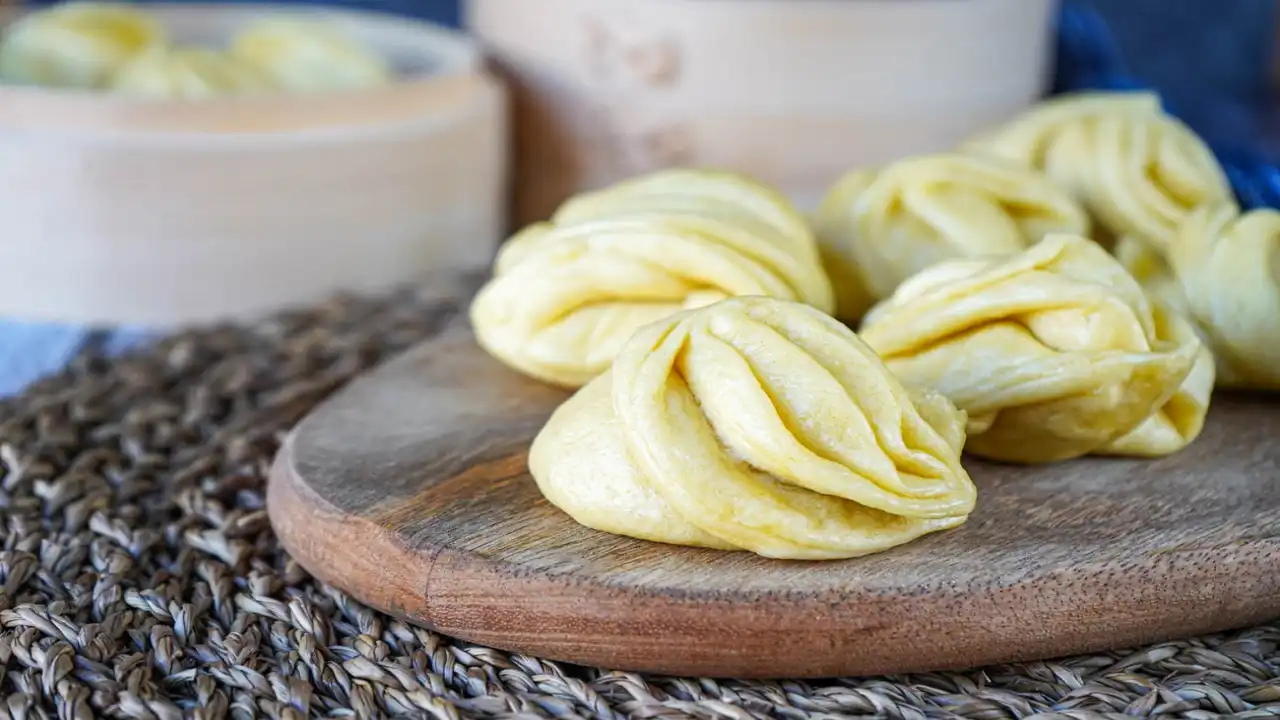
Tingmo is soft steamed bread usually eaten with curries or stews. It looks simple and honestly doesn’t sound exciting when someone describes it. But fresh Tingmo with hot food during cold weather? Completely different story.
People usually eat it with:
- Lentils
- Meat curry
- Vegetable stew
- Soup dishes
The bread absorbs flavors really well without overpowering the meal. Sometimes the plainest foods become the most comforting ones during travel.
Paba – Simple but Deeply Traditional
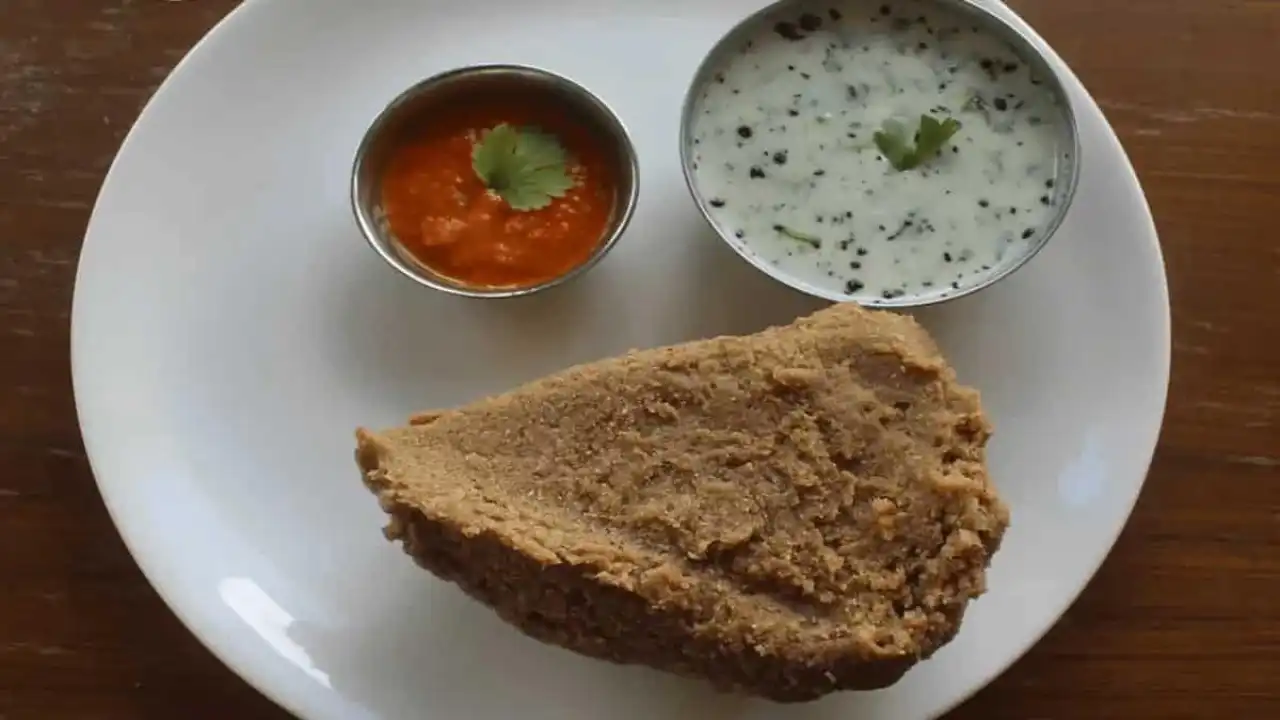
Paba is made using roasted barley flour mixed with vegetables or stew. Barley has been important in Ladakh for generations because it grows well even in the region’s harsh weather conditions. That’s why many traditional meals in Ladakh are built around it.
Why Paba feels special
- Made from roasted barley flour
- Simple and nutritious meal
- Strong connection to Ladakhi farming culture
- Common in traditional households
- Filling food for cold weather
For travelers wanting to try the Best Ladakhi Dishes to Try, Paba feels very authentic, local, and deeply connected to the land itself.
Skyu – Ladakh’s Ultimate Comfort Meal
Skyu is one of those dishes that instantly tastes homemade, even if you’ve never had it before. It’s basically a thick pasta stew made with small hand-shaped dough pieces cooked slowly with vegetables and sometimes meat. Sounds simple. It is simple. But after a long cold day in Ladakh, simple becomes amazing very quickly.
The texture is soft and chewy at the same time. Somewhere between soup and handmade pasta. Locals eat it a lot during winter because it keeps the body warm for hours. Travelers usually end up loving it because it feels comforting without being too heavy.
Why do people like Skyu
- Warm and filling
- Mild flavors
- Great in cold weather
- Feels homemade
Pro Tip: Eat Skyu at a local homestay if possible. The homemade versions usually taste way better than the café ones
Apricot Products Are Seriously Underrated
Ladakh grows amazing apricots, and not enough people talk about them.
You’ll find:
- Apricot jam
- Juices
- Dried apricots
- Oils
- Desserts
A lot of cafés serve homemade apricot jam during breakfast, and honestly, it tastes far fresher than the packaged things most people buy in cities. Tiny thing, maybe, but it stays in memory.
Where Food Actually Feels Authentic
Touristy cafés in Leh are nice, no doubt. But the best food experiences usually happen in quieter places.
Best places to try Ladakhi food
- Local homestays
- Family kitchens
- Small cafés in Leh
- Village guesthouses
- Festival gatherings
Sometimes the conversations around dinner become more memorable than the meal itself. That happens a lot in Ladakh for some reason.
Conclusion
Ladakhi food isn’t trying to be trendy or complicated. That’s probably why people remember it. The meals are built around warmth, weather, survival, and comfort. A bowl of soup exists because winters are harsh. Butter tea exists because mornings are freezing. Barley dishes exist because the land allowed barley to grow. Nothing feels artificial. And maybe that’s the nicest thing about eating in Ladakh. The food feels honest, quietly honest, much like the slow experiences people often look for while planning Domestic Packages across India.